Major Bibliographical References See Attached _ preliminary determination of individual listing (36 CFR 67) has been history. Religion Architect/Builder Social History individual distinction. Criteria Considerations (Mark "X"in all the boxes that apply.) or represents a significant and distinguishable entity whose components lack Previous documentation on file (NPS) Cultural Affiliation _African-American Second Bantist Church, Eric Co., OIl previously determined eligible by the National Register Primary Location of Additional Data State Historic Preservation Office Local government X_ University Acreage of Property less than one 1 17 3568T0 4590280 3 Verbal Boundary Description (Describe the boundaries of the property on a continuation sheet.) 11. Form Prepared By name/title_Dr. Donna M.
DeBlasio, Director and Marcelle Wilson, Research Historian organization YSU Center for Historic Preservation date_August 24, 2001 state OH zip code_44555-0001 Submit the following items with the completed form: A USGS map (7.5 or 15 minute series) indicating the property's location. Other Maps Photographs requested. Continuation Sheets Federal agency See continuation sheet. 10.
Geographical Data Additional Documentation Name of repository:Youngstown State University Center for Historic Preservation recorded by Historic American Engineering Record # previously listed in the National Register UTM References (Place additional UTM references on a continuation sheet) designated a National Historic Landmark recorded by Historic American Buildings Survey # Boundary Justification(Explain why the boundaries were selected on a continuation sheet.) Other State agency city or town_Youngstown street & number_Dept. of History, One University Plaza _telephone_330-742-3457 A sketch map for historic districts and properties having large acreage or numerous resources. Zone Easting Northing Zone Easting Northing Representative black and white photographs of the property.
Additional items (Check with the SHPO or FPO for any additional items) (Complete this item at the request of the SHPO or FPO.) Second Baptist Church state_OH_ zip code 44870 Paperwork Reduction Act Statement: This information is being collected for applications to the National Register of Historic Places to nominate properties for listing or determine eligibility for listing, to list properties, and to amend existing listings. Response to this request is required to obtain a benefit in accordance with the National Historic Preservation Act, as amended (16 U.S.C. 470 et seq.). response including the time for reviewing instructions, gathering and maintaining data, and completing and reviewing the form. Direct comments regarding this burden estimate or any aspect of this form to the Chief, Administrative Services Division, National Park Service, P.0.
Box 37127, Washington, DC 20013-7127; and the Office of Management and Budget, Paperwork Reductions Project (1024-0018), Washington, DC 20503. telephone_(419) 625-1411 Property Owner city or town_Sandusky Estimated Burden Statement:Public reporting burden for this form is estimated to average 18.1 hours per street & number_315 Decatur St._ NPS Form 10-900-a OMB No. 1024-0018 United States Department of the Interior National Park Service NATIONAL REGISTER OF HISTORIC PLACES CONTINUATION SHEET Section_7_ Page - 1- Second Baptist Church Erie County, Ohio The Second Baptist Church, located at 315 Decatur Street, Sandusky, Erie County, Ohio, 19] In 1929, the congregation constructed a new building, on the site of the original church.
According to a church pamphlet commemorating the building's rededication, a portion of the mid-nineteenth century building was incorporated within the walls of the new structure. The building is on a small lot, sitting approximately sixteen feet back from the road. There are two bushes on either side of the stairs, which lead into the positioned in front of the left side of the building's façade. There is a bush on either side of the sign and smaller bushes in front of it. There is also an historical marker on the southwest corner of the small front lawn, with a small bush next to it. [Photograph 2] The church is located in a neighborhood that is a combination of commercial and residential buildings. Single family dwellings dating from the late nineteenth and early twentieth centuries are on both sides of the church.
The American foursquare house directly to the south of the church was the parsonage; it is currently a rental property. This building, along with the garage behind it, is part of the property historically driveway to the south of the church, between it and the former parsonage. There is a wide) between the street and sidewalk. Directly across the street from the church is a large parking lot belonging to National City Bank. [Photograph 16] There are other residences on both sides of Decatur Street, all dating from the late nineteenth to the early twentieth centuries. Some of these buildings are now offices and other commercial enterprises. [Photographs 17 and 18] Exterior Features - The Church The 1929 Second Baptist Church is clad in brick, laid in the stretcher bond pattern over a wood frame. The one story church has a low-pitched gable roof, covered in asphalt shingles.
The gable end faces the front (east) on Decatur Street [Photograph 5]. There is a square bell tower on the northeast corner of the front façade. The tower has a Late Gothic Revival-inspired battlement at the top, above the cornice line. The battlement trim is made of limestone, while the cornice line is made of wood. There are buttresses on the front and sides of the bell tower, another feature of Late Gothic Revival (8-86) Description concrete sidewalk in front of the property and a small grass strip (approximately one foot associated with the Second Baptist Church.[Photographs 3 and 4] There is a paved church.[Photograph 1] There is a sign with the church's name and service schedule NPS Form 10-900-a OMB No. 1024-0018 United States Department of the Interior NATIONAL REGISTER OF HISTORIC PLACES CONTINUATION SHEET Section7_ Page Second Baptist Church Erie County, Ohio architecture.
The buttresses each have limestone amortizements. [Photograph 6] There are three segmented arched stained glass windows on the bell tower, one centered on are two rectangular double hung sash stained glass windows, one on each side, below the arched windows that are level with the entry door. [Appendix #1] The front façade is asymmetrical, with three bays. The entrance is through a Tudor- arched doorway in the bell tower; new aluminum doors with tinted glass replace the original wooden doors. The steps to the entrance are poured concrete and there is a windows in the other two bays. The window in the south front bay depicts Christ with the Shepherd. [Photograph 7] The arches over all the windows are defined by a brick soldier course with a limestone keystone. Under the roofline there are brackets, imitating exposed rafter rails.
[Photograph 8] This decorative feature was influenced by Arts and Crafts architecture. Centered directly below the apex of the roof ridge there is decorative brick work which consists of two parallel horizontal lines separated by a centered circle. Bricks set in soldier courses fill in the space between the horizontal lines and surrounding the circle. There is a limestone cornerstone on the southeast corner of the building, which [Photographs 9 and 22] visible above grade. These windows are paired; there are two pairs in the front and three separation between the first floor and the basement. The foundation is constructed of over one double hung sash arched stained glass windows on both sides. The window centered, directly above the sash line.
[Photograph 11] As with the façade windows, a brick soldier course with a limestone keystone defines the arches on the exterior of each side window as well. All of the windows have been covered with plexiglass to protect (8-86) smooth dressed limestone. pairs on each of the side elevations.A soldier course on the exterior defines the wrought iron railing on either side of the stairway.There are Tudor-arched stained glass little children.The larger center window is a representation of Christ as the Good National Park Service the stained glass.
The side(north and south) elevations are identical.[Photograph10] There are three one each exposed side.Above each of the arched windows is an arched louvered vent.There The church has a raised basement;the one over one double hung sash windows are designs are relatively simple, featuring a different symbol of Christianity in the top sash, says "Second Baptist Church 1929" on the front of it and "A.D. 1849" on the south side. NPS Form 10-900-a OMB No. 1024-0018 United States Department of the Interior National Park Service NATIONAL REGISTER OF HISTORIC PLACES CONTINUATION SHEET Section_7_ Page - 3 - Second Baptist Church Erie County, Ohio All of the stained glass windows are dedicated to various church members, many of whom were active in the construction of the 1929 building. The smaller façade window is Garrett and Family.
James Davis was a leading member of the church congregation and one of the first black mail carriers in Sandusky; his name is on the loan for the construction of the 1929 building. The large façade window is dedicated to Mr. and Mrs. Samuel Scott and their daughter, Dorothy. Samuel Scott was one of Sandusky's few three north windows are dedicated to: Mr. and Mrs. Charles Alexander, Mr. and Mrs. William H. Alexander, A.C. and Catherine Campbell and the Reverend and Mrs. H.O. Mason and daughters Irene and Corinne. Charles Alexander was also one of Sandusky's first African-American mail carriers. Rev. Mason was pastor of Second Baptist and oversaw the construction of the 1929 building. The three south windows are dedicated to: Mr. and Mrs. Taylor Williams, Joseph Thomas and family, and Mr. and Mrs. Hampton Curtis.
The small tower windows also have dedications; they are: "In Memory Deacon Stephens Wallace and Family. [Photograph 20] The rear elevation of the main gable roof is covered in white vinyl siding. The rear façade is asymmetrical. There are five one over one double hung sash windows on the rear. There is an off-center entrance with a contemporary wood door. A wooden 5 foot by 7 foot storage shed also sits on the rear of the property. There is a contemporary chain link fence surrounding the rear and sides of the property. While contemporary descriptions of the construction of the new church refer to an eighteen foot rear addition, what they are really referring to is an eighteen foot increase in the foundation, as the new 12 and 21 Interior Features-The Church and side aisles.
There is a row of pews built into the wall beneath the large stained glass The apse has an ambo in the center, with seating for the choir on the left (south) side and the baptistery and musical instruments on the right (north) side. There is a recessed area at the rear of the apse with chairs for the pastor and deacons. There are arched doors on (8-86) licensed black barbers;he also did the electrical wiring for the new church structure. The dedicated to Mr.and Mrs.B. Garrett,Mr.and Mrs.James Davis and Mr.and Mrs. J. northeast corner of the nave. The pews are arranged in two columns with a center aisle The sanctuary [Appendix #2] is asymmetrical in shape, with the entrance being at the windows of the façade. [Photograph 13] There are three steps leading up into the apse. church incorporated and extended the foundation of the original building.[Photographs NPS Form 10-900-a OMB No.
1024-0018 United States Department of the Interior National Park Service NATIONAL REGISTER OF HISTORIC PLACES CONTINUATION SHEET Second Baptist Church Erie County, Ohio either side of the recessed area, as well as a third door at the northeast corner of the sanctuary. There is a door to the left of the entrance to the sanctuary that provides access to a study room and the belfry of the bell tower. The sanctuary was remodeled in the 1970s, with new pews, other furnishings, and carpeting. [Photograph 14] The simple elegance of the church sanctuary belies its Late Gothic-Tudor Revival exterior. Although it is relatively plain, there are elements of the interior worship space that reflect the influence of Neo-Classicism. There are seven pilasters located along the walls.
The two pilasters on opposite sides of the apse and on either side of the recessed area at the end of the apse, have Corinthian capitals; the other three have Doric capitals. All of the capitals are covered in gold leaf. There is a gold leaf Aaron's rod molding that is level with the capitals of the pilasters and encircles the entire sanctuary. The ceiling is are a rough textured plaster and there is a wood chair railing around the perimeter of the sanctuary. There is a mural on either side of the apse; on the north wall is John the Baptist baptizing Christ and on the south wall is Christ carrying his cross. Eight evenly and wrought iron with Gothic Revival decoration. The iron forms tracery resembling lighting. [Photograph 15] Behind the sanctuary there is office and storage space.
There are also stairs leading to the 23, 24, 25] There is also a large kitchen separated off from the larger public area. [Photograph 26] The walls are plastered and the floors are covered with tile. There are also two public restroom facilities in the basement. [Appendix #3] Built ca. 1920, the parsonage is a vernacular American foursquare balloon frame dwelling. It is a 2 ½ story structure with an asymmetrical two bay façade and a low pitched hip roof. There is a hipped roof dormer on the façade of the roof surface. The roof is covered in asphalt shingles. There is one chimney, off-center in the rear roof line. The original wood cladding has been altered with aluminum siding. There is a full width Parsonage and Garage Gothic arches around the glass. There are also three wall sconces that provide ambient basement.
The large basement is used as an all-purpose meeting space.[Photographs asphalt shingles. The windows are all one over one double hung sash with wood frames. coved and there is an asymmetrical oak ceiling molding surrounding the room. The walls spaced lighting fixtures are suspended from the ceiling. These fixtures are made of glass (8-86) Section_7_ Page - 4- front porch that is also clad in aluminum siding. The hipped porch roof is covered in NPS Form 10-900 OMB No. 1024-0018 (Rev. 10-90) United States Department of the Interior National Park Service NATIONAL REGISTER OF HISTORIC PLACES REGISTRATION FORM Second Baptist Church Erie County, Ohio The first floor facade has a set of ribbon windows, composed of three tall, slim windows in a Reverend H. O. Mason built a two-story rear addition after becoming pastor of Second Baptist in 1929.
The addition consists of an enclosed rear porch on the first floor for a breakfast room and a entrance. The foundation, which is raised above grade, is made of rock faced concrete block. The front porch foundation is made of smooth concrete block, which is an alteration, although the original rock faced concrete block remains beneath the two front porch posts. The rear porch foundation is also composed of smooth concrete block. [Photograph 27] The parsonage sits close to the sidewalk, approximately twelve feet from the road and has a small grass lawn. There is a concrete walkway leading to the front porch steps, which are also made of concrete and have a wrought iron railing on both sides. There is no grass in the back, although there are several mature trees at the rear of the property, along the fence line. The backyard is covered in concrete.
The parsonage sits right at the edge of the property and in very close proximity (less than five feet) to the dwelling to the south. composed of rock faced concrete block. It has a low pitched hipped roof, mimicking the style of of the garage. [Photograph 4] row. [Photograph 3] the parsonage.The roof is covered in asphalt shingles.The garage opening is off-center;the door sleeping porch on the second floor.Smooth concrete block steps lead up to the rear porch is a metal replacement.There is a single six over six double hung sash window on the north side Reverend H. O. Mason built the garage in 1930. It is a one bay single story structure and is Section number_ 7 Page_ NPS Form 10-900 OMB No. 1024-0018 (Rev.
10-90) United States Department of the Interior National Park Service NATIONAL REGISTER OF HISTORIC PLACES REGISTRATION FORM Erie County, Ohio The Second Baptist Church, located at 315 Decatur Street, Sandusky, Erie County, Ohio, is eligible for inclusion on the National Register of Historic Places under Criterion A. The church and parsonage have played an important associative role in the cultural life and civil rights struggles of Sandusky's African-American community since the end of World War I. The property is also being nominated under Criteria Considerations A and G, the latter because the resource continued to achieve significance into a period less than fifty years. The church continues to assume a vital role in the community, which is why its period of significance dates from the beginning of construction of the parsonage ca. 1920 to 1965, when the Civil Rights Act was passed.
Both buildings are still culturally and symbolically significant to their members, although a new church is being built outside Sandusky to accommodate a growing congregation. Before the members agreed to the new building on a different site, they had to be reassured that the current church would not be torn down and would be maintained as a tribute to their history. History of Congregation: "New Church," 1920-1965 The First Regular Anti-Slavery Baptist Church continued its mission of religion and help to people in the Sandusky community. After World War I, more changes were to occur for the members of the church. Whereas, during the year 1920, the Trustees and Members of said The First Regular Anti- Slavery Baptist Church, of Sandusky, Ohio, being desirous of reorganizing their parish under a name eliminating the obsolete issue of human slavery, and acting through the Rev. George D.
Smith, James R. Davis, Samuel Scott, Charles Alexander, Amaziah Skelton, and William H. Alexander, their duly constituted Board of Trustees, as incorporators, * the name was changed to the Second Baptist Church.' By the end of the decade, the congregation realized that they had outgrown their old building and sorely needed a new house of Worship. Members were reluctant to raze this structure that had meant so much to them. It stood as a symbol of their heroic resistance to the institution of slavery as well as to contributions Sandusky, Ohio. Second Baptist Church Section number 8 Page_ 1 "The First Regular Anti-Slavery Baptist Church, of Sandusky, Ohio." et. al., to The Second Baptist Church, of NPS Form 10-900 OMB No. 1024-0018 (Rev.
10-90) United States Department of the Interior National Park Service NATIONAL REGISTER OF HISTORIC PLACES REGISTRATION FORM Section number8 Page Second Baptist Church Erie County, Ohio the members of the congregation had made to the city of Sandusky, including serving their country in the Civil War and the Great War (and later, World War II, Korea and Vietnam). The dilemma facing the Second Baptist Church's congregation is described in the 1930 question for years to the official board and respective pastors of the Second Baptist through a system of reconstruction the oak hewn timbers so strong and sound into a The decision was made to enlarge the church enabling it to accommodate the growing needs of the congregation and members. Pastor H.O. Mason presided over the changes made to the church.
He previously worked in the Park Avenue Baptist Church of Piqua, Ohio where similar church improvements were made. Mason moved his wife and twin daughters to Sandusky, Ohio and began remodeling and renovating the church's structure. The "remodeling" project was quite an expensive undertaking, costing $20,000. Mentioned in a newspaper account of the event, "An 18-foot addition on the rear [of the building] has been added to provide a new pulpit, the pastor's used for a Sunday school department, assembly hall and office of the president of the Ohio was added to the front of the church as well as a tower, which was in vogue architecturally at the time. Stained glass windows were added in "low Gothic design and will be leaded art glass."S Inside the church, the heating system was improved with the installation of a steam heating system.
Members also began to consider the need for musical accompaniment by obtaining " Rededication Program, Second Baptist Church, 1930. 3 Sandusky Register, Sandusky, Ohio September 15, 1929, 8. original building by eighteen feet, not an addition to an existing structure. rededication booklet: Baptist Sunday School Convention, James R. Davis."4 In addition to these improvements, brick preserve in memorial the likeness of the old structure and enshroud and make new Church."What are you going to do?again was raised in June of 1929 as the old historical structure was being raised heavenward."Nothing,"was the reply;"but we shall study and a choir room.A new basement is being finished and modernly equipped.It will be modern and splendid temple for God.2 *Ibid, April 4, 1920, 10.
The addition to which the article refers is really an enlargement of the foundation of the "What are you going to do with that old church?" had been the perplexing during this time period.? In 1929, members of the Second Baptist Church laid the cornerstone NPS Form 10-900 OMB No. 1024-0018 (Rev. 10-90) United States Department of the Interior National Park Service NATIONAL REGISTER OF HISTORIC PLACES REGISTRATION FORM Section number_ 8 Page 3 Second Baptist Church Erie County, Ohio become the Second Baptist Church's new minister "in December 1928 on condition that a new project with furnishings and wiring it for electricity. Member Robert Wilson, a bricklayer, was hired to do the brickwork on the new building.® [Appendix #7] Other improvements would be made inside the church. "The interior will be redecorated, the L.
Sallee and his son, both members of the church, did the interior plastering in the 1929-1930 memorial to the men who helped in the rebuilding effort. On the stained glass windows appear the names of church members who aided by donations or actual work in the 1929 project. Of particular interest in the church's dedication in 1930 was the length of ceremonies (continuing over four days, the Sunday ceremonies lasted all afternoon and into the evening) and the large number of ministers, pastors, and church and church-related organizations participating in the program. Churches involved included: Mt. Zion Baptist Church, Oberlin, Ohio; the First Congregational Church, the First Baptist Church, Grace Episcopal Church, Ohio Baptist General Association of Toledo, and the Ohio State Baptist Sunday School Convention.
Newspaper Cleveland, Fostoria, and Delaware." Dignitaries attending included: Judge John E. Tannery, Judge Claude J. Minor, Rev. Mr. Funnell, Rev. Mr. Mc Williams, Rev. Mr. Stein, Rev. Mr. Stoll, response and attendance certainly attests to the important role and place that the Second Baptist Church held in the community of Sandusky, Ohio as well as in the larger church community 6 Ibid, September 15, 1929, 8. Sandusky Register. September 15, 1929, 8. Sandusky, Ohio. 8 Ibid. Elain Lawson, email to Donna DeBlasio, October 10, 2001. 9 Sandusky Register, Sandusky, Ohio, September 15, 1929, 8. descendents of the founding members of former slaves were present at the 1929 ceremonies. in addition to more than 300 people from the congregation and the community. Such a large 1Ibid.See section 7 for a description of the windows and the names on them.
purchasing all materials and contracting for labor.7 Samuel Scott was hired to complete the remodeling project.Charles L. Sallee and Family"appears at the front of the sanctuary as a prices for a new pipe organ, a possible purchase in the near future.Rev. H. O.Mason agreed to coverage of the event stated that, "Delegations are expected from Akron, Columbus, Toledo, "Sandusky Register, Sandusky, Ohio, April 4, 1930, 10. None of the extant sources indicate whether or not church would be built.He"engineered the entire project including superintending the work, NPS Form 10-900 OMB No. 1024-0018 (Rev. 10-90) United States Department of the Interior National Park Service NATIONAL REGISTER OF HISTORIC PLACES REGISTRATION FORM Section number 8 Page Second Baptist Church Erie County, Ohio itself.
The Sandusky Register, in its coverage of the event, noted that the Second Baptist Church American people, and Zion/First Anti-Slavery Baptist Church was the first Black church in the area and remained so until the African Methodist Episcopal Church was established in 1879. By 1932, according to Williams' Sandusky Directory only two "Colored" Churches are listed; congregations, but these two were the only ones exclusively catering to the needs of Black Sanduskians. Presently there are many Black Churches in the area, but as the oldest Black Church, Second Baptist Church continues its mission to African-Americans of faith. Second Baptist Church has not only been a source of faith and religious devotion for its members, it has also contributed to the community over the years. During World War I, many members of the church served in the military.
Women contributed as members of the Colored Ladies' Auxiliary of the American Red Cross of Sandusky, Ohio. The Auxiliary met at Second Baptist weekly, raised money and knitted and sewed clothing for soldiers during the war. One member stated We supplied each dratted man that lett for camp with a sweater, two pairs of socks, pair wristlets, a scarf and a comfort kit made and filled by the ladies of the auxiliary. At Thanksgiving and Christmas time each of the boys were well remembered with candy, According to historian Elaine Lawson, members of Second Baptist Church aided their friends, neighbors, and other members of the community during the Great Depression by collecting food and clothing for the needy.
Church members also raised funds through bake sales in order to help the needy; the twentieth century spirit of justice present in Second Baptist's congregation traces Slavery Stations." June 14, 1968, 14. 1 Williams' Sandusky Directory for 1932-1933. (Pintis: Williams, D.C.), 1932, 18. Community Outreach and Civil Rights Ebenezer Baptist Church and Second Baptist Church. Other churches might have integrated 13 History of Erie County, Ohio. page 365.Sandusky Register, Sandusky, OH "Sandusky Churches Key Anti- is "one of the oldest churches in Sandusky."!? Sandusky was not largely populated with African- 12 Ibid. NPS Form 10-900 OMB No. 1024-0018 (Rev.
10-90) United States Department of the Interior National Park Service NATIONAL REGISTER OF HISTORIC PLACES REGISTRATION FORM Section number 8 Page5 Erie County, Ohio its roots to an earlier era of helping runaway slaves The city fathers of Sandusky also turned to Second Baptist in helping to place black men in local factories such as fertilizer plants Ferrell- Cheek and G& C; and both men and women in domestic service as butlers, chauffeurs and cemetery located in Perkins Township. The Oakland Cemetery was purchased in the mid 1850s by the city and served the community.
Within it are interred war soldiers and veterans, citizens, infants and the like, without discrimination on the grounds of ethnic background, color, or Nathaniel Jones and his family [Photographs 28, 29, 30], Lawrence Johnson and Moses Washington, both listed on the church's deed, William Hamilton, Harrison Bartlett, and Michael Reynolds, all members of the early church.!® Future members of Second Baptist would also be interred in the cemetery. When Rev. Richard Ashburn's wife, Eugenia Ashburn, died, she was members were diligent in the fight for, and ultimate success in, obtaining civil rights and more equality in the early days of the Civil Rights Movement in Sandusky, Ohio. Conditions of abuse and discrimination were especially noticeable to African-Americans after WWII.
Men who had served this country in its time of need, returned to segregated theaters, restrooms, and other places of public accommodation. Unwilling to accept the situation, Fred Dixon, veteran of both WWI and WWII, initiated change. He began walking the black neighborhoods, enjoining residents to organize against this blatant injustice. Heeding Dixon's call, a few concerned blacks met in Second Baptist Church to reorganize [the local chapter of] the [Sandusky] NAACP. During this restructuring in the early 1950s, Richard Ashburn, Second Baptist Church pastor, became President of the local chapter of the National Association for the Advancement of " History of Erie County, Ohio, 327. " Sandusky Register. Obituary of Eugenia Ashburn. 18 Interment records. Elaine Lawson.
religious affiliation.Buried within the jurisdiction of the cemetery grounds are Trustee Second Baptist Church The church continued to be active in its religious mission as well as in the community.Its maids.'6Original members of the first incarnation of the Zion Church are buried in the local buried in Oakland Cemetery. Colored People (NAACP).Rev.Ashburn was instrumental in expanding the scope and purpose 20 Sandusky Register. Mary Rather. "Local Voices" 1950s Era of Growth of Sandusky NAACP. March 11, 1994. NPS Form 10-900 OMB No. 1024-0018 (Rev. 10-90) United States Department of the Interior National Park Service NATIONAL REGISTER OF HISTORIC PLACES REGISTRATION FORM Section number_ 8 Page 6 Second Baptist Church Erie County, Ohio transformation for African-Americans in the black community of Sandusky, Ohio.
Under his jobs, integrated public accommodations and hiring black teachers led the priorities of the of the nearby GM and Ford Automobile plants as well as in the formation of the city's Human Rights Commission in the late 1960s. The Commission's first president was an African- American women, Marty Rather, who together with the NAACP, wrote Sandusky's first Fair Housing Law." established in the area. Sunnyside Acres, built off Cleveland Road ca.1960, was created to help alleviate the city's housing shortage for blacks; although it too was another form of segregation because no whites were integrated into the development. Still, it was an important first step in creating suitable housing which so greatly needed.? The local NAACP, aided by members of Second Baptist Church, provided all of the necessary legal expertise for the project.
Because of redlining, no bank in Erie County would underwrite the project, so the NAACP and the developer convinced the Union Savings and Loan of Bellevue, Ohio to provide most of the financing. By an intriguing coincidence, Sunnyside Acres is located in the site of a fugitive slave settlement named "Africa," which existed in the 1830s and 1840s. According to Elaine Lawson, "Africa" prospered for a number of years, but then mysteriously "vanished." Some of the names of settlers from "Africa" also appear in Oberlin, Sandusky, and Norwalk, leading to one Reverend Ashburn in appreciation of his efforts on behalf of the community. [Appendix #8] 2Email, Elaine Lawson to Donna DeBlasio, March 27, 2002. Lawson email, March 27, 2002; Sandusky Register, Mary Rather, "Local Voices" 1950s Era of Growth of Sandusky NAACP, March 11, 1994.
Rev.Ashburn was also instrumental in getting much-needed housing for blacks built and 24 Lawson email, March 27, 2002. tutelage, the local NAACP worked to end the discriminatory practice of segregation:Housing, fledgling branch.2l The NAACP was also influential in getting Blacks into management ranks of the organization and began with a voter registration drive.This was just the commencement of supposition that perhaps the former slaves were seeking safety from slave catchers in the 1850s.²After the Sunnyside development was built, the town actually named a street after " Ibid. NPS Form 10-900 OMB No. 1024-0018 (Rev.
10-90) United States Department of the Interior National Park Service NATIONAL REGISTER OF HISTORIC PLACES REGISTRATION FORM Section number_ 8 Page 7 Second Baptist Church Erie County, Ohio Many members of Second Baptist Church were especially well educated and served as leaders for the black community, as well as Sandusky as a whole. Mrs. Eugenia Ashburn, church member and wife of the pastor, was born in Liberia, West Africa. She came to this country in 1941, received her bachelor's degree from New York University, and served as a missionary, along with her husband, to her native country, after their marriage. Mrs. Ashburn authored a book of poetry, "lectured extensively in the Sandusky area and in the east about the life and R.B. Oglesby was also a distinguished member of the Church.
He earned a bachelor's degree from Ohio State University, then received his Juris Doctorate degree from Howard State University Law School and by 1953 passed the Ohio Bar Exam. He served as an Assistant Ohio Attorney General, Erie County Prosecutor, Sandusky City Prosecutor, as well as founding his own law firm, Oglesby & Oglesby. In addition to his career, he was a member of the Salvation Army Board, National Bar Association, helped create the Erie-Huron Community Action Commission, NAACP board member, a Mason, and a member of several other organizations. At the church, Oglesby served on several boards, "sang in the choir, taught Sunday school, and was crusader, role model and friend," indicating his importance and deeply felt loss by the community?
Along with the many unmentioned but influential and important members of Second Baptist, Elaine Lawson boasts of the church's members as making head way in the community. The first black mail carriers, James Davis and Charles and William Alexander, were members of the church in the early 1930s; in 1929, all three of their names appeared on the loan that Second Baptist took out for the new building. The first African-American graduate of Bowling Green State University, Anna Mae Thomas [she graduated in 1938], was a church member; the first black teacher, Sarah Derrick belonged to Second Baptist; and the first black medical doctor, Dr. W. W. Hunter, came to the area in the 1930s and joined Second Baptist Church. Dr.
Hunter was the only black physician in Sandusky for about thirty years and during the Great Depression often gave free medical care to many Sanduskians, including indigent whites, as well as blacks. 2 Sandusky Register. Obituary. Mrs. Eugenia Ashburn. a member of the Trustee Board.26In the Sandusky Register, he is remembered as a Mentor, 27 Sandusky Register, August 23, 1995."Our Opinion" R.B. Ogelsby served this community well. customs in Liberia," and was heard on radio programs in Canada and on the Voice of America.? 2 Obsequies for R.B. Oglesby. August 19, 1995. Sandusky, Ohio. NPS Form 10-900 OMB No. 1024-0018 (Rev. 10-90) United States Department of the Interior National Park Service NATIONAL REGISTER OF HISTORIC PLACES REGISTRATION FORM Section number_ 8 Page 8 Erie County, Ohio Dr. James Taylor also of Second Baptist, was Sandusky's first African-American dentist in the 1940s.
During the Second World War, members of Second Baptist served in the military as soldiers including James and John Orr, Gorden Clemens, Robert Cooper, R. B. Oglesby, John and Joseph Swain and Jesse Smith. One member, Percy Watson, received training as a Tuskegee Airman in the 1940s. On the home front, when the Philco Company decided to build an all-black employees plant in Sandusky, its management turned to Second Baptist for help in the hiring and management of the plant. Second Baptist member James Davis worked closely with the Philco Corporation and was responsible for getting Philco to hire nearly 300 blacks for the plant, many of whom were women.
Many of the top managerial and professional employees of the black Wilson, personnel director; Herticene McMurray, a line engineer; and Howard Daniels, an Similar to the dedication ceremonies of 1930, this event was marked by prayer, singing, dinners, and an outpouring of support from the religious and black community. Pastors and religious leaders came from churches in Sandusky as well as Cleveland and other parts of Ohio. Former Pastor and then Executive Secretary of the Ohio Baptist General Association, H.O. Mason attended as did the president of Ohio Women's Auxiliary, Mrs. Edna Lewis, the President of the Ohio Baptist General Association Rev. Charles Crable, Rev. G.J. Johnson, the President of B.Y.P.U. of Ohio, and the President of the Northern Ohio Baptist District Convention, Rev. J.C. Walker.
The event was also noted by the attendance of the oldest living members of the church, pictured in the anniversary booklet. These members included: William Alexander, Hampton Curtis, Samuel Scott, George Campbell, John Jackson, Joseph Thomas, James R. Davis, A. L. Hicks, E. B. Garrett and Isiah Oglesby. The last day of the celebration, Sunday, May 22, 1949, was marked by all day services and events which featured Rev. Mason, music from the Second Baptist Church's choir as well as the East Mt. Zion Church Choir and a twilight service led by that engineer. 2 Elaine Lawson email, October 10, 2001. The church celebrated its centennial anniversary in an eight-day program in May of 1949. Philco plant were also church members including Loybelle Poole, executive secretary;Ida Second Baptist Church 30 Souvenir Program of Centennial Anniversary Second Baptist Church.1949.
28 Elaine Lawson, notes from October 2, 2001 meeting; Elaine Lawson email, October 10, 2001. NPS Form 10-900 OMB No. 1024-0018 (Rev. 10-90) United States Department of the Interior National Park Service NATIONAL REGISTER OF HISTORIC PLACES REGISTRATION FORM Section number_ 8 Page Second Baptist Church Erie County, Ohio church's pastor, Rev. William M. Downs.
The fact that the anniversary was more than a week- long event, attracted ministers from all over the state, and was honored by past and present members in attendance demonstrates Second Baptist Church's continued role as an important Early History of Congregation, 1849-1919 The Second Baptist Church, originally known as the Zion Baptist Church, and later, First Regular Anti-Slavery Baptist Church, had its roots in the Underground Railroad.32 The city of Sandusky borders Lake Erie; given the New England and New York roots of many of its early settlers as well as its location, the town was a natural terminus for an activity that was shrouded in secrecy. The first documented fugitive slave to arrive in Sandusky belonged to a man named James Riley.
In 1820, sympathizers in the town aided the runaway in evading recapture, when According to Wilbur Seibert, one of the earliest historians of the Underground Railroad, "Ashtabula Harbor, Cleveland and Sandusky, each seems to have been the terminus for four or five lines of Road, while perhaps only two or three lines ended at Toledo and Painesville, and one each at Huron, Lorain and Conneaut."4 Many of the fugitives who came to Sandusky headed to Canada, especially after the passage of the Fugitive Slave Act of 1850, which turned Tom 's Cabin, mentions Sandusky in this passage: 32 Frank J. Newman, Editor. Portraits from the Past: Sandusky Area Sesquicentennial: 1818-1968, (Sandusky, Ohio), 25. According to many local histories of the area, the Second Baptist Church was originally known as Zion 33 Hewson L. Peeke. A Standard History of Erie County, Ohio, Vol. I.
(Chicago and New York: The Lewis Publishing Co., 1916), 366-9. and Architectural Resources of the Underground Railroad in Ohio by Donna M. DeBlasio and Marcelle Wilson, for the Ohio Historic Preservation Office, 2001. virtually any civilian into a slave catcher. Harriet Beecher Stowe, in her famous novel, Uncle Baptist then changed its name to First Regular Anti-Slavery Baptist Church. In 1920 it finally changed its name to OMB No. 1024-0018 (Rev. 10-90) United States Department of the Interior National Park Service NATIONAL REGISTER OF HISTORIC PLACES REGISTRATION FORM Section number_8 Page 10 Second Baptist Church Erie County, Ohio As Tom had informed them that their party would be looked for in Sandusky, it was thought prudent to divide them.
Jim, with his old mother, was forwarded separately; and a night or two after George and Eliza, with their child, were driven privately into Sandusky, and lodged beneath a hospitable roof, preparatory to taking their last passage on the lake. The citizens of Sandusky at first were not necessarily sympathetic to either the cause of abolitionism or the Underground Railroad. By the 1840s, after much debate over the issue of slavery, more were swayed to the antislavery cause - and more fugitives used Sandusky as their port of departure for Canada. One "conductor" active in the area was African-American Elijah made their way to Canada; Josiah Henson returned to the United States in 1834 to assist other slaves. Henson is said to have led over one hundred slaves to freedom in Canada, often using Sandusky as his point of departure. His exploits inspired the character of Tom in Uncle Tom 's Cabin.
38 One of the more famous legal challenges to slavery took place in Sandusky. Rush P. Sloane, who was an important Sandusky lawyer, had studied law under Francis D. Parish, a leading Sandusky abolitionist who's home was a station on the Underground Railroad. Parish must have had a profound influence on Sloane, whose most well known action on behalf of fugitive slaves came in 1852, when seven runaways arrived in Sandusky on the Mad River and Lake Erie Railroad. The slaves were later captured, so Sloane petitioned the mayor of Sandusky on the grounds that he had legal papers of ownership and filed charges against Sloane under the Fugitive Slave Act. Although Erie County never had a significant antebellum African-American population (the 1850 census shows 202 Blacks out of a total population of 18,568 or about 1.5%), the majority 31 Peeke, 384-385. Erie County Visitors Bureau, n.d.
39 Peeke, 384-385; http://www.cr.nps.gov/nr/underground/oh6.htm the runaways may have been improperly arrested and detained. One of the captors showed that NPS Form 10-900 Anderson, who helped many escape the bonds of slavery. Anderson supposedly stated that family escaped slavery in Kentucky and fled to Sandusky in 1830. The Henson family eventually 38 Susan Brewer, et. al. (Eden Valley Enterprises), "The Underground Railroad in Erie County, Ohio," Sandusky and Sloane was tried, found guilty and fined $3,000 plus court costs of $1,330.30. 36 Harriet Beecher Stowe, Uncle Tom's Cabin, (New York: Barnes and Noble Books, 1995), 381 NPS Form 10-900 OMB No. 1024-0018 (Rev.
10-90) United States Department of the Interior National Park Service NATIONAL REGISTER OF HISTORIC PLACES REGISTRATION FORM Section number 8 Page11 Second Baptist Church Erie County, Ohio lived in Portland Township, home of the city of Sandusky. In 1850, Sandusky's population was and 1840, a settlement of free blacks and fugitive slaves known as "Africa" existed near Sandusky. The town disappeared around 1840 and many of the residents moved to the city of The Second Baptist Church gives its founding date as 1849, although the membership was not officially organized until 1856. That year, Elder Norman Campbell organized the church with seven members, many of whom were former slaves: William Hamilton, E. P. Reynolds, J. Reynolds, M. French, Mrs. Harper, Mrs. Susan Jones, and Mrs. Hamilton. The Trustees were E. Reynolds, J. Reynolds and William Hamilton and the Deacons were E. P.
Reynolds and William Hamilton. The following year, the congregation purchased a church from the Second Charged Methodist Church; this group of Methodists had split off from their mother church over the subject of slavery and other issues and built an edifice on the west side of Decatur Street. After a few years, the Methodists disbanded and sold this building to the new African-American In 1857, the Second Baptist Church hired its first ordained minister, Israel Campbell, to minister church: he was a former slave who knew the evils of the "peculiar institution" and wrote his autobiography to denounce slavery in addition to raising money to purchase his children out of church by sacrificing his own, and his family's, security and placed a mortgage on his home to provide for the funding of the church." Thus, he is often credited with the title "founder." 40 U.S.
Bureau of the Census, Census of 1850. 4 Elaine Lawson, unpublished history of Second Baptist Church, n.d Appendix, 286-287 * Campbell, 91. congregation. 1860,the church's congregation suffered financial difficulties.Trustee Nathaniel Jones aided the to its congregation.Reverend Campbell was a significant aswell as symbolic choice for the around the country (prior to joining the First Regular Anti-Slavery Baptist Church) preaching, bondage in the South. Reverend Campbell was a dedicated servant of God who traveled organize and in this spirit formed the basis for the Second Baptist Church's first congregation.* 42 Israel Campbell, Bond And Free: or, Yearnings for Freedom. (Philadelphia: Israel Campbell publisher, 1861.) * Sandusky Register. June 14, 1968, 14. Sandusky, Ohio. Will of Eratus Sheldon July 14, 1860. Vol. 17, 242.
ministering at prayer meetings, and performing the other numerous duties of his calling. In NPS Form 10-900 OMB No. 1024-0018 (Rev. 10-90) United States Department of the Interior National Park Service NATIONAL REGISTER OF HISTORIC PLACES REGISTRATION FORM Section number 8 Page 12 Erie County, Ohio The original building was a one story, frame, gable roofed structure; it is generally believed that this particular structure was occasionally used to harbor fugitive slaves by both the Methodists Sandusky, Ohio. In Rufus G.W.
Sanders' article "This Far by Faith," celebrating the 150th anniversary, he states that "For 150 years, this church has graciously stood as a pillar of strength who needed a rock in a weary land.*7 In an article from June 1995, the Sandusky Register's "Our Opinion" article states that: This community has its share of outstanding black sons and daughters, in many walks of life, whose contributions should not be forgotten. Some made their marks as individuals while others were part of a group achievement - such as the people who made Second Baptist Church a successful way station on the Underground Railroad.
These people deserve to be remembered not only for their own merits, but also as real inspirations for present and future children - black children and white children - who may not understand that no town is too small and no person is too "ordinary" to strive and achieve great While the crusading spirit of the original congregation survives, there is little visible sign of the original church. Local historian and Second Baptist Church member Elaine Lawson writes that, "As a living memorial to the work that had been done with the old church, the church raised the brick, lath and plaster, there is no doubt that the legacy of that building holds meaning for the contemporary African-American community and more importantly, the congregation of Second * Campbell, 267 1889), 347-8 4 Lawson, meeting notes. things.
The Second Baptist Church remains an important part of the African-American community in Second Baptist Church and a watchtower for spiritual guidance and direction for many African-Americans in this area 47Sandusky Register."Let'sTalk About It:This far by faith."1999. and the Baptists.* [Photograph 19; Appendix #4, #5, H6] wood-framed building, put in an above-ground basement and enclosed the original wood-framed 4 Ibid; Peeke, 255-6; 267-8.; Lewis Cass Aldrich, History of Erie County Ohio (Syracuse, NY: D. Mason & Co., 48 Sandusky Register. "Our Opinion." June 19, 1995. According to a passage in Israel Campbell's biography,"The cost of purchase was $1,242.a4s OMB No. 1024-0018 (Rev. 10-90) National Park Service NATIONAL REGISTER OF HISTORIC PLACES REGISTRATION FORM Section number 8 Page 13 Erie County, Ohio Baptist Church.
Throughout its over 150 year history, this congregation has defied convention and even the law - first harboring fugitive slaves and, later in the twentieth century, providing civil rights leadership for Sandusky's African-American community. In the tradition of finding shelter for those in need, Second Baptist, along with the local NAACP, pushed for equitable The congregation of Second Baptist Church along with other citizens of Sandusky, are rightfully proud of the role of the church in the battle first against slavery and later for civil rights. That the assurance that the 1929 structure would remain intact on its original site is a tribute to its while the physical church structure may not be visible to the eye, the site is preserved for future 50 Ibid generations.
education, and equality in general.so Second Baptist Church United States Department of the Interior contemporary church members would not permit construction ofa new building until given important role and meaning as a cultural property.The memory of the founders remains intact; housing. Second Baptist Church has been in the forefront of working for fairness in jobs, NPS Form 10-900 NPS Form 10-900-a OMB No. 1024-0018 United States Department of the Interior National Park Service NATIONAL REGISTER OF HISTORIC PLACES CONTINUATION SHEET Erie County, Ohio Aldrich, Lewis Cass. History of Erie County Ohio (Syracuse, NY: D. Mason & Co., Brewer, Susan, et.al. (Eden Valley Enterprises), "The Underground Railroad in Erie County, Ohio," Sandusky and Erie County Visitors Bureau, n.d. Campbell, Israel. Bond And Free: or, Yearnings for Freedom. Philadelphia: Israel Campbell publisher, 1861.
Erie County, Ohio. Deed Records. Erie County, Ohio. Probate Records. Will of Erastus Sheldon. July 14, 1860. Vol. 17, Second Baptist Church, of Sandusky, Ohio. Lawson, Elaine. Unpublished history of Second Baptist Church, n.d. Lawson, Elaine. Notes from October 2, 2001 meeting. Lawson, Elaine. email to Donna DeBlasio, October 10, 2001; March 27, 2002. Lawson, Elaine. "Local Voices: Black History Should not be Political Token." Sandusky Register. July 14, 1995. Multiple Property Documentation, Historical and Architectural Resources of the Underground Railroad in Ohio by Donna M. DeBlasio and Marcelle Wilson, for the Ohio Historic Preservation Office, 2001. Newman, Frank J., ed. Portraits from the Past: Sandusky Area Sesquicentennial: 1818- 1968. Sandusky, Ohio. Bibliography 242. 1889). (8-86) http://www.cr.nps.gov/nr/underground/oh6.htm.
Second Baptist Church "The First Regular Anti-Slavery Baptist Church, of Sandusky, Ohio,"et.al., to The Section _9_ Page _1 NPS Form 10-900-a OMB No. 1024-0018 United States Department of the Interior National Park Service NATIONAL REGISTER OF HISTORIC PLACES CONTINUATION SHEET Erie County, Ohio Obsequies for R.B. Oglesby. August 19, 1995. Sandusky, Ohio. Peeke, Hewson L. A Standard History of Erie County, Ohio, Vol.I. Chicago and New York: The Lewis Publishing Co., 1916. Rededication Program, Second Baptist Church, 1930. Sanborn Maps. City of Sandusky, Ohio. August, 1886, 1893, 1905, 1905-May 1950. Sandusky City Directories. 1855-1972. Sandusky Register, Sandusky, Ohio. September 15, 1929, April 4, 1930, June 14, 1968, Obituary of Eugenia Ashburn, June 19, 1995, August 23, 1995. Seibert, Wilbur. The Underground Railroad From Slavery to Freedom. New York: Russell & Russell, 1967.
"Let's Talk About It: This far by faith." Sandusky Register, 1999. U.S. Bureau of the Census, Census of 1850. Williams' Sandusky Directory for 1932-1933. Pintis: Williams, D.C. 1932. Sandusky, Ohio. 1936. (8-86) Souvenir Program of Centennial Anniversary Second Baptist Church.1949. Sanborn Fire Insurance Co. WPA.Summary of State and Local Historical Records.Second Baptist Church. Stow,Harriet Beecher.Uncle Tom's Cabin.New York:Barnes and Noble Books,1995. Second Baptist Church Rather, Mary. Sandusky Register. "Local Voices" 1950s Era of Growth of Sandusky NAACP. March 11, 1994. NPS Form 10-900-a OMB No.
1024-0018 United States Department of the Interior NATIONAL REGISTER OF HISTORIC PLACES CONTINUATION SHEET The nominated property includes the entire parcels historically associated with the Second Baptist Section Page Boundary Justification (8-86) Verbal Boundary Description Second Baptist Church Church and its parsonage. National Park Service Erie County, Ohio Southern 1/3 of Lots 62 and 64Washington Street Plat;dimensions of the property are:entire parcel:66'x 132';church:40'x132;parsonage and garage:26'x 132' NPS Form 10-900-a OMB No.
1024-0018 United States Department of the Interior NATIONAL REGISTER OF HISTORIC PLACES CONTINUATION SHEET Section Appendix Page 1 Erie County, Ohio #1 Footprint, Second Baptist Church #2 First floor plan, Second Baptist Church #3 Basement floor plan, Second Baptist Church #4 Sanborn Map, August, 1886 #5 Sanborn Map, 1893 #6 Sanborn Map, 1905 #7 Sanborn Map, 1905-May, 1950 Appendix (8-86) Second Baptist Church National Park Service #8Photograph, Reverend Richard and Mrs. Eugenia Ashburn and son Appendix #1 Footprint, Second Baptist Church Second Baptist Church Erie County, Ohio JOHN A. FEICK & ASSOCIATES, NC.
PIRST FLOOR PLAN Appendix #2 First floor plan, Second Baptist Church Second Baptist Church Erie County, Ohio Appendix #3 Basement plan, Second Baptist Church Erie County, Ohio Second Baptist Church BASEMENT PLAN JOHN A FEICK & ASSOCIATES, INC Sanbom Fire Insurance Maps, 1867-1970 - OHIO M (percent) M (pixels) Zoom to Sandusky, Ohio (August, 1886) Appendix #4 Sanborn Map, August, 1886 Erie County, Ohio http://dmc.ohiolink.edu/mrsid/bin/viewmap.pl Second Baptist Church OhioLINK Digital Media Center Set the zoom and size then click an area on the image Search Menu ISearch List OhioLINK Digital Media Center Sanbor Fire Insurance Maps, 1867-1970 - OHIO EJ (percent) M (pixels) Zoom to Sandusky, Ohio (1893) Appendix #5 Sanborn Map, 1893 CHURCH.
http://dmc.ohiolink.edu/mrsid/bin/viewmap.p Second Baptist Church Erie County, Ohio Search List OhioL.INK Digital Media Center E (percent) J (pixels) Zoom to Sandusky, Ohio (1905) Appendix #6 Sanborn Map, 1905 http://dmc.ohiolink.cdu/mrsid/bin/viewmap.pl Second Baptist Church Erie County, Ohio DECAT Size 600 × 400 Sanbom Fite Insurance Maps, 1867-1970 - OHIO IST BAPTIST Set the zoom and size then click an area on the image earch List LIGNTS 6AS. OhioL.INK Digital Media Center Sanbom Fire Insurance Maps, 1867-1970 - - (percent) Zoom to Set the zoom and size then click an area on the image Sandusky, Ohio (1905 - May, 1950) Appendix #7 Sanborn Map, 1905-May, 1950 Erie County. Ohio DECATUR Second Baptist Church http://dmc.ohiolink.cdu/mrsid/bin/viewmap.pl M/ (pixels) BAPTIST CHURCH 320 318 100 Size Search Menu Search List Size 600 x 400 Appendix #8 Photograph, Reverend Richard and Mrs.
Eugenia Ashburn and son Second Baptist Church Erie County, Ohio 4592 590 Turning Basin Park Sch 7/356810/4590280 27'30" Light FREMONT 20 MI. VENICE 1.I MI. St Marys Golf Course , ONRA OSBOR (CASTALIA) SANDUSKY Hospital Sandusiy Second Baptist Churekgn Erie Co., OH GRANT NPS Form 10-900-a OMB No. 1024-0018 United States Department of the Interior National Park Service NATIONAL REGISTER OF HISTORIC PLACES CONTINUATION SHEET Erie County, Ohio Photographs Taken By: Donna M. DeBlasio Photographs Taken: July 2, 2001 2. Historic marker on southeast corner of front lawn. Parsonage (former) of Second Baptist Church, front (east) façade, taken from 4. Exterior, garage, rear of former parsonage. 5. Exterior, front (east) façade; taken from northwest. 6. Exterior, front (east) façade, tower. 7. Interior, sanctuary, details of large façade stained glass windows.
Detail, exposed rafter rails below eave of façade roof. Also shows decorative brickwork below roof apex. 9. Exterior with cornerstone, southeast corner of façade. 10. Front (east) façade; taken from northeast. 12. Exterior, rear (west) elevation. 14. Interior, sanctuary, facing apse. 15. Interior, sanctuary, facing apse, choir area on left. Note coved ceiling and Photographs Taken: October 2, 2001 16. Parking lot and building of National City Bank, east side of Decatur St., across 17. East side of Decatur St., looking south 18. West side of Decatur St., looking north 19. Only known image of original church structure 20. Stained glass window, tower 21. Exterior, rear (west) façade 22. Exterior with cornerstone, southwest corner of façade 23. Interior, basement, looking from main room into kitchen northwest. (8-86) Photographs from southwest. Corinthian pilasters.
from Church 1.Exterior.Front(east)facade.Former parsonage to left (south) of church.Taken Section Photos Page 1 Second Baptist Church 11.Interior, sanctuary, south wall; with small stained glass windows. 13. Interior, sanctuary showing entrance and large façade stained glass windows. NPS Form 10-900-a OMB No. 1024-0018 United States Department of the Interior NATIONAL REGISTER OF HISTORIC PLACES CONTINUATION SHEET Section Photos Page 2 Erie County, Ohio 24. Interior, basement, center of and east entrance into main room 25. Interior, basement, south east corner of main room 26. Interior, basement, kitchen 27. Exterior, south side of church, rear (west) side of former parsonage, showing two 28. Jones family obelisk, Oakland Cemetery 29. Headstone of Nathaniel Jones, credited as founder of the church, at Oakland 30.
Headstone of Susan Jones, one of the original trustees of the church, at Oakland Location of Negatives: Youngstown State University, One University Plaza, Youngstown, Ohio 44555 0001 Cemetery (8-86) story addition National Park Service Second Baptist Church NATIONAL PARK SERVICE 1849 C Street, N.W. Washington, D.C. 20240 IN REPLY REFER TO: SUPPLEMENTARY LISTING RECORD NRIS Reference Number: 02000061 Date Listed: May 14, 2002 Property Name: Second Baptist Church County: Erie State: Ohio nomination documentation subject to the following exceptions, exclusions, or amendments, notwithstanding the National Park Service certification included in the nomination May 14.2002 Criteria Consideration G for the Period of Significance ca. 1920 to ca.
1960, which was chosen to begin with the construction of the church parsonage and ends with the construction of The Ohio State Historic Preservation Office was notified of this amendment. none documentation. DISTRIBUTION: Nominating Authority (without nomination attachment) This property is listed in the National Register of Historic Places in accordance with the attached Sunnyside Farms. Multiple Name National Register property file United States Department of the Interior Amended Items in Nomination: Section 8: Statement of Significance The property is hereby listed under Criterion A with Date of Action UNITED STATES DEPARTMENT OF THE INTERIOR NATIONAL PARK SERVICE NATIONAL REGISTER OF HISTORIC PLACES EVALUATION/RETURN SHEET NAME : DATE OF WEEKLY LIST: OTHER : N PDIL: PROGRAM UNAPPROVED: ABSTRACT/SUMMARY COMMENTS : - See attached Return Sheet for detailed comments.
DATE TELEPHONE REJECT RETURN MULTIPLE 2/25/02 1/10/02 2/14/02 ACCEPT REVIEWER PERIOD: COMMENT WAIVER:N DATE RECEIVED: REASONS FOR REVIEW: DATE OF 45TH DAY: DATE OF 16TH DAY: N SLR DRAFT: N 2/22/02 DATE DOCUMENTATION see attached comments Y/N see attached SLR Y/N DISCIPLINE PROPERTY NATIONAL: First Regular Anti-Slavery Baptist Church NATIONAL PARK SERVICE NATIONAL REGISTER OF HISTORIC PLACES EVALUATION/RETURN SHEET NAME : DATE OF 16TH DAY: DATE OF WEEKLY LIST: ABSTRACT/ SUMMARY COMMENTS : The Second Baptist Church is locally significant under Criteria A for its role in the social and cultural life of Sandusky's African-American community since World War I, and it is exceptionally significant for its contributions to the local Civil Rights movement.
The current church building was built in 1929 and antebellum period, the church was involved in the abolitionist movement and the Underground Railroad. After the war, the church provided assistance to African-Americans in Sandusky and also to indigent whites. It became especially active during the 1950s as the Civil Rights movement gained strength. Reverend Richard Ashburn, the church pastor, worked closely with the National Association for the Advancement of Colored People (NAACP) on many issues of local concern, including the construction of Sunnyside Acres, a black housing development, ca. 1960. TELEPHONE REJECT DATE DISCIPLINE MULTIPLE RETURN 4/23/02 6/07/02 RECOM./CRITERIA DETAILED EVALUATION: DATE RECEIVED: UNITED STATES DEPARTMENT OF THE INTERIOR incorporates elements of an earlier building.
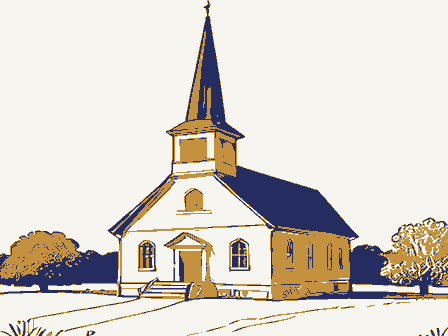
The congregation has a long record of social activism.In the DATE OF PENDING LIST: REQUESTED ACTION: RESUBMISSION STATE & COUNTY: OHIO, Erie PROPERTY REVIEWER ACCEPT DOCUMENTATION see attached comments Y/N see attached SLR/N TISTOZIAN Exterior, Front(east)Faccale. Former Takew from Southwest Second Baptist Church, 36 Decaturst. Sandusky Erie Co.,Ohio fed, and clothed here before they were shipped CHURCH present structure. SECOND BAPTIST frame building that had sheltered so many in their and freeborn blacks and first called Zion Baptist under the name of the First Regular Anti-Slavery Baptist Church. Many refugee slaves were hidden building was purchased on this site and reorganized to freedom across Lake Erie to Canada.
The church and is now enclosed within the walls of the Founded in 1849 by a group of seven ex-slaves took the name of Second Baptist in 1920.The original flight to freedom was raised in 1929 -1930 Church.Prior to the Civil War and in direct Erie Co., Ohio from northwest Erie Co., Ohio Erie Co. Ohio parsonage Erie Co., OHio Second Baptist Church, 315 Decuturst. Sandusky Exterior, Front (East.) facade, Bell Tower Erie Co., Ohio Sandusky Evie Co., Ohio Erie Co., Ohio Detail, exposed rafter rails below Sundusky 1929 OND BAPTIST Exterior with cornerstone, southeast Erie Co., Ohio Second Baptist Church, 31s De catur st. Erie Co., Ohio Sandusky northwest Erie Co., Ohio Exterior, rear (West)elevation Erie Co., Ohio Second Baptist Church, 315 Decatur St.
Erie Co., Ohio Eric Co., Ohio Erie Co.,ohio Sandusky Choir areu on left,Noted Cave Ceiling + Corinthian Pilastev Second Baptist Church, 315 Decaturst. Parking lot+ building of Nationul Erie Co., O H City Bauk, east sid g Decaturst. South horth Erie Co, OH Erie Co., OH DEACON STEPHENS WALLACE & FAMILY Stained glass window, tower Erie Co., OH 1849 Exterior with cornerstone, southwest Erie Co.,O H room into Kitchen Smdusky Erie Co, OH Sundusky Corner Of main room. Interior, busement, Kitchen Snulusky Exterior, south side & Church, rear ErieCo, OH JONES Cemetery Jones Family Obelisk, Oaklaud Erie Co, OH MAY20.1832 Headstme o Nathuneel Jmes, APR.12,183g MAY 9,1907 SANDUSKY, OHIO 7.5 MINUTE SERIES (TOPOGRAPHIC) UNITED STATES SANDUSKY QUADRANGLE GEOLOGICAL SURVEY 17/356810/4590260 STATE OF OHIO UTM Coordinatcs; 315 Decatur st. -rie Co-.
Second Baptist Second Baptist Churcds DEPARTMENT OF THE INTERIOR DIVISION OF GEOLOGICAL SURVEY ) State Route U. S. Route Church JAN I O 2002 Ohio Historic Preservation Office NAT. REGISTER OF HISTORIC PLACES 567 East Hudson Street NATIONAL PARK SERVICE Columbus, Ohio 43211-1030 614/298-2000 Fax: 614/298-2037 Visit us at www.ohiohistory.org/resource/histpres/ January 3, 2002 SINCE 1885 Ms. Carol Shull, Chief of Registration National Register, History & Education Programs Mail Stop 2280, Suite 400 1849 C Street, NW Washington, DC 20240 Enclosed is one new National Register nomination for the Second Baptist Church in Erie County, Ohio. All appropriate notification procedures have been followed for this new submission. I am requesting a substantive review of the nomination.
The property is being nominated under Criteria A and Criteria Exception A for its significance with earlier historical associations with the Underground Railroad movement. A great deal of staff input was put into advising the form preparers as to the property meets National Register criteria. Your review will provide us with additional guidance for future nominations of a similar nature. If you have any questions or comments about this nomination, please contact this office. State Historic Preservation Officer SOCIETY enclosures Sincerely, HISTORICAL RECEIVED 2280 most appropriate method of research and examination of how this early 2o" century the early 2o century.However, the congregation firmly associates this property's historical association with the African-American community in Sandusky Ohio during Amos J.Loveday,Jr. Dear Ms.
Shull: OHIO United States Department of the Interior NATIONAL PARK SERVICE 1849 C Street, N.W. Washington, D.C. 20240 NATIONAL REGISTER OF HISTORIC PLACES EVALUATION/RETURN SHEET The nomination for the First Regular Anti-Slavery Baptist Church is being returned for problems with the Statement of Significance. The First Regular Anti-Slavery Baptist Church was constructed in 1929, but the Statement of Significance focuses primarily on the history of the earlier (demolished) mid-19th century church building. We recommend that the Statement of Significance be revised to focus more on the history and significance of the extant building and that the State consider extending the period of significance to include the important local role the church played in the modern Civil Rights movement.
Patrick Andrus, Historian 2/22/2002 First Regular Anti-Slavery Baptist Church Erie County, Ohio IN REPLY REFER TO: 567 East Hudson Street APR 2 3 2002 Columbus, Ohio 43211-1030 614/ 298-2000 Fax: 614/ 298-2037 Visit us at www.ohiohistory.org/resource/histpres/ April 16, 2002 SINCE 1885 Ms. Carol Shull, Chief of Registration 800 N. Capitol Street, NW Washington, DC 20002 Amos J. Loveday, Jr. State Historic Preservation Officer COUNTY Enclosures SOCIETY RESUBMISSION Erie Sincerely, HISTORICAL RECEIVED 2280 National Park Service National Register of Historic Places Ohio Historic Preservation Office If you have any questions or comments about these documents, please contact this office. Dear Ms. Shull: Suite 400 Enclosed please find one (1) National Register nomination resubmission. Second Baptist Church NAT REGISTER OF HISTORIC PLACES OHIO
 Block
Block