Major Bibliographical References Primary Location of Additional Data: State Historic Preservation Office (36 CFR 67) has been requested. Other State agency previously determined eligible by the National Register designated a National Historic Landmark recorded by Historic American Buildings Survey # X Other recorded by Historic American Engineering Record # Name of repository: Columbus Athletic Club 1915-1961 Bibliography University Entertainment/Recreation Federal agency important in prehistory or history. Architect/Builder individual distinction. Social History religious purposes. preliminary determination of individual listing Period of Significance Previous documentation on file (NPS) Local government patterns of our history. Cultural Affiliation previously listed in the National Register a cemetery.
Criteria Considerations (Mark"x"in all the boxes that apply.) a birthplace or a grave. less than 50 years of age or achieved significance (Cite the books, articles, and other sources used in preparing this form on one or more continuation sheets.) NPS Form 10-900-a OMB No.
1024-0018 United States Department of the Interior National Park Service NATIONAL REGISTER OF HISTORIC PLACES CONTINUATION SHEET Athletic Club of Columbus, Franklin County, Ohio Section 8 Page 1 The Athletic Club of Columbus is significant under Criterion A for its association with the development of a private of economic prosperity prior to the United State's entry into World War I, mirrors both the popularity of private clubs as social, recreational, and professional outlets for prominent members of the community and the status of these community leaders/families whose personal fortunes were made from post Civil War business opportunities. Their wealth and business acumen afforded them considerable political and social power in local, state, and even national politics.
Because the beginnings of the Athletic Club coincide with the zenith of Ohio's influence on national politics, business and political community in Columbus. United States President Warren G. Harding, Ohio governors, and Ohio senators have been members. Distinguished guests have included United States presidents, visiting dignitaries, foreign heads or state, actors and musicians. The building's location on East Broad Street and close proximity to the Ohio Statehouse reflects its history as a power advance the business interests and civic culture of Columbus, while other athletic clubs in the United States were formed solely to promote sports. Athletic Club of Columbus: Background History Columbus Background History: Post Civil War Era Columbus grew from a city of only thirty-eight manufacturing establishments before the Civil War to over three hundred by 1908.
Though the city had, at its founding in 1812, no evident outstanding raw material or important inter- regional transportation (the feeder canal and the National Road would appear in the mid 19" century), Columbus was poised by its geographical position to economic growth and stability because of the railroad. This transportation system and the utilization of raw materials, especially coal, from southeastern Ohio, accelerated Columbus's position as a manufacturing center. Lumber, iron, and steel productions, finished and semi-finished, coal and agricultural products came into the city through 16 divisions of railroads and 11 traction lines within the city. Columbus's mid state location with its (8-86) Statement of Significance social/recreational club in early 2o century Columbus. The Athletic Club of Columbus, completed in 1915 in an era center of political gatherings and functions.
While it might seem that the words "athletic club" would define the the Athletic Club was the backstage for state and national events. The club has always been an integral part of the NPS Form 10-900-a OMB No. 1024-0018 United States Department of the Interior National Park Service NATIONAL REGISTER OF HISTORIC PLACES CONTINUATION SHEET Athletic Club of Columbus, Franklin County, Ohio Section 8 Page 2 Chamber of Commerce). steel shafting; wheel barrows and dairy products; steel cars and artificial limbs; piano stools; art glass and grave vaults and more than 500 other products. In some cases, Columbus dominated the national market in productionmalleable iron, shoes, wheelbarrows, for example.
At the turn of the century, Columbus had more than 100 miles of inexpensive street car service, 25 banks (including 9 libraries, the main "shops" of 3 railroads, the largest military recruiting station in the United States, 2 telephone companies (with 50,000 phones in use), and a record of almost no "labor troubles." Columbus boasted its opportunities for business success, educational advantages, and a "law-abiding and kindly community" through Board United States of approximately the same population. Columbus Athletic Club's Associated Early Roots: 1905-1912 The roots of the Athletic Club are tied to the beginnings of another prominent club of the period, the Ohio Club of Columbus, incorporated January 31, 1905.
The Ohio Club wanted to provide a means for "...a more intimate and movements having for their object the development and advancement of the business, professional and social interests of its member and the City of Columbus..." As a means to do this, they wanted to be able to operate a lunch capital stock of $20,000 was divided into 20 shares to be sold to finance "diversions and amusements" for its members in the form of a building. (The Ohio Club had been preceded by two other short-lived clubs, the Mid-Air (8-86) the city daily. On average, 500 new people visited (with some presumably staying) the city each day in 1900, and in a in post Civil War prosperity, Columbus's businesses in the early 20"h century grew steadily.
More than 300 Columbus national banks),23 building and loan associations,29 educational institutions (not counting public schools),7 public building with rooms for accommodations of guests as a private hotel. To that end, the Ohio Club of Columbus's through Ohio annually at the turn of the 20" century, passed through Columbus.In 1900,126 trains entered and left Club and the Capital City Club.) of Trade and streetcar railway publications, stating Columbus had a greater per capita wealth than any city in the city of 125,560 people, 1000 belonged to the Board of Trade (which would be eclipsed by the more progressive association of business and professional men, and to assist and promote in all proper and legitimate ways all efforts NPS Form 10-900-a OMB No.
1024-0018 United States Department of the Interior National Park Service NATIONAL REGISTER OF HISTORIC PLACES CONTINUATION SHEET Athletic Club of Columbus, Franklin County, Ohio Section 8 Page 3 The Ohio Club was promoted by the Municipal Board of Trade who felt that if Columbus was ever to be counted among the ranks of the major cities it needed a club where prominent members of the business community could gather to socialize. The Ohio Club took up residence on the top floor of the Atlas Building at Long and High Streets. Athletics did not play a part in the interests of the club. The trustees and founders of the Ohio Club of Columbus, who would in turn, be associated with the creation of the Athletic Club of Columbus, were the sons and grandsons of "founding" Columbus families (Schoedinger, Shedd, since the city's founding in 1812, and, in many cases, continue to do so in 2011.
(3) a new model of private club based on mutual business interests and civic participation for the future of the city. sometimes overlooked Columbus. The old Municipal Board of Trade was replaced by the activities of the more attract new business and to promote ways to relocate new industries into Columbus. The new Chamber of Commerce replaced the older Board of Trade at the same time the Athletic Club of Columbus was merging membership with the existing Ohio Club of Columbus. Columbus had seven firms, each a major example in their respective industries in the United States: Jeffrey 5000 workers were employed in the 7 large firms which manufactured shoes; two of which were the largest in the nation - H.C. Godman and Company and Wolfe Brothers Shoe Company. In 1907, Columbus had 6 large buggy firms, and all firms were represented in the membership.
In the 19" century, Columbus capitalists, whose roots were generally from small Ohio towns, were more apt to be connected through marriages, which could be seen in the membership rolls of the Ohio Club of Columbus. (8-86) manufacturers and a dozen suppliers, and the Brown Manufacturing Company was the largest maker of carriage and (2) an opportunity to meet the needs of a changing Columbus business community at the turn of the 2oh century; and role of Columbus in the ascendancy of Ohio as a national political and economic powerhouse in the late 19th century; Though this was the era of civic boosterism,"Columbus was dominated by conservative business interests that did Monypenny, Neil, Schumacher, Wolfe, Hubbard, Thurman, Jeffrey, and Kilbourne). Their early entrepreneurial electric automobile lamps in the world.
The founders of the Ohio Club had been the presidents of 6 of these large not always encourage the growth of manufacturing. Risk capital remained scarce, and potential manufacturing Manufacturing (mining equipment), Kilbourne & Jacobs, Wolfe Brothers Shoe Company, Capital City Dairy Products The emergence of the business/social club in Columbus in the early 2oth century was based on several factors: (1) the NPS Form 10-900-a OMB No.
1024-0018 United States Department of the Interior National Park Service NATIONAL REGISTER OF HISTORIC PLACES CONTINUATION SHEET Athletic Club of Columbus, Franklin County, Ohio Section 8 Page 4 The Ohio Club membership of 600 represented a broad range of interestsSamuel Prescott Bush (president of Buckeye Steel Castings and whose descendants would enter the White House); Washington Gladden (First Harding's cabinet and be a focal point in the Teapot Dome Scandal); three members of the Lazarus company (Lazarus Sullivant, Schoedinger, Sessions. Though the Ohio Club was successful between 1905 and 1912 as an organization to promote personal and civic interests, an increased emphasis on healthy mind and healthy body was also becoming a popular notion in the professional men in a room at the Great Southern Hotel. Five men who attended the classesDouglas McCormick, R.H. Jeffrey, L.
Ewing Jones, J. L. Bonney, and W.G. Stoneman (all associated with manufacturing companies in the city)and inspired by the ideas, wanted to establish a permanent club for physical fitness. They were able to Athletic Club Establishment and Early Decades: 1912-1946 eighteen men to determine whether an athletic club could successfully gain sufficient community support. Each man was assessed five dollars to create 1000 circulars to mail to 1000 prominent business and professional men for their opinions. Within two weeks, 500 had responded positively, and on October 9, 1912, the decision was made to incorporate The Athletic Club of Columbus, selling 100 shares of stock at ten dollars each to interested parties. The Columbus Evening Dispatch (owned by R.F.
Wolfe) said on October 17,1912, the day after papers were filed for now under consideration....The club is really the outgrowth of the proposition a few weeks ago that the Ohio Club unite with an athletic club." Whether the merger was the intent of the original five men or was the intent of a prominent civic leader is not fully determined Although the organizing impetus of the newly formed Athletic Club was the emphasis on athletics and fitness, the Columbus Evening Dispatch went on to remind readers that the success of the Ohio Club, the largest in the city with (8-86) respectively), to name a few.
In addition, old familiar pioneer family names appeared as officers and members Neil, "beautiful quarters on the top floor of the Columbus Savings and Trust building (Atlas)"had been because it (the Progressive Era.In 1910,a young Olympian came to Columbus and formed a class in calisthenics for business and Congregational Church and founder of the national Social Gospel movement); Al Field (vaudevillian); Frank Packard Department Stores); and George Karb and Edgar Weinland (Columbus mayor and member of city council, convince prominent businessman Robert F. (R.F.) Wolfe to guarantee $50,000 when the time was right.
incorporation, "A big Athletic Club composed of business and professional men is the newest thing in the social line (noted architect who would consult on the building of the Athletic Club); Harry Daughtery (who would join President On September 26,1912,eight men met in the Virginia Hotel to begin the process of organizing a larger committee of NPS Form 10-900-a OMB No. 1024-0018 United States Department of the Interior National Park Service NATIONAL REGISTER OF HISTORIC PLACES CONTINUATION SHEET Athletic Club of Columbus, Franklin County, Ohio Section 8 Page 5 The idea of the Athletic Club of Columbus, promoted heavily by Douglass McCormick (Athletic Club secretary), used the new Cleveland Athletic Club as its model - a businessman's club in an up-to-date and modern building. story business. It featured reception rooms, dining rooms, swimming tank, and artistic furnishings.
The club sponsored track and field teams; in addition, the director of athletics sponsored would-be Olympic athletes. Though a location for the Columbus building floated from site to site, speculation that the new Athletic Club might occupy the site of the Chamber of Commerce building after it was torn down, illustrates the influence of the founders. Plans to find a suitable site were temporarily delayed by the March 1913 flood which claimed almost 100 lives in Columbus and left the west side in shambles. Eugene Reed, of the Central Union Telephone Company, who headed the site selection committee, and civic and business leaders were busy with the aftermath of the flood, but managed to secure 802 memberships. Architect Clarence Richards (Richards, McCarty & Bulford) investigated other club buildings and estimated the cost for an Athletic Club for Columbus to be $450,000.
George Schneider, secretary of the Cleveland Athletic Club, arriving with an orchestra and two dancing girls from Cleveland, gave a presentation on the Cleveland Athletic Club's amenities. In 1913, the site chosen was the historic Trinity House on East Broad Street, the former Esther Institute, a female seminary built in 1853 that educated the daughters of some of the most prominent families of Columbus. The building had been converted to a military hospital in the Civil War and headquarters of the Ohio Sanitation League. It was later remodeled as the prestigious Irving Hotel. Trinity Episcopal Church, across Broad Street, bought it for a parish house. Later sold to Dr. Samuel Hartman, creator of Peruna patent medicine and member of the Ohio Club, the parish house was sold to the Athletic Club for $80,000. Later, Dr.
Hartman would contribute $10,000 toward the The purchase and ambitious plans were made possible by the merger of the new Athletic Club membership and the older Ohio Club membership, creating a membership of over 1000, and was approved by over ¾ of the resident members of both organizations. On September 17, 1913, it was decided to spend a half million dollars on the erection and equipment of a new building on the Trinity parish house site. Funds were also raised by subscriptions to a proposed issue of $200,000, in 6% preferred stock. (8-86) building of the club. certain things." Ohio Club) helped "advance the business interests of the city and public improvements by standing together for Cleveland's club had just opened its new quarters on Euclid Avenue-- its ten-stories built on top of the original five- NPS Form 10-900-a OMB No.
1024-0018 United States Department of the Interior National Park Service NATIONAL REGISTER OF HISTORIC PLACES CONTINUATION SHEET Athletic Club of Columbus, Franklin County, Ohio Section 8 Page 6 Ground was broken on July 1, 1914, with a "Jollification and Smoker." A march was held from the Atlas Building. looked on the group as if they were a labor parade. The "shoveling bee" was made up of Athletic Club members who wanted to help with the excavation which was scheduled for two days later. The excavation contract was awarded to D. W. McGrath for $11,000, a local firm who competed with "a dozen firms from over the country." It should be noted that D. W.McGrath was a member of the Ohio Club of Columbus and had worked on a number of projects owned by Ohio Club members.
There appears to have been no discussion or doubt that Richards, McCarty, & Bulford would be the architects for the project; previously Richards had done estimates for the building based on clubs in other cities. They had already done preliminary drawings for the club to increase excitement about membership. Bulford was also a member of the Ohio Club. The cornerstone, including a memento box, was laid on April 15, 1915, despite the fact that much of the building had already been erected. The purpose of the club was stated clearly at the cornerstone dedication by H. J. Booth, one of the founders and promoters. "This is distinctively a Columbus enterprise. It appeals to local pride. Here will meet the statesman, the office holder, the man who pays the taxes and the man who spends them.
We shall welcome those who wield the tools to build and encourage and sustain business enterprise, not the torch to destroy it. Here will gather day to day 1500 Columbus men, with our non-resident members 2000, actuated by common purpose of self-improvement and civic practice of the social amenities and the realization of the fundamental truth...the highest aspirations and greatest accomplishments, individually and throughout the body politic, depend upon men sana in corpora sano." The selection of brick for the building was made by a unique method. Passersby were intrigued by a dozen different panels of variegated brick laid up to the height of five feet extending along the front of the Associated Charities Building on East Broad Street. Newspapers explained that The Athletic Club Building Committee had been unable to decide on the materials.
In order to assist them in the choice, subcontractors had laid the sample brick sections, and passersby were free to vote on their favorites. Brick played an important part in the construction, even the foundation walls were constructed of brick instead of the usual concrete. "Over a million bricks were used in the building," according to James Crossley, an Athletic Club historian. The Athletic Club of Columbus was formally opened on January 19, 1916 to 4,879 people. It required the employment of over 140 men and women employees. The club was foremost a male club with few dances and balls, four wall hand ball, and bowling were popular. In 1928, the bowling lanes were rebuilt to host four team (8-86) The marchers were in overalls and jumpers, carrying picks and shovels and beer pails.
The crowds on the streets the members preferring spectator sports such as wrestling matches and championship swimming events.Volleyball, betterment; the promotion of business prosperity, a large and more intimate personal acquaintance, the cultivation and NPS Form 10-900-a OMB No. 1024-0018 United States Department of the Interior National Park Service NATIONAL REGISTER OF HISTORIC PLACES CONTINUATION SHEET Athletic Club of Columbus, Franklin County, Ohio Section 8 Page 7 competitions. The accommodations were popular with unmarried members, and President Warren G. Harding often stayed at the Athletic Club when he was in Columbus. Club. The scions of the Columbus' business and industrial families and the self-made presidents of companies were Athletic Club members, but a new breed of professionals were also joining.
Engineers, contractors, city solicitors, secretary/treasurers of corporations, realtors, municipal and county officials, managerial levels of companies, bankers, attorneys, and doctors with college educations comprised the majority of the membership. It should be noted that physicians who were Athletic Club members were often associated with a local company or industry, such as the oculist for the Ralston Steel Corporation or the in-house doctor for Buckeye Steel (railroad car and coupling manufacture was dangerous work). In 1915, the year the Athletic Club of Columbus moved into its new building, 315 prominent Columbus men were profiled by the Columbus Pen and Pencil Club. Few of them listed Columbus as their birthplace. The city was rapidly attracting new opportunity seekers.
Of the 315 citizens profiled, 91 were members of the Athletic Club of Columbus (about 34%), and the majority of these members were college or university educated. Athletic Club members represented a new trend in club memberships. Previously, in the fifteen years after the Civil War, more than 360 fraternal societies and benevolent associations were incorporated in Ohio, covering almost every conceivable activity, and in 1898, Columbus had 47 secret societies. Though this was the golden age of fraternal memberships, politicians wisely had begun to shun membership in organizations perceived to be secret, fearing some organizations which, though exclusive in membership, were more transparent in their missions. Men who belonged to the Athletic Club were more apt to have Rotary, Chamber of Commerce, or Y.M.C.A. memberships. Masonic ties were also noted.
Members of the Athletic Club often listed membership in the Automobile Club, University Club, or Arlington Country Club; however, they were less apt to note a church or religious tie compared to non Athletic Club About one third of the Athletic Club members, who were part of the Pen and Pencil Club list of prominent citizens, Club members were university men. Athletic club members demonstrated a higher propensity for making professional they also held trustee positions on other boards - the most common connectors were through the Jeffrey (8-86) members. Membership in the up-and-coming Athletic Club appealed to a broader range of professionals, than the previous Ohio presidents of quarry and stone companies or breweries who were in family businesses, but the majority of the Athletic secret organizations might be linked to the Ku Klux Klan or other marginal groups.
They preferred more "open" were self-made men, like the president of the Ralston Steel Company who began as a sailor on a Scottish ship or the connections with each other on boards or in overlapping leadership positions. Regardless of their present occupations, NPS Form 10-900-a OMB No. 1024-0018 United States Department of the Interior National Park Service NATIONAL REGISTER OF HISTORIC PLACES CONTINUATION SHEET Athletic Club of Columbus, Franklin County, Ohio Section 8 Page 8 Manufacturing Company, H.C. Godman Shoe Company, Malleable Iron Company, Iron Clay Brick Company, Ralston Steel Company, Ohio National Bank, or the American Insurance Union. The membership of the Athletic Club in Columbus grew in proportion to the enormous demands put on local communities with the onset of the United States' entry into World War I. The Athletic Club responded with enthusiastic patriotism.
Athletic Club members were National Guard officers, Ohio Adjutant staff members, and members of the governor's cabinet and staff. They tirelessly promoted the war effort and raised money. The club was recognized personally by the White House; Newton D. Baker, Secretary of Ohio (and Ohio native); and Senator stays on their leaves. Men were "selected" by a recommendation of their commanding offficers. On the other hand, Athletic Club members also used their networking skills for lucrative war contracts. A member who owned Felber Biscuit Company was awarded the contract for the entire commissary at Camp Sheridan, one of the largest training camps in the country.
Other members entertained foreign visitors from Switzerland, Italy, and France at the club to win contracts for the James Ohlen and Sons Saw Mill Company that produced some of the largest circular saws in the change on the local, state, and national stage, other club members also influenced local and national opinion and policy for decades. Billy Ireland, Athletic Club member and close personal friend of R. F. Wolfe of the Columbus projects of the Wolfe family and issues of national social concern. His work was followed by humorist Will Rodgers and George Cohan. Ireland did not hesitate to endorse a new stadium for Ohio State, a major renovation of the downtown riverbank, or, following World War I and a revival of the Ku Klux Klan, condemn their actions. His ridicule of the Klan was a significant force in the disintegration of the Klan in Ohio.
His mocking of Ohio Governor Ireland's support of women's suffrage and opinions on the Treaty of Versailles were carried nationally. He "Terry and the Pirates." Ireland's ideas and opinions came from the Athletic Club where he ate lunch each day for twenty years at the same table with the same close friends, discussing the political and social events of the day. Since Ireland was a very private person who rarely took part in the social life of the city, he relied on these discussions with (8-86) prohibition. world. influenced humorist James Thurber, who also worked for the newspaper, and protege cartoonist Milton Caniff of Warren G.Harding for their opening of the club to enlisted men of Camp Sheridan in Chillicothe for free overnight Frank Willis as a man who could eat boxcars of chicken gizzards on the campaign trail led to Willis's defeat.
the Ash Cats (the name they gave themselves).Ireland broke ranks with his employer over only one topic, Though it is obvious how industrialists, businessmen, politicians, lobbyists, and entrepreneurs could be agents of Evening Dispatch, was a nationally- published editorial cartoonist who used his pen to support the progressive civic NPS Form 10-900-a OMB No. 1024-0018 United States Department of the Interior National Park Service NATIONAL REGISTER OF HISTORIC PLACES CONTINUATION SHEET Athletic Club of Columbus, Franklin County, Ohio Section 8 Page 9 Athletic Club Post World War II History: 1947-Present Little exists to document Athletic Club history until the end of World War II.
The Athletic Club had relied on documenting its records in occasional scrapbooks and did not chronicle its activities until the publication of Blue Wings, the official publication of the Athletic Club of Columbus, started its first issue on September 1947. It was published monthly in a large, glossy paper format with many photographs and relied heavily on advertising from its Presumably, the Athletic Club weathered the 1920s, the Depression, and World War II, but (as recorded in later Blue Wings), it did so with extreme frugality and much deferred maintenance. In the 1940s, the Athletic Club depended on an active president, offficers, directors, and committees. Committees include Finance, Executive, House, Bowling and Billiards, Athletic, Entertainment (the largest committee), Sick, and Blue Wings.
In the early issues, out-of-town visitors were listed, an extensive book review by a club member and assistant professor of English at Ohio State University was printed, the fall social calendar was listed, and a number of pages were devoted to featuring athletic activities for both boys and girls of club members and publishing the schedule for handball, squash, swimming, and steam room facilities. Women were permitted to make appointments for the massage room. Since there had been much deferred maintenance on the building, even for cosmetic purposes, it seems significant that the first mention of casement curtains" and "geranium red textured material and carpeting,") By 1948, the new dining room had been activities and offerings.
Boys' clubs were added in wrestling, with an eye on featuring this Olympic sport not fashions and furs (often in conjunction with the articles for sale across the street at Mrs. Eugene Gray' s exclusive shop). In Blue Wings, there were travel and social columns authored by Chet Long (a club member who would later become a well-recognized media personality in Columbus for the next three decades). Stories on engagements, weddings, and young peoples' achievements were prominent, and for years, were authored by famed Columbus writer and artist, Bill Arter, who was a member. Arter first published his "Columbus Vignettes" (carried later in The Columbus Dispatch for two decades) in the pages of the Athletic Club publications.
(The vignettes, architectural sketches of Columbus buildings with interesting historical notes, (8-86) Starting in 1948 and continuing through the 1960s, the following are themes and trends as noted by publications: named the Rainbow Room through a contest, and the winner received a case of imported champagne. normally taught in all schools; the President's Ball was a major social event;stories included a focus on business members and from the business community that wished to cater to the privileged class of Columbus.(It is Family-orientation:Though it was a men's club, the Athletic Club greatly expanded a family approach to its still published today as a quarterly). new plans in 1947 were for "the ladies" -a new dining room and new powder room (with "parakeet green Bethea NPS Form 10-900-a OMB No.
1024-0018 United States Department of the Interior National Park Service NATIONAL REGISTER OF HISTORIC PLACES CONTINUATION SHEET Athletic Club of Columbus, Franklin County, Ohio Section 8 Page 10 greatly influenced generations of readers to become local historians and architectural devotees.) Leland Ferne Sharpe, a widely-known woman media personality in early television, hosted fashion shows and provided written fashion columns for the Athletic Club. Specific children's hours were created for use of the alley and add six new semi-auto pinsetters in 1952. When a Stag Bar opened in 1959 on the third floor, it turned out to not be as popular as first conceived, members preferring the co-ed dining rooms.
Though women - Civic and Cultural Hub: The Athletic Club also capitalized on its prominence as both the club of civic leaders, a cultural destination for iconic visitors, and a host site for Columbus's civic affairs. Athletic Club member, U.S. Senator John Bricker, who would also become a candidate for Vice President, presided over many political interviews from the Grill Room, following his debut on Meet the Press (1948), while actor and cowboy hero, Gene Autry, held a Columbus Town Meeting event in the same month. Starting in 1939, the international affairs, were held at the Athletic Club (today, the Metropolitan Club, a popular civic forum that information on his European travels, reporting on NATO countries. In 1961-1962, the Athletic Club partnered with the Navy League to host the American Heritage evenings, forums on foreign policy and national security.
- Athletics for All: Although the Athletic Club had several clubs which revolved around sports (the Basketball Club, the Handball Club, the Raquetball Club, the Rod & Gun Club, the Squash Club, the Water Volleyball Club) and several "clubs" with the club, such as the Scotch and Bourbon Testing Society, the Hall Rooms Boys Club and the Gravy Club, which centered around long-cherished friendships, inside stories, and decades- old traditions, in 1956, a new club was formed.
The Touchdown Club was formed by four club members who a club to "promote the entire universe of sport here in Columbus, the acknowledged 'football capital of the athletes in Canada and Puerto Rico) in a variety of sports from baseball and football to auto racing and in the Touchdown Club was no longer limited to Athletic Club members, and the event by the 1990s was the members has grown to an event drawing 700 in its first three years. Professional people in sports and sports (8-86) has several lunch meetings a month, continues the tradition.) Columnist Chet Long regularly provided inside advanced an idea by then Auditor of State (and later Governor) James Rhodes.
Rhodes had an idea of forming Columbus Town Meetings, a popular forum for panel and audience discussion on local, national, and third largest such sports recognition program in the United States.) What started as a small banquet for 30-40 swimming, harness and thoroughbred horse racing to wrestling, gymnastics to lacrosse. (In 1983, membership McClelland, noted newspaper cartoonist and club member, produced original art based on "Club Capers." had a separate entrance into the club, upgrades in the dining room were made with women in mind (1957). swimming pool. Bowling, always seen as a family activity, spurred the expenditure of $20,000 to upgrade the world." Annually, the Touchdown Club honors professional, high school, and college athletes (including NPS Form 10-900-a OMB No.
1024-0018 United States Department of the Interior National Park Service NATIONAL REGISTER OF HISTORIC PLACES CONTINUATION SHEET Athletic Club of Columbus, Franklin County, Ohio Section 8 Page 11 writers help to choose winners and proceeds from the event are donated to Fellowship of Christian Athletes, the U.S. Olympic Fund, Nationwide Children's Hospital, and/or Recreation Unlimited who offer local sports programs for young people. Not forgetting its commitment to healthier living, in the late 1940s, the squash club played the Columbus Y, the University Club (now gone), the Indianapolis Athletic Club, and the Pittsburgh Athletic Club. The roof was heavily used by sunbathers. Wrestling programs were later held by famed and nationally-known wrestling promoter, Al Haft. The Athletic Club was the first club to join the U.S. National Handball Association in the 1950s.
John Hill, longtime athletic director for the club, did special outreach for children and started one of the first "slimnastics" clubs for women in the country. He was later featured by Hugh Downs on the Today Show in 1962 for this innovation. Upon Hill's retirement, Fraysher Ferguson, a former team manager for the U.S. Weightlifting Team at the pan-American Games, became athletic director in 1959. about worn out equipment and facilities, and it was noted that "troubles (are) piling up, on and on to the extent that the board is forced to act drastically." It was noted that the facilities were over taxed and there was a suggestion that the hotel aspects of the club should be eliminated in order to restore facilities for the included a 79 x 28 foot rug which took 16 men to move, 35 Italian Renaissance carved oak tables, and drapes with Majolica patterns.
Showers had been put into tubs in the hotel rooms and the deterioration of the bathrooms led to necessary remodeling. During the inflation of the 1950s, dues were slightly increased in some categories and though the Finance Committee estimated the need for $194,300 for capital expenditures, they prudently launched a $60,000 rehabilitation program to rebuild restrooms, install automatic elevators, and add new restrooms and dining room remodeling. Architect and club member, C. Inscho oversaw much of the work. In July, 1966, work began on interior renovations to the front lounge on the second floor to add space elevator was replaced, and a series of bay windows was added on the west façade of the building.
These were done by Brooks and Coddington, architects (1934-1968) and were done in styles compatible with the Renaissance Revival design of the building and with advisory assistance from Club members and artists, Bill Arter and Leland McClelland. - Membership: The membership grew at more than a steady pace; two full time chefs were employed to oversee two kitchens and 40 kitchen employees by the 1940s. Throughout the 1950s and 1960s, new members (8-86) membership. By 1950, for the 35th anniversary, there were extensive cosmetic changes to the lounge which might number from eight each month to thirty-five, and in any given month, they reflected a variety of Modernization:Though the balance sheet said the club was"in the black,"there were growing concerns by combining it with another space to form a large L-shaped room connected by doors, the hand-operated NPS Form 10-900-a OMB No.
1024-0018 United States Department of the Interior National Park Service NATIONAL REGISTER OF HISTORIC PLACES CONTINUATION SHEET Athletic Club of Columbus, Franklin County, Ohio Section 8 Page 12 occupations from IBM Corporation and Ohio Gas and Fuel to the U.S.Navy and McElroy-Minister Insurance, (reduced rates) that always included several Catholic priests, and a category for "ladies" who were the widows of club members (also reduced rates). There were 84 widow members in 1954. Though the first woman Athletic Club member was not admitted until the 1980s, throughout the decades before, wives and daughters women who were honored annually for their civic voice were family of members. Membership in the 1950s was capped by the board of regulations at 1200, and membership was always full. Membership has been increased to over 2000, and there has never been an issue of low membership.
- Reflector of Trends: The Athletic Club reflected the social, cultural, and political trends of the eras. They drives during the Korean War, hosted special teen parties in the 1960s, and in 1959 gave a rare editorial statement about panhandling in Columbus after the city passed a prohibitive panhandling law. Members of the club were not in favor of the law because it restricted the free choice of members to give or not. They promoted Ohio State athletes and especially featured famed coach Woody Hayes, promoted early co-op Norton fields). Though the club's activities revolved around events that would be found on the Christian especially from the well-known Rabbi Folkman in the 1950s-1960s. Architects and Contractor: General Background Richards, McCarty, & Bulford, a well known and prolific Columbus firm, was the primary architectural firm on the Athletic Club.
They designed many notable buildings in Columbus including: American Education Press Arts/Columbus Museum of Art (1932); Ohio National Bank (1930); United States Post Office and Courthouse (1934); School for the Deaf. The Athletic Club, 1915, is an excellent example of Richards, McCarty, & Bulford's forte in Renaissance Revival style. Hartman Theater and Hartman Office Building;Knights of Columbus Building (1927); Columbus Gallery of Fine Building/University Club (1931-32);St. Joseph's Cathedral (1914 remodeling);F. &.
R.Lazarus Company American Education Press Building (1934).Partner Clarence Richards had also designed Grant Hospital and the Ohio Department Store(1909);White-Haines Building (1913);Citizens Building (1917);Temple Tifereth Israel (1927); calendar(Christmas and Easter),they also carried news and announcements from the Jewish community, advised on how to survive an atomic bomb(don't contact the school;crawl under the bed),gave blood of members were prominently featured and applauded for their community roles. Regularly, most of the top from Timken Roller Bearing to surgeons and dentists. There was a category of membership for clergy housing in Boca Raton, and promoted flying lessons for its members and regional airports (such as Bolton and (8-86) NPS Form 10-900-a OMB No.
1024-0018 United States Department of the Interior National Park Service NATIONAL REGISTER OF HISTORIC PLACES CONTINUATION SHEET Athletic Club of Columbus, Franklin County, Ohio Section 8 Page 13 Frank Packard, advisory architect on the project, was one of the most prolific institutional architects in the United States. Including private residences, he is credited with work on over 3000 buildings. In Columbus, he is credited with the creation of Columbus's Civic Center, 1920s. Other notable buildings in Columbus include: Franklin County Orton Hall, 1891; Hayes Hall, 1892; Great Southern Hotel and Great Southern Theatre (1894-1897); Chittenden Hotel, 1895; and the Ohio State Armory, 1898. Charles McGrath and D.W.
McGrath were contractors on the project and had been contractors on many Columbus buildings, including: Wyandotte Building (1894-1897); Ohio State Savings Association Building (1927); Virginia Hotel, the Outlook Building, First National Bank, the Central Union Telephone Building. McGrath also complete concrete work on the North Fourth viaduct which connected the north side neighborhoods to the downtown over the Note: Despite the fact that the Athletic Club of Columbus was designed by one of the city's premiere firms, Richards, McCarty, & Bulford, with oversight by nationally known architect, Frank Packard, it is not being nominated for broad pattern of social and recreational history, it was determined that interior alterations minimize the idiom of the associated architects.
Additionally, it is an overall modest interpretation of the Renaissance Revival style within the context of Columbus and does not meet Criterion C as an example of that style. The Athletic Club of Columbus meets Criterion A for its local association with the private social club trend of the early 20th century. Although the club had an emphasis on athletics, it was formed to further business connections purposes. In Columbus, and like many large cities across the United States, clubs were an important social and professional outlet at the turn of the 20" century. An athletic club that promoted a healthy body, as well as fostered professional relationships amongst its members, was considered a modern business principle that no self-respecting urban center could be without.It is within this context that the Athletic Club of Columbus was constructed.
Nineteenth century clubs often labeled themselves as "secret societies," and in Columbus in 1898, there were 47 self- proclaimed secret societies. Among Columbus' private membership societies were the better known Masonic orders, (8-86) Historic Significance railroad tracks. It was the largest concrete span in Ohio at its completion. Criterion C. Although the building retains its historic integrity for individual listing and continues to reflect the club's Memorial Hall (1903-1906); Charles Lindenberg House/Columbus Foundation (1904);Seneca Hotel(1917);Fair Avenue Elementary (1889-1890); and the York Temple (1914). In conjunction with Yost & Packard, he designed within the city. The organization grew out of the 19t century culture of private social clubs, with shared traditions or NPS Form 10-900-a OMB No.
1024-0018 United States Department of the Interior National Park Service NATIONAL REGISTER OF HISTORIC PLACES CONTINUATION SHEET Athletic Club of Columbus, Franklin County, Ohio Section 8 Page 14 Benevolent and Protective Order of Elks, Improved Order of Red Men, as well as the scarcely known Order of United Friends, the Patriotic Order of Sons of America, or the Rathbone Sisters. Many secret societies had exclusive membership open to only certain religions, ethnicities or genders; therefore, there were Protestant, Jewish, and The nature of an exclusive club, determined by gender or race, remained popular even after many secret societies At the time of its construction, the Athletic Club of Columbus was compared (in early Athletic Club scrapbooks and documents) to athletic clubs in Cleveland, Detroit, St. Paul, Chicago, St. Louis, and Omaha.
Of these six clubs that were comparable to the Columbus Athletic Club, the clubs in Cleveland, Detroit, Omaha, and St. Paul are gone. Their buildings are either demolished or have been converted to other uses. The Chicago Club, founded for the promotion of boxing, is now the Illinois Athletic Club and St. Louis Club, founded to promote sports for the city, is now the Missouri Athletic Club. social/recreational clubs across the United States. The establishments of these 32 private clubs fall into three distinct different eras, two different (but not necessarily exclusive) purposes guided the creation of private social/recreational Two of the 32 clubs were founded prior to the Civil War: The Cincinnati Athletic Club (1853) and the Pacific (San Francisco Club) (1860). Eighteen clubs were formed after World War I, between 1918 and 1940.
These clubs are represented by the Hollywood Athletic Club, 1924; Amarillo Club, 1947; Indianapolis Athletic Club, 1923; Washington Athletic Club, 1930. Many of these have closed, been demolished or have become condos or nightclubs. Twelve clubs were established between the Civil War and World War I in the "golden age" of private clubs: the previously mentioned Chicago/Illinois Athletic Club (1862), the Cleveland Athletic Club (1907), the St. Paul Athletic (8-86) pride. clubs from the 1850s to the 1940s: promotion of specific sporting activities and business/professional networking. (1904), Kansas City Athletic Club (1887), New York Athletic Club (1868), Pittsburgh Athletic Club (1908), Wausau Catholic counterparts, men's and ladies' orders, and white and "colored" entities of the same group.
Club(1917);and the St.Louis/Missouri Athletic Club (1913).The other eight clubs were: the Canton Athletic Club began to fade by the early 2o" century.What came in their place were businessmen's clubs to promote social In 1957, the Athletic Club of Columbus had reciprocal membership relationships with 31 other private time periods: pre Civil War; post Civil War to World War I, and post World War I. In addition to being formed in networking and civic pride and athletic clubs to promote personal healthy habits and/or sports promotion for civic OMB No.
1024-0018 United States Department of the Interior National Park Service NATIONAL REGISTER OF HISTORIC PLACES CONTINUATION SHEET Athletic Club of Columbus, Franklin County, Ohio Section 8 Page 15 Athletic Club (1901), Dayton Athletic Club (1884), Milwaukee Club (1892), and the Athletic Club of Columbus Six clubs (Chicago, Canton, Kansas City, Dayton, St. Louis, and New York) were created to promote amateur or professional league sports in boxing, cycling, basketball, or football or to promote competition in Olympic events. Some of these clubs grew out of the European tradition of "sokols" and gymnasiums but refashioned themselves as private and exclusive establishments to also foster business and social networking.
Five clubs (of 32 clubs mentioned above from the 1957 list) were formed primarily to meet the social and business needs of a rising class of industrialists and entrepreneurs whose fortunes or family fortunes were made in the late 19"h century (note all but one of the 12 clubs were located in Northern industrialized cities). These clubs were in Cleveland, Pittsburg, St. Paul, Wausau, and Columbus. Athletics facilities, while providing lavish amenities, were a perk not a primary purpose of the club. As of 2011, only the clubs in Pittsburgh and Columbus remain. The other three are closed, and their buildings have been demolished or developed into residential units.
In using the 1957 roster of 32 clubs as a benchmark, the Athletic Club of Columbus is only one of two private social/recreational clubs that was founded between 1865 and 1917 and continues to remain in existence as a private in fact, membership health clubs of the type that have become popular in the last few years. Regardless of purposes stated in their charters, private social/business clubs were founded to be exclusive. Candidates seeking membership had to be voted in by existing members, and the general public could not access club facilities. Most clubs did not admit women until the 1970s when they were forced to do so by legislation. Clubs could admitted Catholic and Jewish men who applied and were sponsored by another member. Though Masonic orders, Elks, the Order of Red Men, and some of the Masonic brotherhoods remain in Columbus, most of the 1898 organizations are gone.
Other once well-known clubs in downtown Columbus have ceased to exist: the Masonic Temple, the Elks Club, and the University Club. In addition, the downtown buildings that once were the prominent homes of the Masons or the Elks have been demolished or converted to other purposes. Listed in the National Register in 1997, the Masonic Temple building now serves as rental space for events such as conferences the number of people supporting downtown facilities. The Athletic Club and the Columbus Club are the only (1912). (8-86) club for the primary purpose of civic promotion, remaining in its original building. Very few big-city athletic clubs discriminate on the basis of race, religion, and ethnicity. The Athletic Club of Columbus, from its beginning, survived the Great Depression.
Some contemporary athletic clubs retain the name of the historic private club but are, and weddings.Memberships in suburban golf clubs became increasingly popular in the 2o century, which reduced NPS Form 10-900-a NPS Form 10-900-a OMB No. 1024-0018 United States Department of the Interior National Park Service NATIONAL REGISTER OF HISTORIC PLACES CONTINUATION SHEET Athletic Club of Columbus, Franklin County, Ohio Section 8 Page 16 remaining downtown clubs. The Columbus Club is located in a 1850s mansion, which was built as a private residence and later served as a governor's mansion.
This location difference makes the Athletic Club distinctive, by having a building constructed for its purposes, and further exemplifies the organization's role in the private athletic The Athletic Club of Columbus is being nominated under Criterion A for its association with the broad pattern of Columbus' private social/recreational club development. Since opening, the Athletic Club has been an integral part of the business, political, and social arenas of Columbus history. Its proximity to the Statehouse made it a natural gathering place for office holders, politicians, and lobbyists. Notable members have included members of Columbus's Columbus; Warren G. Harding, 29t* United States President; John Bricker, Ohio Governor, U.S. Senator, and Vice Presidential nominee in 1944; William Saxbe, U.S. Senator and U.S.
Attorney General; James Rhodes, four-term members have included Washington Gladden, founder of the national Social Gospel movement; Samuel Bush, grandfather and great grandfather to two U.S. Presidents; R. F. Wolfe, owner of the Columbus Dispatch; Billy Ireland, nationally known social commentator and cartoonist; Don Casto, shopping center builder; Wayne Brown, founder of Big Bear Groceries; Bill Arter, widely known artist and local historian and Leland McCelland, watercolor artist. With the formation of the Touchdown Club in 1955--with the help of Jim Rhodes and Wayne Brown and supported by U.S. Supreme Court Justice Byron White, the president of the National Basketball Association, and the city's image and an illustration of its business sophistication. Constructed in 1915, the nominated Athletic Club reflects this trend, as it occurred in Columbus during the early 20" century.
The building's refined exterior, ornate corridors, lobbies, and lounge, and recreational features unique to the building type, such as the swimming pool, bowling alley, squash courts, and gymnasium, places the club directly within the context of Columbus' private recreational clubs, during the early 1900s. (8-86) Columbus. Summary club trend. In the decades around 1900, large-scale private social and athletic clubs were often considered an integral part of a "first families" of the 19th century; presidents and executives of the largest and most significant industries in Vice President of CBS-thousands of athletes and coaches have been honored yearly by the Athletic Club of Ohio governor; George Smith, U S. District judge; Herbert Brown, Ohio Supreme Court Justice. In addition, notable NPS Form 10-900-a OMB No.
1024-0018 United States Department of the Interior National Park Service NATIONAL REGISTER OF HISTORIC PLACES CONTINUATION SHEET Athletic Club of Columbus Franklin County, Ohio Section 9 Arter, Bill. Columbus Vignettes, IV. Columbus: Nida-Eckstein Printing, 1971. 1955, 1956, 1957, 1958, 1959, 1960, 1961, 1962, 1963, 1964, 1966, 1968, 1976, 1990. Caswell, Lucy Shelton and George A. Loomis, Jr. Billy Ireland. Columbus: The Ohio State University Libraries Publications Committee, 1980. Columbus "The Capital City': Newspaper Reference Book. Columbus: Sears & Simpson Company for the Pen and Pencil Club, publishers, 1915. Columbus and Its Attractions. Columbus: Committee of the Columbus Railway Company, 1901. Hunker, Henry. Industrial Evolution of Columbus, Ohio. Columbus: Bureau of Business Research, College of Commerce and Administration, The Ohio State University, 1958.
Jordan, Philip, Ohio Comes of Age, 1873-1900., Vol. V. Columbus: Ohio State Archaeological and Historical Society, Leist, Amy. "An ACC Tradition - the Touchdown Club," Blue Wings, p. 32-33, April-May 1990. Lindley, Harlow, ed., Ohio in the Twentieth Century, 1900-1938, Vol. VI. Columbus: Ohio State Archaeological and Historical Society, 1942. Meyers & Associates Architecture. The Athletic Club of Columbus: Building Documentation and Analysis, 2007. Milburn, Scott. "A Club is Born," Blue Wings, p. 16-18, April-May 1990. Rose, William Ganson. Cleveland: The Making of a City. Cleveland: The World Publishing Company, 1950. Samuelson, Robert, Pasquale Grado, Judith Kitchen, Jeffrey Darbee. Architecture: Columbus. The Foundation of the Columbus Chapter of the American Institute of Architects, 1976. "Scrapbook of the Athletic Club of Columbus, 1957", personal collection of Mrs.
William Gilchrist. Unpublished. "Scrapbook of the Athletic Club of Columbus, 1915-1916." Unpublished. (2011). (8-86) Bibliography 1942. Blue Wings.Official Publication of the Athletic Club of Columbus.1947,1948,1949,1950,1951,1952,1953,1954, Page 1 Crate, Tiffany. "Fitness and Athletic Clubs,"Encyclopedia of Chicago. http://www.encyclopedia.chicagohistory.org NPS Form 10-900-a OMB No. 1024-0018 United States Department of the Interior National Park Service NATIONAL REGISTER OF HISTORIC PLACES CONTINUATION SHEET Athletic Club of Columbus Franklin County, Ohio Section 9 Page 2 Spittler, J.J. "Historically Speaking..." Unpublished History of The Athletic Club of Columbus, 1965. The Columbus Athletic Club Journal. Camp Sheridan Edition. Columbus: Published in-house, October, 1917. The Ohio Club of Columbus: Constitution, By-Laws, House Rules, Officers and Members.
Columbus: Self published, The Ohio State Quarterly (Vol. 3): Who's Who. Columbus: The Association at Columbus, April, 1912. 1905. (8-86) USDI/NPS Registration Form Page 4 Athletic Club of Columbus Franklin County, Ohio 10. Geographical Data Acreage of Property_Less than one UTM References (Place additional UTM references on a continuation sheet) See continuation sheet. Verbal Boundary Description (Describe the boundaries of the property on a continuation sheet.) Boundary Justification (Explain why the boundaries were selected on a continuation sheet.) 11. Form Prepared By Nathalie Wright and Doreen Uhas Sauer date_May 2011 street & number 61 Jefferson Ave telephone 614-221-0227 city or town _ state_OH zip code 43215 Submit the following items with the completed form: Continuation Sheets À USGS map (7.5 or 15 minute series) indicating the property's location.
A sketch map for historic districts and properties having large acreage or numerous resources. Representative black and white photographs of the property. Additional items (Check with the SHPO or FPO for any additional items) (Complete this item at the request of the SHPO or FPO.) street & number 136 E. Broad St. Paperwork Reduction Act Statement: This information is being collected for applications to the National Register of Historic Places to nominate properties for listing or determine eligibility for listing, to list properties, and to amend existing listings. Response to this request is required to obtain a benefit in accordance with the National Historic Preservation Act, as amended (16 U.S.C. 470 et seq.). A federal agency may not conduct or sponsor, and a person is not required to respond to a collection of information unless it displays a valid OMB control number.
Places, 1849 "C" Street NW, Washington, DC 20240. Columbus Maps name/title Photographs telephone Additional Documentation Property Owner 329433 4425323 organization_Columbus Landmarks Foundation Estimated Burden Statement: Public reporting burden for this form is estimated to average 18.1 hours per response including the time for reviewing instructions, gathering and maintaining data, and completing and reviewing the form. Direct comments regarding this burden estimate or any aspect of this form to Keeper, National Register of Historic Northing Zone Easting NPS Form 10-900-a OMB No.
1024-0018 United States Department of the Interior National Park Service NATIONAL REGISTER OF HISTORIC PLACES CONTINUATION SHEET Athletic Club of Columbus Franklin County, Ohio Section Page 1 Verbal Boundary Description Verbal Boundary Justification The boundary for the nominated property is the parcel historically associated with the Athletic Club of Columbus. (8-86) The nominated property is comprised of Parcel 010-001149-00, as identified by the Franklin County Auditor, Ohio. NPS Form 10-900-a OMB No.
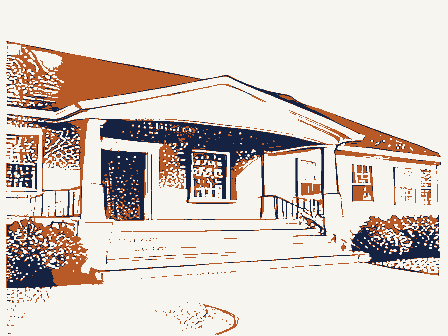
1024-0018 United States Department of the Interior National Park Service NATIONAL REGISTER OF HISTORIC PLACES CONTINUATION SHEET Athletic Club of Columbus Franklin County, Ohio Page 1 The following information is the same for all photographs: Columbus, Franklin County, Ohio Photos by Alissa Ziemer Photos taken January 28 and 30, 2011 Streetscape, looking northwest Facade, looking north Facade, door detail, looking north Facade and west elevation, looking north east West elevation, looking north Rear, north elevation, looking west First floor, lobby First floor, staircase First floor, bar First floor, barbershop hall First floor, library stairs Second floor, hallway Second floor, gold ballroom Second floor, crystal ballroom Second floor, hallway to small meeting rooms Second floor, room F Third floor, phone booths Third floor, Buckeye room Third floor, Buckeye room, floor detail Third floor, overnight room bath Fourth floor, cardio room Fourth floor, swimming pool Fifth floor, gym lobby Sixth floor, overnight room Sixth floor, hall (8-86) First floor, dining room Second floor, lounge Section Photographs Fifth floor, gym Third floor, hallway First floor, library OMB No.
1024-0018 United States Department of the Interior National Park Service NATIONAL REGISTER OF HISTORIC PLACES CONTINUATION SHEET Athletic Club of Columbus Franklin County, Ohio Page 2 Sixth floor, gymnasium Basement, former billiards room (8-86) Section Photographs Basement, bowling alley NPS Form 10-900-a Attachment A - Historic Photos Athletic Club of Columbus Construction photo, 1914 Columbus. Ohio. Postcard, c.1920 Franklin County, OH New DUILDING Attachment A - Historic Photos Athletic Club of Columbus Postcard, c.1920 Postcard, library/lounge, date unknown Franklin County, OH Rowland Building and Athletic Club, Columbus, Ohio. Attachment A - Historic Photos Athletic Club of Columbus Looking east on Broad Street, 1965 Franklin County, OH Swimming pool, date unknown Athletic Club of Columbus Franklin Ca., OH Athletic Club ol Columbus FIRST- FLOOR - PLAN - SCA LE | INCH-EQVALS:1FOOT.
SECOND: TLQOR:PLAN : 120 THIRD-TLOOK -PLAN 3rd Floor Franklin Co., OH Athletc Clubo Columbus Athletic Club of Cbalumbus Franklin ca, OH Athletic Club ol Columbns EJIXTH:FLOOR - PLAN? Attic floor ATTIC.FLOOR.PLAN BASEMENT- TLOQR : PLAN - PLAN -SHOWING - TVRNITVRE-ETC Athletic Clubof Columbns Franklin Ca, OH Basemnt 4,810 sf CRAWL SPACE 1,056 sf scale: 1/16* = 1' Athletic Club of Columbus date: 08.06.07 Franklin C. 011 OFFICE Sub-Basement MECHANICAL Meyers+associates 257 sf 446 sf 81 sf 176 sf 790 sf FITNESS AREA 78 sf 1,789 sf 397 sf 2.334 sf STRG 995 sf 482 sf 700 sf Basement Plan scale: 1/16' - 1° Athletic Club of Columbus date: 08.06.07 CIRCULATION OFFICE 221sf MECH.
SERVICE Meyers+associates STORAGE BOWLING ALLEY 475 sf 405 sf 144 sf 4,769 sf Franklin Co, OH 571 st 0124 eyersarchitects.com 110 sf 147 st 532 sf 97 sf 245 sf 279 sf 126 sf 2,350 sf 4,662 sf 144 sf 3,632 sf First Floor Plan scale: 1/16" = 1' Athletic Club of Columbus date: 08.06.07 Franklin Co, OH DINING OFFICE CIRCULATION SERVICE LOUNGE BARBER 970 sf 431 sf 84 sf Meyers+associates 159 sf 61 sf 615 sf 552 sf 3,506 sf 157 sf 5,300 sf Second Floor Plan scale: 1/16* = 1 Athletic Club of Columbus date: 08.06.07 Franklin Co., OH CIRCULATION SERVICE STRG Meyersassociates EVENT SPACE 2,700 sf 577 sf 672 sf 801 sf 512 sf 1,396 sf FITNESS AREA 543 sf 1,848 sf 1,212 sf 1,214 sf 1,241 sf 761 sf Third Floor Plan scale: 1/16" = 1° Athletic Club of Columbus date: 08.06.07 Franklin Co, OH OFFICES CIRCULATION DINING MASSAGE MECH.
MECHANICAL CHILD CARE 572 sf www.meyersarchitects.com 161 sf 146 sf FITNESS AREA 1,904 sf 2,858 sf 1,083 sf Fourth Floor Plan scale: 1/16" = 1° Athletic Club of Columbus date: 08.06.07 Franklin Ca, OH POOL CIRCULATION CIR Meyers+associates ISTRG.
130 sf 210 sf OPEN TO 523 sf 5,123 sf 1,120 sf Fifth Floor Plan scale: 1/16* = 1 Athletic Club of Columbus date: 08.06.07 BELOW MECHANICAL OFFICE LOUNGE CIRCULATION COURTS Meyers+associates STORAGE HANDBALL FITNESS AREA 783 sf CIR 355 sf 4,105 sf 1,429 sf 2,075 sf OPEN TO 3,856 sf Sixth Floor Plan scale: 1/16" = 1' Athletic Club of Columbus date: 08.06.07 Franklin Co, OHt BELOW CIRCULATION Meyersassociates STORAGE SUITES GYMNASIUM ttms www.meyersarchitects.com 252 sf OPEN TO STRG WALK/JOG TRACK 125 sf 1,643 sf 7,144 sf 1,120 sf Seventh Floor Plan scale: 1/16" = 1 Athletic Club of Columbus date: 08.06.07 Franklin Ca, OH BELOW CIRCULATION COURTS MECHANICAL STORAGE Meyers+associates HANDBALL 683sf tsmtwww.meyersarchitects.com UNITED STATES DEPARTMENT OF THE INTERIOR NATIONAL REGISTER OF HISTORIC PLACES EVALUATION/RETURN SHEET NAME : DATE OF 16TH DAY: DATE OF 45TH DAY: DATE OF WEEKLY LIST: N PDIL: N PERIOD: N PROGRAM UNAPPROVED: COMMENT WAIVER: N ABSTRACT/SUMMARY COMMENTS: RECOM./ CRITERIA TELEPHONE REJECT DATE 10/04/11 MULTIPLE RETURN DISCIPLINE REVIEWER 8/19/11 9/29/11 Historic Places OTHER: The National Register NATIONAL PARK SERVICE If a nomination is returned to the nominating DATE RECEIVED: nomination is no longer under consideration by the NPs.
Entered in REASONS FOR REVIEW: LESS THAN 50 YEARS: DOCUMENTATION see attached comments Y/N see attached SLR Y/N Athletic Club of Columbus, 6 Athlelie Club of Columbus Frauklin Co. OH Athlehic Club of Colombus, Frauklin Co. OH Barbershop Athletic Club of Columbus, Frauklin Lo. OH Athletic Clubof Columbus, Frauklin Co. OH 21 IET FLOOR Athletic Club of Columbus, Frauklin Co, OH 22 AthleticClub of Coluubus, FrauklinCo. OH ANKERS BOX EOPE EXIT Athletic Clubof Columbus, trauklinCo.OH 31 ATHLETIC CLUB OF COLUMBUS: SOUTHEAST COLUMBUS QUADRANGLE 7.5 MINUTE SERIES (TOPOGRAPHIC) USGS SOUTHEAST COLUMBUS, OH FRANKLIN CO.,OL 17-329433-4425323la) U.S. DEPARTMENT OF THE INTERIOR AUG 19 2011 NAT. REGISTER OF HISTORIC PLACES August 11, 2011 Ms. Carol D.
Shull, Keeper of the National Register of Historic Places 1201 Eye Street, NW (2280) Washington DC 20005 Enclosed please find one (1) new National Register nomination for Ohio. All appropriate notification procedures have been followed for the new nomination submission. NEW NOMINATION Athletic Club of Columbus review of this nomination. If you have questions or comments about these documents, please contact the National Register staff in the Ohio Historic Preservation Office at (614) 298-2000. Executive Director and CEO State Historic Preservation Officer Ohio Historic Preservation Office 1982 Velma Avenue, Columbus, Ohio 43211-2497 ph: 614.298.2000 fx: 614.298.2037 COUNTY HISTORY www.ohiohistory.org Enclosures Sincerely, Franklin OHIO National Register OHIO HISTORICAL SOCIETY Dear Ms.
Shull: RECEIVED 2280 The Athletic Club of Columbus has an event scheduled for September 20, 2011; they requested that we ask for an expedited review of the nomination in anticipation of the possibility of listing NATIONAL PARK SERVICE the property by the date of their event. We appreciate any effort that can be made to expedite the
 Block
Block