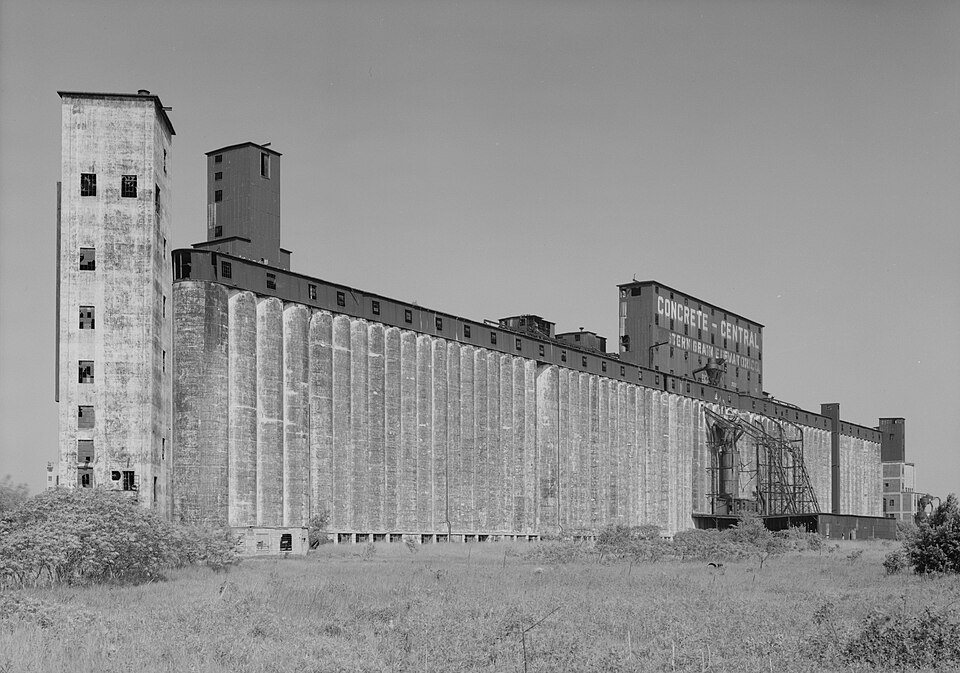
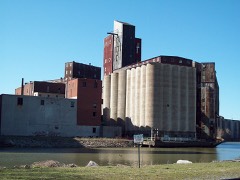
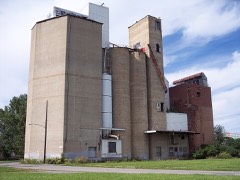
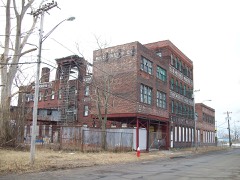
Also known as. Buffalo Grain and Materials Elevator MPS
City. Buffalo city
When was it built? 1915
National Register reference number.03000410- the number the National Park Service assigned this property when it was listed, and the key its nomination file is catalogued under at the National Archives.
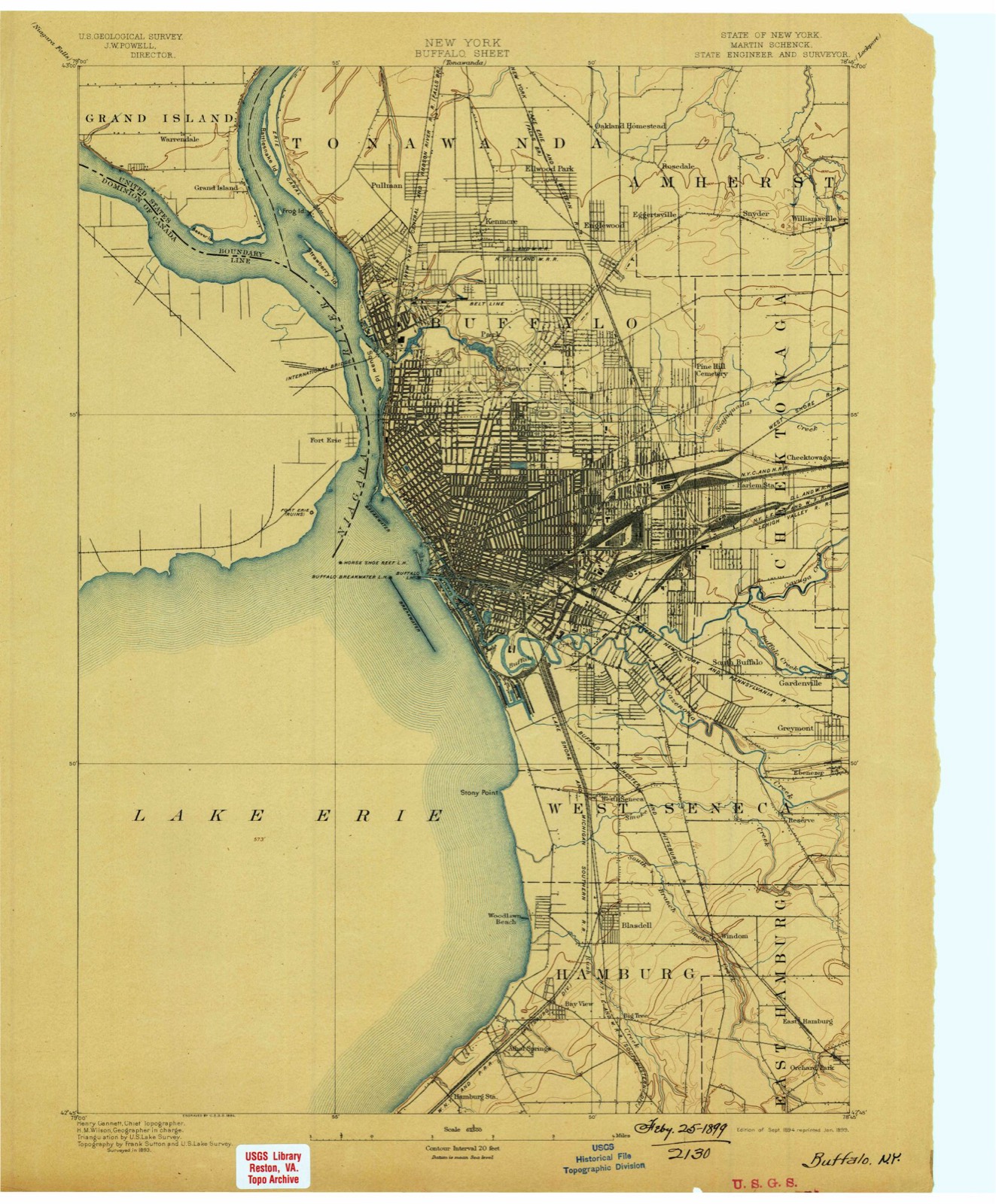
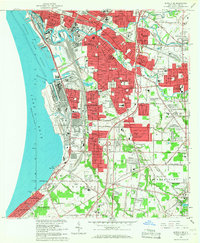
Then and now
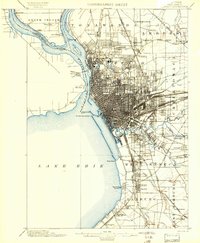
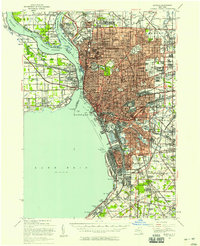
1894 to 1960
The ground this property stands on, surveyed
66 years apart. Drag the handle to wipe between them. Both sheets are
United States Geological Survey originals; neither has been altered.
18941960
Fires near this property
814 since 2000
Regional context, not property-specific
evidence. The
federal wildfire occurrence database
lists 814 fires within 5 miles of Concrete-Central Elevator
between 2000 and 2020, burning about 282 acres in total. 141 started naturally. 116 were recorded as arson.
Distance is straight-line from the map coordinates, so a fire counted
here may appear on a neighbouring settlement's page as well.
Reported cause
Fires
Missing data/not specified/undetermined
462
Natural
141
Arson/incendiarism
116
Smoking
42
Debris and open burning
18
Equipment and vehicle use
16
Recreation and ceremony
7
Misuse of fire by a minor
7
Power generation/transmission/distribution
4
Railroad operations and maintenance
1
The most recent of
them, most recent first, with the day each was reported and the service
that recorded it.
Regional context, not property-specific
evidence. The federal mineral resources record lists
6 workings within 5 miles of Concrete-Central Elevator: 4 unknowns, 1 past producer, 1 plant.
1 still produces. What was taken out: Iron, Stone, Crushed/Broken, Gold, Perlite. Distance is straight-line from the
map coordinates, so a quarry counted here may appear on a neighbouring
settlement's page as well.
Regional context, not property-specific
evidence. The National Weather Service names
Buffalo, the town this property stands in, in 65 storm reports between 1993 and 2024: 30 thunderstorm wind, 18 flash flood, 10 hail, 2 flood.
The reports record 12 injuries. Each account below is quoted exactly as the forecast office
filed it, from the NOAA Storm Events Database, and each date
opens the federal record of that event.
A waterspout over Buffalo Harbor moved onshore. The tornado moved across the Coast Guard Base in Buffalo. Several automobile windows were broken by flying debris. A portion of a fence was blown off. The dislocated fence damaged a nearby vehicle. One person outdoors at the time was blown off his feet.
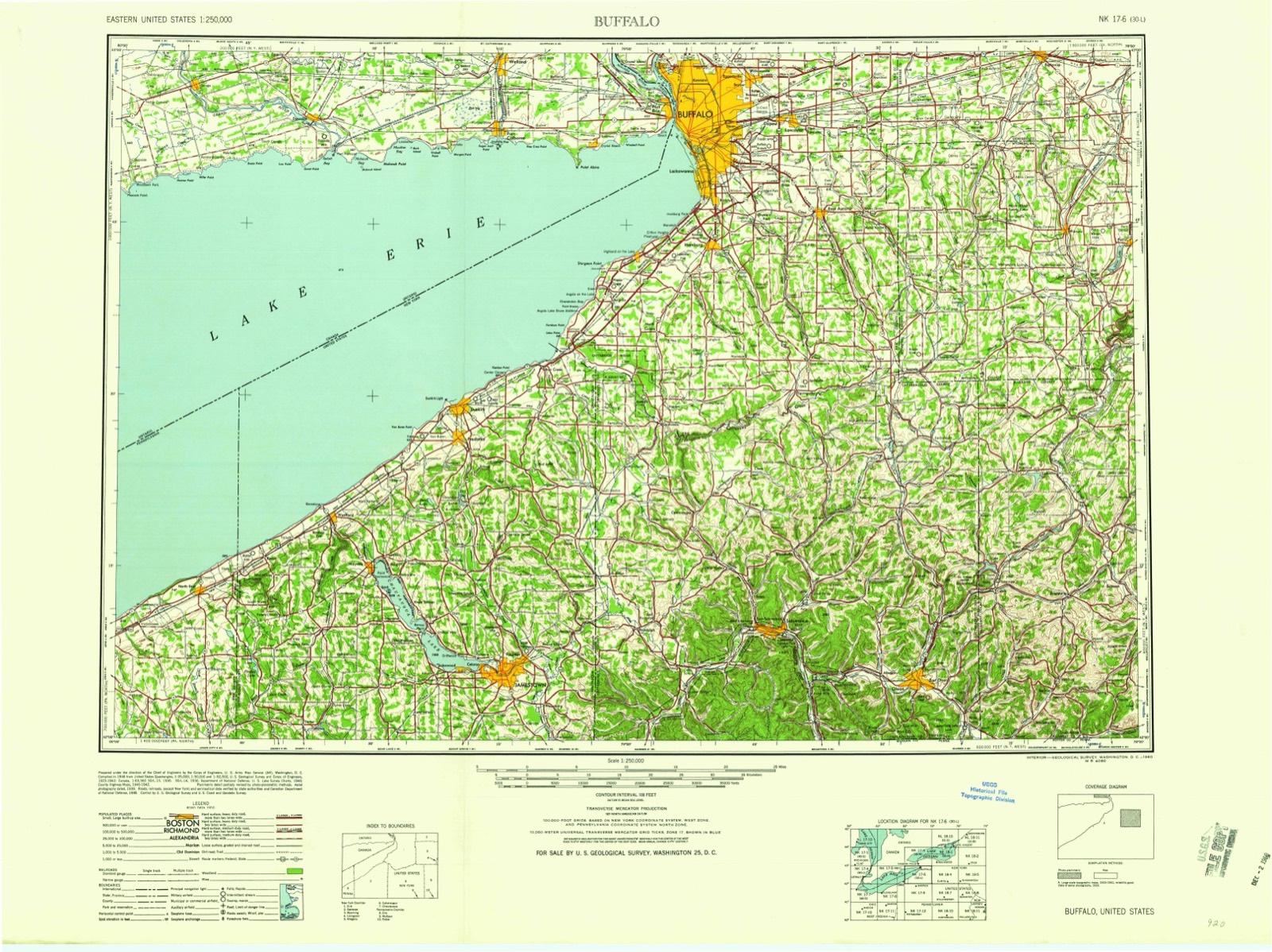
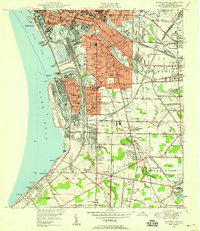
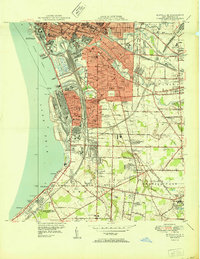
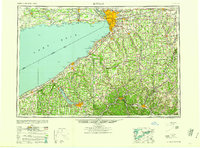
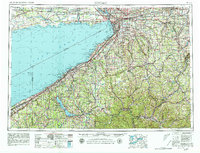
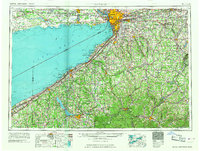
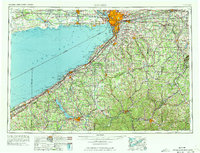
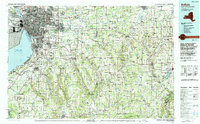
United States Geological Survey topographic
sheets whose coverage includes this point. Matched by taking the coordinate the National Park Service records for this property, then
testing that coordinate against the published boundary of every sheet.
Other National Register properties close
enough to walk or drive between, ordered by distance from this one. Both
positions come from the same geocoding pass that matched these properties
to their map sheets.
Listing record. National Park Service National Register of Historic Places, listed-properties dataset, current to 2026-05-22.
Map join. Address geocoded through the United States Census geocoder, then tested against the published boundary of every sheet in the USGS Historical Topographic Map Collection.
How this page is made. Listing fields come from federal records; map-sheet coverage is a labelled coordinate-to-boundary calculation, not a source-field claim.
Wildfire. Short, Karen C. 2022. Spatial wildfire occurrence data for the United States, 1992-2020 [FPA_FOD_20221014]. 6th Edition. Fort Collins, CO: Forest Service Research Data Archive. https://doi.org/10.2737/RDS-2013-0009.6 Collected with United States Government funding and usable without additional permissions or fees.
Mines and quarries. USGS Mineral Resources Data System (MRDS) https://mrdata.usgs.gov/mrds/ A work of the United States government, no copyright under 17 U.S.C. 105.
Storms. NOAA National Centers for Environmental Information, Storm Events Database https://www.ncei.noaa.gov/stormevents/ A work of the United States government, no copyright under 17 U.S.C. 105. Narratives are quoted verbatim from the National Weather Service report and are not edited or summarised.
 Block
Block