 Block
Block
East Liberty, Ohio
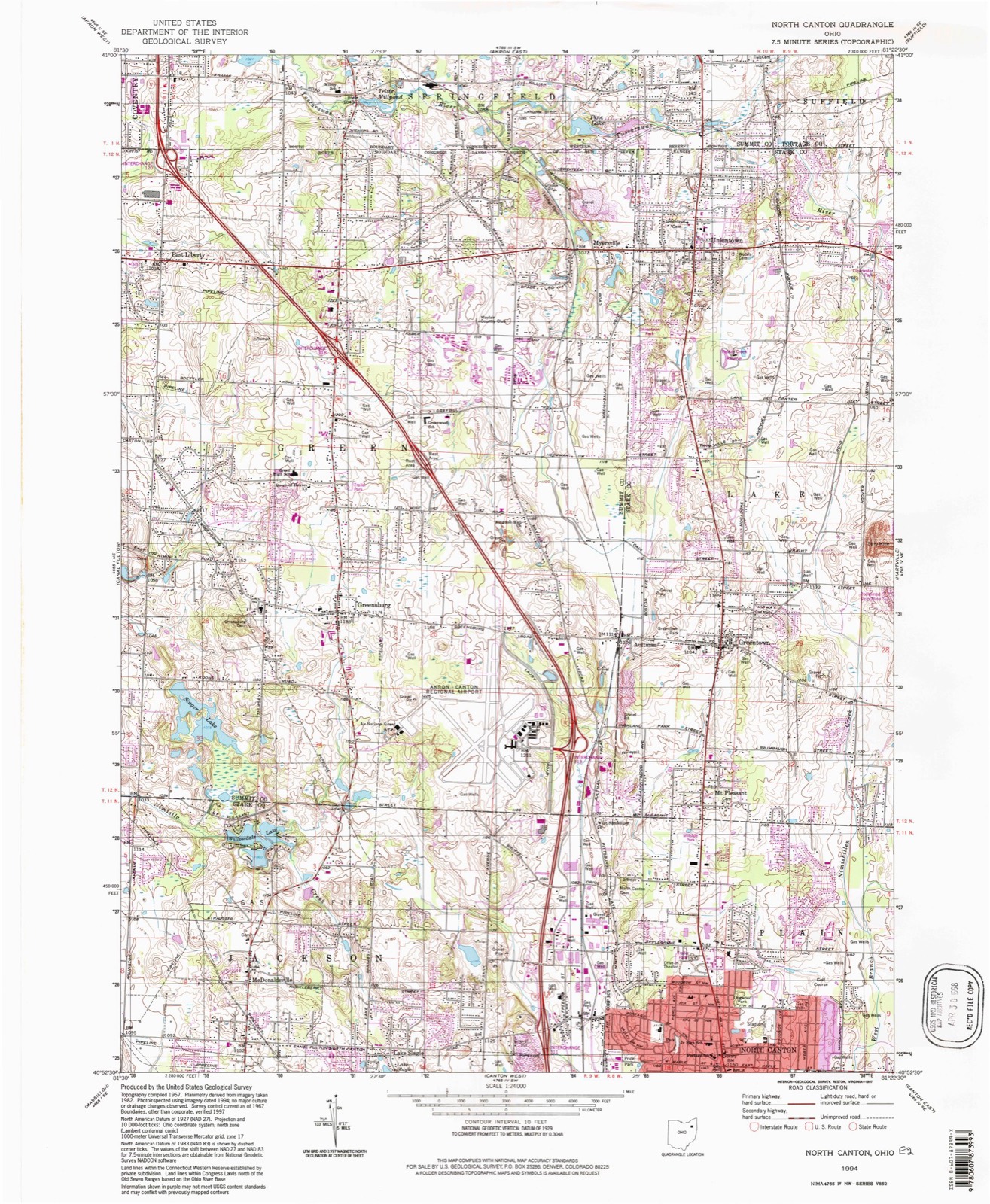
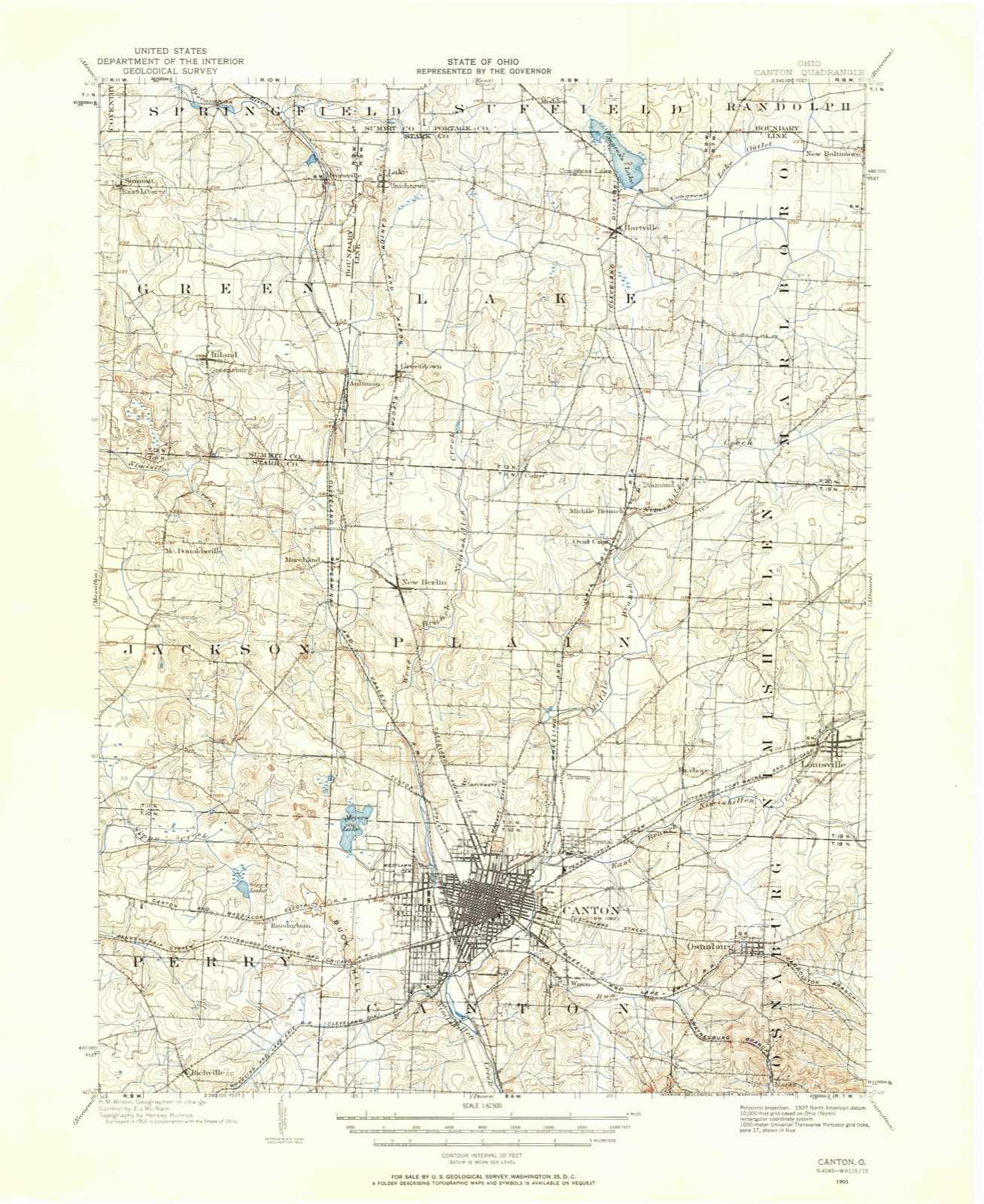
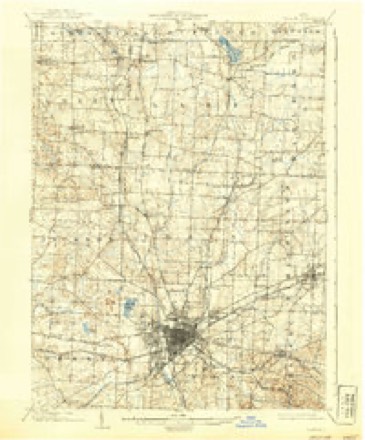
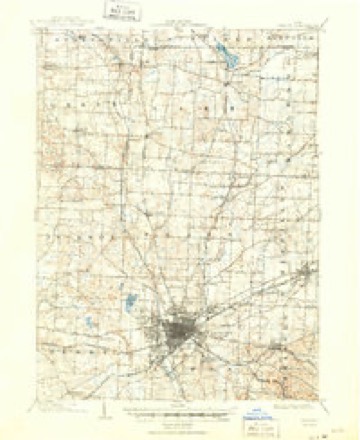
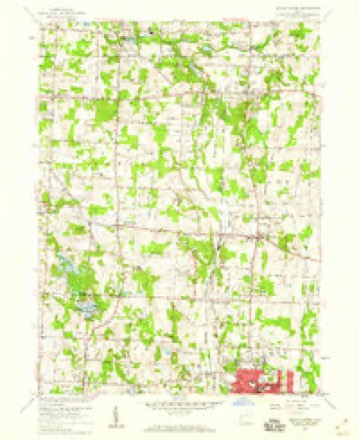
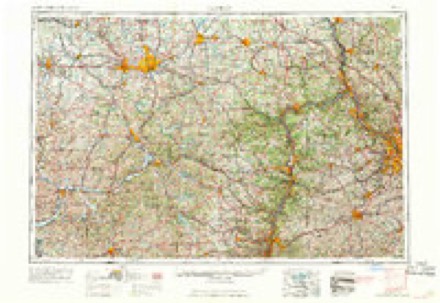
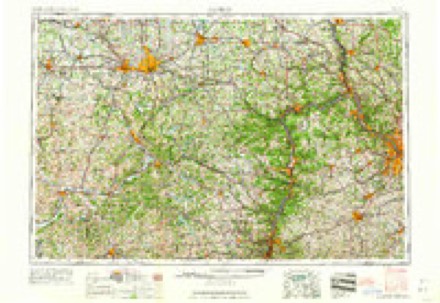
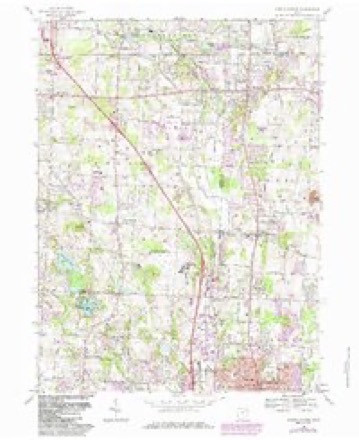
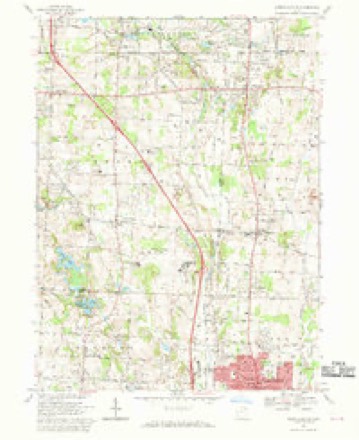
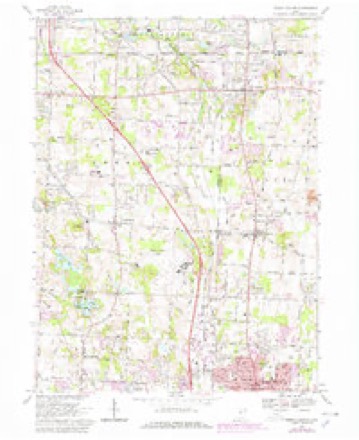
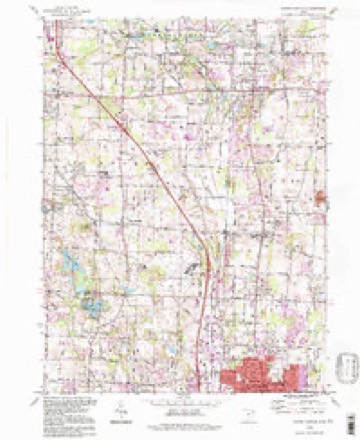
17 topographic sheets cover this place, the earliest surveyed in 1901 and the latest in 1994. It stands in Green City. It lies in ZIP code area 44312. The Survey maps it on the North Canton quadrangle.
Then and now
1901 to 1994The same ground, surveyed 93 years apart. Drag the handle to wipe between them. Both sheets are United States Geological Survey originals; neither has been altered.
Topographic sheets covering this place
17 sheetsMatched by testing this settlement's coordinate against the published boundary of every sheet in the United States Geological Survey's historical collection. Each opens the scanned sheet at the Survey.
- 1901 USGS Canton quadrangle1:62500
- 1903 USGS Canton quadrangle1:62500
- 1903 USGS Canton quadrangle1:62500
- 1951 USGS Canton quadrangle1:250000
- 1953 USGS Canton quadrangle1:250000
- 1957 USGS Canton quadrangle1:250000
- 1957 USGS Canton quadrangle1:250000
- 1957 USGS Canton quadrangle1:250000
- 1958 USGS North Canton quadrangle1:24000
- 1962 USGS Canton quadrangle1:250000
- 1962 USGS Canton quadrangle1:250000
- 1967 USGS North Canton quadrangle1:24000
- 1967 USGS North Canton quadrangle1:24000
- 1967 USGS North Canton quadrangle1:24000
- 1986 USGS Canton quadrangle1:100000
- 1986 USGS Canton quadrangle1:100000
- 1994 USGS North Canton quadrangle1:24000
What happened here
An account from the chapter on Green city, The inset identifies its exact source book and publication year.
Chapter Xxxviii Enterprise, Etc
HUDSON THE PIONEER TOWNSHIP OF SUMMIT COUNTY--LONG AND PERILOUS JOURNEY - ' HOME AT LAST," JUNE, 1779 - EARLY PRIVATIONS - FIRST PUBLIC THANKSGIVING- PATRIOTIC CELEBRATION, JULY 4, 1800 - VITAL STATISTICS -WONDERFUL LONGEVITY OF EARLY SETTLERS - ORGANIZATION OF TOWNSHIP - INDIAN AND WILD BEAST EX PERIENCES--RELIGION, CHURCHES, ETC. - EDUCATIONAL MATTERS--WESTERN RESERVE COLLEGE, ITS RISE, PROGRESS AND DECLINE - HUDSON'S PAST AND PRESENT BUSINESS STATUS ~-MILITARY OPERATIONS - SPLENDID CIVIL RECORD - CRIMINAL MATTERS - THE MALONEY-STEPLETON HOMICIDE - EXCITEMENT AMONG THE PEOPLE - PURSUIT AND CAPTURE OF THE MURDERER- - TRIAL, LIFE SENTENCE, PARDON, SUBSEQUENT LIFE, ETC. - HUDSON'S PUBLIC SPIRIT, RAILROAD ENTERPRISE, ETC.
In the county-history sources
219,890 words on this townshipHistory of Summit County, with an Outline Sketch of Ohio, published 1881 names this settlement in its chapter on Green City. These are the passages that mention it, exactly as the scans read.
For many years previous to the settlement of Ohio by the whites. Green Township must have been a fiivorite resort of the aboriginal race which then inhabited the State, for in the early day, man}' remains of their handiwork were found. Gen. Bierce says : " The northwest quarter of Section 25, on land purchased by Cornelius Johnston of the United States in 1813, appears to have been a favorite huntingground of the Indians, as arrow-heads, hatchets, skinning knives and other implements have i been found there in great abundance. From ' the numerous flint chips found on that quarter j of the section, it would seem to have been a : place for manufacturing their stone hatchets I and arrow-heads. Where they found the stone is unknown. This spot seems to have been se- ! lected on account of its being light-timbered, clear from underbrush, and elevated a little above the surrounding lands. Scattered over ; this elevated plateau were found piles of stones, varying in size from a man's fist to his head, and arranged in heaps of from four to six feet to a little larger or smaller. Tradition assigns i to them the honor of holding the ashes of some ! warrior or chief, but as no bones or human remains have ever been found in them, I am inclined to think them altars, on which they sacrificed to their gods, and the spirits of their departed braves. Among all the tribes sacrifices were common. Tradition saj-s that one of the early settlers in Green attempted to desecrate one of the altars, but after throwing down three or four feet of it, and when he was, as he supposed, about to accomplish his object, he was seized with a supernatural fear, and abandoned the enterprise." Previous to the war of 1812, Indians were quite plenty in the township, but as they sided with the British the}' were compelled by the white settlers to leave, and since then an Indian has rarely been seen within the limits of Green. Man}' families who located after the war declare the red men had all left when they came from Pennsylvania. The remains of their old forts and wigwams were seen as late as 1855, according to Gen. Bierce, at the head-waters of the Nimishilla, on Sections 36 and 25. They also occupied several camps near Turkey Foot Lake, and what is now the reservoir, in 1809, when the Kepler family first located in the township. " Among the celebrated Indians who used this township for a hunting-ground was a chief called by the whites ' Beaver Hat.' He had a settlement at what is how the south part of the village of Wooster, where the Baptist burying-ground now is. His Indian name was Paupellnan, and his settlement he called ' Apple Chanquecake,' or apple orchard. He was a bitter enemy of the whites, and, when drunk, he would take out a string with thirteen white men's tongues on it, dried, and exhibit them with much pride. One day he got out his string of tongues, and began to shake them, when George Harter took his rifle and started after him, sa3ing he would go and kill a buck. The report of a rifle was soon after heard, but he brought back no game, nor was Beaver Hat ever heard of more." - Bierce. Harter lived immediately south of Section 16 land for a few years at an early day. Most of the original permanent white settlers of Green Township were Pennsylvania Dutch and their descendants, and the cast and tone of morals and society still retain a decidedl}' German character. The citizens are honest, frugal, industrious and wealth}'. Although the dialect of the Pennsj-lvania Dutch is to a great extent the medium of communication between the residents of the township, it is seldom an inhabitant is found who cannot understand when asked a question in English, and these exeepik^ tional cases are generally the aged and infirm. Many of the early settlers and their children refused to adopt the advanced ideas and new improvements advocated by the genius of the most progressive nation known to history, and many of these old fellows died still clinging to their old notions of the past, but occasionally one still living and blessed with wealth will declai'e how little he cares for those glories of the nation as shown by mighty works of architectural grandeur ; and this poor mortal will expect you to accord to him a meed of praise and make a virtue of his ignorance. But the descendants of these men have, by mingling with a different race, caught the spirit of progress which will in future years bring forth a rich harvest, for by uniting to the bone and muscle the industry and frugalit}- of the German, the refinement and progressive spirit of the Yankee, a generation will be born in Green that will i-ank with the best bone, muscle and mind of the country.
Passage source: History of Summit County, with an Outline Sketch of Ohio, published 1881.
John Kepler, who made the first permanent settlement in Green Township, came out to the new country with his family in the fall of 1809. Re was a blacksmith by trade, and worked at this occupation some in his new home. Tlis brother Andrew brought him out to Ohio with his four-horse team ; he then returned to Penns\ivania for his own family, and they reached Green Township in the spring of 1810. The Keplers were born in Bucks County, Penn., and married twin sisters. John's wife was Magdalena Cramer, and Andrew married Mary. The Keplers purchased from the Government 320 acres, comprising the east half of Section 17. John occupied the western part of this tract and Andrew the eastern half In after years they purchased other extensive tracts, which are now the propert}' of their descendants. When John first arrived with his family, they lived for some time in a hut built beside a log ; then erected a more permanent residence on the land afterward occupied by his brother Andrew, which the}' owned during the first winter, and for a short time after Andrew's fiimily came, in 1810 ; for a brief period both families occupied the same cabin. John Kepler was not able to go to the war of 1812. and so he assisted in sending young John Dixon as his substitute, furnishing him with blankets and other articles of clothing. John was a resident of Green Township for about twenty-five j^ears and was then killed while working a cider-press. His wife survived him many years. John was buried in the grave^'ard on his brother Andrew's farm. He was the father of nine children, as follows : Catharine, married Henry Warner, of Coventr}- ; John, formei'ly of Green ; Jacob, now a resident of Coventry ; Andrew, shot on August IG, 1871, by his son-in-law; Daniel, moved to De Kalb County, Ind. ; George, formerl}' of Coventry, now deceased ; Henry, died at eighteen ; Samuel, died in Illinois, and Lena, died after marrying Henry Cook. Daniel was the ^'oungest child when the family removed to Ohio. After x\ndrew Kepler moved his family to Ohio, he sold two of his horses to his brother John, and, shortly afterward, the other two animals died. He then purchased oxen to aid in farming. The family suffered man}' hardships for several years. The Indians would frequently appear with their ponies, dogs and papooses ; the}' brought baskets which they desired to trade for flour, meal, potatoes and other articles. When Andrew was with the American army, during the war of 1812, the Indians kept his wife supplied with venison, which they exchanged for meal and potatoes. Mrs. Kepler never feared the savages, for they were always friendly and kept their promises. It was only necessary to supply one with a loaf of liread and tell him that venison was desired at a certain time, and he never failed to respond. But the wolves were ver}- troublesome, and would occasionally approach within five or six rods of the fire where Mrs Kepler was cooking the meals. Mrs. Rebecca Herring, formerly Miss Kepler, says : -' We children did not hate the Indians so much as we did the wolves ; these animals howled around the house at night until we thought the clap-boards on the roof were shaking." Finally, the State offered a bounty for each wolf scalp, and the howling tribe of the forests commenced to decrease in numbers, and in a score of years farmers were able to raise sheep with profit. At one time, during the absence of her husband, Mrs. Andrew Kepler caught a wild turke}' with her hands ; she made a feast, to which she invited her relatives and friends. About the same time, old Joseph Triplet's wife having obtained a rumor, from some source, that the British and Indians were coming, alarmed the neighborhood. The two Kepler families, the Smiths and the Buchtels hastil}' prepared to leave, and got half-wa}' to Canton before they found the alarm was false. (This was possibly at the time Capt. Drake, in order to try his men, gave a false alarm, and his men became panic-stricken.) Andrew Kepler, after living in the township nearly fifty years, died January 16, 1855, at the advanced age of seventy-eight years and eleven months. He was buried in the graveyard at East Liberty. He was the father of eleven children. Nine grew to maturity, were married and raised large familes, and the Kepler descendants are very numerous in Green Township and elsewhere. These nine children are located as follows : Elizabeth married Samuel Stover and removed to Illinois ; Mary married three times, and is now the widow of Jacob Paulner, at Grreensburg ; Catharine married Peter Wilhelm, of Green, and died ; Safah, now Mrs. David Warner, of Green ; John, of Green ; Rebecca, now the widow of Lewis Herring, of Green ; Jacob A. died in Green ; Andrew, of East Liberty, and Samuel, struck by lightning on August 10, 1854.
Passage source: History of Summit County, with an Outline Sketch of Ohio, published 1881.
But the early settlers of Green Township were not all farmers, and this was fortunate, considering the large amount of produce raised each 3'ear, which could not be sold, for want of a market. When these tillers of the soil exchanged, at Canton, forty-four bushels of r^-e for a barrel of salt, they could not so readily complain because some men thought it was not expedient for all mankind to be farmers, and so followed other occupations. Some of the early settlers who purchased farms, occasionally worked at trades thej^ had learned in Pennsylvania. John Kepler and Michael Myers were blacksmiths as early as 1814," and erected forges near their dwellings. Myers transferred his forge to his son Henry, and he to his son Michael, who to-da}' uses the vise brought from Pennsylvania by his grandfather. Ludwig Spotts, who came in 1812, also followed blacksmithing. A man named Kauffman started a rude tan-3-ard at an early day, on the farm now occupied by C. Long, west of Greensburg. In those days, tanners were " luck}^ " men, for their goods were in greater demand than the fruit of the soil. Nearly everybody had wheat, but few had leather, which they all needed ; consequently, leather was valuable, and it was the article with which everj'thing else could be obtained. Tanners would not exchange their work for wheat at all times, for in those da3's leather was as good as cash, and it was frequently the medium of exchange between the settlers, notwithstanding it did not have the stamp of the Government upon it. Kauffman 's tannery was afterward removed to Greensburg. There was also a tan-3'ard near East Liberty at an early da}'. The first shoemaker that started a regular shop was old Adam Musser's son John, who manufactured and repaired, about one mile east of what is now Greensburg. Previous to this, Adam Working followed this trade some at his farm, which he entered about 1815. John Foust, who came in 1822, was a shoemaker, and worked at this occupation during the winter, when his services were more in demand. In those early days, the Knights of St. Crispin would wander through the country, and deliver the settlers from the evils of going barefooted. These cobblers would remain with a family until all the members were " shod " to order, and then seek emplo3-ment elsewhere. The first weaver who appeared was Thomas Dixon, and he was assisted by his daughter Ann. George Dull, who came in 1814, was a weaver for two years, then returned to Pennsylvania. Jost Snyder appeared in 1819, bringing his loom from Pennsylvania, and followed weaving for many years. In 1824, Jacob Hartong, father of Cyrus, settled on land now owned b}^ the Widow Thursby, and, while his sons farmed, Jacob provided the clothing for his own families and man3' other settlers of the neighborhood. Philip Hartong, brother of Jacob, came in 1 8 1 3. For several years, he kept an inn on the old Portage road, near where Jacob King's brick residence is at the present time. The hotel business being unprofitable, he built a saw-mill on land now owned by Henr}' Krumroy. This mill was erected about 1819, and reported to be the first in the township, but this is ver}^ doubtful, as there were man3^ families 133' that time, and. in all new settlements, a saw-mill is generall3' provided b3'^ some enterprising man at a much earlier period in the histor3^ of the community. However, mills of this description were soon numerous. The Hartong Mill was run b3' Philip and his son Samuel for some twenty -five 3'ears. About the same time Hartong erected his saw-mill, John Richards built one on the site now occupied b3' the Peter Heckman mill. Richards ran this about five 3'ears, until he died, in October, 1823. Another was also erected previous to 1827, in the extreme southeastern part of Green Township, on land now owned b3' Simon Young. Henr3' Beard started another mill by 1828, and he thinks there was also one on Turkey Foot Lake, in Green, run by a Mr. Rex. Beard continued the business nearl3- forty years. He also Iiad a fulling-mill and carding machine in connection with his sawmill, which establishments were conducted for some fifteen years. David Eb3" also ran a carding and fulling-mill for several 3'ears. There were also one or two flouring-mills operated at an earl3- day. Gen. Biercesays : " George A.
Passage source: History of Summit County, with an Outline Sketch of Ohio, published 1881.
Machine-read from a century-old scan, so expect the errors a machine makes: misspelled names, dropped words, stray characters.
Read the whole chapter on Green City - it names this place 7 more 7 times.
Specimens collected near this place
12 of 547 shownRegional context, not property-specific evidence. Museums hold 547 specimens collected within 10 miles of East Liberty between 1867 and 1975: 460 Animalia, 43 Plantae, 42 Fungi, 1 Unrecorded, 1 Bacteria. 12 distinct Species records are shown. Collected by (no collector listed), A. W. Cusick, A.E. Daugherty and others. Each is a physical object with a catalogue number, and each entry opens the museum's record. This is what was collected and kept, not a survey of what lives here - nothing can be concluded from a species being absent.
| Image | Species | Year | Collected by | Where, as recorded |
|---|---|---|---|---|
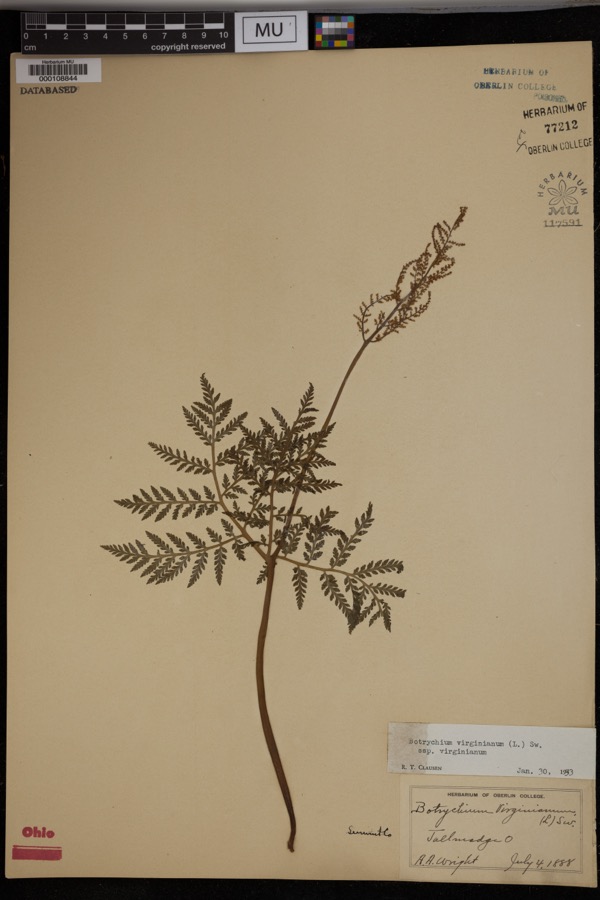 | Botrychium virginianum subsp. virginianum | 1888 | Wright, A.A. | Tallmadge. |
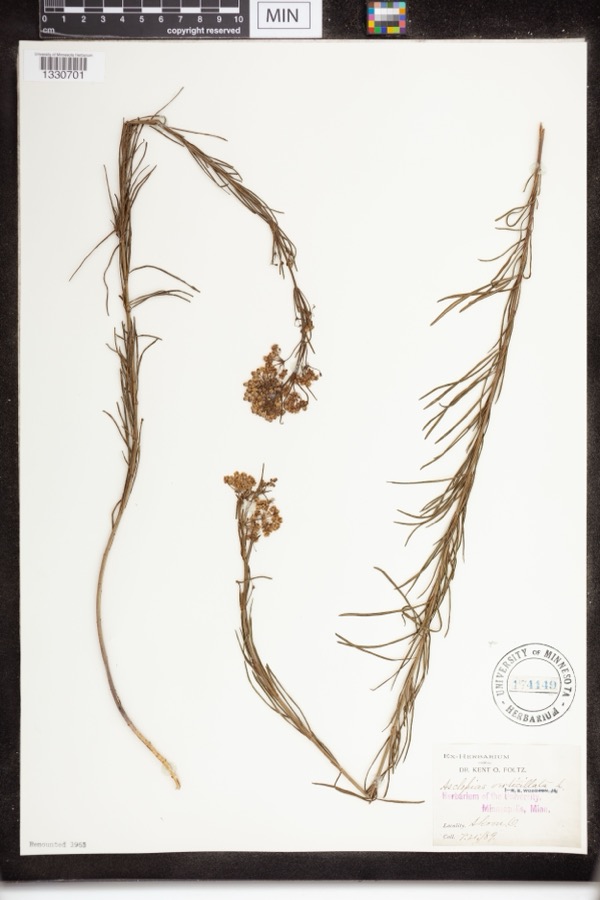 | Asclepias verticillata L. | 1889 | not recorded | Akron |
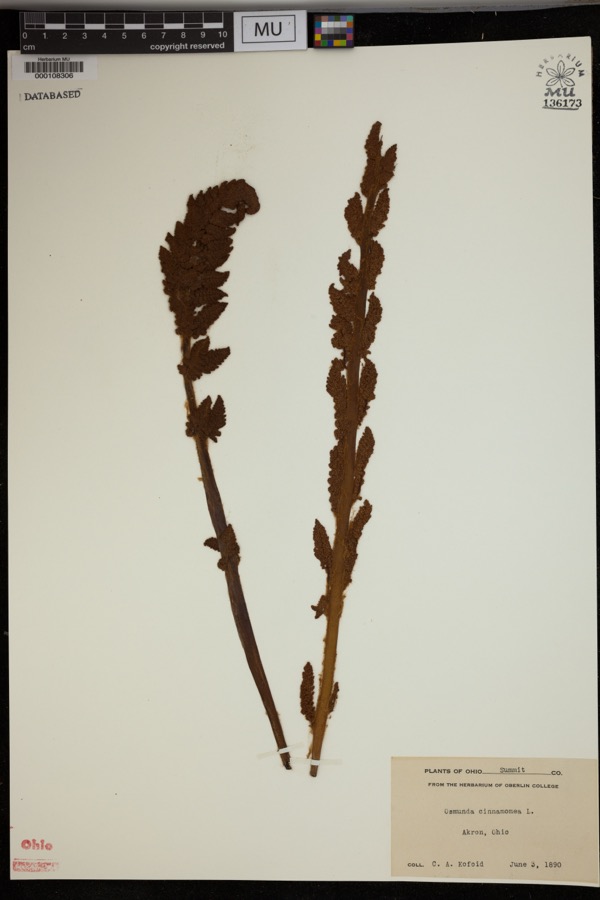 | Osmunda cinnamomea L. | 1890 | Kofoid, C.A. | Akron. |
 | Accipiter striatus velox (A.Wilson, 1812) | 1867 | Collector(s): James Lee Peters | Akron |
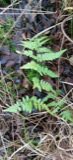 | Dryopteris carthusiana (Vill.) H.P.Fuchs | 1880 | F. O. Payne | Akron |
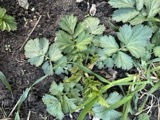 | Geum aleppicum Jacq. | 1887 | Elliott | Greensburg |
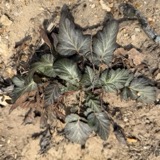 | Geum canadense Jacq. | 1887 | Elliott | Greensburg |
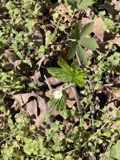 | Hydrastis canadensis L. | 1888 | E.L. Sturtevant II | |
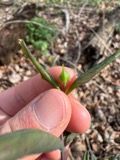 | Lonicera dioica L. | 1888 | K. O. Foltz | |
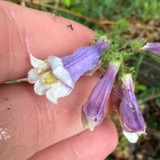 | Penstemon hirsutus (L.) Willd. | 1888 | K. O. Foltz | |
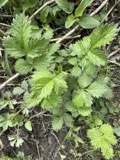 | Agrimonia gryposepala Wallr. | 1889 | Elliott | Greensburg |
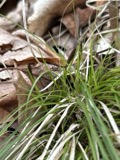 | Carex pensylvanica Lam. | 1889 | Foltz, K.O. | Akron |
All 547 specimens within 10 miles, at the Global Biodiversity Information Facility.
Mines and quarries near this place
10 of 12 shownRegional context, not property-specific evidence. The federal mineral resources record lists 12 workings within 5 miles of East Liberty: 6 past producers, 4 producers, 2 plants. 6 still produce. What was taken out: Sand and Gravel, Construction, Stone, Crushed/Broken, Clay, Coal. Distance is straight-line from the map coordinates, so a quarry counted here may appear on a neighbouring settlement's page as well.
| Where | Site | Commodity | Status | Recorded |
|---|---|---|---|---|
| Carbon Limestone Company Quarry | Stone, Crushed/Broken, Clay, Coal | Producer | ||
| Barberton Pit | Sand and Gravel, Construction | Past Producer | Sedimentary | |
| Greensburg Pit | Sand and Gravel, Construction | Producer | ||
| Hammond Brothers Gravel Pit | Sand and Gravel, Construction | Past Producer | Sedimentary | |
| Hammond Brothers Gravel Pit | Sand and Gravel, Construction | Producer | ||
| Knight Plant | Sand and Gravel, Construction | Past Producer | Sedimentary | |
| Knight Plant & Pit | Sand and Gravel, Construction | Plant | ||
| Portage Lakes Pit Number 2 | Sand and Gravel, Construction | Past Producer | Sedimentary | |
| Portage Lakes Pit Number 2 & Plant | Sand and Gravel, Construction | Plant | ||
| Twinlakes Pit | Sand and Gravel, Construction | Producer |
Storms near this place
2 since 2008Regional context, not property-specific evidence. The National Weather Service names East Liberty in 2 storm reports between 2008 and 2022: 2 thunderstorm wind. No death or injury is recorded in these reports. Each account below is quoted exactly as the forecast office filed it, from the NOAA Storm Events Database, and each date opens the federal record of that event.
Nearest settlements
The eight closest, with where each one stands in the county. Distances are straight-line, computed from the Geographic Names Information System coordinates.
| Map | Place | Distance | Sheets |
|---|---|---|---|
| Bingo Estates | 0.3 miles | 17 | |
| Brookwood Estates | 0.4 miles | 17 | |
| Arlington Knolls | 0.5 miles | 17 | |
| Ellis Estates | 0.6 miles | 18 | |
| Hyde Park | 0.8 miles | 17 | |
| Springhill | 0.9 miles | 17 | |
| Hillcrest Highlands | 0.9 miles | 18 | |
| Robins Trace | 0.9 miles | 18 |
Provenance
This settlement is recorded in the Geographic Names Information System as feature 1064583. The sheet list is computed by point-in-boundary test against the United States Geological Survey's historical topographic inventory. Both are works of the United States government and carry no copyright under 17 U.S.C. 105.
Specimens. Global Biodiversity Information Facility (GBIF), https://www.gbif.org/. Only records licensed CC0 or CC BY are used. Records licensed CC BY-NC are excluded because this site carries advertising. Images are checked individually and any whose licence is non-commercial, no-derivatives or unreadable is refused.
Mines and quarries. USGS Mineral Resources Data System (MRDS) https://mrdata.usgs.gov/mrds/ A work of the United States government, no copyright under 17 U.S.C. 105.
Storms. NOAA National Centers for Environmental Information, Storm Events Database https://www.ncei.noaa.gov/stormevents/ A work of the United States government, no copyright under 17 U.S.C. 105. Narratives are quoted verbatim from the National Weather Service report and are not edited or summarised.