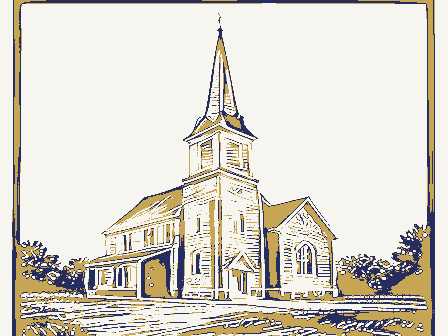
Listed on the National Register of Historic Places in
1984. A historic map-sheet match is not published yet. The record needs a coordinate-quality review before it can be joined to a sheet boundary.
From the record
one of 338 National Register listings in Cuyahoga County · listed in 1984 · category: Building · one of 3 National Historic Landmarks in Cuyahoga County.
National Register reference number.84000130- the number the National Park Service assigned this property when it was listed, and the key its nomination file is catalogued under at the National Archives.
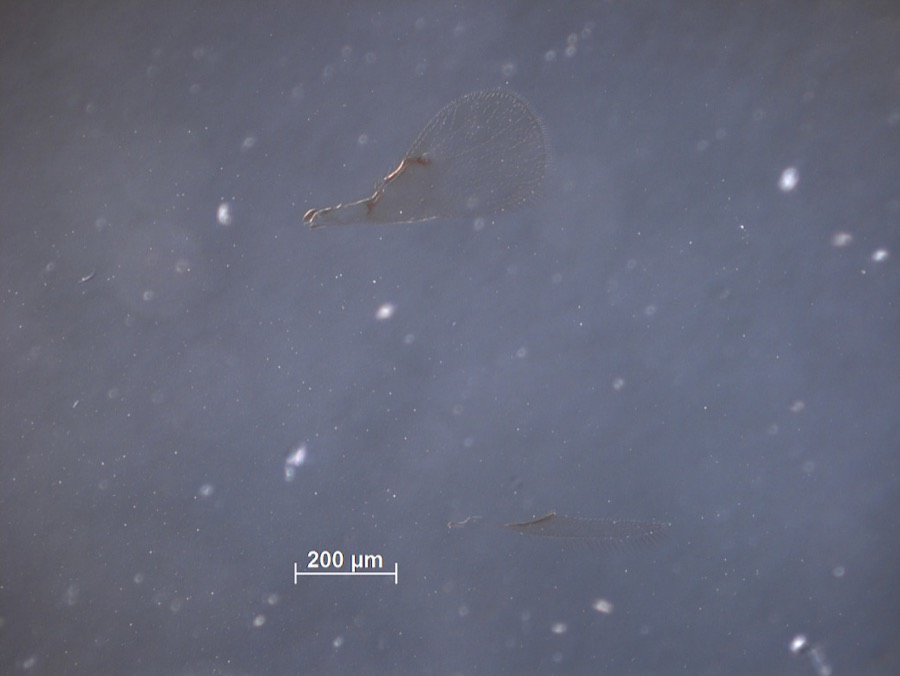
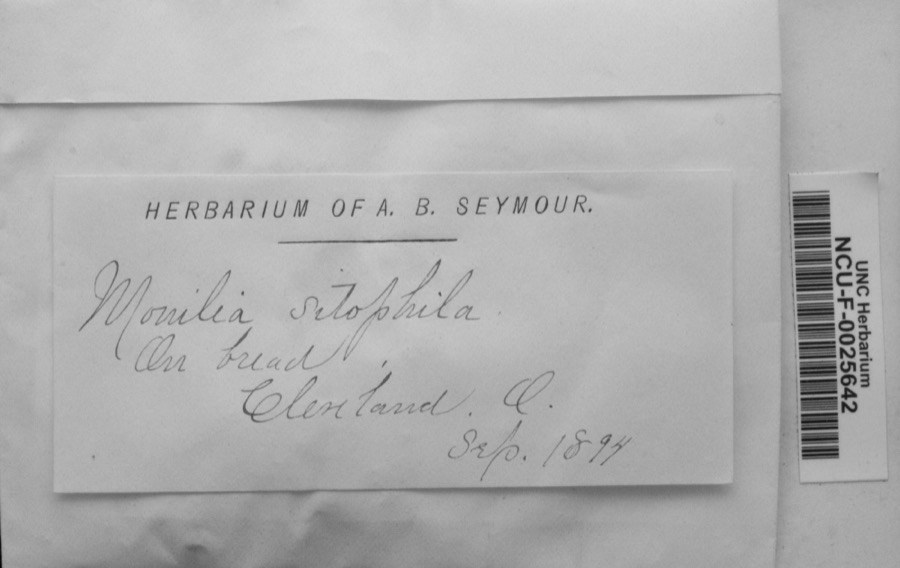
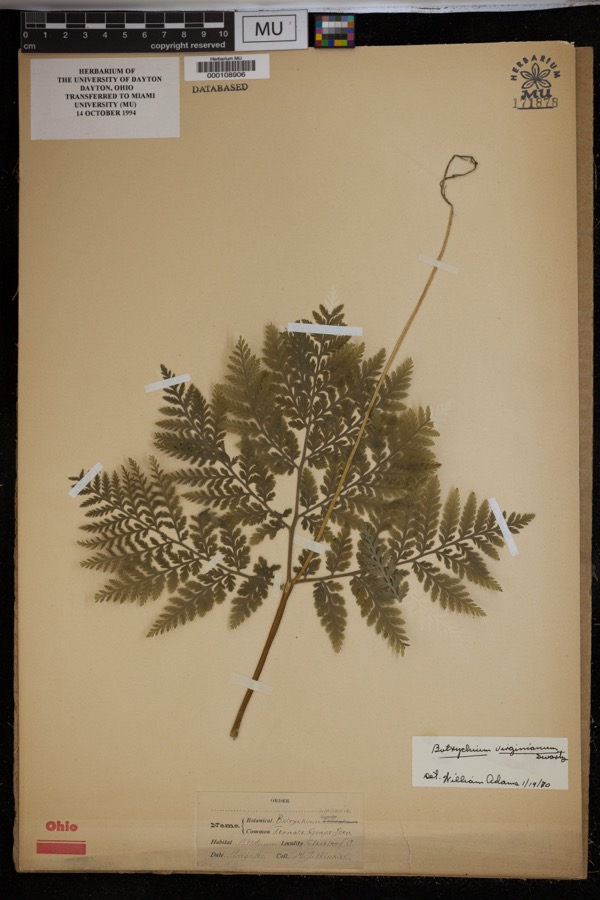
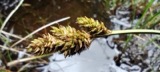
Specimens collected near this property
12 of 4,021 shown
Regional context, not property-specific
evidence. Museums hold 4,021 specimens
collected within 10 miles of St. Paul's Episcopal Church of East Cleveland between 1850 and
1975: 3,595 Animalia, 219 Fungi, 127 Plantae, 74 Protozoa, 5 Unrecorded, 1 Chromista. 12 distinct Species records are shown.
Collected by A. D. Huryn, A. Hall, A. Newhall and others. Each is a
physical object with a catalogue
number, and each entry opens the museum's record. This is what was
collected and kept, not a survey of what lives here - nothing can be
concluded from a species being absent.
Regional context, not property-specific
evidence. The federal mineral resources record lists
2 workings within 5 miles of St. Paul's Episcopal Church of East Cleveland: 2 unknowns.
None of them still produces. What was taken out: Tungsten, Zirconium, Zinc, Tungsten, Molybdenum. Distance is straight-line from the
map coordinates, so a quarry counted here may appear on a neighbouring
settlement's page as well.
Regional context, not property-specific
evidence. The National Weather Service names
East Cleveland, the town this property stands in, in 17 storm reports between 1997 and 2025: 15 thunderstorm wind, 1 waterspout, 1 flash flood.
No death or injury is recorded in these reports. Each account below is quoted exactly as the forecast office
filed it, from the NOAA Storm Events Database, and each date
opens the federal record of that event.
2 papers published in this town,
digitised by the Library of Congress and free to read: 0 issues,
0 pages. Every page is searchable, so a name or a street can be
looked for directly in what the town printed about itself at the time.
No historic map-sheet match is published
for this property yet. That does not mean no map exists. This record needs
a coordinate-quality review before it can be joined to a sheet boundary.
Browse the county's mapped places while that work is
pending.
From the nomination file
1,653 words on record
When this property was proposed for the
National Register, someone wrote the case for it: what the building is,
and why it matters. That document is a federal record in the public domain.
It is quoted below word for word, never summarised. The text was read off the scanned case file by machine, so the
occasional stray character is the recogniser's and the 1970s
typewriter's.
Description of the property
free-standing column with foliated capital supports each corner. light and insignia (Alpha and Omega and IHS) in the other two.Wide borders of opalescent structionof the church.The altar has three panels with a quatrefoil in the center;a the side walls and a polygonal apse.A low front vestibule was added in 1950,and3)a Areas of Significance-Check and justify below X architecture X art _ music X_ 1800-1899 - philosophy other (specify) 1860; 1895 Statement of
Statement of significance
(in one paragraph) the late nineteenth century artist John LaFarge. The parish of St. Paul's, organized in 1843, is the second oldest Episcopal congregation of Coburn, Barnum, and Benes in 1895-96, is an excellent example of the adaptation of of Cleveland Square, and incorporated the following month; in 1845, parishioners began repairs were made, including the installation of memorial stained glass windows honoring the 1860 building, on a site then occupied by the rectory, built in 1865. The parish The foundation was laid on 2 July 1896 and the building consecrated 18 April 1897.
glass in about 1876, is a particularly striking example of color and design, using opal- escent glass borders and art nouveau plant forms, including deep rose-colored pomegranates, that would prove the attribution no longer exist, but later correspondence with LeFarge's grandson and the independent analysis of art historians, including Elizabeth Breckenridge, Reserve Chapter of the Society of Architectural Historians, strongly support the tradi- choir, rail, and altar, all of oak.
The dark hammerbeam roof also creates a feeling of 1500-1599 commerce 1600-1699 1700-1799 conservation communications 1400-1499 education economics industry invention archeology-historic humanitarian engineering transportation military theater exploration/settlement Period agriculture science literature Specific dates social/ to draw upon English Gothic parish churches for the design was thus singularly appropriate. is a particularly striking example of art nouveau stained glass and is almost certainly Criterion C 1900- icate and beautiful and generally well-preserved. In 1895,the nationally recognized Professor of Art History at the Cleveland Institute of Art and President of the Western 8.
Quoted from the National Register nomination
for reference 84000130, 16 pages, held by the National Archives in Record
Group 79. See the
catalogue record.
Listed places nearby
6 within 8 miles
Other National Register properties close
enough to walk or drive between, ordered by distance from this one. Both
positions come from the same geocoding pass that matched these properties
to their map sheets.
Listing record. National Park Service National Register of Historic Places, listed-properties dataset, current to 2026-05-22.
Map join. Address geocoded through the United States Census geocoder, then tested against the published boundary of every sheet in the USGS Historical Topographic Map Collection.
How this page is made. Listing fields come from federal records; map-sheet coverage is a labelled coordinate-to-boundary calculation, not a source-field claim.
Specimens. Global Biodiversity Information Facility (GBIF), https://www.gbif.org/. Only records licensed CC0 or CC BY are used. Records licensed CC BY-NC are excluded because this site carries advertising. Images are checked individually and any whose licence is non-commercial, no-derivatives or unreadable is refused.
Mines and quarries. USGS Mineral Resources Data System (MRDS) https://mrdata.usgs.gov/mrds/ A work of the United States government, no copyright under 17 U.S.C. 105.
Storms. NOAA National Centers for Environmental Information, Storm Events Database https://www.ncei.noaa.gov/stormevents/ A work of the United States government, no copyright under 17 U.S.C. 105. Narratives are quoted verbatim from the National Weather Service report and are not edited or summarised.
 Block
Block