 Block
Block
Ghent, Ohio
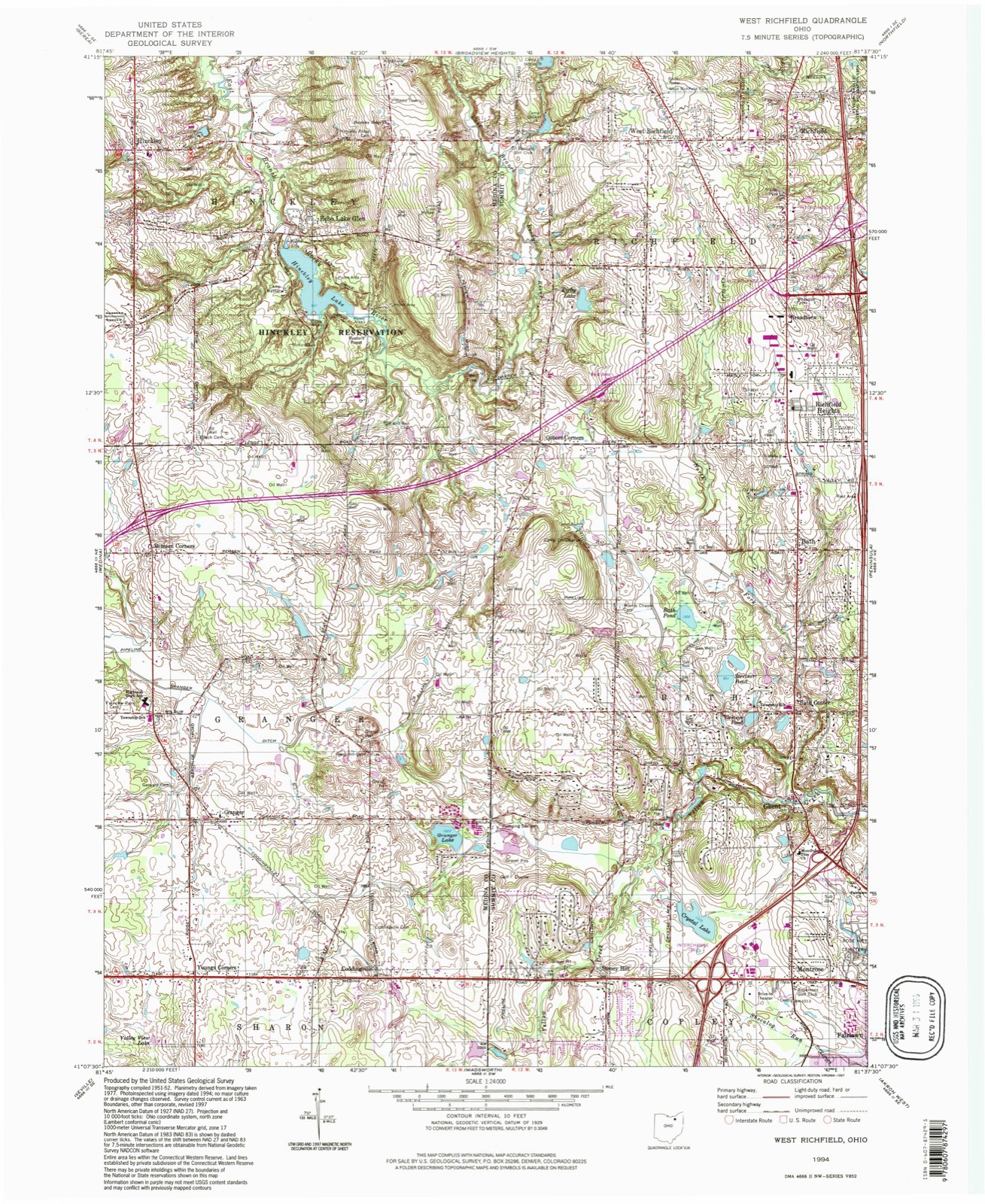
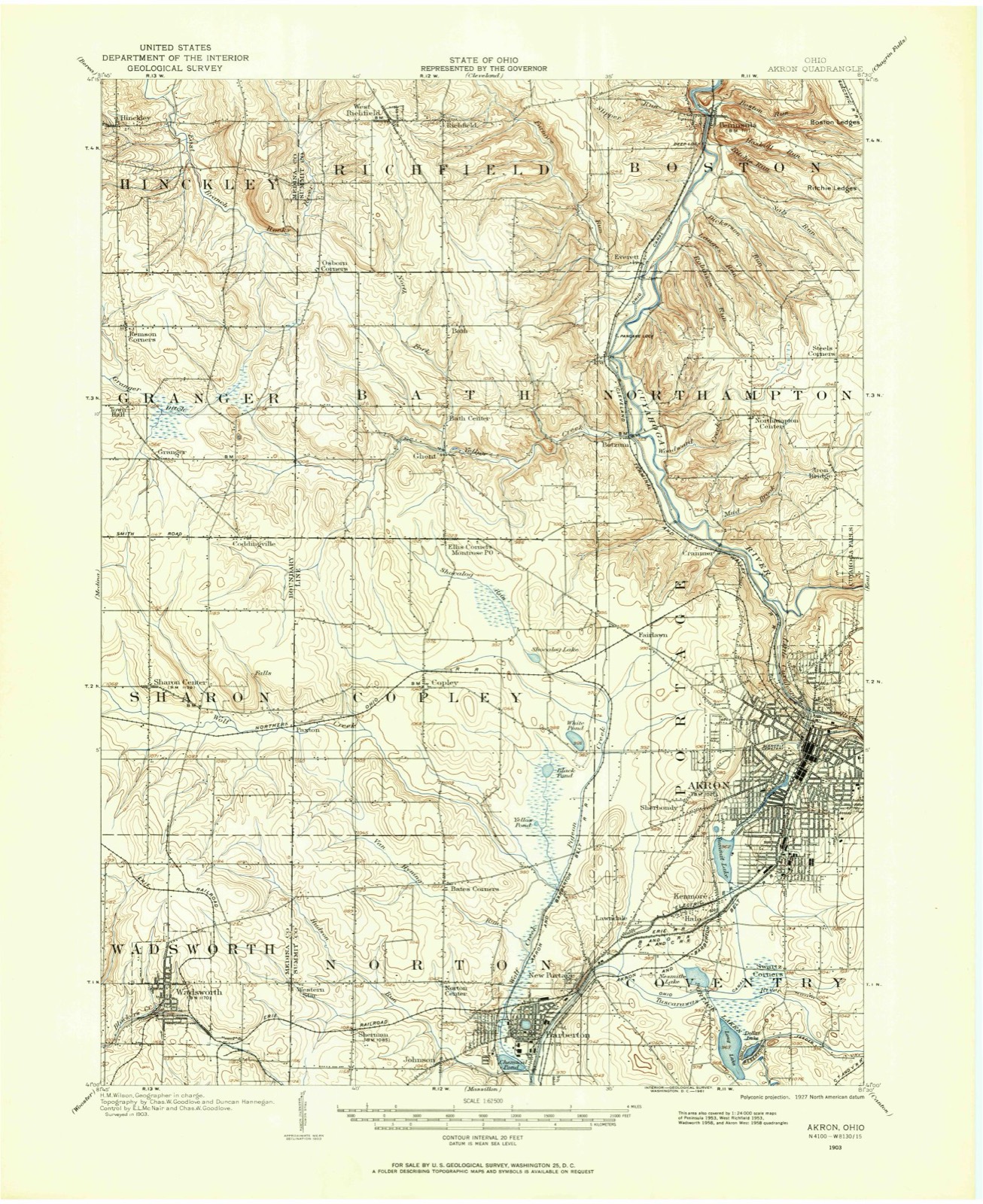
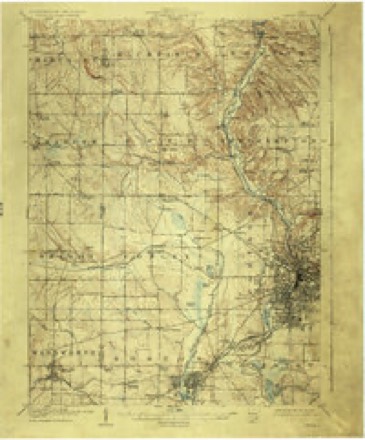
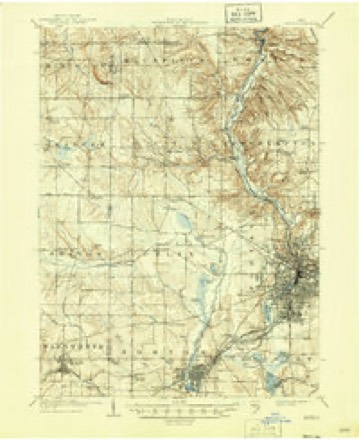
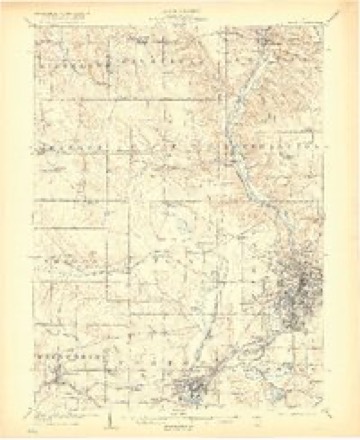
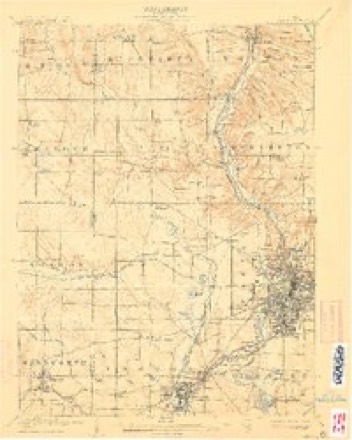
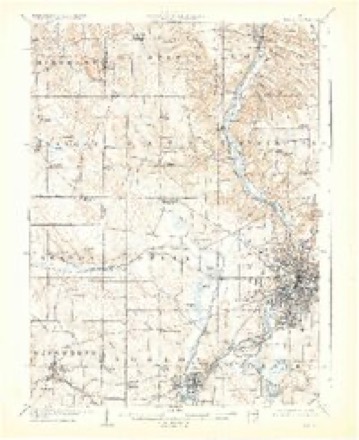
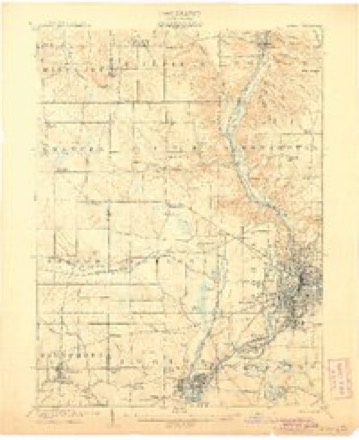
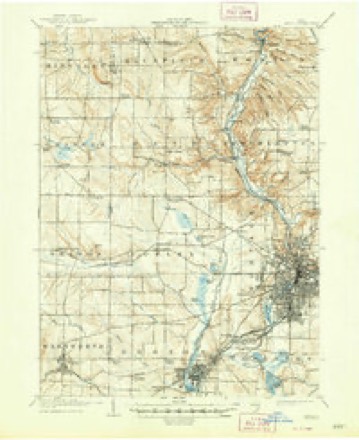
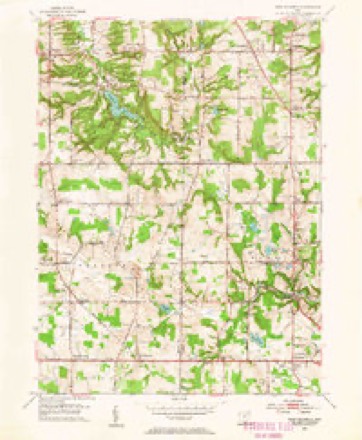
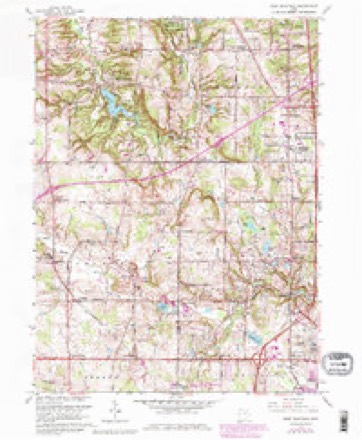
21 topographic sheets cover this place, the earliest surveyed in 1903 and the latest in 1994. It stands in Bath Township. It lies in ZIP code area 44333. It stands on North Fork Yellow Creek. The Survey maps it on the West Richfield quadrangle.
Then and now
1903 to 1994The same ground, surveyed 91 years apart. Drag the handle to wipe between them. Both sheets are United States Geological Survey originals; neither has been altered.
Compare 1903 against another survey:
Topographic sheets covering this place
21 sheetsMatched by testing this settlement's coordinate against the published boundary of every sheet in the United States Geological Survey's historical collection. Each opens the scanned sheet at the Survey.
- 1903 USGS Akron quadrangle1:62500
- 1905 USGS Akron quadrangle1:62500
- 1905 USGS Akron quadrangle1:62500
- 1905 USGS Akron quadrangle1:62500
- 1905 USGS Akron quadrangle1:62500
- 1905 USGS Akron quadrangle1:62500
- 1905 USGS Akron quadrangle1:62500
- 1905 USGS Akron quadrangle1:62500
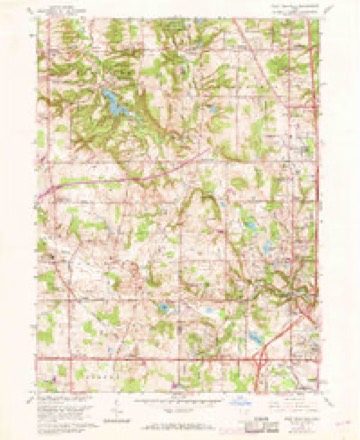
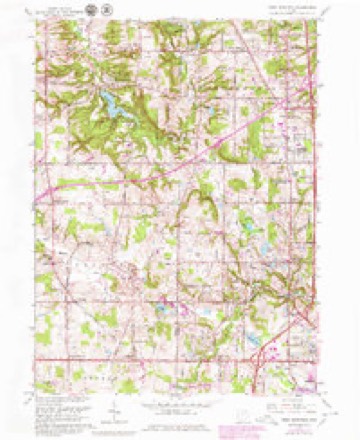
- 1953 USGS West Richfield quadrangle1:24000
- 1956 USGS Cleveland quadrangle1:250000
- 1956 USGS Cleveland quadrangle1:250000
- 1956 USGS Cleveland quadrangle1:250000
- 1962 USGS Cleveland quadrangle1:250000
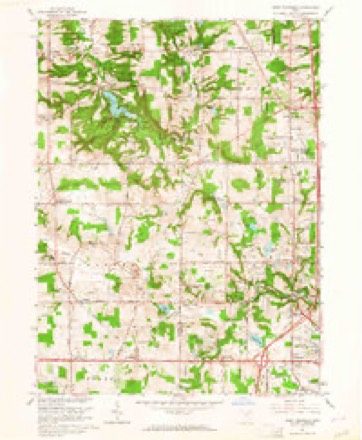
- 1963 USGS West Richfield quadrangle1:24000
- 1963 USGS West Richfield quadrangle1:24000
- 1963 USGS West Richfield quadrangle1:24000
- 1963 USGS West Richfield quadrangle1:24000
- 1963 USGS West Richfield quadrangle1:24000
- 1986 USGS Cleveland South quadrangle1:100000
- 1994 USGS Cleveland South quadrangle1:100000
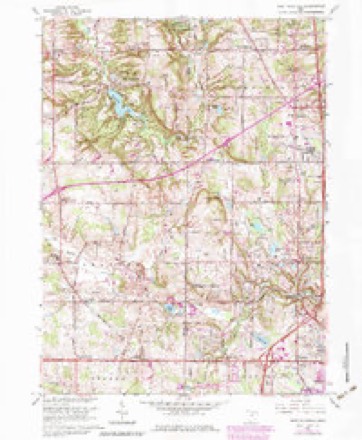
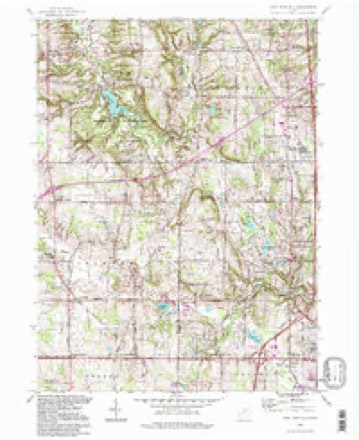
- 1994 USGS West Richfield quadrangle1:24000
In the county-history sources
47,064 words on this townshipHistory of Summit County, with an Outline Sketch of Ohio, published 1881 names this settlement in its chapter on Bath Township. These are the passages that mention it, exactly as the scans read.
THE greater share of Bath Township is extremely rough and preciiDitous. Its central and northern portions, though far from being level, are not as rough and irregular as the balance of the township. The eastern third, and all the land along the valley of Yellow Creek are cut, divided and subdivided into innumerable bluffs and hills of all shapes, sizes and altitudes. Deep gorges wind around the bases of the bluffs, and in some cases are fully 300 feet below the summits of the conical knobs, which appear almost mountainous, when viewed from below. On account of the extreme roughness of Bath, the land was not considered desirable ; so that, in early j-ears, settlers passed on, and it was only after the lapse of time, that large additions were made to the original pioneers. The principal and only stream of note is Yellow Creek. In many respects, it probably has no equal in the county. It is reported that, either from actual measurement or careful estimation, this stream, in flowing across the township (five miles), has a fall of 400 feet. While the stream does not afford any noticeable natural falls, almost its entire course is characterized by a succession of rapids, rendering the creation of first-class water-power an undertaking at once easy and permanent. Since the earliest settlement, these facts have been well known, and tliis will account for the large number of saw and grist mills that have been located along the stream. During the warmer months of dry seasons, the water becomes almost or quite insufficient for milling purposes ; but, in ordinary years, and especially during the rainy months, the creek is a rushing torrent, which sweeps noisily down the valley over its bed of I'ocks. One of the finest natural views in the county is in this valley, in the eastern part of the township. At a place where the creek takes a sudden turn toward the north, a basin of two or three acres is formed on the western side of the creek bottom. Looking southward from the northern part of this basin, the beholder sees an attractive picture. The iDluffs, which extend upward at an angle of forty-five degrees, form a graceful curve, and are covered with a fine forest of pine trees. These trees are found nowhere else along the creek, and form a beautiful contrast with the neighboring oaks and maples, which greets the eye of the spectator with pleasure. The}- are the white pine {Fiiius strobiis), and extend along the creek, mostly on the south side, for a distance of about eighty rods. The larger ones have been cut down and sawed into lumber, several of which measured almost four feet in diameter, though at present they are largely' of a smaller growth. Numerous springs of pure water are found in various parts of the township. A small stream, in the northeast part, drains that portion of the township, and flows directl}' into the Cuyahoga. Another interesting creek rises near the northwest corner, and takes a southeasterly course, flowing into Yellow Creek at Ghent. On the northwest corner of Lot 37 is quite a large pond, drained by the last-named creek, which, so far as the writer knows, is nameless.
Passage source: History of Summit County, with an Outline Sketch of Ohio, published 1881.
Yellow Creek flows across Lots 80, 79, 78, 83, 77, 64, 65, 66, 67, 68, 69 and 70. Its bed is stony, and the stream, through an unknown period of 3'ears, has cut its way deeply into the soil. This is rendered apparent by the steep, high bluffs, bordering the creek and the rapid flow of the water. The surface soil is largely clay, mingled in many places with pebbles, rendering tillage unpleasant and difficult. In basin-like portions of the township, the soil contains considerable decaying vegetation, and these portions are valued highly by the agriculturist. An abundance of excellent sandstone is easily obtained. The eastern half of the township is rich in mineral and fossiliferous remains. There is, unquestionably, a large percentage of iron oxides, or perhaps bog iron ore.
Passage source: History of Summit County, with an Outline Sketch of Ohio, published 1881.
Unlike other townships, Bath's Center never grew to the dignity of a village. A small shoeshop, opened there at quite at an early day, was about the only attempt toward villagemaking. Shoes were taken to this shop for repairs, but probably before this was opened, the following circumstance occurred : One day, Alonzo Coffin, his little sister and another girl of about her age, none of whom were older than ten years, were sent to Brandywine to have their shoes mended. The families lived near there at that time. The shoes were mended, but by this time darkness had thrown her sable curtain over the earth. Just as the children were about to start for home, the wolves were heard howling dismally in the woods, through which they must pass, and Mr. Mc- Clellan, the cobbler, declared he would not go through the woods at that time for anything, and told the children they had better sta}' all night. But Alonzo said he was not afraid, and told Mr. McClelian to " get me a torch, and I'll go." A large torch of hickory bark was procured and lighted, and the three little children started out through the darkness for home. They had no sooner reached the woods than the wolves surrounded them with angry howls, but kept at a respectful distance on account of the fire. The children hurried on, keeping close together, and the wolves continued to follow them until they were within a few rods of home, when the savage animals, disappointed at not getting the expected feast, ran off through the dark forest. It was custo- mar}^ in early years, for cobblers to travel around from house to house to pl}^ their craft, often furnishing everything and making shoes for the whole family. Three villages proper have arisen in Bath - Hammond's Corners, Ghent and Ellis' Corners. The Hammonds were probabl}' the first residents at the former. It is thought that Royal and Horatio Hammond brought the first stock of goods to the village, but the date is indefinite. If there at all, they probably opened up before 1830. John Rhodes was there with a small stock soon after 1833. Reison Randolph sold goods there for many years. Joseph Whitcnift is there at present, and has been doing a good country store trade for quite a number of years. Himself and store are highly spoken of A few others have sold goods in the village. Among other industries may be mentioned the wagonworks of Clem Jagger. This man has followed the occupation for many years. A post office was secured at the Corners in about 1838. Prior to that date, the office had been at the Center, whei*e Phineas Nash, Theodore King, and probably Lewis F. Lane and others, had served as Postmaster. Various parties have held the office at the Corners, the present one being Mr. Whitcraft. Dr. Hutson, who came to the township in about 1819, was the first practicing physician in the township. His residence and office were a short distance north of the Center. He was a kind old man, and would preach to the settlers in their dwellings, or in the schoolhouses. Some time after 1833, Dr. H. A. Robinson came to the township, and for man}' years he prescribed for the temporal disorders of the citizens. He was quite skillful with ague and the typhus fevers, and secured a lucrative practice. Ghent has had a different experience and a different growth. In 1818, there were three or four families living at what is now Ghent. Mr. Boughton opened a small store about the same time, placing his goods in* a small, rough, frame building that is 3'et standing, though altei'ed and remodeled, on the east side of the Center road, near the bridge. This man had considerable money, which was invested in young cattle. The animals were herded in the woods and along the open spaces near the streams. The foi'ests furnished abundant food for the cattle. The rich browse was abundant, and was eaten in large quantities with excellent results, as the animals gained rapidly in weight, until at last they were driven to the Eastern markets. Others engaged successfully in the same pursuit, Mr. Boughton did not continue his store but for about four years. As near as can be ascertained, the village, after he left, was without a store for a number of years. Moses McFarland was in with a stock of goods in 1844, and had probably begun as early as 1840. Mr. Leggitt was connected with him in business, and, in about 1848, bought McFarlands interest in the stock and store. A few years later, he sold to Francis Husong, who probably had about $1,500 worth of goods. Finney & Fairchild succeeded Husong, but closed their store after a few years. Thomas Pierson sold groceries about thirty-five years ago. Henry Pardee opened a store during the last war. This he conducted until 1881, when he sold out to James Greenleese, the present storekeeper. Mr. Pardee kept a good store, and has been an energetic and respected citizen. The oldest woolen factory in the State is located in the village. It was first started in 1832, by x\lleu & Bloom, but, three years later, was sold to Alpheus Babcock, and soon after this to Spafford Brothers. These men failed in business, and the property fell into the ownership of Johnson & Fuller. In 1801, the factoi'y was purchased by its present owner, Alonzo Coffin, who has conducted it, with the exception of five years, ever since. As high as 10,000 pounds of wool have been bought in one year. Yarns, flannels, satinets, fulled-cloth, cassimeres and other kinds of cloth, have been manufactured. Five or six years ago, Mr. Coffin removed to Akron, and the factory was idle. It is now in operation again. Soon after 1850, Thomas Pierson began making barrels, buckets, kegs, etc., and doing a general cooper- wook, which he continued some twelve or fifteen years. James Myers conducted a small grist-mill (or ' pepper-mill," as it was significantl}- called) in the village, in about 1828. Whether he built the mill is not stated. It was finally destroyed by fire. Mc- Farland & Leggitt were conducting an ashery at Ghent in 1858. Archibald Hubbard owned and conducted it before them. How early he began is not remembered. James Root is said to have built the first house in Ghent. This was the Boughton store-building. In 1846, there were about twelve families living in the village. It may be stated that Mr. Pardee was connected with the woolen factory for a few years, perhaps about 1858. He is now engaged in manufacturing water-proof goods, according to some new and valuable recipe. Thomas Pierson was very likely the first Postmaster at this point. Mr. Pardee assumed control of the office about the time Mr. Lincoln went into the White House. The mantle of Government position looked well on Mr. Pardee. However, he did not become afflicted with aristocracy on that account, nor did he believe himself a prospective candidate for said White House, because he had been honored(?) with an humble position under Uncle Sam. James Root is thought to have laid out the original surve}' of lots at Ghent. The date is indefinite. Some say that James Myers named the village, but wh}' the particular name Ghent was selected is not known. Dr. Cooley lived and practiced in the township before 1820. Dr. Darling and Dr. Chaffee were in the township at an early day.
Passage source: History of Summit County, with an Outline Sketch of Ohio, published 1881.
Machine-read from a century-old scan, so expect the errors a machine makes: misspelled names, dropped words, stray characters.
Read the whole chapter on Bath Township - it names this place 11 more 11 times.
Fires near this place
4 since 1993Regional context, not property-specific evidence. The federal wildfire occurrence database lists 4 fires within 5 miles of Ghent between 1993 and 2012, burning about 1 acres in total. None started naturally. None was recorded as arson. Distance is straight-line from the map coordinates, so a fire counted here may appear on a neighbouring settlement's page as well.
| Reported cause | Fires |
|---|---|
| Railroad operations and maintenance | 1 |
| Smoking | 1 |
| Recreation and ceremony | 1 |
| Equipment and vehicle use | 1 |
The most recent of them, most recent first, with the day each was reported and the service that recorded it.
| Date | Cause | Size | Reported by | Name on the report |
|---|---|---|---|---|
| 31 August 1993 | Smoking | under an acre | Cuyahoga Valley National Park | AKRONS |
| 30 August 1993 | Railroad operations and maintenance | under an acre | Cuyahoga Valley National Park | RAILROAD |
| 13 July 2012 | Recreation and ceremony | under an acre | Cuyahoga Valley National Park | BRUNTY |
| 22 June 1997 | Equipment and vehicle use | under an acre | Cuyahoga Valley National Park | ERDOS |
Settlements close enough to share some of these fires:
Specimens collected near this place
12 of 766 shownRegional context, not property-specific evidence. Museums hold 766 specimens collected within 10 miles of Ghent between 1867 and 1975: 671 Animalia, 54 Plantae, 40 Fungi, 1 Unrecorded. 12 distinct Species records are shown. Collected by (no collector listed), A. Black, A. Hall and others. Each is a physical object with a catalogue number, and each entry opens the museum's record. This is what was collected and kept, not a survey of what lives here - nothing can be concluded from a species being absent.
| Image | Species | Year | Collected by | Where, as recorded |
|---|---|---|---|---|
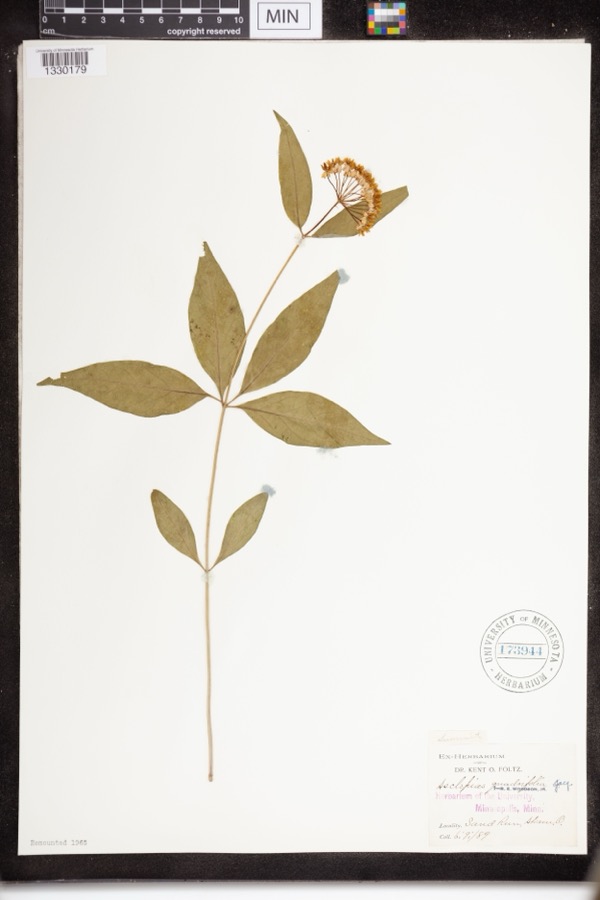 | Asclepias quadrifolia Jacq. | 1889 | Foltz, Kent O. | Sand Run Park; Akron |
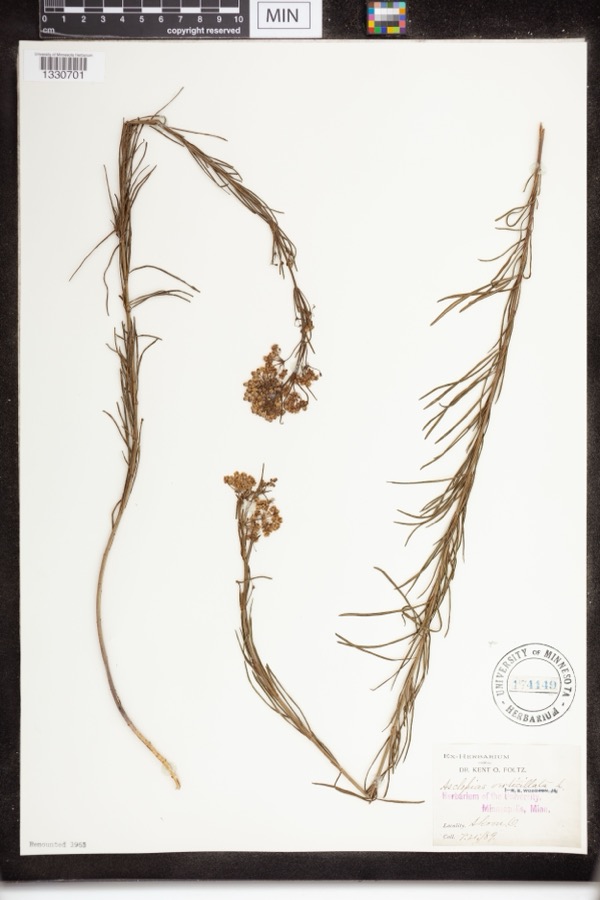 | Asclepias verticillata L. | 1889 | not recorded | Akron |
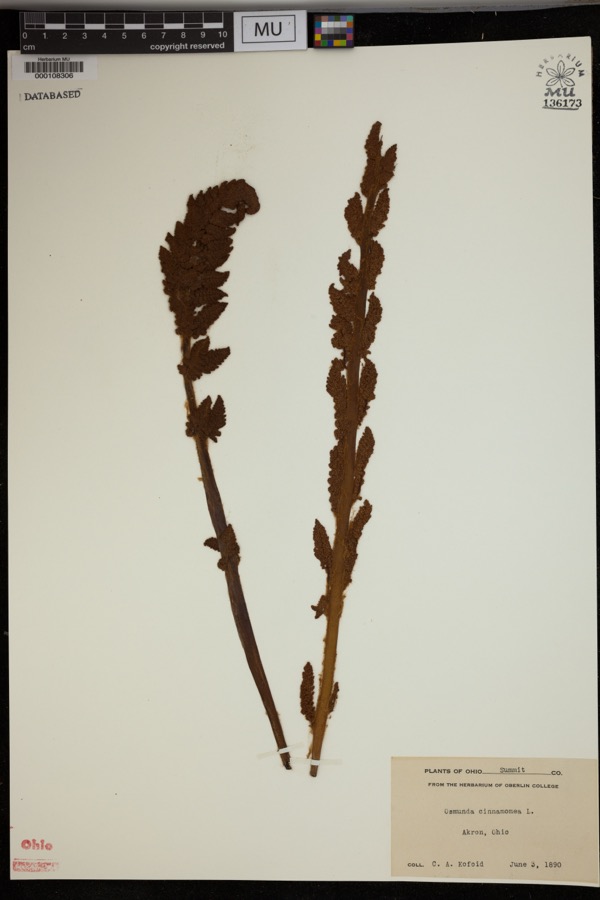 | Osmunda cinnamomea L. | 1890 | Kofoid, C.A. | Akron. |
 | Accipiter striatus velox (A.Wilson, 1812) | 1867 | Collector(s): James Lee Peters | Akron |
 | Empidonax flaviventris (W.M.Baird & S.F.Baird, 1843) | 1877 | A. Hall | Cuyahoga |
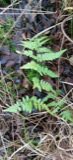 | Dryopteris carthusiana (Vill.) H.P.Fuchs | 1880 | F. O. Payne | Akron |
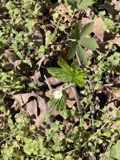 | Hydrastis canadensis L. | 1888 | E.L. Sturtevant II | |
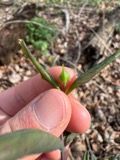 | Lonicera dioica L. | 1888 | K. O. Foltz | |
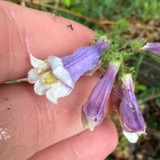 | Penstemon hirsutus (L.) Willd. | 1888 | K. O. Foltz | |
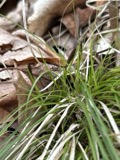 | Carex pensylvanica Lam. | 1889 | Foltz, K.O. | Akron |
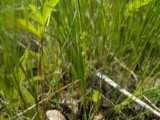 | Platanthera flava var. herbiola (R.Br.) Luer | 1889 | K. O. Foltz | Copley Swamp, near Akron |
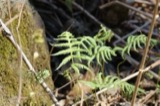 | Phegopteris connectilis (Michx.) Watt | 1890 | F. O. Payne | Akron |
All 766 specimens within 10 miles, at the Global Biodiversity Information Facility.
Mines and quarries near this place
1 within 5 milesRegional context, not property-specific evidence. The federal mineral resources record lists 1 working within 5 miles of Ghent: 1 producer. All of them still produce. What was taken out: Sand and Gravel, Construction. Distance is straight-line from the map coordinates, so a quarry counted here may appear on a neighbouring settlement's page as well.
| Where | Site | Commodity | Status | Recorded |
|---|---|---|---|---|
| Flesher Plant No. 2 Pit | Sand and Gravel, Construction | Producer |
Storms near this place
2 since 2020Regional context, not property-specific evidence. The National Weather Service names Ghent in 2 storm reports between 2020 and 2023: 2 thunderstorm wind. No death or injury is recorded in these reports. Each account below is quoted exactly as the forecast office filed it, from the NOAA Storm Events Database, and each date opens the federal record of that event.
| When | Event | Place named | Harm | What the report says |
|---|---|---|---|---|
| July 2023 | Thunderstorm Wind | Ghent | - | Very minor shingle damage to roof of gas station at intersection of Cleveland Massillon Road and Yellow Creek Road in Ghent. |
| July 2020 | Thunderstorm Wind | Ghent | - | Downed tree closed Yellow Creek Road between Cleveland Massillon Road and Top of the Hill Road near Ghent. A large tree limb was downed in Cuyahoga Falls. |
Nearest settlements
The eight closest, with where each one stands in the county. Distances are straight-line, computed from the Geographic Names Information System coordinates.
| Map | Place | Distance | Sheets |
|---|---|---|---|
| Bath Center | 0.7 miles | 21 | |
| Montrose | 1.6 miles | 21 | |
| Bath | 2.1 miles | 21 | |
| Stoney Hill | 2.3 miles | 21 | |
| Fairlawn | 2.5 miles | 21 | |
| Richfield Heights | 3.2 miles | 21 | |
| Ira | 3.2 miles | 21 | |
| Botzum | 3.3 miles | 21 |
Elsewhere
Matched on this settlement's Geographic Names Information System number rather than its name, so it cannot be a different place of the same name in another state.
| Wikipedia article on Ghent | An encyclopaedic summary. Its text is share-alike, so it is linked here rather than copied. |
| Wikidata item Q5556230 | The structured record the population and elevation above come from. Public domain (CC0). |
Provenance
This settlement is recorded in the Geographic Names Information System as feature 1048779. The sheet list is computed by point-in-boundary test against the United States Geological Survey's historical topographic inventory. Both are works of the United States government and carry no copyright under 17 U.S.C. 105.
Wildfire. Short, Karen C. 2022. Spatial wildfire occurrence data for the United States, 1992-2020 [FPA_FOD_20221014]. 6th Edition. Fort Collins, CO: Forest Service Research Data Archive. https://doi.org/10.2737/RDS-2013-0009.6 Collected with United States Government funding and usable without additional permissions or fees.
Specimens. Global Biodiversity Information Facility (GBIF), https://www.gbif.org/. Only records licensed CC0 or CC BY are used. Records licensed CC BY-NC are excluded because this site carries advertising. Images are checked individually and any whose licence is non-commercial, no-derivatives or unreadable is refused.
Mines and quarries. USGS Mineral Resources Data System (MRDS) https://mrdata.usgs.gov/mrds/ A work of the United States government, no copyright under 17 U.S.C. 105.
Storms. NOAA National Centers for Environmental Information, Storm Events Database https://www.ncei.noaa.gov/stormevents/ A work of the United States government, no copyright under 17 U.S.C. 105. Narratives are quoted verbatim from the National Weather Service report and are not edited or summarised.