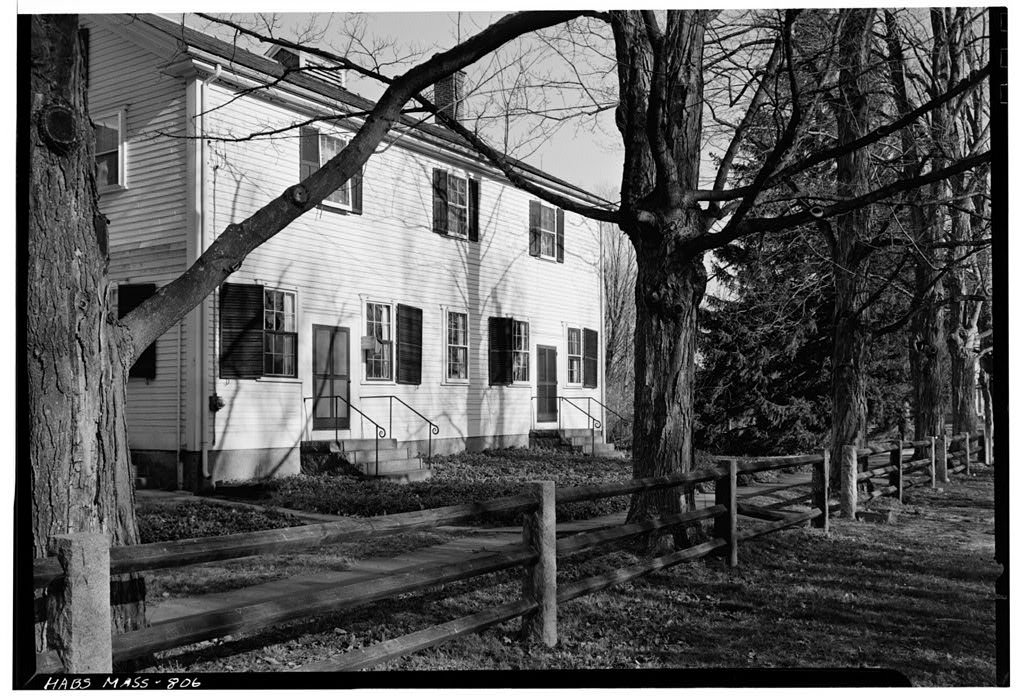
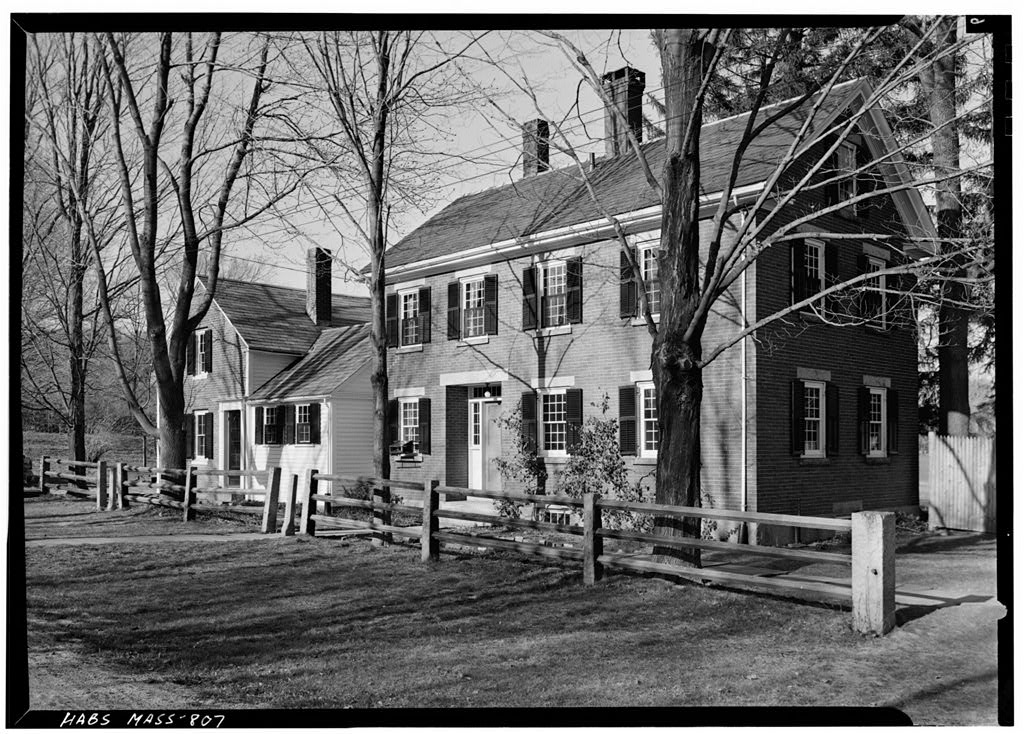
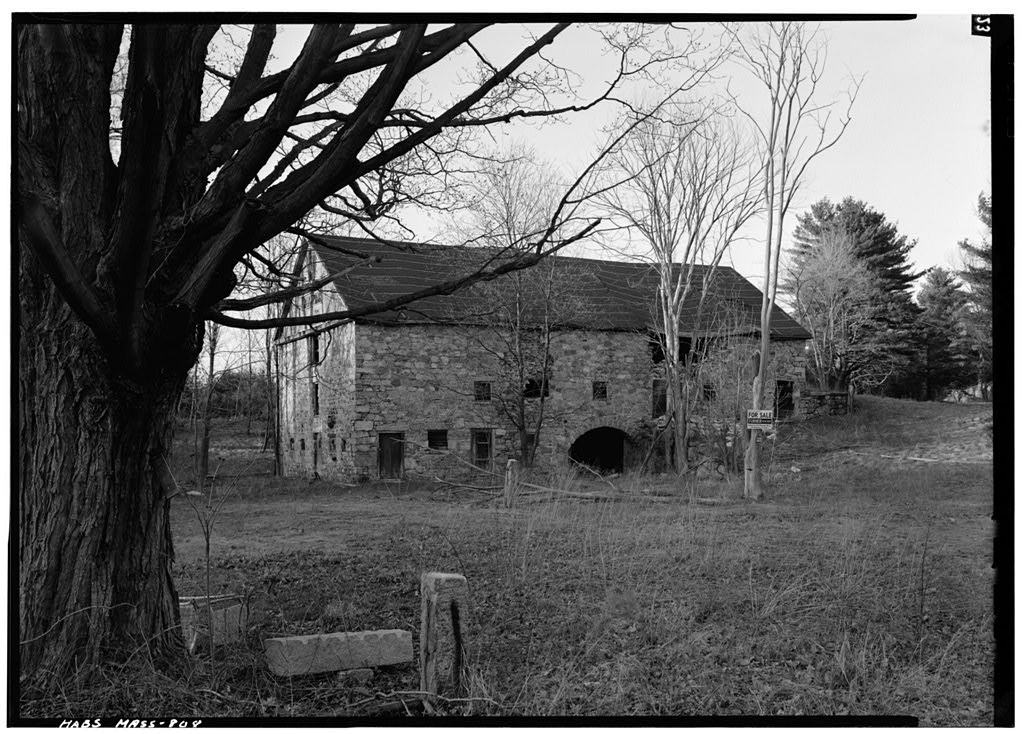
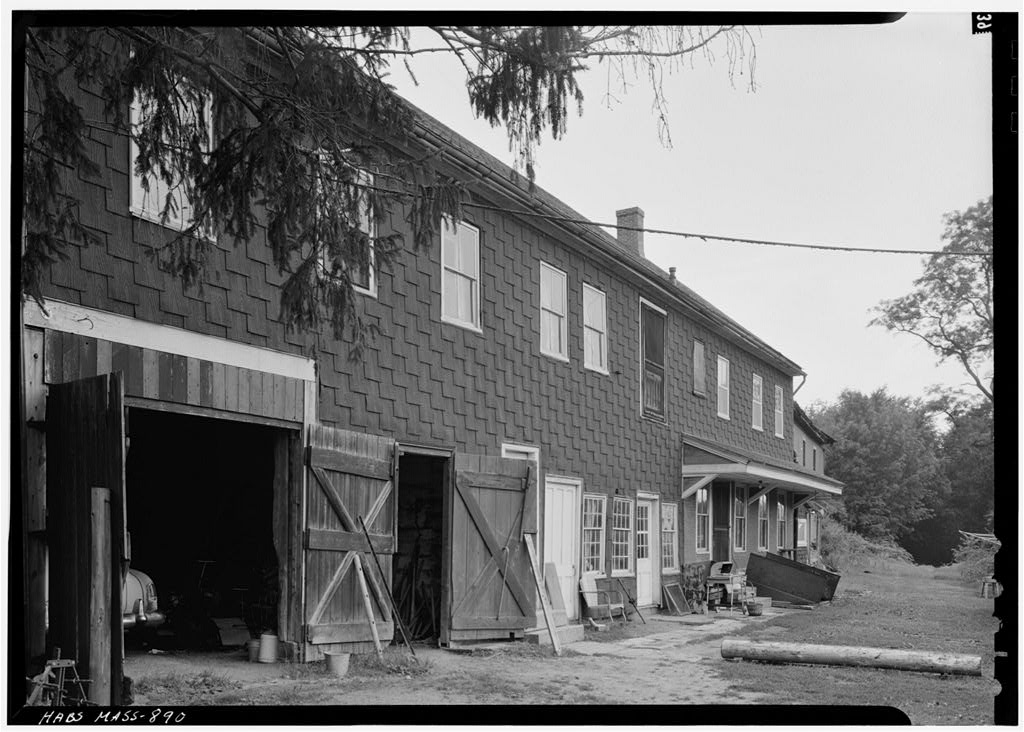
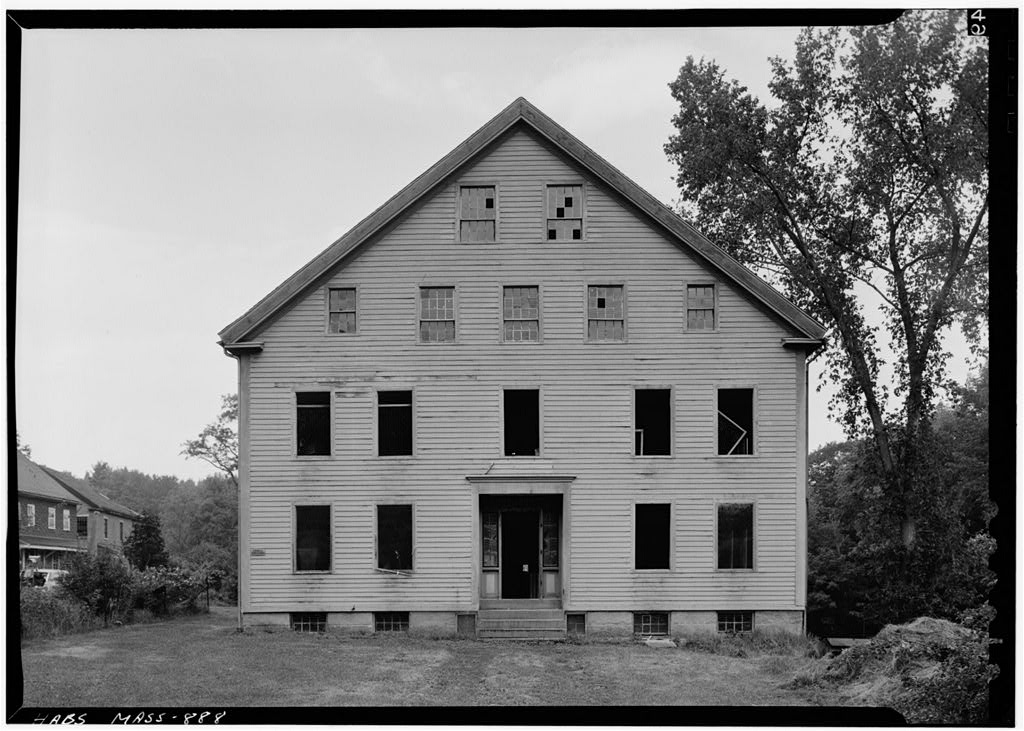
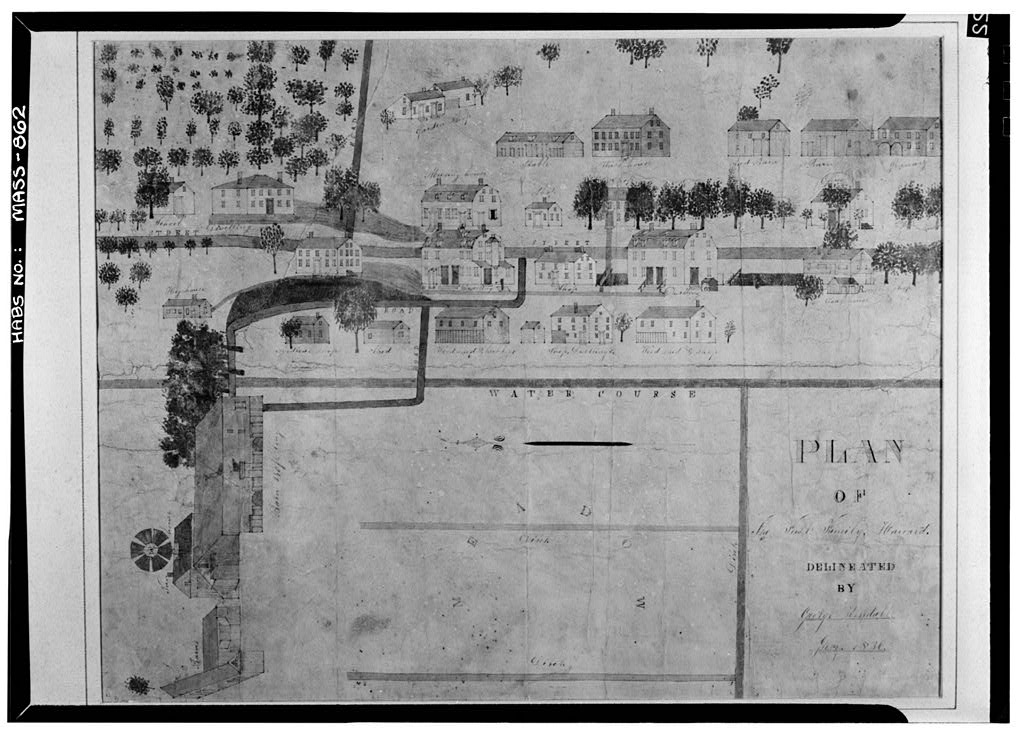
The Shakers {officially, Believers in Christ's Second Appearing) commenced in England in and came to America in under the leadership of Ann Lee . Their arrival in Harvard goes back to the visits made here by Mother Ann between and and more specifically to her initial visit late in June of The purpose of her journey was to visit those in parts of Connecticut and Massachusetts who she counted among her "believers". Her first night in Harvard was spent in the village of Still River (about two miles to the south of the house), and the next at the home of Isaac Willard who lived within site of the Square House, at the spot where the South Family was to be located, upon entering the area where the Shaker Village now stands, and making the acquaintance of the residents.
Mother Ann declared "I have seen you all" 1 - referring to a vision she had while still in England. She determined that this would be her headquarters and although at first meeting with some resistance from the residents of the area, eventually won their love, trust and faith in her "divine mission". The Harvard Society, which was organized in grew, prospered, and then entered a period of decline before it was officially disbanded in The Shaker House was designated a Massachusetts Historic Landmark in Architectural Infor m ation : The building was commenced by the Shakers in Harvard in and was occupied in the summer of as an office, with living quarters above.
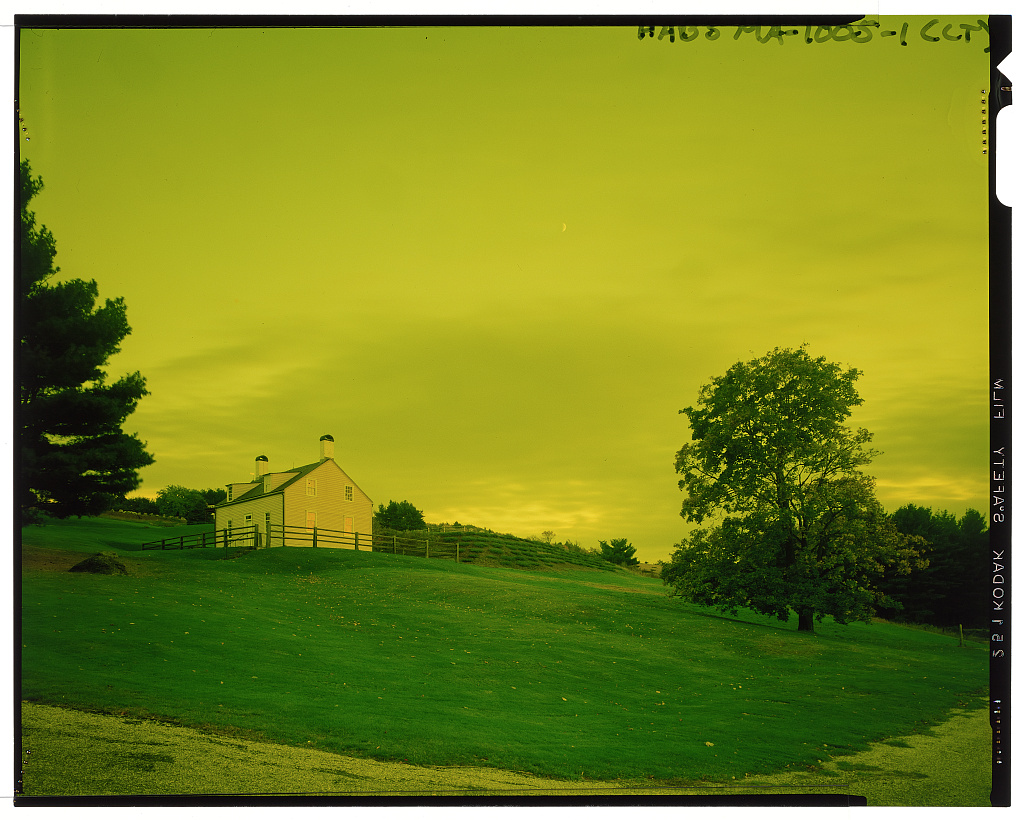
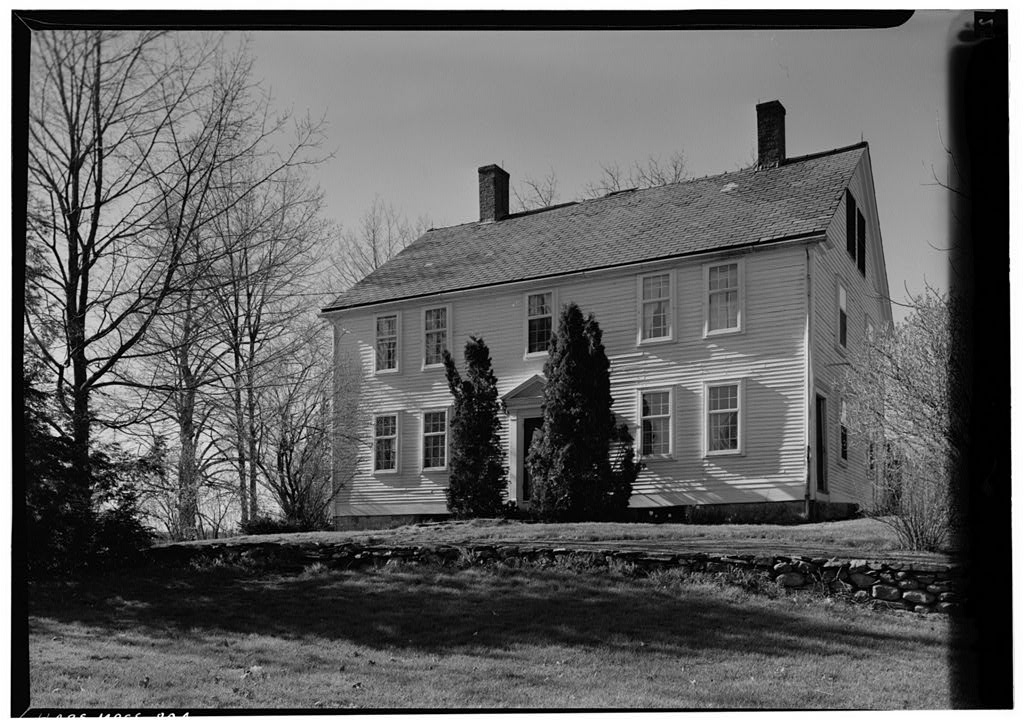
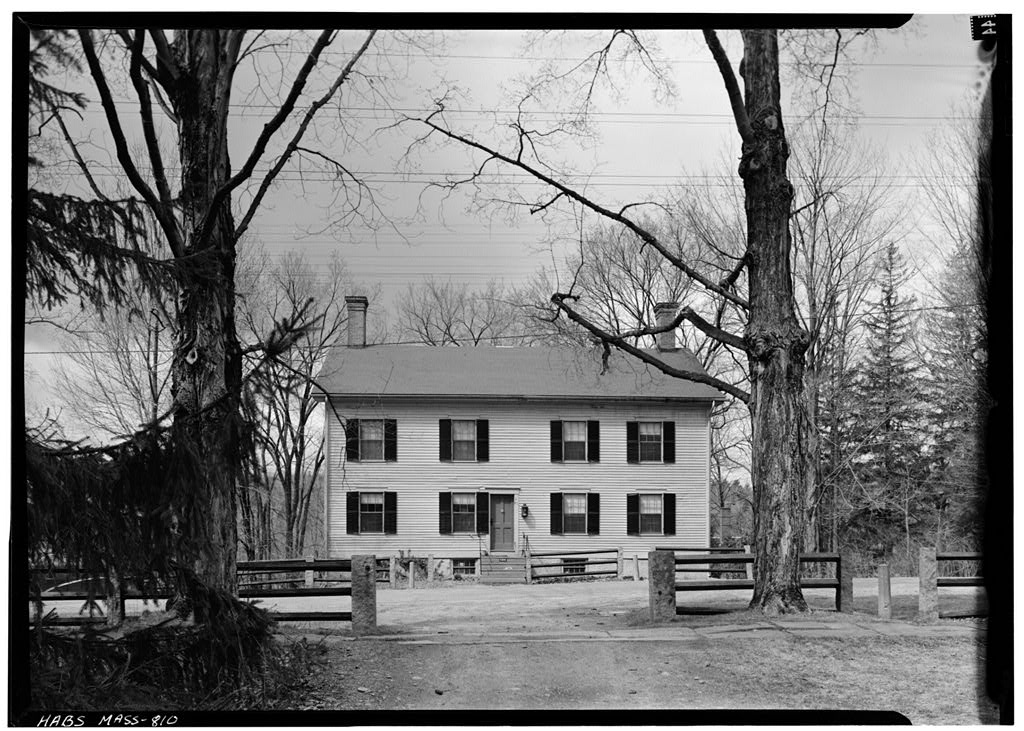
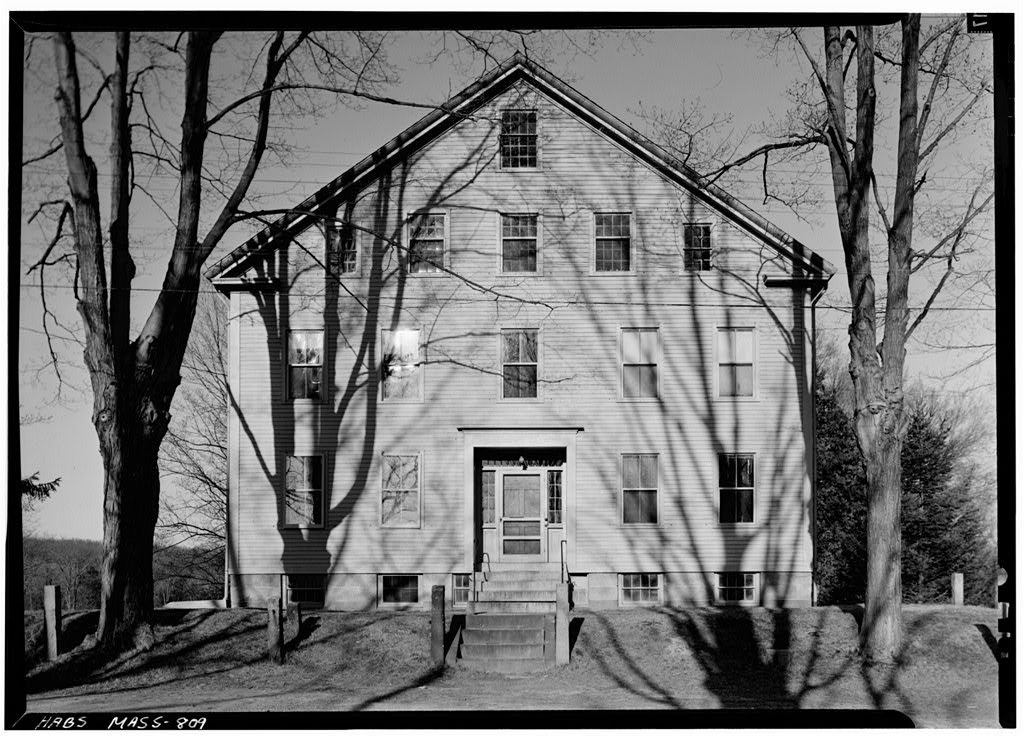
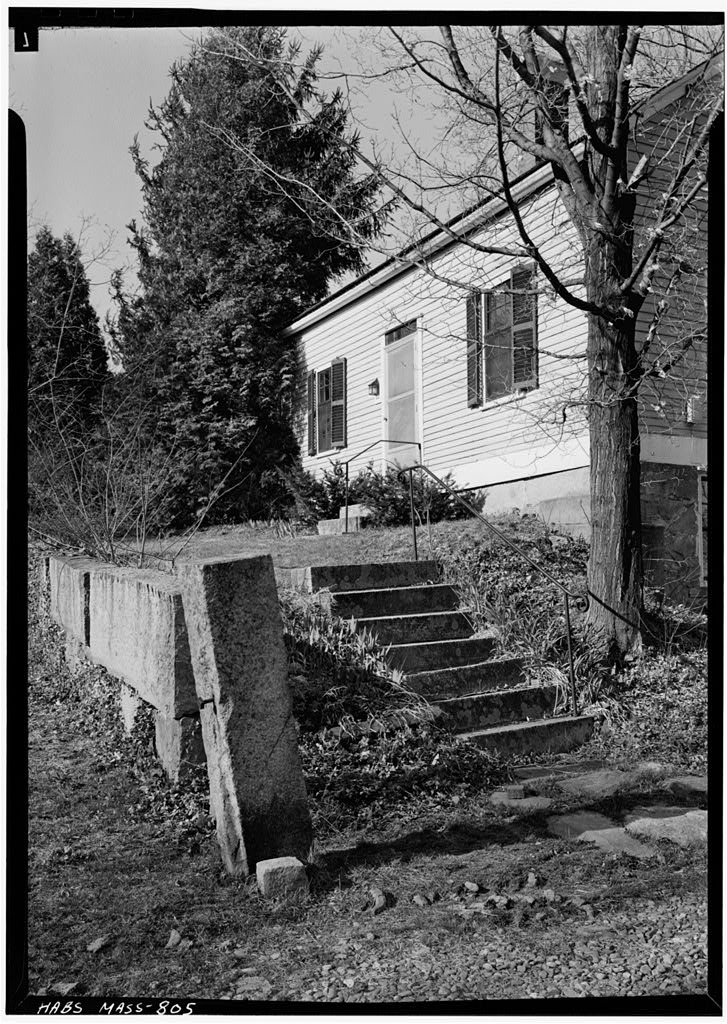
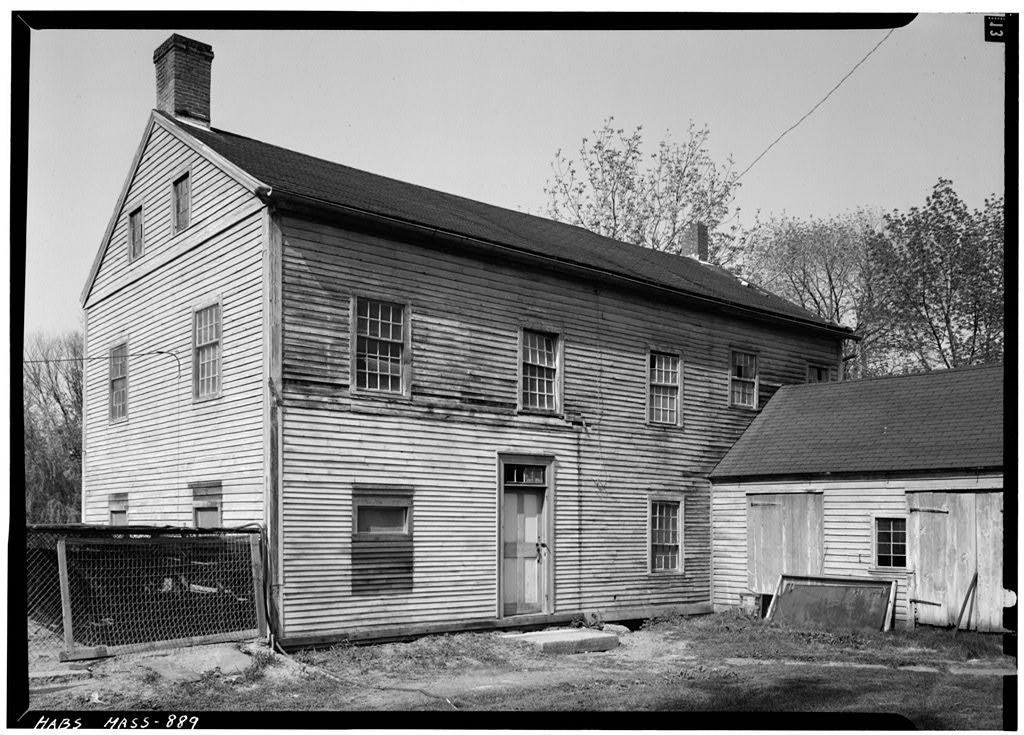
It was purchased by Miss Clara Endicott Sears, founder of the Fruitlands Museums, and moved some five miles from its original location to its present site at these Museums in Nearly two years of effort were devoted to the preparation of the building before it was opened to the public as a museum in It is presently situated in a rural setting on a hillside that overlooks the Nashua Valley in central Massachusetts. The view to the west and north includes Mount Wachusett, Mount Monadnock and the Shirley Shaker Village . The building is a simple two-story rectangle measuring approximately It is sheathed in yellow weatherboarding with white trim. It rests on a low granite foundation and has two chimneys. The four-panel front door is surmounted by a four-pane transom.
The windows are six-over-nine and the gable roof is slate. There are two dormers on the front and a skylight in the rear. The first floor has a central hall plan with two rooms on either side. A single-flight of stairs leads to the second floor where there are three rooms that were formerly used as living quarters. HARVARD SHAKER HOUSE HABS No. MA-1004 (Page 2) General Comments : Today this building contains a representative collection of Shaker furniture, pieces now much prized by antiquarians. Doctrinal strictures against decoration and an emphasis by members on the functional use of furniture saved these objects from excessive ornamentation. These considerations resulted in a simplicity of line that is pleasing to the eye and reflects the Shaker sense of order and neatness.
In reflecting upon life in the Harvard Shaker Village between and Arthur West tells us: What a pleasant sight it was to those of us who can recall, to see the Shakers drive into town - a light express wagon drawn by a splendid draft horse with the two sisters on the back seat and a brother driving on the front seat. There was something so restful in their appearance! A drive through the village or a visit - they always gave one a deep sense of peaceful- ness and contentment.
2 The Shakers exemplified in their lives the precept of Mother Ann Lee: "Put your hands to work and your hearts to God." Although the Shakers still exist today in greatly reduced numbers, it is the intent of these Museums, through the presence of the Shaker House and its associated exhibits, to preserve for visitors of the present one of the significant influences on the history of this nation. FOOTNOTES 1. Sears, Clara Endicott, Gleanings from Old Shaker Journ als, Houghton Mifflin Company, Boston and New York, The Riverside Press, Cambridge, Pg. 38 2. West, Arthur T. , Reminiscences of Life In A Shaker Village , The New England Quarterly, June Pg. 360 Prepared by: Richard S. Reed Director, Fruitlands Museums August ft HARVARD SHAKER HOUSE HABS No. MA-1004 (Page 3)
 Block
Block