Larrabee & Hingston Company, 19 Howley Street, Peabody, Essex County, MA. Surveyed as HAER MASS,5-PEAB,2-, with 1 photograph and a 2,450-word written history.
From the record
“The Larrabee & Hingston Company shop complex, consisting of the Main Shop Building (HAER No.”
Written record, HAER MASS,5-PEAB,2- survey. Machine-read text.
surveyed by the federal HAER program as HAER MASS,5-PEAB,2- · the record runs 2450 words · one of 230 surveyed structures published for this county.
Source document
Quoted word for word from HAER MASS,5-PEAB,2-.
Not written, edited or summarised by this site.
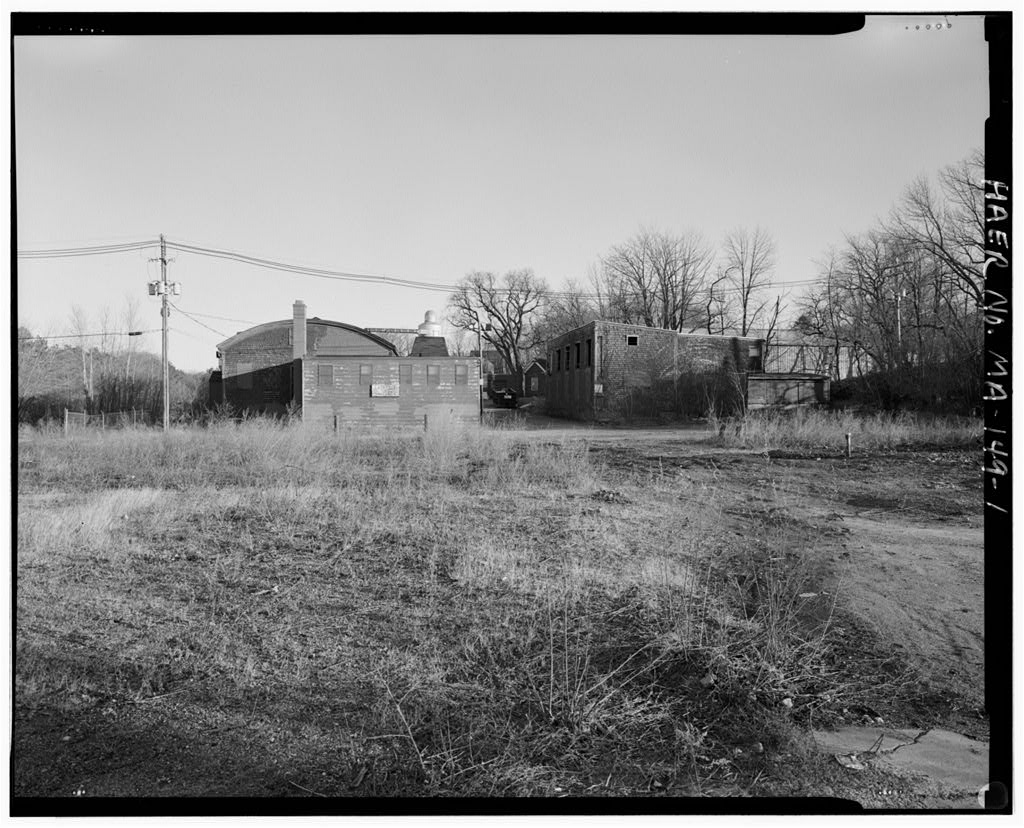
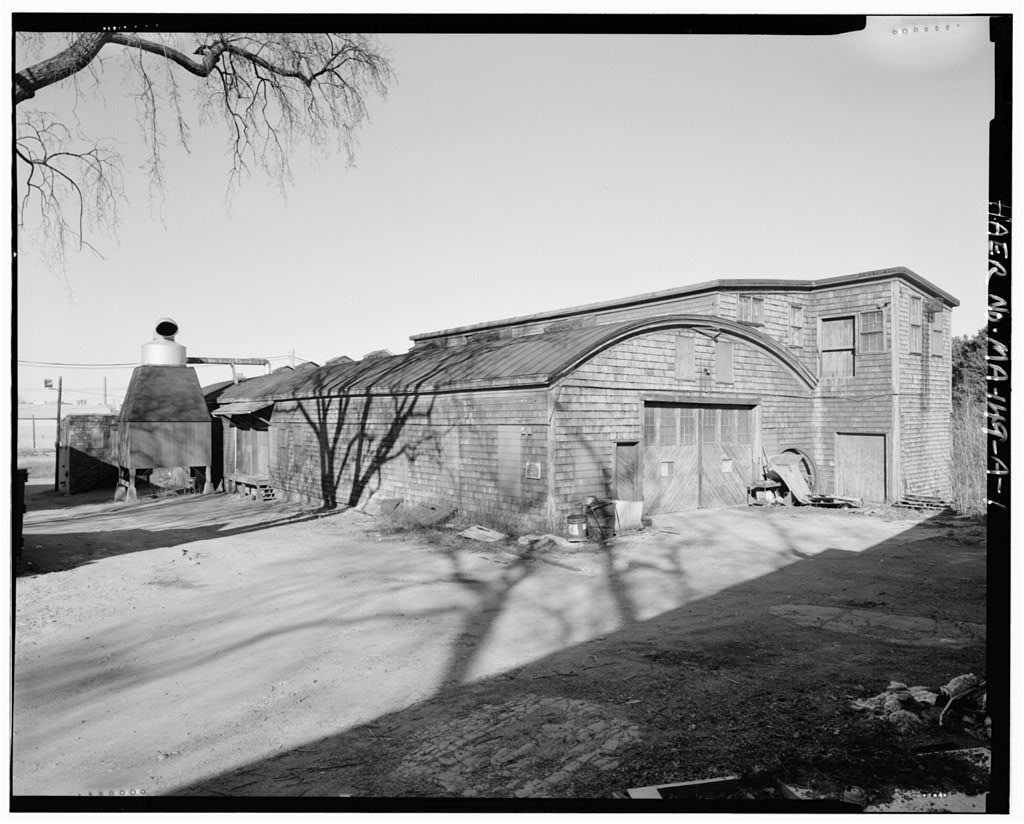
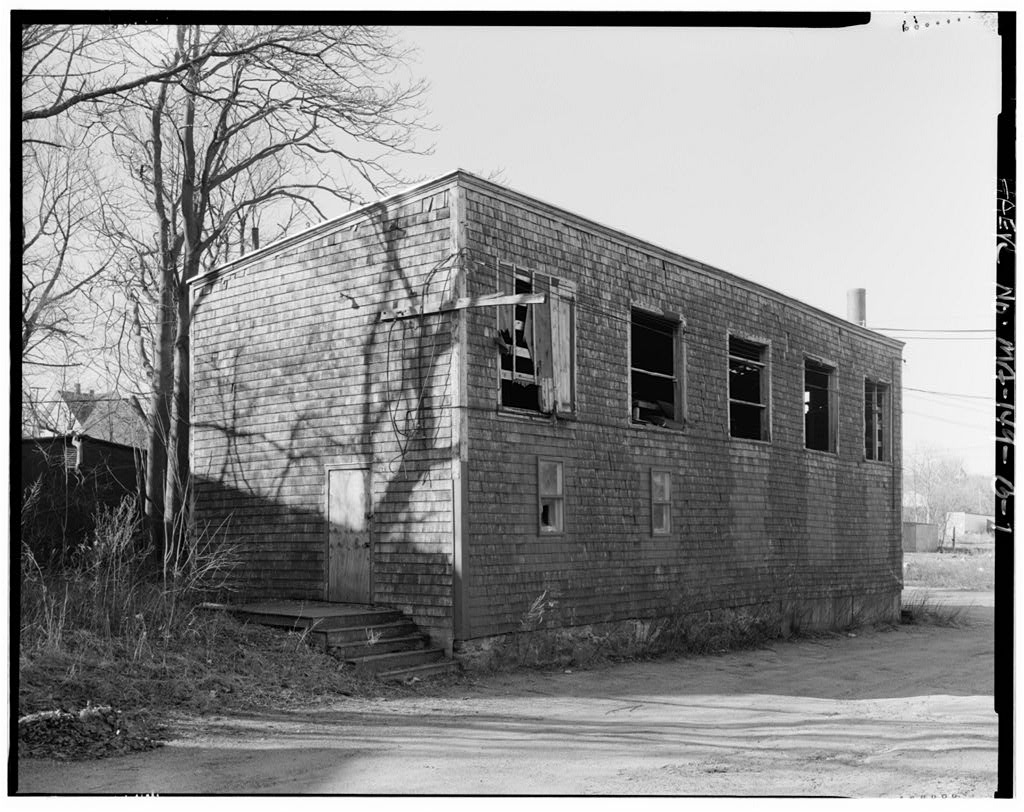
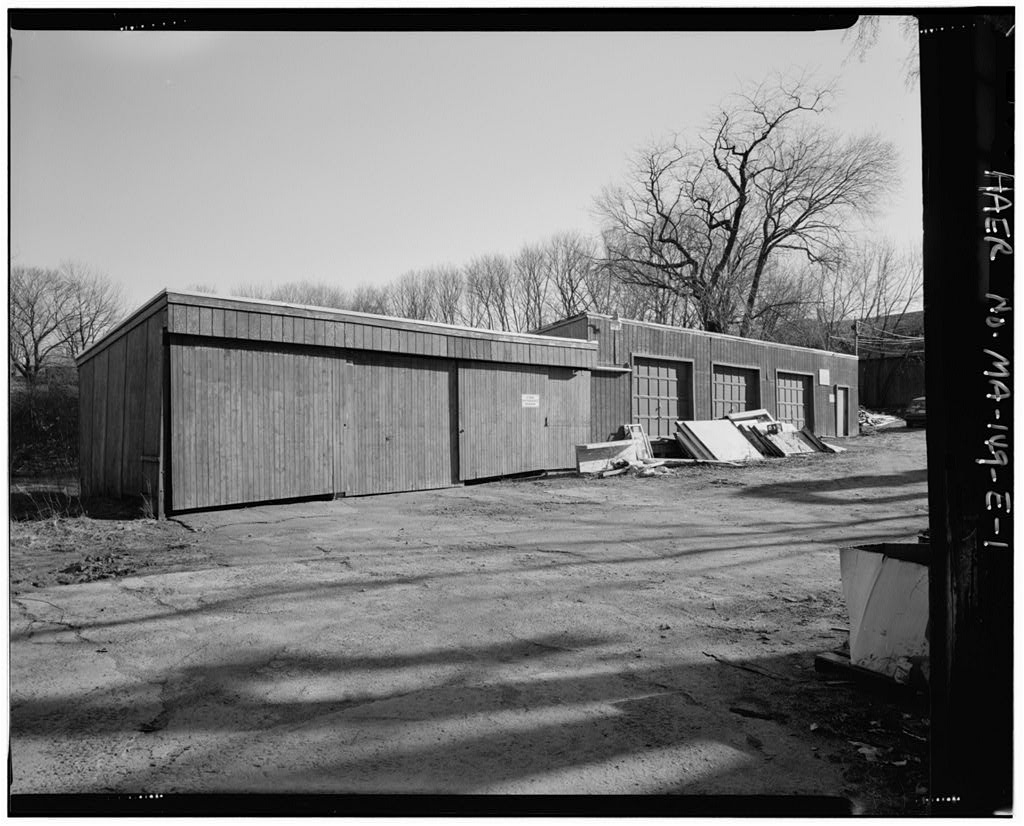
The Larrabee & Hingston Company shop complex, consisting of the Main Shop Building (HAER No. MA-149-A, ca. 1840-ca. the Lumber Drying Shed (HAERNo. MA-149-B, ca. 1903-ca. Lumber Storage Shed #1 (HAERNo. MA-149-C, ca. the Office Building (HAERNo. MA-149-D, ca. and Lumber Storage Shed #2 (HAER No. MA-149-E, ca. is significant for its association with Peabody's most important historic industry, the tanning of animal hides, and as a good example of a late nineteenth to mid-twentieth century light woodworking and fabricating shop. Larrabee & Hingston, founded in was a custom builder of wooden tanning vessels and was the last such facility in the Northeast when it closed in Project Information Statement: Stop & Shop's project to construct a commercial building requires a permit from the U.S.
Army Corps of Engineers, New England District (Corps). After review of plans, the Corps and Massachusetts State Historic Preservation Office (MASHPO) determined that the proposed undertaking will have an adverse effect through demolition of a National Register-eligible historic property. The Memorandum of Agreement (MOA) entered into by Stop & Shop, the MASHPO, and the Corps includes recordation of the Larrabee & Hingston Company to Historic American Engineering Record standards prior to demolition. Virginia H. Adams, Senior Architectural Historian Matthew A. Kierstead, Industrial Historian Mary Kate Harrington, Architectural Historian The Public Archaeology Laboratory, Inc. 210 Lonsdale Avenue Pawtucket, Rhode Island LARRABEE & HINGSTON COMPANY HAER No. MA-149 (Page 2) PART
Descriptive Information
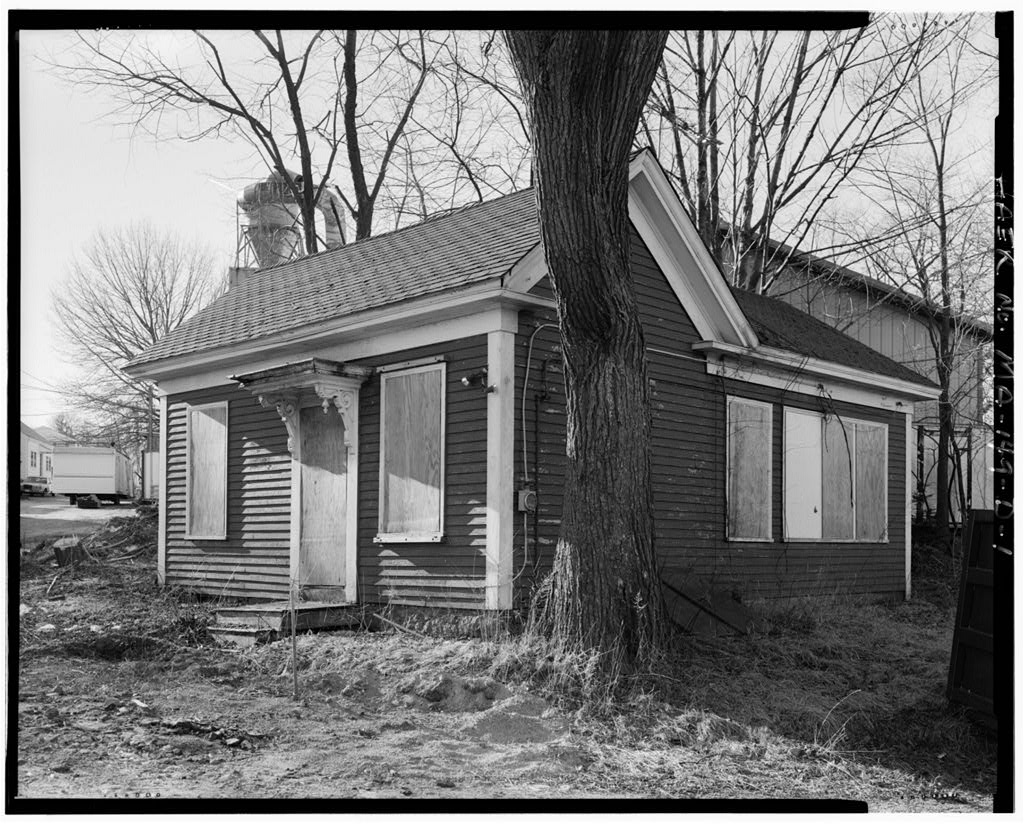
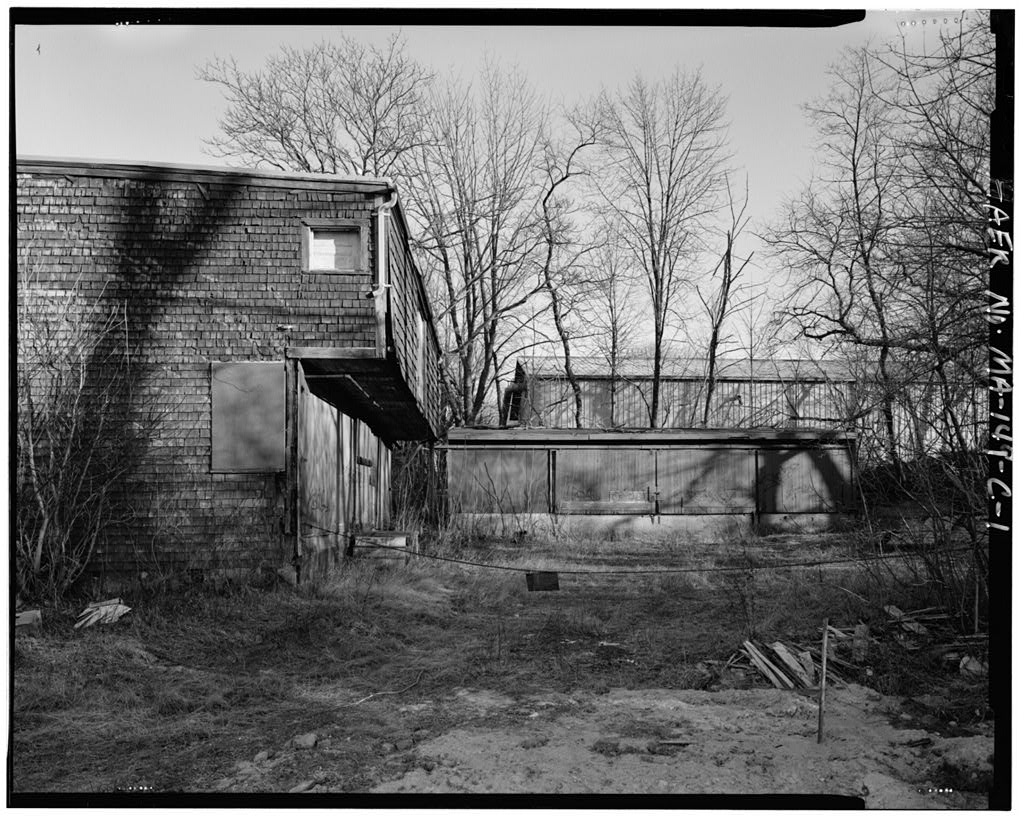
The Larrabee & Hingston Company shop complex consists of the Main Shop Building (HAER No. MA-149- A, ca. 1840-ca. the Lumber Drying Shed (HAER No. MA-149-B, ca. 1903-ca. the Lumber Storage Shed#l (HAERNo.MA-149-C,ca. the Office Building (HAERNo. MA-149-D, ca. and the Lumber Storage Shed #2 (HAER No. MA-149-E, ca. These five, unoccupied, timber-frame, red shingle-sided, one- and two-story light industrial buildings are located on a 6.5-acre, mixed industrial use parcel split by the Peabody-Salem town line. Lumber Storage Shed #2 (HAER No. MA-149-E, ca. is located in Salem, and the remainder of the buildings are located in Peabody.
The Larrabee & Hingston Company shop complex is located immediately to the north of the Jeffers Lumber and Milling Company, which consists of a cluster of World War II-era and later buildings. This shared lot is bounded by Howley Street to the west, across which stands a significant industrial building, the now-vacant, ca. Stahl Leather Finish Company. To the south, the site is abutted by the Old South Burying Ground, the oldest public cemetery in Peabody. To the east the property abuts a late-nineteenth- and early-twentieth-century residential neighborhood. To the north, the site is bounded by a single, active Guilford Rail System (former Boston & Maine) freight railroad track, and the North River Canal.
The various structures of the two concerns are located along a twisting, unnamed dirt road which runs across the parcel, connecting Boston Street at the Peabody-Salem town line with Howley Street in Peabody. PART
Historical Information
The Larrabee & Hingston Company is a now-defunct concern associated with the once thriving tanning business in Peabody and Salem. With the early growth of the area tanning industry came a wide variety of related support and service industries, including tanning machinery builders such as Larrabee & Hingston, founded in The buildings in this complex represent aspects of the Peabody-Salem area's most important and distinctive historic industry, the processing and tanning of animal hides, and related offshoots, custom wooden tanning machinery, and lumber milling. Peabody and the port town of Salem had become the center of tanning-related trade between New Hampshire, Vermont, and other northern territories during the eighteenth and nineteenth centuries.
Technological innovations such as the introduction of the steam boiler in the which freed the tanneries from water power, and the invention of the hide splitting machine, enabled tanneries to increase production during the mid-nineteenth century. Major growth in the tanning and related industries were facilitated by the coming of the railroad. All of the freight lines in the Peabody-Salem area were placed in service between and including the line just north of the Larrabee & Hingston buildings, giving the tanneries and related concerns direct access to national markets and sources of raw materials via the Boston & Maine Railroad.
Eventually, this network of tracks in Peabody and Salem was to become the largest generator of railroad freight revenue north of Boston (Wells The change in the tannery industry due to the coming of the railroad was dramatic. In the year Peabody separated from Danvers, there were 27 tanneries in Peabody, employing 122 hands; 24 leather currying concerns, employing 153 hands; manufacturers of Morocco and lining skins, employing 117 hands; and boot and shoe workers (Osborne In the First Federal Census recorded people living in Peabody. Tanning continued to grow during the last half of the nineteenth century, and LARRABEE & HINGSTON COMPANY HAERNo.MA-149 (Page 3) advances in dyes and chemistry improved production and quality. In there were 29 tanning concerns, employing 768 hands.
By the population had grown to with 61 leather establishments employing employees, with a valuation of goods produced of versus the community's total industrial valuation of (Wells Only 343 persons were employed in agricultural pursuits this year. During this period, large manufacturers such as Jacobs and the largest manufacturer in the Peabody leather industry, the A.C. Lawrence Leather Company, began their domination of the industry. The first decades of the twentieth century were characterized by consolidation and phenomenal productivity growth in the Peabody leather industry.
Between and the number of leather-producing concerns dropped from 161 to 77, however, the capital invested rose from million to million, and the number of wage earners from to The value of products rose from million to million. A substantial portion of the production can be attributed to just one company, the A.C. Lawrence Leather Company. In a year that showed a $ 16 million valuation of Peabody's industrial production, fully one- fifth of that figure was for goods produced by A.C. Lawrence.
Foreign leather orders generated by World War I further boosted Peabody's fortunes; by the city had produced a yearly total of leather goods valued at $52 million with employees, and was proclaimed "The World's Largest Producer of Leather" (Wells The Peabody tanning industry was rationalized after World War I, with smaller, technologically obsolete shops shutting down and giving way to the large, more heavily capitalized and technologically up-to-date companies such as A.C. Lawrence. The need for large numbers of unskilled workers brought people of many different nationalities to Peabody. The largest group were Irish immigrants; however, more than a thousand Greeks and Turks also worked in the leather factories.
In out of a population of 21 nationalities were represented, and were foreign-born. After World War II, a slow decline in the leather industry began. Leather once accounted for 80 percent of Peabody's industry but by it accounted for less than 50 percent. Since that time, the Peabody tanning industry, has all but disappeared due to environmental constraints, and the shifting of the tanning industry away from New England and to outside of the United States (Hingston The growth of the Peabody tanning industry created an interlocking system of producers and consumers, all of whom were located a short distance away from each other by freight train or truck.
Many of the waste products from some processes were the raw materials used in others, and no part of a slaughtered animal went to waste in this district, where hides were made into leather, hooves into glue, fats into oils, and waste flesh and bone into gelatin and bonemeal. Within the district, these materials were traded as commodities. Often an employer could guarantee his payroll simply on the profits made by selling a particular waste product to a consumer. Other related support/service businesses such as soap, wool, shoes, chemicals, lumber, and others also developed as offshoots of the tanning industry (Buckley An industry that grew naturally out of this situation was the tanning machinery business.
The first notable firm of this type was the Vaughn & Corwin Manufacturing Company, started in Peabody in This establishment included a foundry, machine shop, and woodworking shop. With offices in Germany, Boston, and Philadelphia, it employed 300 hands. After a fire, the company rebuilt and became the largest leather machinery plant in the world, with an 18-acre plant site, and offices in 11 countries. In Vaughn & Corwin sold out to the Turner Tanning Machine Company of Boston. Turner was the world leader in tanning machinery, and its fortunes naturally followed those of the industry it supported. Turner was LARRABEE & HINGSTON COMPANY HAER No.
MA-149 (Page 4) eventually bought out by the United Shoe Machine Company of Beverly, MA, in After the demise of the Turner Tanning Machine Company, Larrabee & Hingston, a small shop making custom wooden tanning tubs, was the lone regional representative of this aspect of the support/service sector of the local tanning industry. The leather tanning process generally consists of washing raw hides, soaking them in chemicals to accelerate the disintegration of the hair, and then mechanically scraping them to clean hair and flesh from the skin. Once the hides are clean, they are tanned with bark or chrome salts in wooden vats. Once they have been tanned, they are washed again, oils are reintroduced into the skin, and the leather is stretched and dried.
This process makes use of large quantities of clean water and wooden vessels of varying configurations (Glover With the exception of Lumber Storage Shed #2 (HAER No. MA-149-E, ca. the Larrabee & Hingston Company structures originally belonged to Aaron F. Clark's Lumber Yard, which offered "Planing, Sawing, and Grooving by Steam," according to a sign atop their mill which appears in a ca. photograph in the Larrabee & Hingston Company's possession. Clark's Main Shop Building (HAERNo. MA- 149-A) was built ca. 1840-ca. the Lumber Drying Shed (HAER No. MA- was built ca. 1903-ca. Lumber Storage Shed #1 (HAERNo. MA-149-C) was built ca. and the Office Building (HAERNo. MA-149- D)was built ca.
Clark's Lumber Yard operated until when they sold the property to John Jeffers who originally started his lumber and milling business on Foster Street in Peabody in During the Samuel Hingston was the Drum and Wood Shop Supervisor at Turner Tanning Machine Company, the largest builder and supplier of tanning equipment in the world, located in Peabody. In Hingston left Turner, formed the partnership of Larrabee & Hingston (Larrabee first name unknown), and began manufacturing wood tanning tubs in the basement of the old Clark's Mill, which he rented from Jeffers Lumber. Jeffers Lumber and Milling occupied the Clark's Mill site until when they constructed their office building to the southwest of this complex on Boston Street.
By Larrabee & Hingston were occupying the first floor of the Main Shop (HAERNo. MA- 149-A), and in Jeffers sold the Clark's Mill and land, as well as the Lumber Drying Shed (HAER No. MA-149-B), Office Building (HAER No. MA-149- D), and several storage buildings, to Larrabee & Hingston. By Jeffers had constructed a new sawmill and storage building attached to the office building, and continued to construct other outbuildings, moving their operations south, and uphill from Larrabee & Hingston's Clark's Mill site.
Jeffers Lumber and Milling, still in operation, are a general supplier of raw and milled lumber, and building supplies, to area consumers (Jeffers For 64 years, Larrabee & Hingston constructed custom wood tanning drums and tubs for tanneries from Cuba to Maine as well as for tanneries in the immediate neighborhood. At its peak, Larrabee & Hingston employed about a dozen hands, with a crew in the shop, and repair and installation personnel out on the road. They had little competition in their area, particularly after the decline of Turner Tanning Machinery Company in the late Business was good for Larrabee & Hingston through the however, during the and local and regional tanneries closed, and the tanning industry moved overseas, cutting into Larrabee & Hingston's business.
In recent years, the company had sufficient business to stay open with only two employees, and their only competition was from two general tannery supply companies, in Buffalo, New York, and Milwaukee, Wisconsin. Larrabee & Hingston's business remained in the Hingston Family until late At the time of their closing, Larrabee & Hingston were the sole manufacturer in the Northeast devoted entirely to the building and installation of wooden tannery vessels (Hingston LARRABEE & HINGSTON COMPANY HAERNo.MA-149 (Page 5) PART III SOURCES OF INFORMATION A. Engineering Drawings None located. B. Historic Views Collection of Larrabee & Hingston Company, Peabody, Massachusetts. View showing Aaron F. Clark's Lumber Yard Mill looking north, ca.
Collection of Larrabee & Hingston Company, Peabody, Massachusetts. View showing Larrabee & Hingston Company workers in basement shop, ca. Collection of Larrabee & Hingston Company, Peabody, Massachusetts. View showing assembled tanning drum in Main Shop, date unknown. C. Interviews Buckley, Steven, former Larrabee & Hingston employee and Hingston family member. Interview by Matthew Kierstead, 28 June Peabody. Tape recording on file at The Public Archaeology Laboratory, Inc. , Pawtucket, RI. Hingston, Steven, Shop Superintendent, Larrabee & Hingston Company. Conversations with Matthew Kierstead, 28 and 30 June Peabody, MA. Jeffers, John, Owner, Jeffers Lumber and Millwork. Conversation with Matthew Kierstead, 28 July Salem, MA. D.
Bibliography Carroll, Thomas "The Leather Industry of Salem, Danvers, and Peabody," Hide and Leather Supplement. Glover, John George, William Bouck Cornell, and G. Rowland Collins "The Leather Industry," The Development of American Industries. Prentice Hall, Inc.: New York. Krim, Arthur J. "Francis Peabody and Gothic Salem," Peabody Essex Museum Collections January 1994,No.l. Osborne, Theodore Moody "History of Peabody, Massachusetts," History of Essex County. Sanborn Fire Insurance Map Company, New York LARRABEE & HINGSTON COMPANY HAER No. MA-149 (Page 6) Sanborn Fire Insurance Maps for the Town/City of Peabody, Wells, John A. The Peabody Story Events in Peabody's History Essex Institute: Salem, MA. LARRABEE & HINGSTON COMPANY HAER No.
MA-149 (Page 7) Location Map LARRABEE & HINGSTON COMPANY HAER No. MA-149 (Page 8) Site Plan NORTH RIVER CANAL S RAILROAD TRACKS TD HOVLEY STREET LARRABEE & HINGSTONlCD COMPLEX MAIN SHOP -S DRIVEWAY LUMBER DRYING SHED ^ LUMBER STDRAGE SHED "1 CITY DF PEABDDY DLD SOUTH BURYING GROUND MAIN STREET
The original filed report, and the sheets the survey produced. Those published here appear above.
Also surveyed in Peabody
6 records
The federal surveyors worked through Peabody building by building. These are the other structures
they measured and filed a report on, longest report first.
 Block
Block