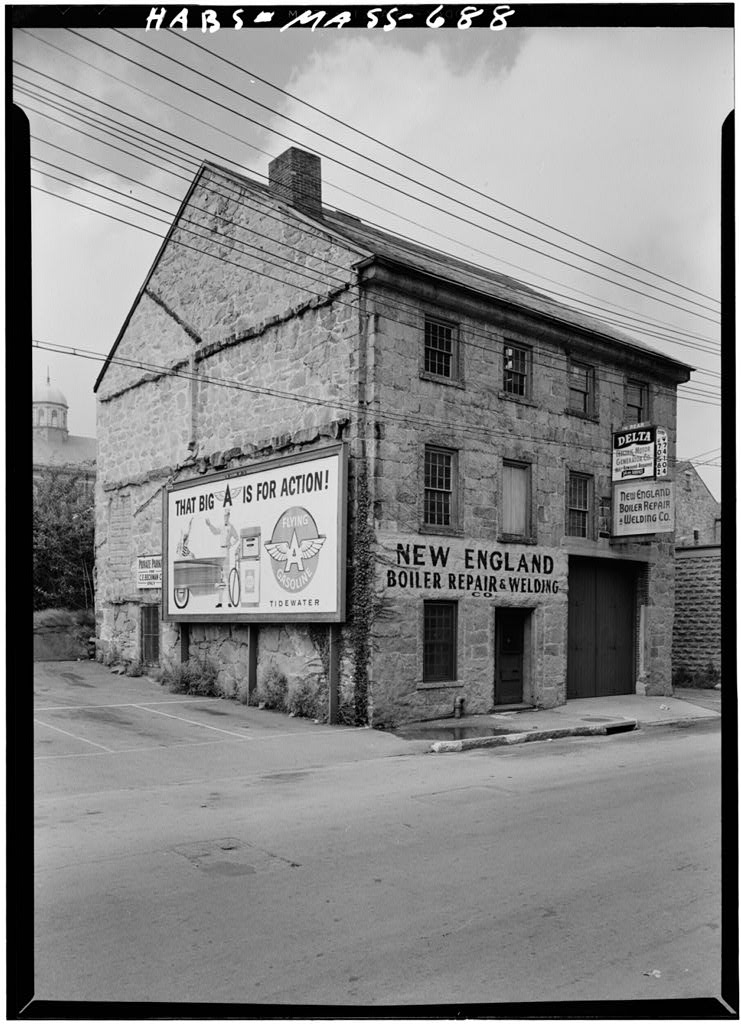
unknown. No longer extant, destroyed The Delano oil works appear on the earliest maps of New Bedford. The works were typical of the sort built in the area after following the style of houses built by the Quaker whaling merchants - four square, with dutch cap roofs. The plant was built of basement contained granite column supports, which were unusual for the time. The plant was, for many years at the end of the nineteenth century, the largest processor of whale oil in the world and it was at the time of it closing in the last whale refinery in the country. Transmitted By: Monica E. Hawley, Historian, George Delano & Sons, Oil Works HAER No.
MA-10 (Page 2) George Delano and Sons, Oil Works The manufacturing of oil and candles was one of the major industries of New Bedford, Massachusetts, throughout the nineteenth century. After the Civil War, however, with the advent of a technique for refining petroleum, whale oil based products became less important. Throughout most of the nineteenth and into the twentieth century, whale oil was processed on the site of the George Delano & S ns Oil Works. The earliest portion of the works, Building B, dates from before and is shown on maps of New Bedford dating from After the facility was taken on by the Crocker Company (the firms of George 0. Cocker & Co. and of Oliver and George 0.
Crocker's operated the works from to the works were expanded to cover the south block face of South Street between First and Second Streets. The firm passed into the hands of Charles H. Leonard in and he operated it until when his employee George Delano purchased the plants. Under the direction of George Delano and of his sons Stephen and James, who continued the firm until the company became the largest grease oil refinery in the world. The premisis had expanded, by to cover almost two acres of land and employed up to fourty-five men in the manufacture of various oils, candles, spermaceti, and soaps. The process of manufacturing these products was a long one -- it taking about 9 months to transform the whale blubber into the finished products.
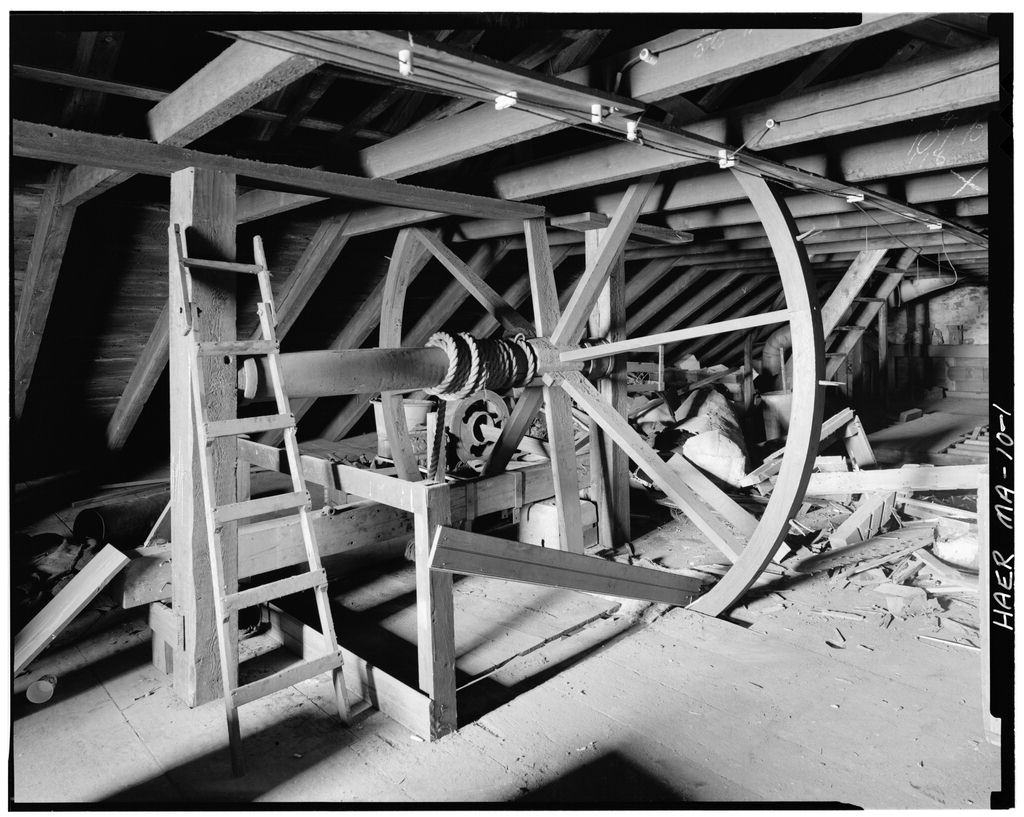
Sperm oil, and chiefly for lubricating machinery, was refined three times producing George Delano & Sons, Oil Works HAER No. MA-10 (Page 3) Winter, Spring and Summer oils, spermaceti, which was commonly used 1n oil lamps, and sperm oil soap, manufactured from a residue of the bleaching process. The oil was refined by first pumping it into large vats on the roof of the oil works where it was bleached by the sun. Next it was boiled with soda lye (steam pipe coils were utilized to bring the oil to a high temperature), then put into barrels which were in turn, lowered into pits and covered with ice. After about ten days the oil froze and was put under hydrolic pressure producing the Winter Oil. Repetitions if this pressing produced the Spring and Summer oils.
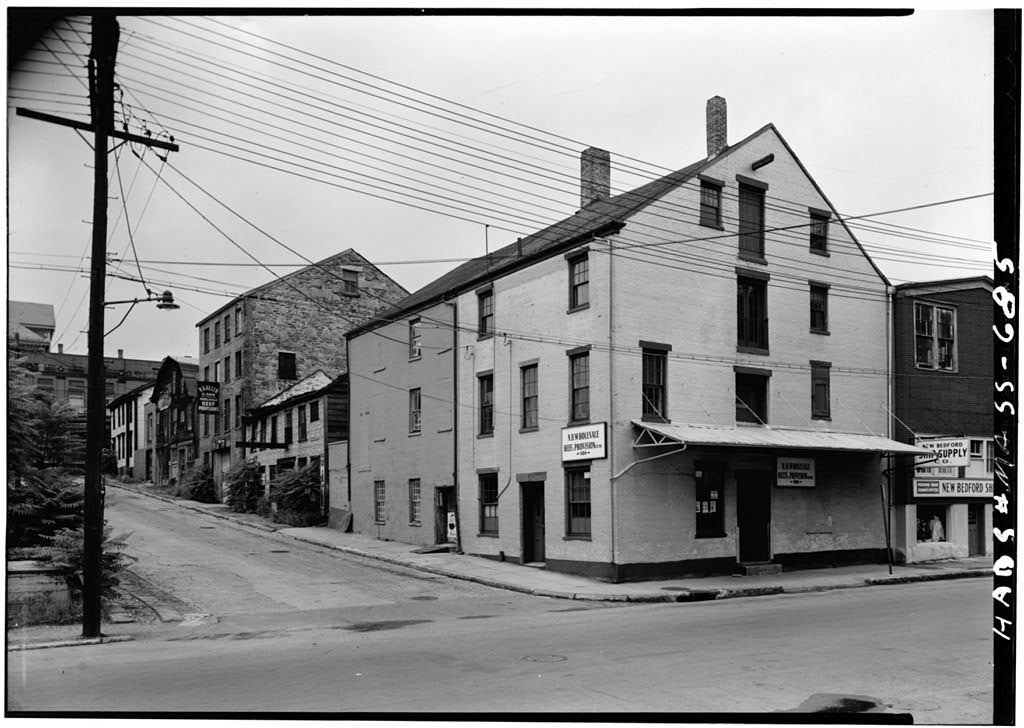
The solid substance, known as sperm, was white and had a luminous quality, and was moulded into candles after being boiled with lye and washed. The heavier oils such as whale, fish, and cottonseed oils were refined by a different process. There oils were first strained, then subject to repeated pressings and alkaline bleaching. The residue, called stearine was used for textile sizing. The oils were bleach in large tanks under glass roofs at the Delano works. Architecturally, the Delano oil works were typical of the Quaker building style which dominated New Bedford for much of the nineteenth century. The buildings were simple, four square, with dutch cap roofs, and made of stone. The style provided a maximum amount of space while requiring relatively little material and expense to build.
The Delano Works had monolithic granite columns in the "pit" in the basement - where the oil was frozen - an unusual feature in industrial sites dating from the nineteenth century. The building was destroyed by fire in HAER Ho. MA-10 page k FOOTNOTES Zeph. W. Pease, George A Hough New_ Bedford, Massachusetts: Its History, Industries, Institutions, and Attractions , ( N ew Bedford, Massachusetts: Mercury Publishing Company, Ibid, p.
 Block
Block