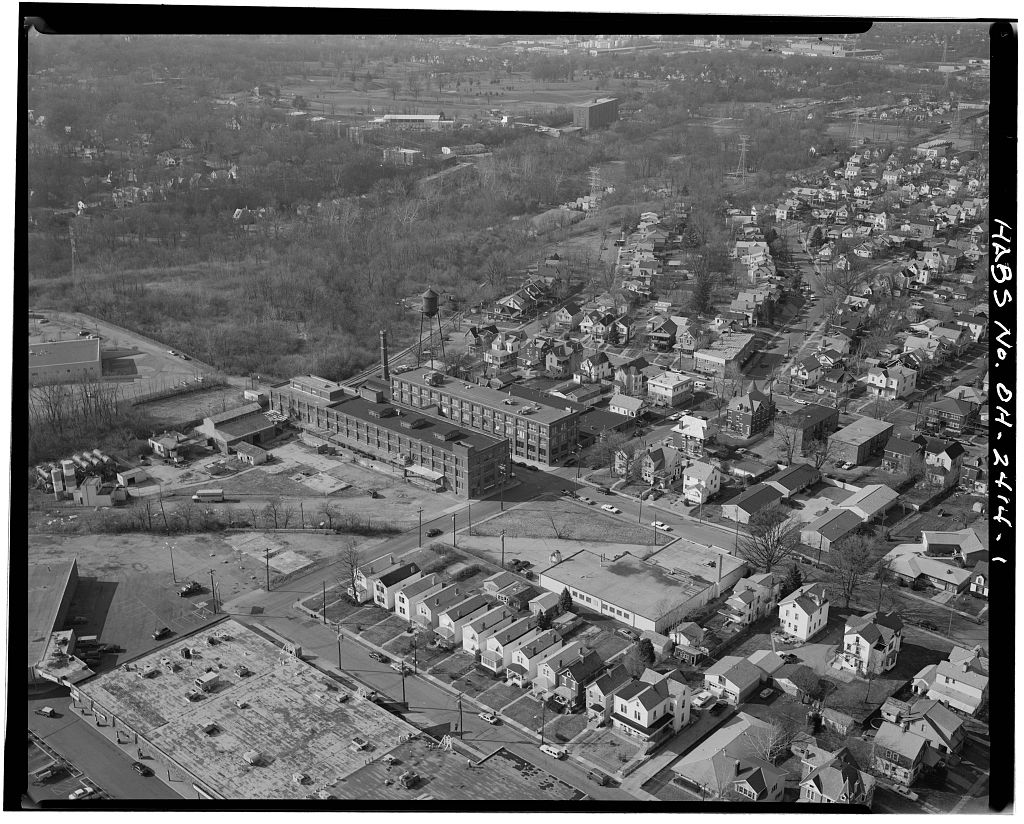
This document was undertaken from October through December, in accordance with the Memorandum of Agreement dated between the City of Norwood, OH, the Ohio SHPO and the Advisory Council on Historic Preservation as a mitigative measure in connection with partial demolition of the plant. Richard Rauh, AIA Architect, principal Richard Rauh & Associates/Architects Piedmont Road, NE Atlanta, GA R. K. Le Blond Machine Tool Company HAER No. OH-71 (Page 3) The Madison and Edwards Road Manufacturing plant of the R. K. Le Blond Machine Tool Company is contained on a acre site of roughly feet by 950 feet at the intersection of Madison and Edwards Roads in Norwood, Ohio, on the border of that city and the adjacent Hyde Park Section of Cincinnati.
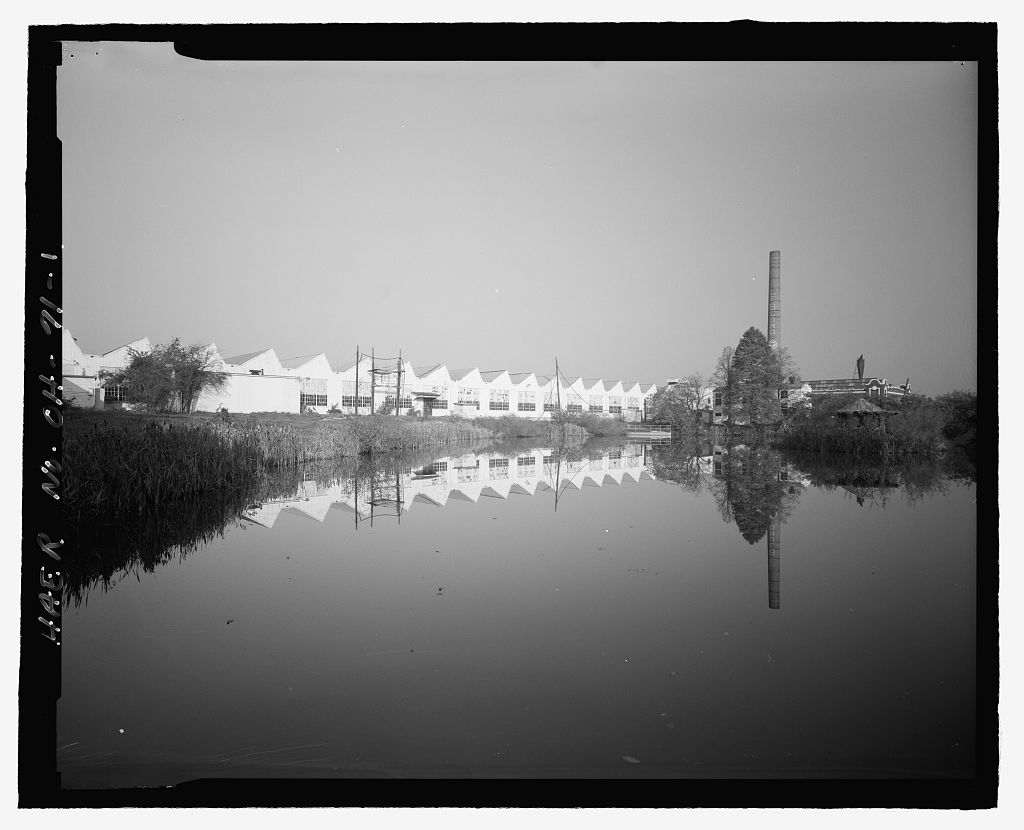
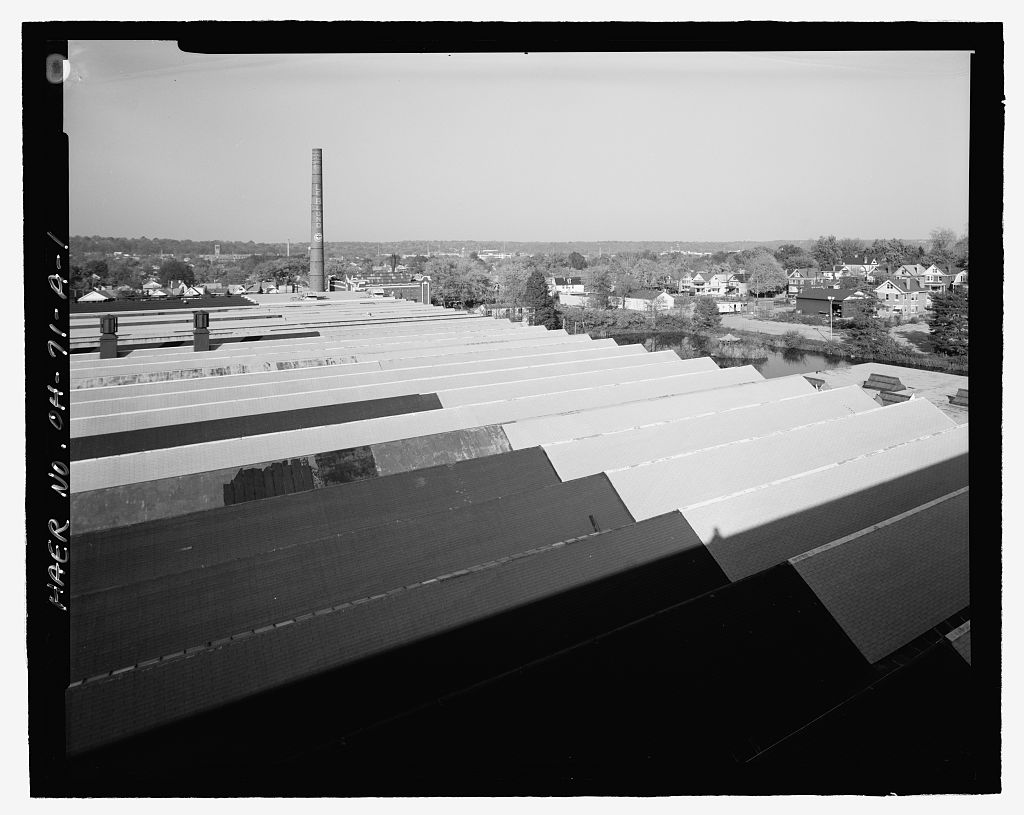
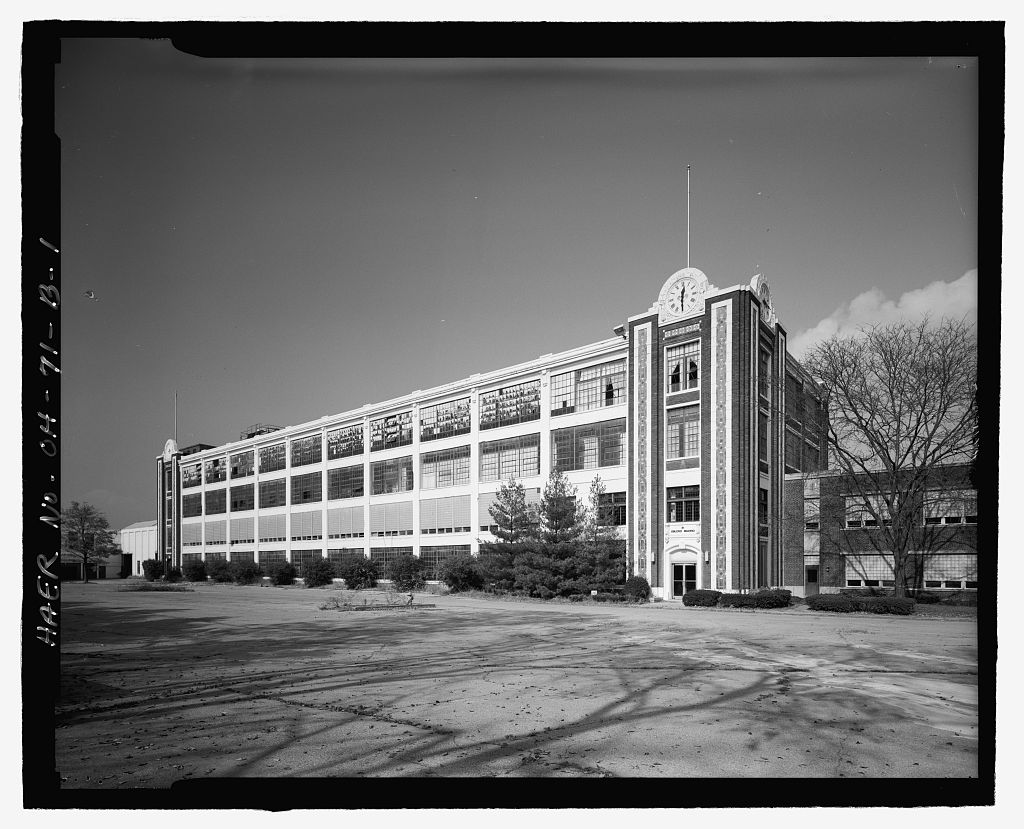
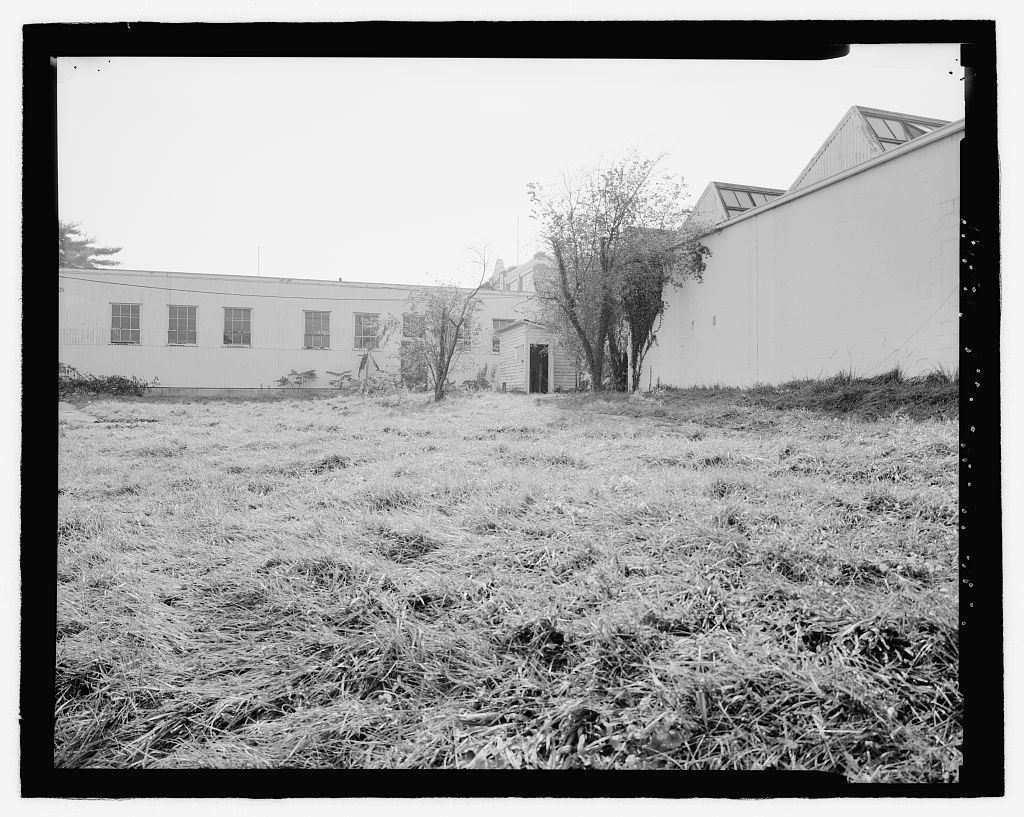
(For business recognition reasons the company advertised its location internationally as Cincinnati.) . The largest structure on the site is a one-story, steel frame truss-roofed rectangular production building which measures approximately 450 feet by 750 feet and has saw-toothed skylights throughout. The western side of this production building, a section 100 feet wide by 800 feet long, has a clear internal height of 25 feet; the remaining area is 13 feet high. The production-building is enclosed by brick walls on the west and corrugated sheet siding on the east. Attached to the production building on the south side is a four story brick and concrete building which contained office and support functions.
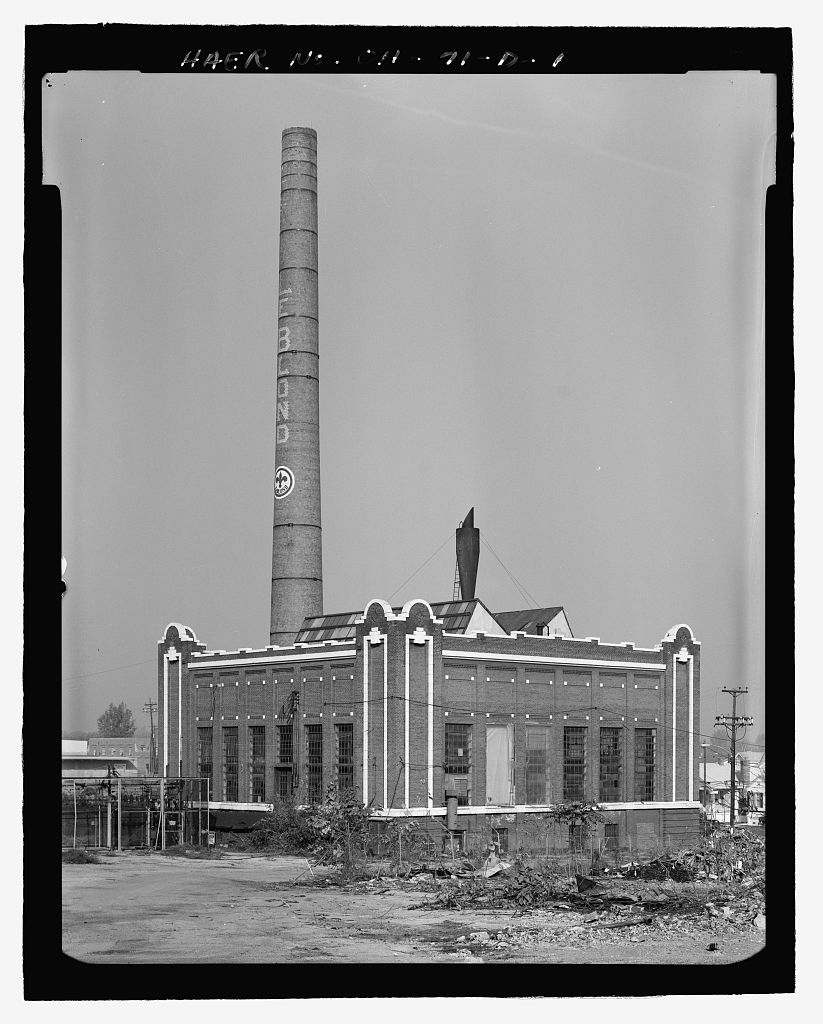
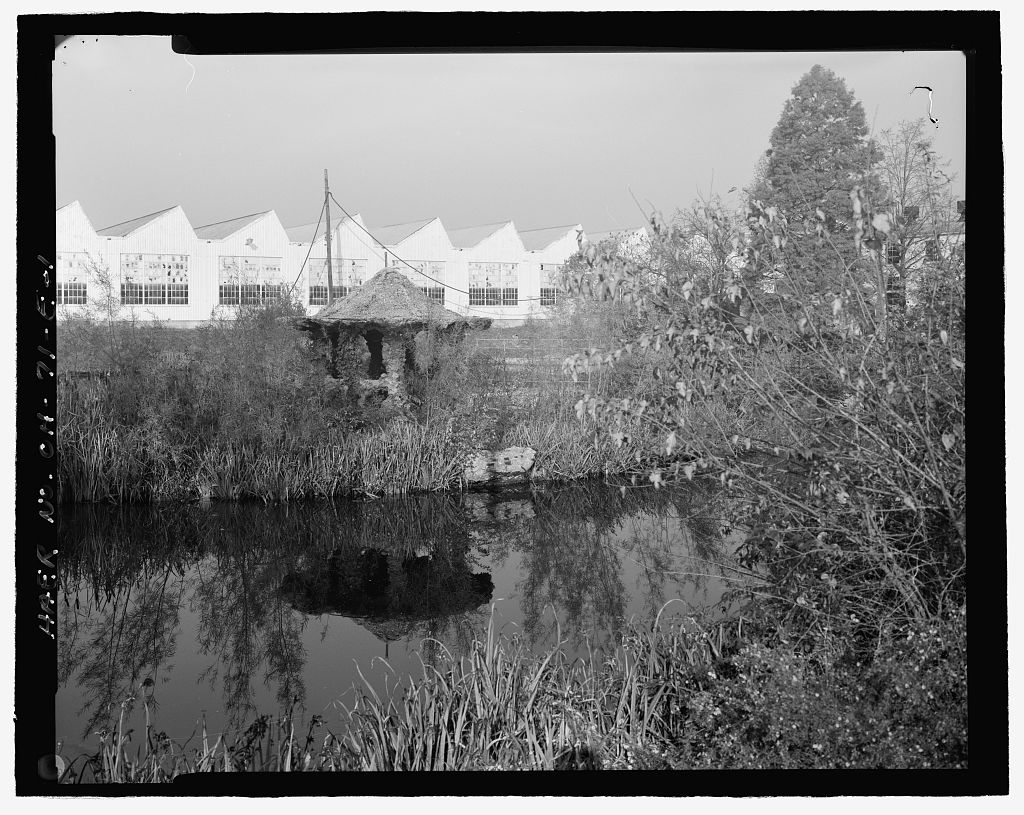
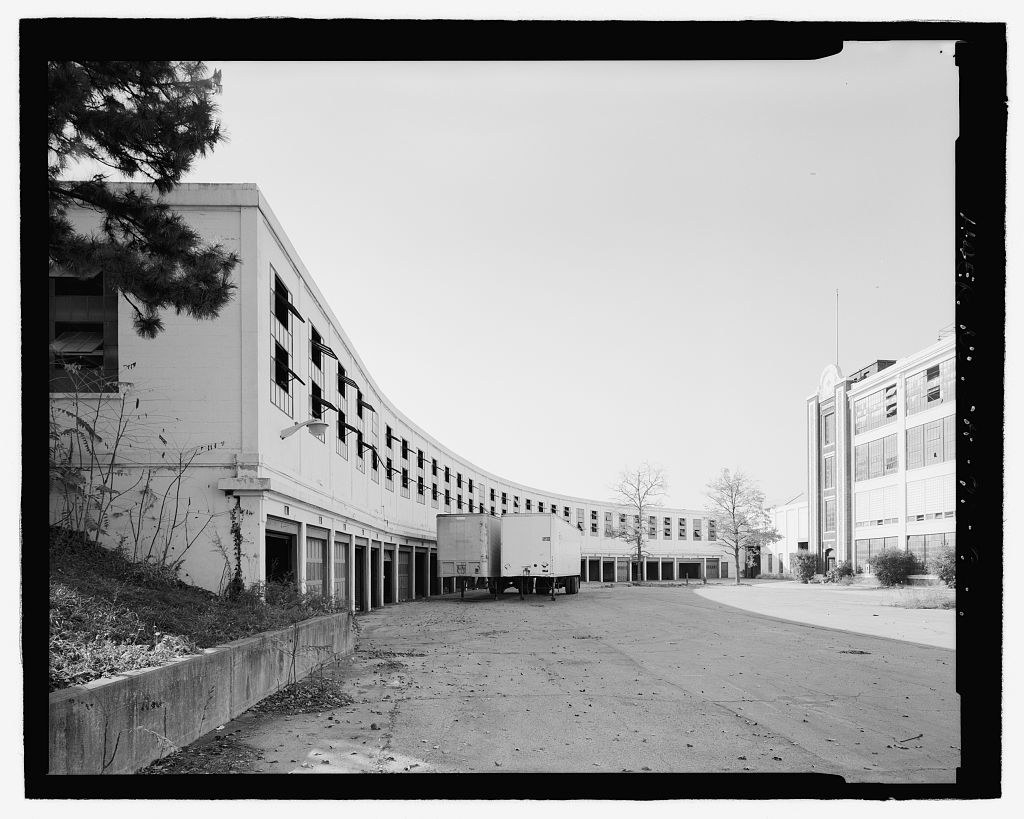
Curving within the south west corner of the site is a narrow two story structure (originally one story) which contains private automobile garages below and storage space above. To the north east of the production building and connected to it by a tunnel is a rectangular brick power generation structure approximately 92 feet by 84 feet square with a tall masonry chimney stack and a steel coal tipple next to it. East of the production building is a pond measuring about 300 feet long by 200 feet wide, with a small island in the middle; specimen landscaping surrounds the pond. Four small wood frame pumphouses skirt the west side of the pond adjacent to the production building.
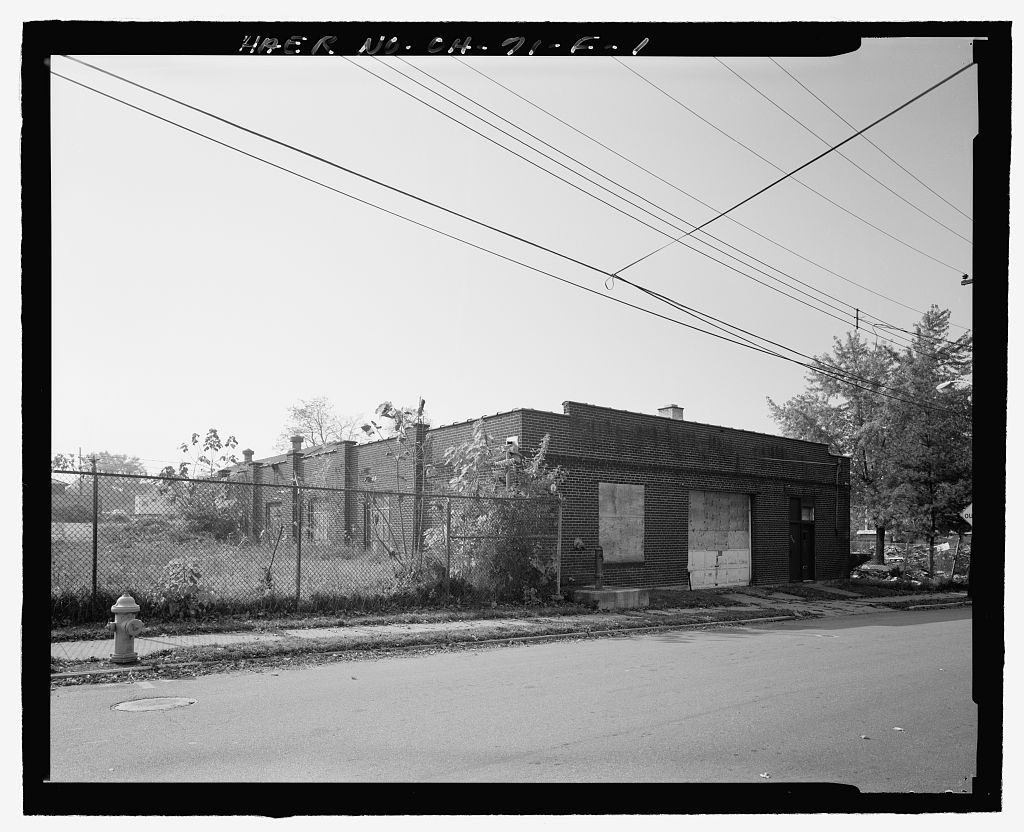
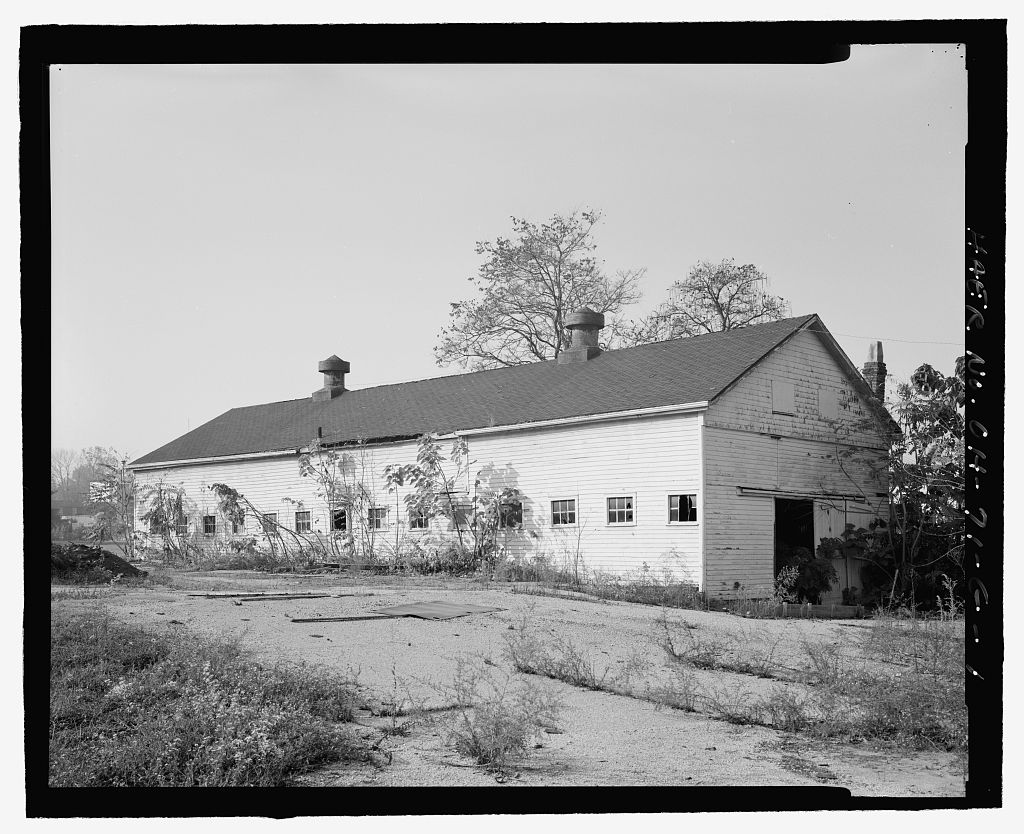
At the north east corner of the production building are two small wood frame structures which house equipment for the generation of welding and heat treating gases. An old timber barn and,a one story brick maintenance garage are situated at the northeast corner of the site near the intersection of Edwards Road and Arbor Place. A rail spur of the Norfolk and Western line is located behind the complex along the full extent of the south and west boundaries. I The site gently slopes from a high point of 676 feet in elevation on the south to a low point of 642 feet on the northern boundary at Arbor Place. Areas of the site not built upon and not immediately encircling the pond are paved with asphalt. The complex was originally constructed in on the site of a former dairy farm.
The only remaining building from the dairy farm era is the timber barn in the northeast corner of the property, a structure dating from The architects for the Le Blond complex were the Cincinnati firm of Zettel and Rapp, a firm responsible for other industrial structures in Cincinnati including the plant for the largest machine tool company in the world (and in the city), Cincinnati Milling Machine, now called R. K. Le Blond Machine Tool Company HAER No. OH-71 (Page 4) Cincinnati Milacron. Zettel and Rapp were also engaged privately by R. K. Le Blond to design his primary residence at Vineyard Place, Tusculum.
It is reported that the estate shared certain eccentricities of architectural detail (the wet sand or 11 sandcastle" appearance in the design of its dance pavilion and some landscape 11 caves") with the gazebo structure situated on the island within the pond at the fa~tory. The saw tooth roof and skylight structure is characteristic of the architect's work for other clients and was employed at Le Blond's previous factory in the Linwood section of Cincinnati. Because the complex was designed to spread its production area square footage out on one common floor it was necessary to modify the sloping dairy site to provide for the huge flat building footprint.
Cut and fill from the high side to the low created the needed flat area in the middle of the site, a perfectly level Qlateau of almost eight acres. It has been suggested that adaitional fill needed to create this large flat footprint was found by excavating what is now the pond. The company moved to the Norwood location from its previous plant in Linwood whichi..as constructed in ten years after founding of the company by Richard Knight Le Blond - at the age of twenty three. Much of the impetus for the move in resulted from the unprecedented demands of World War I production and Le Blond's patents on the world's only practical gun boring lathe. The original building maintained its fundamental configuration and organization of parts throughout its years of service.
Major additions were made in in preparation for the U.S. entry into World War I.I. In that year a new castings cleaning addition was built on the north end of the plant; an addition to the blacksmith shop was erected on the west side; a new addition about 100 X 500 feet long was added to the east side; and a second story was added to the curved parking garage on the south side for wood pattern storage. In a new employee locker and washroom was added to the south east corner of the building. The administrative wing was expanded with a two story addition in and in the late a high bay enclosure was added to the northeast corner of the plant for assembly of numerically controlled machining equipment. This addition also contains a parking lot security observation cubical at the roofline.
From the time of construction until the second World War the grounds were unfenced and open to the public. During the war years government security requirements caused the erection of a metal fence topped with barbed wire around the property. This fence was never removed. R. K. Le Blond Machine Tool Company HAER No. OH-71 (Page 5) The size of the work force during the first half of this century was directly proportional to the production demands of the economy for machine tools. The work force was highly skilled, a product of the company sponsored apprentice program which in lasted a full 7 years. Sixty hour work weeks were considered standard in the machine tool industry; forty hour weeks indicated slack periods.
+he plant operated two shifts, which during war times were expanded to ten and one-half hours per day for seven days a week. Most employees lived on the east side of Cincinnati, the side where the plant was located, and many were from the rural areas beyond the city where they also maintained farms. A significant number of employees commuted to their jobs via a traction line through the towns of Milford and Mariemont. A strong German ethnic heritage pervaded the work force, and many family names present on the employee roster in are still to be found at Le Blond in In the smoke stack city of Cincinnati in the era prior to World War II a trade conferred status and instilled pride and loyalty in the workingman.
In the pre-war era, the classic picture of the career Le Blond employee, according to oral historical accounts of the Le Blond family) portrays a man of German family who arrived at the plant punctually, dressed in a suit, white shirt and tie, changed clothes, worked from seven in the morning until six at night in the greasy, dirty shop, scrubbed and showered, re- dressed in his formal street attire and returned to his home with the dignity of the man of the house. Attendance was taken, and although overtime was compulsory in this cyclical industry driven by the "accelerator principal 11 of economics, the overtime was paid.
The hours were long, ten and one-half hours with only one- half hour for lunch, and constant standing up at work station meant that everybody, regardless of rank or job developed varicose veins. But breaks when they occurred were not today's "coffee break 11 but "beer breaks 11 when boys carrying beer with poles and buckets obtained from nearby taverns would pass through the aisles of the shop. I The plant in had 764 shop employees. Between the wars the company averaged employees in its workforce. The actual number varied however as a function of production demand.
Data from the period from to reveals a gut-wrenching roller coaster ride of boom and bust that inspires respect for those who invested their lives and fortunes in the machine tool business during this precarious period of history: R. K. Le Blond Machine Tool Company HAER No. OH-71 (Page 6) Annual Shipments and Workforce of the Le Blond Machine Tool Company - Number of Year Shipments Employees 830 932 770 764 436 336 435 460 440 560 505 574 763 512 353 155 159 210 357 444 535 524 576 933 Although the workforce varied, a typical breakdown of the employees on site in the early was as follows: Production Power house Maintenance Engineering/drafting Administrative The all time peak production output and labor force at the Norwood facility was during World War II.
Two years after the war the staff was half as large. The company dealt with its cycles and maintained its employee pool by utilizing the practice of labor furloughs during slow times. These furloughs were, in concept, offset by periods of intense and expanded work schedule when demand for the product was high. Demand for machine tools, the "machines that make machines", always falls off before other sectors of the economy and then rises again with great urgency when the economic cycle turns. R. K. Le Blond Machine Tool Company HAER No. OH-71 (Page 7) Labor at the Le Blond plant was organized in the originally by the CIO. Subsequently the union became independent.
Although over the years the company engaged in a variety of related business enterprises (such as electrical tools, early aircraft engines, a line of trucks, grinding tools, fire engines, and in the very beginning gauges and measuring devices) the principal business of the company through its history has been the innovation and production of machine tools with round parts, principally lathes and boring equipment. This specialty distinguished the company from other large machine tool manufacturers whose products were milling machines used to fabricate flat work. Le Blond's machine tool company, while not the first, was an early entry in the roster of distinguished Cincinnati machine tool firms that had their origins in the last half of the nineteenth century.
This was an era just decades after the invention of Watt's steam engine, Fulton's steamboat, wholesale implementation of mechanized textile mills and contempory with the inventions of the bicycle, sewing machine and the cash register. The most advanced precision production equipment in existence at this time were the printing presses of Germany. The following chronology lists the Cincinnati machine tool companies begun before FIRMS MANUFACTURING MACHINE TOOLS IN
Cumulative Year Firm Total Steptoe & McFarlan {Western Tool Works} 1 McFarland & Nottingham 2 H. Bickford & Co. 3 H. L. Shepard & Co 4 Universal Radial Drill Co. Lodge, Barker & Co. 6 G. A. Gray & Co. Queen City Machine Works 8 Sebastian, May & Co. Cincinnati Screw and Tap Co. 10 Oesterlein Machine Tool Co. Muller Machine Tool Co. 12 R. K. Le Blond R. K. Le Blond Machine Tool Company HAER No. OH-71 (Page 8) Wm. Barker Co. Smith & Silk Fosdick Machine Tool Co. 16 Dietz & Gang 17 Bradford Mill Co. Greaves & Klusman 19 Lodge & Shipley Machine Tool Co. A. Strait Machine Tool Co. 21 W. E. Gang Co. 22 Dreses, Mueller & Co. 23 Smith & Mills Rahn Lathe Co. 25 Cincinnati Shaper Co. Cincinnati Planer Co. Belmer Machine Tool Co. 28 Cincinnati Machine Tool Co.
29 29 Cincinnati's pre-eminance as an international center of the machine tool industry has been a subject of historical interest as a key component in the evolution of American industrialism and as a manifestation of cultural influences inherent in the city's population of recent immigrants from northern Europe. A history of the company and its products would provide a tangible link from the elemental stages of the industrial revolution to the technology of the present. The products themselves and the particular uses to which they were put reflects, through market demand, the priorities and values of the culture at large. The following is a profile of Richard Knight Le Blond as included by G. A. Wing in his historical account of the Cincinnati machine tool industry. "R. K.
LeBlond was a native Cincinnatian. Born in in Linwood, a suburb of the city, he was the oldest of five brothers, all of them at one time or another associated with him in the machine-tool business. He received his early education in the common schools of Cincinnati. Upon completion of this portion of his schooling he began his apprenticeship as a machinist with the Franklin Type Foundry. This firm was engaged in the production of small printing presses, very simple machine tools, type molds and gauges used in the making of type. While employed at the Type Foundry, LeBlond attended night classes at the Ohio Mechanics Institute, studying mechanical drawing and general mechanics. After five years with the Franklin Type Foundry, LeBlond left the city for St. Louis and a job as a R. K.
Le Blond Machine Tool Company HAER No. OH-71 (Page 9) journeyman machinist. Two years later he secured a job with the famous old machine-tool company of Brown and Sharpe in Providence, Rhode Island. He remained with the Brown and Sharpe Company for about a year, returning to Cincinnati in Immediately upon his return to the city, at the age of 23, he started his own firm for the manufacture of type molds, gauges, and small tools used in the type making industry. By LeBlond had seven men in his employ. At this time his shop was equipped with two lathes, a small planer, a six inch shaper, a milling machine, a drill press, and a sensitive drill. Among the firm's products were dental rolls, tag printing presses, cash registers, small steam engines, and routing machines.
Most of these products were produced to provide work when the regular line of type molds, tools and gauges proved insufficient to keep the plant busy. In the small firm received an order that was to pattern its future development. William Lodge, of the firm of Lodge and Davis, gave LeBlond an order for a number of lathe attachments and about fifty twelve-inch lathes. This new business marked the beginning to the LeBlond Company as a producer of machine tools. Late in Nicholas Chard, a former superintendent of the Lodge and Davis Company, bought a two-fifths interest in the business and the name of the firm was changed to LeBlond and Chard.
Shortly after Chard joined the firm, LeBlond, with some 1 help from his new partner, designed and built the first LeBlond lathe and the firm was committed to machine-tool production. The Panic of had a disastrous effect on the small company and for a'time only LeBlond and Chard were working. During this period Chard became disenchanted with the partnership and sold his share of the firm to LeBlond. In the trend of business turned upward and the LeBlond firm began to receive substantial orders for lathes. The bicycle craze of those years was an important factor in the improved position of the LeBlond firm. Orders from bicycle manufacturers made up a large share of the increased demand for lathes. In LeBlond hired William F.
Groene to do the drawings on the larger lathes he was planning to build. The team of Groene and LeBlond worked well together and pioneered the development of a gun boring lathe that was R. K. Le Blond Machine Tool Company HAER No. OH-71 (Page 10) used extensively during World War I . . Groene was later to lead the research team that solved one the the knottiest problems in metal turning. Throughout the 1 s the LeBlond Company devoted considerable time and money to the problem of turning automobile crankshafts. In the company introduced an automatic crankshaft lathe that revolutionized this complex operation.
The machine replaced a whole battery of special purpose lathes and was capable of turning out 30 to 50 finished crankshafts an hour, a production rate that far exceeded any previously achieved. LeBlond's specialization in lathe manufacture allowed him to build an international reputation for his tools, and his firm continues to maintain this reputation. In the early days of the firm he personified the true entrepreneurs. Groene, writing in the commemorative issue of the LeBlond News, says of him, 11 (LeBlond) was boss, chief engineer, jig and tool designer, purchasing agent, salesman, all combined". The Le Blond plant constructed in was designed to be almost completely self-sufficient in its operation.
Very little was needed in order to maintain production with the exception of raw tool steel and coal for energy. Much of what was used to run the factory was manufactured on site including nuts and bolts, gauges and scales, gears, shafts, precision parts and hardware. Initially approximately 80% of the value added to the products sold was achieved on the site, which means that few pre- manufactured components were used. (This compares with a 20% value added figure for their assembled component products in the 1 s.) Castings for housings were subcontracted to local west side foundries which used wooden sand patterns constructed by Le Blond. Paint and grinding wheels were the only other significant products purchased on the outside.
In it is important to remember that most machine tools were activated by line-shaft power and few had any electrical parts. Later, as electricity played a more important role in machine tools, the motor component was bought from an outside source- and assembled to the equipment. For large made-to-order lathes, the client often supplied the electrical components. Raw tool steel stock material arrived by rail from the Pittsburgh and northern Ohio forge shops in the form of bars and rods up to twelve inches in diameter and larger. Coal was brought to the city by railroad car and by barge on the Ohio River and shuttled to the plant's powerhouse. In general, raw materials entered the factory from R. K. Le Blond Machine Tool Company HAER No.
OH-71 (Page 11} the rear (north} side where they were also stored, in some cases on the ground outside. Finished product moved out the front (south) of the plant usually by truck for transport to the client. There has been a continuing trend this century for the company to offer a diminishing number of separate products and for the products produced to become increasingly expensive and complex. In for example between separate lathes and machines were carried on Le Blond's product line; in the 1 s about twelve products were carried. Specific operational areas of the plant will be addressed in detail in the narrative section dealing with the production building. In general terms, however, the plant consisted of a very large machine tool shop divided into zones by operational function.
In these operational areas,operators at banks of individual machines turned out parts which were assembled near the front of the shop close to the shipping area. Completed product was moved by freight elevator to the upper floors of the four story building to await transport. Non-shop oriented functions such as administration, bookkeeping, sales, drafting and/or engineering design, wooden pattern construction, bathrooms, cafeteria, infirmary, etc. were situated in the four story building. The powerhouse supplied heat and electricity to the other structures by burning coal. Aside from its wartime production, the most historically significant area of activity was Le Blond's production of the 11 world 1 s most completeiline of lathes".
Specifically, its involvement with the development of the automatic crankshaft lathe made Le Blond integral to the automotive industry's evolution worldwide. Le Blond products captured the market for the decades from to the claiming almost all of the domestic production and about 70% of the international market. The only alternative competitor was Wickes, a small producer near Detroit (who later would enter the retail lumber business). The crankshaft lathe was Le Blond's only truly international product. The company abandoned crankshaft lathe production in the 1 s and ceased manufacturing all lathes in the U.S. in Unsanctioned copying of Le Blond's products in the far east and other competition made continued production untenable.
In the 1 s a trend toward numerically controlled lathes,precipitated by large order from the General Electric jet engine division in nearby Evandale, Ohio,caused the company to radically shift its direction. It was the demand for accuracy and precision unprecedented in the industry that led to the eventual demise of the Madison and Edwards plant facilities. Even though in R. K. Le Blond Machine Tool Company HAER No. OH-71 (Page 12) retrospect the company recognizes that the prevailing attitude of the times, attributed to the aerospace industry, that led every customer to demand the best (even if he didn't need it) was exaggerated, there was no turning back from the onset of high technology.
The high spindle speeds and minute tolerances required of the new equipment made friction producing dirt, even microscopic dirt, intolerable. Clean room environments and precise temperature controls became minimum standards for production. In addition,the trend toward larger machines isolated the plants activities to the one 25 foot tall bay of the west side of the plant. Finally, the weight of the new equipment itself made movement on the unstable floors of the old plant impossible.
Today the company finds itself making highly automated machining centers, robotically-driven, software- directed custom installations for facilities such as the General Motors Saturn plant in Tennessee; EDM (electrical discharge machining) equipment which uses graphite electrode patterns for precision castings; and still, even today, one general purpose lathe based on a design, manufactured in Singapore. The majority of its staff is now in engineering, programming, customer service and other desk jobs.
The new plant, built in with square feet of office space and square feet of production sits north of Cincinnati in Mason, Ohio, and employs In controlling interest in the company was purchased by Makino Milling Machine Co., Tokyo, Japan, and the company became Le Blond Makino Machine Tool Company. R. K. Le Blond Machine Tool Company HAER No. OH-71 (Page 13) Bibliography/Data Sources Allyn, Compton. Interview quoted by Hillard, Jeffrey, "Factory Beautiful Site Sold, Le Blond's Tower Will Stand Alone," Cincinnati Enquirer, March 15, American Machinist: II (June 28, pp. V (November 11, p. 7; XXV (November 6, P. Bowers, Donald. Newspaper Interview as reported in "Le Blond to Build New Plant, "Cincinnati Post, May 3, Geier, Frederick V.
The Coming of the Machine Tool Age, The Tool Builders of Cincinnati. The Newcomen Society of England, American Branch: New York, Josten, Margaret. "Le Blond's Patents Paid Off in War," Cincinnati Enquirer, March 9, Le Blond, Charles. Assistant Treasurer of Le Blond Makino Machine Tool Company. Interviews with author at offices of Le Blond Makino, Mason, Ohio, October - December Le Blond Incorporated, "80 Years of Progress: History of Le Blond - Cincinnati, Ohio, May/June Le Blond, John A. "Reminiscence - John A. Le Blond," in Fleur de Lis, company publication. Cincinnati, Ohio, (date unknown, after Le Blond, Loretta Heekin. Obituaries of: Cincinnati Times Star, Cincinnati Post, Cincinnati Enquirer, January 4, Le Blond Makino Machine Tool Company. Le Blond Makino Machine Tool Company.
Various drafts of unpublished typewritten historical synopses of company. Cincinnati, Ohio, Le Blond Makino Machine Tool Company. Corporate Archives, located at Innovation Way, Mason, Ohio Le Blond, Richard Knight. Obituaries of: Cincinnati Times Star, (March 17, Cincinnati Enquirer (March 17, Marakas, G. C . Typescript of speech delivered by Sales Manager of Le Blond Incorporated, Mcswain, Dan. "Le Blond Co. Halts Making Lathes in U.S.", Cincinnati Enquirer, August 26, R. K. Le Blond Machine Tool Company HAER No. OH-71 (Page 14} Rawe, Dick. "Plant Must Be Precise; Strict Controls at Le Blond Site, 11 Cincinnati Post, May 4, R. K. Le Blond Machine Tool Company. The Le Blond News. Commemorative issue on R. K. Le Blond, Cincinnati, Ohio, R. K. Le Blond Machine Tool Company.
11 Activities and Contributions of the R. K. Le Blond Machine Tool Company, Cincinnati, Ohio, During World War II. 11 Unpublished typescript, Cincinnati, Ohio, c. Stumm, David A. Cincinnati, The Machine Tool Capital of the World: An Investigation into the Rapid Rise of the Tool Building Industry in Cincinnati. Unpublished paper, Xavier University College of Business Administration, Cincinnati, Ohio, Wing, George Albert. The History of the Cincinnati Machine Tool Industry. Unpublished doctoral dissertation, Indiana University Graduate School of Business Administration, Bloomington, . RAILROAD SPUR ' 11 .' :, :,' " :i:,, :" ~ z 0 ~ 0 (D 0 tD I-' C D __ I 0 C D ~I ~ - - - - - -J !j I-' p, 'U Pl LANDSCAPE Pl () tQ ::r PA POND (D I-' !j I-' (D lJ1 i-'3 0 I 0 I-' ..
I () : 0 :3 (_ 'd Pl eow "" !j "< l SKETCH PLAN NO. LB- I ov& .v/E.W OF COHPLe-X R K LeBlond Machine Tool Company, Norwood, Ohio ~ HAER No. OH - 7/ [I] Recorded by: Richard Rauh & Associates/ Architects Atlanta, GA 0 20 60 100 ID I I I I I ::i:: r :i:oo .:.ti I tlil :.ti ~ I . I :z: t1 .0 (D 0 tJ:I ::i:: I 0 l:j 7 p, DI "ti 3: Ill Ill 0 Ul :,- CD l:j CD Ol ~ 0 0 r 1 0 I 0 a 'O 1 Ill l:j -< 1r SKETCH PLAN NO. LB- .8 tf/f?ON!)LO~Y OF CONGT!<UCTION ( OVE.RV/E.W) R K LeBlond Machine Tool Company, Norwood, Ohio ~ HAER No. OH .. ?/ Recorded by: Richard Rauh & Associates/Architects Atlanta, GA o::I 0 20 60 100 R. K. Le Blond Machine Tool Company HAER No. OH-71 (Page 17) R. K. Le Blond Machine Tool Company HAER No.
OH-71 (Page 18) WE \I \~l F \C:fCRE ( h.in~l l~HIM.",, 1.i '" >IMmh Ht",I\\ Dut, \utumolotk. .. l; '" !I ... He-a,, l)ut\ ( lun.:, I a,:m, I ! ; '" 1 ,,,nlun,11.,,11 rurr .. t l .. l' , !; h \l.u1u1.u1ur1 r. I rurr, t l .. : : .. , Dur'- ( u11t. , .. 11 1.. \,. ill Hl J\\ J)u1, l om: l \itlhn1.: \l.uhm, .. \,. IB :.. ~H Dul\ "'in,ic:- Pull, , . \l,uhm, .. \,, !<. 1" \. .. Hc-a\-Y 1Ju1v"-111~k l'ull, , I r~I \,, !{, 1,, F'ull lnfermano Hnl on ""IUftl THE R. K.. LEBLOND MACHINE TOOL COMPA~Y \IAOISOf,i ANO E0\\'.4..ROS MOAUS. 11\'0I:: CINCIN,';ATI. OHIO. t: S .\ ADDENDUM TO: HAER OH-71 R. K. LEBLOND MACHINE TOOL COMPANY, MADISON & HAER OH-71
Madison Road Norwood Hamilton County Ohio FIELD RECORDS HISTORIC AMERICAN ENGINEERING RECORD National Park Service U.S. Department of the Interior C Street NW Washington, DC
 Block
Block