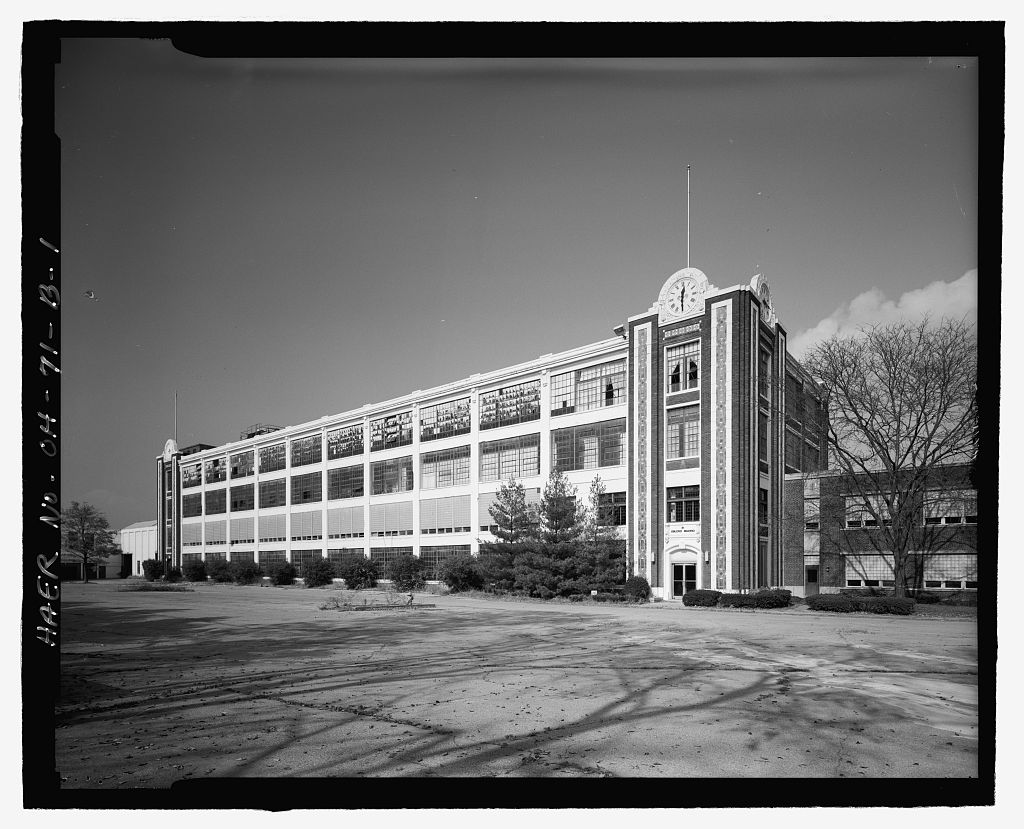
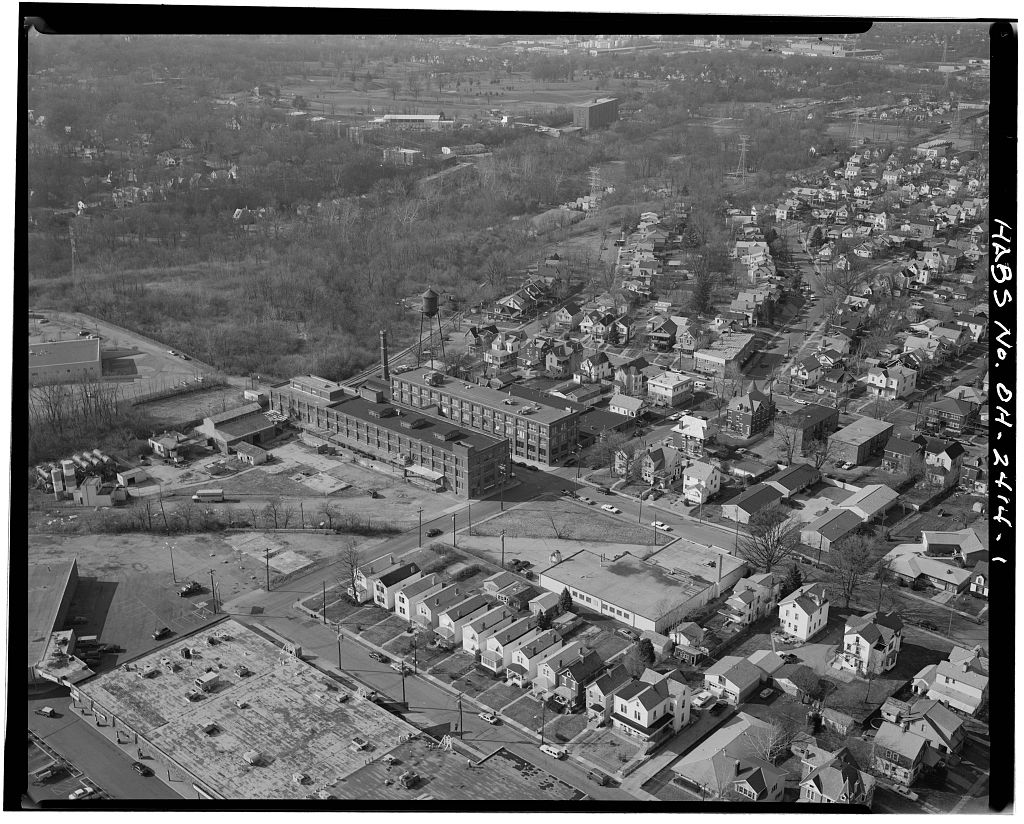
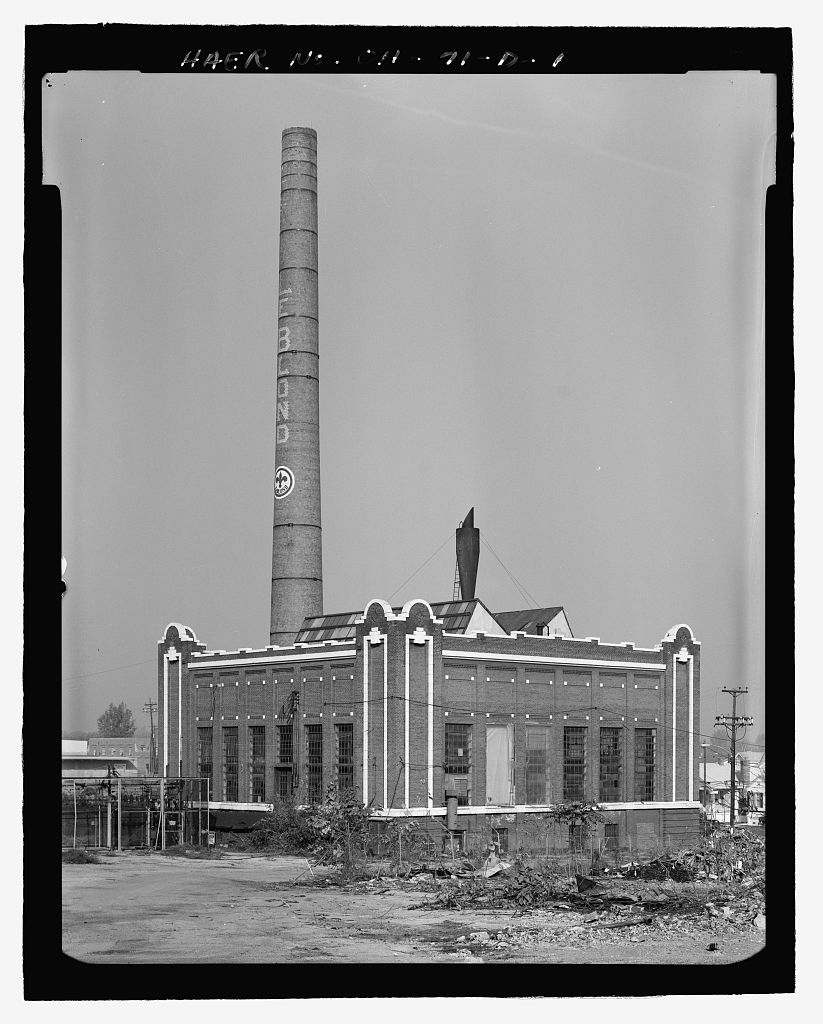
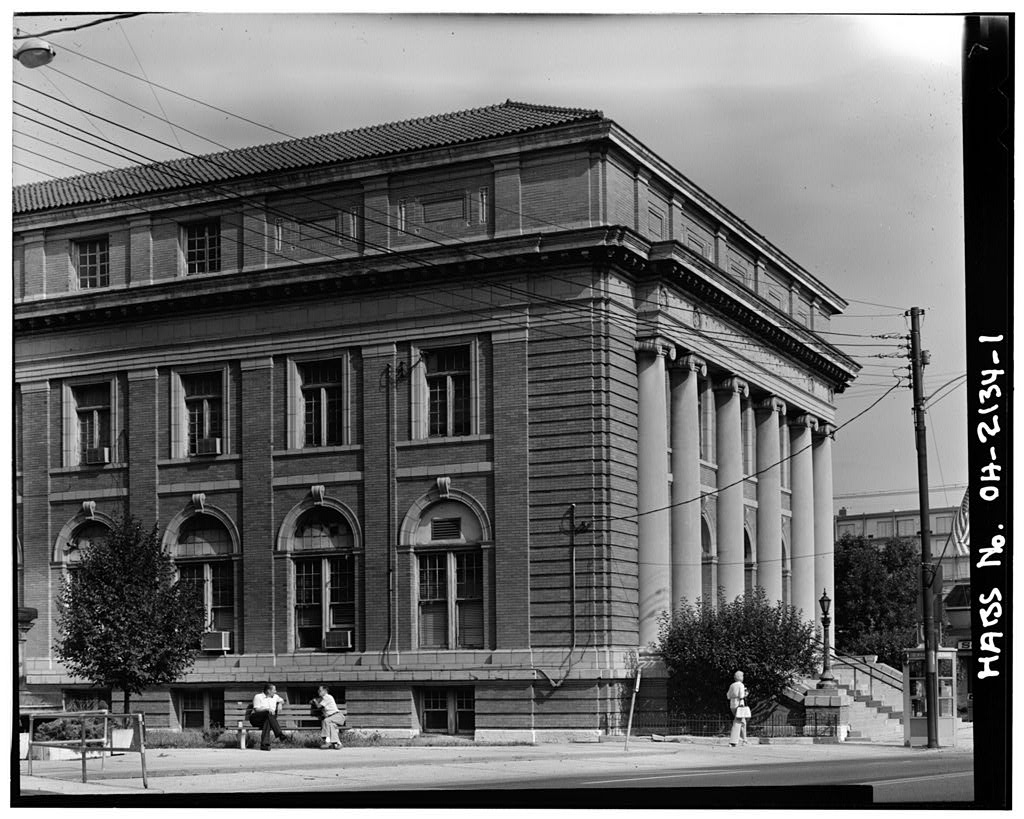
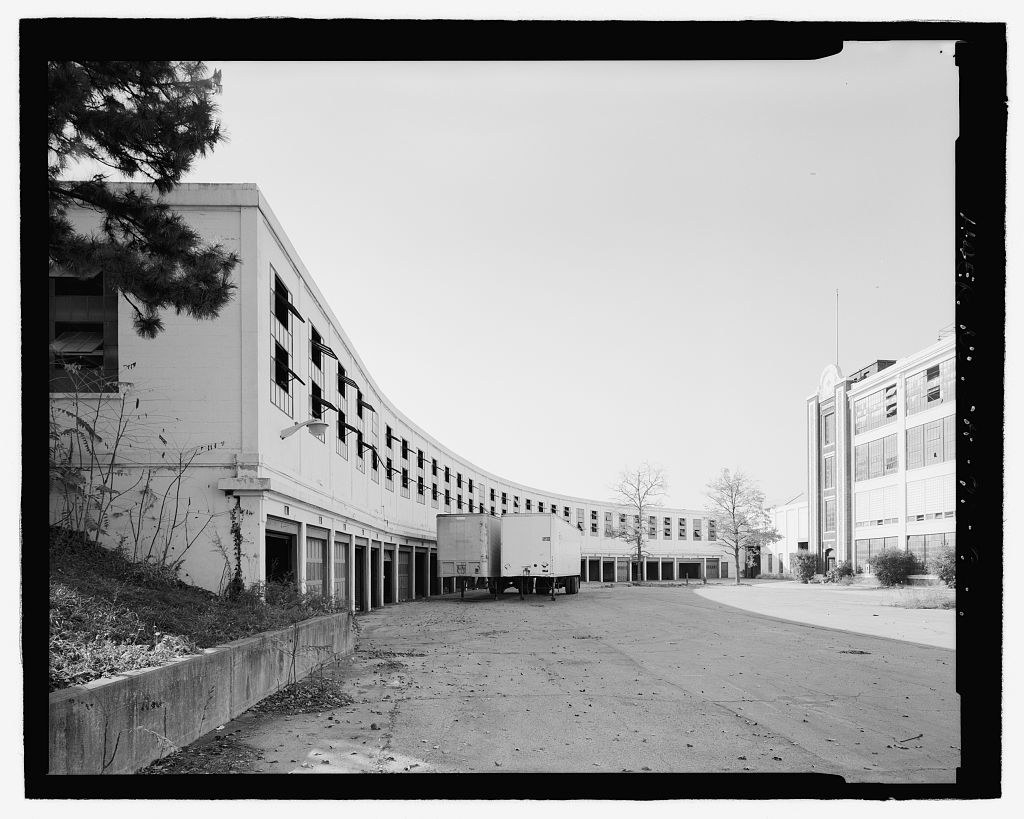
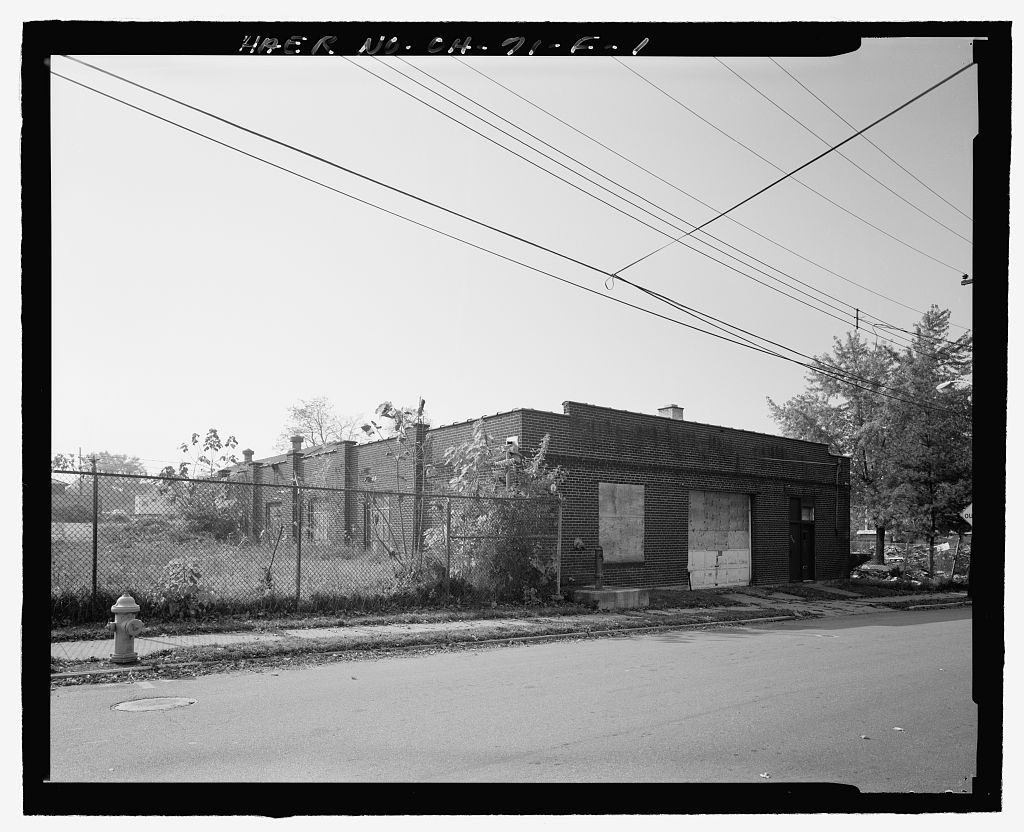
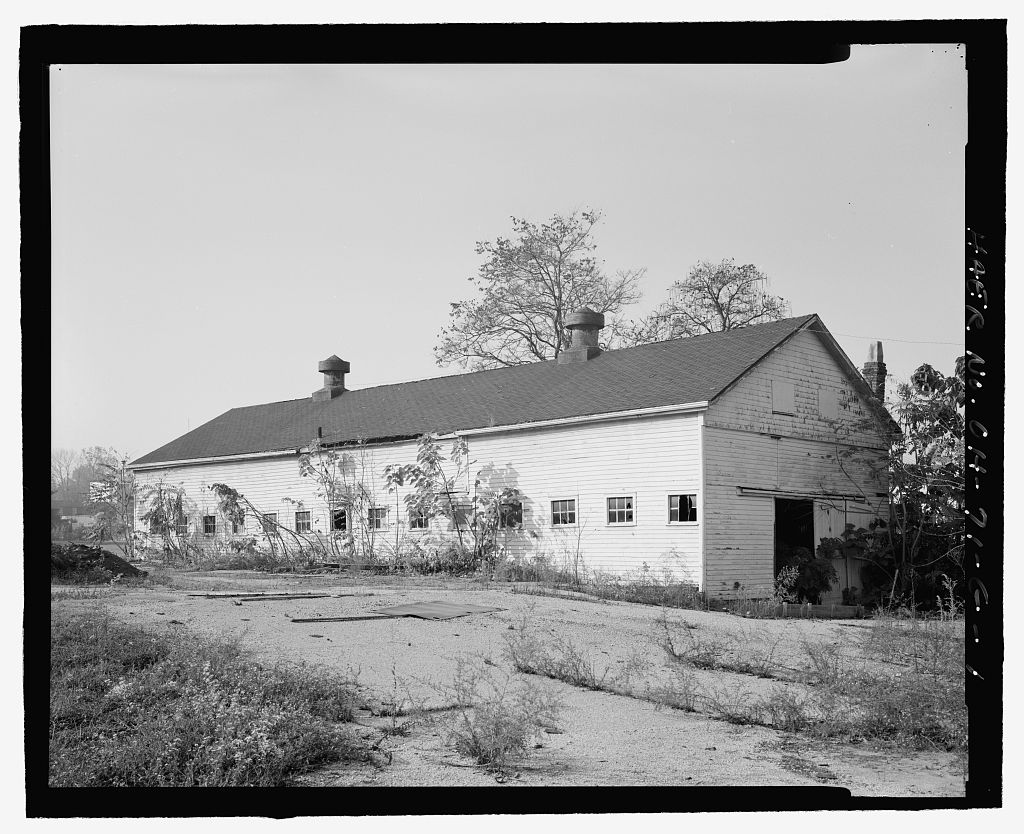
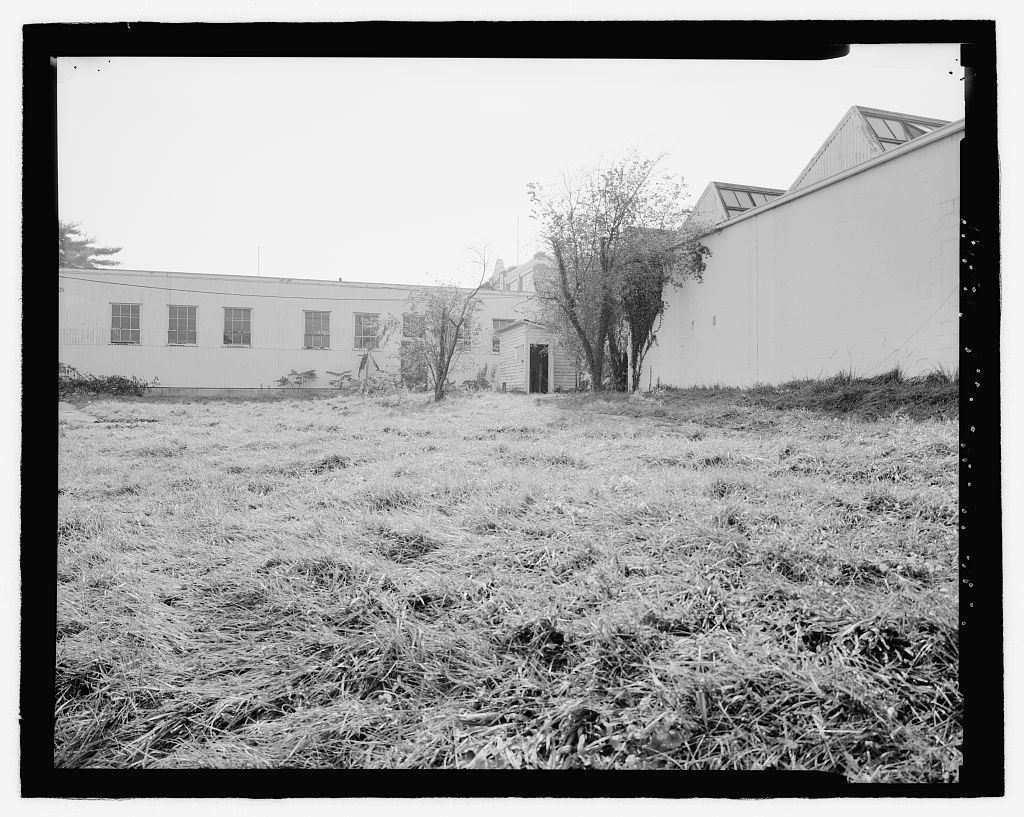
This document was undertaken from October through December, in accordance with the Memorandum of Agreement dated between the City of Norwood, OH, the Ohio SHPO and the Advisory Council on Historic R. K. Le Blond Machine Tool Company: Production Building HAER No. OH-71-A (Page 2) Preservation as a mitigative measure in connection with partial demolition of the plant. Richard Rauh, AIA Architect, principal Richard Rauh & Associates/Architects Piedmont Road, NE Atlanta, GA R. K. Le Blond Machine Tool Company: Production Building HAER No. OH-71-A (Page 3) The production building as originally constructed in measured 730 feet long by 360 feet wide and contained one long span high roofed bay of 700 feet by 100 feet by 25 feet high.
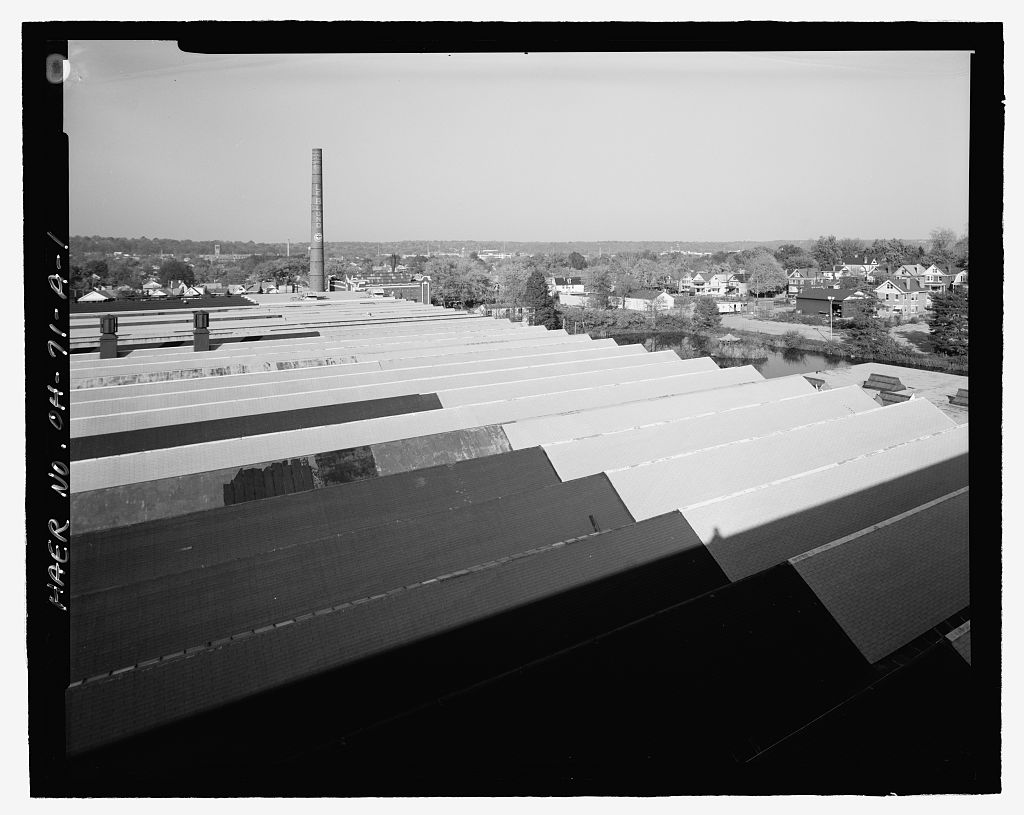
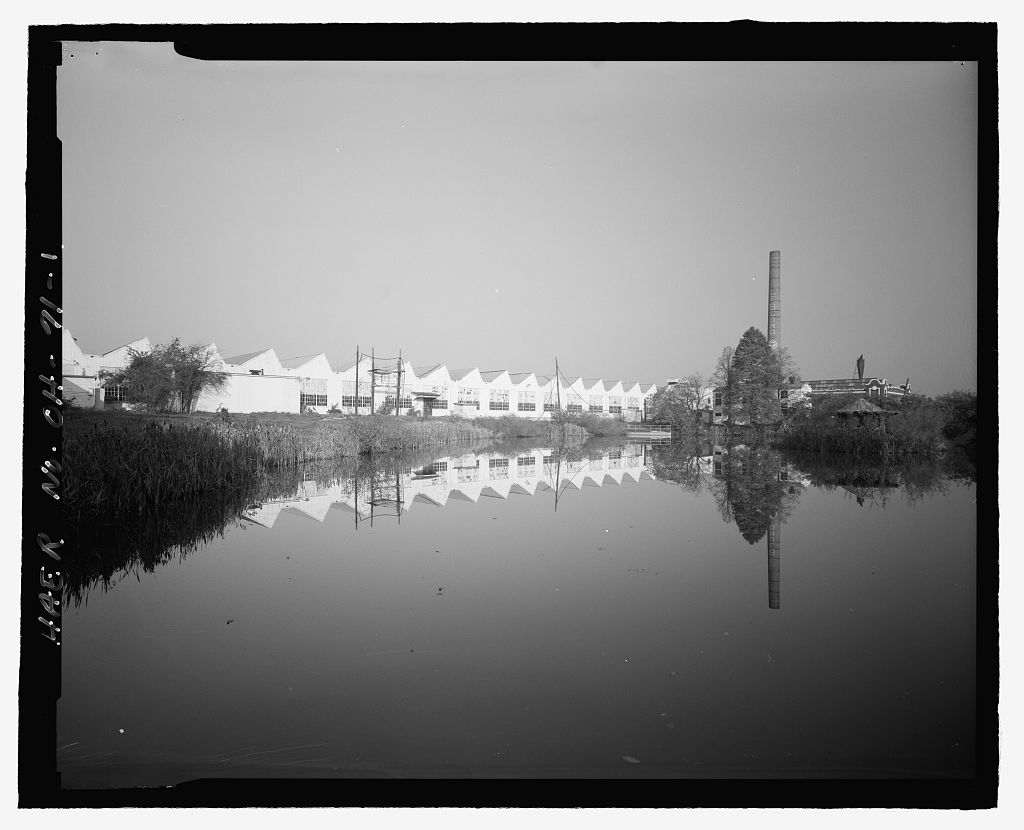
The riveted steel structure is based on a grid of 20 X 25 feet and supports a 30 degree/60 degree sawtoothed roof structure which rises ten feet above the column tops with the short north- facing slope glazed with wire glass. The clear internal height of the low bays of the manufacturing building is 13 feet 6 inches. The floor of the building is principally wooden paving blocks. The roof deck is constructed of gypsum blocks set into a framework of steel angles. In a large expansion of the production building was completed adding a section 520 feet X 100 feet to the east side, matching the structure and skylight pattern of the original. This wing, however, employed corrugated steel decking for its roof.
At the same ~ime an appendage was added to the north end of the high bay for shot blast casting cleaning. An expanded locker room area was constructed to the east of the bay in After the war, the plant facility retained this configuration until when, to meet the needs for assembly space for numerically controlled equipment a tall space was enclosed at the northeast corner of the production building. originally the sloping roofs of the production building were roofed with built-up bituminous roofing felts. In later years, and at present, these roofs are covered with composition asphalt shingles, some black in color, others light grey.
operations within the production building were set up in general to bring raw materials in from storage areas on the north (back) side of the plant, machine the parts in the middle area, store them in the stock room at the ground floor of the four story administrative building, assemble the products in the south west corner high and low bays near the front, warehouse the completed products on the top floor of the four story building and then ship from the front, southwest corner. When this plant was first occupied in the late 'teens and early twenties the machines in the production building were driven by line-shafts. DC electric power from the power plant was supplied to turn motors which propelled a shaft down each bay at a constant speed.
Rotor-pulleys at varying diameters both at the shaft and at the individual machines were connected by a moving leather belt 6 - 8 inches wide. Slipping the belt between the different rotor sizes accomplished changes in the spindle speed of the machine. Line shaft driven machines typically had a range of 10 - 150 rpm with eight or nine speeds. R. K. Le Blond Machine Tool Company: Production Building HAER No. OH-71-A (Page 4) Because of the metal to metal contact and the relatively slow spindle speeds the hand work at the machines required as much muscle control as precision and generated considerable heat, sparks and metal chips. Safety glasses were unknown (the last thing a machinist wanted near his eyes was glass) and eye injuries were always a danger of line shaft work.
Injuries related to the line shaft itself or the moving belts were very rarely reported. The hubs, pulleys and parts for the line shaft were manufactured by Le Blond for its own use. Line shaft design had been developed over many years and standard design features were incorporated into the system. Hubs or pulleys, for example, were formed with a slight "crown" in their profile in order to prevent the leather belt from slipping laterally. Lubrication of the system was highly evolved in design and ritualized in its maintenance. Babbit bearings (lead) were employed on the shafts, each with a wick and reservoir for lubrication.
During off-shift times maintenance carts with a multitude of specialized oils and lubricants on board would pass down the aisles and service the various moving parts in the line-shaft system. The line-shaft drive system was eventually superceded by machines driven by individual electric motors. By the only remaining line-shaft machine in the plant was a lathe in the pattern shop on the 3rd floor of the front office building. The floor area of the production building was not fully utilized until the onset of World War II. During the war years the plant was filled with machines and equipment and after the war the work force reduced in size but the production area remained in its fully equipped state.
It is the nature of machine tool operations that equipment may stand idle for long periods of time. The machines are specialized for particular functions and called into service when needed, and then sometimes for only a short time. The plant retained its complement of WWII machines for several decades until when it was acquired by Makino; much of its old inventory of machine tools was auctioned off in In early the plant was virtually empty, except for the high-bay area. The production building was fully skylit with north facing monitors. Originally the production areas had no artificial lighting. The extra shift demands of World War II brought the installation of incandescent lights, which like all other electrical systems in the plant were DC powered.
The sawtooth skylight roof system created constant, on-going problems with roof leaks throughout its life. A staff of 30 to 40 men worked R. K. Le Blond Machine Tool Company: Production Building HAER No. OH-71-A (Page 5} all summer long every year to try to stay ahead of the maintenance problems the roof suffered. The huge roof system was not insulated and frigid Ohio winters were never fully repelled by the building. Each winter the internal downspouts routinely froze and burst in the space requiring on the spot repair. Heat was provided to the production areas by steam pipes every three to four bays which ran to a space heater or radiator. The steam was 11 free 11 since it was exhaust (low pressure} steam from the powerhouse's DC generators.
During the cold months the low temperature during off-shift hours could cause delays in loosening up stiff equipment at the start of the workday. Typically after a winter weekend re-heating would start at midnight before Monday in order to get the 11 chill off the iron" in the production building. In summer, the skylights were opened for ventilation. The production area in its entire history was never air conditioned. When ventilation was desired a full bay of linear skylights was opened at once by a chain pulley system designed for this purpose. Typically at seven am.every workday a laborer assigned to each department would perform this task. Employees were expected to supply their own common use tools which were kept in a lockable workbench overnight.
Tools such as wrenches could be elaborate and expensive. It was not uncommon for machinist's tools to be passed on from father to son or for family or individual names to be engraved on the tools. Elaborate or special tools were supplied by the company; tradition established the distinction between employee and company responsibility in this area. Company tools were checked out of the tool crib in the center of the production building and each borrower utilized a brass tag with his timeclock number to do so. Considerable ceremony and ritual was associated with ownership of tools and this was evident whenever an employee retired, was dismissed or for some other reason removed his tools from the shop in the presence of his peers.
Because most of the equipment and machinery was made of steel, iron and other ferrous metal,maintenance against rust was a never ending activity for the company as well as the individual. Every week, the last one-half hour of the last workday (Saturday) was dedicated to "making the machine pretty 11 The machine was wiped thoroughly with rags. A solvent was placed on all machined surfaces. Then the machine was thoroughly oiled. During this weekly ritual of preventive maintenance the oil truck with its one hundred varieties of oil would make the rounds of the shop. Likewise the manufactured parts themselves were R. K. Le Blond Machine Tool Company: Production Building HAER No. OH-71-A (Page 6) subject to rust almost immediately upon fabrication.
Similar rituals of protection were employed with these steel parts. The operator was responsible for preparation for storage of the parts he made. Grease obtained from the tool crib was the method used, and the obligation to protect ran to the last person to handle the part. Final responsibility rested with the stockroom itself, since it was accountable for every part it accepted. The use of petroleum products of all descriptions was taken for granted in the machine tool industry and was unavoidable. For example, reconditioning of crankshaft lathes returned after ten years on a Detroit automobile line required powerful solvents, naphtha and other highly volatile hydrocarbons for cleaning. In the early days the fumes were not contained.
Some of these petroleum products were re-claimed, such as at the chip chute where metal shavings were centrifuged for oil prior to being sold as scrap. A great amount of what is now regarded as hazardous waste however, must have found its way into the ground and/or storm and sanitary systems. Machine tool work in the first half of this century was characteristically oily, greasy work. The ability to stay clean and productive was a mark of professionalism. The tool r9om, located in the middle of the east side of the production building was the company's own machine shop. In this department one of each type of machine tool in the plant was kept as a "shop within a shop". It was in this area that special jigs, tools, etc. were made for the company's use.
Even today, in its new modern plant, Le Blond Makino maintains such a shop for special operations not easily executed on the high tech equipment. Next to the tool room appropriately, was the company's training school out of which it ran its apprentice program. An important functional area of the production building was the heat treating department. Because certain parts on machine tools must be harder or tougher than the parts they cut (but must first ba cut themselves when they are fabricated) a method for hardening these parts was necessary. The process by which steel was case hardened to create the tough outside finish over the steel core to increase durability and wear of such parts as large gears, and lathe beds was heat treating.
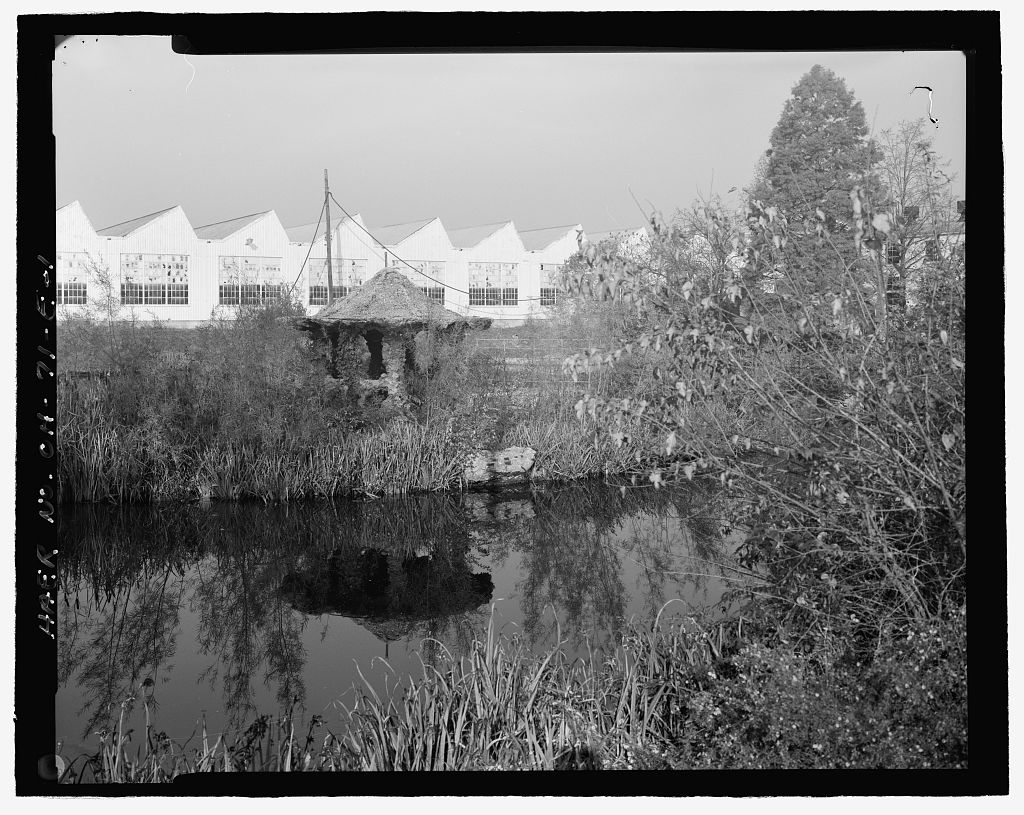
In this process machined parts were subjected to high furnace temperatures in atmospheres that were sometimes not air but acetylene, then plunged rapidly in various quenches of oil or water. This process was also used to straighten case-hardened rods. Originally the water for the heat treating operation was drawn from domestic piping. During the Second World War however, pumps R. K. Le Blond Machine Tool Company: Production Building HAER No. OH-71-A (Page 7) were constructed to draw water from the company's pond for this purpose. Later in the company's history this work was subcontracted to others. Movement of parts and raw materials within the production area was accomplished by electric trucks or lifts.
These vehicles were recharged in a maintenance area in the middle of the north edge of the production area, an area where raw materials were stored and received. The traffic (shipping) and assembly departments were arranged in the southwest corner of the building in the high bay near the freight elevator to the fourth floor and the truck doors. Shipments by rail gradually tapered off during the 1 s and became exclusively truck transport. This became a major source of complaints for management since the design of the building could never accommodate the efficient shipping of their product by truck. One traditional activity that persisted even into later days was the process of "scraping". Scraping was one of the final finishing touches made to a piece of equipment such as a lathe bed.
Metal to metal contact with shearing movement produced a need for absolute flatness and for lubrication of the parts. At final assembly the hand work of scraping for flatness was carried out using a granite table and red lead to mark high spots. After scraping, the traditional 11 spotting 11 pattern was applied to the cross slide, consisting of swirling strokes on the flat surface that provided minute indentations for oil to hold to the surface. This final touch signified completion of the master craftsman's work. R. K. Le Blond Machine Tool Company: Production Building HAER No. OH-71-A (Page 8) Bibliography/Data Sources Le Blond, Charles, Assistant Treasurer of Le Blond Makino Machine Tool Company.
Interviews with author at offices of Le Blond Makino, Mason, Ohio, October - December Le Blond Makino Machine Tool Company. Le Blond Makino Machine Tool Company. Various drafts of unpublished typewritten historical synopses of company. Cincinnati, Ohio, Le Blond Makino Machine Tool Company. Corporate Archives, located at Innovation Way, Mason, Ohio R. K. Le Blond Machine Tool Company. 11 Activities and Contributions of the R. K. Le Blond Machine Tool Company, Cincinnati, Ohio, During World War II. 11 Unpublished typescript, Cincinnati, Ohio, c. . RAILROAD SPUR ttl ::ti :i:,, 11 t:r::I 0 ::ti 0, ~ :z: (1 0 rt t" CD 0 0 tJ:I I-' I tJ:I 0 ....i ::, 0, I I-' :i:,, 0, 3: llJ .-. ::, (1 ttl lQ llJ lQ ::, CD CD IO 1-3 0 I 0 I-' - - - 4 .. - I : . .
: o I ("} I "\ I 0 \,SERVI' a (_ 'tl llJ DWAIU>~ _ , ~ SKETCH PLAN NO. LB~ / ~/TE. OVE/l.V/E.W OF tONPLeX R K LeBlond Machine Tool Company, Norwood, Ohio 0 HAER No. OH - 7/-A [I] Recorded by: Richard Rauh & Associates/Architects Atlanta, GA 0 20 60 100 Electrical Prototype Parts Development Chip Chute Sheet Metal Storage o Large Machines Receiving l I I I I I I I l ''' Large Lathe Traf ic(Shipping) Assembly Heavy Duty Lathes Bed Planning C ,I cco1cccc,c C C C C C 4 I Elevator Scraping Granite Boring Milla & ~g Small 0 0 I.C~n Tables Radial Drills . . .Planning b ~ C .0 0 'a . 0 0 'G D J 1~ 0 0 0 . :5. . j ... 1 Parts Storage Measurement & , Heat Tool. Gear (stock Room) . . Automatic Outside Inspection Treating Crib Cutting 0 0 0 Cl) a ~ Offices Milling Lathes I Steel Storage :I!
:::ti :i:, t; ~', . . . . . . I tx:I 0 :::ti o~ ', ',, Raw Sblel Storage ',, ',, & Cut oU zn .', ,, ' ' 0 rt t"1 . . ro D ..' ',, ' Nu.meri, 0 Training Tool Grinding Turret Engine ',, ',, Contr/,IJed 0 to School Room Lathes Lathes '._ ', Mach;I, :I! I-' ' ' 0 Ito 0 0 I-' . 0. 1[Jo 0 I Empl~yment D ::i,, 0. 3: . '1l Offi~e Power House () '11 IQ ::r Gufi3M w Employee (Q Entrance (I) (I) I-' t-3 0 0 0 I-' SKETCH PLAN NO. LB- ~ FUNC.T!ONAL A~eA'B ( Pf?OOLICT/ON /31./I ~ 0 R K LeBlond Machine Tool Company, Norwood, Ohio 0 a HAER No. Q J.1 _ 71 - A 'O w Recorded by: Richard Rauh & Associates/ Architects Atlanta, GA 80 '<! ADDENDUM TO: HAER OH-71-A R. K.
LEBLOND MACHINE TOOL COMPANY, PRODUCTION HAER OH-71-A BUILDING Madison Road Norwood Hamilton County Ohio FIELD RECORDS HISTORIC AMERICAN ENGINEERING RECORD National Park Service U.S. Department of the Interior C Street NW Washington, DC
 Block
Block