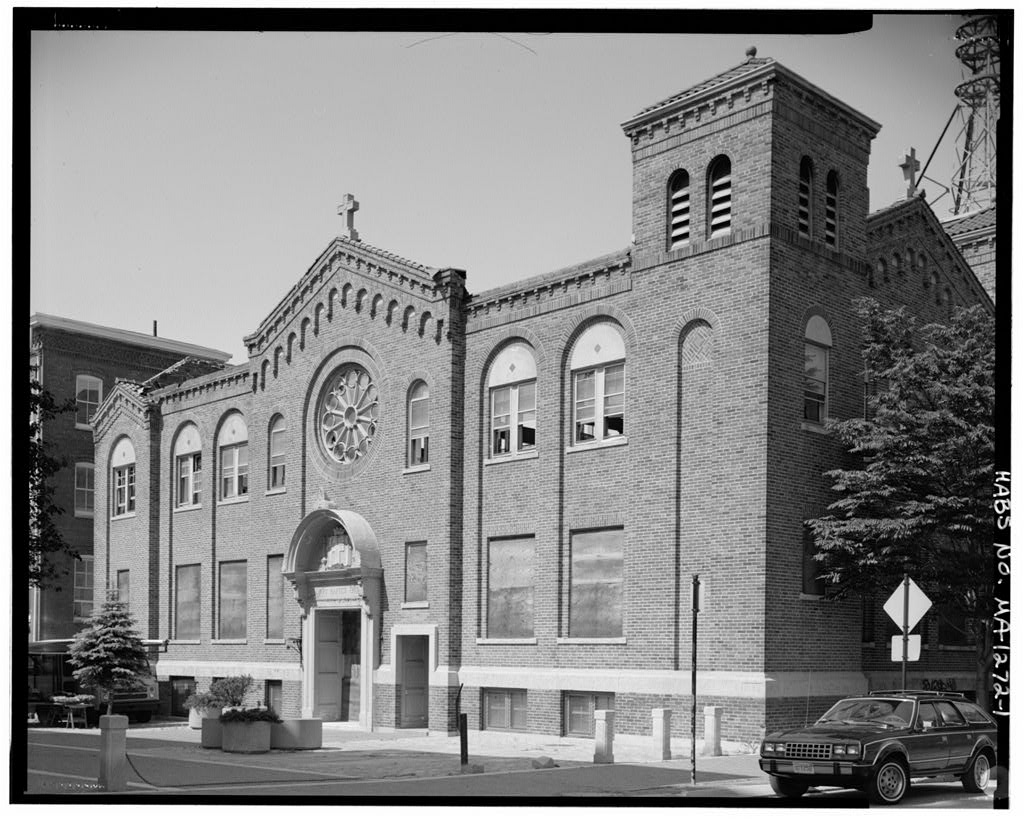
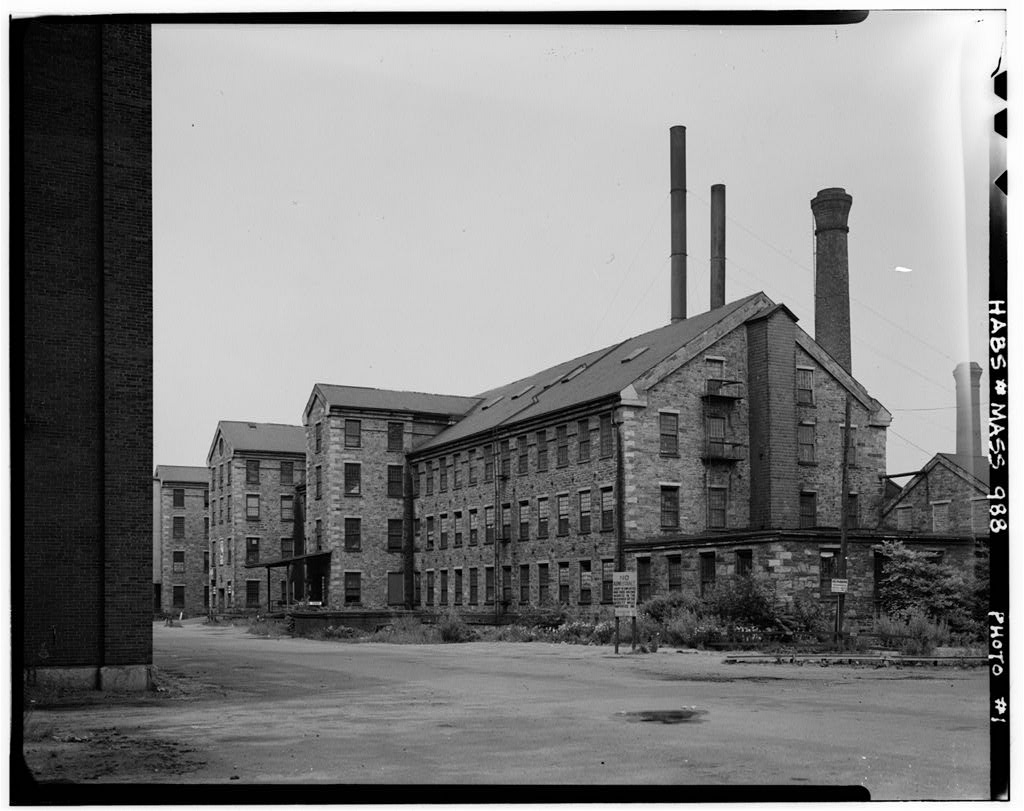
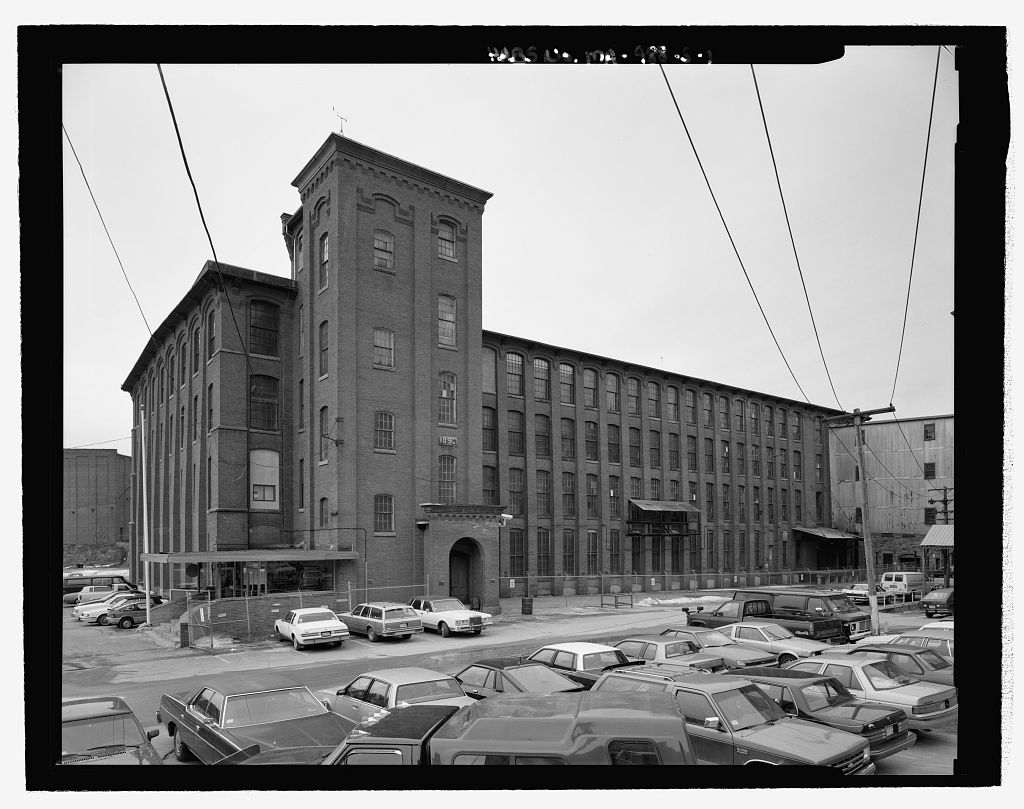
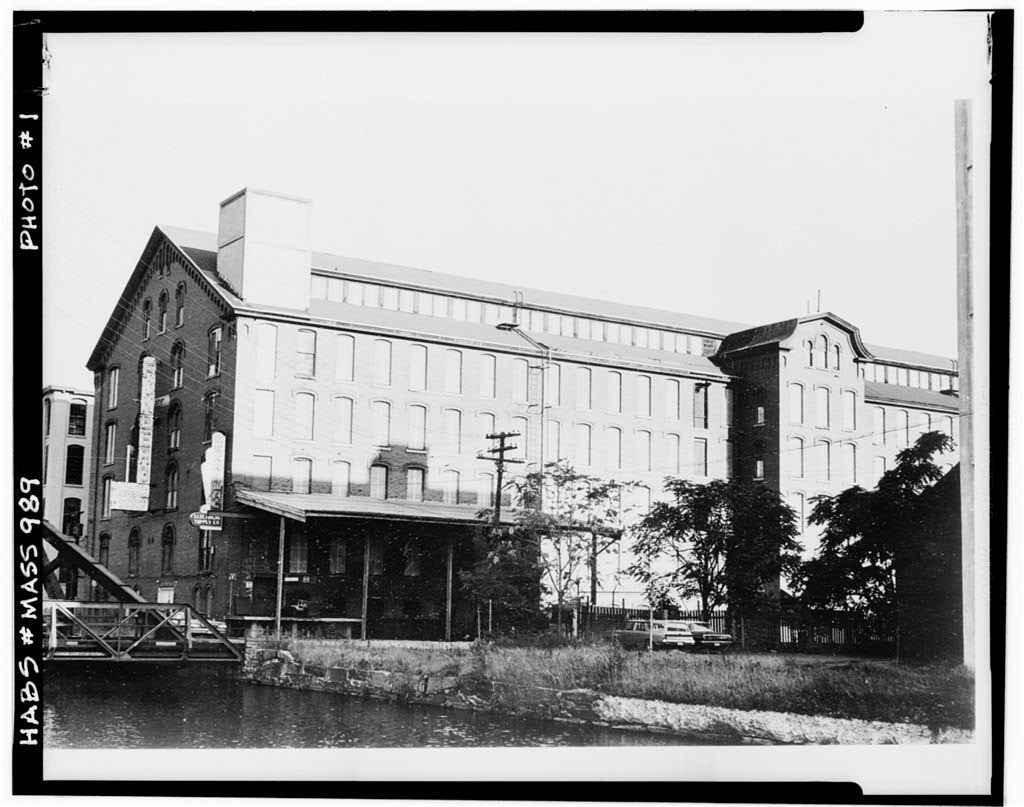
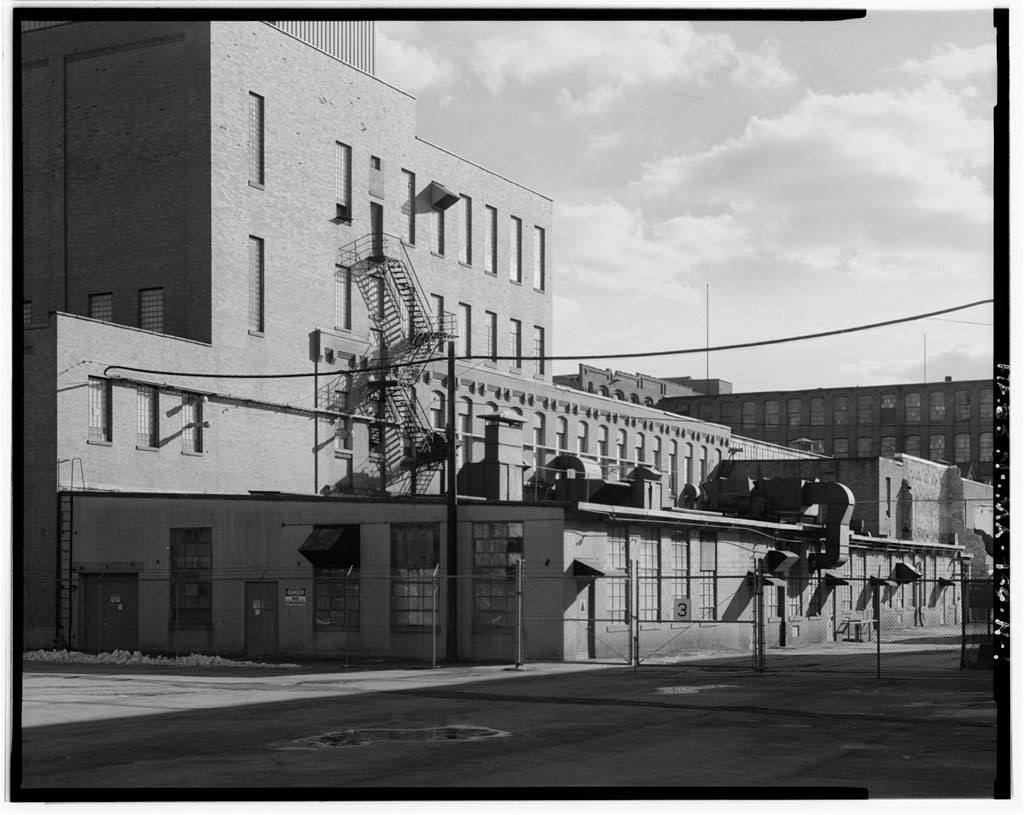
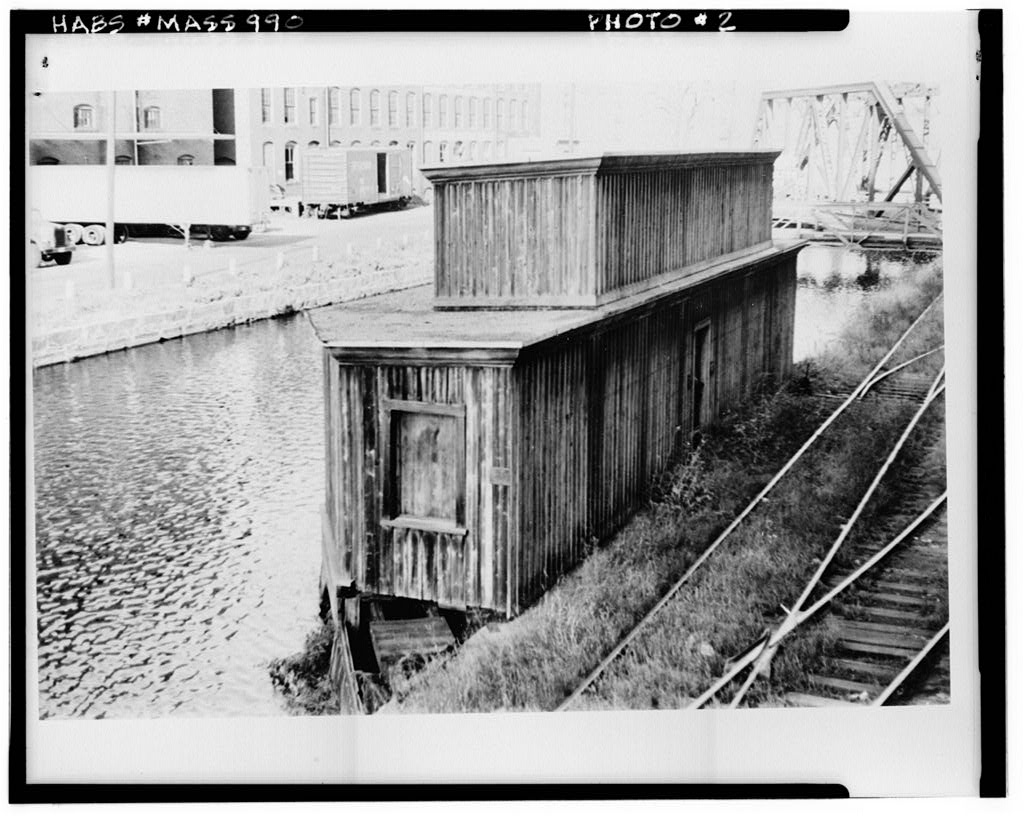
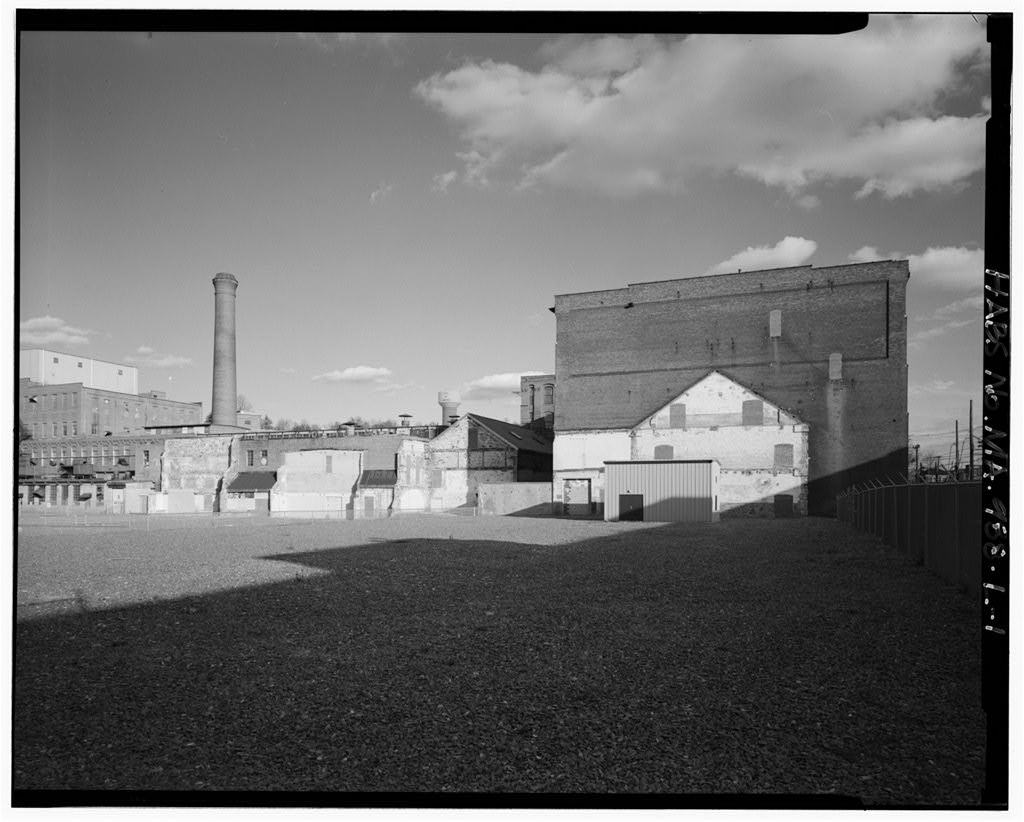
This documentation was initiated as a mitigation measure prior to the federally funded relocation of Canal Street and demolition of the remains of thepaper mill complex by the Massachusetts Highway Department. This documentation was prepared between February and October by: Lola Bennett, Historian McGinley Hart & Associates 77 North Washington Street Boston, Massachusetts Martin Stupich, Photographer * 25 Mayhew Street Dorchester, Massachusetts CHAMPION-INTERNATIONAL PAPER COMPANY, WILDER MILL (Russell Paper Company, Wilder Mill) HAERNo. MA-139-A (Page 2) Site Description The Wilder Mill (Mill No.
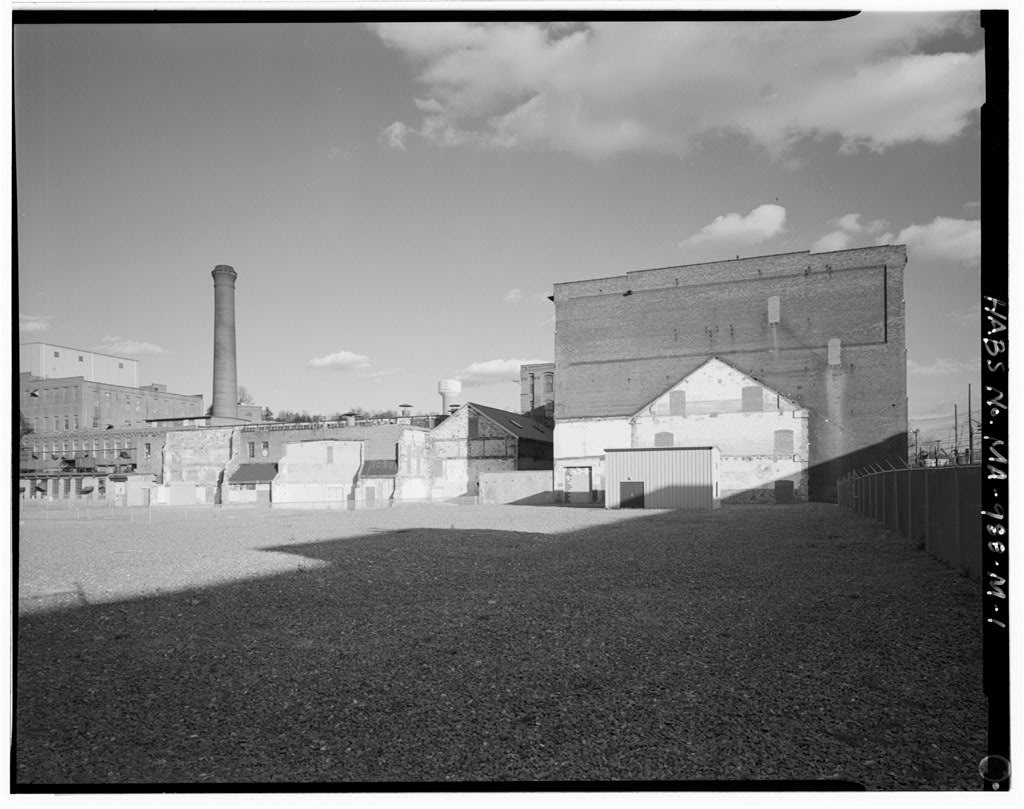
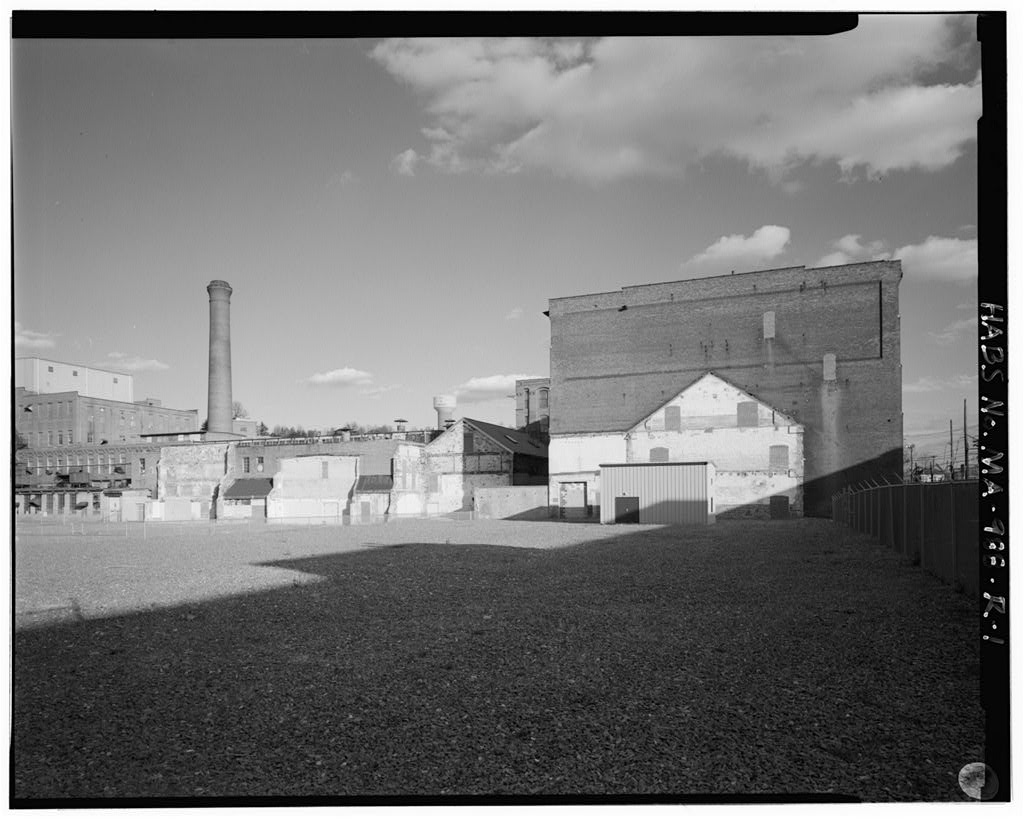
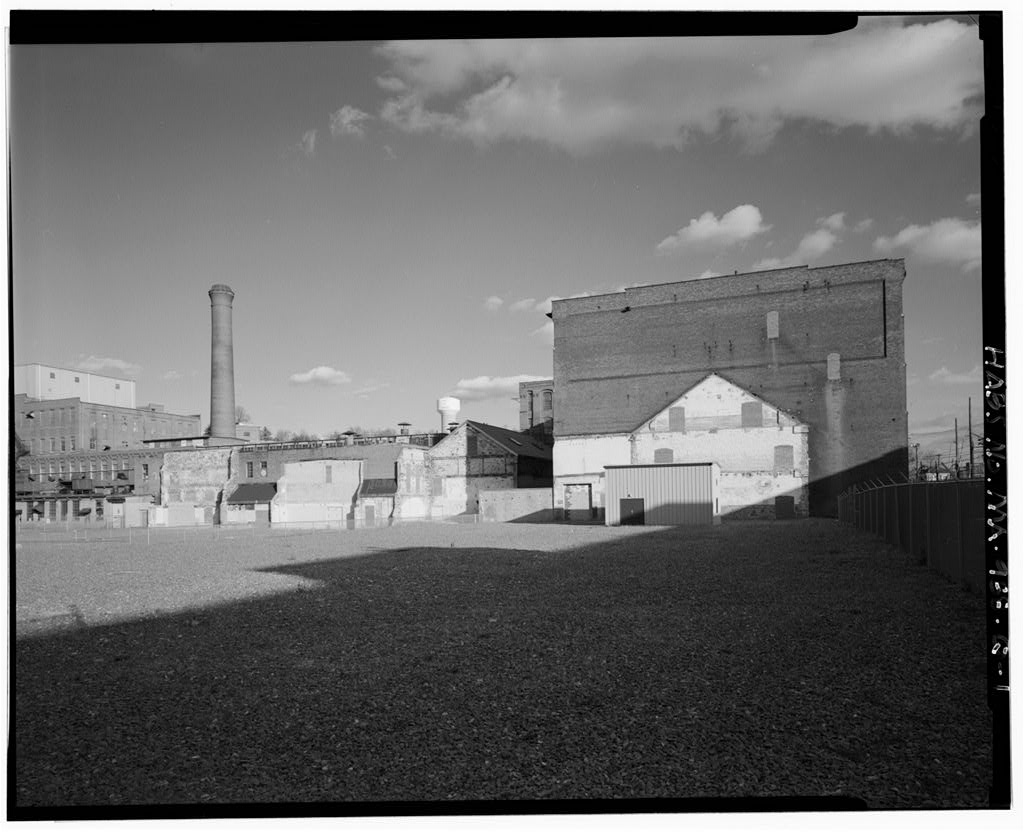
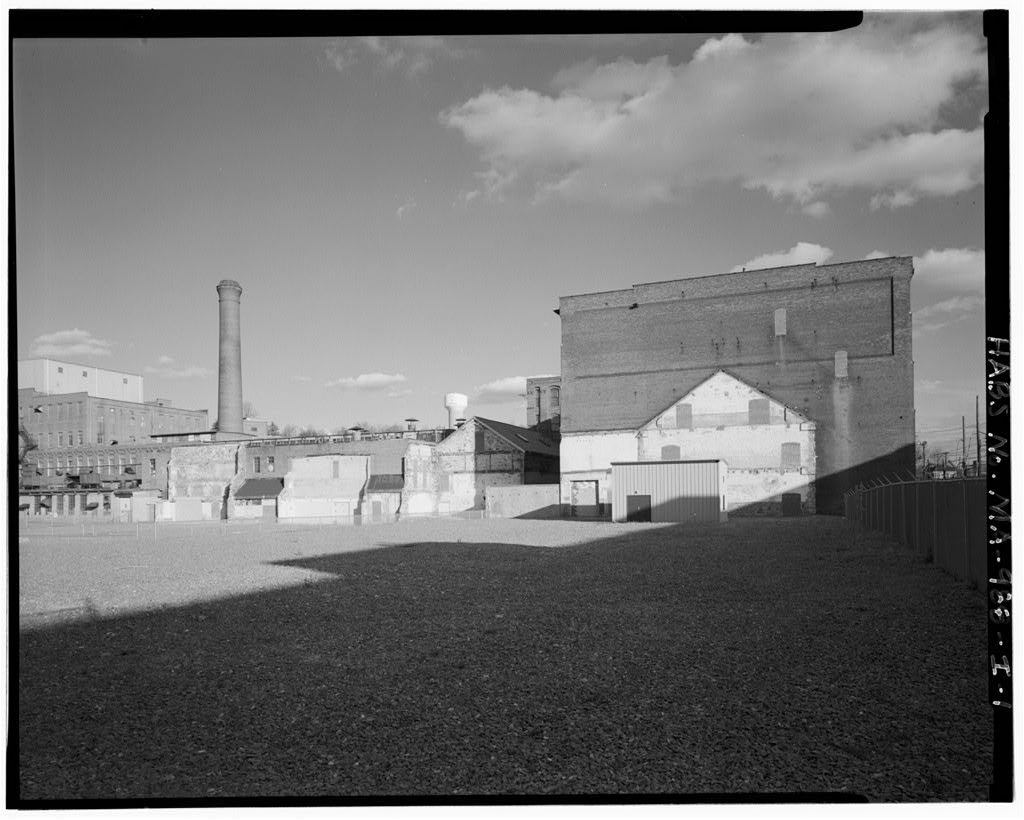
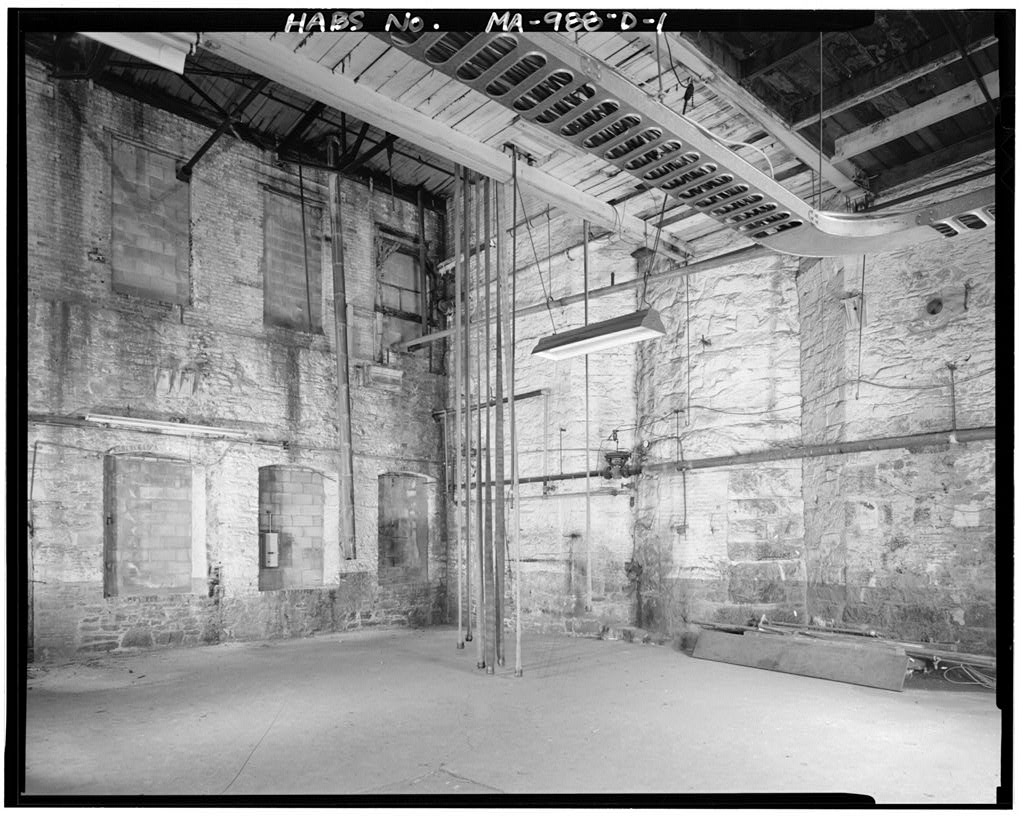
2), one of three surviving structures of the Champion-International Paper Company and its predecessors in Lawrence, Massachusetts is located in the southeast quadrant of a acre site bounded by Canal Street on the south, the Spicket River on the east, the recently demolished Everett Cotton Mills complex on the west, and Lawrence General Hospital parking lots on the north. It is part of what was a once-thriving mill complex that evolved over a period of 125 years. The site and buildings, now owned by the City of Lawrence, are considered contributing elements within the North Canal Historic District which was listed on the National Register of Historic Places in The Wilder Mill has sustained significant fire damage and all process machinery has been removed from the interior.
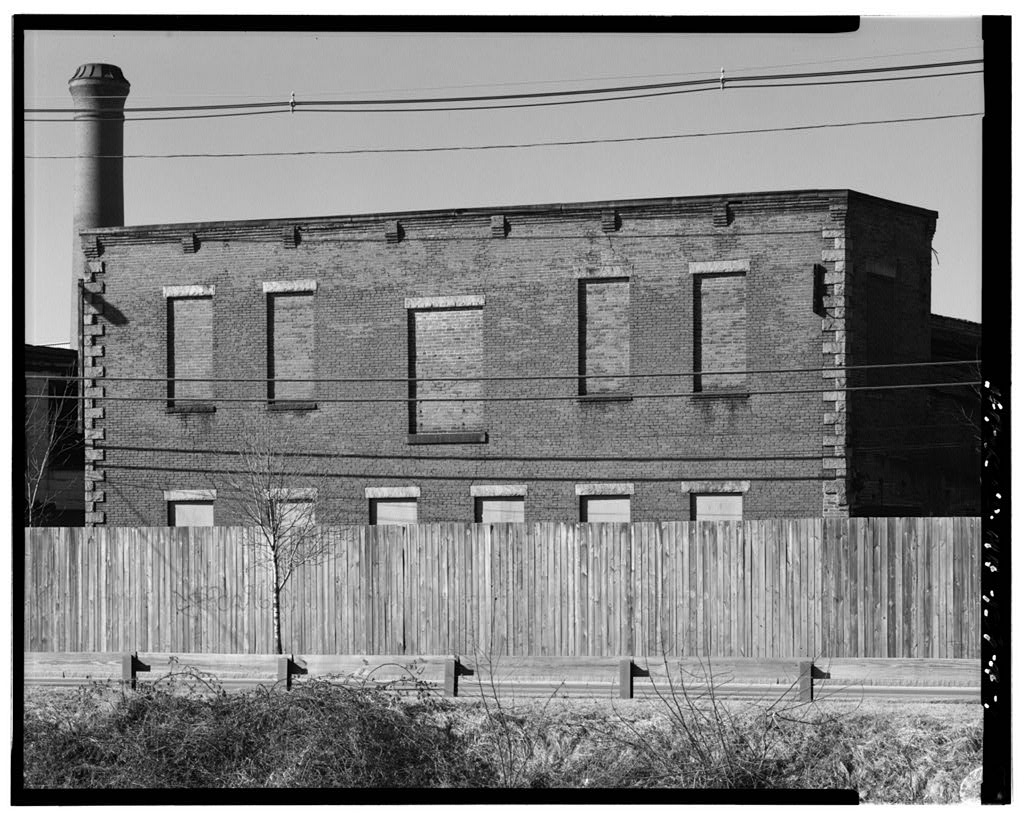
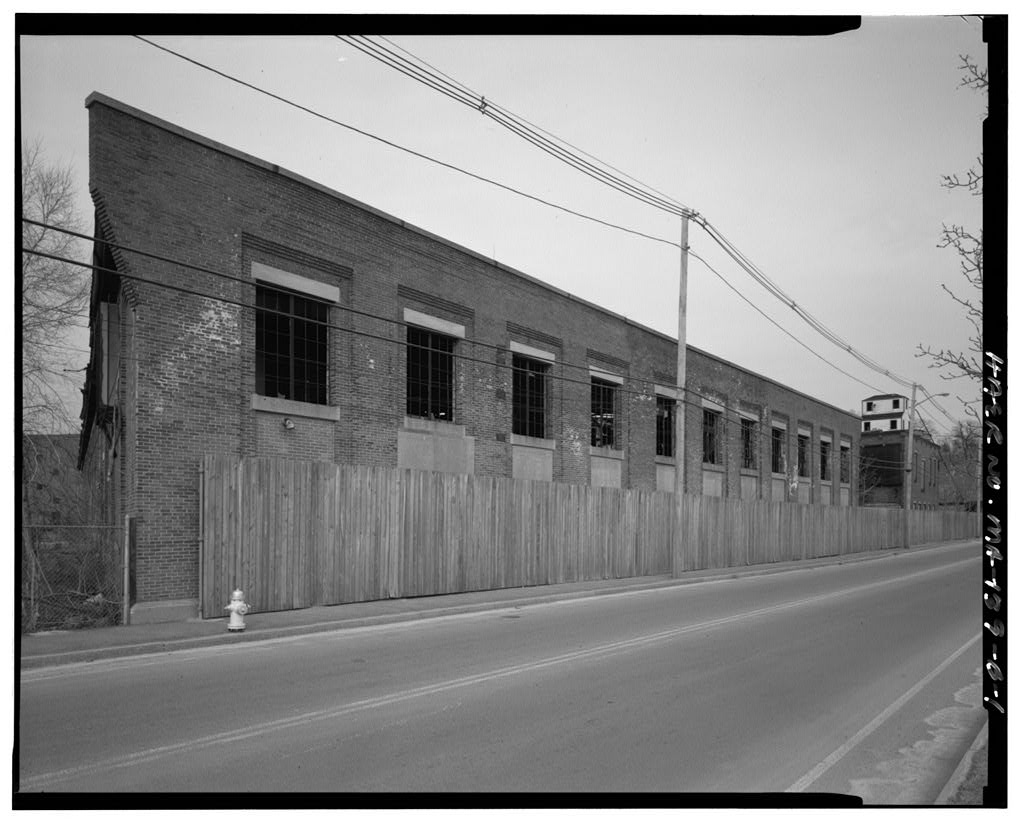
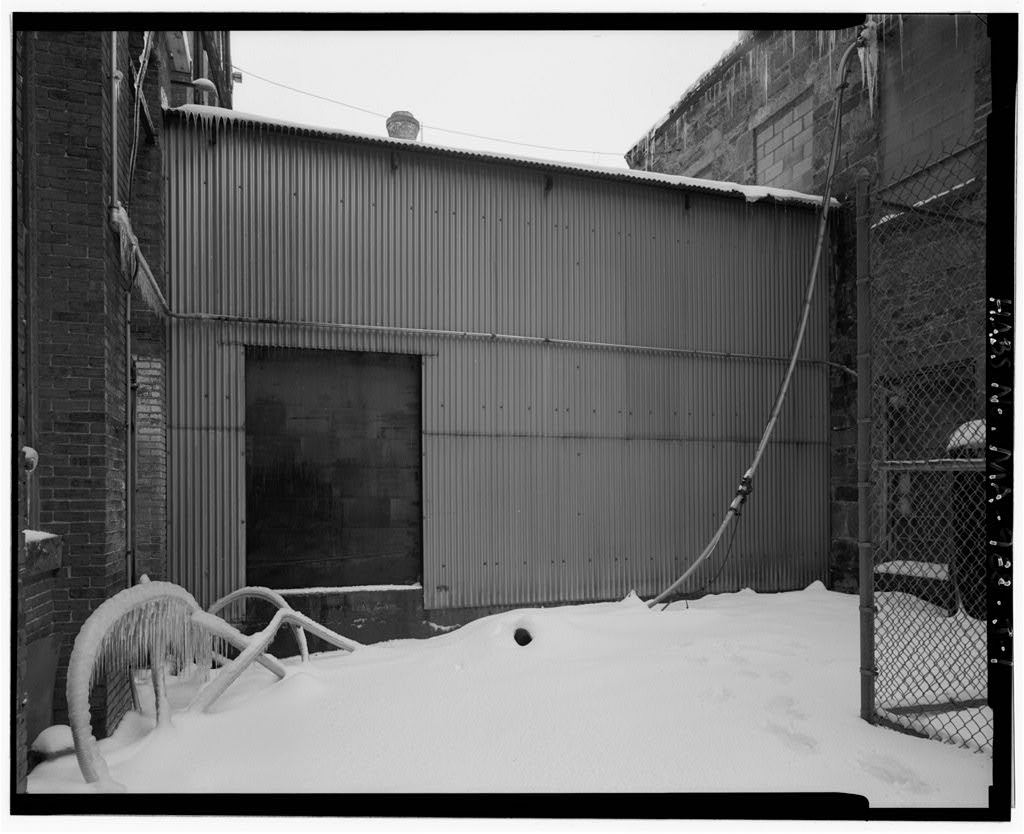
Portions of the buildings have collapsed and other areas are dangerously unstable. Because of the extensive structural damage and the presence of hazardous materials, the City of Lawrence has fenced the southern half of the former paper mill site to prevent access to the buildings, including the Wilder Mill. In addition, although an extensive search was conducted, no company records or building plans were found. Therefore, information was, of necessity, compiled from on-site observation from points outside the security fence and from secondary sources, including historic maps and photographs. Building Description The Wilder Mill, designated Mill No. 2 by the Champion-International Paper Company, is actually comprised of several attached brick structures: Building No.
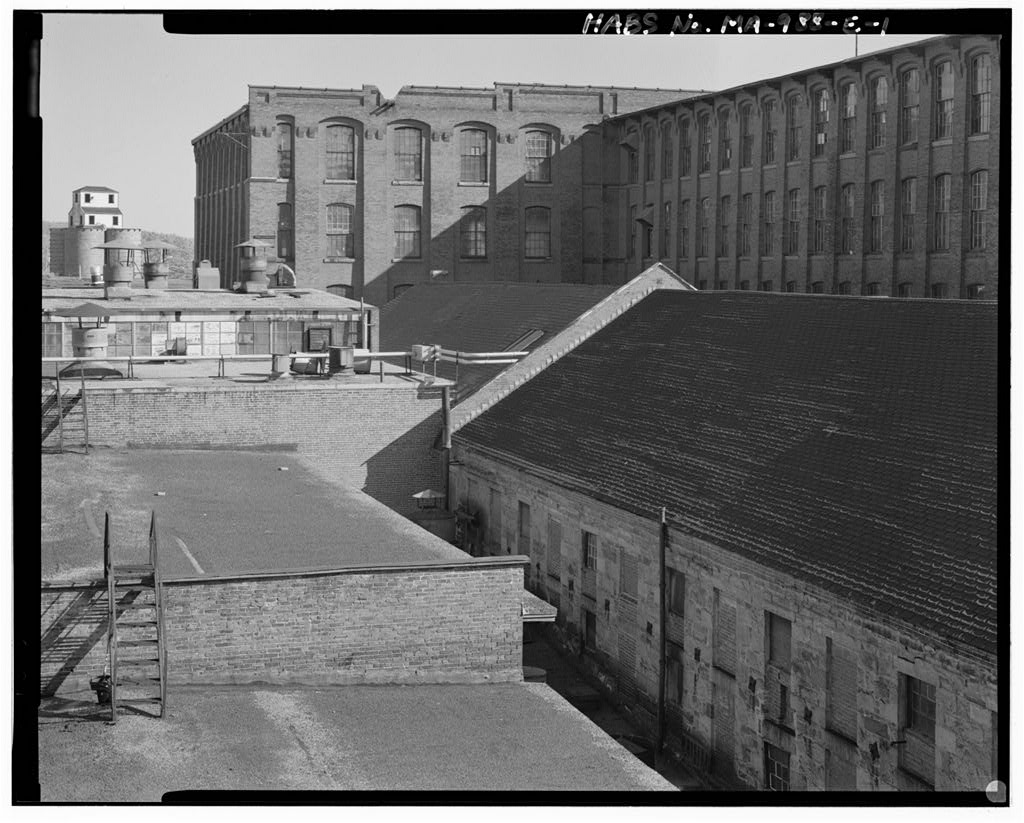
2 on the south and Building No. 6 on the north are the two main buildings, set perpendicular to one another. A smaller two-story brick structure, Building No. 4, is located at the southeast corner formed by the junction of the two larger structures. Both Building No. 2 and Building No. 6 have seen major alterations since they were constructed in by Salmon W. Wilder, proprietor of the Merrimac Paper Mills.l Building No. 2 was originally stories with a pitched roof gable end to Canal Street. Building No. 6, also stories, had a gambrel roof with a continuous row of dormers on each flank.
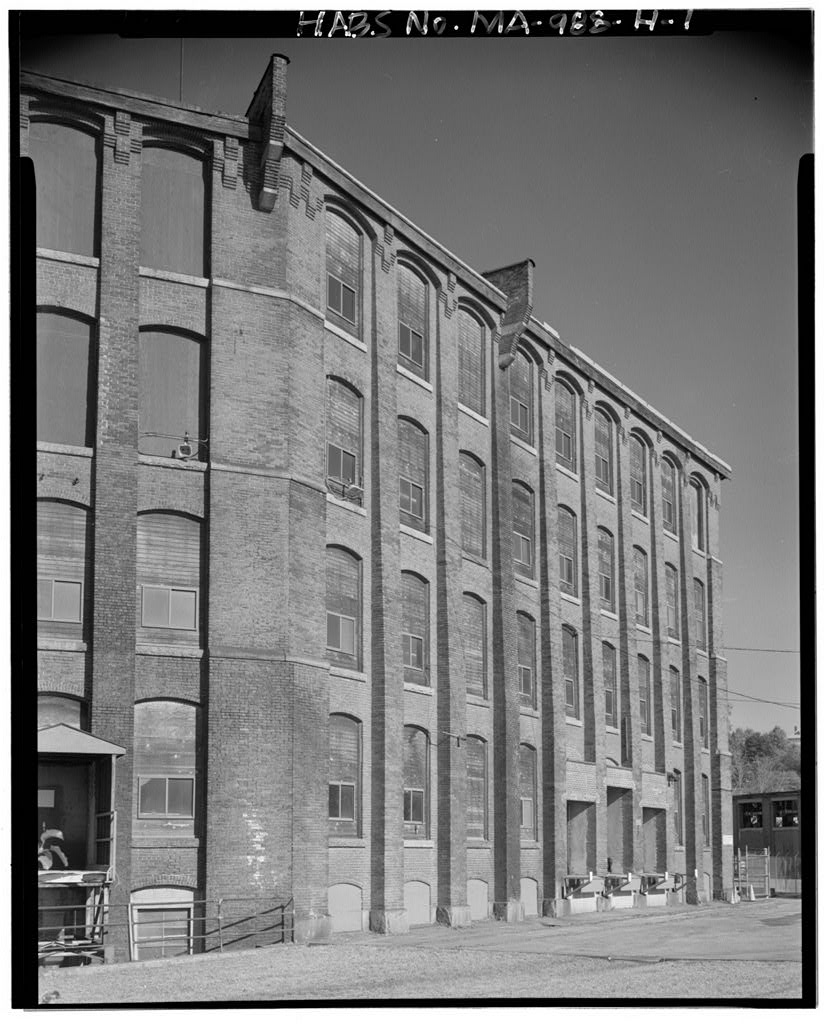
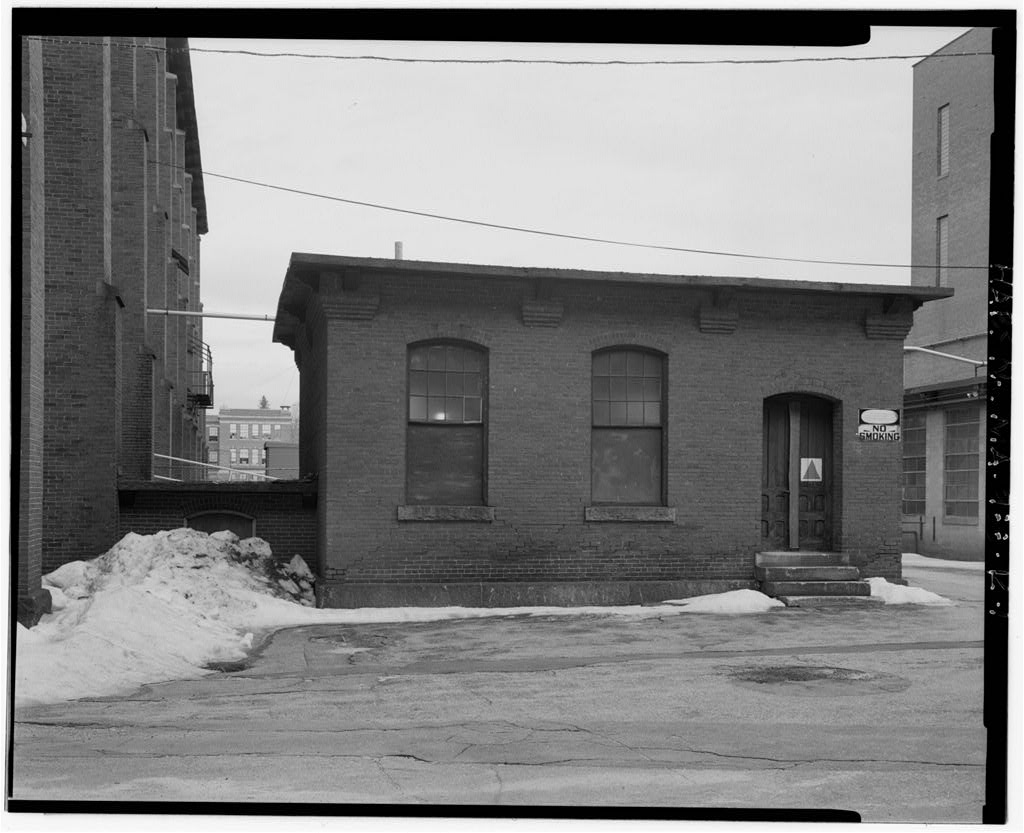
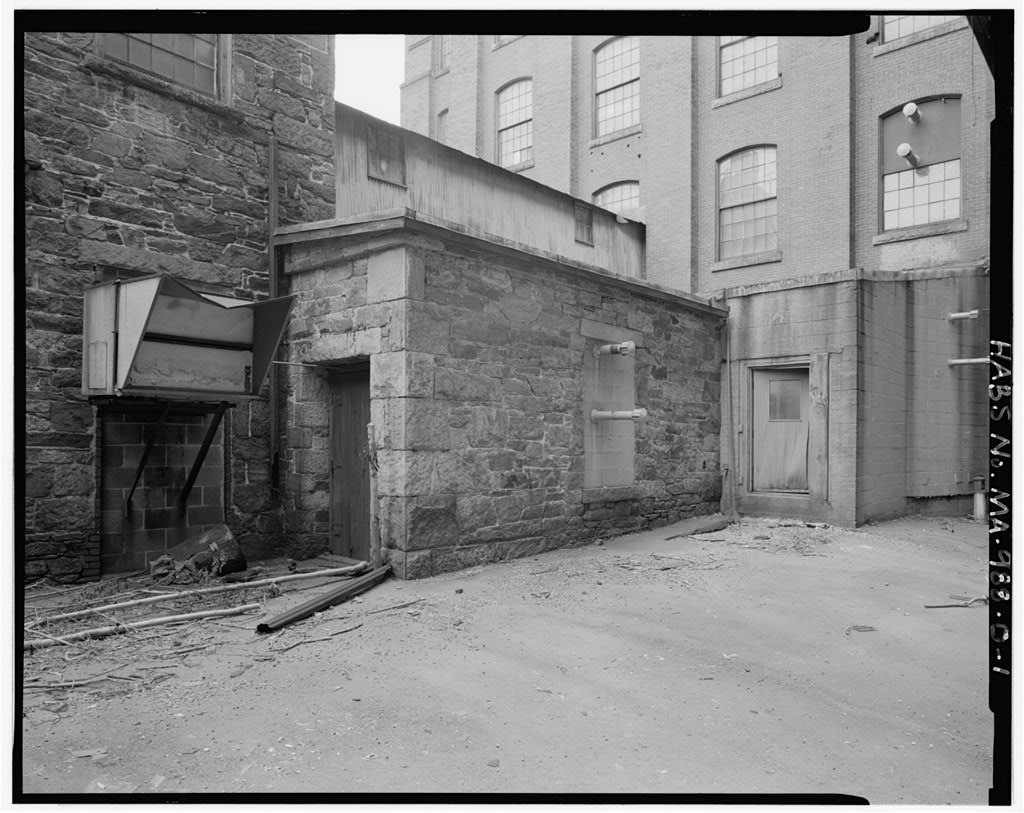
Architecturally, the small scale of the original portions of the two buildings and their narrow, wood-sashed windows with granite sills and lintels provide evidence of their relatively early date within the paper mill complex. In addition, the corners of Building No. 2 are defined by rusticated granite quoins. In a brick addition was constructed on the eastern end of Building No. 6. Labeled "Not Finished" on the Sanborn Map, the addition was in use by for the rotary bleacher. It has segmentally arched windows and an elaborate corbelled brick cornice beneath a 1 Wilder was listed at "foot of Canal" in Lawrence Directory. In later directories Wilder was listed as proprietor of Merrimack Paper Company, indicated on Beers's Map of Lawrence.
CHAMPION-INTERNATIONAL PAPER COMPANY, WILDER MILL (Russell Paper Company, Wilder Mill) HAERNo. MA-139-A (Page 3) shallow-pitched, almost flat, roof. Maps and atlases for and respectively, show that the addition was designated Building No. 5 by the Champion-International Company However, on later maps it was generally identified as part of Building No. 6. The original second story and attic of Building No. 2 were removed sometime after except for a one-bay deep segment of the second story which remains at the southern (Canal Street) end of the building.2 This second story segment is capped by a flat roof with a corbelled brick cornice. The remainder of Building No. 2 has a shallow gambrel roof with continuous skylights along both flanks.
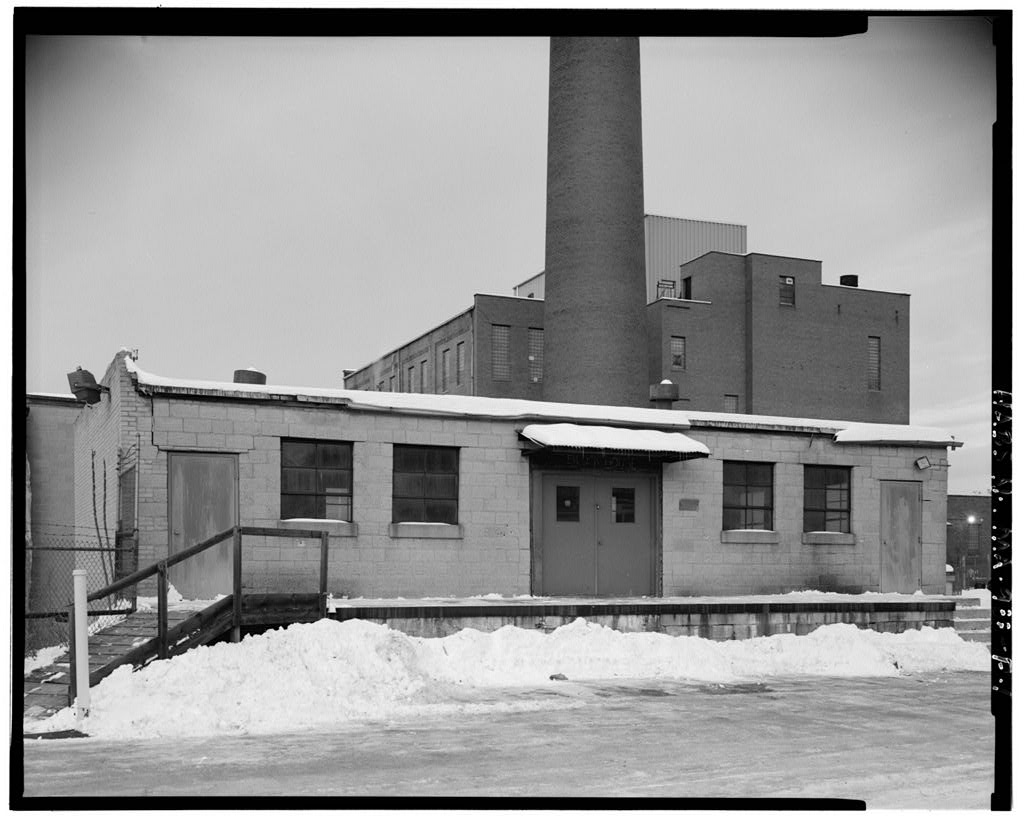
Removal of the attic and second story were presumably necessitated by a change in the type and scale of the machinery in use below. In the northwest corner of Building No. 6 was demolished and replaced with a 3-story, steel-reinforced, brick structure with large industrial windows and a flat roof. Only the existing 3-bay, gambrel-roofed eastern segment of the original Building No. 6 was left standing between the structure and the addition. The replacement structure housed a new water wheel to power the paper machines in the adjacent mill (Mill No. 3). Building No. 2 is approximately square feet in area, while Building No. 6 (divided into the three segments) is approximately square feet in area.
Both buildings have a basement and a sub-basement with the ground floor level of each at approximately three feet above grade. A rubble stone foundation wall, now covered with gunite, on the north side of Building No. 6 forms the south wall of the raceway. Building No. 4 was constructed in to house a large turbine. It replaced an earlier engine house, which appears on the Sanborn Map. Wilder Mill Manufacturing Processes Historic maps and atlases and historic photographs show how the Wilder Mill buildings were used over time by the various paper companies who owned them. Building No. 2 was used primarily for finishing and storage. In and for instance, Sanborn maps show that the Russell Paper Company stored wood pulp in the basement of Building No.
2 while paper was finished on the first floor and stored on the second. The attic was used for general storage. On maps and atlases for and respectively, Building No. 2 is designated the "Paper Machine Building" under the ownership of the Champion-International Paper Company. Maps and atlases show that Building No. 6 was consistently used as the "Beater Engine House" by each paper company until at least Here the refining stages of bleaching and beating the pulped wood fiber took place. Wood pulp, no matter how carefully made, and whether produced by the sulphite or soda process, always has associated with the cellulose a portion of 2 "Plant of the Champion-International Company," in Lawrence. Yesterday and Tod^y, by Maurice B. Dorgan.
Lawrence, Massachusetts: Press of Dick & Trumphold, CHAMPION-INTERNATIONAL PAPER COMPANY, WILDER MILL (Russell Paper Company, Wilder Mill) HAERNo. MA-139-A (Page 4) the lignin or incrusting matter ordinarily present in the raw fiber, and this lignin carries with it sertain colored bodies of highly complex chemical composition. These colored impurities cannot be removed by any amount of washing or mechanical treatment. They are united chemically with the fiber or cellulose and a chemical process is necessary for their removal * Bleaching with chemical agents like chlorine increase the whiteness and/or brightness of the paper. Beating the pulp "roughs up" the fibers and makes them more pliable for formation into individual sheets.
The purpose of this refining stage is to prepare the pulp for optimum performance on the paper-making machine, so that the individual fibers lie down in proper formation. After when the northwest corner of Building No. 6 was demolished and reconstructed to house a water wheel, the remainder of the building was used for storage. Significance Architecturally, the original portions of the Wilder Mill buildings embody many of the characteristics of mid-nine tee nth century industrial architecture. Small in scale and timber framed, they have narrow, wood-sashed windows framed by granite sills and lintels. They also provide evidence of the small-scale nature of paper manufacturing processes both in America and Europe during the mid-nineteenth century.
Later alterations to the buildings to accommodate larger machinery are indicative of the growth of the paper making industry during the late-nineteenth and early twentieth centuries. 3 Witham. Manufacture of Paper fScranton. Pennsylvania: International Textbook Company, Part 2, pp. CHAMPION-INTERNATIONAL PAPER COMPANY, WILDER MILL (Russell Paper Company, Wilder Mill) HAERNo. MA-139-A (Page 5) Sources Engineering Drawings No architectural or engineering drawings have been found. Historic Views "Russell Paper Mills-Lawrence," in Ralph's Scrapbook. Illustrated bv His Own Camera and Collection of Photographs, and Compiled bv His Father Edmund Bicknell. by Ralph Edmund Bicknell.
Lawrence, Massachusetts: The Andover Press, "Plant of the Champion-International Company," in Lawrence Yesterday and Today, by Maurice B. Dorgan. Lawrence, Massachusetts: Press of Dick & Trumpold, Photo essay on paper manufacturing process at Champion-International Paper Company, in "Massachusetts-Beehive of Business," by William Joseph Showalter, National Geographic Magazine, vol. 37, no. 3 (March "The vast paper mill of the Champion-International Company at Lawrence. A recent aerial photograph.," in "A Path Around the World on Paper," by Bernard Peterson, Industry (Associated Industries of Massachusetts), May Uncatalogued views of plant showing machinery and paper manufacturing processes. Collection of Immigrant City Archives, Lawrence, Massachusetts. Bibliography Abramson, Howards.
National Geographic: Behind America's Lens on the World. New York: Crown Publishers, Arlington, Benjamin F., editor. Municipal History of Essex County in Massachusetts. Tercentenary Edition, vol. 2. New York: Lewis Historical Publishing Co., Bailey, and Hazen. "Lawrence, Mass., Bird's-Eye View. Beers, Goodhue and Parsell. Atlas of Essex County, Massachusetts. Philadelphia: Beers & Co., Bicknell, Ralph Edmund. "How Paper Is Made," in Ralph's Scrap Book. Illustrated bv His Own Camera and Collection of Photographs, and Compiled bv His Father Edmund Bicknell. Lawrence, Massachusetts: The Andover Press, CHAMPION-INTERNATIONAL PAPER COMPANY, WILDER MILL (Russell Paper Company, Wilder Mill) HAERNo. MA-139-A (Page 6) Cole, Donald B. Immigrant Citv: Lawrence. Massachusetts.
Chapel Hill: University of North Carolina Press, Dengler, Eartha, Katherine Khalife and Ken Skulski. Images of America: Lawrence- Massachusetts. Dover, New Hampshire: Arcadia Publishing, Dorgan, Maurice. Lawrence Yesterday and Today. Lawrence, Mass.: Press of Dick & Trumpold, Dorgan, Maurice. History of Lawrence. Massachusetts. Lawrence, Massachusetts: author, Fuess, Claude M., editor and Scott H. Paradise, compiler. The Story of Essex County. New York: The American Historical Society, Inc., Grosvenor, Gilbert Hovey. The National Geographic Society and Its Magazine. Washington, DC: National Geographic Society, HMM Associates. "Preliminary Site Assessment: Oxford Paper Site, Lawrence, Massachusetts," Prepared for Mayor Kevin J. Sullivan, City of Lawrence, February Holden, Raymond P.
The Merrimack. Rivers of America Series. New York/Toronto: Rinehart & Co., Inc., Hopkins, Citv Atlas of Lawrence. Massachusetts. Philadelphia, Horizons: Lawrence. Massachusetts Centennial Anniversary City of Lawrence, Hudon, Paul and the Merrimack Valley Textile Museum. The Vallev and Its People: An Illustrated History of the Lower Merrimack. Woodland Hills, California: Windsor Publications, Inc., Hunter, Dard. Papermaking in Pioneer America. Philadelphia: University of Pennsylvania Press, Hunter, Dard. Papermaking: the History and Technique of an Ancient Craft. New York: Alfred A. Knopf, Inc., Hurd, Duane Hamilton, compiler. History of Essex County. Massachusetts. 2 vols. Philadelphia: Lewis & Co., Hurd, Duane Hamilton, compiler. History of Middlesex County. Massachusetts, vol. 3.
Philadelphia: Lewis & Co., CHAMPION-INTERNATIONAL PAPER COMPANY, WILDER MILL (Russell Paper Company, Wilder Mill) HAERNo.MA-139-A (Page 7) Illustrated History of Lowell and Vicinity. Massachusetts. Lowell, Massachusetts: Courier- Citizen Company, Lawrence City Directories, Publisher varies. The Lawrence Gazetteer. Containing a Record of the Important Events in Lawrence and Vicinity from to Lawrence: Charles G. Merrill, Lawrence Up To Date, Lawrence: Rushforth & Donoghue, Molloy, Peter M. The Lower Merrimack River Vallev: an Inventory of Historic Engineering and Industrial Sites. (Washington, DC: Merrimack Valley Textile Museum and the Historic American Engineering Record, Paper Trade Journal: The Progress of Paper. Anniversary Edition.
New York: Lockwood Trade Journal Co., Peterson, Bernard. "A Path Around the World on Paper," Industry (Associated Industries of Massachusetts), May 48. Richards, Atlas of the Citv of Lawrence and the Towns of Methuen. Andover and North Andover. Massachusetts. Boston: Richards & Co., Richards, LJ. & Co. Atlas of the Citv of Lawrence and the Towns of Methuen. Andover and North Andover. Massachusetts. Boston: Richards & Co., Richards, Harold Hazen. Atlas of the Citv of Lawrence and the Towns of Methuen. Andover and North Andover. Massachusetts. Lawrence: Richards Map Co., Sanborn Map Company. Insurance Maps of Lawrence, Massachusetts. New York: Sanborn Map Company, and Showalter, William Joseph. "Massachusetts-Beehive of Business," National Geographic Magazine, vol. 37, no.
3 (March Smith, David C. History of Papermaking in the United States New York: Lockwood Publishing Company, Tracy, Cyrus Mason. "Lawrence," in Standard History of Essex County. Massachusetts. Boston: Jewett & Co., Walker, George H. Atlas of Essex County. Massachusetts. Boston: George H. Walker & Co., CHAMPION-INTERNATIONAL PAPER COMPANY, WILDER MILL (Russell Paper Company, Wilder Mill) HAERNo. MA-139-A (Page 8) Weeks, Lyman Horace. A History of Paper Manufacturing in the United States New York: Lockwood Trade Journal Co., Witham, St. Manufacture of Paper. Scranton, Pennsylvania; International Textbook Company,
 Block
Block