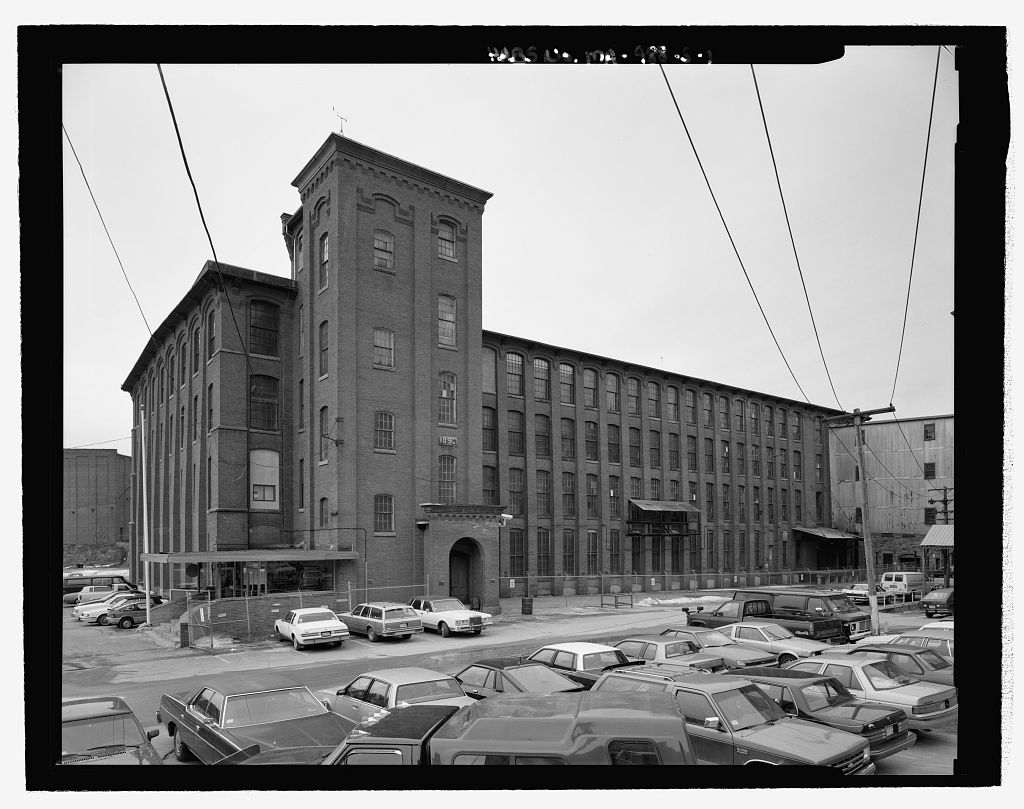
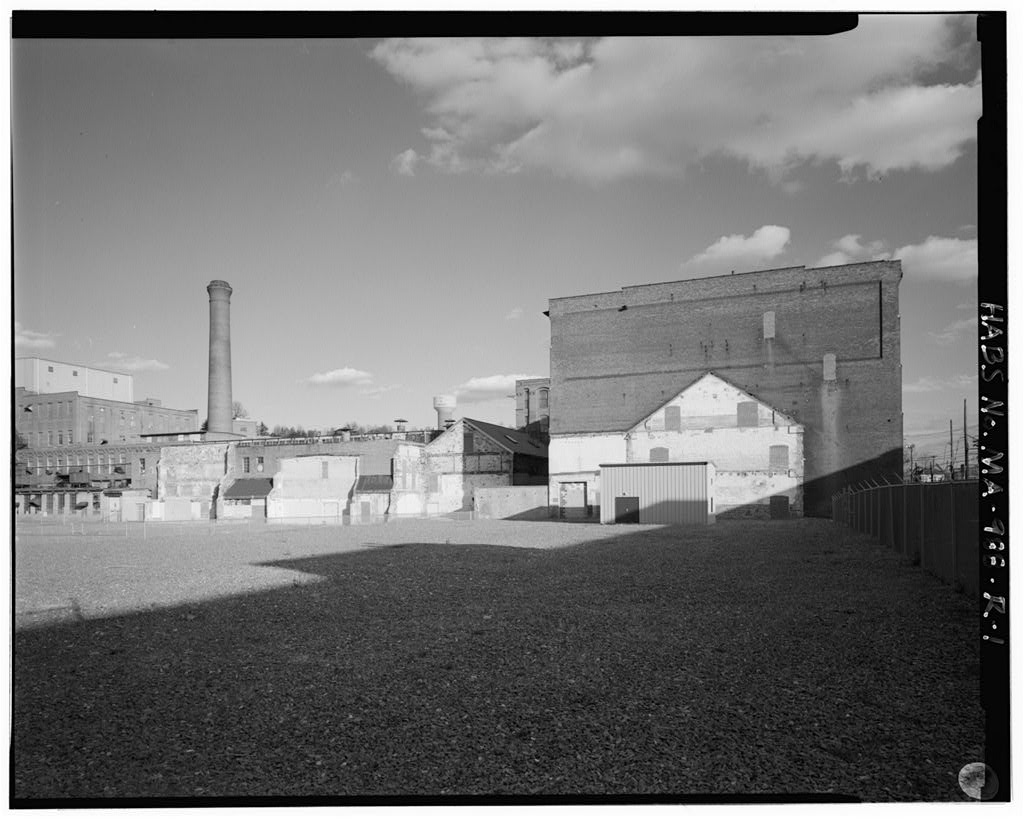
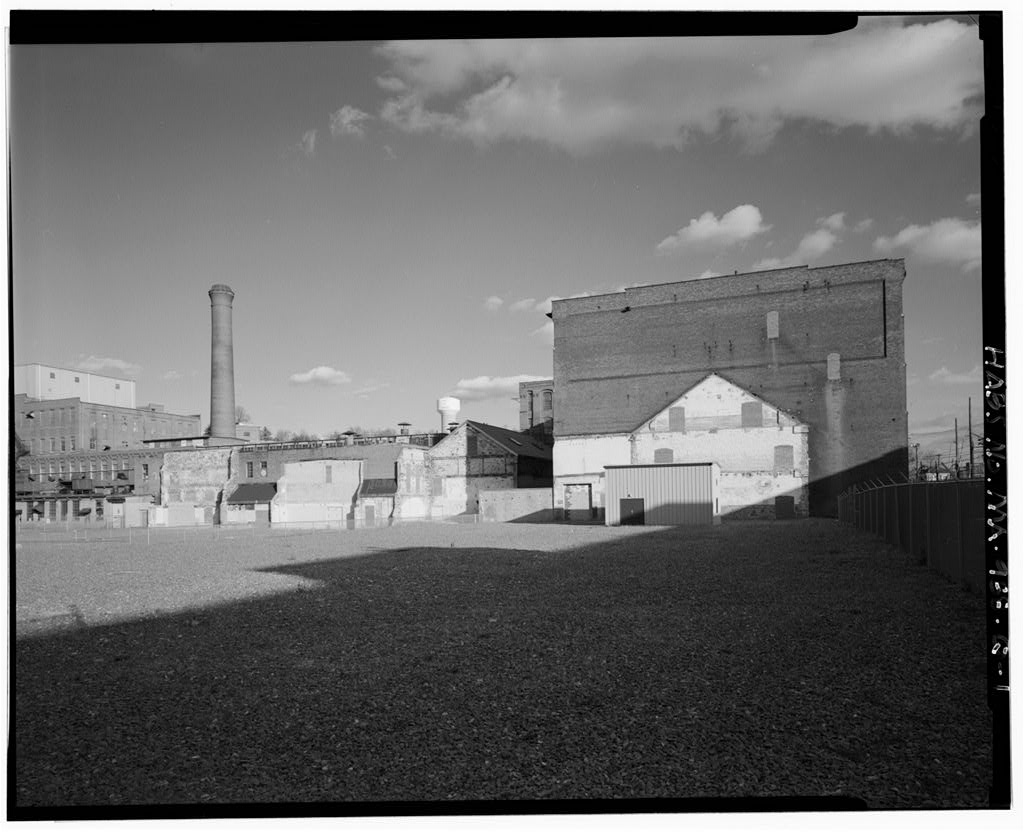
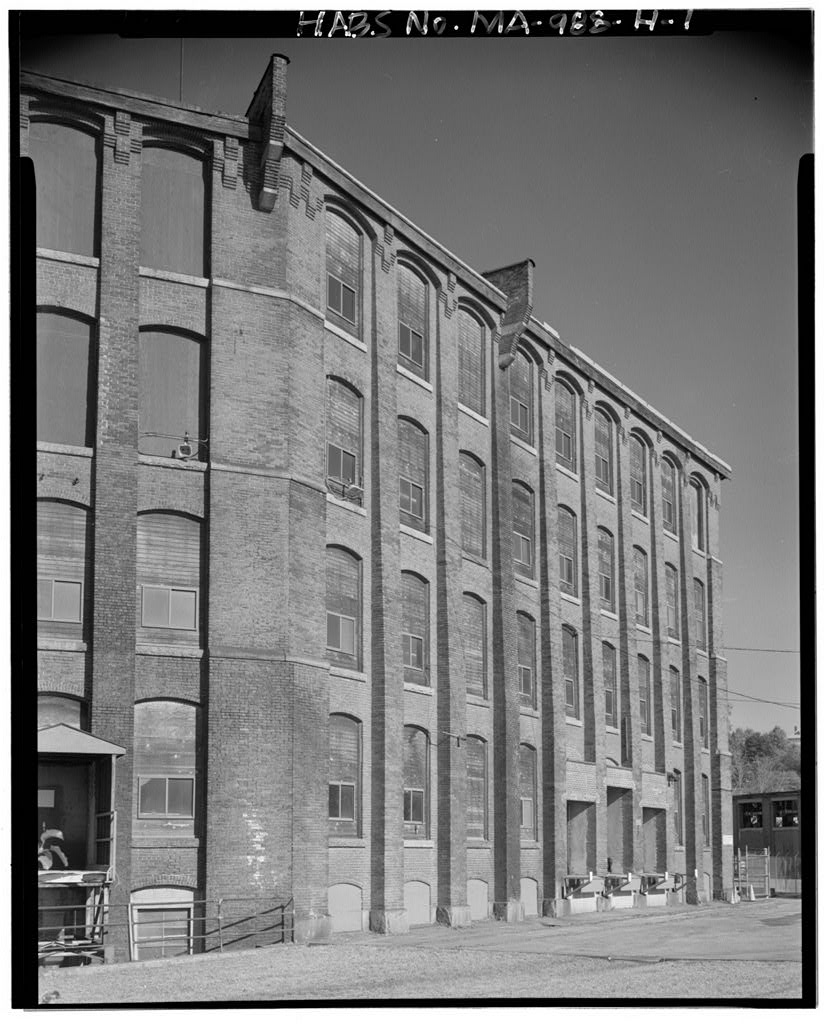
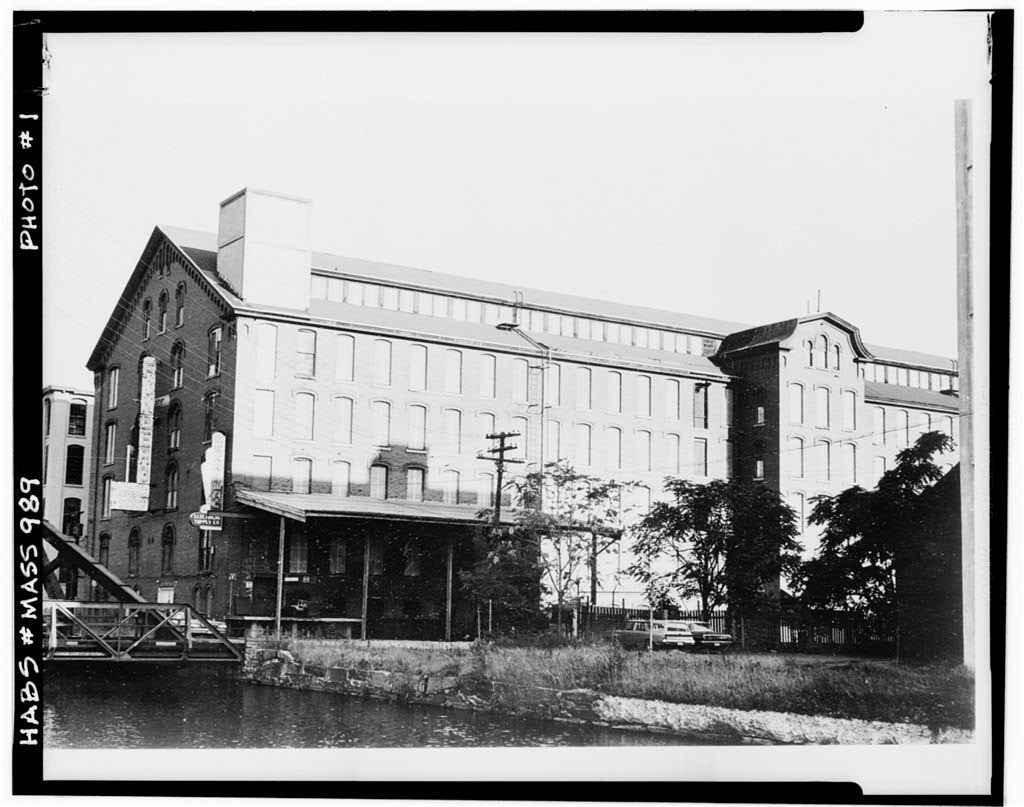
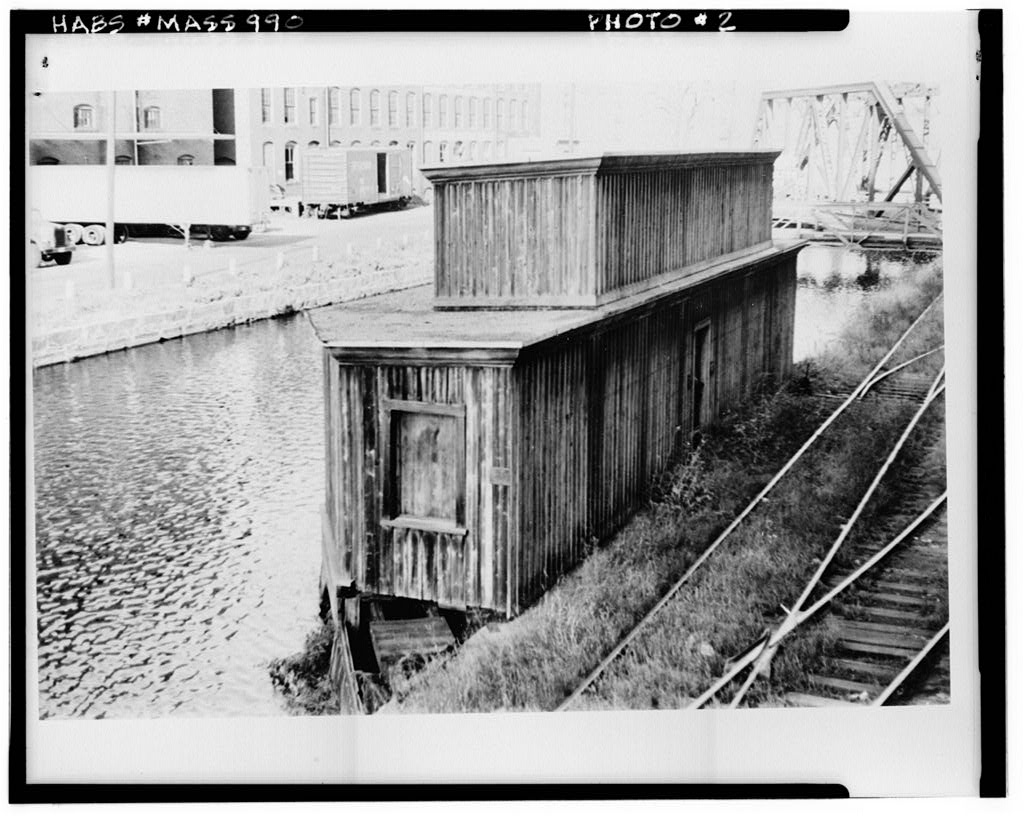
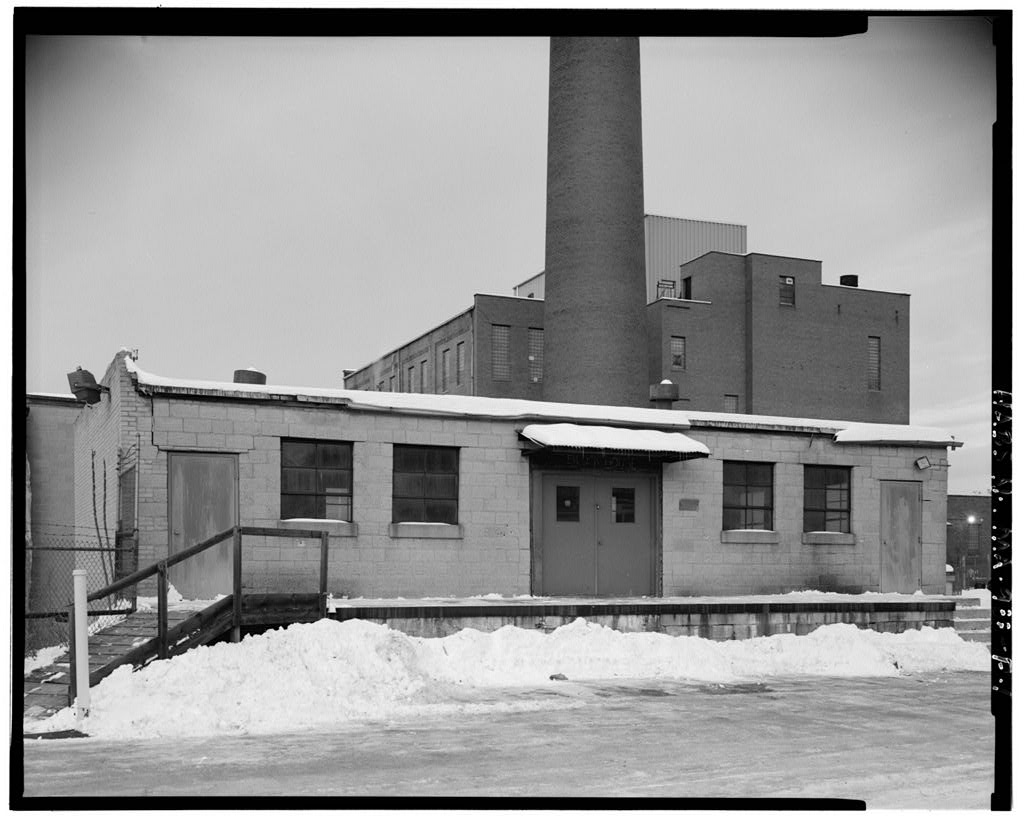
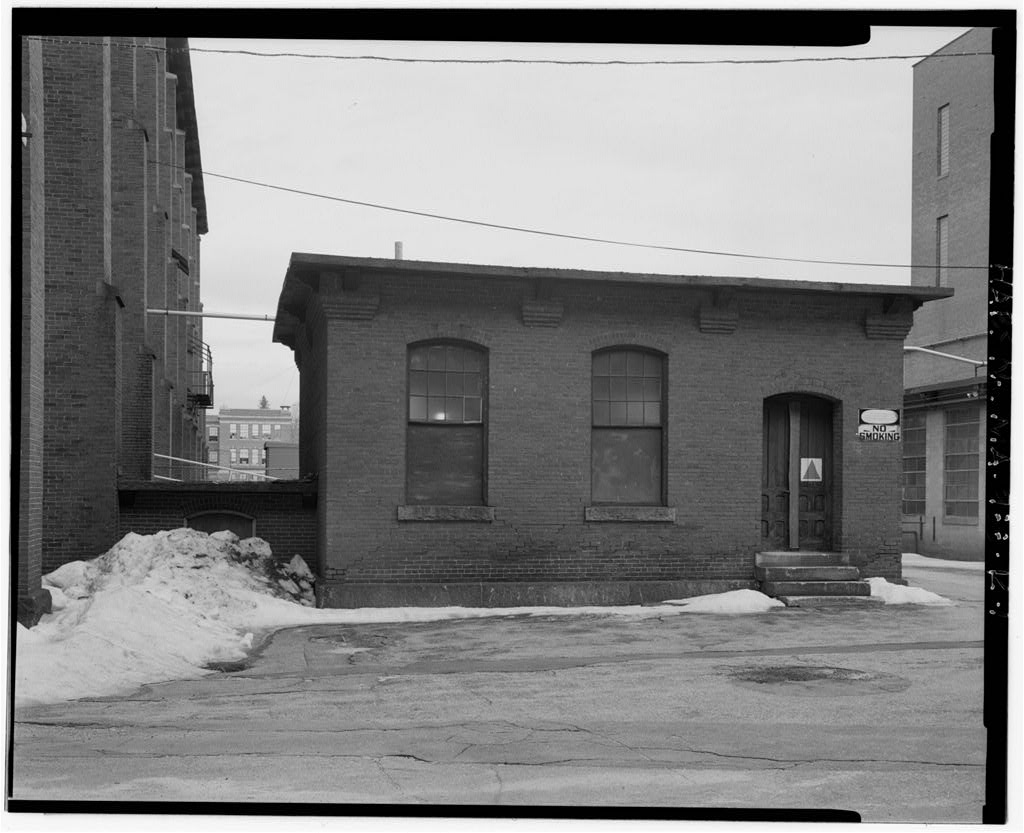
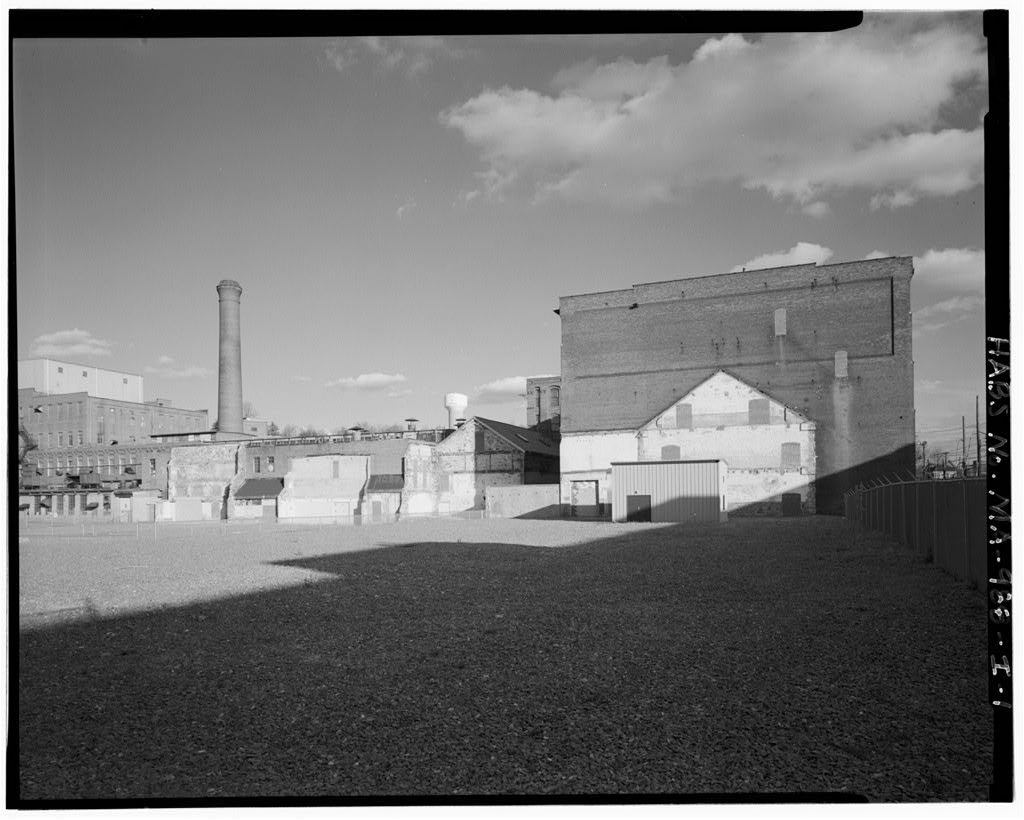
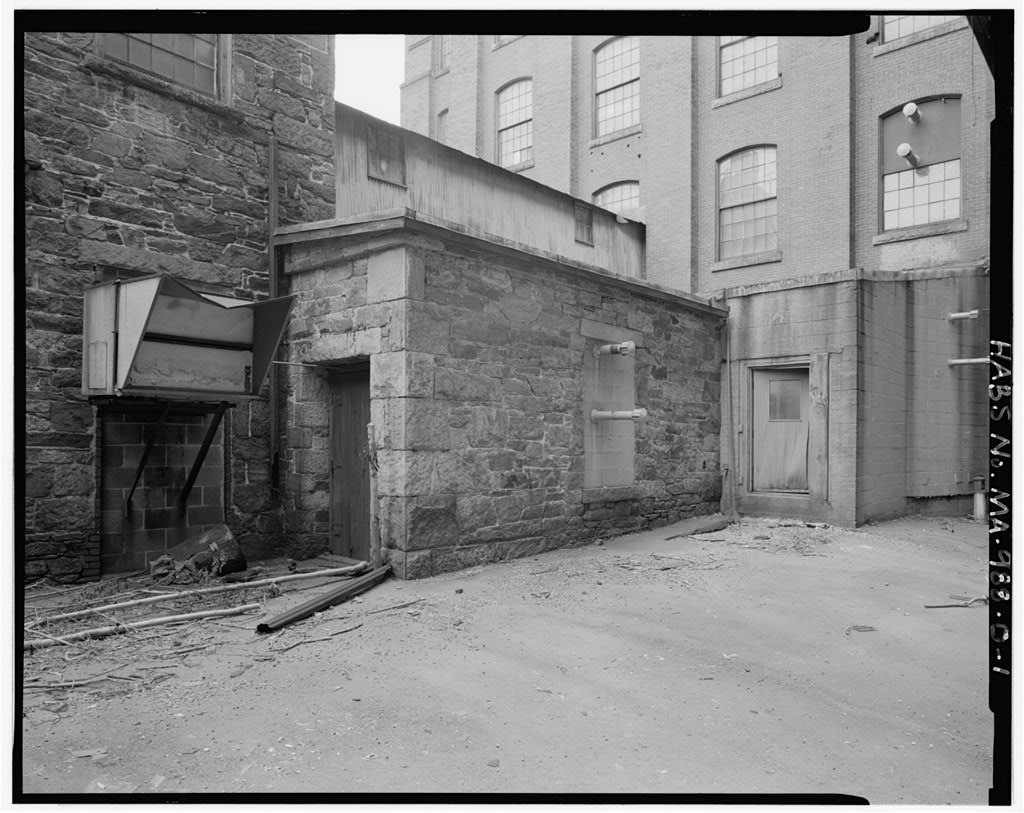
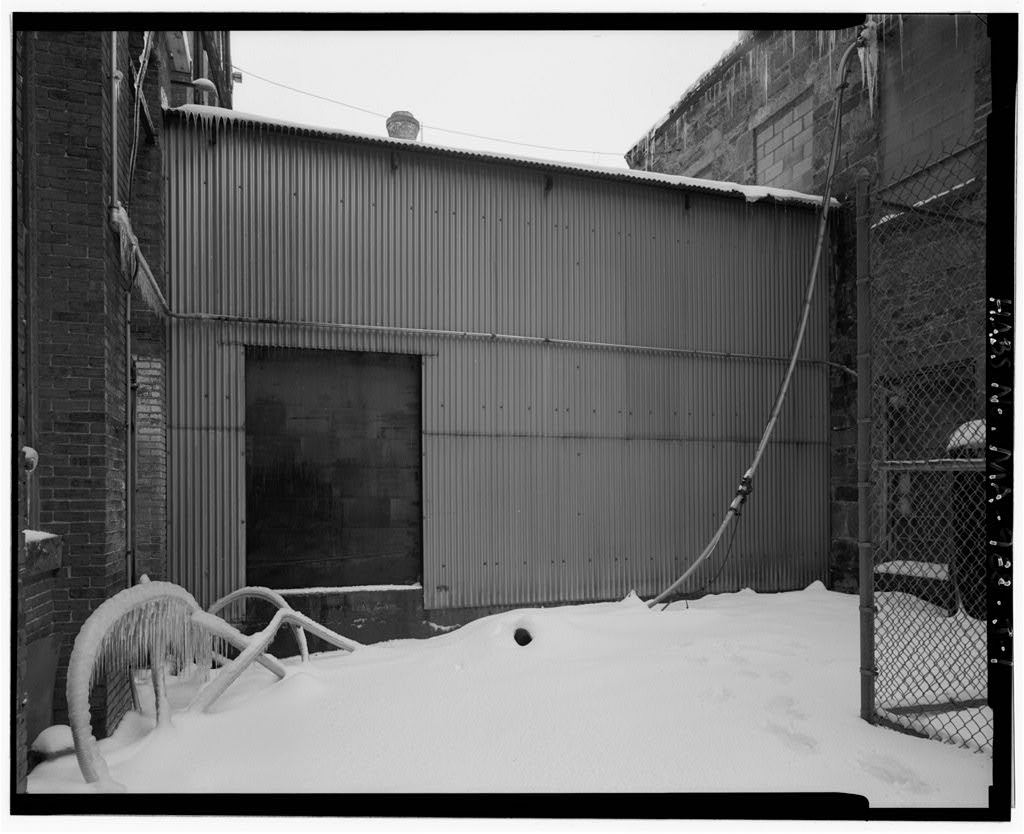
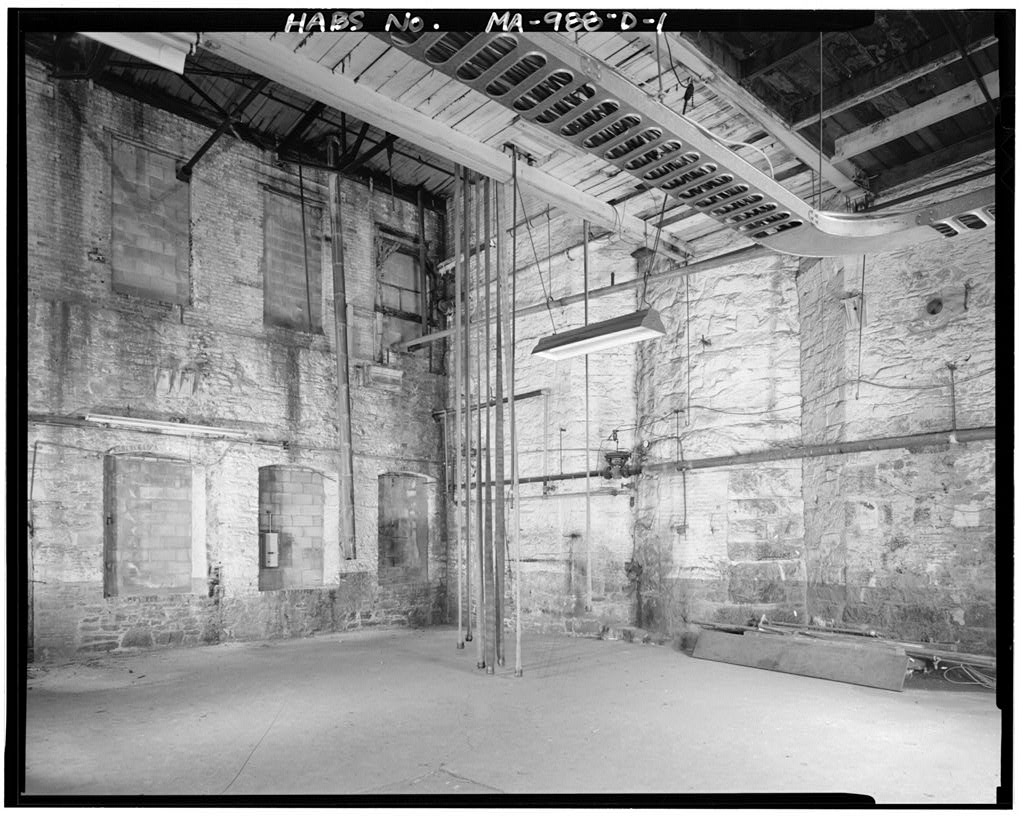
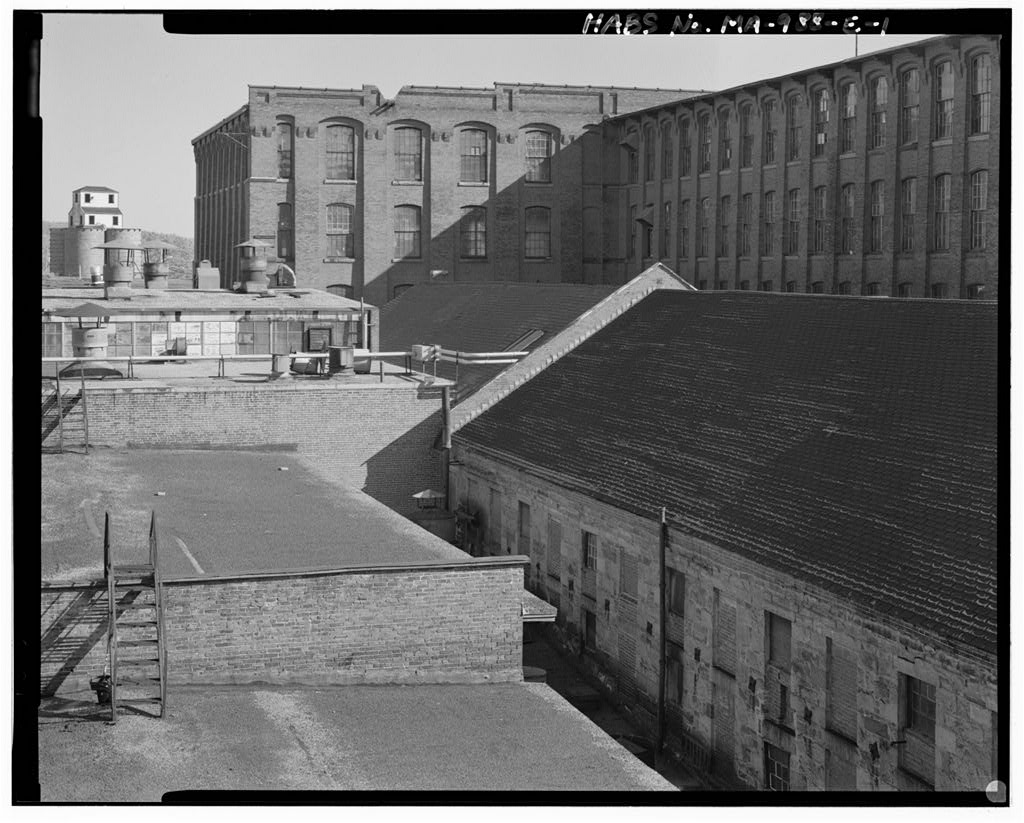
This documentation was initiated as a mitigation measure prior to the federally funded relocation of Canal Street and demolition of the remains of the paper mill complex by the Massachusetts Highway Department. This documentation was prepared between February and October by: Lola Bennett, Historian McGinley Hart & Associates 77 North Washington Street Boston, Massachusetts Martin Stupich, Photographer * 25 Mayhew Street Dorchester, Massachusetts CHAMPION-INTERNATIONAL PAPER COMPANY, PAPER MACHINE BUILDING (Russell Paper Company, Paper Machine Building) HAERNo. MA-139-B (Page 2) Site Description The Paper Machine Building (Mill No.
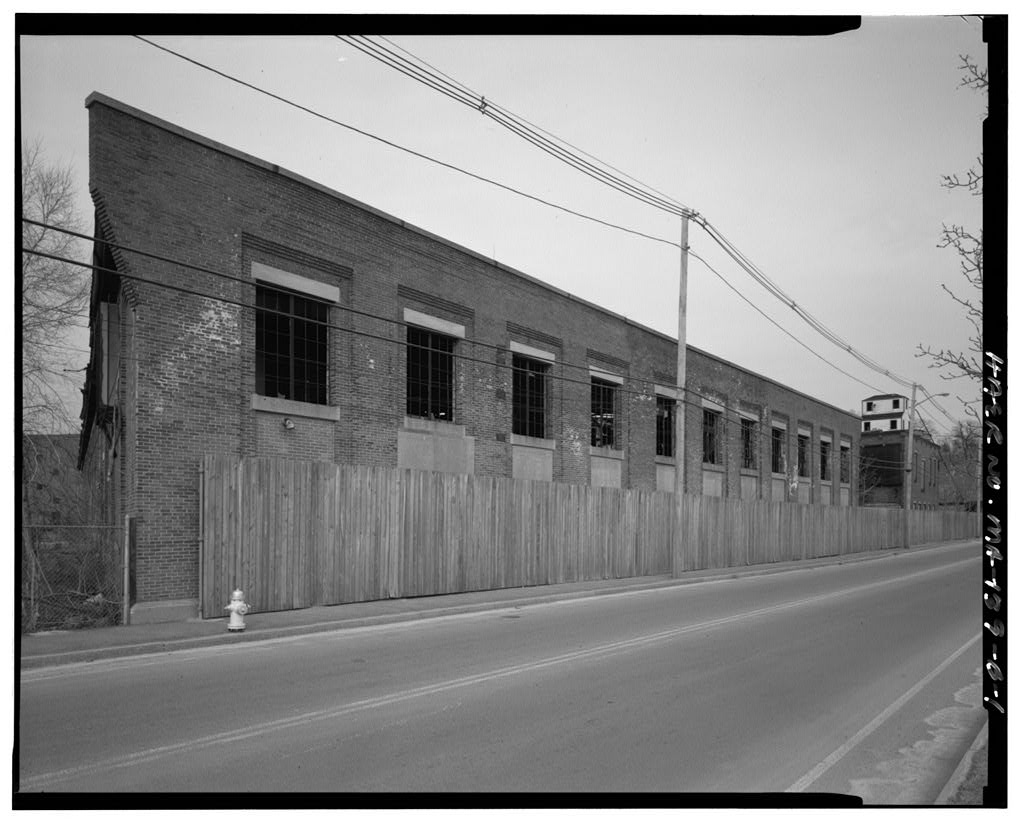
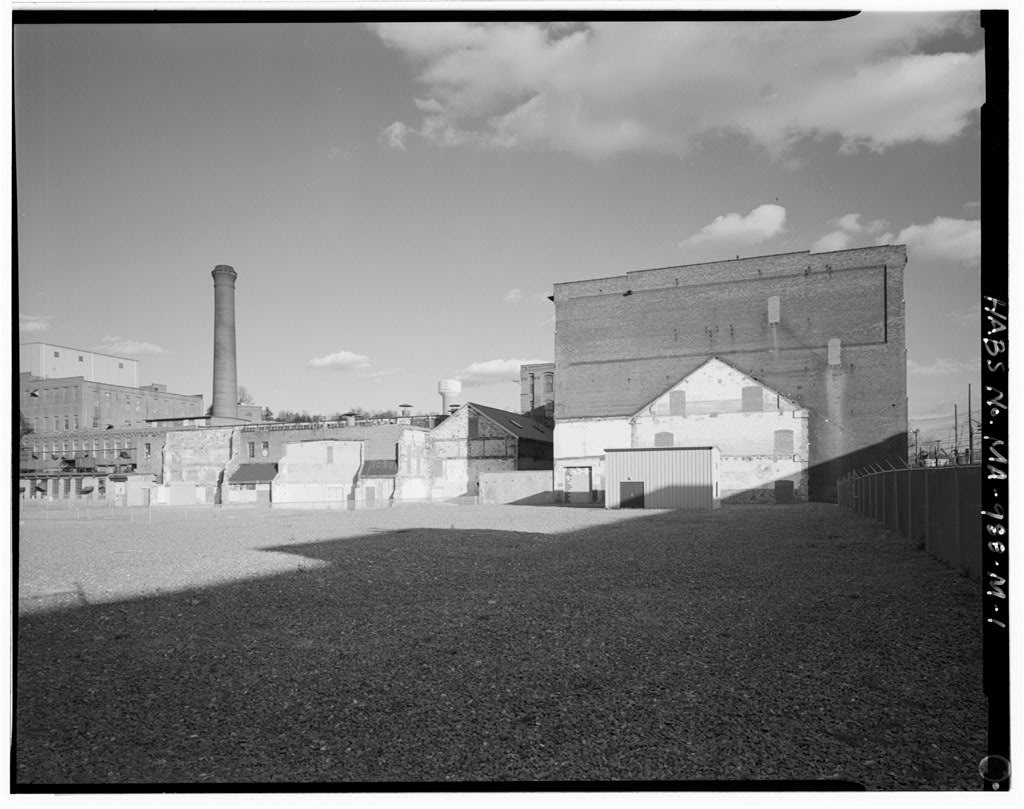
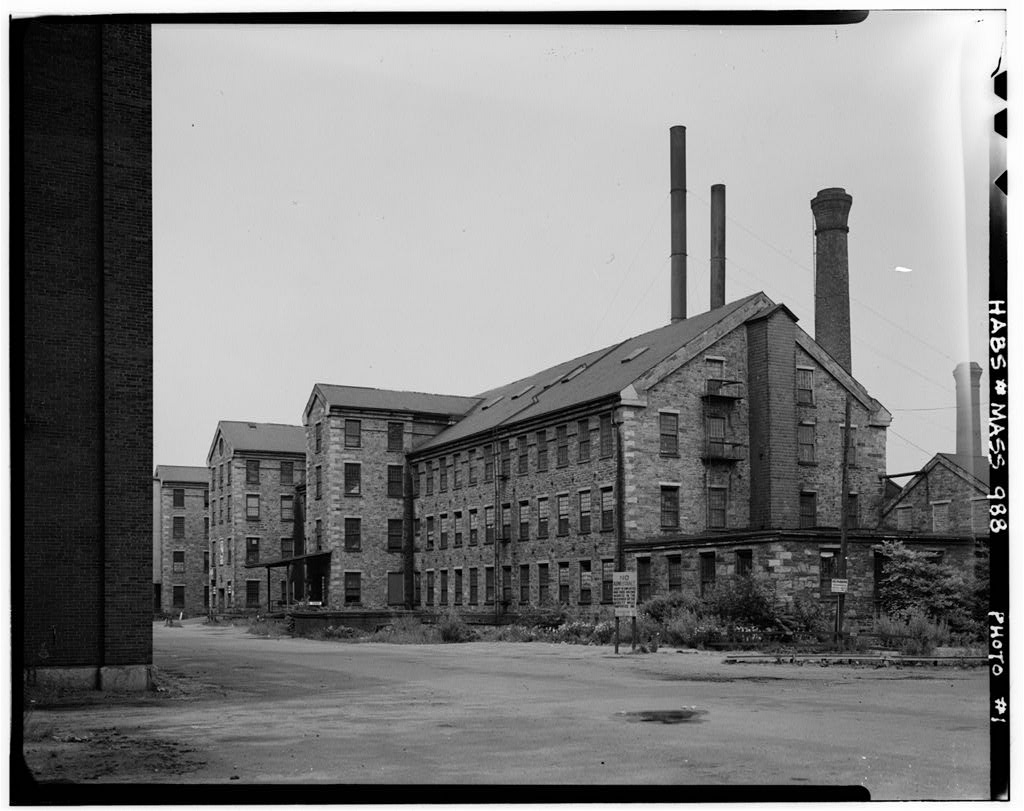
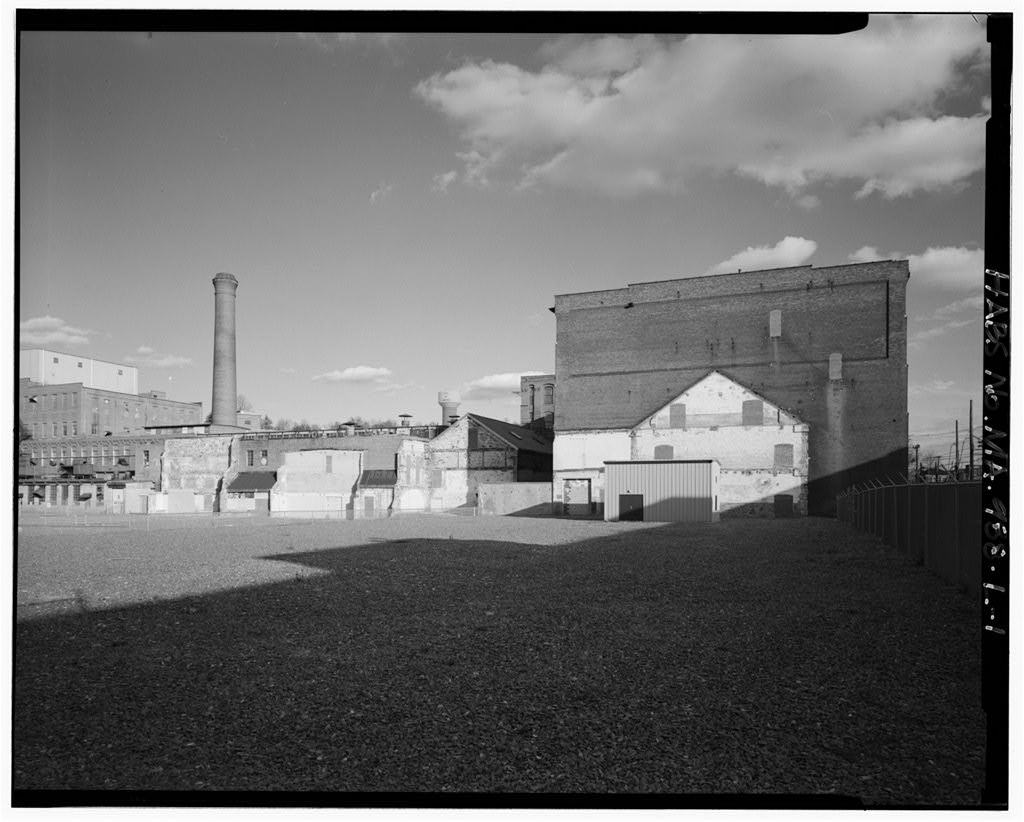
3), one of three surviving structures of the Champion- International Paper Company and its predecessors in Lawrence, Massachusetts is located in the southwest quadrant of a acre site bounded by Canal Street on the south, the Spicket River on the east, the recently demolished Everett Cotton Mills complex on the west, and Lawrence General Hospital parking lots on the north. It is part of what was once a thriving mill complex that evolved over a period of 125 years. The site and buildings, now owned by the City of Lawrence, are considered contributing elements within the North Canal Historic District which was listed on the National Register of Historic Places in The Paper Machine Building has sustained significant fire damage and all process machinery has been removed from the interior.
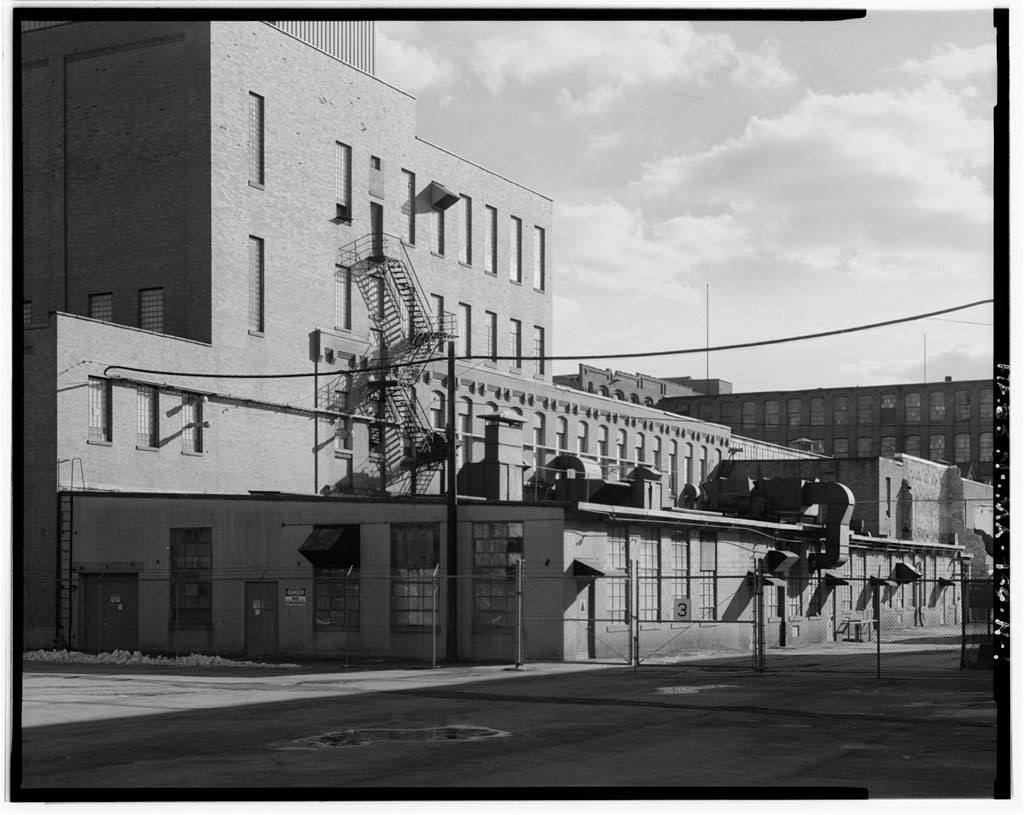
Portions of the building have collapsed and other areas are dangerously unstable. Because of the extensive structural damage and the presence of hazardous materials, the City of Lawrence has fenced the southern half of the former paper mill site to prevent access to the buildings, including the Paper Machine Building. In addition, although an extensive search was conducted, no company records or building plans were found. Therefore, information was, of necessity, compiled from on-site observation from points outside the security fence and from secondary sources, including historic maps and photographs. Building Description The Paper Machine Building, designated Mill No.
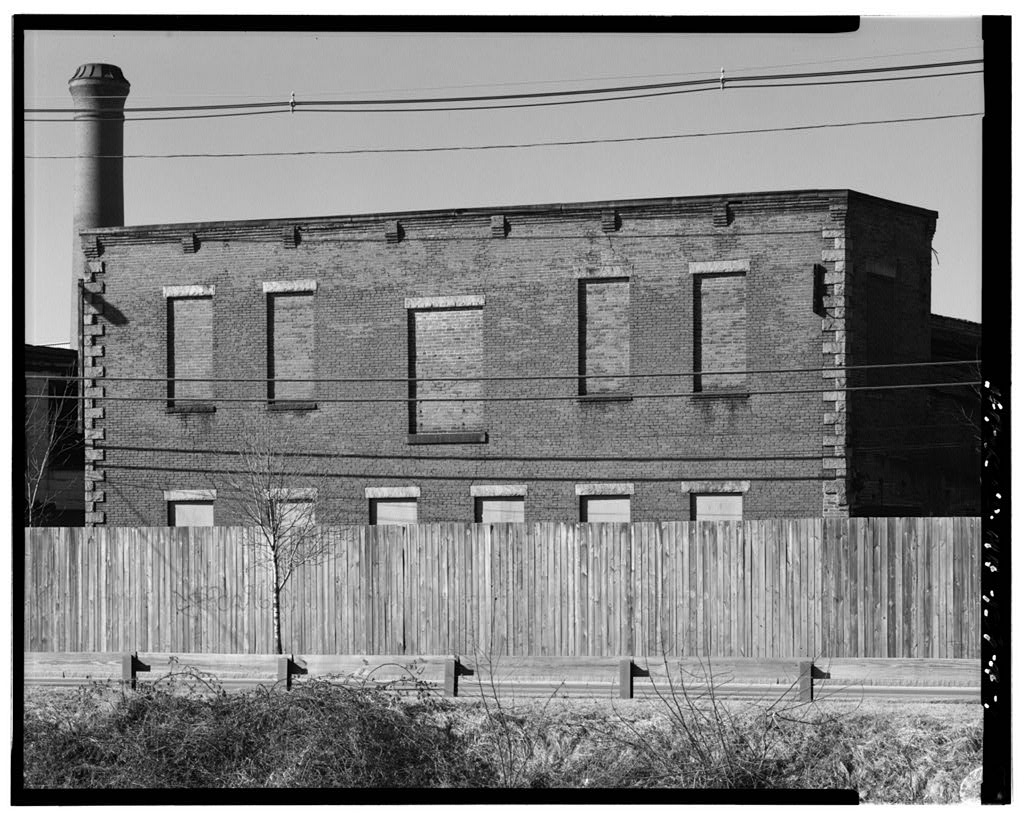
3 by the Champion-International Paper Company, is a two-story, brick pier structure with steel framing and a shallow-pitched roof. Approximately square feet in area, the Paper Machine Building has large industrial windows framed by reinforced concrete sills and lintels. A concrete-capped, brick parapet wall rises above the roofline at the southern (Canal Street) facade of the building whild a brick corbelled cornice caps the end panels at the southwest and northwest corners.
The Paper Machine Building is typical of industrial architecture of the early twentieth century, incorporating steel roof and floor framing which, in addition to being more fire- resistant than timber, afforded better work-space lighting by allowing more of the wall to be given over to windows than was possible in previous masonry construction. The ground floor level of the Paper Machine Building is approximately three feet above grade and consisted of one large room with two smaller storage rooms along the eastern side, approximately 20 feet wide and running the length of the building. Several areas of the concrete floor are open to the first of two basements. Attached to rear (north)wall of the Paper Machine Building and spanning the raceway are the ruins of a brick Engine House.
Although its exact date of construction is unknown, it appears on the Sanborn map and is clearly labeled ''Engine House" on all subsequent CHAMPION-INTERNATIONAL PAPER COMPANY, PAPER MACHINE BUILDING (Russell Paper Company, ' Paper Machine Building) HAERNo. MA-139-B (Page 3) maps. Its segmentally arched windows are evidence of a later nineteenth century construction date. Paper Machine Building Manfacturing Processes The Paper Machine Building was constructed in by the Champion-International Paper Company to house the plant's enormous Fourdrinier, or flat-wire machine, and replaced a number of nineteenth-century structures, including the "Machine Room" and "Paper Making House" buildings constructed in the by the Russell Paper Company.
Fourdrinier machines are designed to make long, continuous sheets of paper at very high speeds. From the time of their invention, these machines steadily increased in size, until they required huge buildings to accommodate them. In the [Fourdrinier] machines used in the United States were almost insignificant in size compared with those that were to come after. When the Chelsea mill, in Norwich, Connecticut, put in an 84 inch machine, it was considered a wonder. Previous to the width of the widest machine was not more than 100 inches, and the maximum speed did not exceed one hundred feet per minute. ... Thirteen years later, in a Fourdrinier was built... that had a speed of 200 feet per minute.
From that time on, the pace was steadily increased, and, by there were machines 160 inches wide, capable of making newsprint at 500 feet per minute.{ The Fourdrinier process uses a headbox to spread wood pulp across a moving, continuous wire screen. The screen allowed the water to drain off and the fibers to mat together on the surface, forming a paper web. The web of fibers then passed between large felt rollers that squeezed water from the sheet. Most of the remaining water was removed as the sheet passed over steam-heated drying cylinders. In the operation known as calendering, the paper was given a smooth surface finish by pressing it between highly polished steel or cast-iron rollers, before winding the finished paper into a roll.
Significance The Paper Machine Building embodies many of the characteristics of industrial arcrutecture of the early twentieth century, including its large scale, brick pier construction with steel roof and floor framing, high floor to ceiling height, and large windows. The Paper Machine Building symbolizes the transformation of a small-scale craft into a machine-powered industry, particularly with regard to the enormous size of paper making machines which dictated the need for uninterrupted interior space, something that was not fully possible until the development of steel frame construction. 1 Paper Trade Journal. Progress of Paper. Anniversary Hditinn (New York: Lockwood Trade Journal Co.) p.
CHAMPION-INTERNATIONAL PAPER COMPANY, PAPER MACHINE BUILDING (Russell Paper Company, ' Paper Machine Building) HAERNo. MA-139-B (Page 4) Sources Engineering Drawings No architectural or engineering drawings have been found. Historic Views "Russell Paper Mills-Lawrence," in Ralph's Scrapbook. Illustrated by His Own Camera and Collection of Photographs, and Compiled bv His Father Edmund Bicknell. by Ralph Edmund Bicknell. Lawrence, Massachusetts: The Andover Press, "Plant of the Champion-Intemationai Company," in Lawrence Yesterday and Today, by Maurice B. Dorgan.
Lawrence, Massachusetts: Press of Dick & Trumpold, Photo essay on paper manufacturing process at Champion-International Paper Company, in "Massachusetts-Beehive of Business," by William Joseph Showalter, National Geographic Magazine, vol. 37, no. 3 (March "The vast paper mill of the Champion-International Company at Lawrence. A recent aerial photograph.," in "A Path Around the World on Paper," by Bernard Peterson, Industry (Associated Industries of Massachusetts), May Uncatalogued views of plant showing machinery and paper manufacturing processes. Collection of Immigrant City Archives, Lawrence, Massachusetts. Bibliography Bailey, and Hazen. "Lawrence, Mass., Bird's-Eye View. Beers, Goodhue and Parsell. Atlas of Essex County. Massachusetts.
Philadelphia: Beers & Co., Bicknell, Ralph Edmund. "How Paper Is Made," in Ralph's Scrap Book. Illustrated bv His Own Camera and Collection of Photographs, and Compiled bv His Father Edmund Bicknell. Lawrence, Massachusetts: The Andover Press, Dorgan, Maurice. Lawrence Yesterday and Today. Lawrence, Mass.: Press of Dick & Trumpold, Dorgan, Maurice. History of Lawrence. Massachusetts. Lawrence, Massachusetts: author, CHAMPION-INTERNATIONAL PAPER COMPANY, PAPER MACHINE BUILDING (Russell Paper Company, ' Paper Machine Building) HAERNo. MA-139-B (Page 5) Fuess, Claude M., editor and Scott H. Paradise, compiler. The Storv of Essex County. New York: The American Historical Society, Inc., HMM Associates.
''Preliminary Site Assessment: Oxford Paper Site, Lawrence, Massachusetts," Prepared for Mayor Kevin J. Sullivan, City of Lawrence, February Hopkins, Citv Atlas of Lawrence. Massachusetts. Philadelphia, Horizons: Lawrence. Massachusetts Centennial Anniversary City of Lawrence, Hunter, Dard. Papermaking in Pioneer America. Philadelphia: University of Pennsylvania Press, Hunter, Dard. Papermaking: the History and Technique of an Ancient Craft. New York: Alfred A. Knopf, Inc., Hurd, Duane Hamilton, compiler. History of Essex County. Massachusetts. 2 vols. Philadelphia: Lewis & Co., Lawrence Up To Date. Lawrence: Rushforth & Donoghue, Paper Trade Journal: The Progress of Paper. Anniversary Edition. New York: Lockwood Trade Journal Co., Peterson, Bernard.
"A Path Around the World on Paper," Industry (Associated Industries of Massachusetts), May 48. Richards, Atlas of the Citv of Lawrence and the Towns of Methuen. Andover and North Andover. Massachusetts. Boston: Richards & Co., Richards, & Co. Atlas of the Citv of Lawrence and the Towns of Methuen. Andover and North Andover. Massachusetts. Boston: Richards & Co., Richards, Harold Hazen. Atlas of the Citv of Lawrence and the Towns of Methuert. Andover and North Andover. Massachusetts. Lawrence: Richards Map Co., Sanborn Map Company. Insurance Maps of Lawrence. Massachusetts. New York: Sanborn Map Company, and Showalter, William Joseph. "Massachusetts-Beehive of Business." National Geographic Magazine, vol. 37, no.
3 (March CHAMPION-INTERNATIONAL PAPER COMPANY, PAPER MACHINE BUILDING (Russell Paper Company, ' Paper Machine Building) HAERNo.MA-139-B (Page 6) Smith, David C History of Papermaking in the United States New York: Lockwood Publishing Company, Tracy, Cyrus Mason. "Lawrence," in Standard History of Essex County. Massachusetts. Boston: Jewett & Co., Walker, George H. Atlas of Essex County. Massachusetts. Boston: George H. Walker & Co., Weeks, Lyman Horace. A History of Paper Manufacturing in the United States New York: Lockwood Trade Journal Co., Witham, Sr. Manufacture of Paper. Scranton, Pennsylvania: International Textbook Company,
 Block
Block