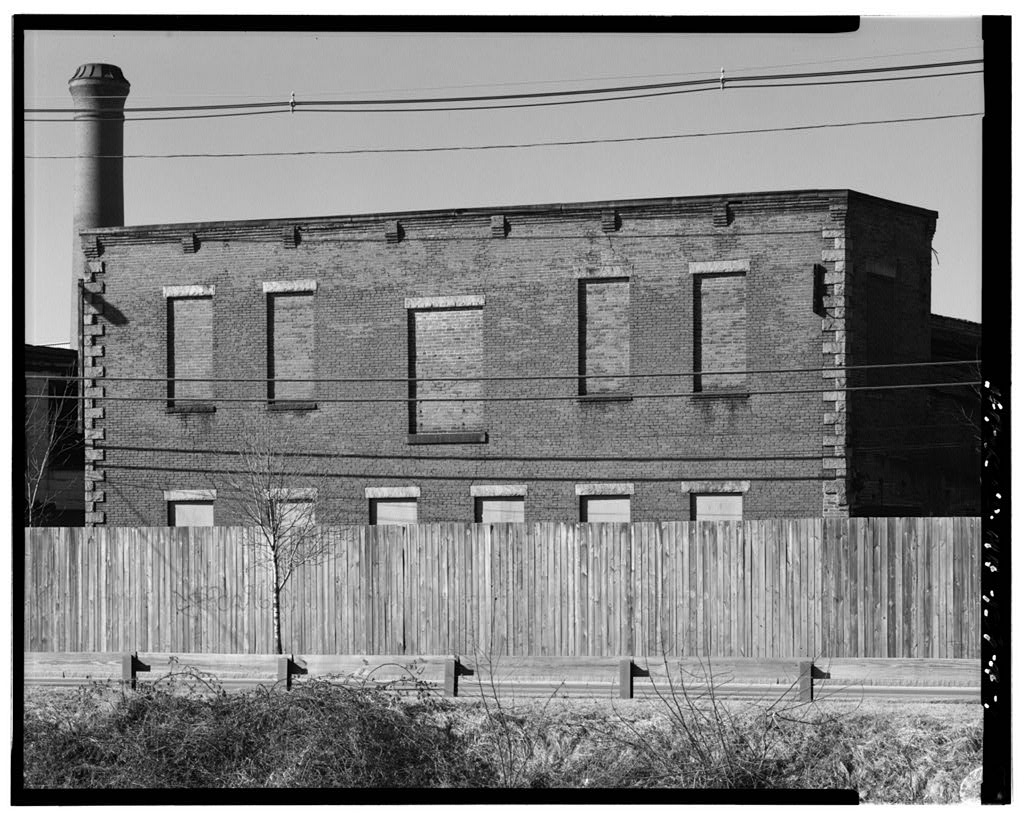
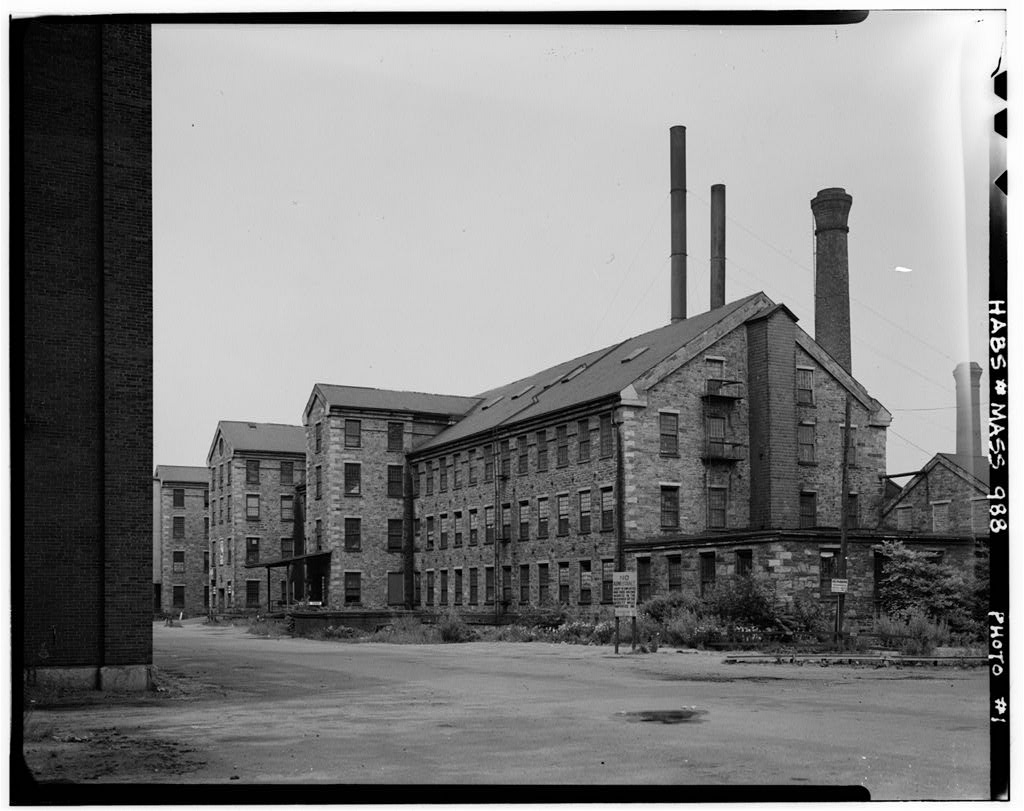
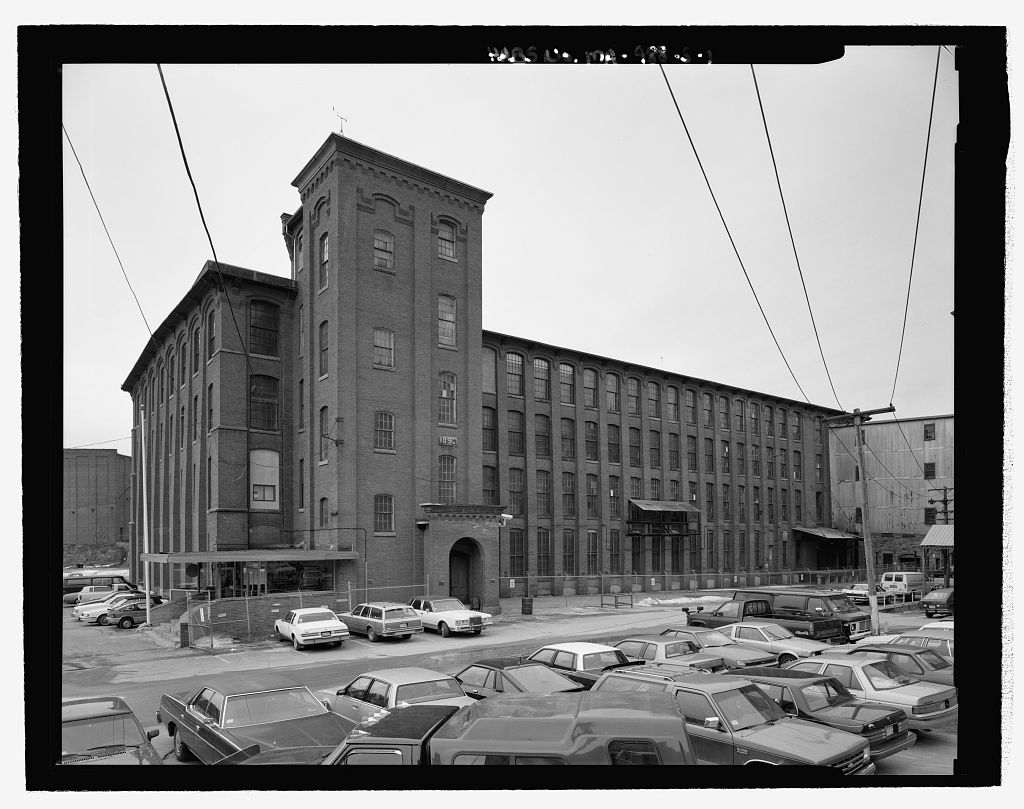
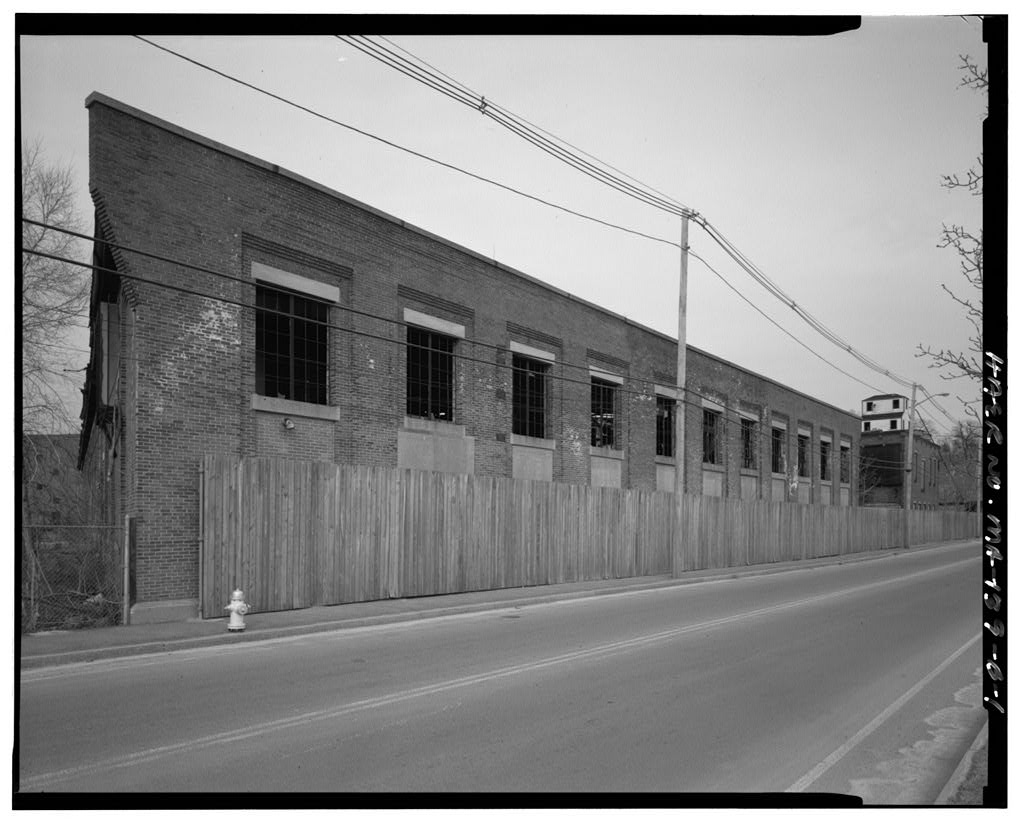
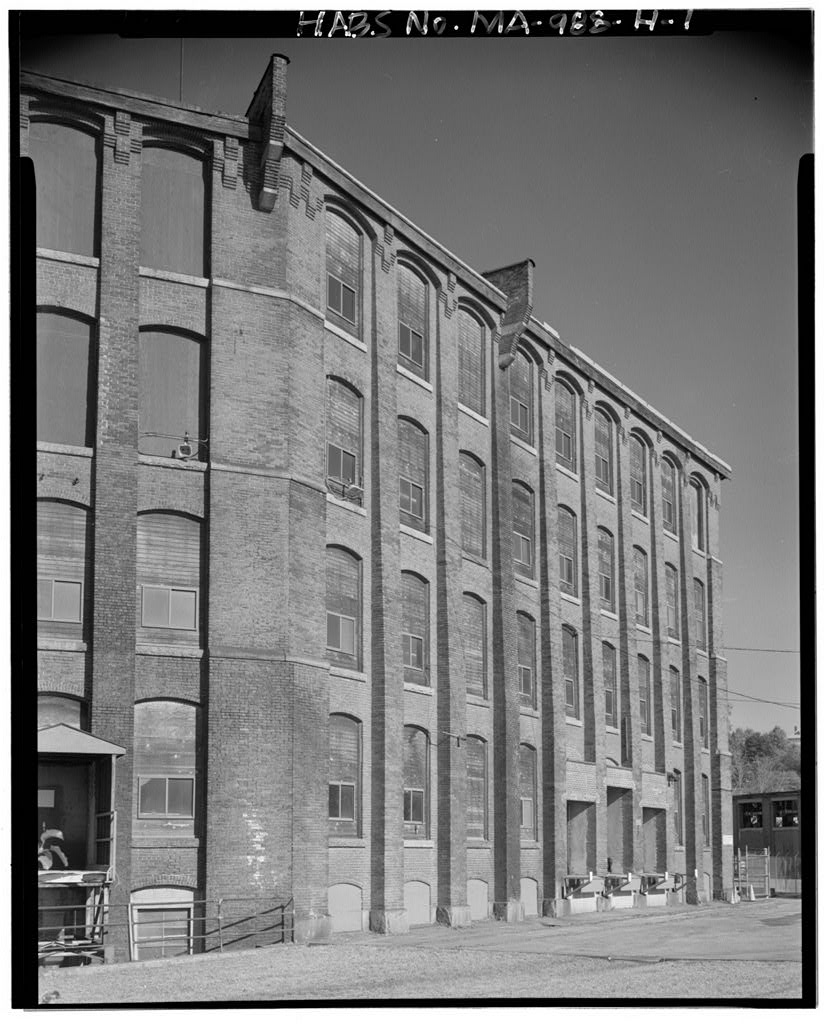
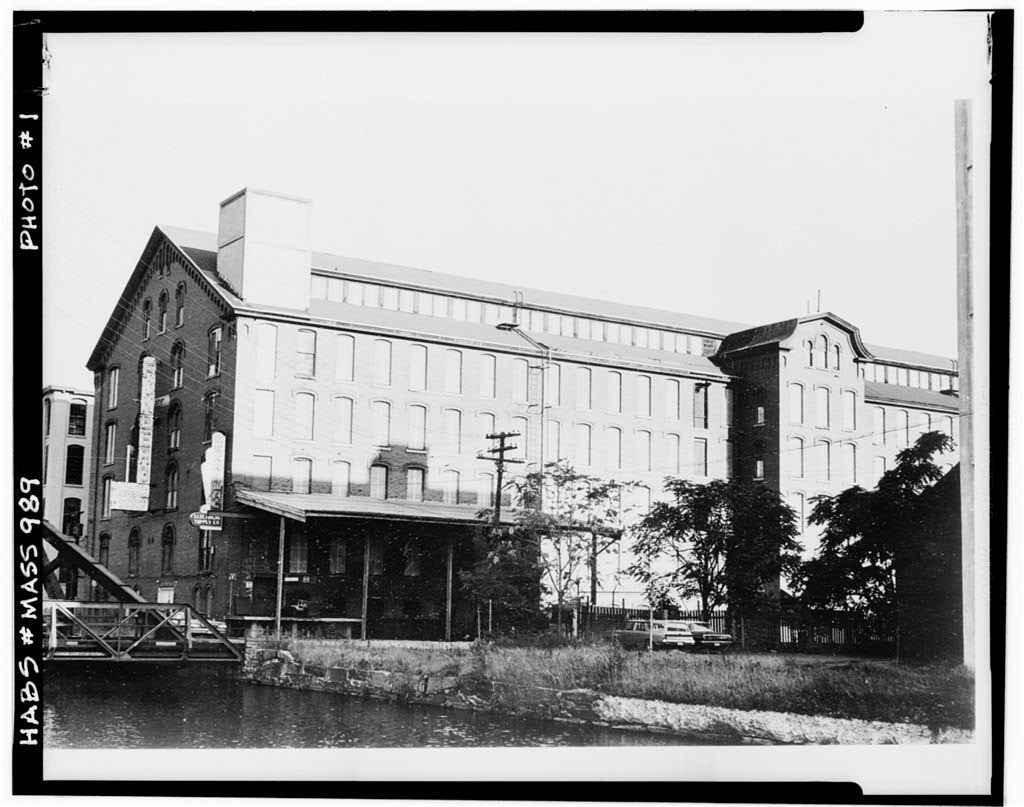
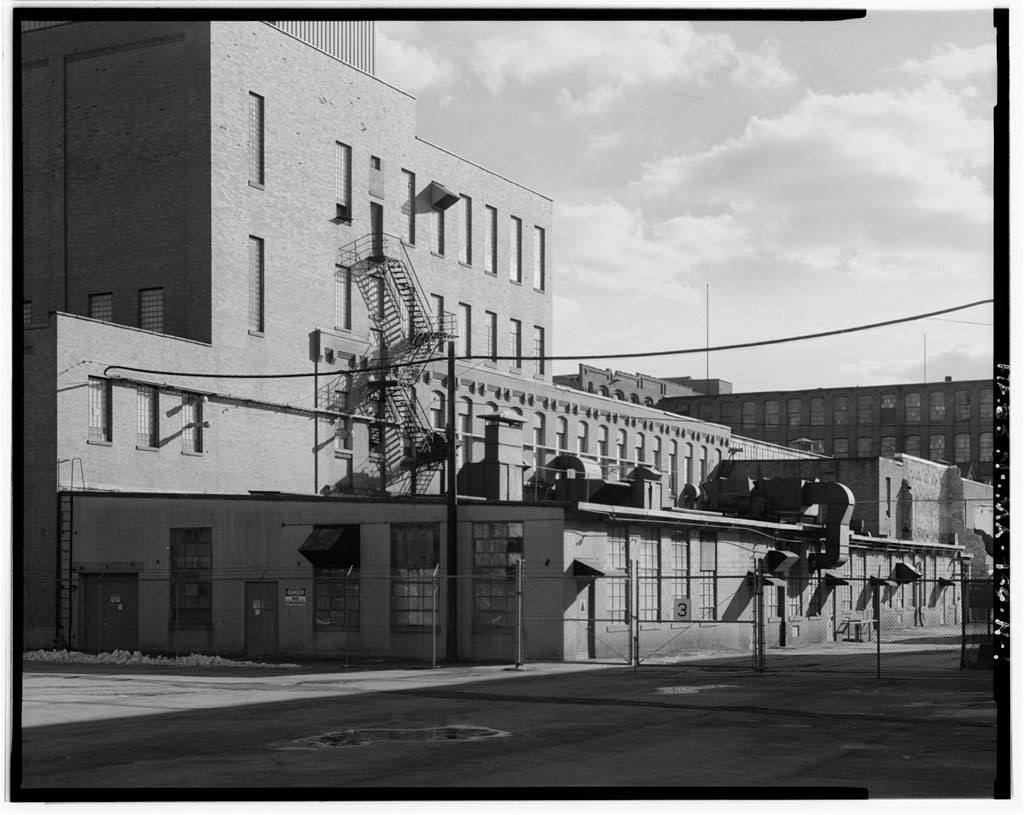
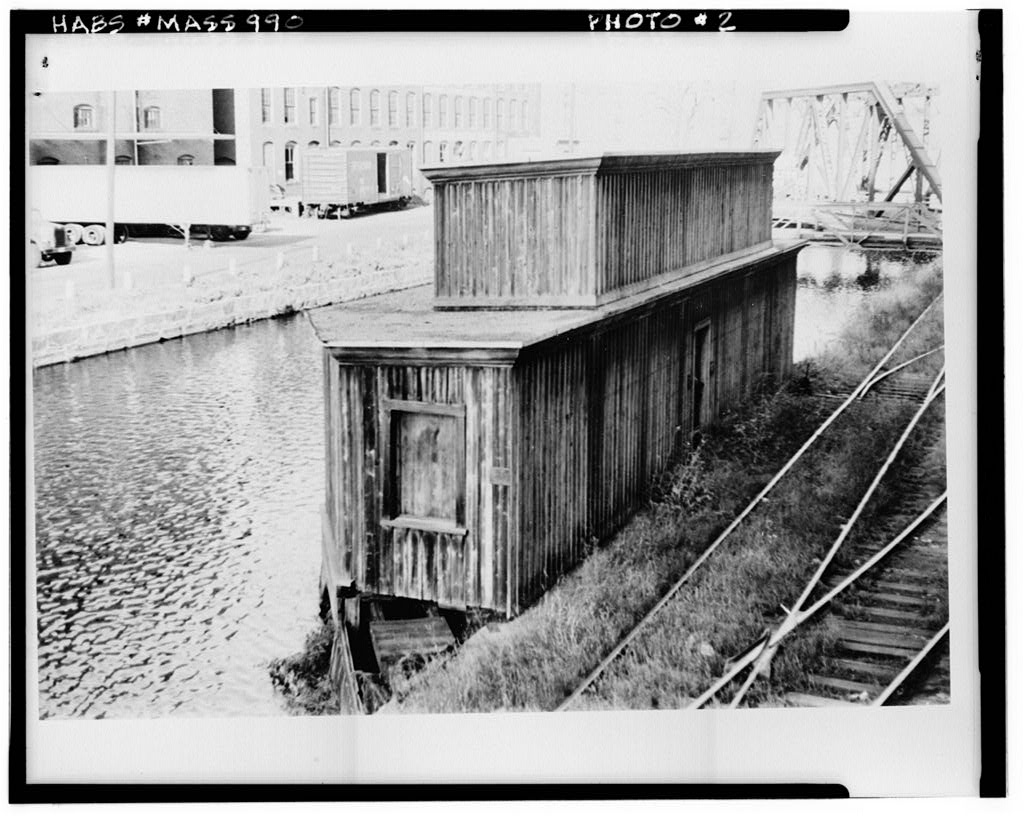
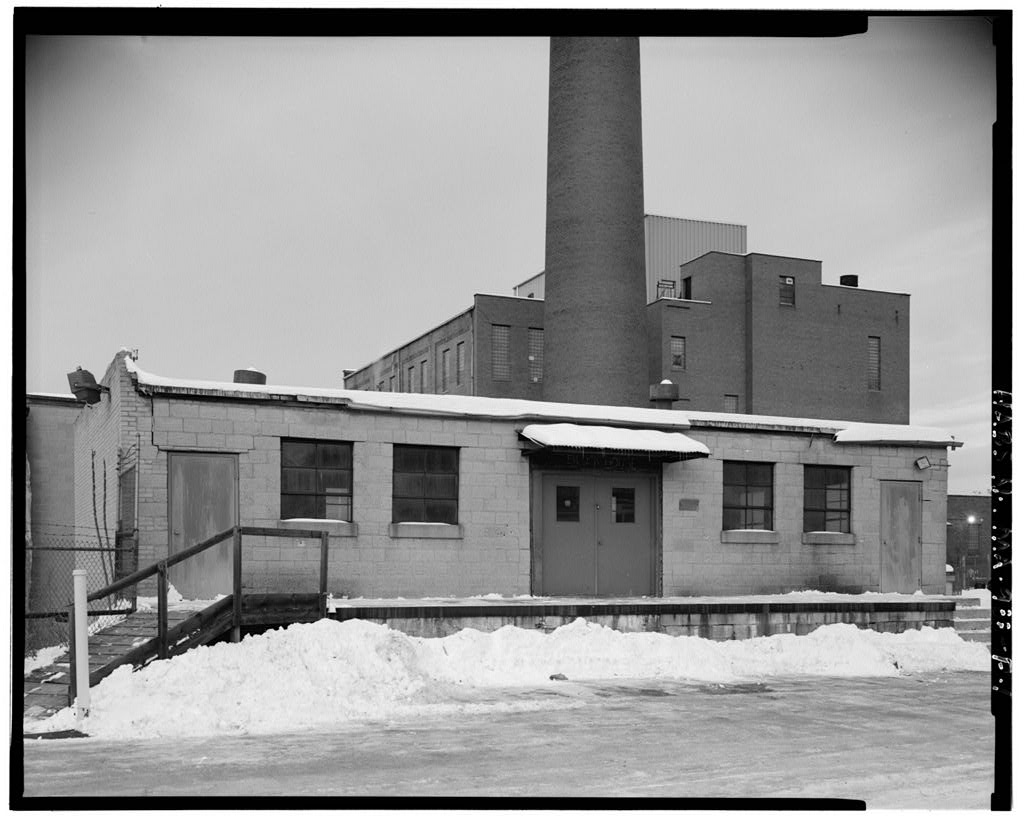
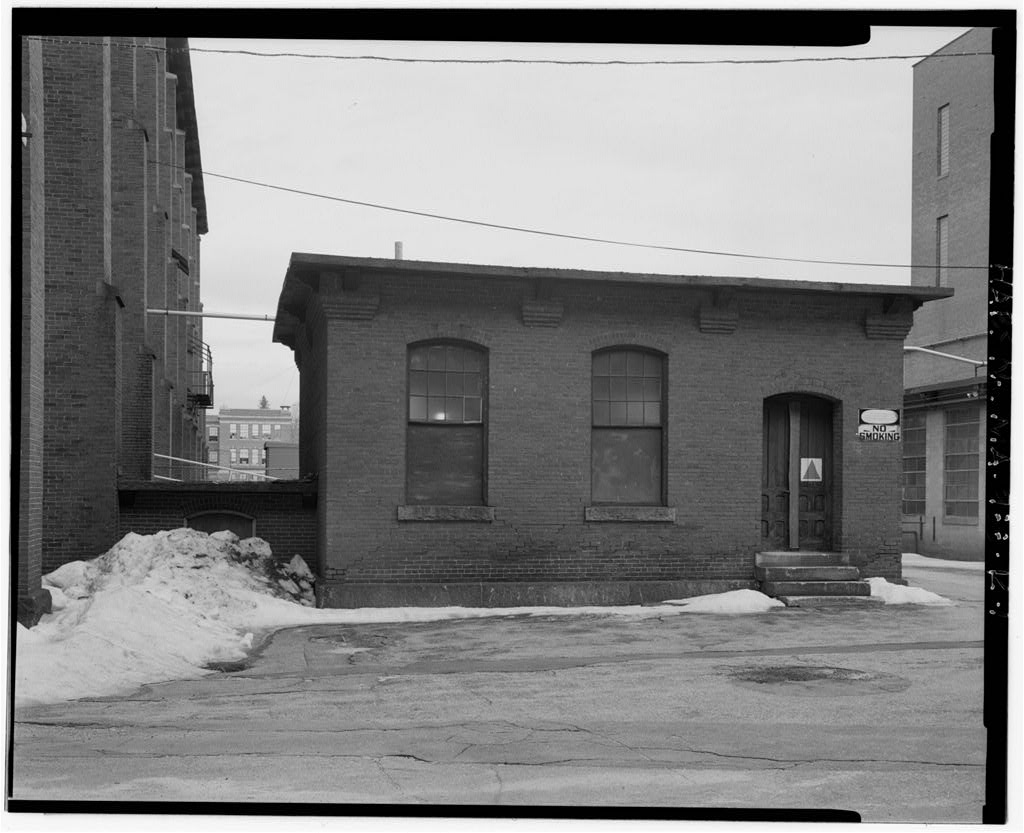
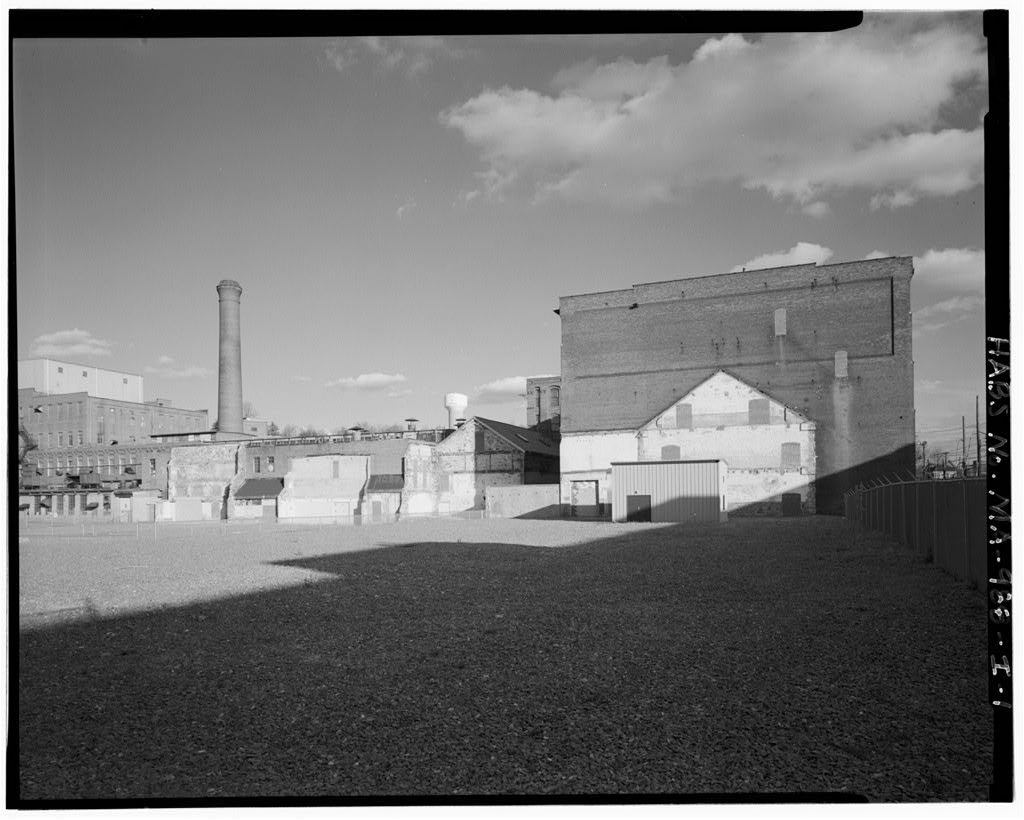
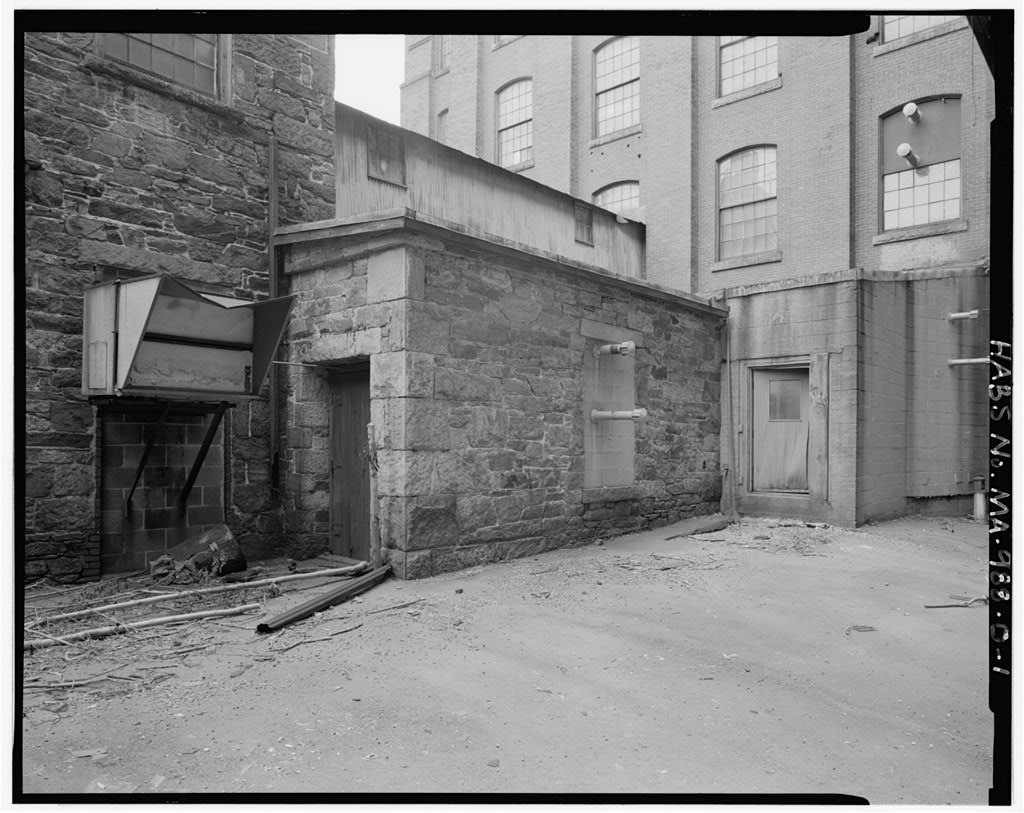
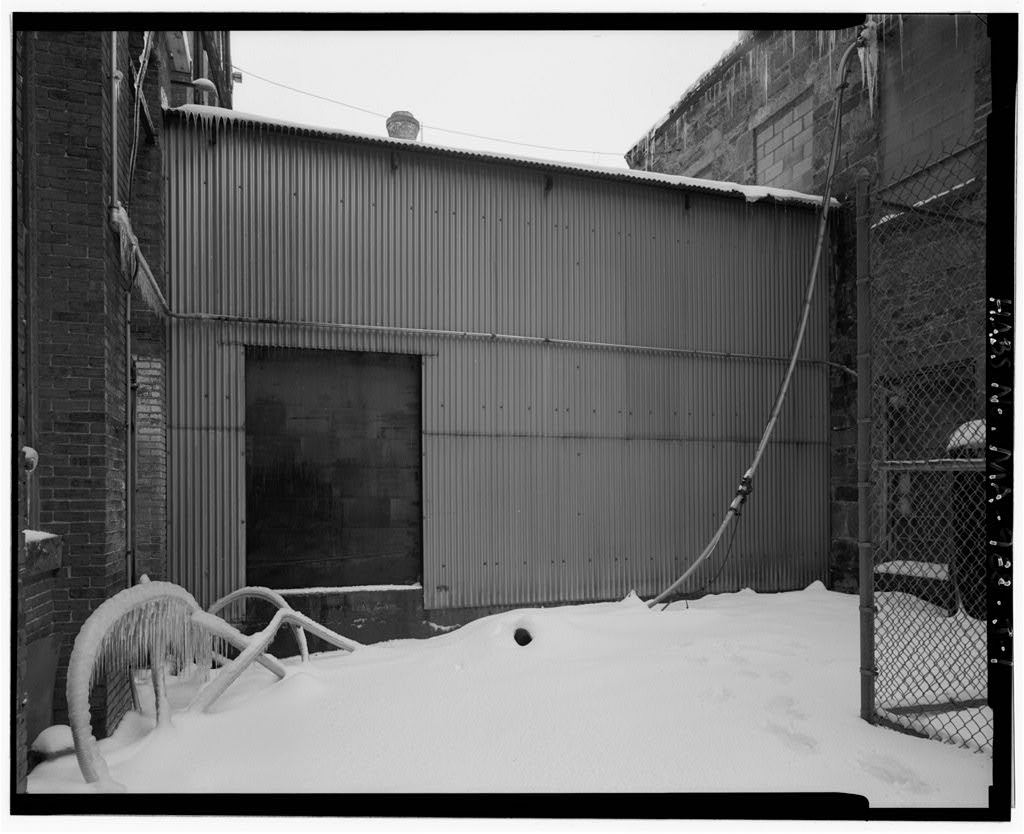
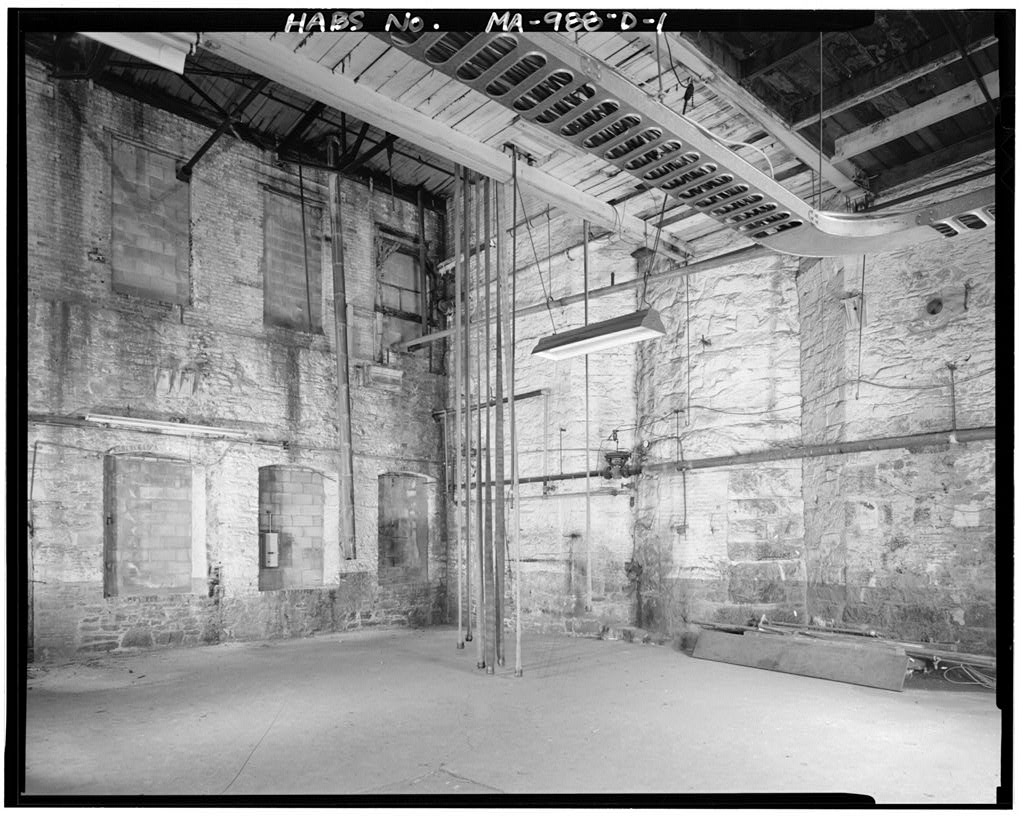
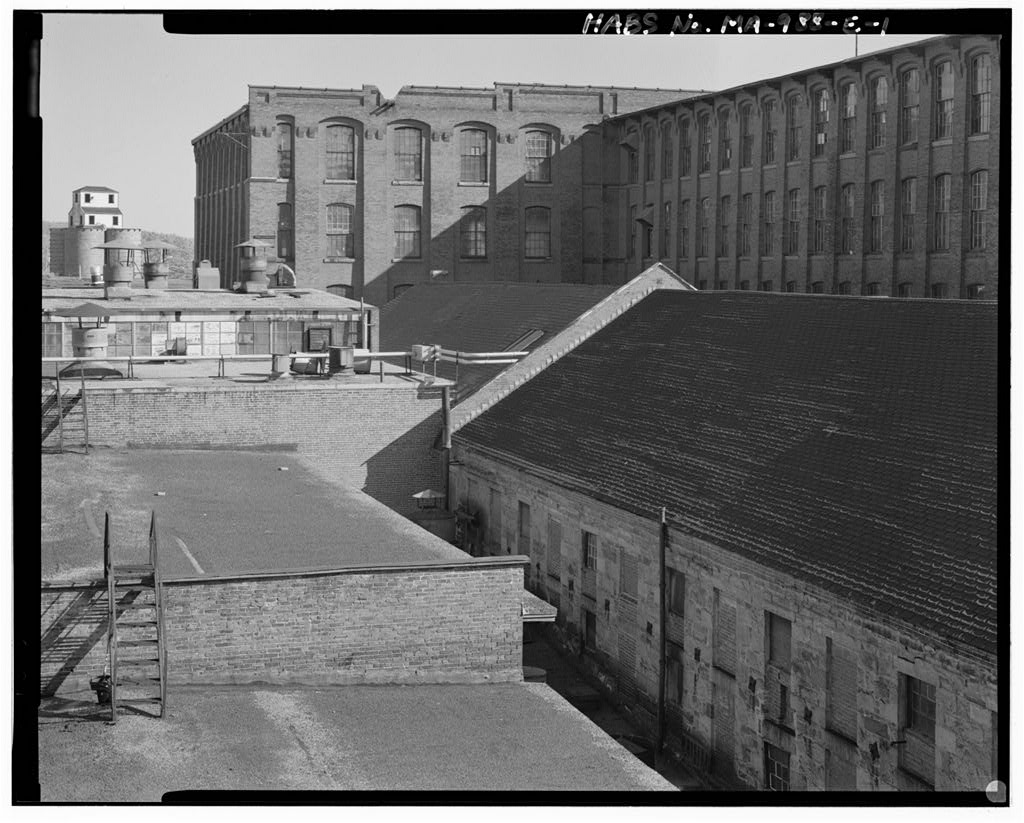
This documentation was initiated as a mitigation measure prior to the federally funded relocation of Canal Street and demolition of the remains of the paper mill complex by the Massachusetts Highway Department. This documentation was prepared between February and October by: Lola Bennett, Historian McGinley Hart & Associates 77 North Washington Street Boston, Massachusetts Martin Stupich, Photographer * 25 Mayhew Street Dorchester, Massachusetts CHAMPION-INTERNATIONAL PAPER COMPANY, CLAY STORAGE SILOS (Russell Paper Company, Clay Storage Silos) HAERNo.
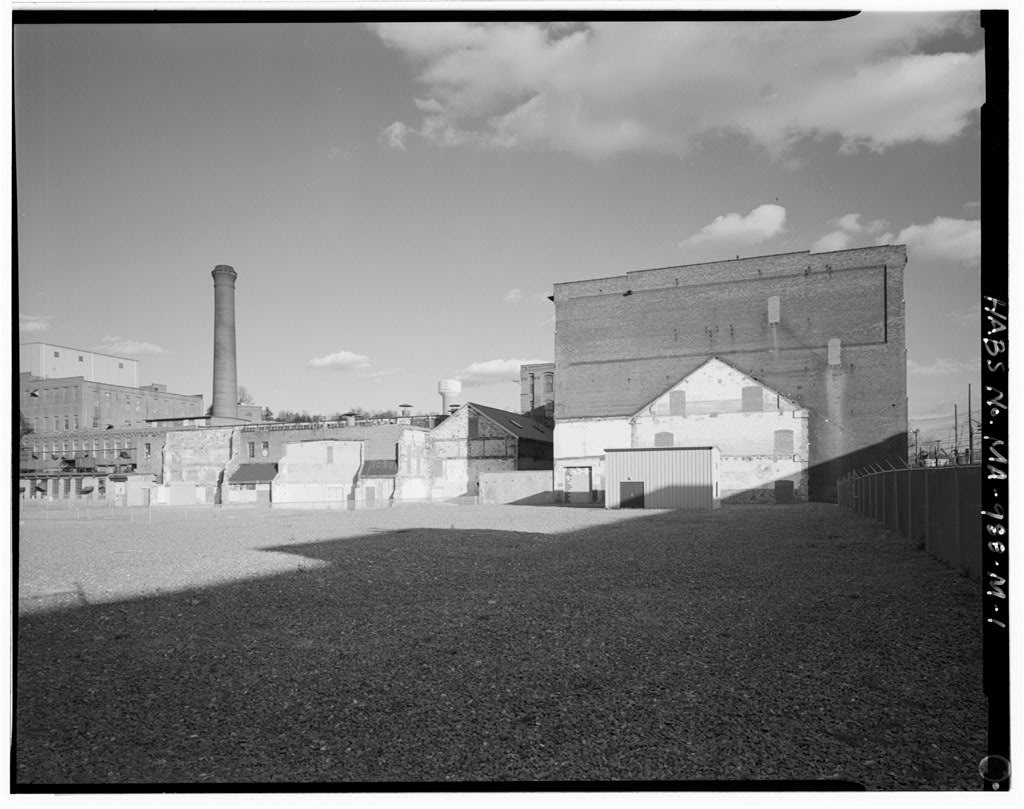
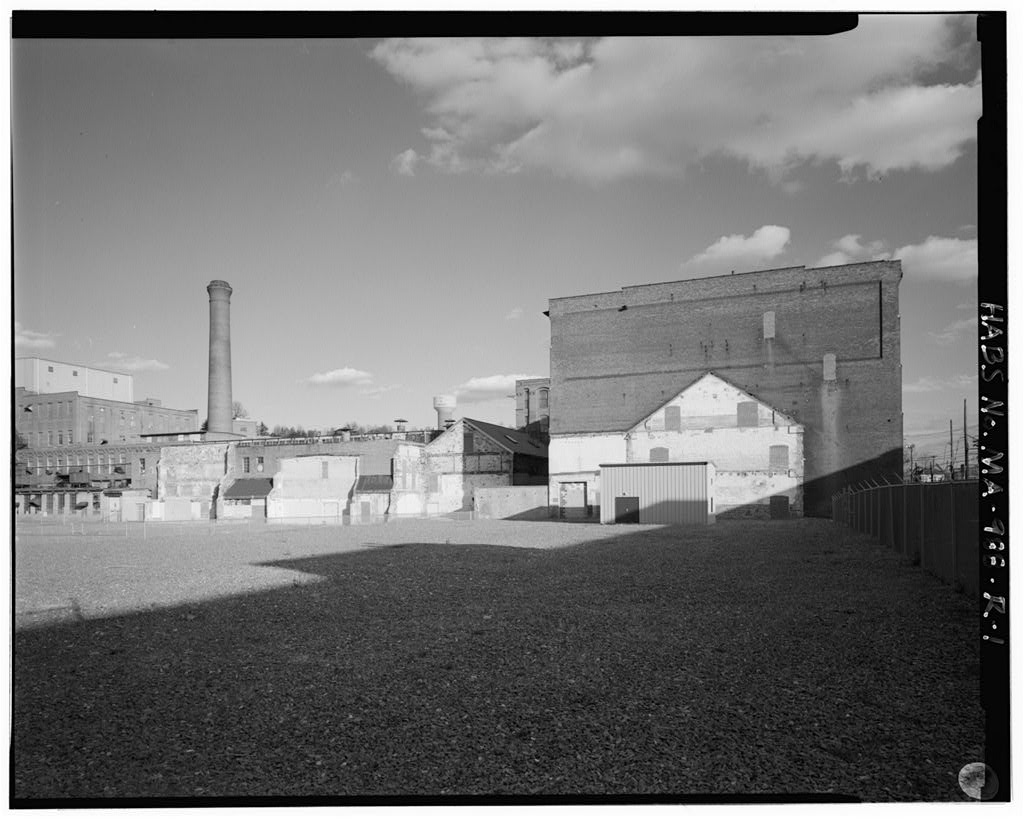
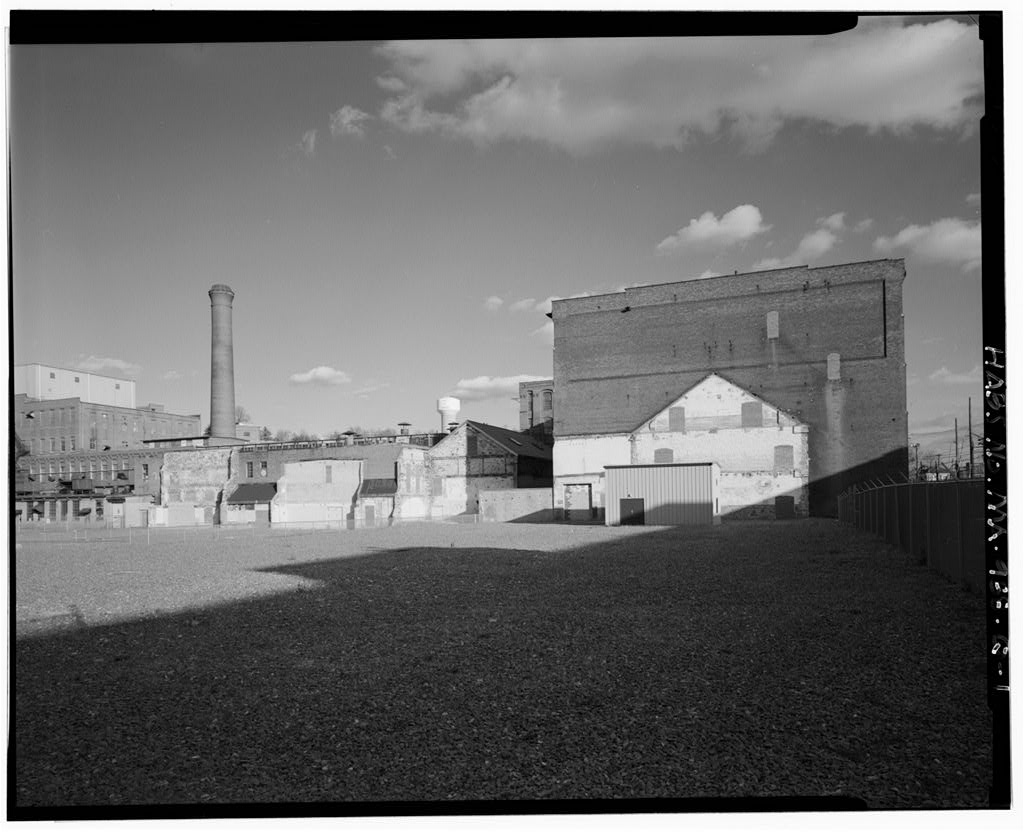
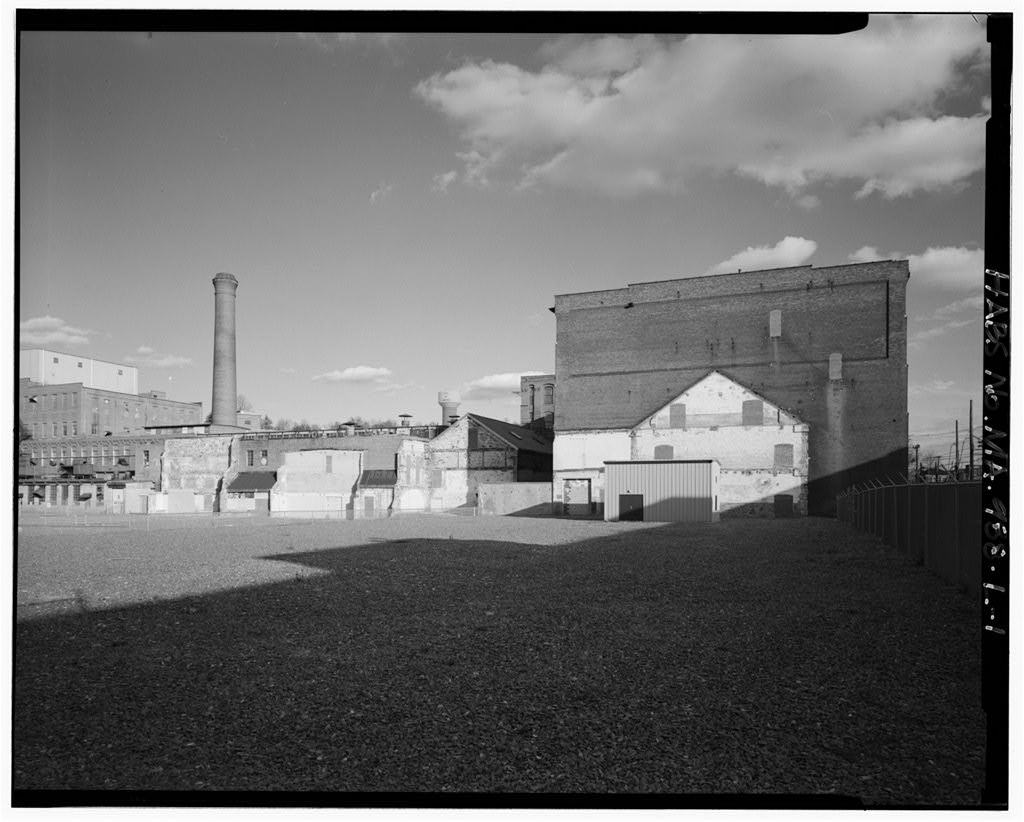
MA-139-C (Page 2) Site Description The cluster of Clay Storage Silos, one of the few surviving structures of the Champion- International Paper Company and its predecessors in Lawrence, Massachusetts, is located in the southeast quadrant of a acre site bounded by Canal Street on the south, the Spicket River on the east, the recendy demolished Everett Cotton Mills complex on the west, and Lawrence General Hospital parking lots on the north. It is one of three surviving mill structures on the site, part of what was a once-thriving mill complex that evolved over a period of 125 years.
The site and buildings, now owned by the City of Lawrence, are considered contributing elements with the North Canal Historic District which was listed on the National Register of Historic Places in The silo shells remain relatively intact, although the clay mixing tanks have been removed. Because of the extensive structural damage to neighboring structures and the presence of hazardous materials, the City of Lawrence has fenced the southern half of the former paper mill site to prevent access to the structures, including the Clay Storage Silos. In addition, although an extensive search was conducted, no company records or building plans were found.
Therefore, information was, of necessity, compiled from on-site observation from points outside the security fence and from secondary sources, including historic maps and photographs. Structure Description The cluster of Clay Storage Silos is comprised of four identical structural tile silos surmounted by a 20' x 20' wood-frame penthouse with monitor and mounted on a 41' x one-story high reinforced concrete base which housed the clay mixing room. The entire structure occupies an area measuring roughly square feet and is approximately 80 feet high. An iron strap binds each tile course on three of the four silos. The tiles on the fourth silo appear newer and are not strapped.
The silos were originally constructed sometime between and when they first appear on a fire insurance map of the Champion-International Paper Company. Although little documentation was found concerning this structure's function, and fire insurance maps indicate that the penthouse contained electric hoisting equipment and the reinforced concrete base housed the mixing room.1 The silos were used for storing clay and possibly starch, two essential ingredients in the manufacture of coated paper which, for nearly seventy years, was the Champion-International Paper Company's specialty. 1 Associated Factory Mutual Fire Insurance Company, [Plan of] "Champion-International Company, Lawrence. Mass.," September 21, and March 13, Collection of American Textile History Museum, Lowell, Massachusetts.
CHAMPION-INTERNATIONAL PAPER COMPANY, CLAY STORAGE SILOS (Russell Paper Company, Clay Storage Silos) HAERNo. MA-139-C (Page 3) Champion-International's Coated Paper While some experimentation had been done with coated paper in the seventeenth and eighteenth centuries, it was not until the publication of periodicals on a regular basis, that the demand for surface-coated paper necessitated its production in quantity. By the turn of the twentieth century, there were regular daily, weekly and monthly publications in the United States,2 and half-tone printing, first perfected in was becoming increasingly popular. The essential feature of a coated paper which makes it superior for printing is the smoothness of its nearly plane surface.
No matter how heavily a plain paper is calendered, or how smooth its surface appears to be, there are always roughnesses which prevent perfect contact of the halftone dots of the printing plate and which injure the appearance of the illustration. When a coating is applied it fills in the irregularities of the base paper surface and after calendering it presents a much more uniform surface to the printing plate, and thus permits afar more accurate reproduction of the dots of the halftones? The coated paper produced by Champion-International was said to be "of the finest grade obtainable.
"4 The increasing importance of coated paper in the publishing industry meant steady growth for Champion-International, and brought the company to the height of its production during the and An advertisement for Champion-International stated that their product was preferred, because "its consistently superior quality guarantees brilliance and affinity for inks and results in excellent reproduction, both in black and white and in colors."5 2 Paper Trade Journal, Progress of Paper, Anniversary Edition (New York; Lockwood Trade Journal Co.), 3 Friwin Sutermeister. The Story of Papermaking fBoston: Warren, 4 Claude M. Fuess, editor and Scott H. Paradise, compiler. The Storv of Essex County (New York: The American Historical Society, Inc., 5 Frank L.
Mott, "The National Geographic Magazine," in A History of American Magazines. vol. IV (Cambridge: Harvard Univeristy Press, CHAMPION-INTERNATIONAL PAPER COMPANY, CLAY STORAGE SILOS (Russell Paper Company, Clay Storage Silos) HAERNo. MA-139-C (Page 4) Sources Engineering Drawings No architectural or engineering drawings have been found. Historic Views Uncatalogued views of plant showing machinery and paper manufacturing processes. Collection of Immigrant City Archives, Lawrence, Massachusetts. Bibliography Abramson, Howard S. National Geographic: Behind America's Lens on the World.
New York: Crown Publishers, Associated Factory Mutual Fire Insurance Company, [Plan of] "Champion-International Company, Lawrence, Mass.," September 21, Collection of American Textile History Museum, Lowell, Massachusetts. Bailey, and Hazen. "Lawrence, Mass., Bird's-Eye View. Beers, Goodhue and Parsell. Atlas of Essex County. Massachusetts. Philadelphia: Beers & Co., Bicknell, Ralph Edmund. "How Paper Is Made," in Ralph's Scrap Book. Illustrated bv His Own Camera and Collection of Photographs, and Compiled bv His Father Edmund Bicknell. Lawrence, Massachusetts: The Andover Press, Dorgan, Maurice. Lawrence Yesterday and Today. Lawrence, Mass.: Press of Dick & Trumpold, Dorgan, Maurice. History of Lawrence. Massachusetts. Lawrence, Massachusetts: author, Fuess, Claude M., editor and Scott H.
Paradise, compiler. The Storv of Essex County. New York: The American Historical Society, Inc., Grosvenor, Gilbert Hovey. The National Geographic Society and Its Magazine. Washington, DC: National Geographic Society, CHAMPION-INTERNATIONAL PAPER COMPANY, CLAY STORAGE SILOS (Russell Paper Company, Clay Storage Silos) HAERNo.MA-139-C (Page 5) HMM Associates. "Preliminary Site Assessment: Oxford Paper Site, Lawrence, Massachusetts," Prepared for Mayor Kevin J. Sullivan, City of Lawrence, February Hopkins, Citv Atlas of Lawrence. Massachusetts. Philadelphia, Horizons: Lawrence. Massachusetts Centennial Anniversary City of Lawrence, Hunter, Dard. Papermaking in Pioneer America. Philadelphia: University of Pennsylvania Press, Hunter, Dard.
Papermakine: the History and Technique of an Ancient Craft. New York: Alfred A. Knopf, Inc., Hurd, Duane Hamilton, compiler. History of Essex County. Massachusetts. 2 vols. Philadelphia: Lewis & Co., 1! Illustrated History of Lowell and Vicinity. Massachusetts. Lowell, Massachusetts: Courier- Citizen Company, The Lawrence Gazetteer. Containing a Record of the Important Events in Lawrence and Vicinity from to Lawrence: Charles G. Merrill, Lawrence Up To Date. Lawrence: Rushforth & Donoghue, Paper Trade Journal: The Progress of Paper. Anniversary Edition. New York: Lockwood Trade Journal Co., Peterson, Bernard. "A Path Around the World on Paper," Industry (Associated Industries of Massachusetts), May 48. Richards, Atlas of the Citv of Lawrence and the Towns of Methuen.
Andover and North Andover. Massachusetts. Boston: Richards & Co., Richards, & Co. Atlas of the Citv of Lawrence and the Towns of Methuen. Andover and North Andover. Massachusetts. Boston: Richards & Co., Richards, Harold Hazen. Atlas of the City of Lawrence and the Towns of Methuen. Andover and North Andover. Massachusetts. Lawrence: Richards Map Co., Sanborn Map Company. Insurance Maps of Lawrence. Massachusetts. New York: Sanborn Map Company, and Showalter, William Joseph. "Massachusetts-Beehive of Business," National Geographic Magazine, vol. 37, no. 3 (March CHAMPION-INTERNATIONAL PAPER COMPANY, CLAY STORAGE SILOS (Russell Paper Company, Clay Storage Silos) HAERNo. MA-139-C (Page 6) Smith, David C.
History of Papermaking in the United States New York: Lockwood Publishing Company, Tracy, Cyrus Mason. "Lawrence," in Standard History of Essex County. Massachusetts. Boston: Jewett & Co., Walker, George H. Atlas of Essex County. Massachusetts. Boston: George H. Walker & Co., Weeks, Lyman Horace. A History of Paper Manufacturing in the United States New York: Lockwood Trade Journal Co., Witham, Sr. Manufacture of Paper. Scranton, Pennsylvania: International Textbook Company,
 Block
Block