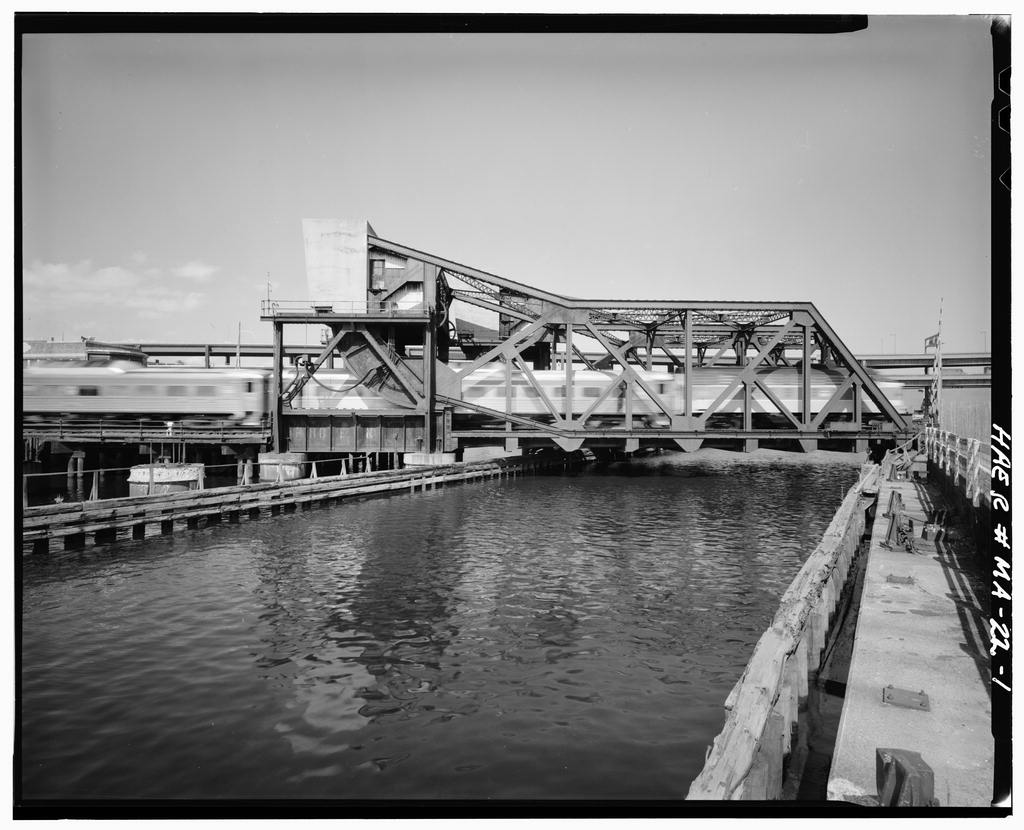
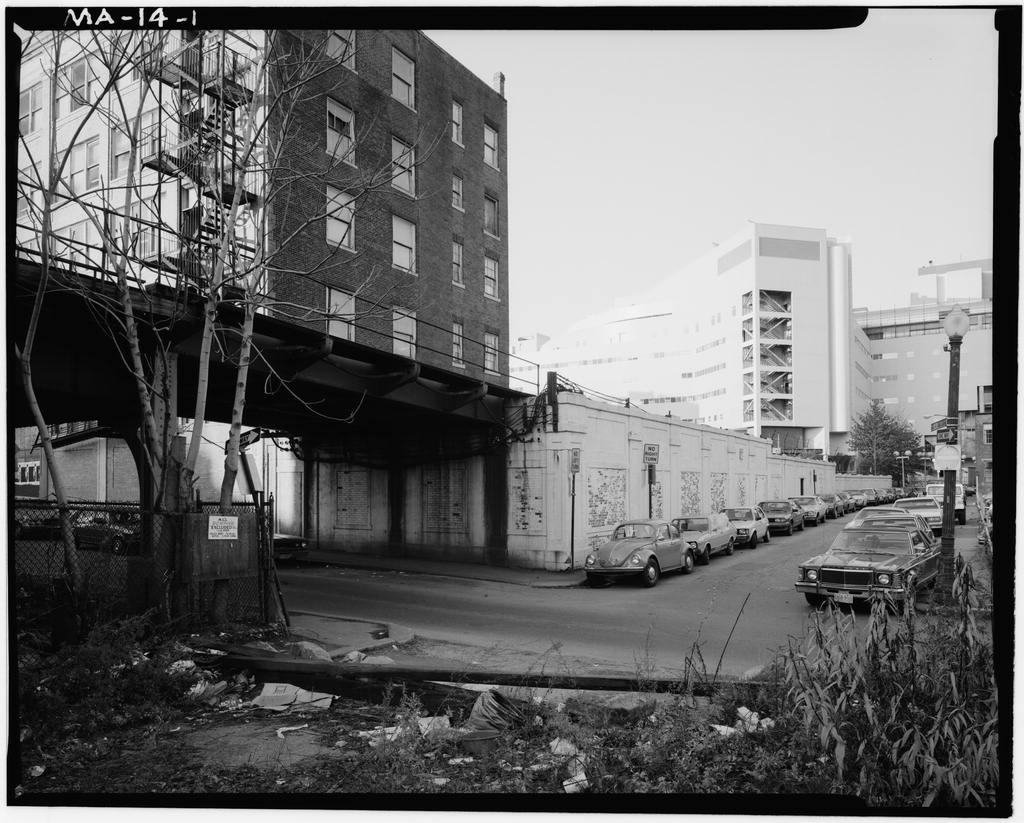
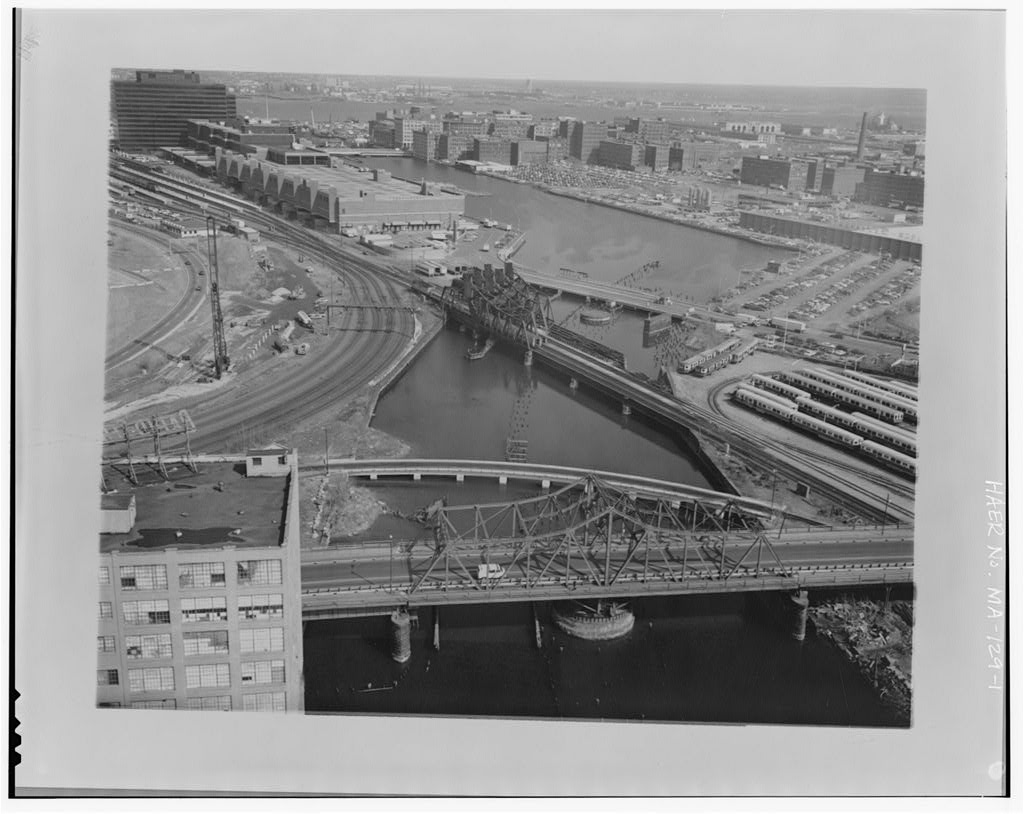
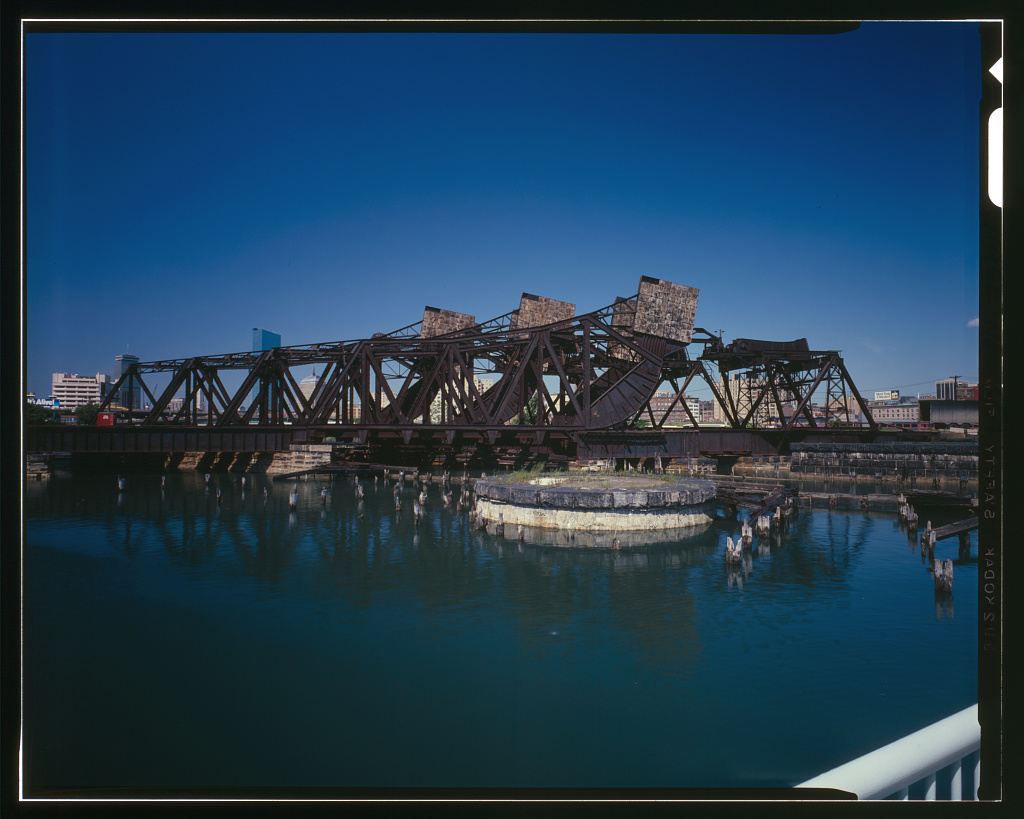
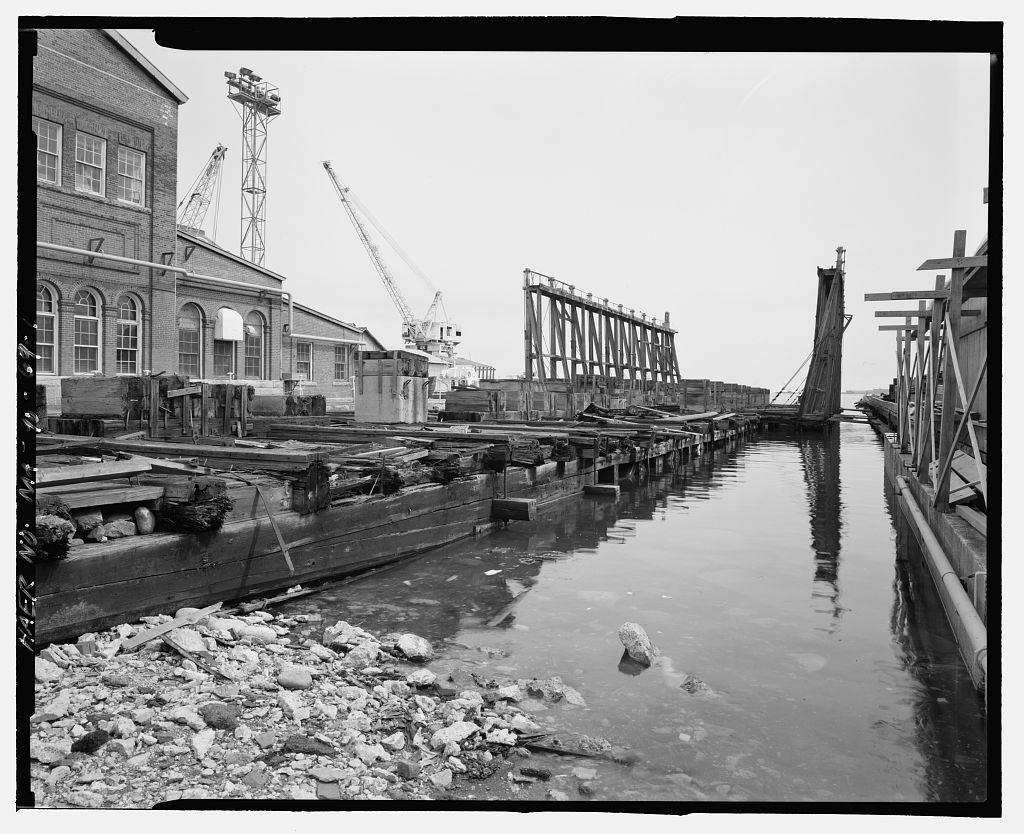
Part of the extensive terminal improvement program by the Boston & Maine Railroad, and the last element to be completed, was the replacement and realignment of the railroad's crossings of the Charles River. The Boston & Lowell was the first railroad in the U. S. to be faced with the need for a movable bridge, when in their tracks had to cross the Charles River in order to enter Boston. The railroad's solution was a movable span with a horizontal swing, hinged at the corner of one end. A system of cables supported the free end of the span.
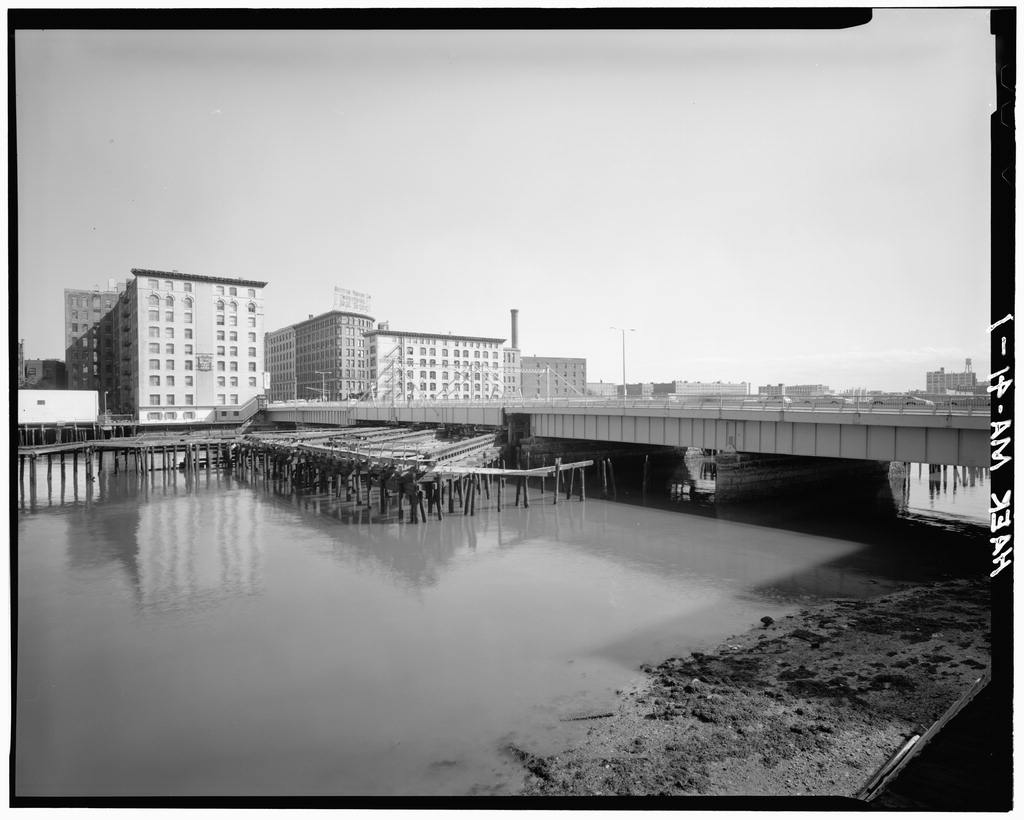
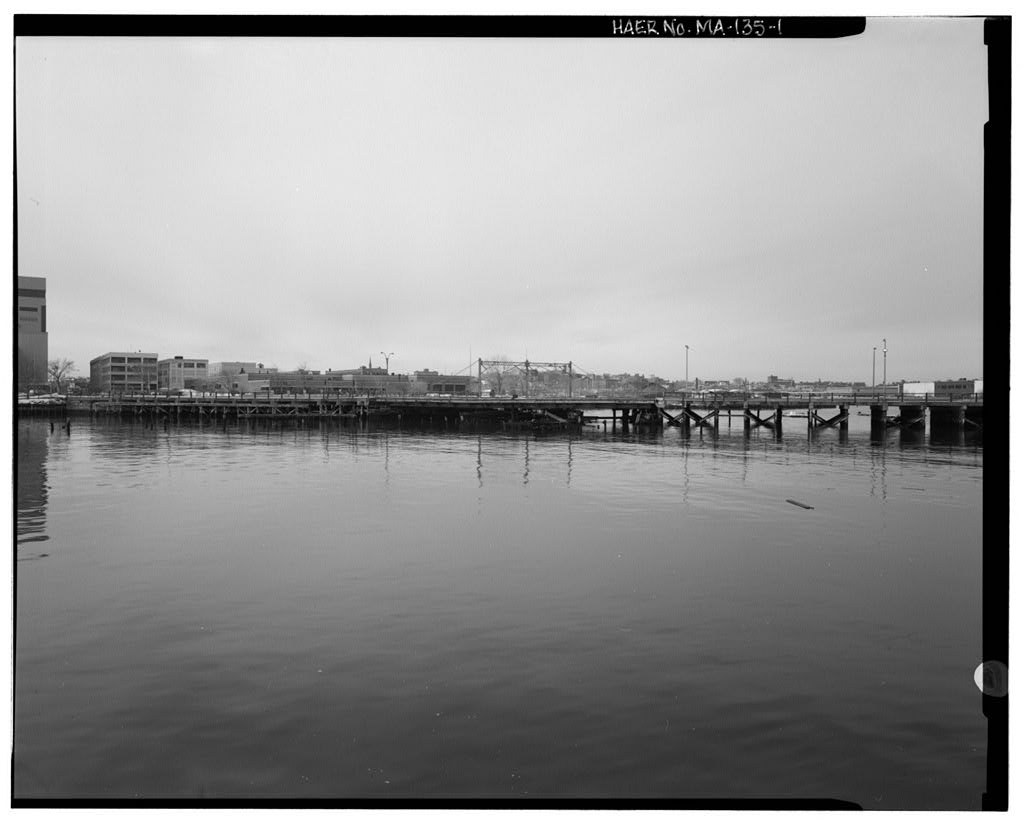
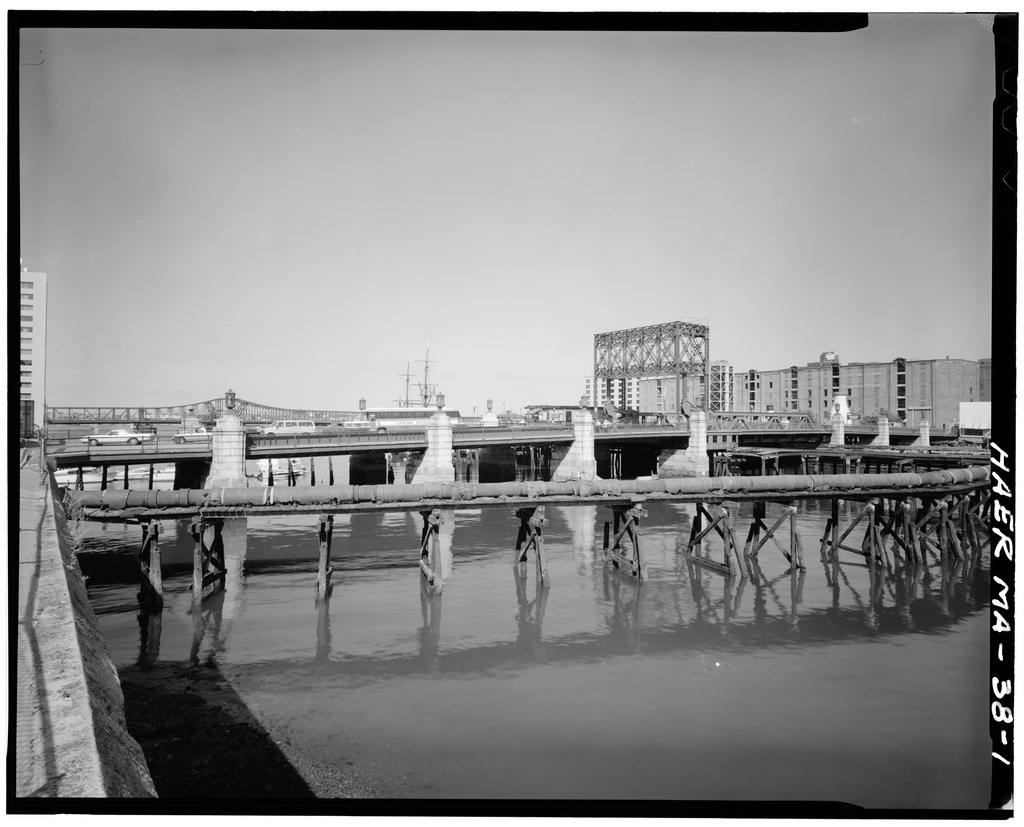
The structure was the forerunner of the jackknife bridge, invented in One by one, the three other railroads crossing the Charles River adopted this solution (and later the jackknife design), which became a characteristic feature of the railroads north of Boston. Beginning in the most movable railroad bridges were replaced by steel bascule spans. Not until 19 31, however, were the Charles River bridges replaced. To the very last, the bridges were air and steam operated. In after extensive filling and dredging, the channel of the Charles River was relocated Boston & Maine Railroad: Charles River Bridges HAER No. MA-22 (Page 2) further away from North Station to allow the terminal tracks to converge into eight main leads crossing the river.
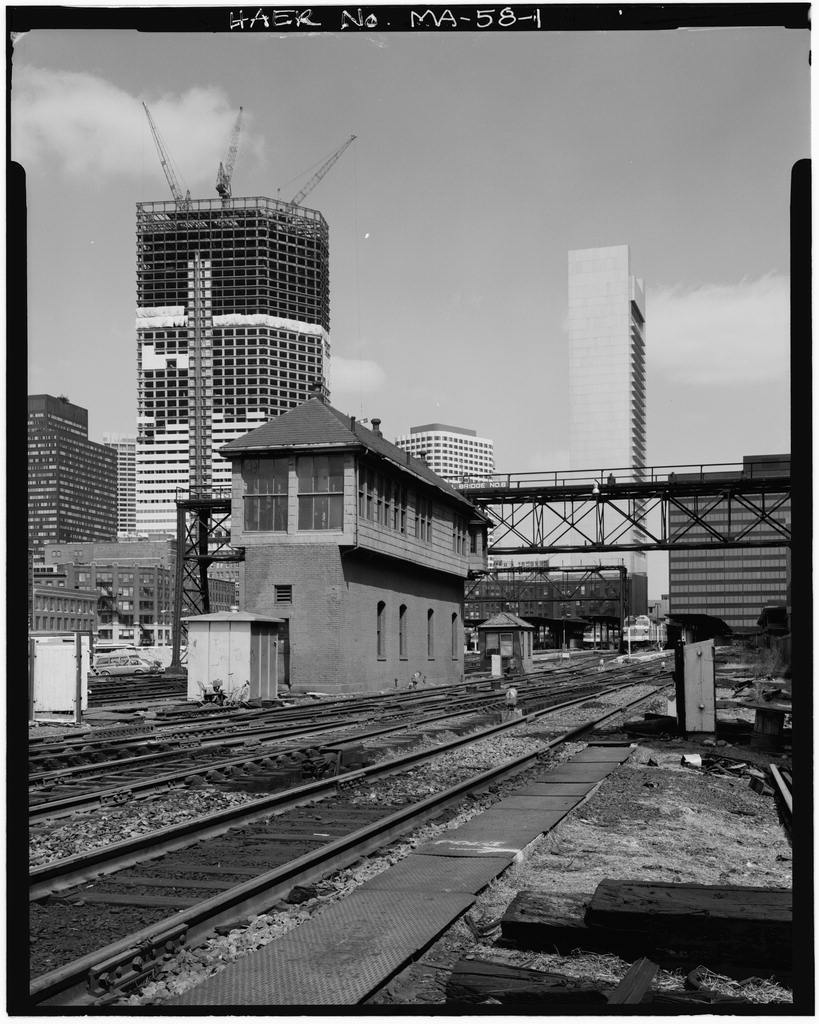
The four new structures were double-track, single-leaf, rolling-life bascule bridges, a design made famous by the Scherzer Rolling Life Company of Chicago. All four were nearly identical in design, varying only in their length and the degree of their skew, two spans crossing the channel at a slightly greater skew than the others. Two were 87 feet in length and two, 97 feet. Each span carried a single 629-ton overhead concrete counterweight and, operated by two electric motors, was controlled from the second floor of the new signal and interlocking station, located nearby on the north side of the river.
The bridges were designed by Keller & Harrington, Chicago, while the steelwork was fabricated and erected by the Phoenix Bridge Company, Phoenixville, Pennsylvania Today, only two of the bascule spans remain. * References "Rare Old Bridges Replaced in Railroad Terminal Improvements at Boston," Engineering News-Record 5 November pp. "Boston & Maine Completes Large Terminal Project at Boston," Railway Age 92 (5 March pp. Condit, Carl W., American Building Art: the Nineteenth Century (New York: Oxford University Press, Transmitted by: Jean P. Yearby, from data compiled by Peter Stott
 Block
Block