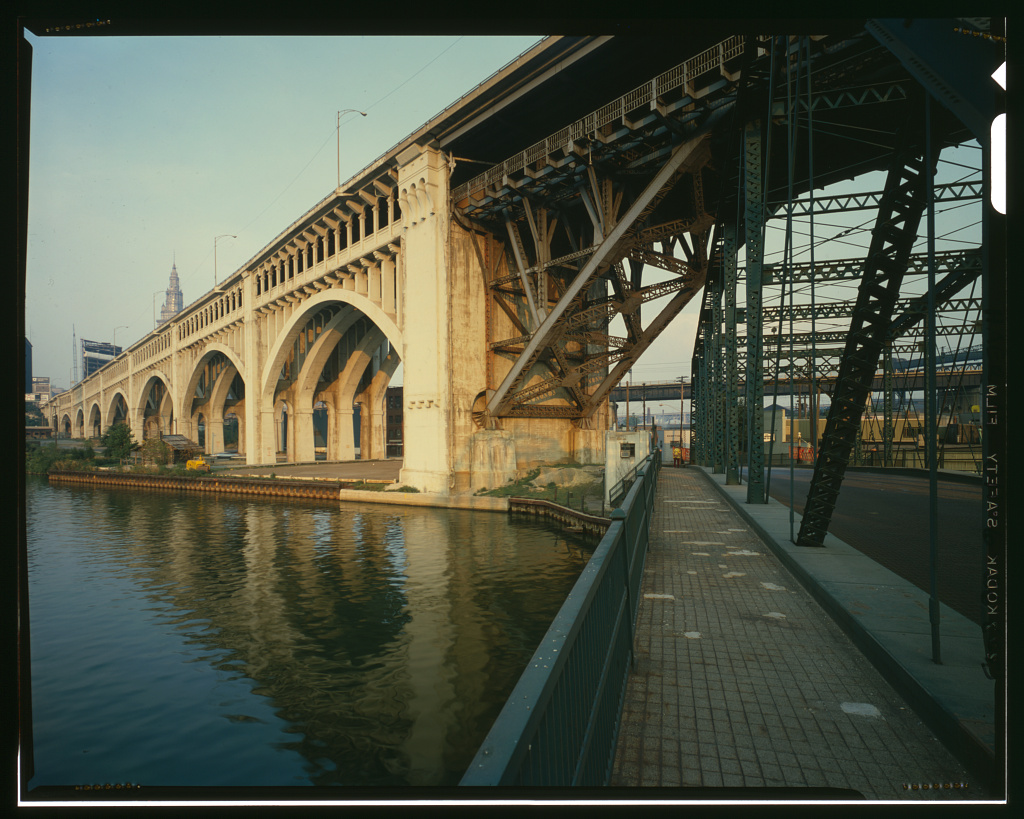
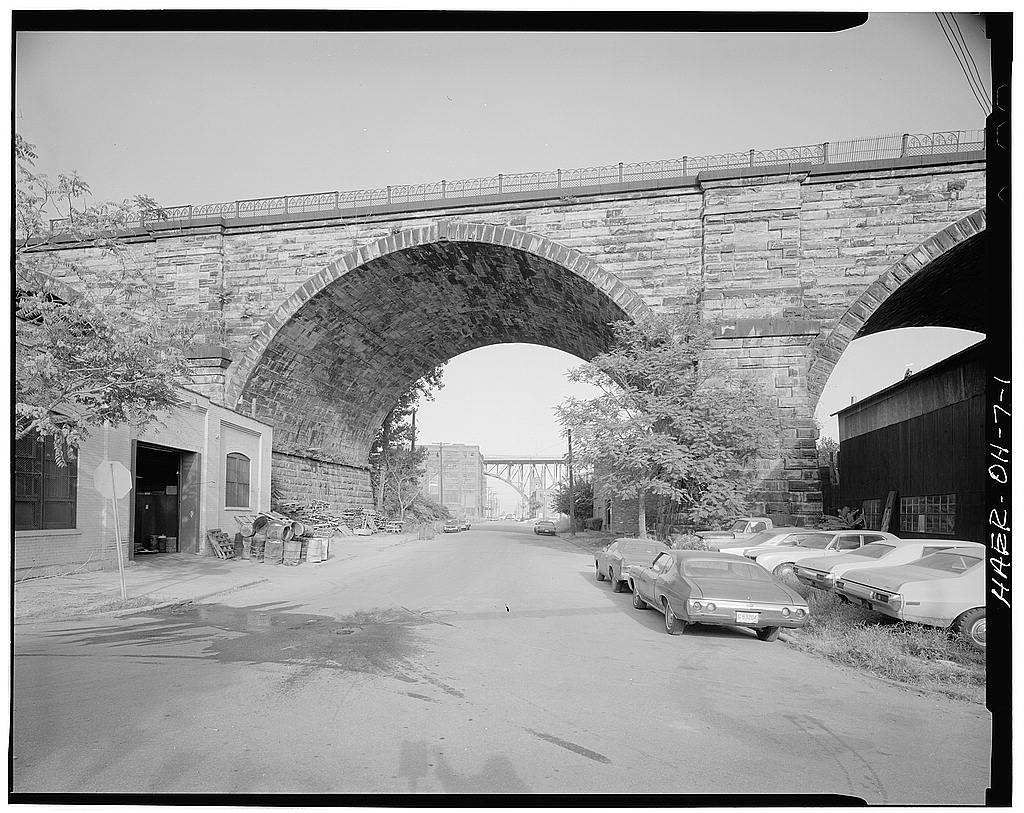
Historian; UTM: Quad: Cleveland South c. City of Cleveland City Hall 601 Lakeside Avenue Cleveland, Ohio Vehicular and pedestrian bridge This twin skewed arch masonry highway bridge is Cleveland's oldest extant bridge. It was built by the Cleveland & Mahoning Valley Railroad Company to carry Detroit Street over its twin tracks. The railroad, completed in connected Cleveland with the rich coal fields of Ohio's Mahoning Valley, thereby con- tributing to the demise of the Ohio & Erie Canal.
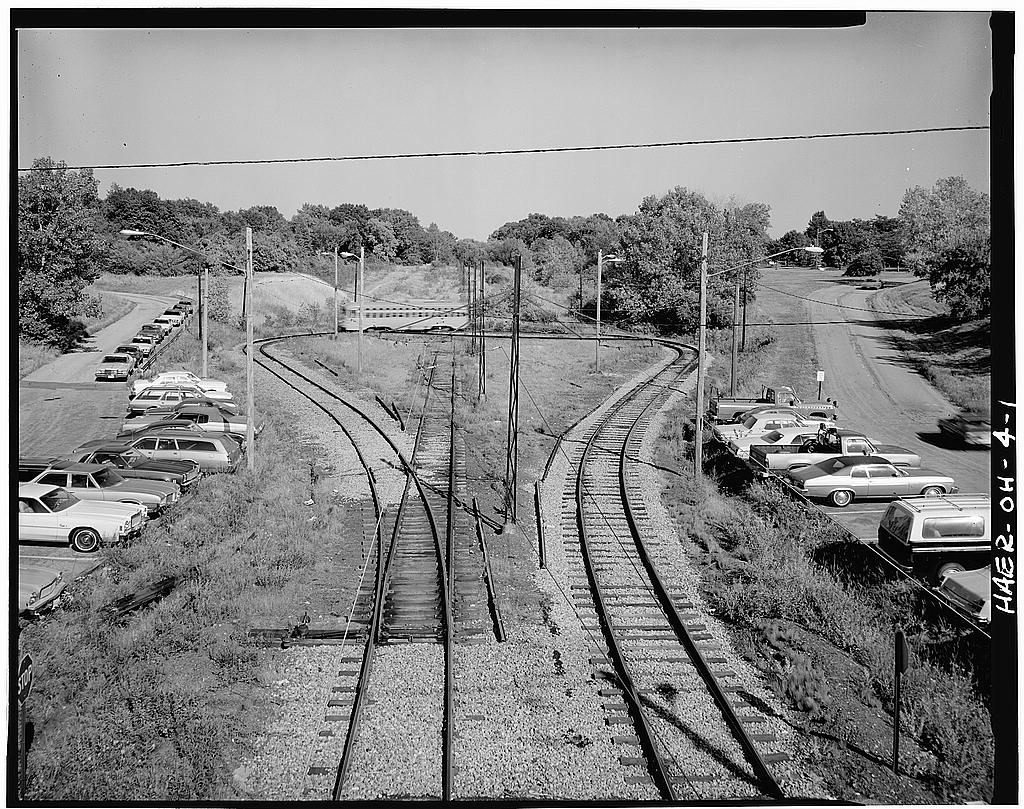
Carol Poh Miller, July It is understood that access to this material rests on the condition that should any of it be used in any form or by any means, the author of such material and the Historic American Engineering Record of the Heritage Conservation and Recreation Service at all times be given proper credit. Cleveland's oldest extant bridge is a twin skewed arch masonry highway bridge that carried Old Detroit Street over the twin tracks of the Cleveland & Mahoning Valley Railroad. The tracks, now owned by Conrail, are no longer used, but the bridge still serves its original function. The Old Detroit Street Bridge was built by the Cleveland & Mahoning Valley Railroad Company.
The company received its charter in and in the first stockholders meeting was held at Warren, Ohio, after had been subscribed. The directorate of the company included "able businessmen," according to Cleveland historian William Ganson Rose. President of the company was Jacob Perkins, the son of General Simon Perkins of Trumbull County. Directors included Frederick Kinsman and Charles Smith, of Warren; David Tod, of Youngstown; Dudley Baldwin, of Cleveland; Robert Cun- ningham, of New Castle; and James Magee, of Pittsburgh. According to Rose, President Perkins "came forward and pledged of his personal fortune to the venture, and the directors joined him, makinj the project possible." [1] The "project" was a railroad to connect Cleveland with the Mahoning Valley.
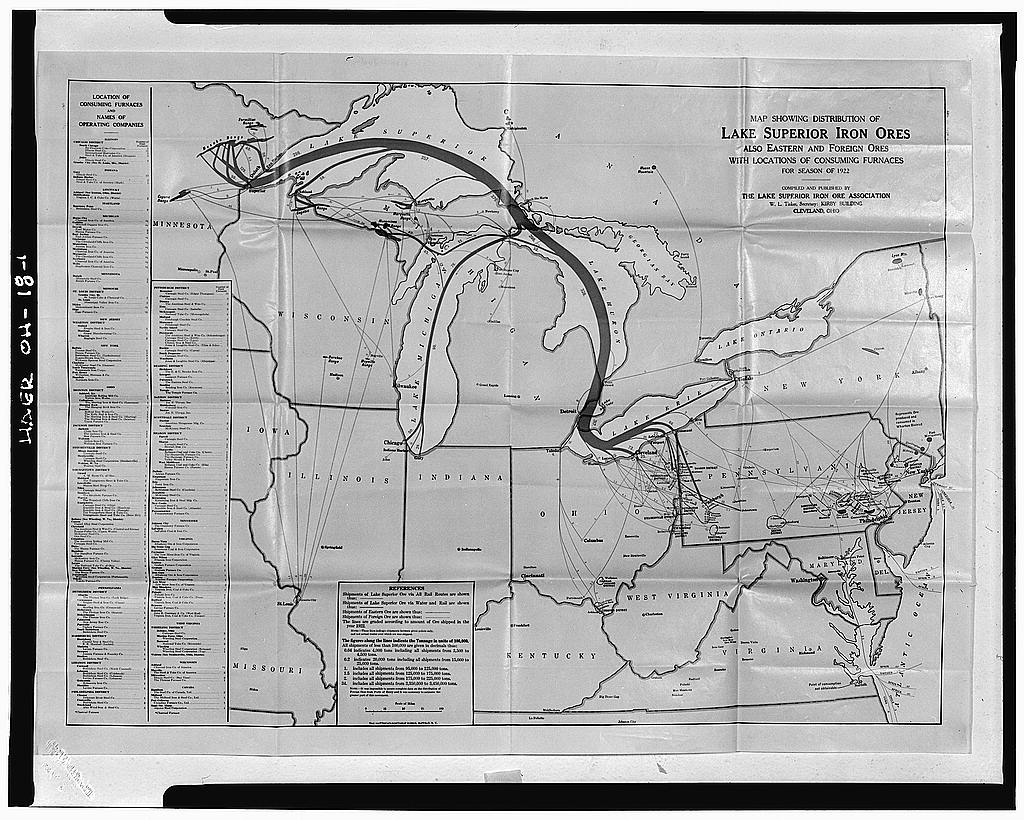
The 103 mile long road would connect Ohio City, on the west bank of the Cuyahoga River (annexed to Cleveland in with Brighton, Pennsylvania, and would go through Youngstown and Warren. Railroad President Perkins stated that the coal trade alone, which might reach 800 tons a day, would justify construction of the road. [2] In June, a team under the direction of Edward Warner began a survey of the route. [3] On March 15, the Daily True Democrat announced that the construction of the Cleveland & Mahoning road had been awarded to "a New York firm." By mid-April of that year, workmen had erected several "commodious shanties" to serve as boarding houses for workers near University Heights (Tremont)'.
[4] On January 25, the City Council of Ohio City passed an ordinance authorizing the Mayor to enter into an agreement with the Cleveland & Mahoning Railroad Company to construct a double track across Detroit and other streets. In consideration for this privilege, the railroad was obligated "to construct and keep in repair proper bridges over said track where the same shall cross Detroit and Washington Streets, and to construct and keep in repair, proper crossings at the points where such track shall cross the other streets /named/." [5] On July 18, President Perkins reported to stockholders that over one million dollars in stock had been subscribed and that, of this amount, had been appropriated for construction of the line between Cleveland and Youngstown.
[6] On November 1, the Cleveland Leader remarked that "the Cleveland and Mahoning Railroad is pushing the work on this end of the road forward with considerable vigor...Thus far no road in the west has been managed with more prudence and ability." An editorial in that paper on November 15, praised the rapidity with which the road was progressing and commented, "Most of the roadbed between the city and Warren is now ready for the rails. Nearly all of the bridges and culverts are completed." By November, the Cleve- land & Mahoning Valley Railroad was bringing into the city long trains of cars loaded with coal from the rich mining districts of Ohio. [7] The opening of the road dealt a death blow to canal commerce.
[8] No specific documentation of the construction of the Old Detroit Street Bridge exists. If, by November, all of the bridges and culverts were completed (as the Cleveland Leader re- ported) , it is probable the Old Detroit Street Bridge was con-^ structed between and The completed Cleveland & Mahoning rail line can be seen on the map of the Qity of Cleveland. [9] The bridge built by the Cleveland & Mahoning Valley Railroad to carry Old Detroit Street over the railroad consists of twin skewed stone arches, each fifteen feet wide. It. was built to accommodate tracks built on a curve. -The arches measure seventeen feet from the crown to the roadbed,, The.overall length of the bridge is about fifty-five feet, its width about ninety-three feet.
The bridge is made of sandstone, probably quarried locally at nearby Berea. The stone is tooled and features margins. The interior arch rings are made of brick. ' According to Henry Grattan Tyrrell, stone bridges were not extensively used in America prior to except for a few highway bridges and aqueducts. The introduction of railroad building about created some demand for more permanent bridges than those of wood, but the necessity of rapid construction and a quick return on investment often precluded building permanent structures until after the road was in operation. The custom was to erect temporary bridges first, then renew or replace them after the road opened to travel. Such was not the case with the Cleveland & Mahoning Valley road, at least in Cleveland.
Possibly a permanent'stone bridge was chosen because of Cleveland's proximity to. stone quarries and the ready availability of skilled masons. The Cleveland & Mahoning road was leased by'the Atlantic & Great Western Railroad in and later by the Erie Railroad. The line was purchased by the Erie in [H] The line is, how a part of Conrailj but the tracks are no longer used. The Old Detroit Street Bridge is significant as Cleveland's oldest remaining bridge and for the role it played in an important chapter of the city's history. The Cleveland & Mahoning Railroad, like the Ohio & Erie Canal before it, contributed to Cleveland's prominence as an industrial center and transportation crossroads.
Coal from the Mahoning Valley fed not only Cleveland's industries, but was shipped by lake freighters and railroads to other manufactur- ing centers of the Midwest. The Old Detroit Street Bridge is a still-functional reminder of this heritage. Footnotes^ [I] Clevelan d: Th e Making of a City (Cleveland and New York: The World Publishing Company, p. [2] (Cleveland) Daily True Democrat , January 24, [3] Ibid . [4] Ibid . , April 17, [5] Ordinance LXXIX, in The Acts to Provide for the Organization of Cities and Villages and the Revised O rd inances of the City of Cleveland , codified and arranged by B. White, Esq. (Cleveland: Harris, Fairbanks & Co., pp. [6] Cleveland Leader , July 31, [7] Ibid . , November 10, [8] Rose, Cleveland , p.
[9] Map oj the City o f Cleveland , drawn and published by H. Langsdorf, Civil Engineer (Pittsburgh, Pa.: Krebs & Bro., History of Bridge Engineering (Chicago: By the author, pp. 72, 93. [II] Rose, Cleveland , pp.
 Block
Block