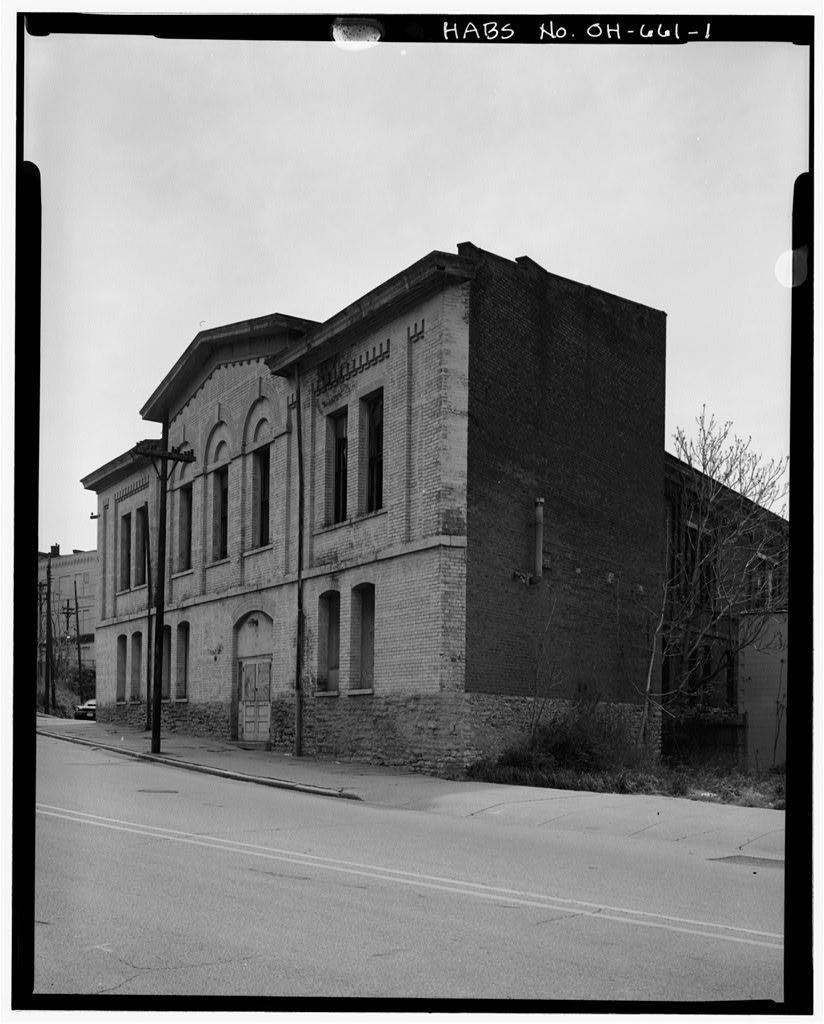
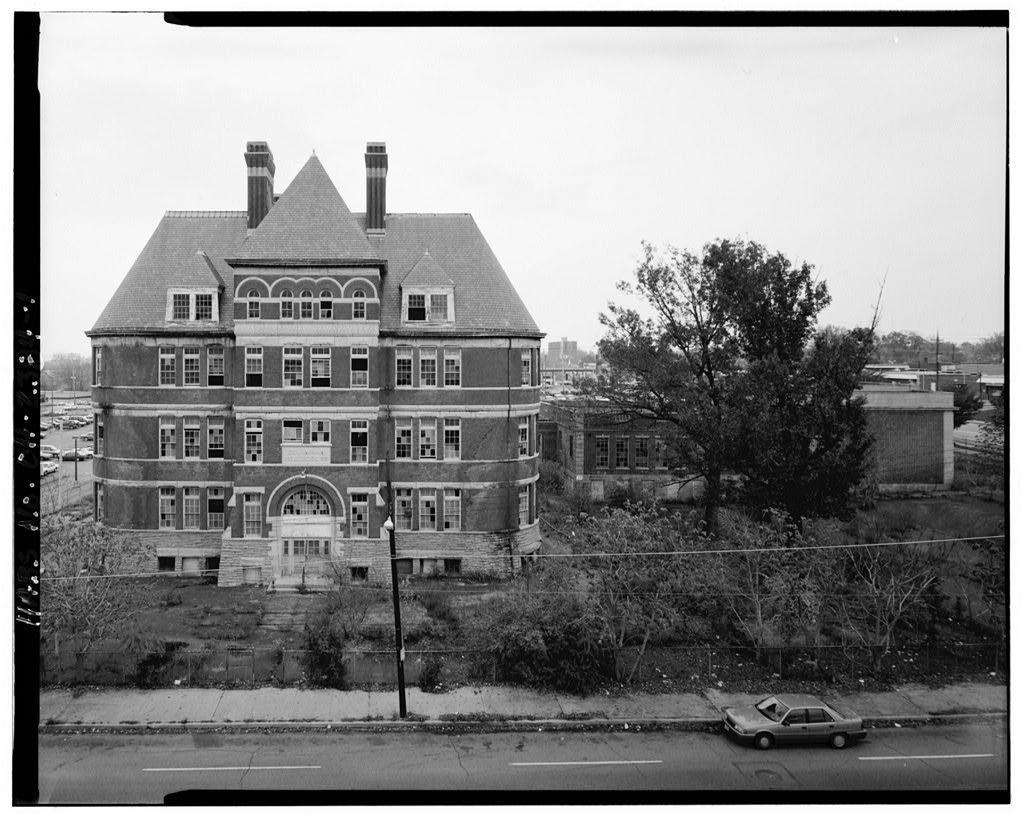
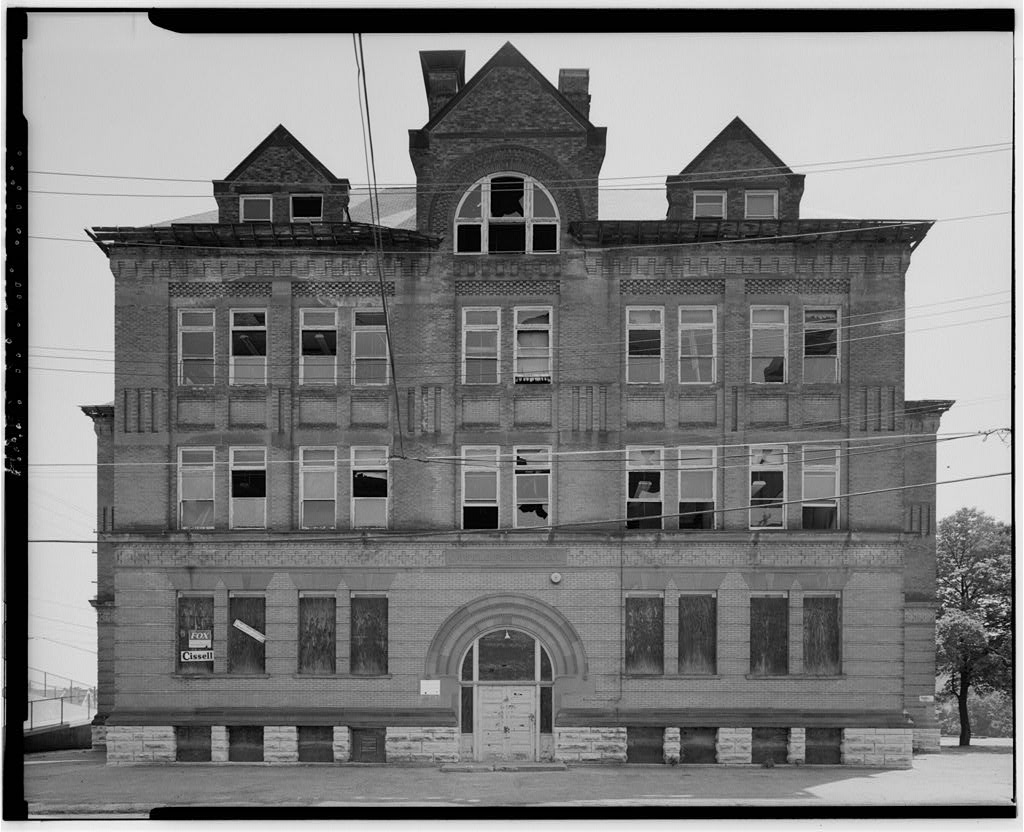
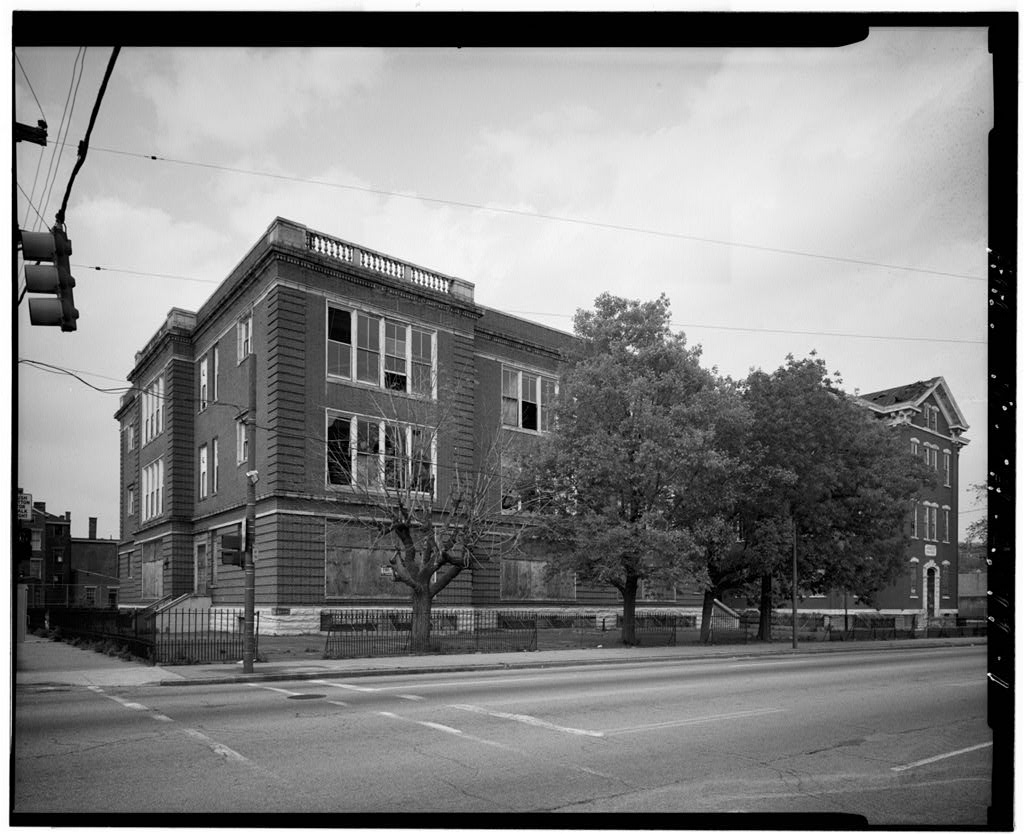
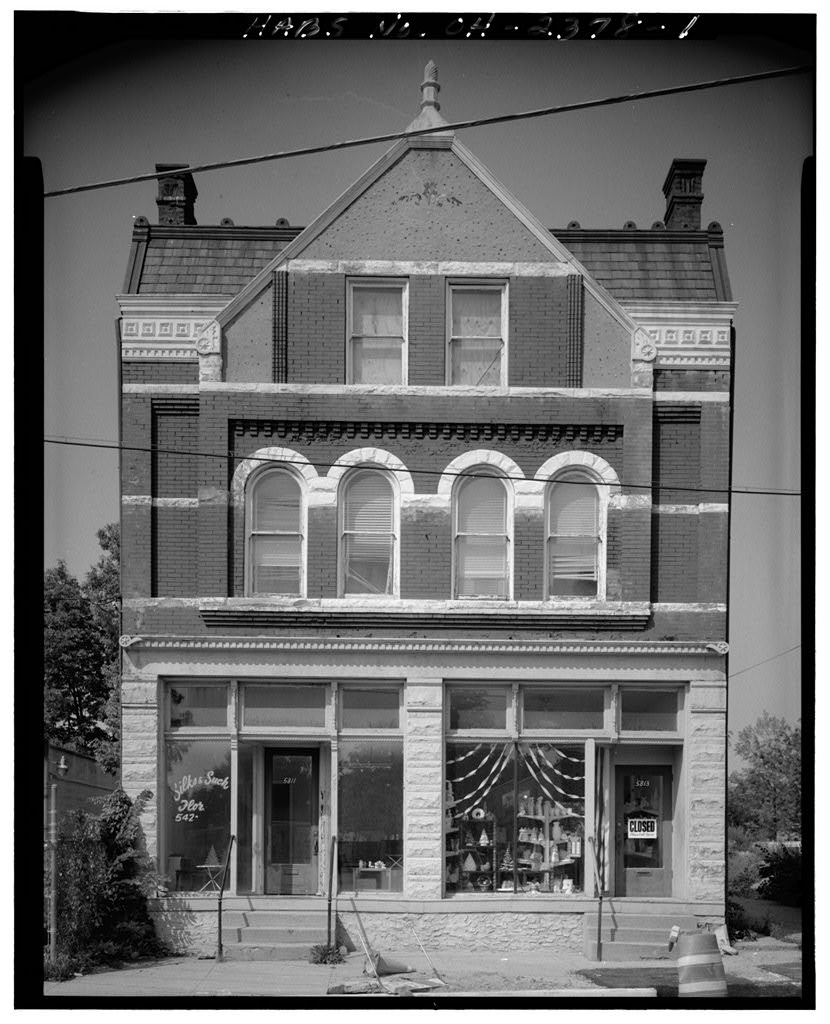
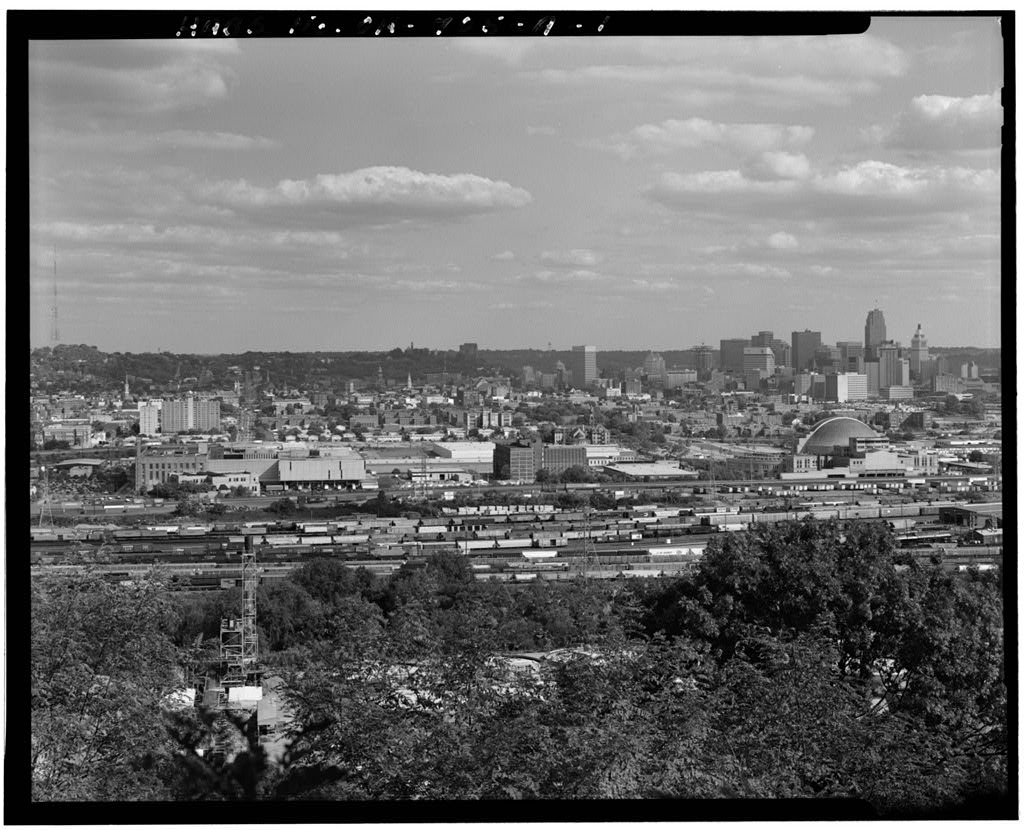
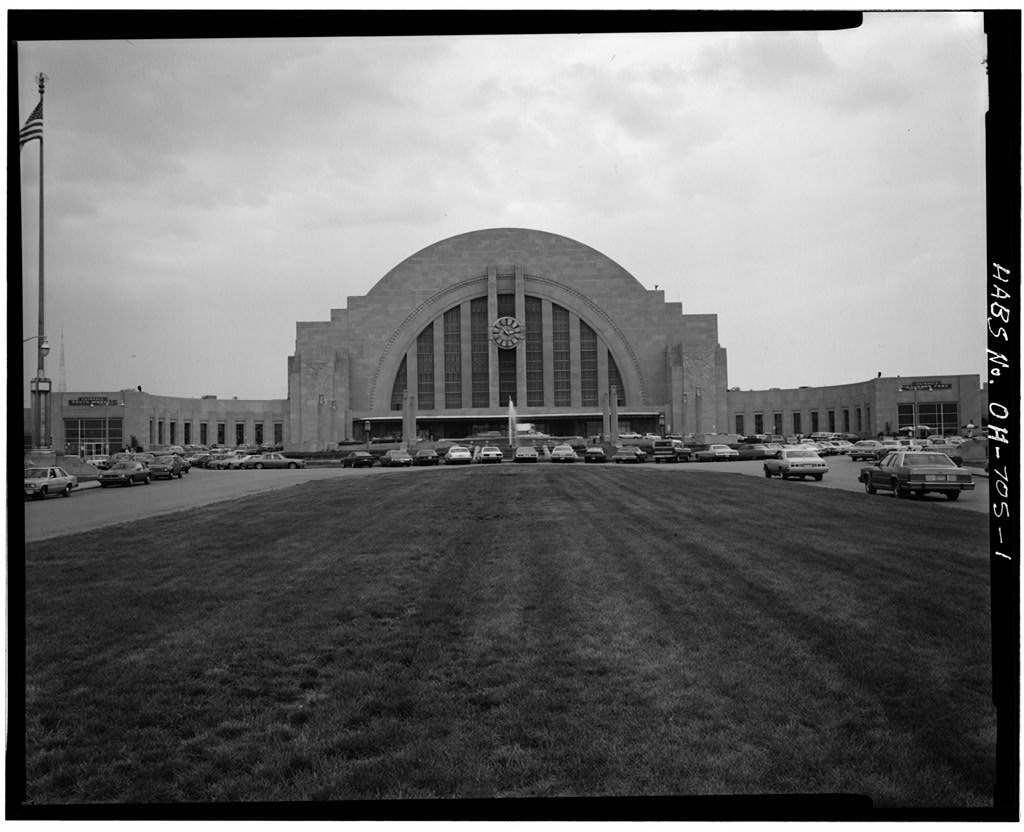
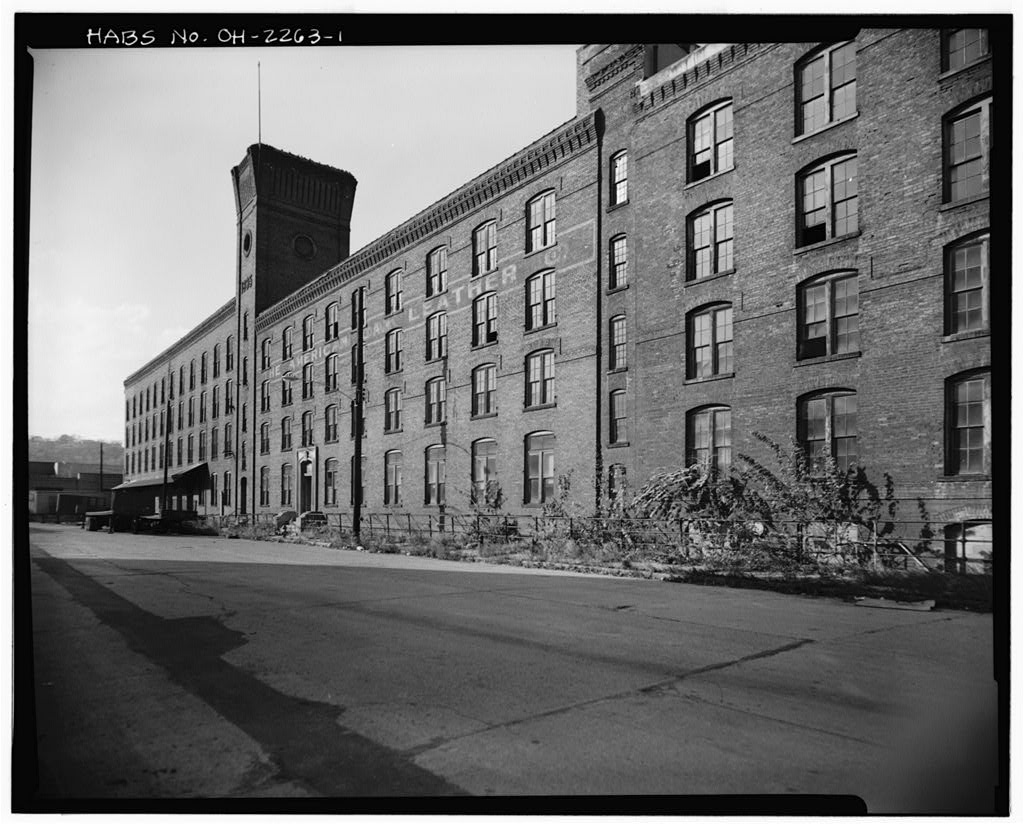
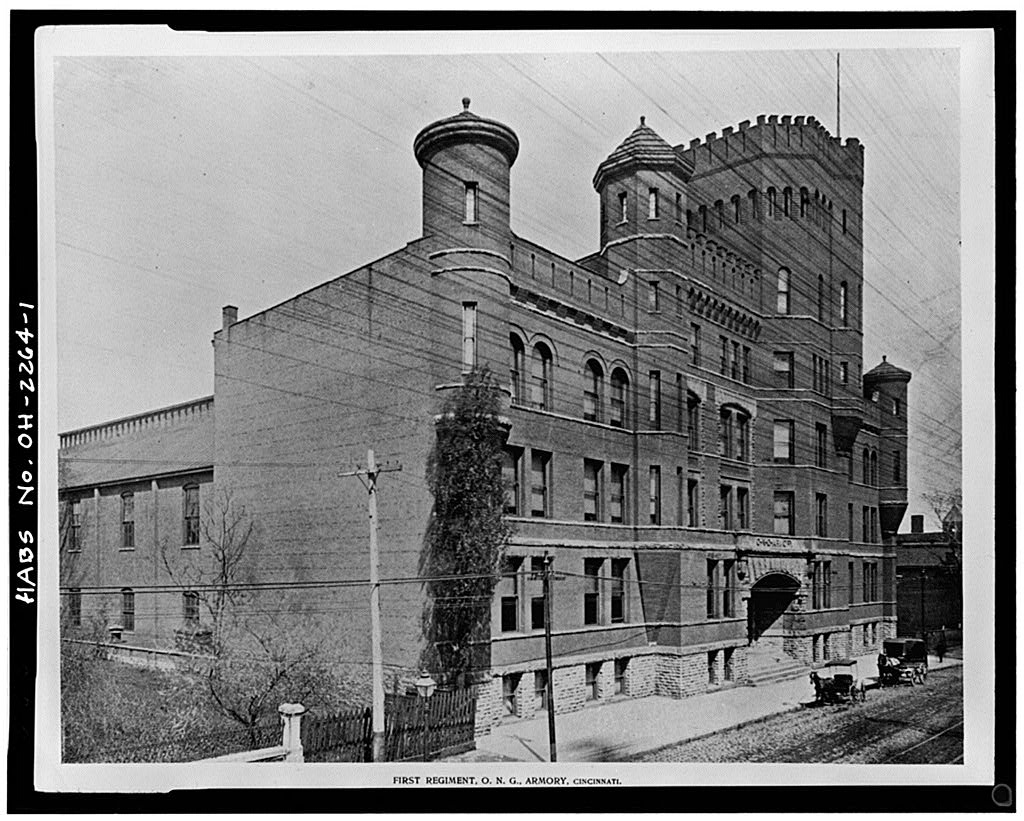
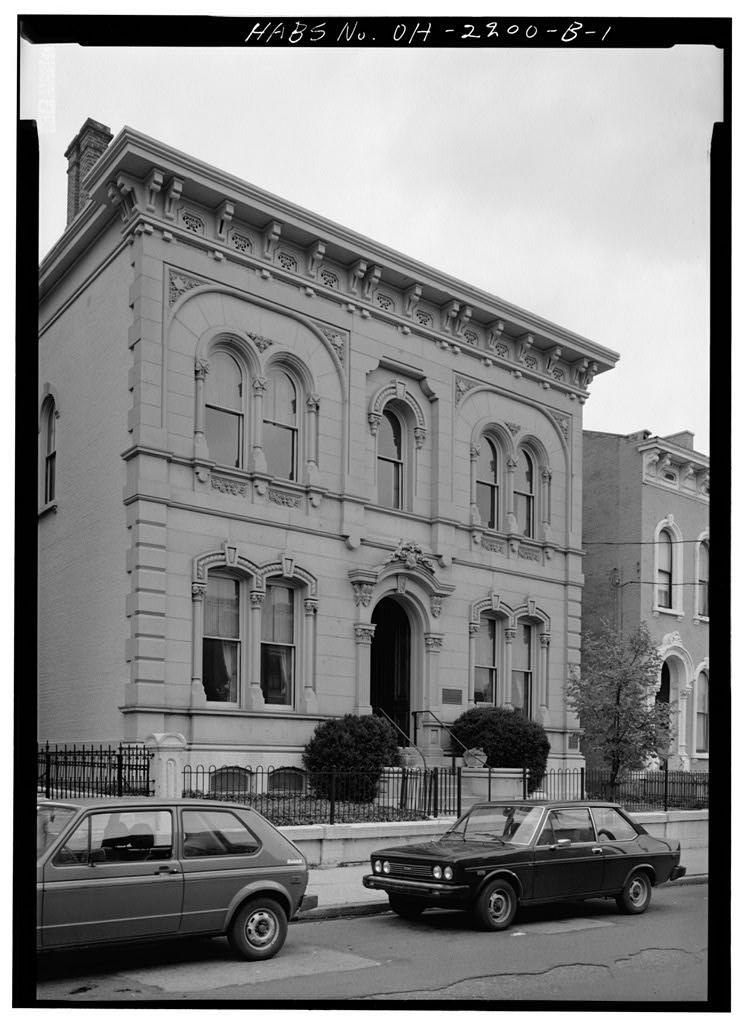
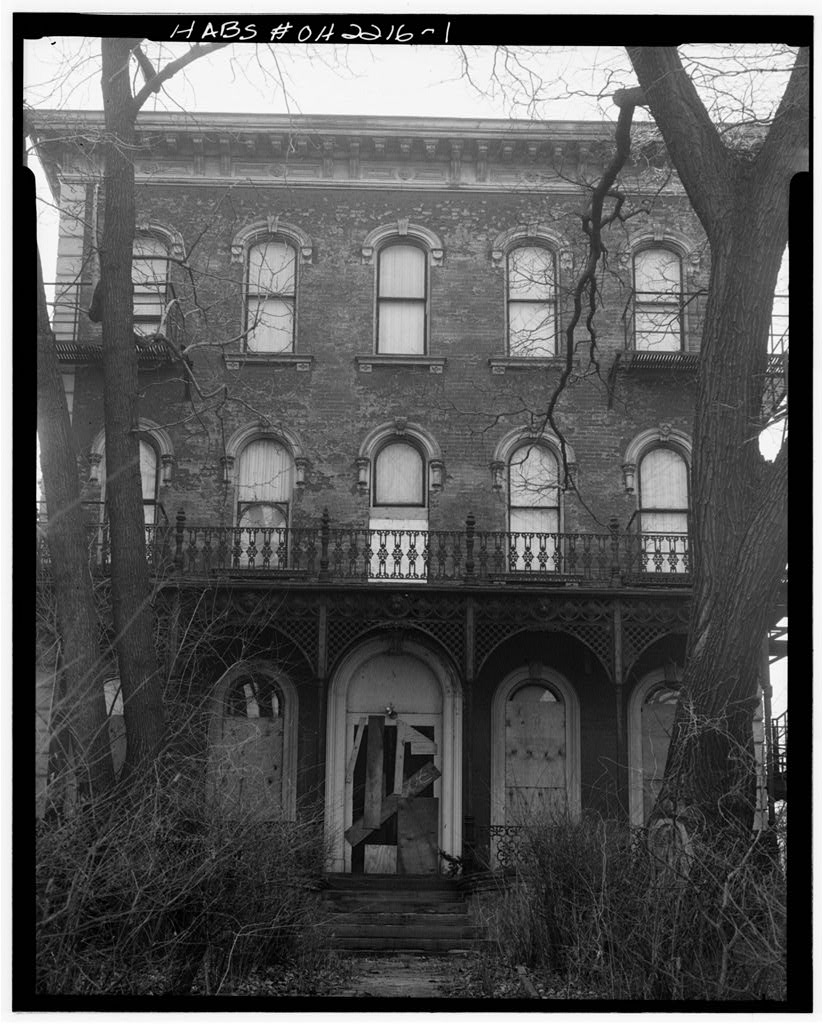
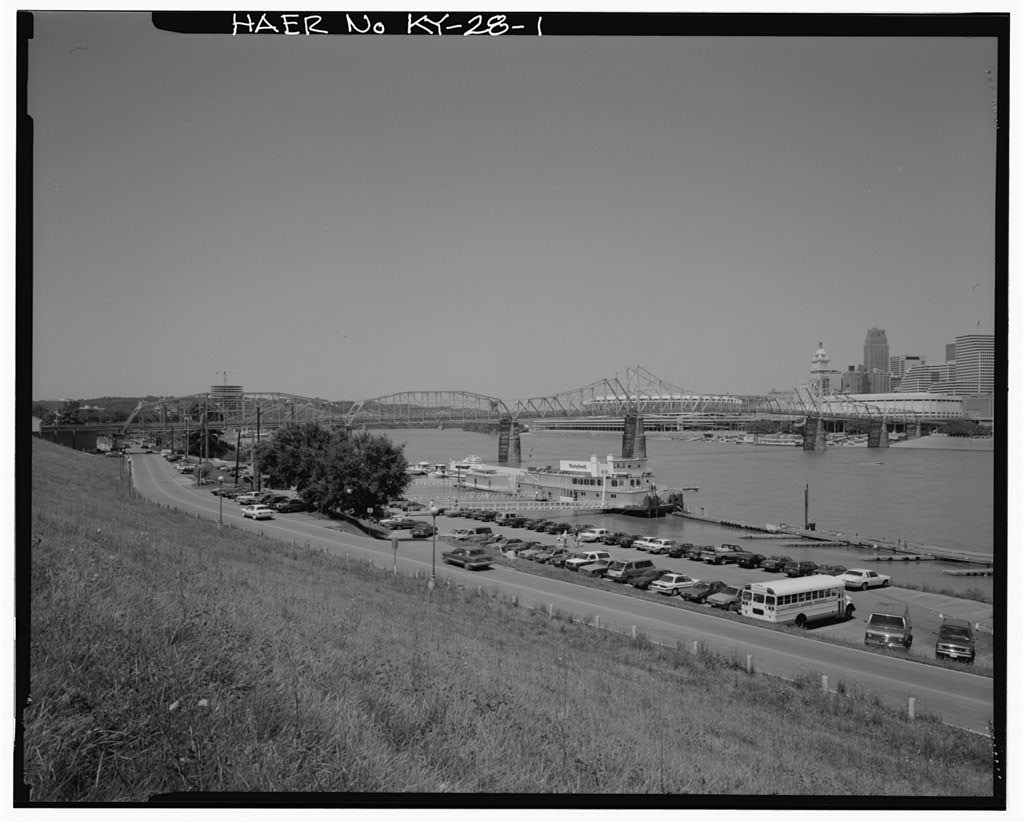
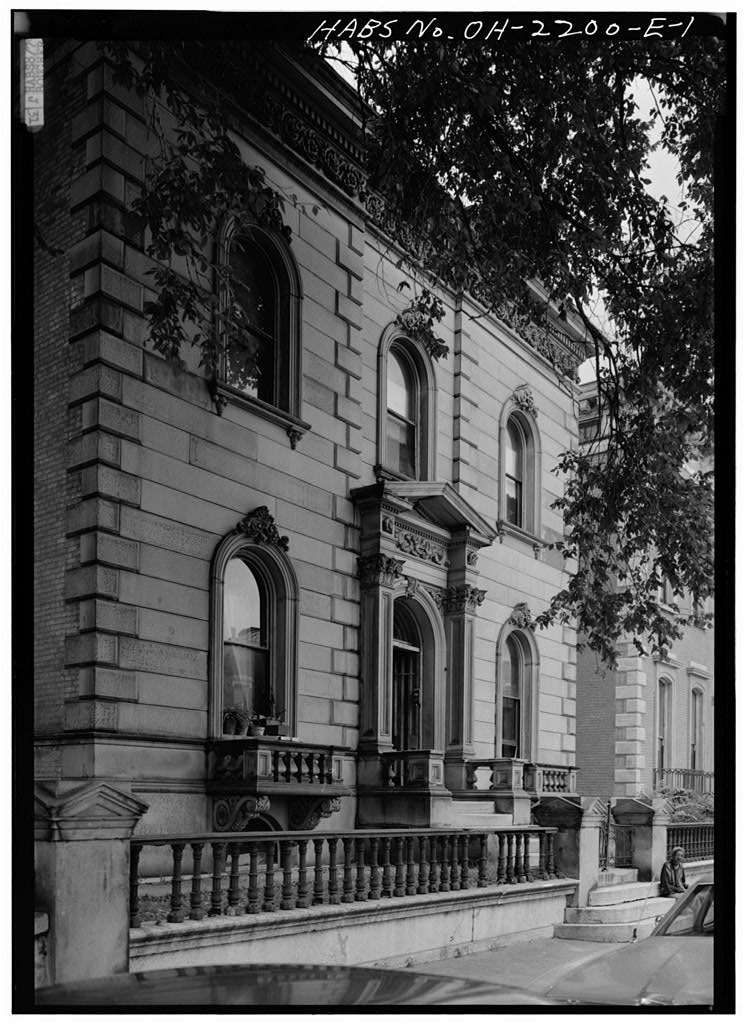
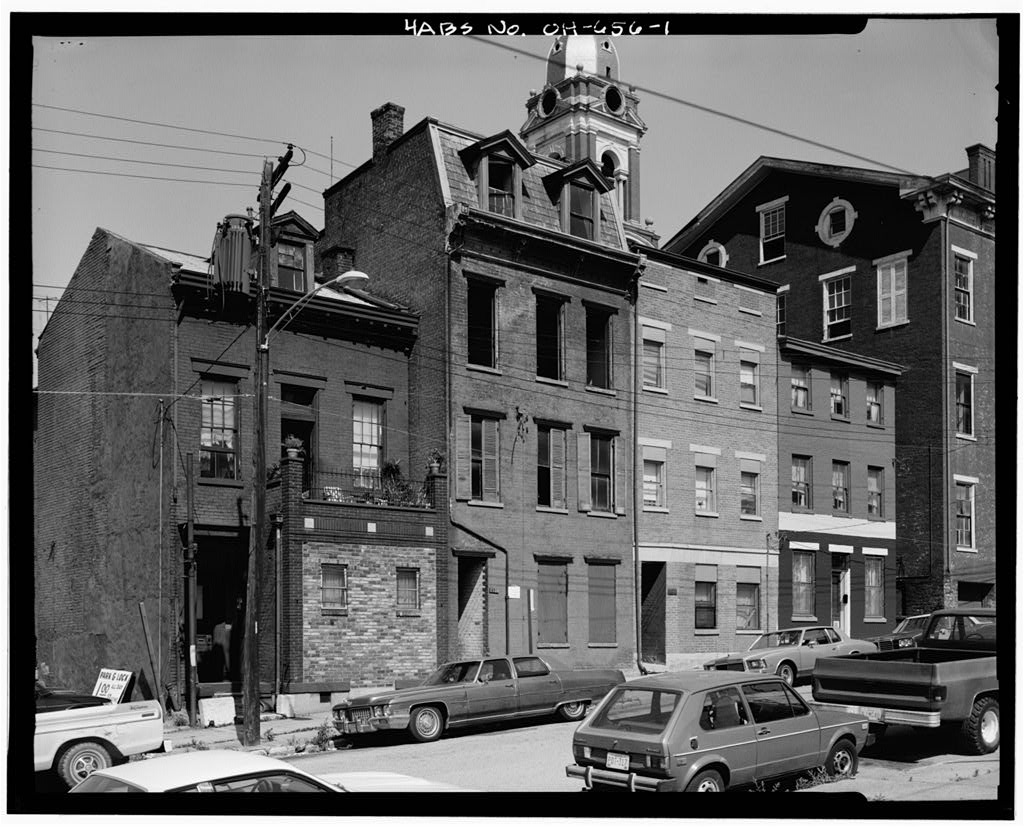
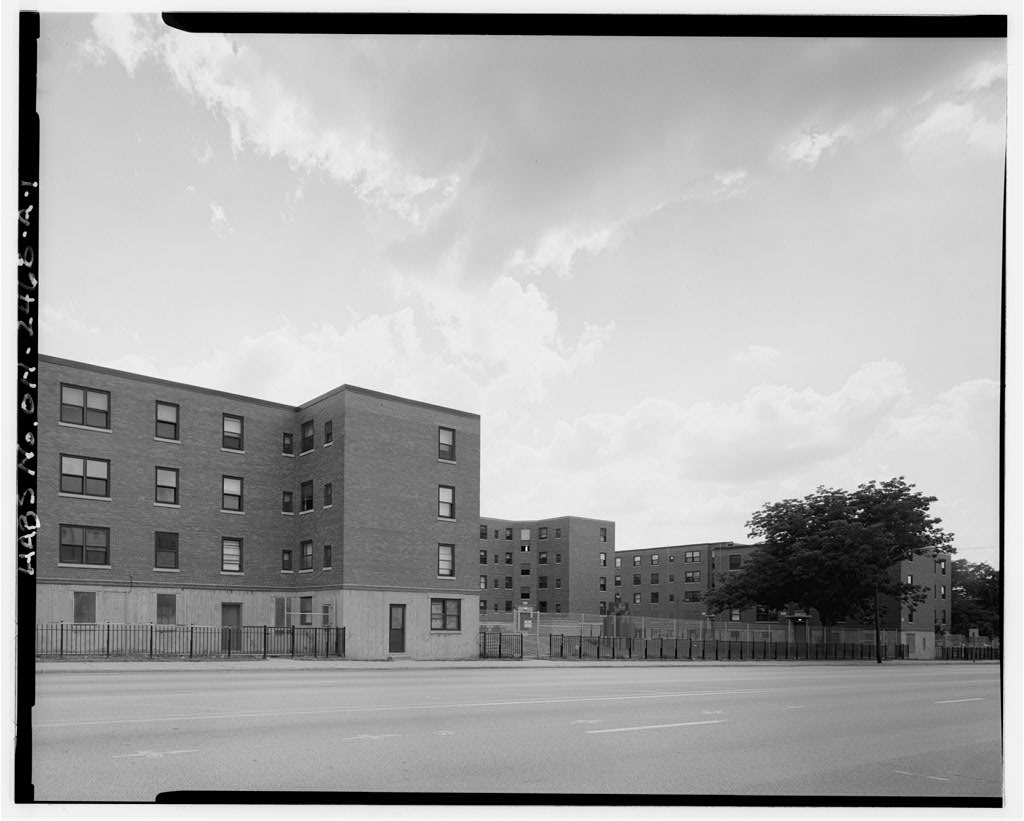
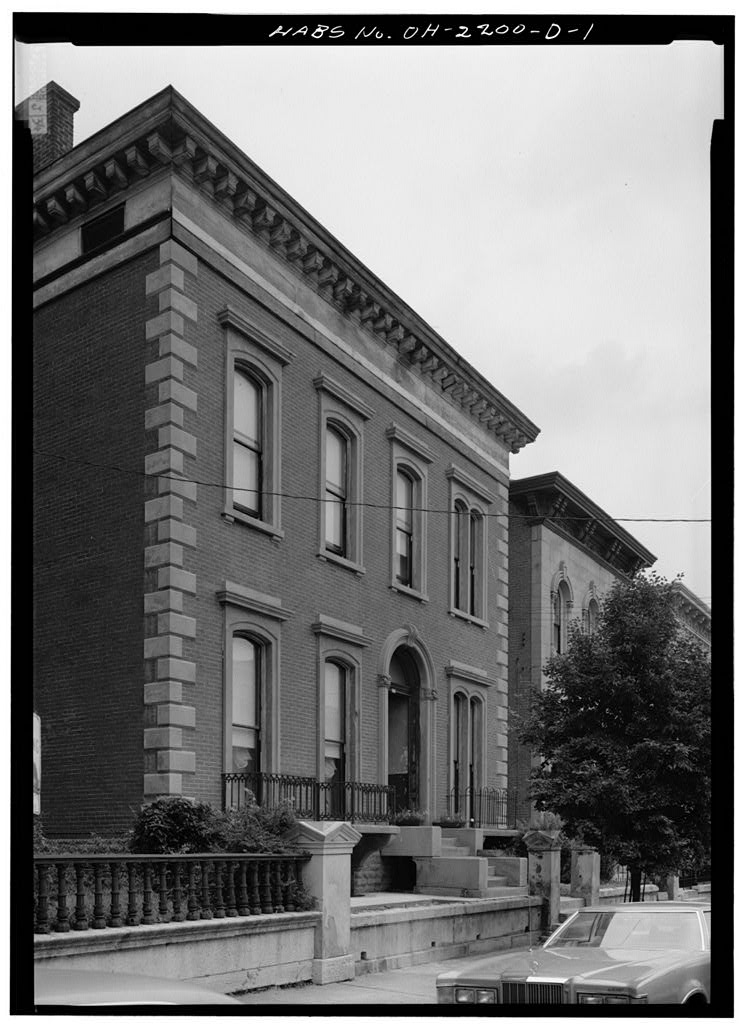
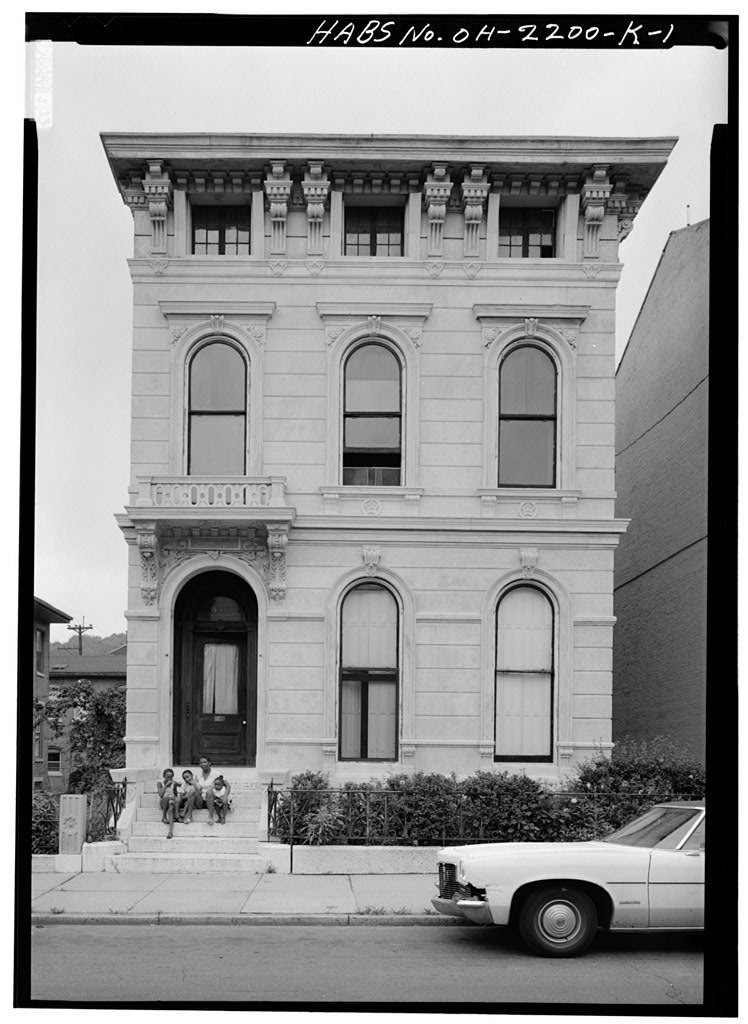
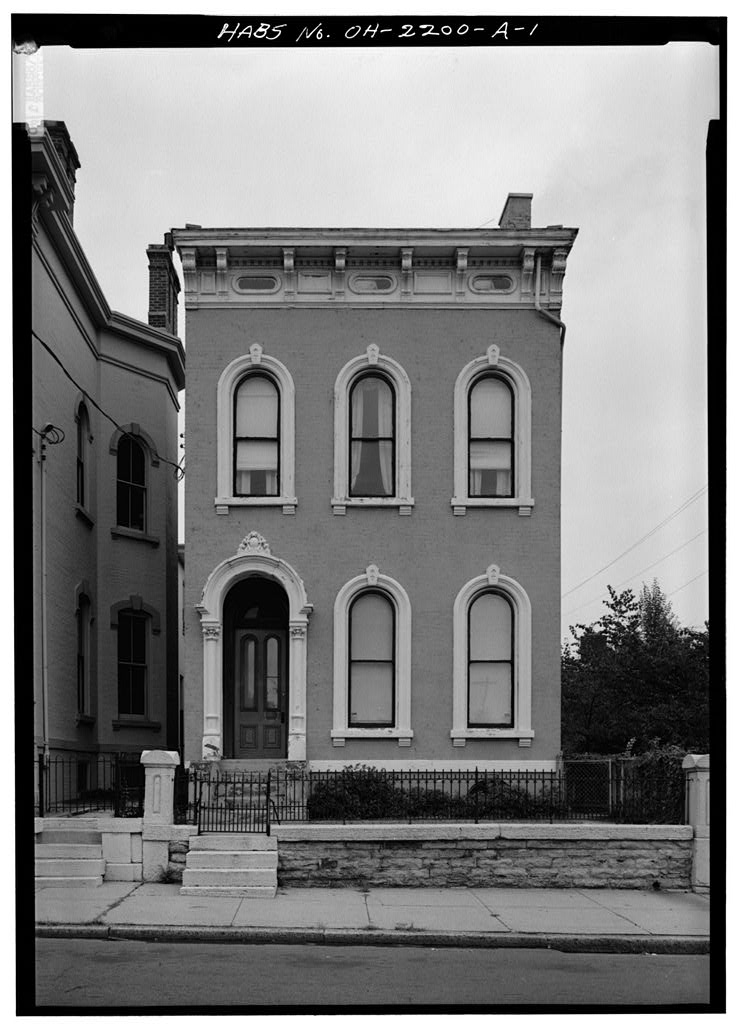
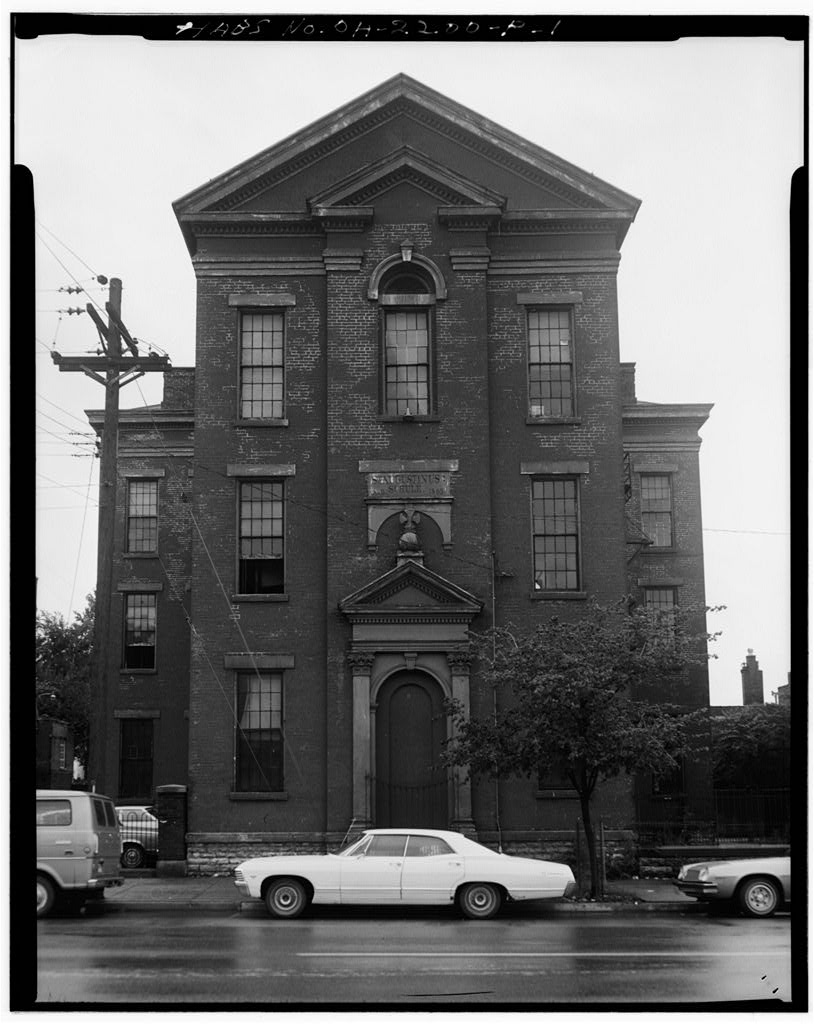
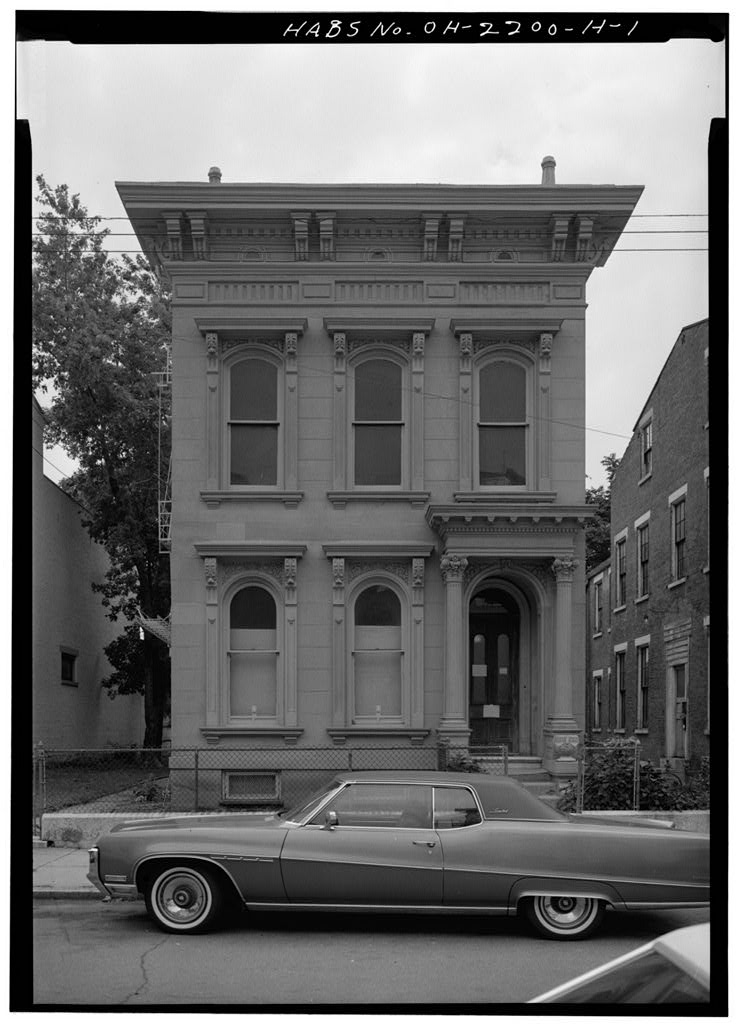
The Brighton Employees Club and Office Building and attached Car Barn, built circa reflect the history of public transportation in Cincinnati. The Brighton site has housed horse stables, a horsecar barn, electric car barns, and a diesel bus garage. Though it is not the only remaining car barn in Cincinnati, its significance is established by its unaltered architecture and the fact that it is the only known site to have experienced continuous use through the development of public transportation in Cincinnati. Historic Context: Cincinnati's public transit has had a long and rich history from horsecars to inclines to diesel buses. There were five significant eras in local public transportation. 1) Horsecar lines began in and continued through the turn-of-the-century.
2) Inclined planes were operated from 3) Cable cars began in but only lasted a few years due to high operating costs and the advent of cheaper electric cars. 4) Electric cars began in and continued until they were replaced by diesel buses. 5) Diesel buses began operation in The horsecar lines were established by privately owned and operated companies which initially served only the basin area. As population density increased in the basin, development started on the hillsides and hilltops. The horsecar lines followed this movement by expanding lines outward, but found the slopes of the hillsides were too steep to navigate. Conquering this problem, a total of five inclines using steam power were built between and spurring development of the hilltops.
The inclined planes proved a great success as it opened new territory for homes, marking a new era in the growth of Cincinnati. During this era, the many independent companies built new railways and extended others, yet still operated separate and non- compatible systems. As the transportation system became more elaborate, the need for the privately-owned companies to merge became apparent. In most of the principal companies joined efforts and ideas. This provided better and more efficient service. The merger of creating the Cincinnati Street Railway Company, spawned new ideas for the street railway industry. Three cable car lines were introduced and proved successful primarily because of their increased speed over the horse car.
Cable cars were relatively short-lived, however, due to high costs and technical problems. BRIGHTON CAR BARN AND EMPLOYEES CLUB AND OFFICE BUILDING HABS No. OH-661 (Page 2) Historic Context: (continued) In the first transit routes became electrified. They were nearly twice as fast as any other form of public transportation and, even more important, they could navigate the hillsides. This was the beginning of the end for the inclines. Electric cars served well until diesel buses were introduced in Architecture: A variety of structures were built to serve the transportation industry. Of the 23 structures built in the horsecar era, namely buildings for maintenance and storage of cars and stables for the horses, five still exist.
About one-half of the structures were brick, the other half frame. The inclined plane era had large ornate resort structures at the tops of the inclines, some of which in- cluded steam power plants. None remain. All four of the stone and brick build- ings built for cable use still exist. They were built along existing horsecar lines and were later used by both electric and diesel lines. The only one still in use as a bus garage is the Hewitt Car Barn, but it suffered a fire in and lost about 8 of its 12 bays, Brighton appears to be the only garage remaining which housed horsecars, electric cars and diesel buses, and also retained its original architecture.
It was built in as a one story brick building containing eleven garage bays, each of which could house twelve buses x It is a functional, unornamented structure. The front facade of the office building is symmetrical. It has three round arches in the center gable bay, recessed brick panels with corbelling and a stone base. The structure has a Romanesque feeling. The architect is unknown. References: Wagner, Richard M. and Wright, Roy J. Street Railways - Mo. 9 . Cincinnati Streetcars - No. 2 . Cincinnati Streetcars - No. 3 & Atlas of Cincinnati. "History of Cincinnati Street Railway," The News, July - July (apparently a publication of the Cincinnati Street Railway Company)
 Block
Block