This documentation was undertaken in accordance with Section 106 of the National Historic Preservation Act of as amended, prior to base realignment and closure. Virginia H. Adams assisted by Andrew Winters The Public Archaeology Laboratory, Inc. 387 Lonsdale Avenue Pawtucket, Rhode Island WATERTOWN ARSENAL, BUILDING No. 100 (Horace Hardy Lester Reactor) HAER No. MA-20-R (Page 2)
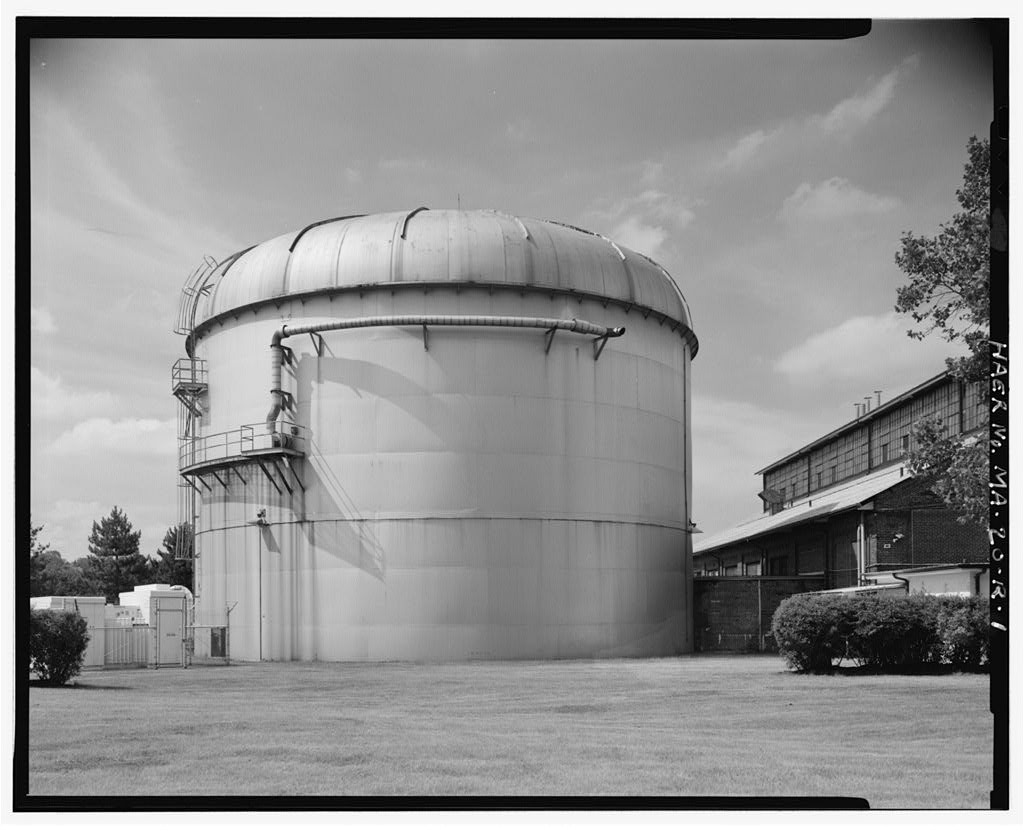
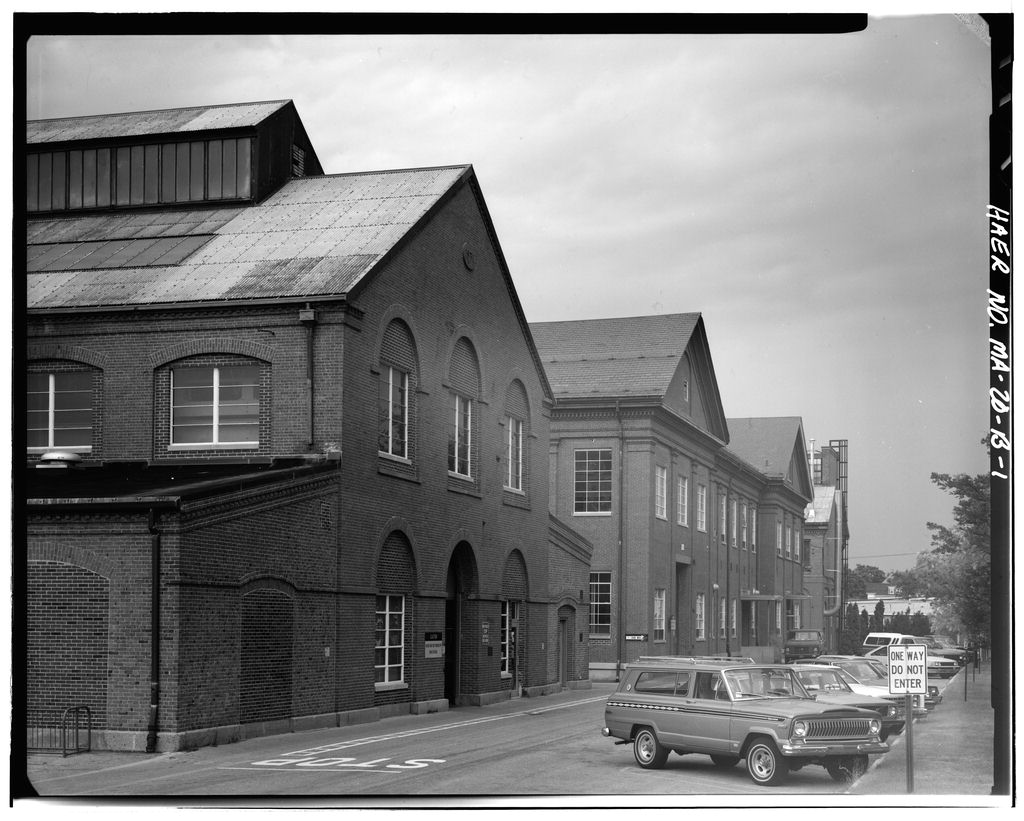
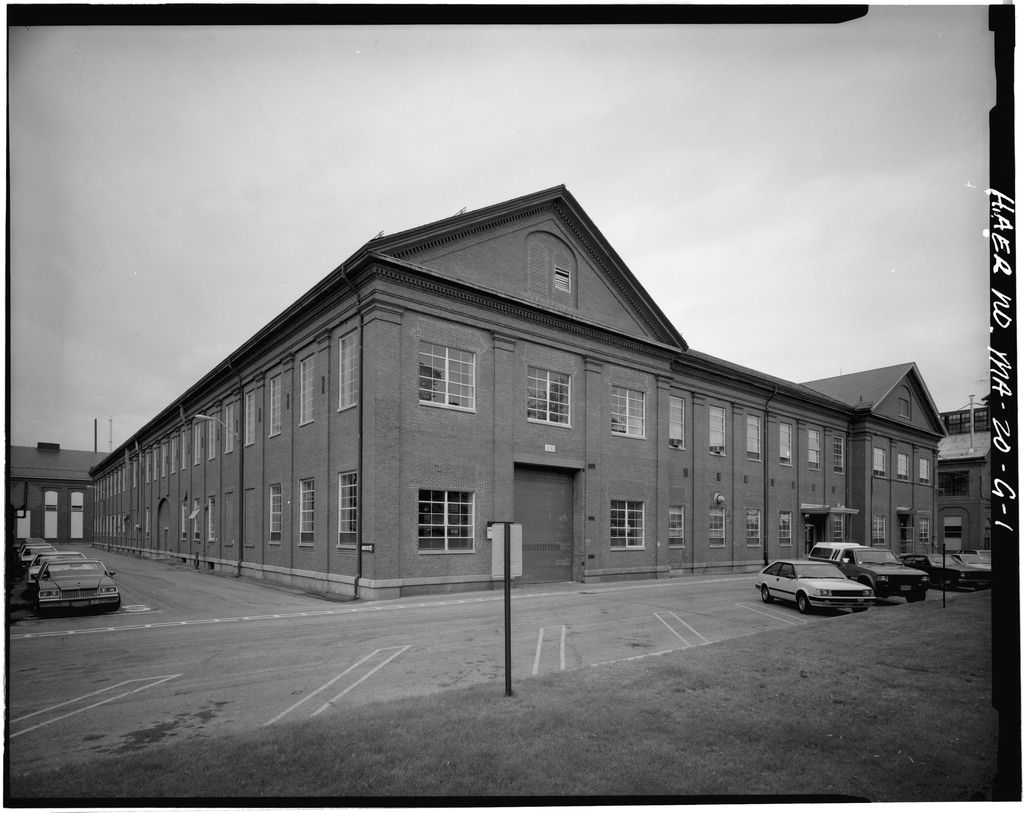
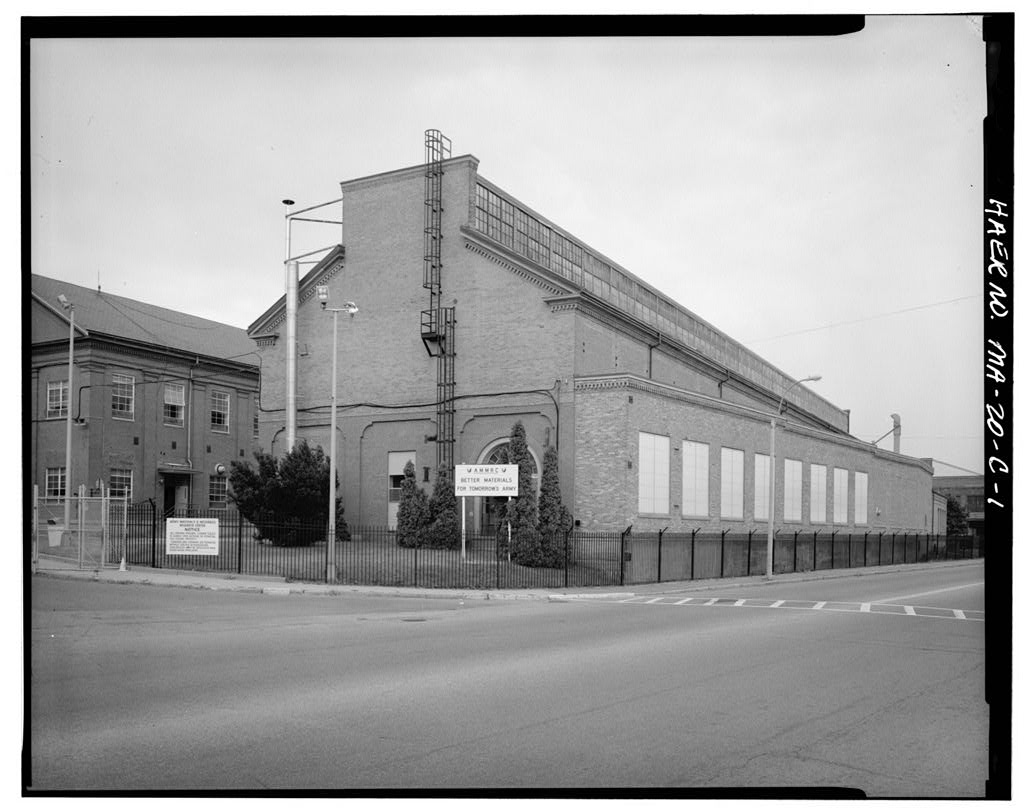
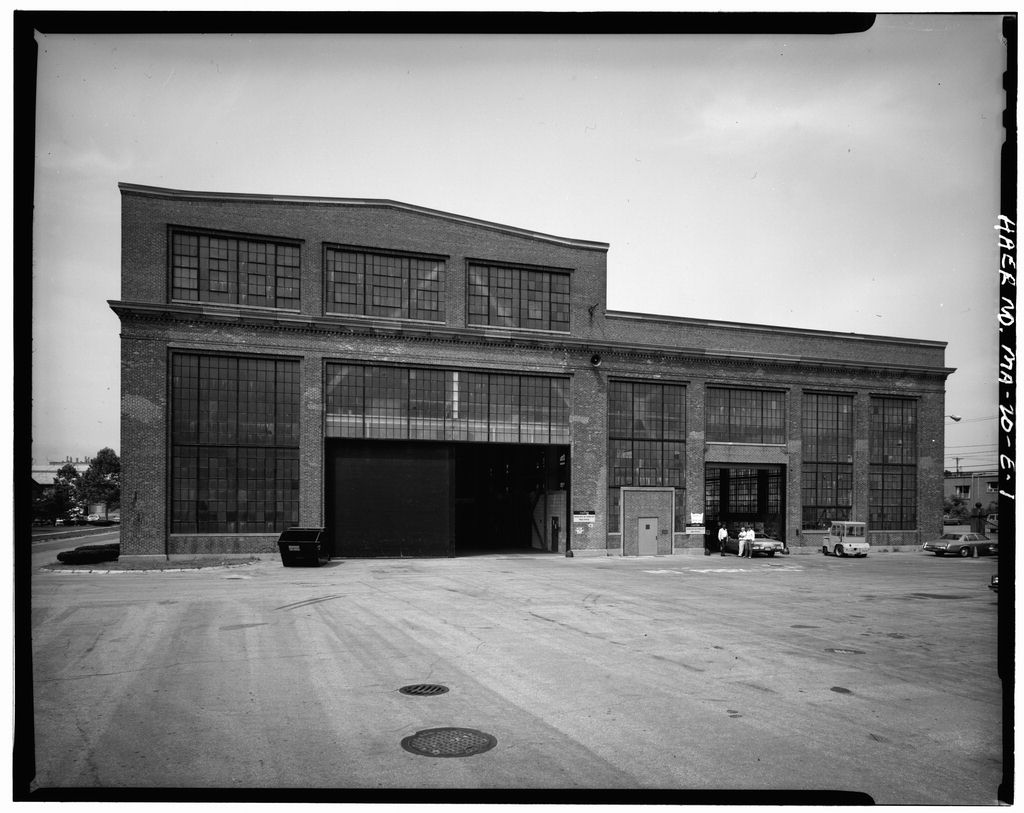
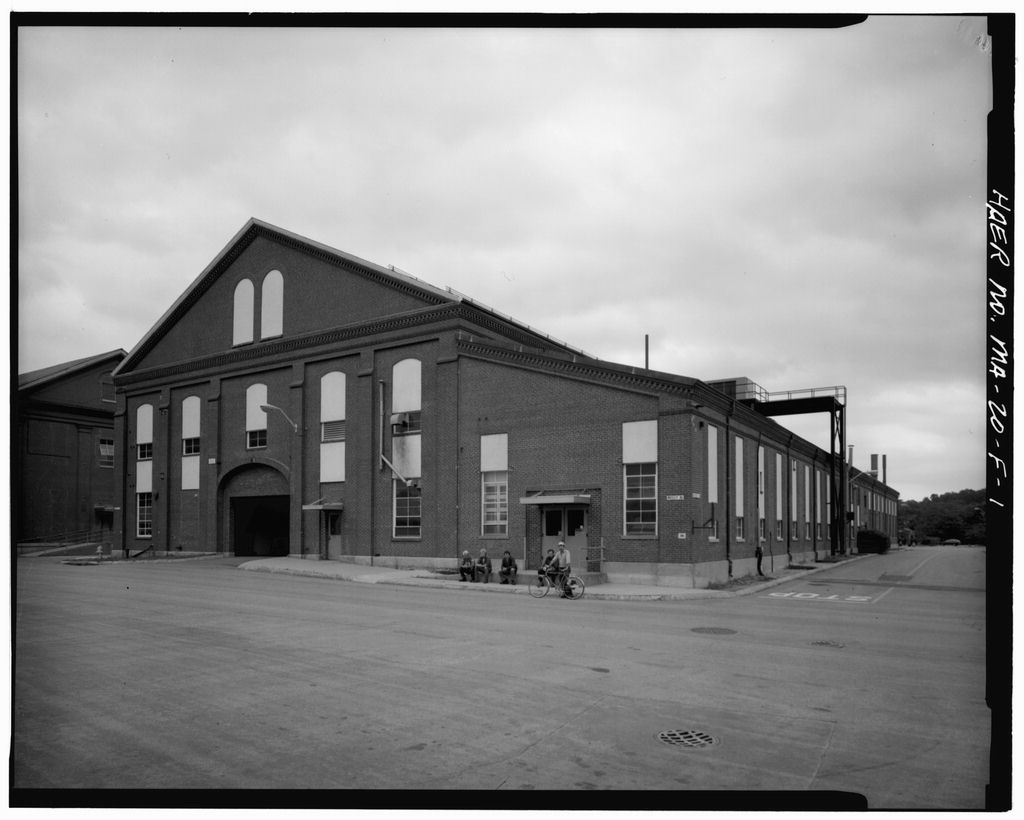
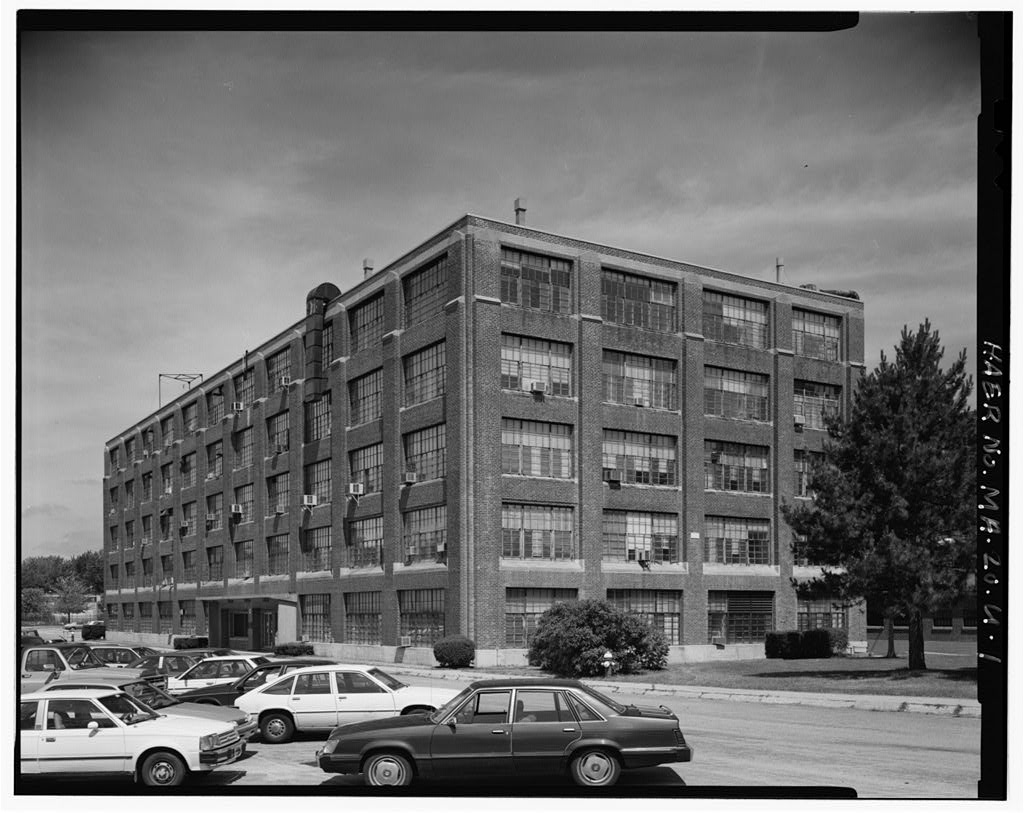
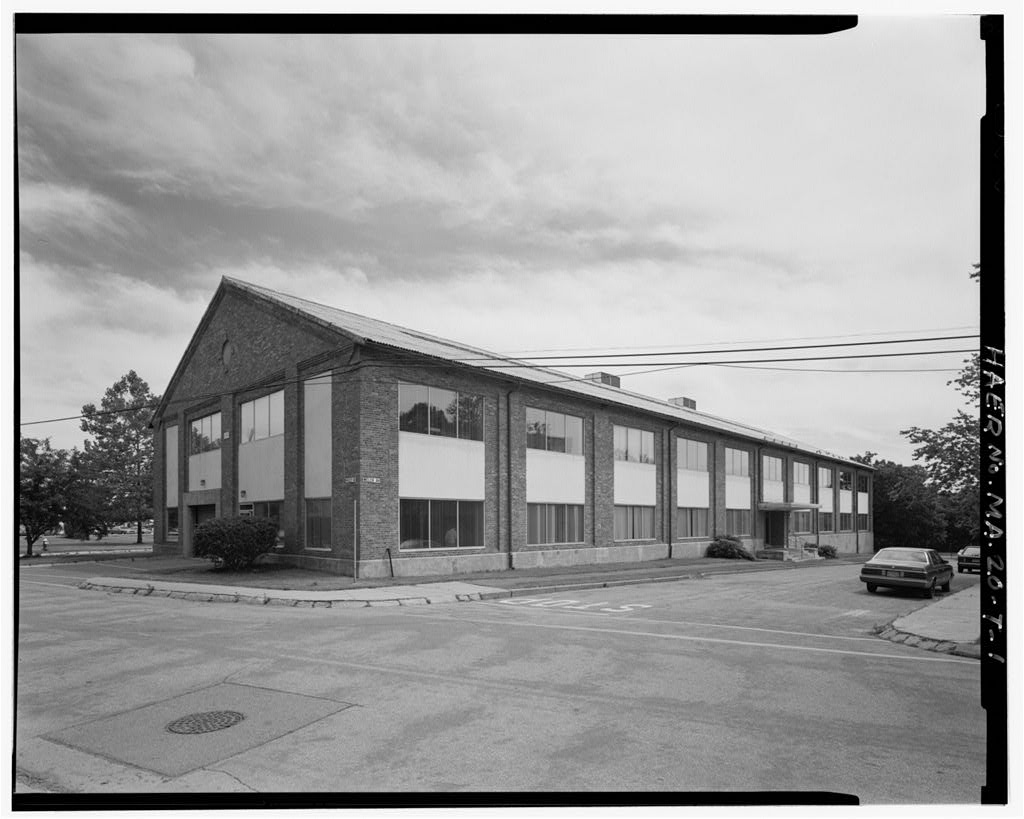
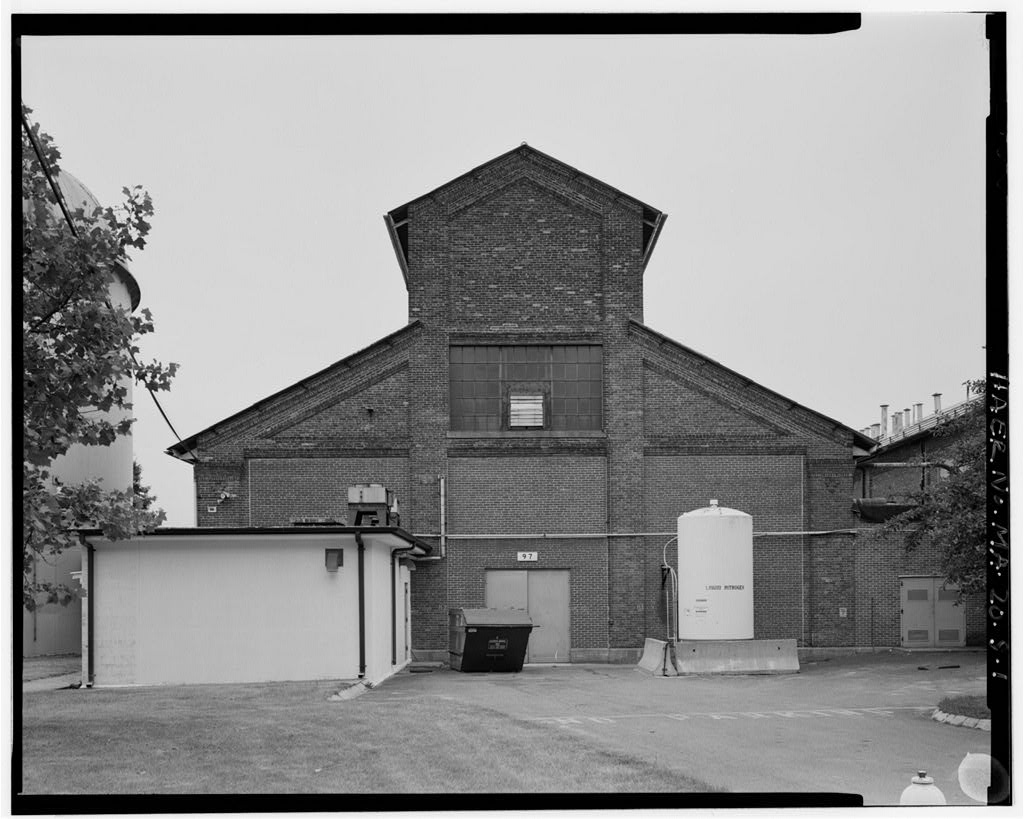
Building No. the Horace Hardy Lester Reactor, is located near the southwest corner of the present-day AMTL property surrounded by Wooley Avenue (north), Craig Street (east), North Beacon Street (south), and buildings adjacent to Welch Avenue (west). It sits in a grassed area, surrounded by late-nineteenth-century and early-twentieth-century brick industrial buildings. The reactor is accessed through two support buildings (Building No. 97, HAER No. MA-20-S, and Building No. HAER No. MA-20-T) located to the west. Originally constructed in they were refurbished and connected to the reactor in Completed in at an approximate cost of Building No. 100 is a completely enclosed, cylindrical, tank-type reactor containment shell with an elliptical domed top.
Its design was based, with modifications, on that of an existing Bulk Shielding Facility at Oak Ridge National Laboratory, Illinois. The gas-tight, pressure-vessel structure measures 80 ft. in diameter and is approximately 69 ft. high, with a base foundation extending 18 ft. 7-1 /2 in. below ground. It has a 2-ft-thick concrete wall lining and welded-steel-plate exterior with 1/2-in-thick steel plate above ground and 1/4-in-thick plate below ground. It rests on a highly compacted gravel base and a 1-ft.-thick concrete mud mat. The reactor shell is entered and exited via two double door airlocks, one consisting of a short connector corridor to Building No. 97 to the west, and one to the outside on the south side.
The latter has a brick wall vestibule designed to be dismantled and rebuilt when moving large equipment in and out of the reactor shell. When the reactor was operative, air pressure was maintained at 2psi, and the doors were permitted to be used only one at a time. On the interior, the central, high-density and normal-density concrete reactor tank ( swimming- poo1 type) and biological shield is an octagonal structure. It is an open-top, tank-type, thermal, heterogeneous, water-cooled and moderated neutron reactor for conducting ferrous-based materials research. The reactor has a outside diameter and inside diameter, laid on a slab. It is 30 ft. deep, with an gallon capacity.
When active, fuel was stored in an annular well cast into the upper perimeter wall sections, and the core was immersed in of water. The combination of concrete walls and water provided protection against the escaping of harmful radiations from the core. No fuel elements or water remain today. The reactor core fuel elements consisted of a thin layer of aluminum uranium 235 alloy sandwiched between aluminum plates, 3 in. wide, 24 in. tall, and in. thick. The reactor design called for 18 plates per elements and between 20 (minimum loading) and 35 (maximum loading) fuel elements for powering at one megawatt. Light (demineralized) water was used as the coolant. Access to the core was from the reactor top where removable metal plates covered the pool.
The rate of reaction was regulated by control rods (three shim-safety boron carbide rods and one stainless steel regulating rod) driven by a motor at the top of the reactor. The reactor initially operated at one megawatt of power, but was subsequently increased to five megawatts in Segregated internal research facilities include a series of aluminum-lined neutron beam tubes that extend from the core area to the exterior of the reactor: 16 horizontal tubes (6 in. diameter) located on two levels; six slant beam 6-in tubes; and one through beam 6-in tube running adjacent to the core. In addition, there are two pneumatic "rabbit" tubes (2 in. diameter) which allowed small samples to be passed through the core when the reactor was operating. WATERTOWN ARSENAL, BUILDING No.
100 (Horace Hardy Lester Reactor) HAER No. MA-20-R (Page 3) The interior arrangement of working space consists of an open ground floor (operating or experiment floor) level around the reactor core and two platform levels in the south portion of building. The first platform was used for experiments, and the second, narrower, top, platform contains the reactor control room situated against the south perimeter wall of the containment shell. Access to the revolving crane and the reactor top is from this level. Beam tube ports are located on the ground level and first platform level. A Shepard-Niles 10-ton overhead, pendant-type, polar bridge crane operates on a circular track around the perimeter of the dome with a radius of 40 ft. A gamma ray facility in the basement extends some 9 ft.
below foundation level and is located on the north side of the reactor, east of the door connecting to Building No. 97. When active, it was filled with water and accessed via a hatch in the ground floor level. Pumps, heat exchangers and other ancillary equipment were also located in the lower basement level. Associated external equipment include pumping equipment and transformers (west), an approximately tall cooling tower (north, installed in and dismantled in a gallon, low-level, radioactive waste storage tank for reactor pool water during maintenance (southwest, Structure No. and overflow tanks under Building No. 97. All liquids and air leaving the reactor were monitored for radioactivity under the requirements of the Atomic Energy Commission.
The principles governing the function of the Horace Hardy Lester Reactor were similar to those in the more common reactor plants of the period which were designed to harness the heat produced for power generation. At Watertown, however, the nuclear radiations themselves were the important product for their research applications, specifically what they revealed about materials as they passed through samples and how they affected or changed materials. The nuclear fission chain reaction took place in the submerged fuel in the reactor core. In addition to its shielding properties, the water served to slow the neutrons making the reaction more efficient. Water was also pumped through the core at the rate of gallons per minute to carry away the tremendous heat.
Initially, the heat exchanger and coolant system was located in the basement level. Subsequent power increases required the supplementary construction of a cooling tower. The entire operations were conducted by remote control from the control room on the upper platform level. The control rods, which absorbed neutrons and were inserted and withdrawn from the core to control the speed of the reaction, were driven by motors atop the pool. Outside the control room was a board with a plan of the core; operators kept track by hand of the location of each fuel plate. Overall, the simplicity of operations was such that as few as two highly qualified operators were required to run the reactor. The experiment stations were located on the experimental, or ground, floor and the first platform level.
Beam tubes, both horizontal and slanted as described above,. led from the core to ports with shielded chambers at the stations. Samples to be irradiated were placed in the sealed chambers. The pneumatic tubes carried small samples directly into the core from remote stations. The arrangement allowed different experiments to be conducted simultaneously at each station, a unique capability at the time of construction. Modifications to the nuclear reactor during its 10-year use life were a function of two basic factors: a low number of operational problems that were encountered and increased utilization requiring expanded capabilities. In the latter case, future enhancement had been considered during planning and design of the reactor in many instances.
1 During the first four years of operations, problems were encountered with water leakage through the concrete biological shield, particularly in the cavities in the annulus created by humps of concrete WATERTOWN ARSENAL, BUILDING No. 100 (Horace Hardy Lester Reactor) HAER No. MA-20-R (Page 4) over the slant tubes. Initial efforts to rectify the problem met with limited success. In and a chemical liquid grout with a preset jelling time (AM-9) was pumped into drilled holes and wall-to-floor joints in the main pool and the joint around each beam was sealed with pressure-sensitive tape, all but eliminating the leakage.
Corrosion of the heat exchanger of the reactor coolant system resulted in replacement of the aluminum tube bundle with stainless steel and installation of a recirculating water cooling tower to provide secondary coolant in Additional changes in this period included improvements to monitoring and alarm systems for the various components and modification of three beam tube extensions to permit flooding from the pool top for use as water shutters for installed experiments. At the present time, all fuel elements and water have been removed, following shutdown of the reactor in The interior reactor experimental facilities, including the concrete shield structure, the control room, and the crane have been left intact. The asbestos lining of the dome ceiling has been removed.
A portable neutron radiography machine has been installed on the ground level, southwest side, and a protective unmortared concrete block wall constructed around it. II. HISTORICAL INFORMATION AND
Watertown Arsenal was established in for the storage, repair, and issue of small arms, ordnance, and supplies for the U.S. Army, and, secondarily, for the manufacture of small arms cartridges. The original construction consisted of a regularly arranged quadrangle of similar brick buildings located east of the present-day AMTL property. By the the construction of wooden field, siege, and seacoast gun carriages and their limbers and caissons, along with work in metallurgy and the development of cast iron guns, had begun. In the second half of the nineteenth century, particularly after land to the west was developed as a major facility for gun carriage manufacturing. In addition to its industrial growth, Watertown Arsenal sustained a long history of materials testing and metals research.
Construction of the Horace Hardy lester Reactor in represents the last major phase of research development at Watertown Arsenal. Watertown Arsenal's contributions to metallurgy began in the nineteenth century, particularly with the development of the Rodman cast-iron cannon in and installation of the Emery Testing Machine, which tested the strength of metals, in Technological developments at Watertown Arsenal in the twentieth century continued to take place not only in industrial production processes, but in laboratory research geared towards improving both products and processes.
Major accomplishments occurred in the and cold-working, or autofrettage, of steel guns ( use of radiography (x-ray) as a method for the identification and elimination of casting defects in steel foundry control and for welding control centrifugal casting of steel gun tubes successful introduction of the all welded gun carriage ( development of molybdenum high speed tool steels to replace strategic tungsten tool steels use of spectrographic analyses of the chemical components of foundry metals ( development of cast armor plate for vehicles and other large applications along with development of impact testing for high velocity ruptures of metal and macroetching for inspection of forgings and of centrifugally cast guns.
During this period, Watertown Arsenal's commitment to integrated research with private industrial and university laboratories was reflected in the formation of the Ferrous Metallurgical Advisory Board. 2 The use of nondestructive materials tests, of which the x-ray was the most advanced, marked an important route of experimentation at the Watertown Arsenal leading to construction of the nuclear WATERTOWN ARSENAL, BUILDING No. 100 (Horace Hardy Lester Reactor) HAER No. MA-20-R (Page 5) reactor. The reactor was dedicated as the Horace Hardy Lester Reactor for Materials Research, May 17, Dr. Horace Hardy Lester belongs to the roster of prominent scientists working at the Watertown Arsenal. Employed at the Arsenal from to Dr.
Lester pioneered in the field of industrial radiography, resulting in improved steel castings and welded structures. He received national recognition for his research and publications on nondestructive testing. The research project under his direction which motivated construction of the reactor was subsequently administered by another notable metals scientist, Dr. Laurence S. Foster. 3 The design of the reactor was derived from a study conducted in the early jointly by the Army Ordnance Corps, Watertown Arsenal staff, and Nuclear Development Associates.
4 Their goal was to define the technical needs of the Watertown Arsenal, as well as those of academic scientists and industries in the Boston metropolitan area and to determine the best, safest, and most cost- effective type of reactor to meet those requirements. The study concluded in that the most appropriate design was a hybrid between the Oak Ridge Bulk Shielding Facility (swimming pool) and the Low Intensity Training Reactor (LITA). The proposed reactor specifications addressed identified needs for reliability, ease of operation and maintenance, experimental flexibility, future capabilities for higher power (neutron flux) levels with minimal modifications, safety, and the academic community's need for an unclassified facility.
In outlining the program for Watertown Arsenal, the report recognize~ the basic materials research undertaken at the Arsenal, as well as its longstanding interest in cooperation with private scientists and industry, stating that "Watertown's interests appear to lie mainly in research in physical metallurgy and solid state physics. Other interests include activation analyses, production of very short-lived isotopes, training of personnel and daily contact with recognized experts who would be attracted to work at the proposed reactor". 6 The report also reflected the fact that this was intended to be a research facility and was to be located in a populated metropolitan area. 8 Upon its completion, the Horace Hardy Lester Reactor was the only facility of its type operated by the U.S. Army.
Overseen by the U.S. Army Materials and Research Agency (AMRA), established in and licensed by the Atomic Energy Commission, the reactor opened up new areas of nondestructive materials testing and laboratory research for all Army programs. In addition to generating neutrons that were extracted as beams for neutron radiography, the reactor also enabled the use of neutron activation analysis for the study of crystalline structures of solids and research in radiation exposure as a means of changing, for example strengthening, the properties of materials.
Research conducted at the Watertown Arsenal was basic to the work at all other Army testing locations and arsenals, including Natick Laboratories, Picatinny Arsenal, Detroit Arsenal, and the Army Electronics Research and Development Laboratory, at Fort Monmouth. The first operations summary report, covering the period to concluded that the succession of solid state physics tests carried out at the reactor had demonstrated that the experiments acheived rapid results and had two important fundamental applications.
Use of short reactor irradiations and gamma-ray spectroscopy provided qualitatitive determinations of the major constituents of practically any sample, and nondestructive neutron activation analysis demonstrated that many materials reputed to be homogeneous and void of any impurities actually contained several unexpected elements. These experiments included general examination of different materials, such as metals, water, and human hair, as well as specific applications such as analysis of oil samples for a Detroit Arsenal wear studies program. 7 Reactor use grew as its capabilities were more widely understood and scientists realigned their research programs to take advantage of the capabilities offered for a wide range of sophisticated WATERTOWN ARSENAL, BUILDING No.
100 (Horace Hardy Lester Reactor) HAER No. MA-20-R (Page 6) experiments in materials research and development. The reactor served as one of a number of laboratories comprising the Nondestructive Testing Facility at the Army Materials and Mechanics Research Centerln the high level of research program activity warranted an application to the U.S. Atomic Energy Commission ~o permit an increase in power level to triple the flux of neutrons. This power increase, from one megawatt to five megawatts, was accomplished in In 1 the historic Watertown Arsenal was closed, and in the eastern half of the Arsenal was sold to the Watertown Redevelopment Authority. The reactor continued to operate under the Army Materials and Mechanics Research Center for a short time.
By the end of the however, the reactor technology was considered outmoded, and the reactor was shut down in The capability for neutron activation analysis at the Army Materials Technology Laboratory is now maintained by a portable neutron radiography machine located within the reactor containment building. Ill. ENDNOTES 1. Modifications, operations, and research programs during the first four years of operations ar~ outlined in the Operations Report. 2. These achievements are discussed in more detail in Burns and Bahr, 54, and in Lester. 3. Dobbs, 4. Nuclear Development Associates, Inc. 5. Nuclear Development Associates, Inc., 8. 6. Nuclear Development Associates, Inc., 8.
In discussing future power increases, the report notes that as experience with reactors grows, safety levels for location in metropolitan areas may be revised upwards. For example, the Oak Ridge LITR, installed in "has grown from a purely mechanical gadget into a rather powerful research tool, the operating level of which is now around kw. , 11. 7. Operations Report. IV. BIBLIOGRAPHY AMTL, Facilities Engineering, Watertown, Massachusetts. Architectural and engineering plans and drawings. AMTL, Office of Public Affairs, Watertown, Massachusetts. Foster Notebooks, files, and historic photographs century to Army Corps of Engineers, New England Division, Waltham, Massachusetts. Photographs (5 volumes, to WATERTOWN ARSENAL, BUILDING No. 100 (Horace Hardy Lester Reactor) HAER No.
MA-20-R (Page 7) Bahr, B. "Horace Hardy Lester Reactor, HABS/HAER Inventory Card." Washington, Historic American Buildings Survey/Historic American Engineering Record, National Park Service, U.S. Department of the Interior, July Burns, Libby Baylies and Betsey Bahr. Historic American Buildings Survey of the United States Army Materials and Mechanics Research Center. Watertown. Massachusetts. Washington, Historic American Buildings Survey/Historic American Engineering Record, National Park Service, U.S. Department of the Interior, Summer Cooper, George. "Watertown Arsenal Gets Research Reactor." New England Construction. Boston, Mass., April 25, Dobbs, Judy. A History of the Watertown Arsenal Watertown, Massachusetts: Army Materials and Mechanics Research Center, E.G. & G. Idaho, Inc.
USATHAMA (U.S. Army Toxic and Hazardous Materials Agency) Preliminary Assessment/Site Inspection for the Army Materials Technology Laboratory. Idaho Falls, Idaho: Idaho National Engineering Laboratory, March Foster, Laurence S. "U.S. Army Materials Research Agency Annual Historical Summary, 1 July -30 June Unpublished manuscript. Watertown: Technical Information Center, AMRA, 15 August Lester, Horace Hardy. "Watertown Arsenal Laboratory. Unpublished manuscript. Watertown: Watertown Arsenal, . Nuclear Development Associates, Inc. Survey of Research Reactors for Watertown Arsenal. NDA-7, prepared for Watertown Arsenal, Ordnance Corps, U.S. Army, June 27, U.S. Army Materials Research Agency. Operations Report of the U.S. Army Materials Research Agency Nuclear Reactor Facility. June 15.
to December 31. Watertown: Nuclear Research Laboratory, U.S. Army Materials Research Agency, U.S. Army Ordnance Materials Research Office. "Dedication of the Horace Hardy Lester Reactor for Materials Research, May 17, Watertown: Watertown Arsenal, [ 1 _ _ . "Horace Hardy Lester Reactor." Unpublished and undated pamphiet. _ _ . "AMRA." Watertown, undated pamphlet, For further sources, consult Burns and Bahr, previously submitted to the library of Congress as HABS/HAER documentation for Watertown Arsenal, HAER No. MA-20. WATERTOWN ARSENAL, BUILDING NO ioo (Horace aardY HAER Lester NO Reactor) M.A-20-R (Page 8) Source: E. G. &. G., ~ report, WATERTOWN ARSENAL, BUILDING No. 100 (Horace Hardy Lester Reactor) HAER No.
MA-20-R (Page 9) HORACE HARDY LESTER REACTOR, SECTION DRAWING CUIIICULAlt IOTON CIUN[ __ _ ,- .. .: IO'IMa ,, i1 t .' __ ._. - - --- -- - - ~ - - - . _. _ . .. 1 : : i,. (, I CCINCll!TE __J , ;:i INl[l.011111 1.~ :: .! ,,: ,. 1 .: I;._.. I . i.',. 11 I. ... Cross Sectional View of Reactor n ~ _JJ ;J Source: Undated pamphlet, "AMRA , AMTL, Watertown, WATERTOWN ARSENAL, BUILDING No. 100 (Horace Hardy Lester Reactor) HAER No. MA-20-R (Page 10) REACTOR MODEL, AMRA Operations Report, p. 3. Model now located in lobby of Building No. 292 at AMTL, Watertown, Massachusetts. WATERTOWN ARSENAL, BUILDING No. 100 (Horace Hardy Lester Reactor) HAER No. MA-20-R (Page 11} Historic Photograph, November 20, Interior, view southwest of reactor core and shield structure. U.S.
Army Photograph: Corps of Engineers, New England Division. File No. (Copy located at U.S. Army Corps of Engineers, New England Division, Waltham, Massachusetts).
 Block
Block