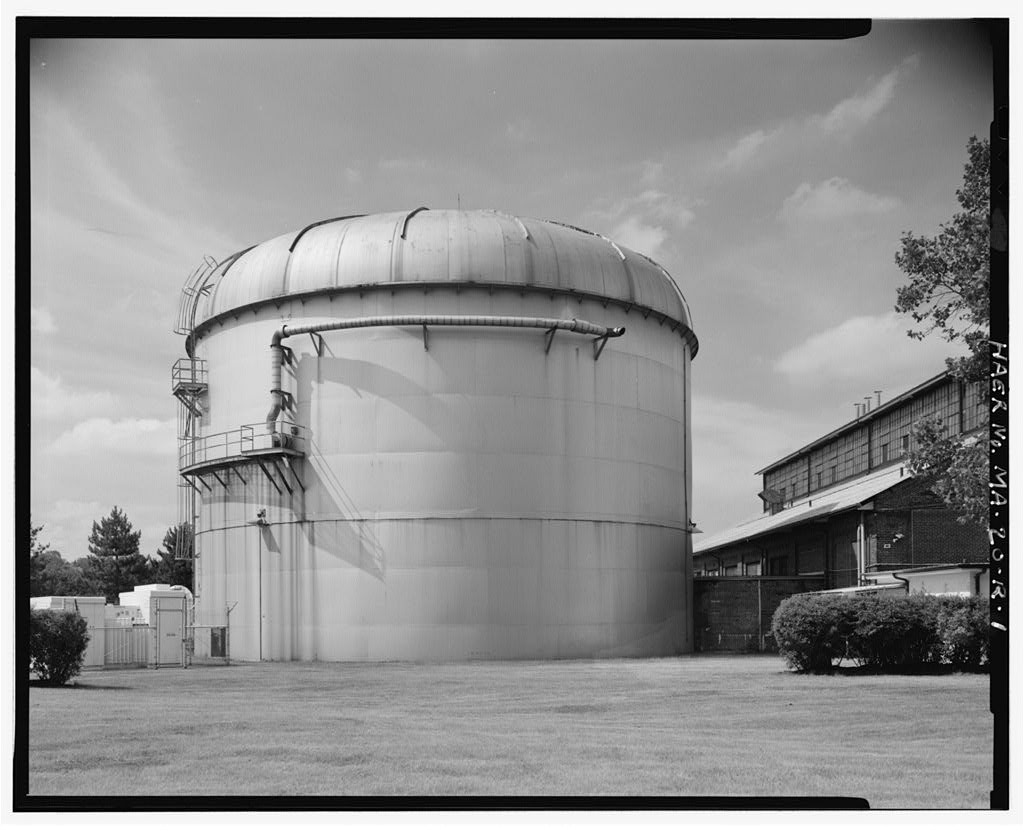
This documentatior: was undertaken in accordance with Section 106 of the National Historic Preservation Act of as amended, prior to base realignment and closure. Virginia H. Adams assisted by Andrew Winters The Public Archaeology Laboratory, Inc. 387 Lonsdale Avenue Pawtucket, Rhode Island WATERTOWN ARSENAL, BUILDING No. 97 (Locomotive Repair House) HAER No. MA-20-S (Page 2) I. ARCHITECTURAL DESCRIPTION AND MODIFICATIONS Building No. 97, originally the Locomotive Repair House, is surrounded by Wooley Avenue (north), North Beacon Street (south), Building No. 292 (HAER No. MA-20-T) (west), and Building No. 100 (HAER No. MA-20-R) - the Lester Nuclear Reactor - (east).
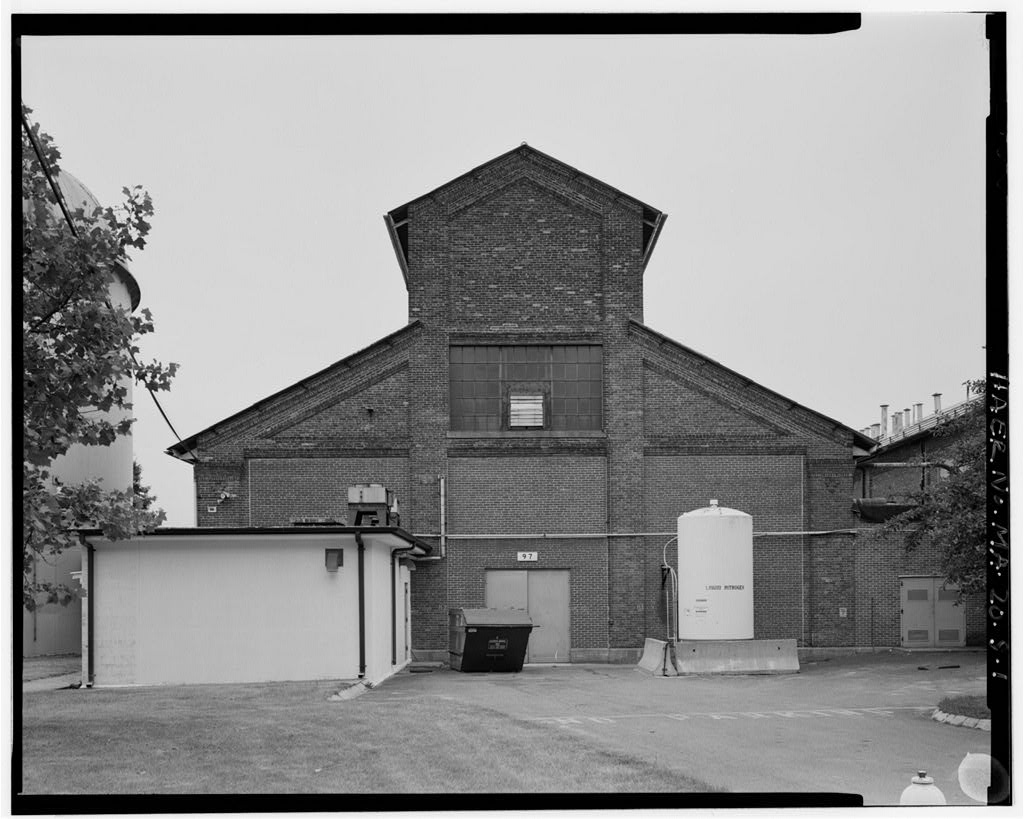
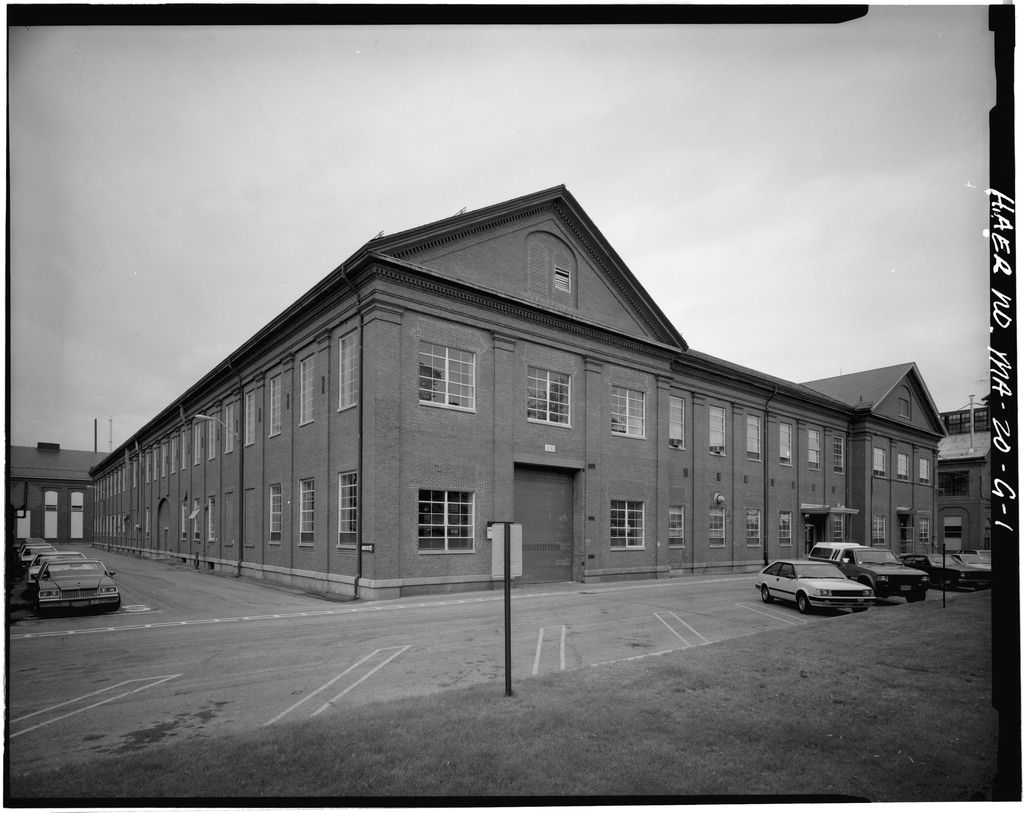
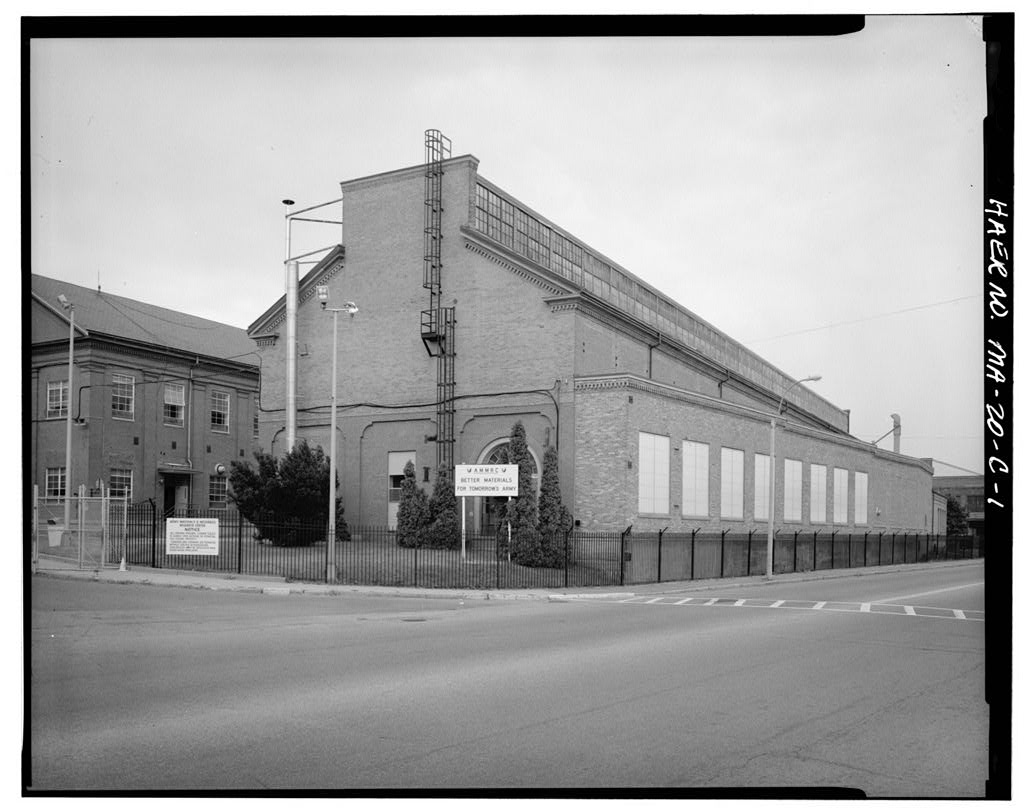
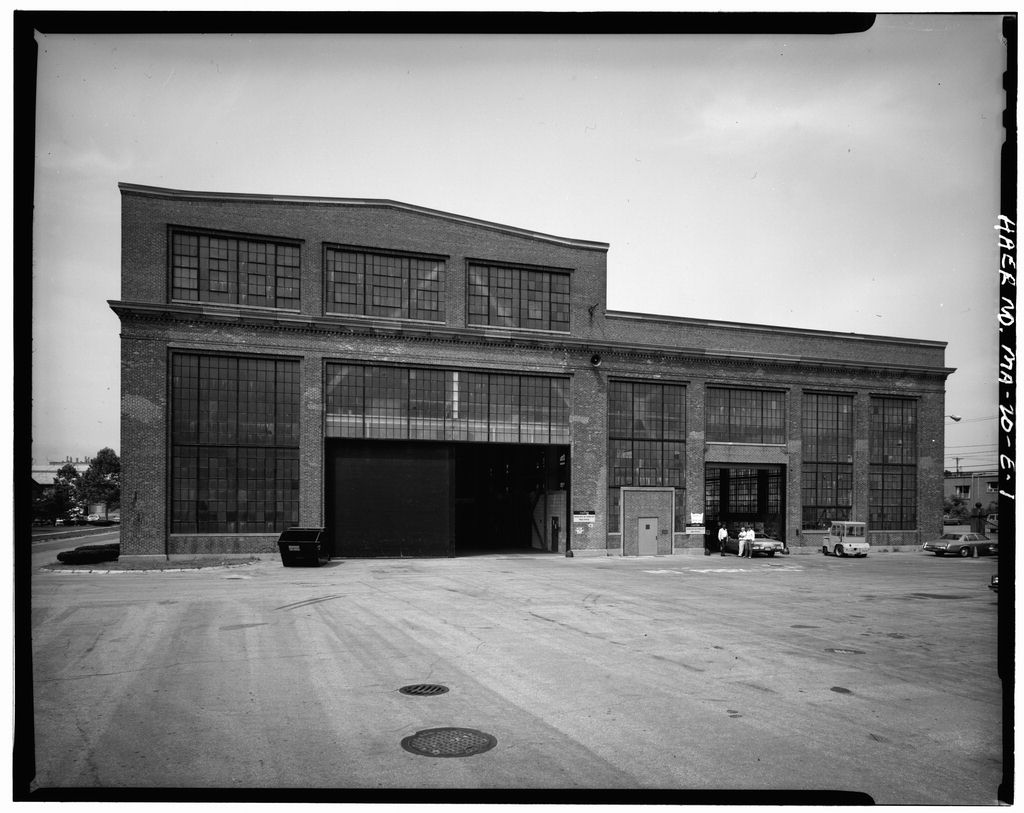
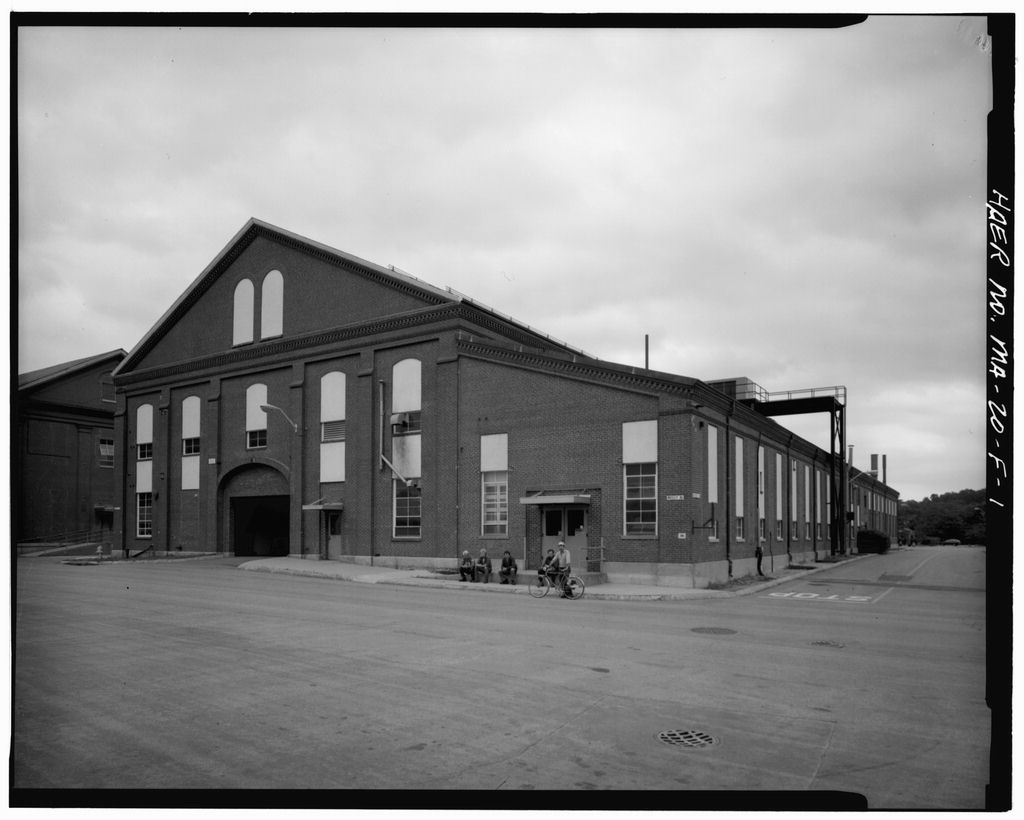
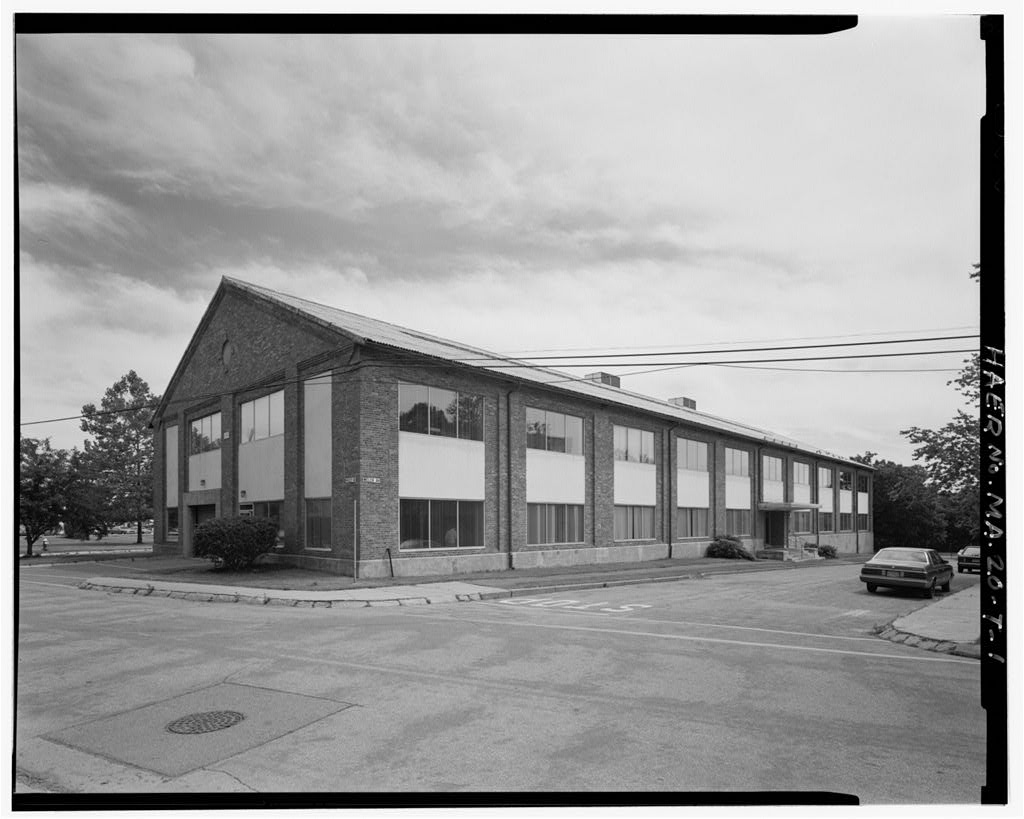
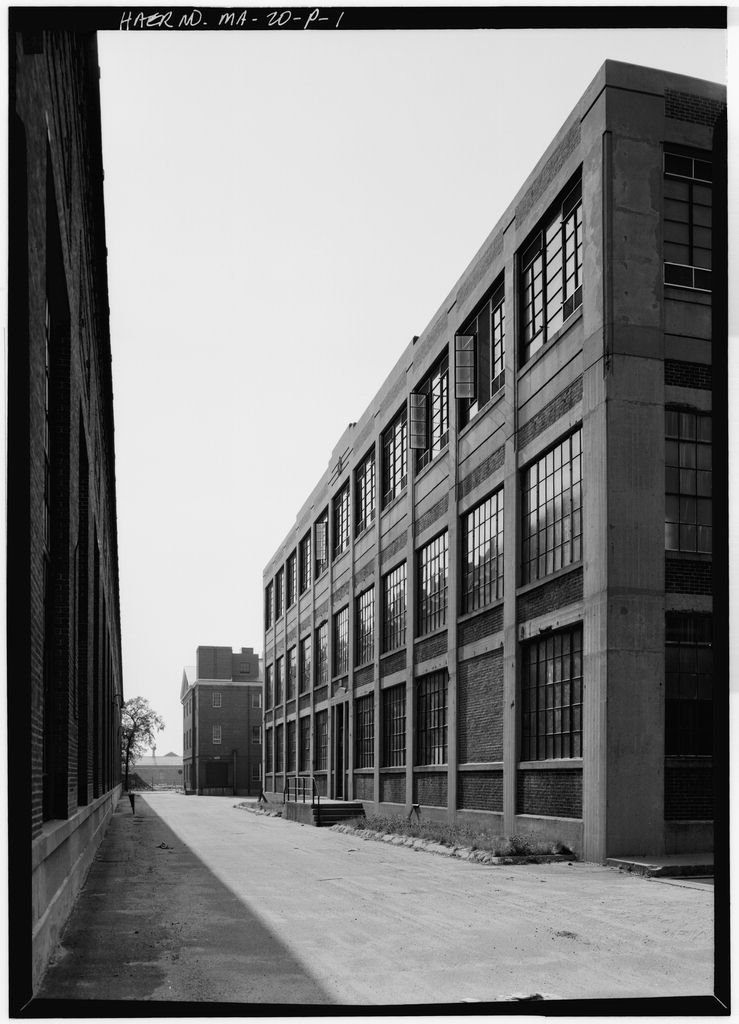
It retains much of its original architectural appearance despite extensive interior modifications during its conversion to a reactor Research Laboratory in The rectangular building, 60 ft. by 180 sits on a reinforced concrete foundation, and rises one story to a gable roof with a high clerestory monitor which stops two bays short of the south end. The roof is likely original and is a riveted steel Fink truss covered in corrugated cement asbestos. The load bearing masonry walls consist of red brick pilasters which separate wide, full-story, bays. The three-bay north (front) facade originally had double hinged wooden doors in the central bay, now accessed through a roll-up steel shutter door.
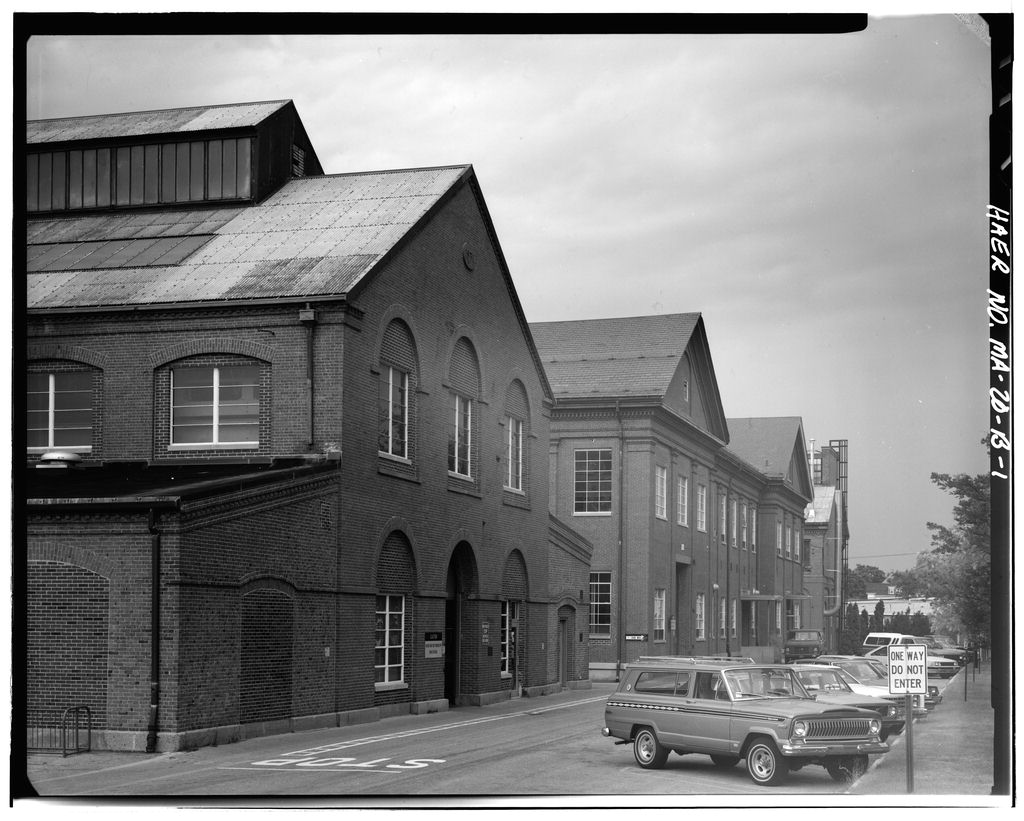
The bays along the entire length of the east and west elevations originally contained multi-light steel windows, as did the south elevation, but many are now bricked over. Several windows in the central bays on the east side have been modified with air vents, and the windows along the south (rear) elevation and two southern bays along the west elevation have their bottom halves bricked over. Ornamentation is minimal on this utilitarian building, consisting mainly of corbelled brick header and stretcher courses in all bays, and triangular pilaster and corbelled brick cornice detail at the north and south gable ends. The interior was constructed as a single large open space with interior pits and railroad tracks.
Short sections of track are visible in front of the central bay, but no longer enter the building, which has been divided into a series of small laboratories accessed from a long central hallway. The interior finishes consist of painted cinder block walls, vinyl tile floors, steel doors and door frames, and acoustical tile ceilings. Single story passageways connect this laboratory with Building No. 292 on the west and Building No. the Lester Nuclear Reactor, on the east. The main entrance to Building No. 97 is through the passageway from Building No. Building No. 97 serves as the main entrance to the reactor. II. HISTORICAL INFORMATION AND
Erected in Building No. 97 documents a period of World War I growth and expansion in the manufacture of armaments and railway gun carriage assembly work at the Watertown Arsenal. Designed with a clerestory monitor to augment natural lighting, this building served as a locomotive maintenance and repair shop. Engines and trains housed in Building No. 97 operated on a system of standard gauge railway track throughout the Watertown site, hauling materials and parts from supply buildings to workshops. The line also connected with Boston & Maine Railroad directly north of the Arsenal for transport of armaments and finished railroad carriages. 1 In the building was stripped out and converted to the reactor capital equipment building. As one of two reactor support buildings, No.
97 housed laboratories, decontamination facilities, and storage areas. The building still contains active laboratories, despite the close of the reactor in WATERTOWN ARSENAL, BUILDING No. 97 (Locomotive Repair House) HAER No. MA-20-S (Page 3) Ill. ENDNOTES 1. Burns and Bahr, This_ document comprises the 191 data pages previously submitted to the Library of Congress for Watertown Arsenal, HAER No. MA-20. IV. BIBLIOGRAPHY AMTL, Facilities Engineering, Watertown, Massachusetts. Architectural and engineering plans and drawings. AMTL, Office of Public Affairs, Watertown, Massachusetts. Foster Notebooks, files, and historic photographs century to Army Corps of Engineers, New England Division, Waltham, Massachusetts. Photographs (5 volumes, to Bahr, B. "Building No.
97, Locomotive House/Reactor Laboratory, HABS/HAER Inventory Card." Washington, Historic American Buildings Survey/Historic American Engineering Record, National Park Service, U.S. Department of the Interior, July Burns, Libby Baylies and Betsey Bahr. Historic American Buildings Survey of the United States Army Materials and Mechanics Research Center, Watertown. Massachusetts. Washington, Historic American Buildings Survey/Historic American Engineering Record, National Park Service, U.S. Department of the Interior, Summer Dobbs, Judy. A History of the Watertown Arsenal Watertown, Massachusetts: Army Materials and Mechanics Research Center, E.G. & G. Idaho, Inc. USATHAMA (U.S.
Army Toxic and Hazardous Materials Agency) Preliminary Assessment/Site Inspection for the Army Materials Technology Laboratory. Idaho Falls, Idaho: Idaho National Engineering Laboratory, March For further sources, consult Burns and Bahr, previously submitted to the Library of Congress as HABS/HAER documentation for Watertown Arsenal, HAER No. MA-20. WATERTOWN ARSENAL, BU1LD1NG NO 91 (Locomotive Repair House) HAER NO MA-20-S (Page 4) source: E. G. &. G., ~ report, WATERTOWN ARSENAL, BUILDING No. 97 (Locomotive Repair House) HAER No. MA-20-S (Page 5) AMMRC BUILDING SURVEY FLOOR PLAN Ii . i! !1 .m;i "- i: I ;I! :11 I :I -j ! ~~ ...i ,r l .I I WATERTOWN ARSENAL, BUILDING No. 97 (Locomotive Repair House) HAER No.
MA-20-S (Page 6) Historic Photograph, October 4, View of north (front) and east elevations, looking southwest. U.S. Army Photograph: Corps of Engineers, New England Division. File No. 61. (Copy located at U.S. Army Corps of Engineers, New England Division, Waltham, Massachusetts).
 Block
Block