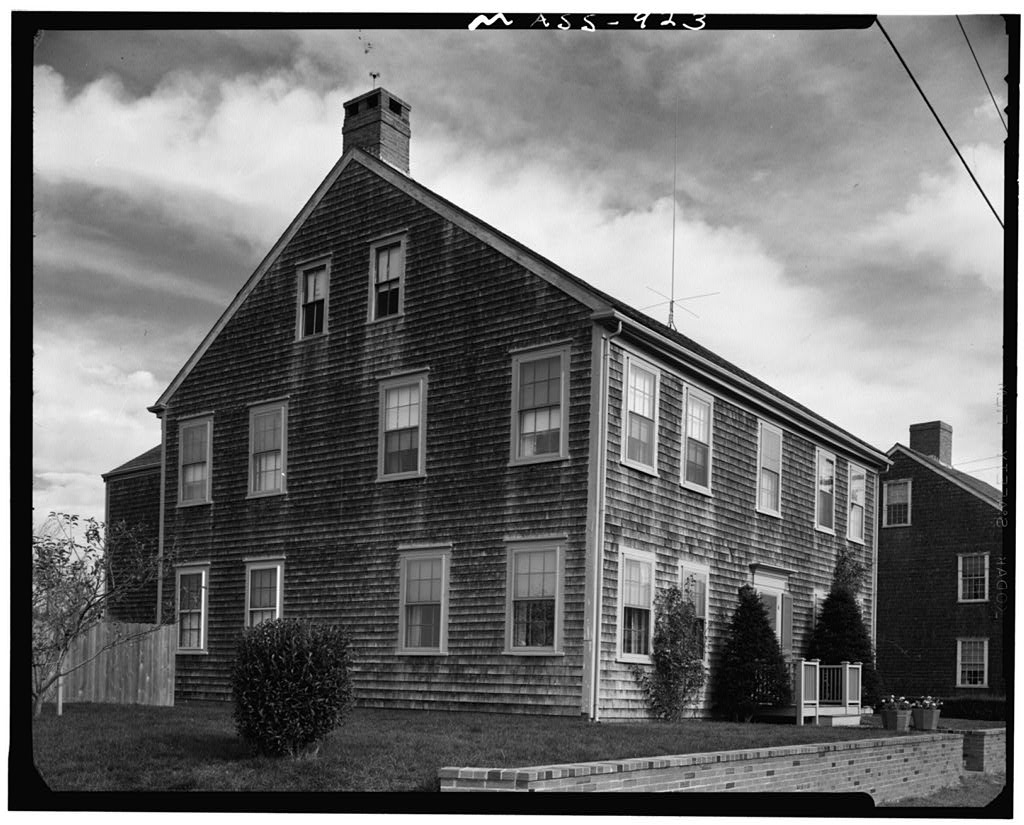
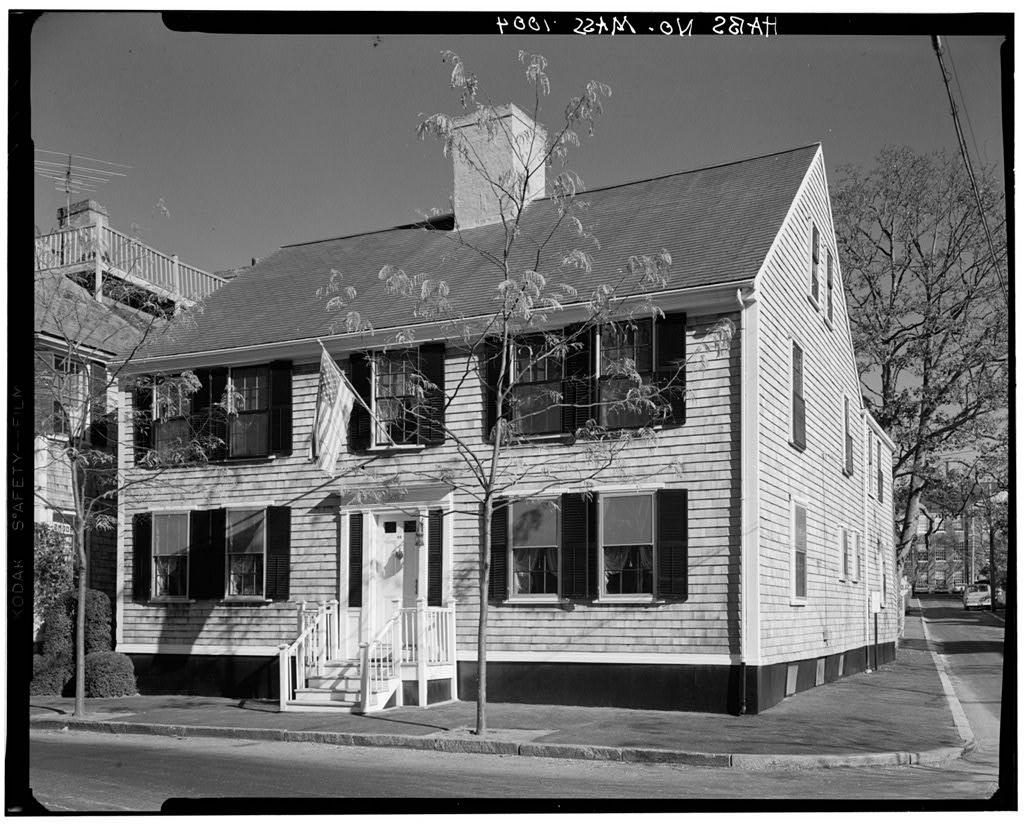
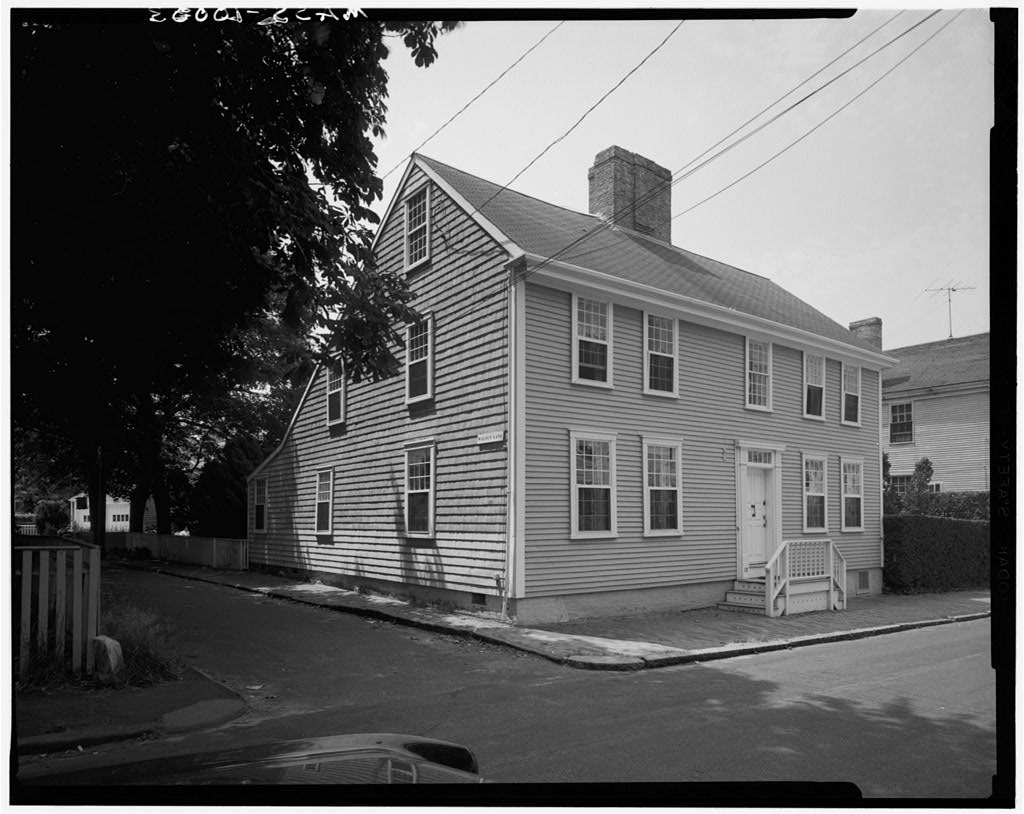
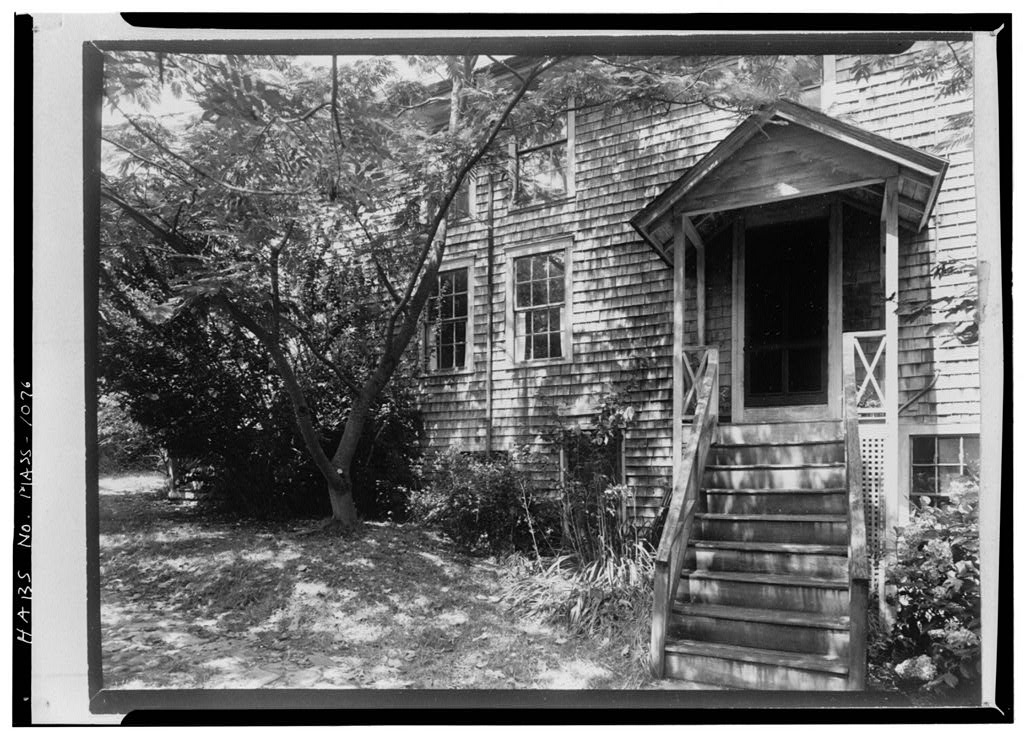
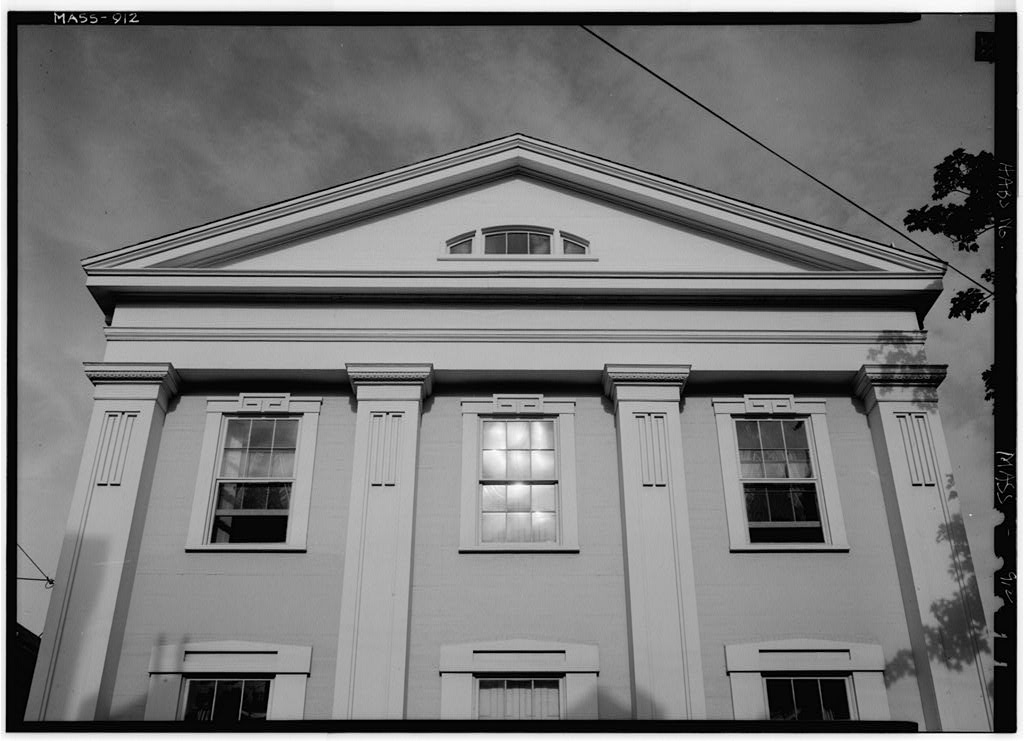
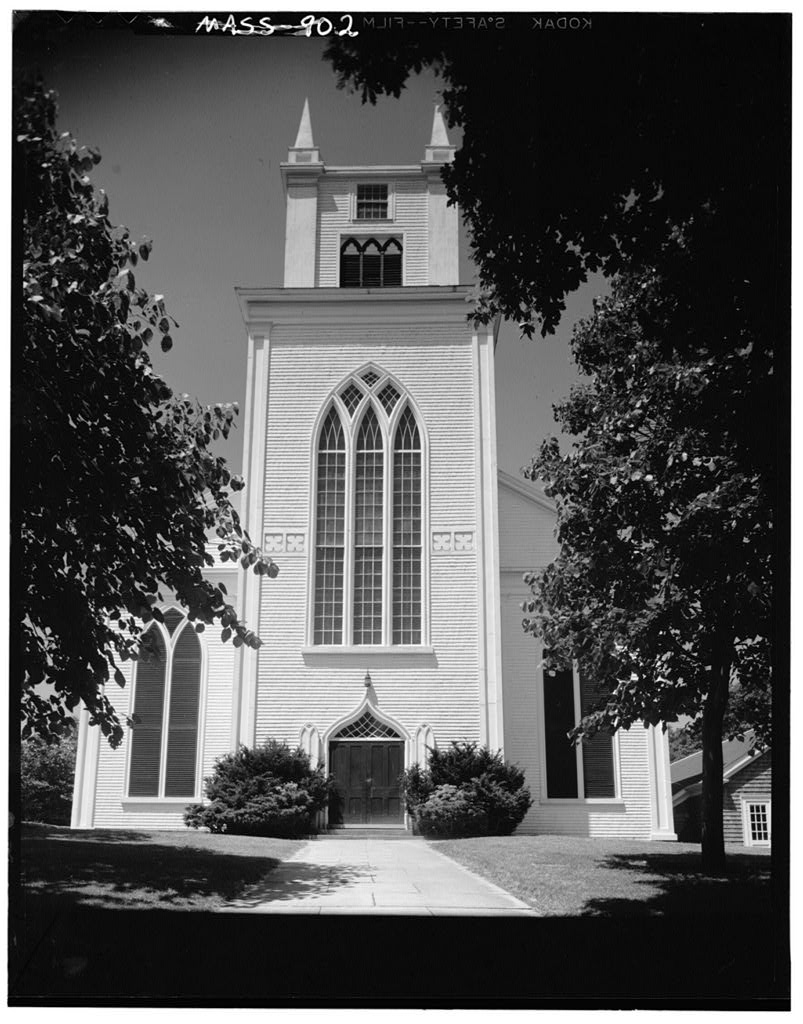
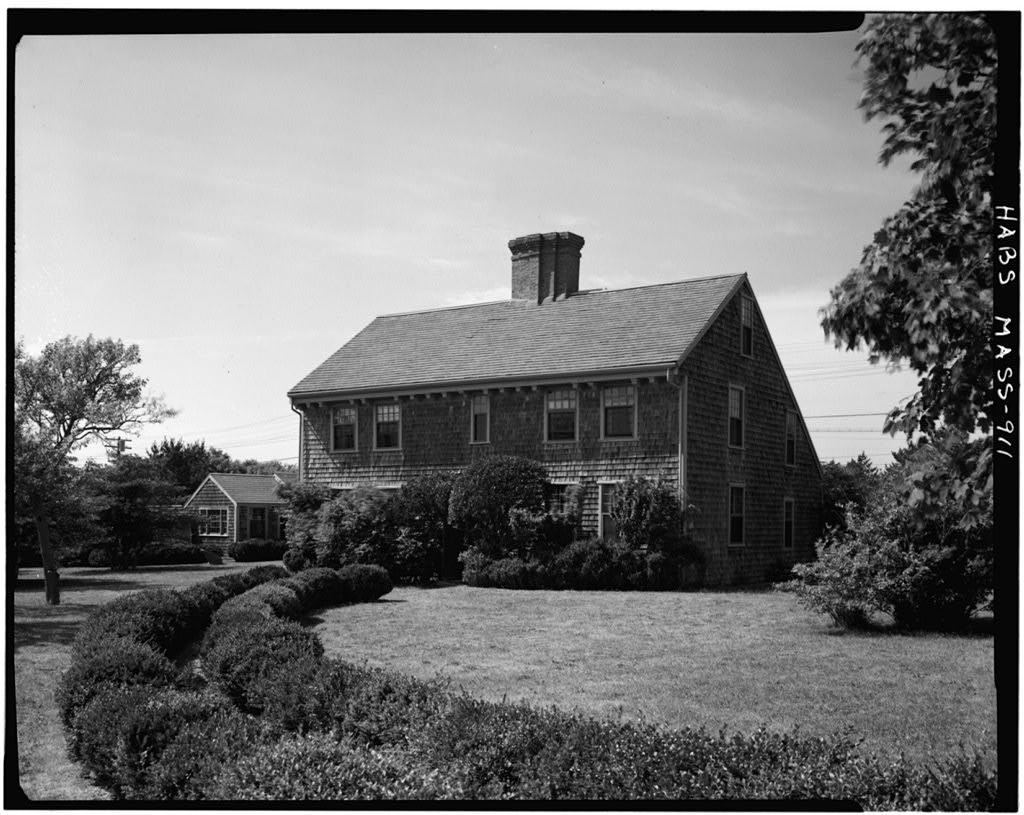
Probably the largest and certainly the only shop structure remaining from the eighteenth century, it was used as a bo at-building shop until ; during the latter part of this time it was an important meeting place; it was later moved and converted into a house, PART I. HISTORICAL INFORMATION A. Physical History: 1. Original and subsequent owners: Some time before the building was built on the west side of Quaker Road near Vestal Street for Charles and Hiram Folger , both boatbuilders and wheelwrights , and at one time in partnership. They owned nearly all the tract of land south of the Friends' Cemetery, bounded east by Grave Street (now Quaker Road) , south by Milk Street and west by a way.
In the shop was sold by Hiram Folger to George and Reuben Coffin for and described in the deed as "my shop that I have usually built boats in." They carried on the boat-building business until when due to the decline of whaling and the falling off in demand for boats , they dissolved partnership and divided the building and land, Reuben taking the south half and George the north. Reuben 1 s south half was finished as a dwelling house in and occupied a number of years and then sold to Charles A. Reyot. The building pre- sented an incongruous appearance in its semi-improved condition and it was far from satisfactory for the oc- cupants of the south half dwelling to have the other half separated from them by only a partition of laths and plaster and utilized as a barn or stable.
As a result the dwelling stood idle and grew dilapidated until after George Coffin's death when the north part was sold to J, W. Reyot for He was the son of Charles A. Reyot * CHARLES AND HIRAM FOLGER SHOP, also known as "The Big Shop" HABS No. MASS~923(Page 2) who had formerly bought the south half. The building was moved to its present site on Milk Street in the and rebelled in by Mr. Reyot. It again fell into disrepair until in and Mr. and James K. Glidden bought the property from the heirs of James W. Reyot by seven deeds, and made an attractive dwelling. (Abstract, Records Registry of Deeds, Nantucket, Mass., and"The Big Shop" an article in the Inquirer and Mirror , Nantucket, by Arthur H. Gardner, Nov. 15, 2.
Date of erection: In the Revolutionary period, some time before (Abstract , Writings of Arthur H. Gardner, a descendant of George Coffin, whose daughter, Miss Grace Brown Gardner, has in her possession old account books containing daily records of work done in The Big Shop) 3. Architect : None. 4. Original plans , construction, etc. : No plans. Structure was built to be used for boat building and was the largest workshop on the Island at that time. Historians believe that the frame was brought to the Island and put together, which is doubtless correct , as the size of the timbers in its construction precludes the probability of their having been grown on Nantucket.
"Its sills and plates and cross beams were of hewn timbers nearly a foot square and its lower floor was of two inch planks 'trunnelled 1 to the floor joists by wooden pegs. The attic was reached from a landing by climbing up a sort of perpendicular ladder made of strips of board nailed to the studding and the view from there of the Sound and the west end of the Island well repaid the climb. The shingles were worn and grey from suc- ceeding storms and sunshine. A large workbench stood on the east side with a massive iron vise attached. The floors were always heavily sanded as there were no spitoons . A small cylinder stove stood in a box of sand in the center and on the walls hung working patterns used in boat building.
A wooden bucket of water with a peri- winkle shell for a drinking cup furnished liquid refresh- ment. In summer the huge doors were thrown open for ventilation." (Abstract, "The Big Shop") The present site on Milk Street formerly held Hiram Folger f s large two story dwelling. This was taken down in and taken off-island. CHARLES AND HIRAM FOLGER SHOP, also known as "The Big Shop" HABS No. MASS-923(Page 3) 5, Alterations and additions: In a change came over the Big Shop , as due to the decline in whaling from Nantucket, no boats were needed and the manufacturing of sperm candles being stopped, no more boxes were being made.
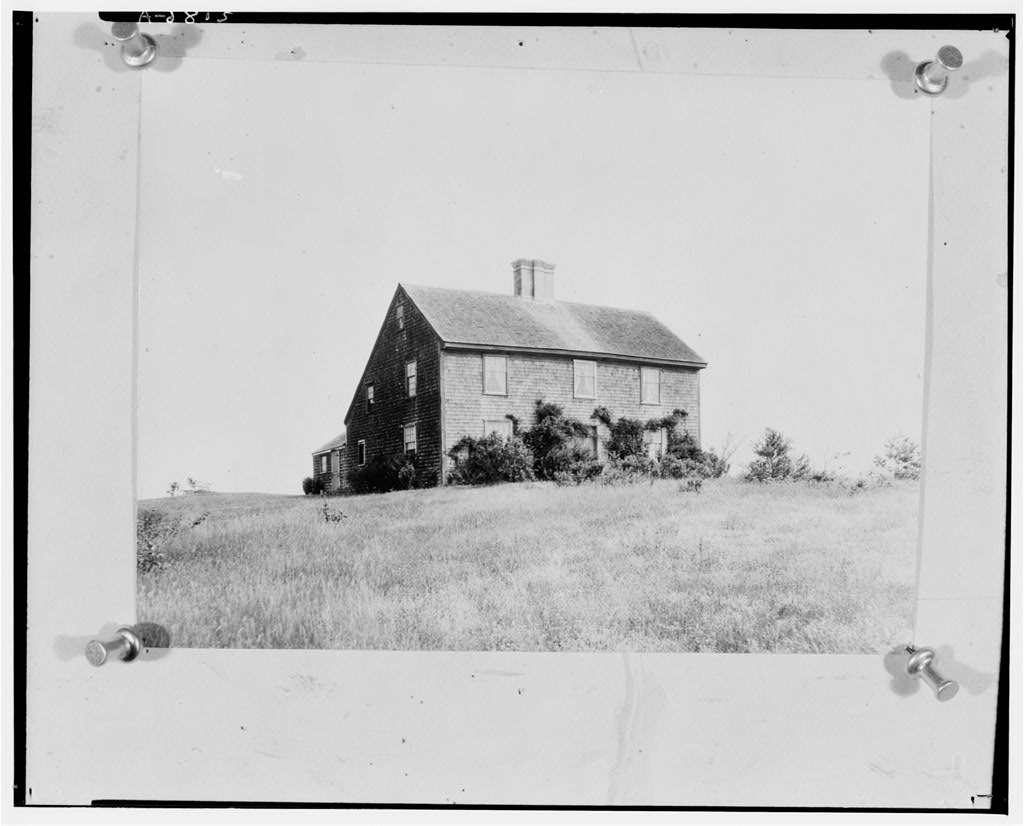
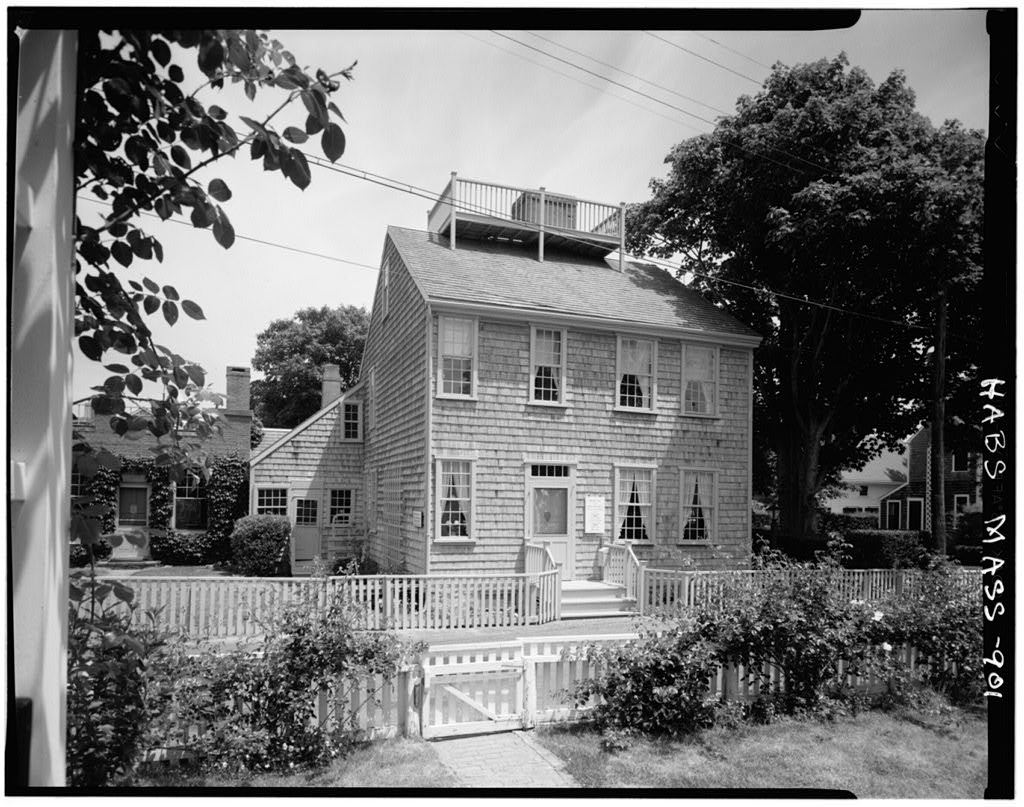
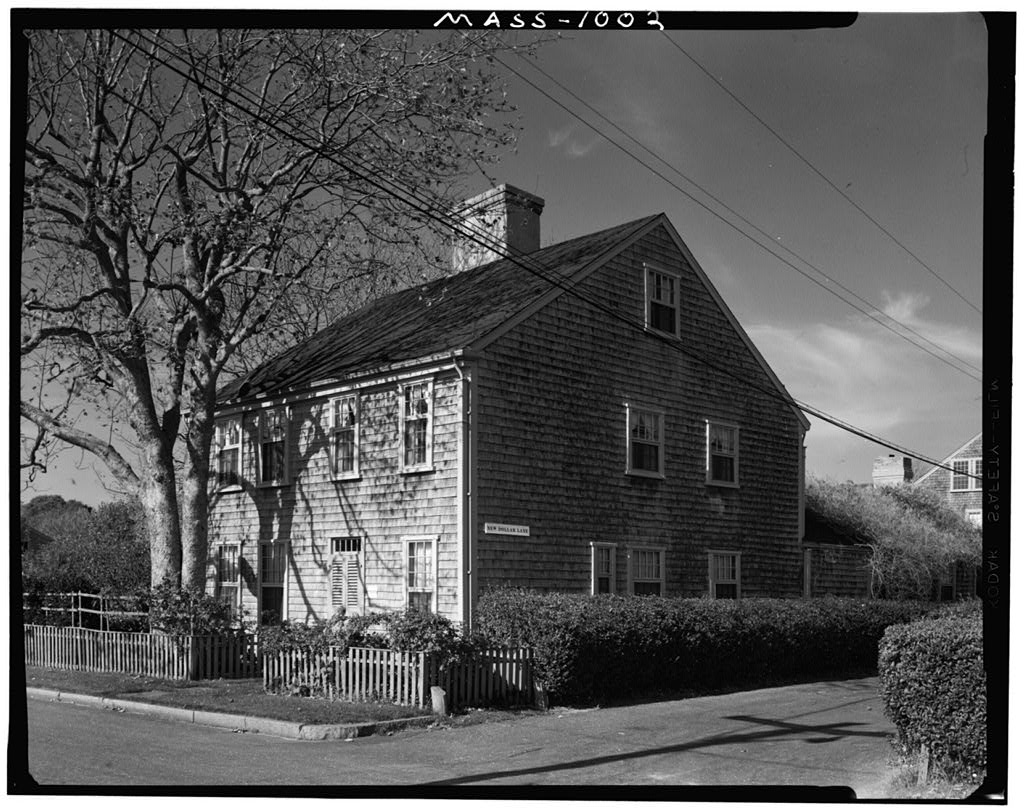
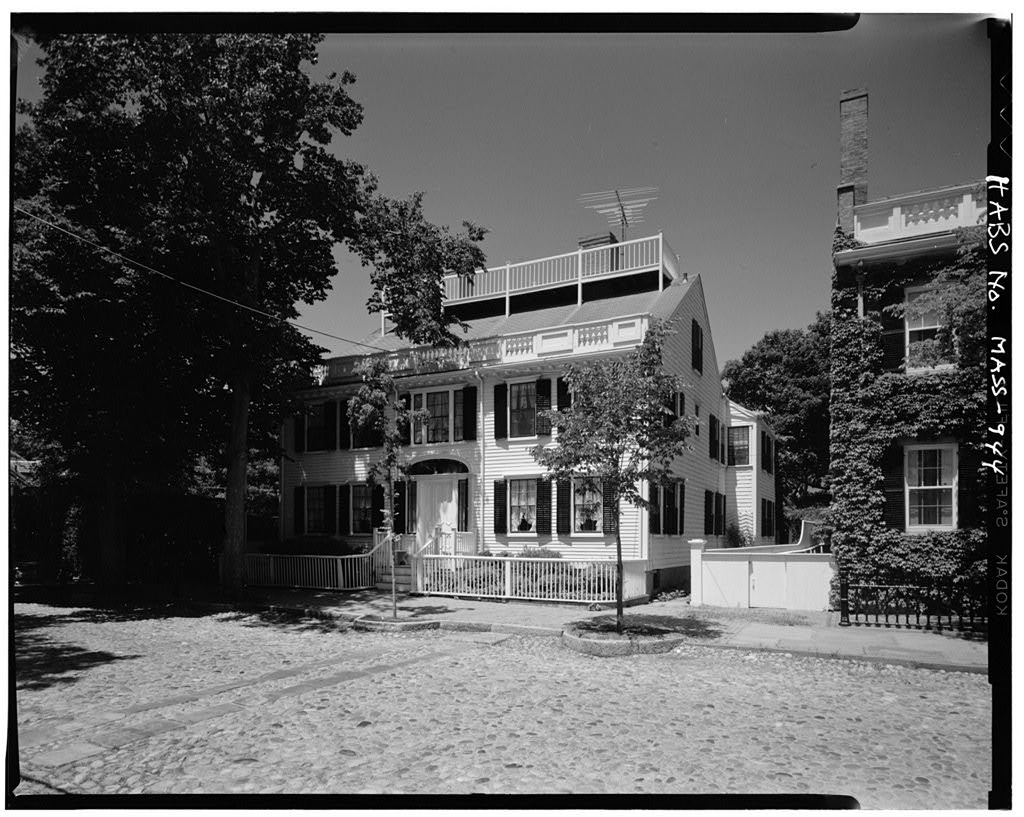
At that time the south half was made into a dwelling , while the north half was still used as a meeting place until as the older men passed away, the younger men began to meet elsewhere. Mr. Reyot remodelled the whole building into a dwelling in In as seen in an old photograph , there was a piazza across the front of the house; this was later removed. House was in very poor condition when Mr. Glidden bought, repaired and rebuilt it into an attractive dwelling on the lines of favored Nantucket architecture, it now having two stories front and back with a two-story ell at the rear. The kitchen is located at one side in the rear of the main house. House faces south, with front door in middle and two windows on each side of it. B.
Historical Events Connected with the Structure : For the greater part of the nineteenth century The Big Shop was one of the prominent landmarks of Nantucket. It was a boat-builder's shop by day and a club-room in the evenings. Around when the old building was in its prime, the noise of busy industry could be heard within from early morning till sundown. Whaleboats and candle boxes were then being turned out in great numbers by Messrs. George and Reuben Coffin, the proprietors, but after tea it was always the rendezvous for most men living in the western section of the town, who met to discuss the questions of the day local, state, and national.
As a majority of these men were sheep owners, it was here that all questions relating to the management of the sheep were settled and in times of sheep shearing , it was a market-place for the wool merchants. When the codfish were running, the big fish were brought to town and sold at the Big Shop. Here also shooks and hoops for the whale-casks were made, as well as other whaling supplies. In when militant abolitionists led by William Lloyd Garrison and Stephen Foster, were holding meetings on Nantucket, they on one occasion were not allowed the use of the churches or public halls due to Foster's wild attacks on the clergy.
The Big Shop was made available to them, and the rioters well knew that the men who assembled;there - I ardent lovers of liberty and free speech could not be trifled t CHARLES AND HIRAM FOLGER SHOP, also known as "The Big Shop" HABS No. MASS-923 (Page 4) with and their offer of protection would be carried out. It was here that the afterward famous Negro orator and statesman, "Frederick Douglass , made his first public speech. His audience assembled here, but as they left at the conclusion of his speech, Mr. Douglass was met by a jeering, jostling mob who pelted him with rotten eggs.
Forty years later Frederick Douglass visited Nantucket with his wife and found a cordial reception at one of the hotels, was entertained by the best families and allowed to give a lecture on "William the Silent" in the Unitarian Church, which was crowded to the doors. C. Sources of Information: 1. Old views : Old photograph when a shop and present view in Scrapbooks owned by Miss Grace Brown Gardner (microfilm in Nantucket Atheneum), Nantucket, Massachusetts; old photograph taken before when house was in disrepair in Proceedings , Nantucket Historical Association, article entitled "The Big Shop," by Arthur II. Gardner, The Inquirer and Mirror, Nantucket , Massachusetts , Nov. 15, Prepared by Marie M. Coffin Nantucket, Massachusetts June, PART II.
PROJECT INFORMATION These records were prepared for the Historic American Buildings Survey project on Nantucket, Massachusetts. They are part of a continuing HABS comprehensive survey of the early architecture and urban design of Nantucket financed by a grant from the Nantucket Historical Trust. The project was under the general supervision of James C. Massey , Chief of the Historic American Buildings Survey. Historical information was provided by Marie M. Coffin of Nantucket, Massachusetts. Photographs are by Cortlandt V. D. Hubbard of Phiadelphia, Pennsylvania. The material was edited for deposit in the Library of Congress by Constance Werner Ramirez, July
 Block
Block