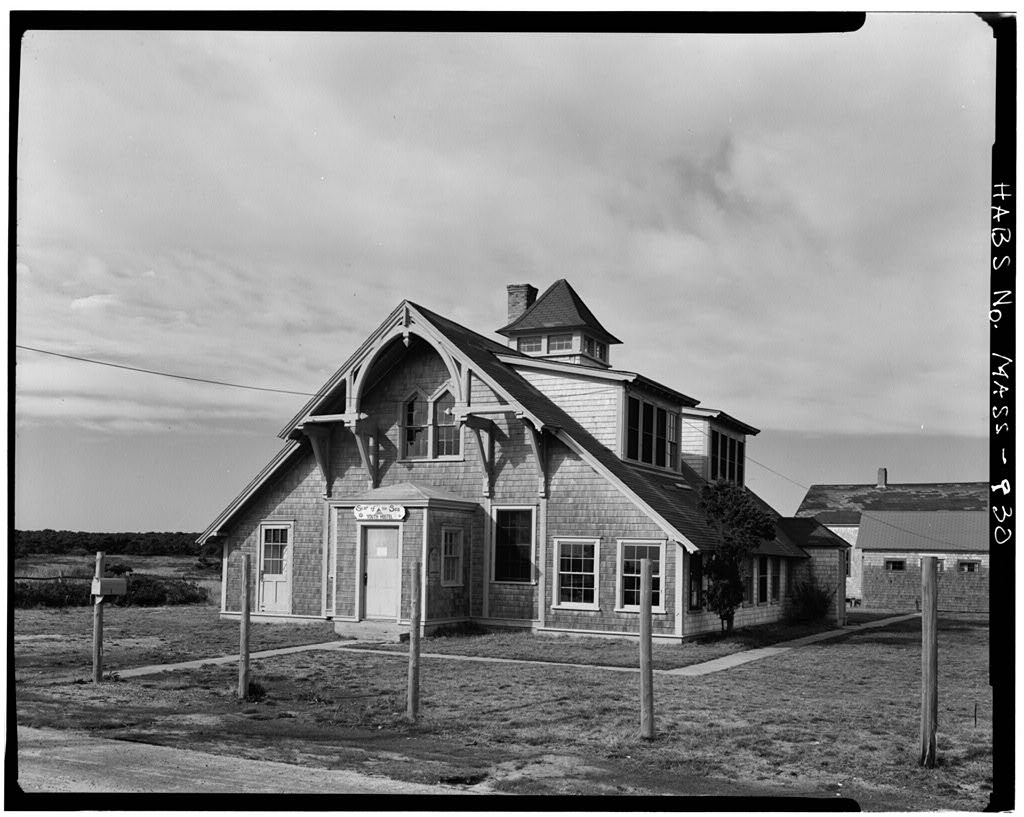
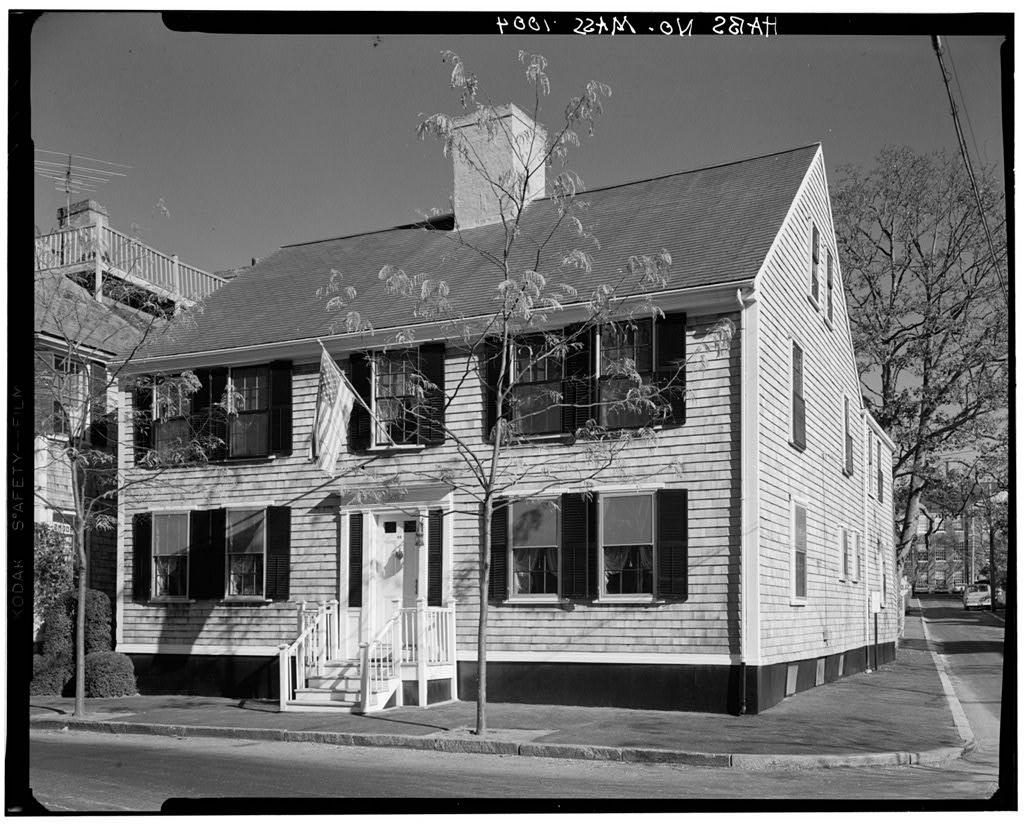
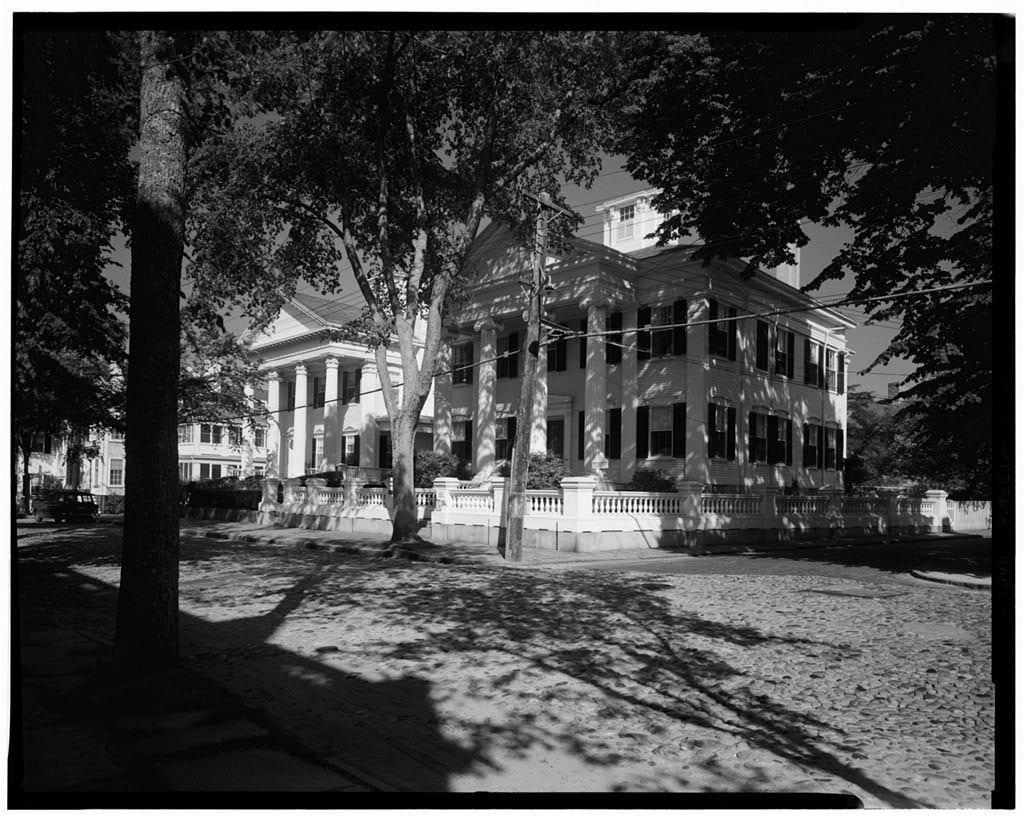
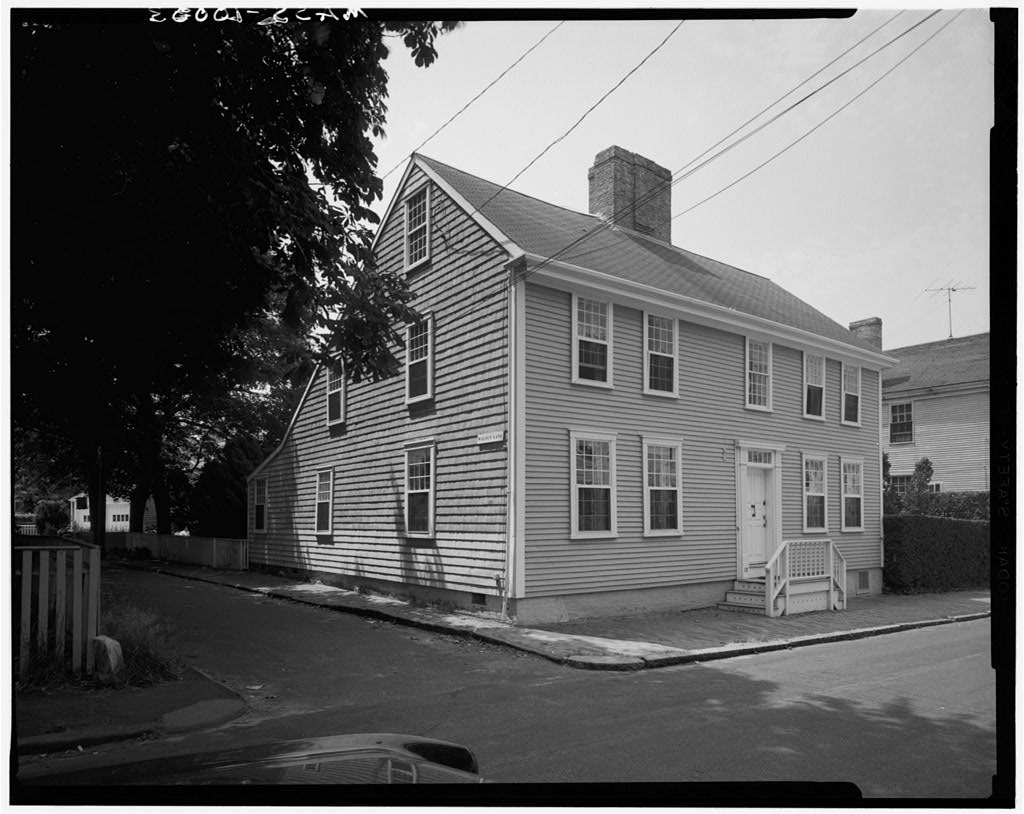
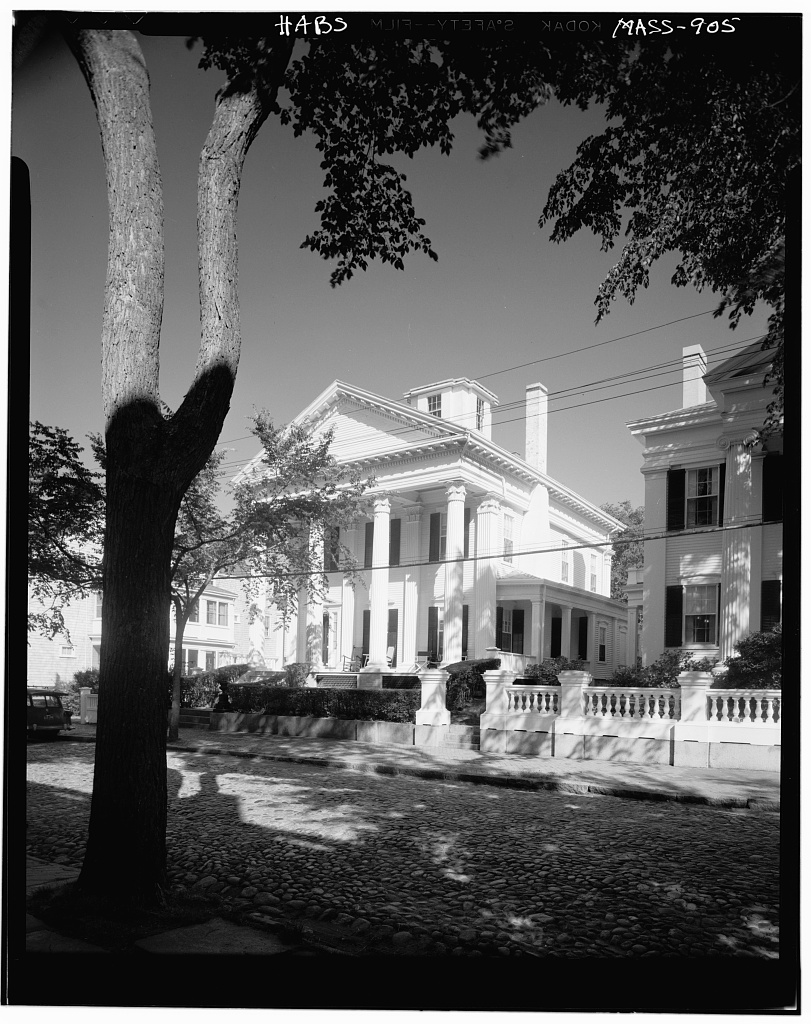
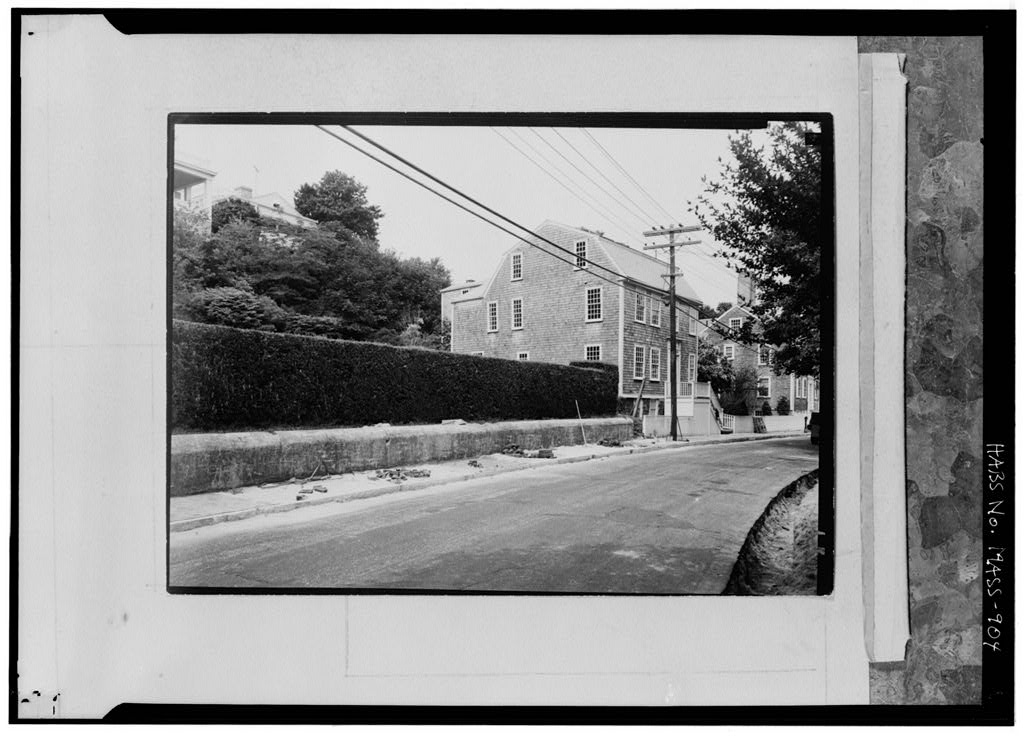
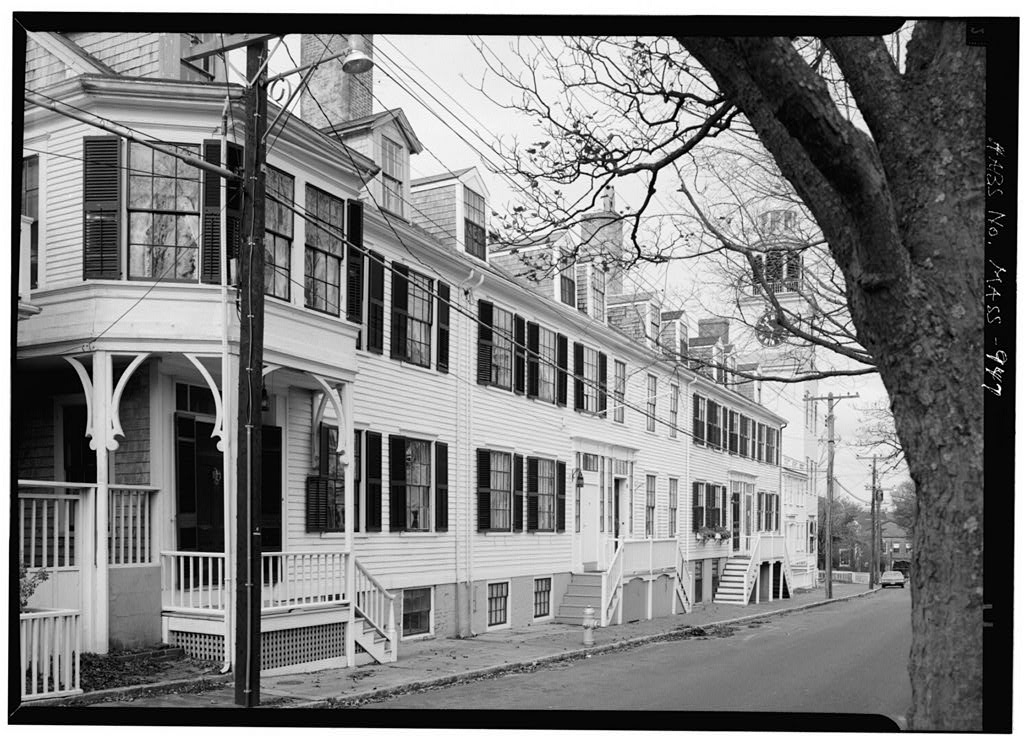
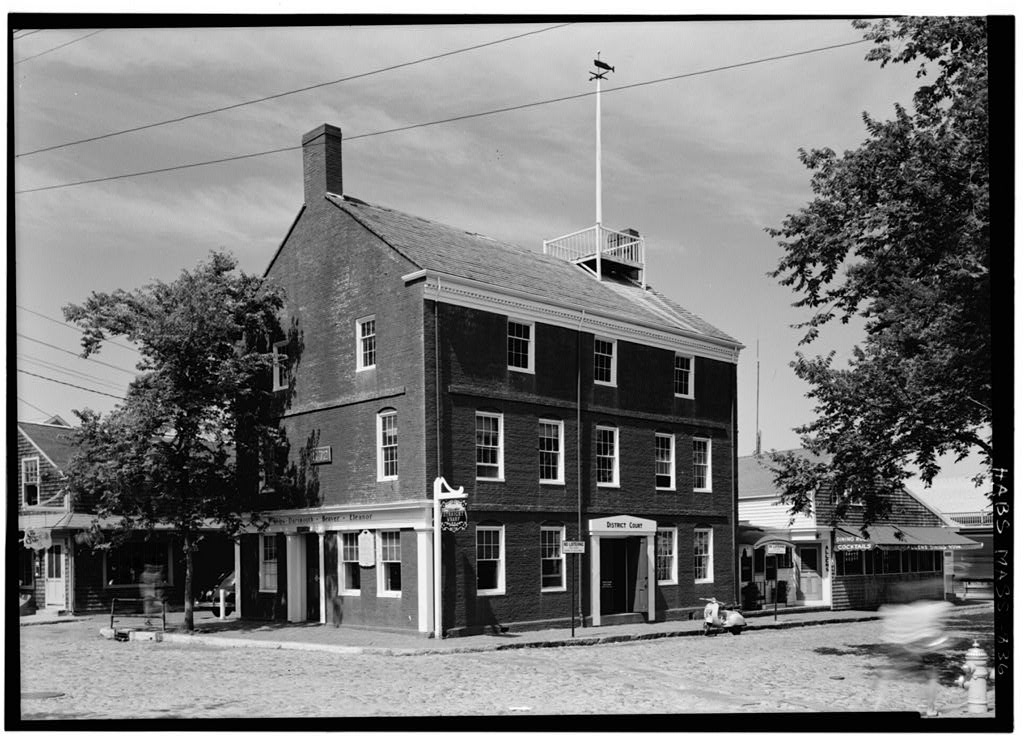
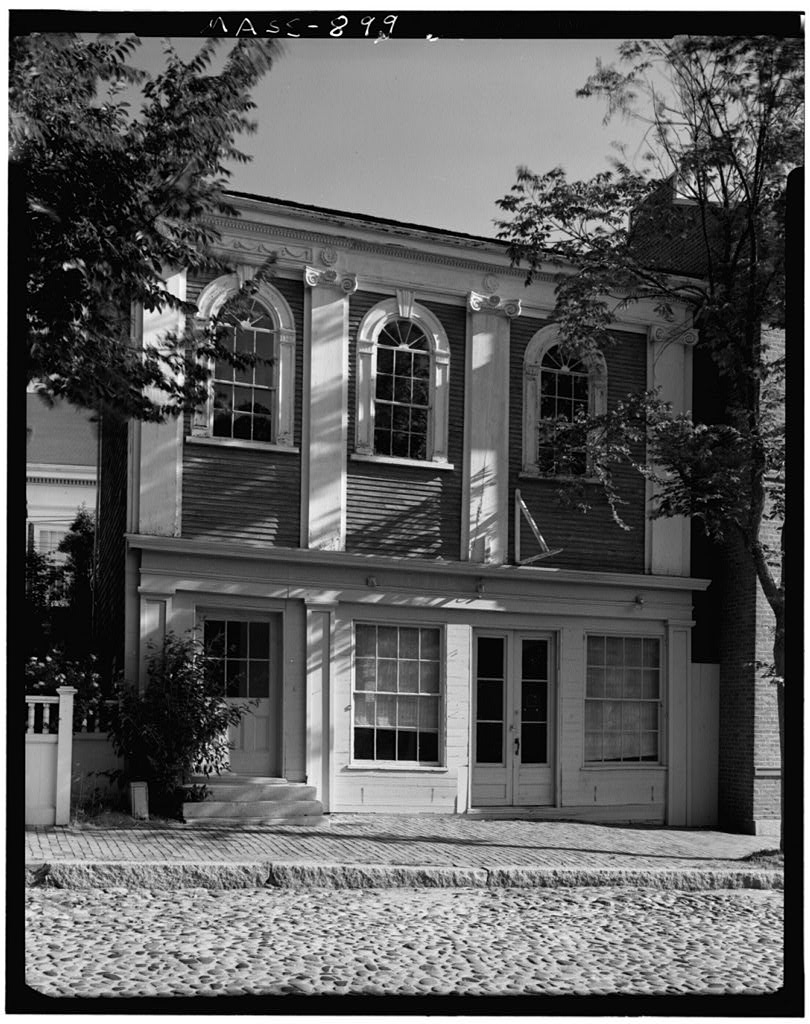
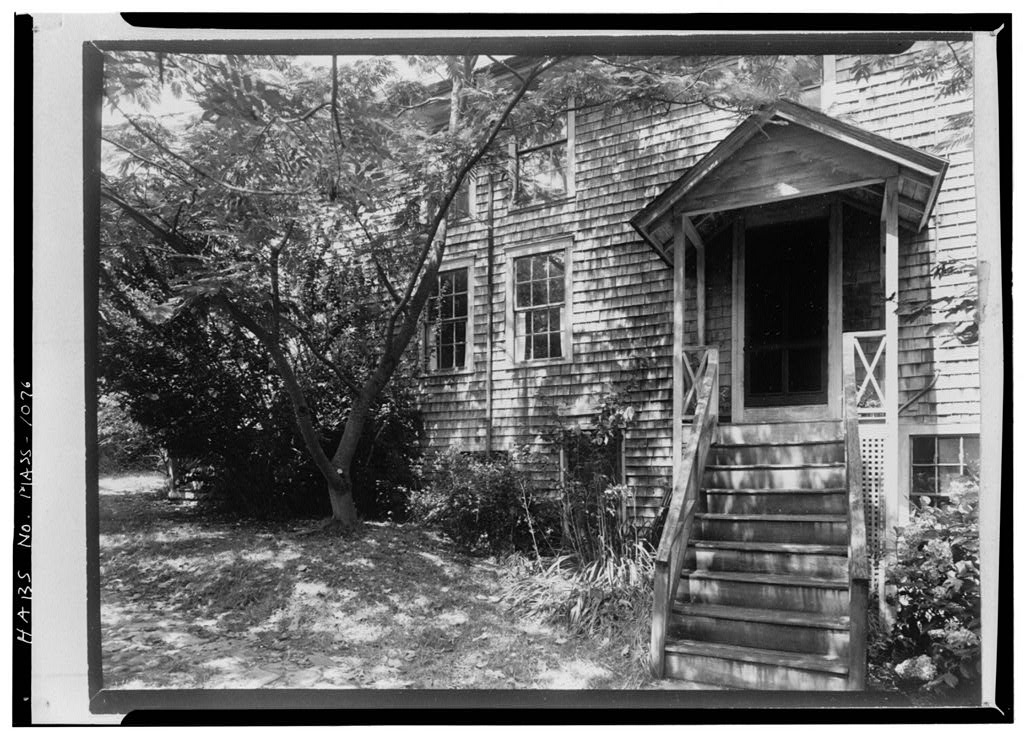
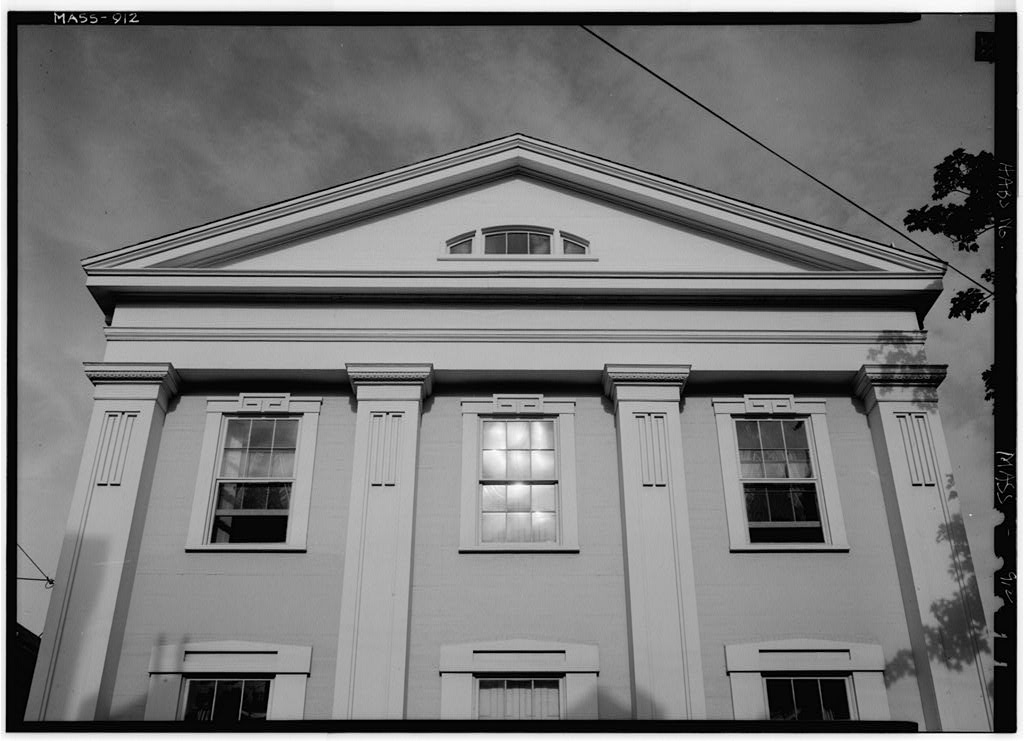
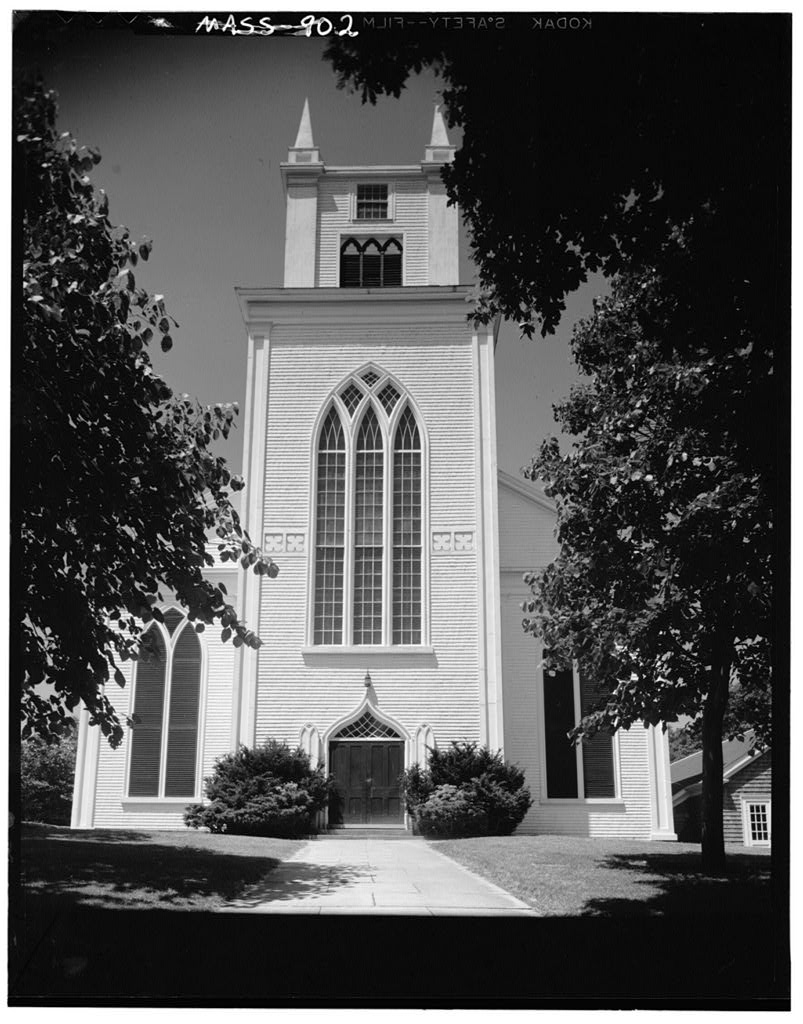
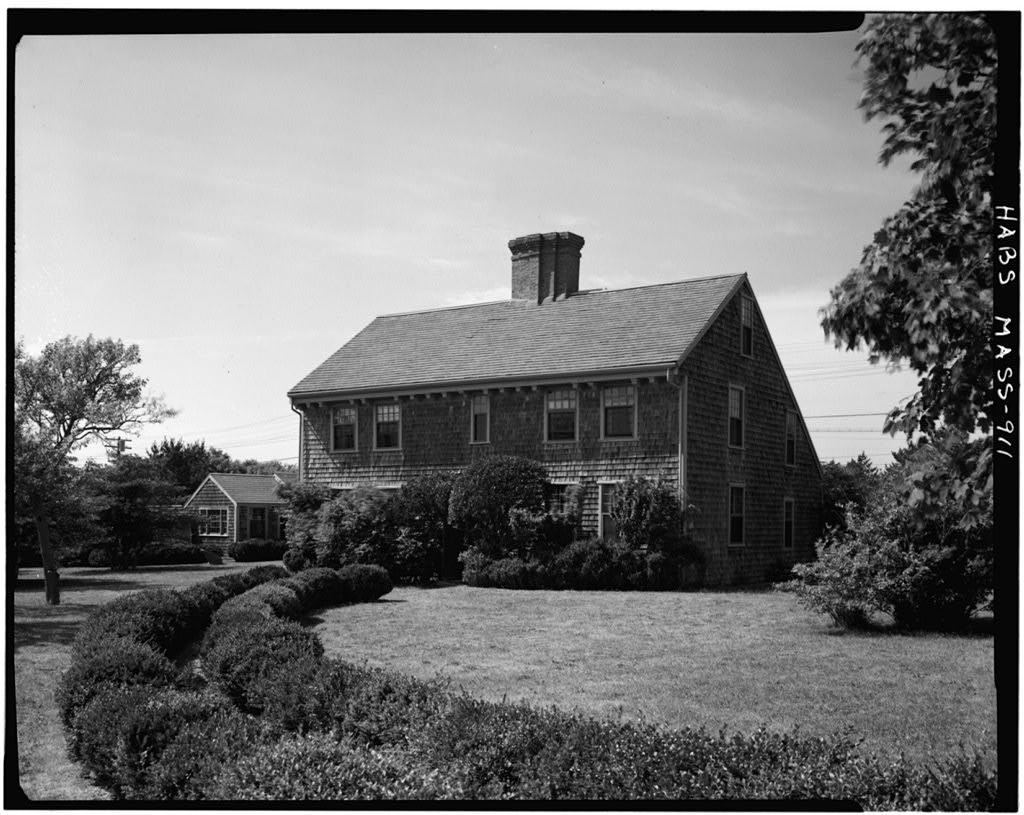
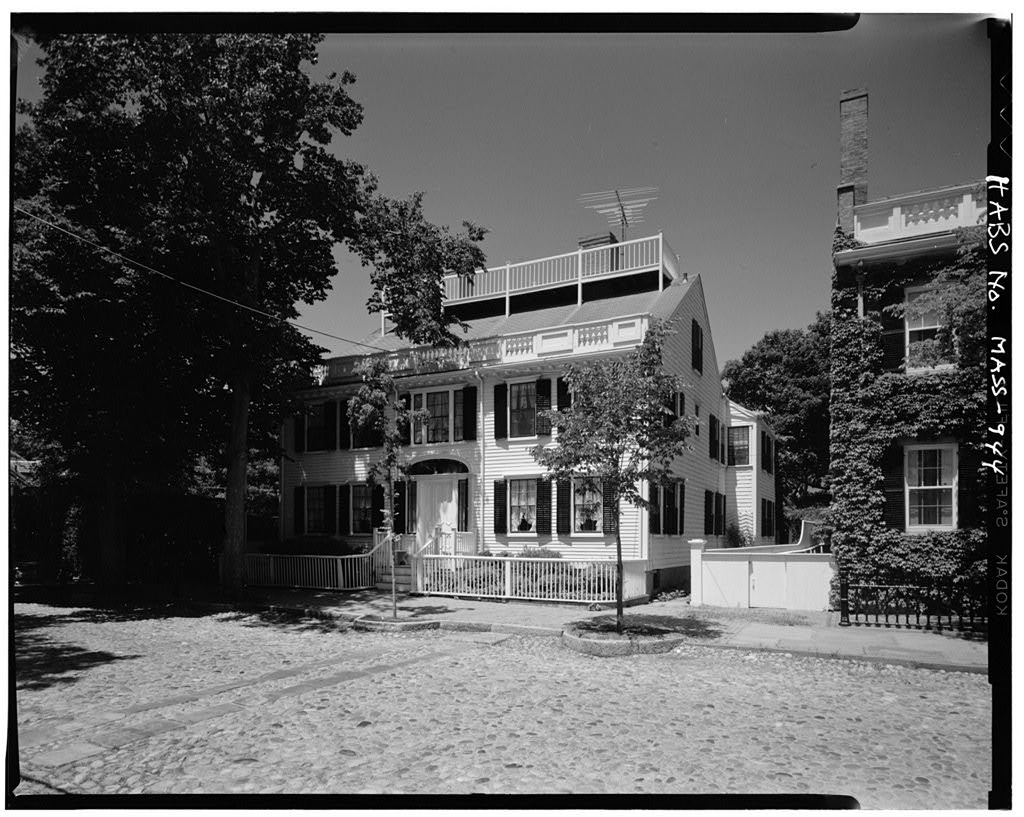
A carpenter gothic building, it was the first life saving station operated by the United States Government on Nantucket, PART I. HISTORICAL INFORMATION A. Physical History: 1. Original and subsequent owners: Built by U, S. Government as a Life Saving Station. Lilye D. Mason bought property. to date American Youth Hostels, Inc. 2. Date of erection: (Abstract, U, S. Life Saving Service Report 3. Architect: Not known. 4. Original plans, construction, etc. : Life saving stations were built to house every approved appliance for rescuing the ship-wrecked from .stranded vessels. The cost was estimated to be between and each. This building has elaborate exposed trusses at either end. 5.
Notes on alterations and additions: Building has been remodelled for use as a dwelling, but much of the original construction remains. B. Historical Events Connected with the Structure: Surfside is the name given to about four miles of coast on the south shore of Nantucket Island, about three and a half miles from the Town of Nantucket. The U. S. Life Saving Service was founded in and although there were eventually four stations, the Surfside Station was LIFE SAVING STATION HABS No. MASS-93G Page 2) the first one operated on Nantucket.
They were located at points where wrecks were unusually frequent, It was estimated that over five hundred shipwrecks occurred around the coast of the Island from the time of its first settlement by the white men to A vacation guide published in mentions the following , "The Life Saving Station at Surfside is about twenty rods west of the Nantucket railroad depot. Here, for eight months of the year men nightly patrol the beach for three miles each way." In the bark, W. F. Marshall, came ashore on the south side of the Island and through the efforts of the crew of the Surfside Station who made a line fast to the vessel with sling attached, the crew, fourteen in number, as well as the wife and child of the steward, were safely landed and cared for.
One of the saddest wrecks off Surfside was the loss of the three masted schooner, T. B. Witherspoon, in , when seven lives were lost and only two saved. As late as another of many rescue feats occurred when the lumber-laden schooner, Flyaway, went onto Handkerchief Shoal about thirty miles from Surfside and Captain Clisby and his crew from the Surfside Station, after five hours of work with their surf-boat, succeeded in saving five of the crew who were so exhausted they could have held out but a few hours longer. The Life Saving Service and the Revenue Cutter Service were merged in to form the U.S. Coast Guard, and the Life Saving Stations were eventually abandoned, C. Sources of Information: 1.
Old views: Photographs of Surfside Station showing large doors to accommodate surf-boats, and photos of sequence of Practice Drill, taken in by M. L. Crosby and reproduced in Historic Nantucket, January, photographs in station and men drilling in 106 Views of Nantucket by John Henry Robinson, wreck of T. B. Witherspoon from original sketch by John J. Gardner in Wrecks Around Nantucket by Arthur H. Gardner, two photographs of the wreck of Warren Sawyer at Surfside in Fifty Glimpses of Nantucket by Murphy, drawing of life-boat on way to wreck by Alexander Seavern in By the Sea by Louise S. Baker, 2.
 Block
Block