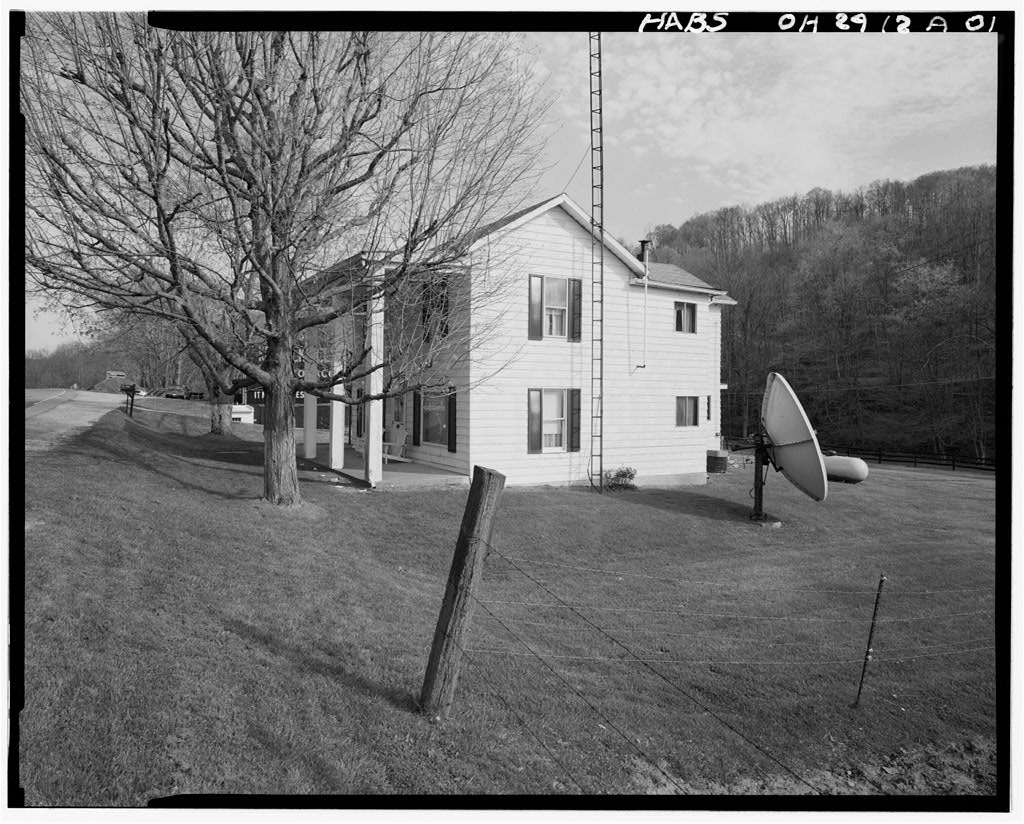
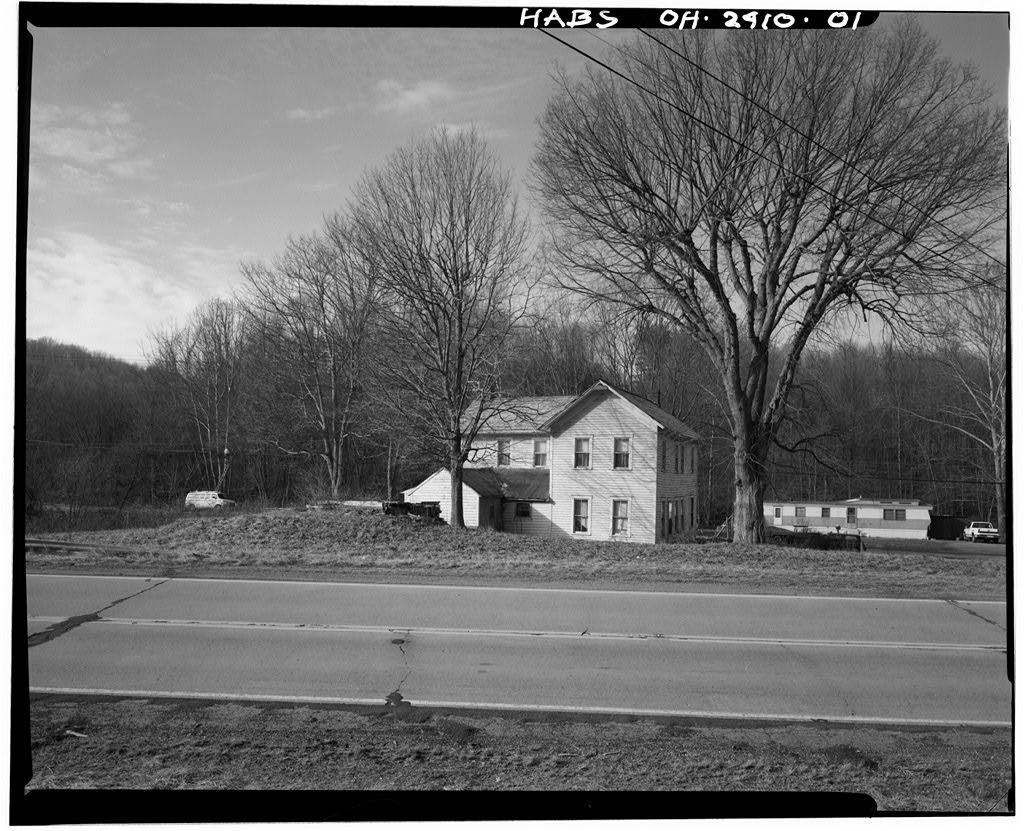
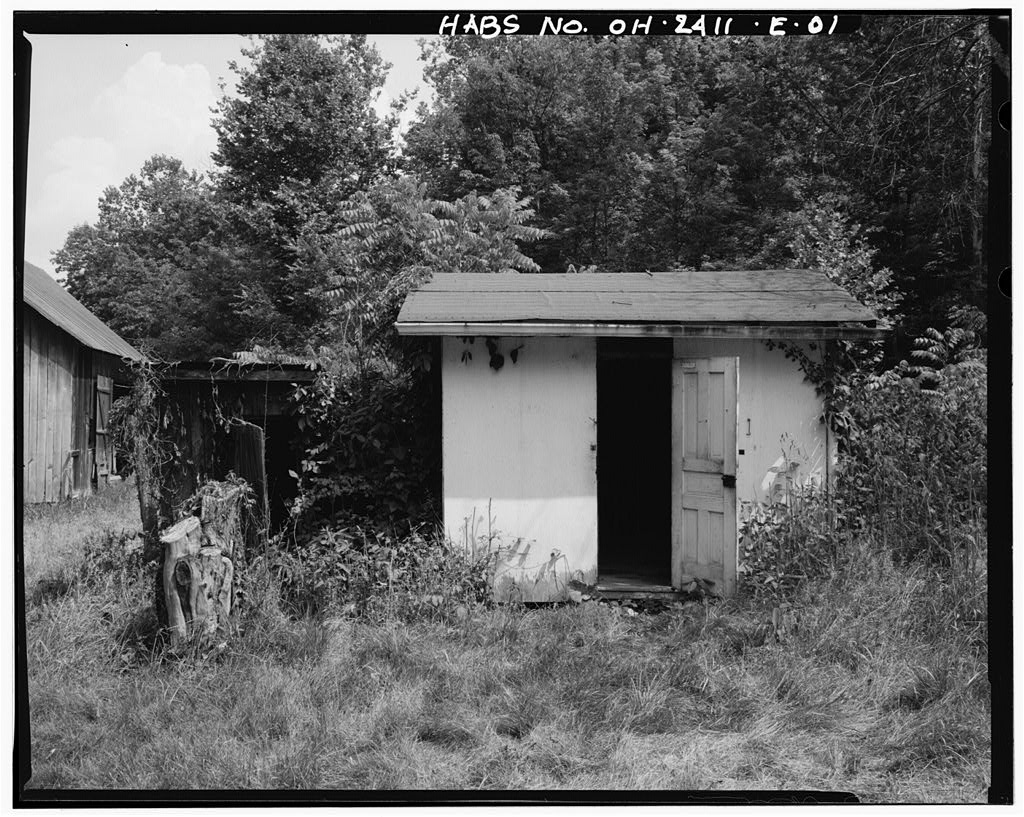
James Brent Hayes Guysville, OH Last Occupant: Becky and Ted Gibson Guysville, Ohio Last Use: Farm significance: The Joseph H. Marshall Farmstead is a rare surviving example of Allegheny plateau agricultural practices, land uses and farm architecture. Owned and farmed by Henry Stalder in the and Joseph H. Marshall purchased this farmstead in After a serious fire that removed the residence, the entire farmstead was rebuilt between and The comparison of this farmstead to others along the Green Branch Creek shows the evolution and changes in farm architecture and agricultural practices in a small agricultural district in the second half of the nineteenth century in Rome and Carthage Townships, Athens County, Ohio. JOSEPH H. MARSHALL FARMSTEAD HABS No. OH-2408 (page 2) PART I.
HISTORICAL INFORMATION A. Physical History: 1. Date of erection: ca. 2. Architect: None. 3. Original owner: Joseph Hensen Marshall. 4. Builder: Unknown. 5. Original Plans: None. 6. Alterations and additions: The residence had a rear addition to the kitchen added ca. The barn had a north shed addition added ca. A number of outbuildings have been removed from the farmstead, see the site plan. B. Historical Context: Joseph Hensen Marshall was the son of a farmer, William Marshall, who had a prosperous farm of 288 acres in Canaan Township, Athens County, on the south side of the Hocking River (Athens County Probate Records) . The farm included much river bottom land along the road that bordered the south side of the river, west of the Guysville-Carthage Road.
William Marshall came to Athens County from Vrginia (now West Virginia) in the The family first appears in the Census. In the family had four sons and a hired girl. Joseph was the second son. At the time of his father's death in Joseph was the administrator of a sizable estate of upwards of 400 acres with much livestock, far more prosperous than the farms of nearby Bean families along the Guysville-Carthage Road. In the William Marshall farm was above average in acreage and general value for a Canaan Township farm. The farm had 130 acres, eighty acres were in cultivation. The total farm evaluation was livestock was valued at Marshall had four oxen to plow his farm land, nine horses, and six other cattle. The thirty-two sheep produced forty-two pounds of wool.
Many of the seventy- seven swine were fattened and shipped to market on the train that stopped in Guysville on its way to Cincinnati. The three milk cows produced 300 pounds of butter and seventy-five pounds of cheese. The farm produced 100 bushels of wheat, bushels of corn, thirty bushels of buckwheat and sixteen tons of hay. Like so many farmers of the and the Marshalls were raising sorghum to JOSEPH H. MARSHALL F.ARJ.~STEAD HABS No. OH-2408 (page 3) make molasses. They produced thirty-two gallons. The - - young orchard produced $50 of apples. Some form of "home manufacturing" also took place on the farm, producing $18 worth of product (Agricultural Statistics, By the farm had increased the improved acreage by one-third to 125 acres with 90 acres of woodland.
The overall farm value almost tripled to with in implements and machinery. William continued to use oxen for field work. He had four oxen, seven horses, three milk cows, twelve other cattle. The U.S. agricultural enumeration modestly valued the livestock at only however, the fifty-two sheep produced 180 pounds of wool, nearly four times the amount produced ten years earlier. Wool was one of the major cash crops. Another income producer was sale of many of the fifty swine, most of which were shipped by railroad, sold in Cincinnati, along the Ohio River or in Chicago, the newer center of pork processing (Jones, The farm produced income from animals sold and slaughtered in suggesting that about a third of the swine were sold.
The farm produced 175 bushels of wheat, 800 bushels of corn, 50 bushels of oats, 350 pounds of butter, four tons of hay. Another income producer was the orchard, which profited $75 in "orchard products." The combined farm income for the William Marshall farm in was Ten years later, the farm had nearly doubled in acreage to 405 acres with 235 acres in cultivation and 150 acres in meadow. The acreage in cultivation was particularly large for Athens County. Much of it must have been bottom land, as wheat and corn were important market products. The thirty-five acres in wheat produced 708 bushels and fifty acres in corn produced bushels. The evaluation of the entire farm had grown by to with the livestock evaluation the same as in Marshall had given up using oxen and had two mules instead.
He had three horses, eight milk cows, nineteen other cattle, seven calves, three newly purchased cattle and 100 chickens. The cows produced 500 pounds of butter. The chickens produced 350 dozen eggs. The farm had reduced the number of swine to ten, but increased the sheep to 157 with fifty-seven spring lambs. The sheep produced 500 pounds of fleece, probably the largest income producing part of the farm economy. The four-acre apple orchard of 200 trees produced 300 bushels of apples, worth of orchard products. The total farm production was valued at The prosperity of the farm trained the sons to be good farmers. The expansion of William Marshall's farm during JOSEPH H. MARSHALL FARMSTEAD HABS No. OH-2408 (page 4) thirty years must have been admired by Guysville and Athens County residents.
The William Marshall farm operation was far larger, with several hundred more acres, than any of the farms of the Beans who lived along Green Branch Creek. The Marshall farm had rich bottom lands that encouraged raising grains as well as livestock. Joseph, a bachelor, continued to live on his father's farm into his thirties. When his father died, in he was executor, still living at home. During nearly two decades while Joseph lived on his father's farm farther upstream on the Hocking, the farm on. the hill on the west bank of Green Branch Creek that later became Joseph H. Marshall's farm, was developed by two brothers, Henry and Samuel Stalder.
The Stalders were descendants of Swiss grandparents who came to the banks of the Hocking River in the (Brown, The farming experience of Henry and Samuel Stalder and of their father Nicholas Stalder are interesting as a comparison to William and Joseph Marshall and in contrast to the two generations of Beans who farmed along Green Branch Creek. The farm of Nicholas Stalder was 266 acres, more than twice the acreage of John or Edmond Bean's Green Branch farms, twice the acreage of William Marshall's farm. Indicative of the fertile bottom land of the Hocking River, the land produced several grains in quantity: 140 bushels of oats, 200 bushels of wheat and 800 bushels of Indian corn. Stalder's livestock, though given a fairly low valuation of was plentiful and important.
He had seven horses, three milk cows, twenty-five other cattle, twenty-two sheep and forty-six swine. The milk cows produced 300 pounds of butter, the sheep produced 100 pounds of wool. Much of Stalder's livestock, worth were slaughtered in the year statistics were collected, (Agricultural Statistics). This high number of animals slaughtered on the farm is a contrast to the other Green Branch farms where swine when to market on hoof or railroad and sheep were kept to produce more wool. William Marshall had similar numbers of sheep and swine and fewer cattle in The value of livestock slaughtered on the Marshall farm was only one-third of that at Stalder's.
In Nicholas Stalder continued ownership of 260 acres on his farm in Canaan Township near the William Marshall farm, on the south bank of the Hocking River. Ninety-five of the acres were improved, producing 125 bushels of wheat, 700 bushels of corn, 70 bushels of oats. The elder Stalder continued to be known for his stock raising. In JOSEPH H. MARSHALL FARMSTEAD HABS No. OH-2408 (page 5) Nicholas's livestock was valued at including four horses, four milk cows, ten other cattle, seventy sheep and thirty-three swine, a number comparable to his livestock holding a decade earlier. Like his neighbor William Marshall, Stalder's swine were shipped to market, his sheep produced fleece, his milk cows were for butter production.
Stalder's income continued to profit greatly, from the slaughter of livestock, more than Marshall and many hundreds more than any of the Beans, who apparently did not slaughter for sale of the meat. Stalder also had an orchard that produced $75 of "orchard products." The entire farm income for was the same as William Marshall's income, nearly six times the income of William Bean's farm, seventeen times the income of Jeremiah Bean's farm. Henry and Samuel followed their father into the stock raising business (Brown) . The two brothers purchased the first seventy-four acres of the farm in for from Josephus Tucker, the uncle of the Beans who farmed along Green Branch Creek (Athens County Registry of Deeds, Book 36, p.
In Henry and Samuel's speculation in the livestock business in neighboring Jackson County, together with the investments 9f a partner, Cyrus Moore, had led to bankruptcy (Athens County Registry of Deeds, book 47, Apparently Henry continued farming while the bankruptcy proceeded, as his Rome Township farm appeared in the Census agricultural enumeration. An description of Guysville as a center for livestock shipment noted that Samuel Stalder, partner Cyrus Moore and brother Henry were among the most active participants in livestock trade at the Guysville rail station (Brown) .
The mention of the three men, all involved in bankruptcy, suggests that they had run a large business but that the era of livestock feeding, breeding and shipping in the Guysville area was coming to an end by In while involved in bankruptcy, Henry Stalder's farm on the hill east of Green Branch Creek, on the west side of the Guysville-Carthage Road, had 115 acres, half tilled, forty-two acres in meadow and the rest, eighteen acres, in woodland. The value of buildings and fences was five times that of Laura (William) Bean farm, two and a half times that of Harlow L. Calvert, somewhat more than those of Jeremiah and Edmund Bean. The five farms were relatively similar in acreage. Henry Stalder undoubtedly had reduced his investment in farm animals.
Nonetheless, he still had three horses, two milk cows, a calf, six other cows, fifty-two swine. His forty chickens laid 500 dozen eggs. He raised more corn and wheat than the other Green Branch Creek farms, bushels of corn and 280 acres of JOSEPH H. MARSHALL FARMSTEAD HABS No. OH-2408 (page 6) wheat. This large acreage in grain suggests that he had made his reputation in running feed lots. He did not raise sorghum, as the other Green Branch farmers did, raising honey instead. Like his neighbors, he had an apple orchard, 200 trees on four acres. They were young and not yet very productive. Joseph Hensen Marshall married in the following year he had a daughter.
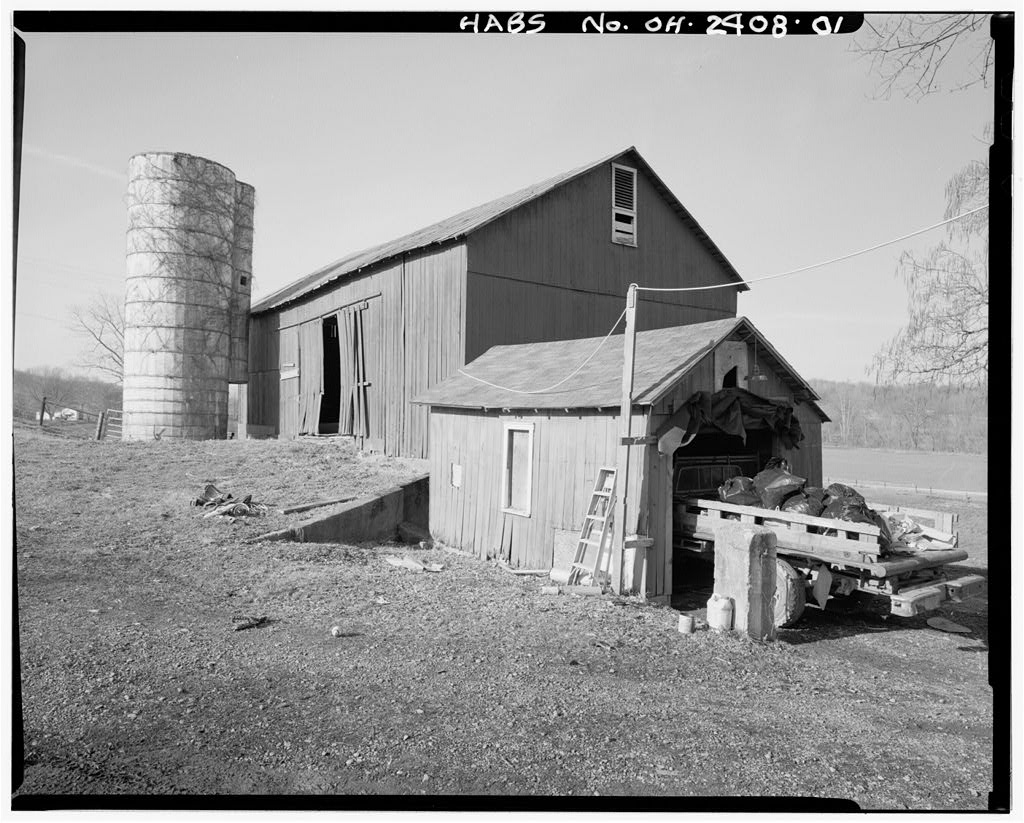
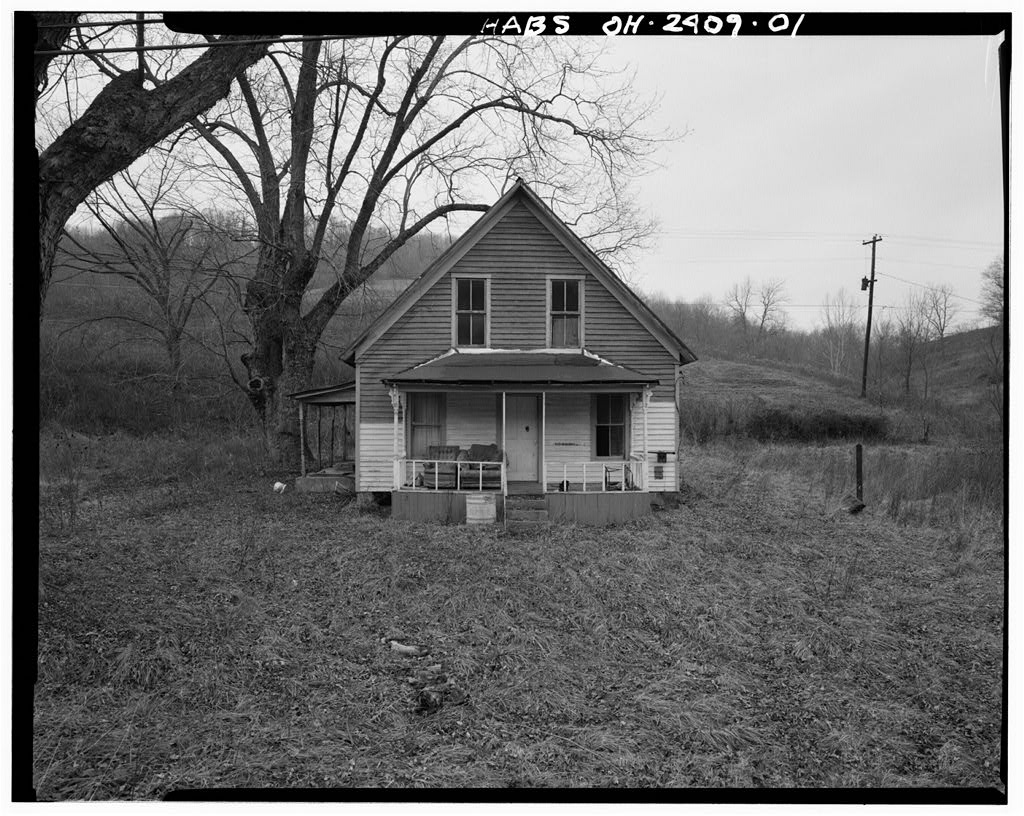
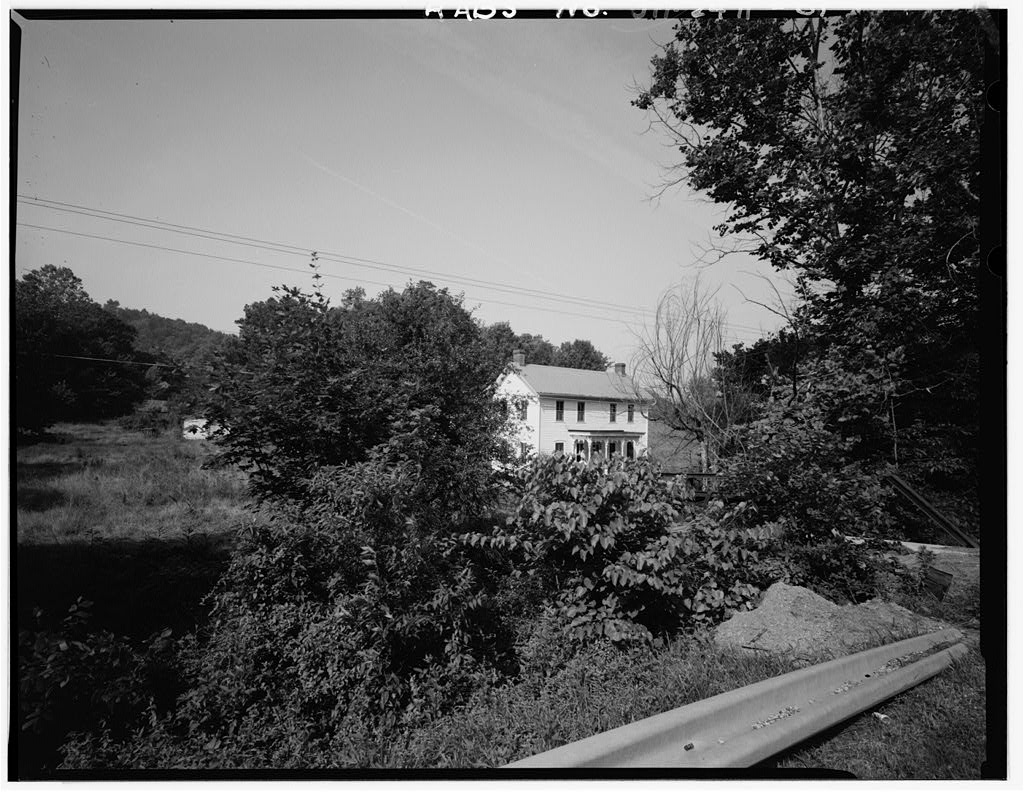
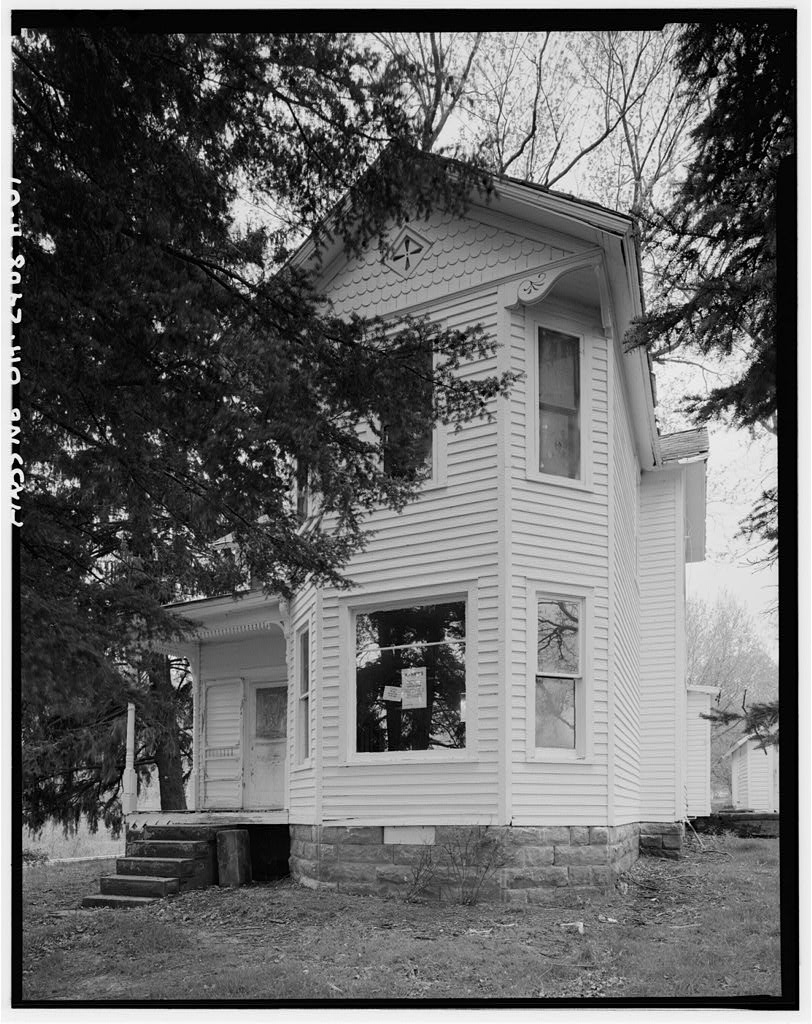
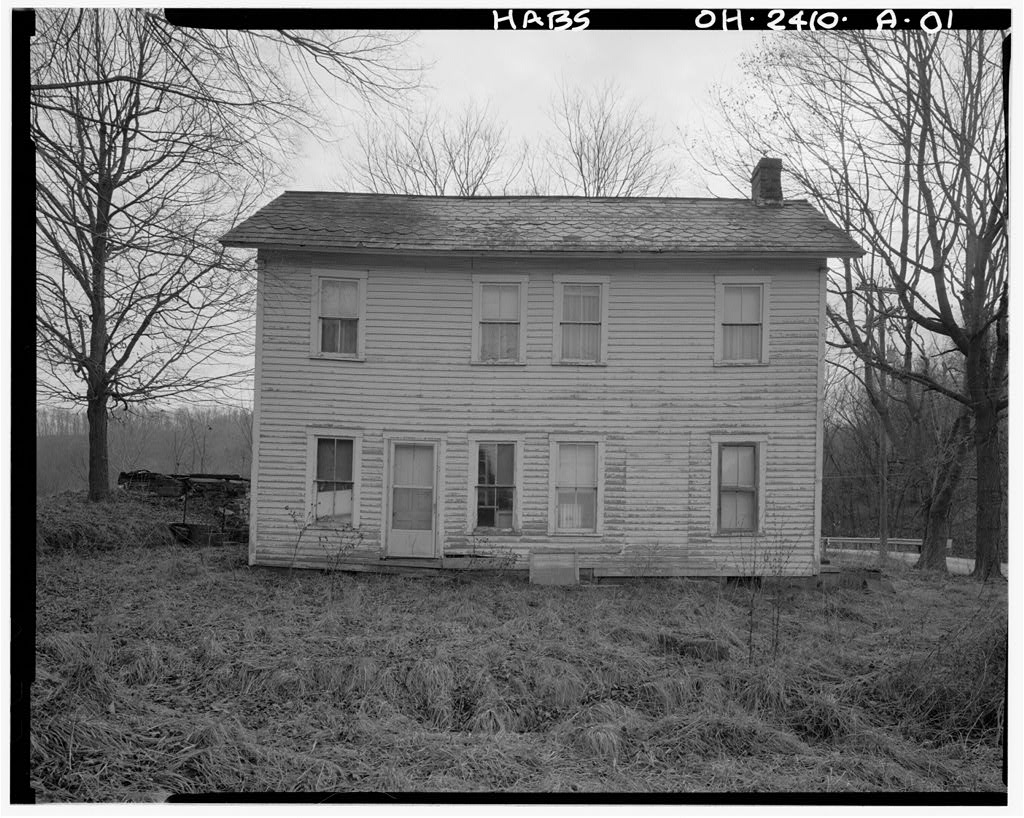
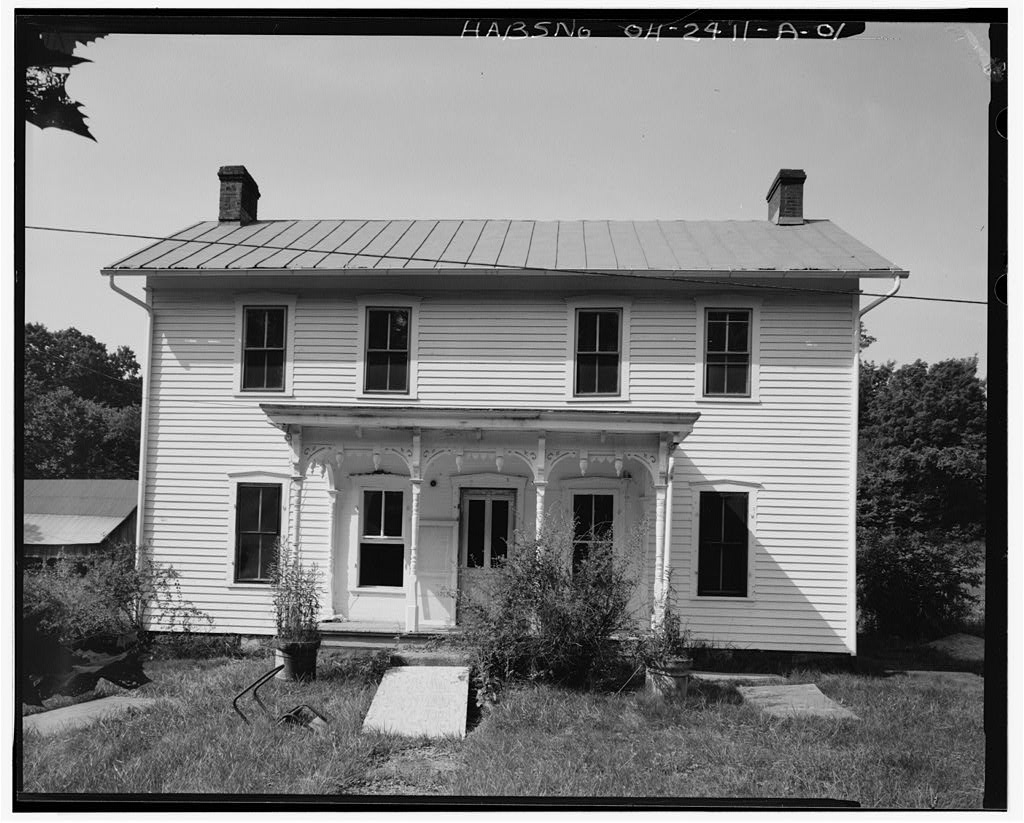
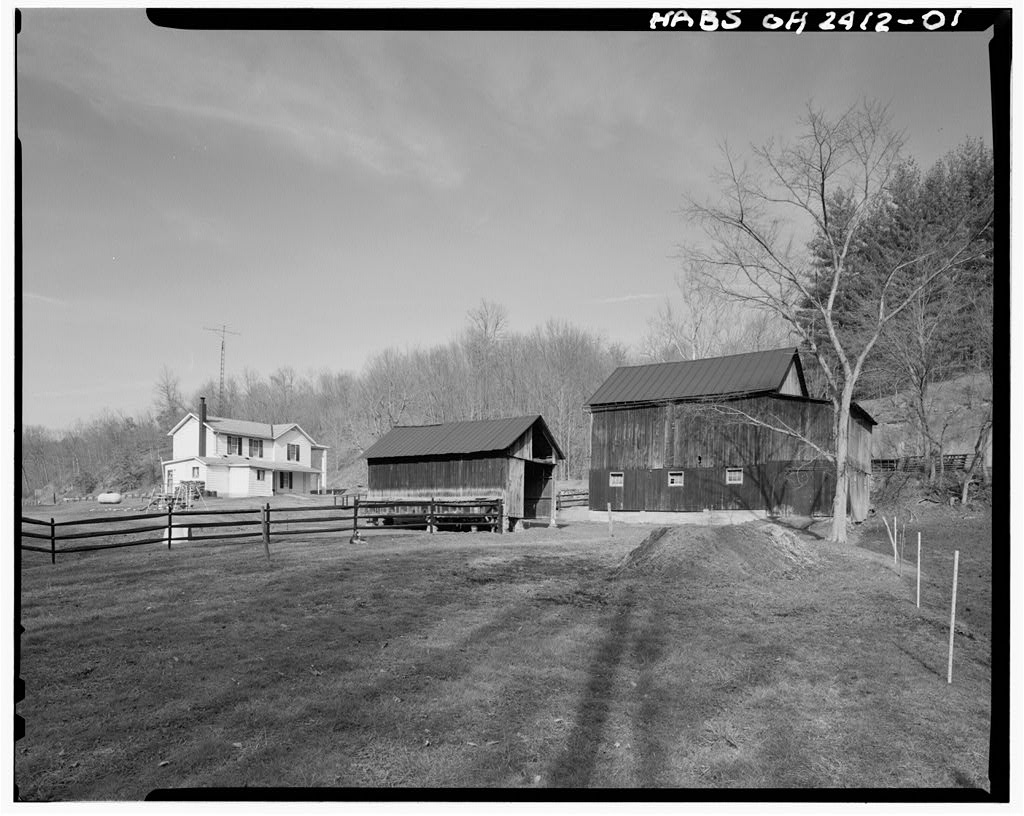
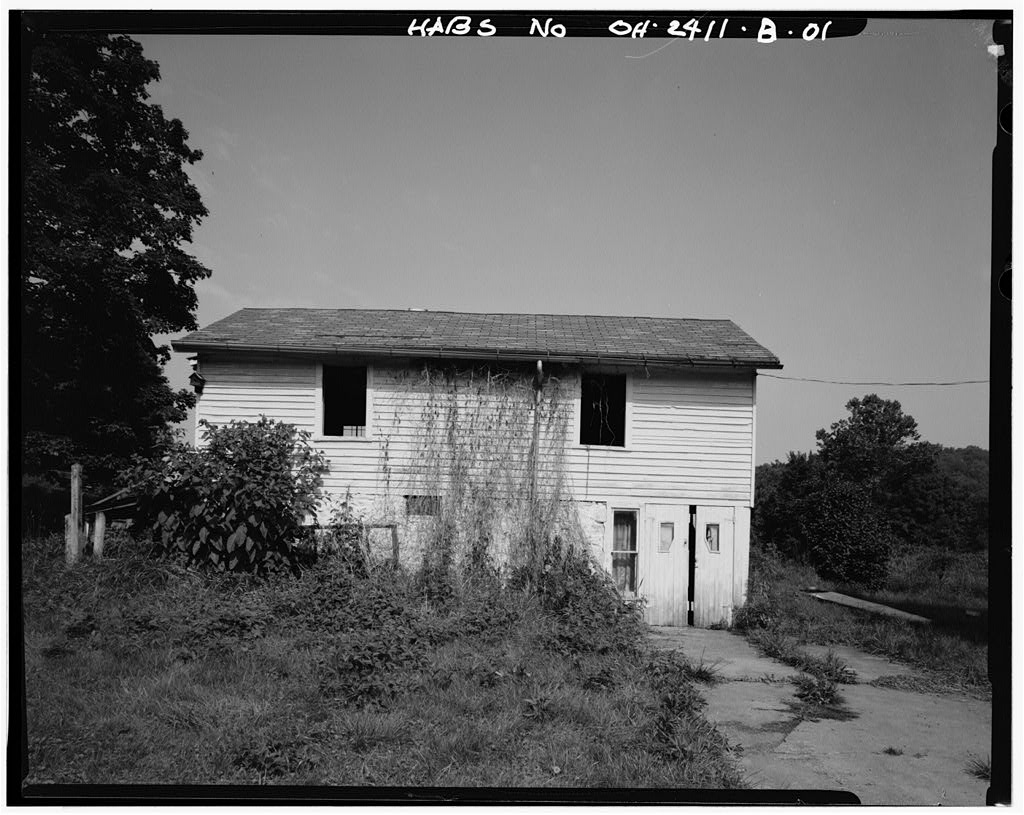
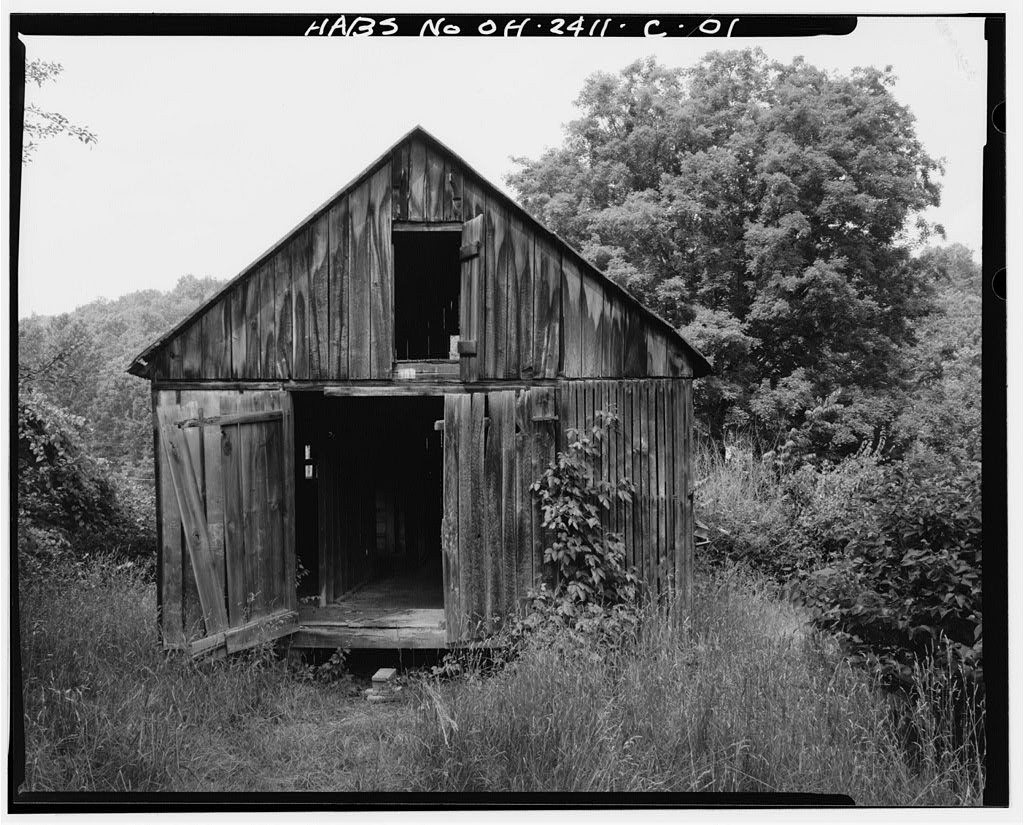
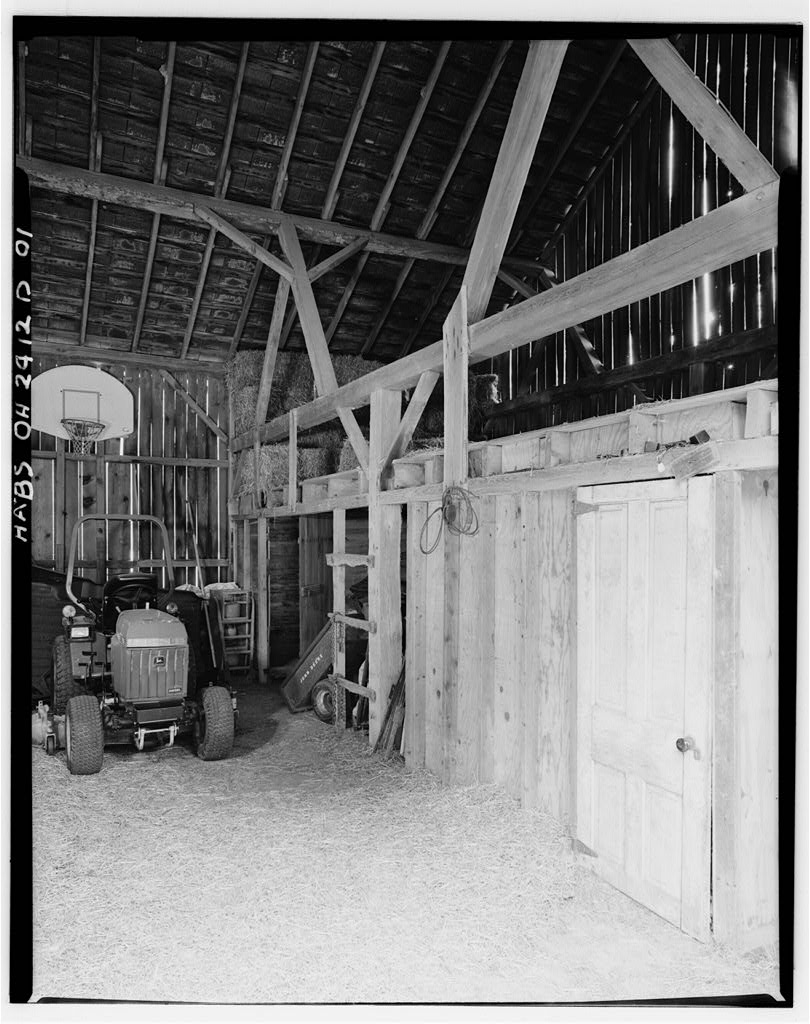
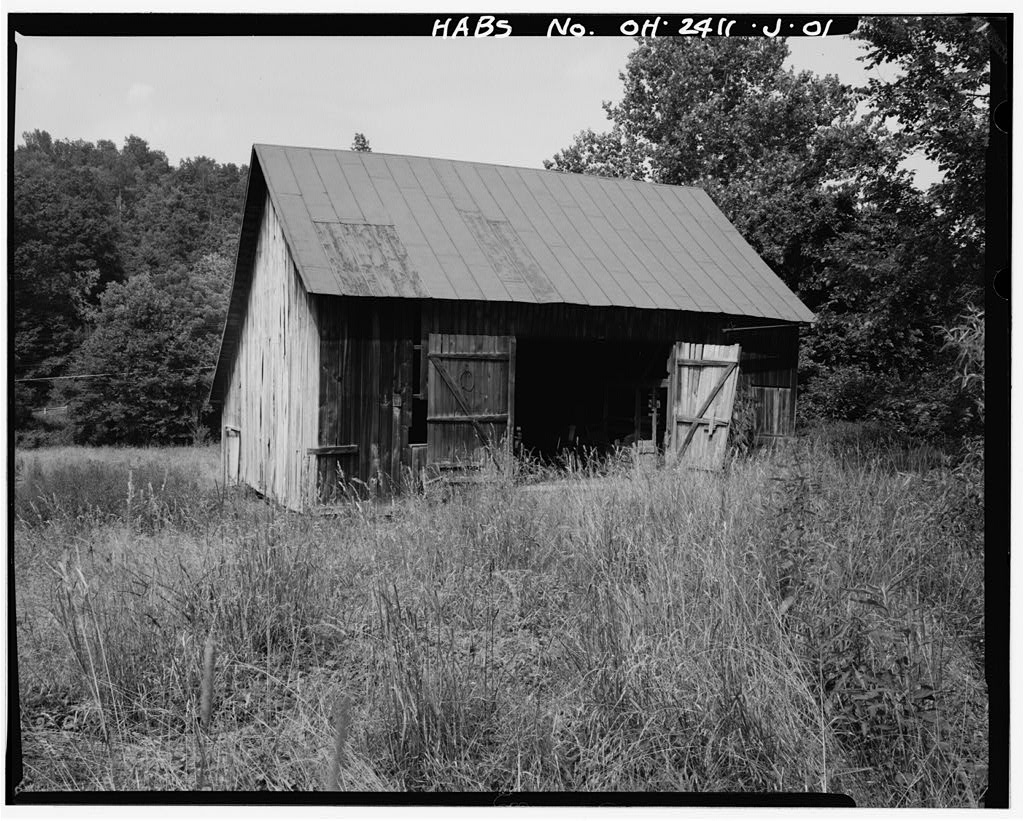
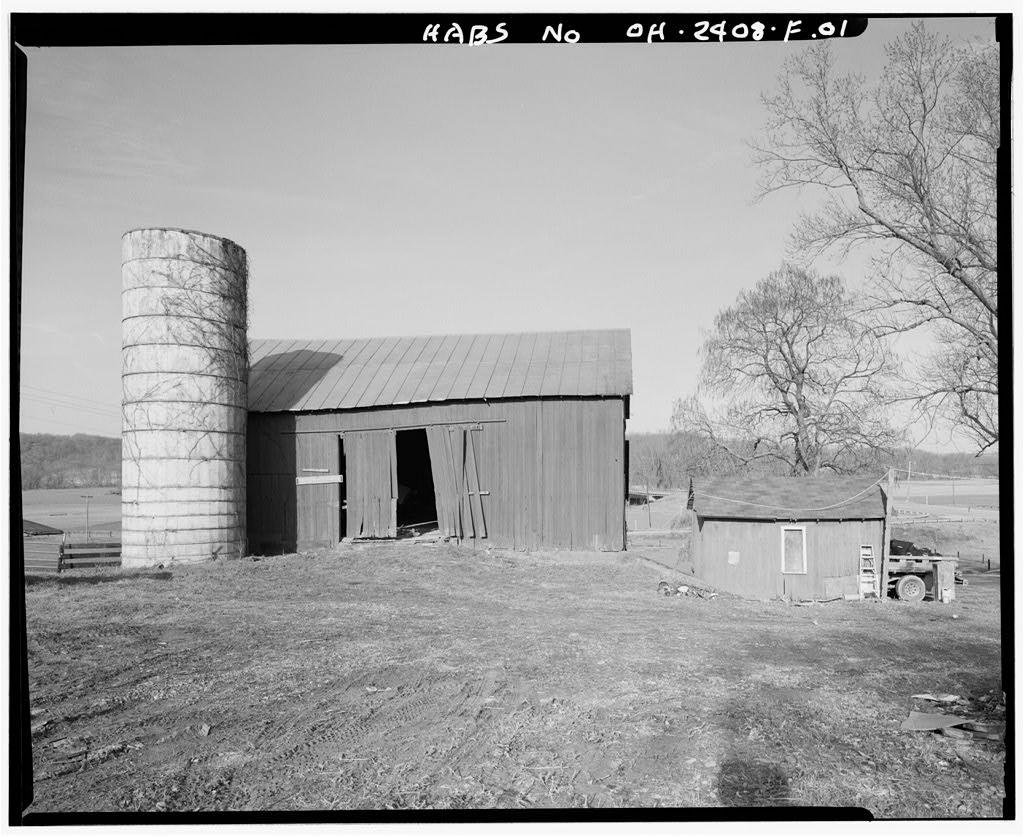
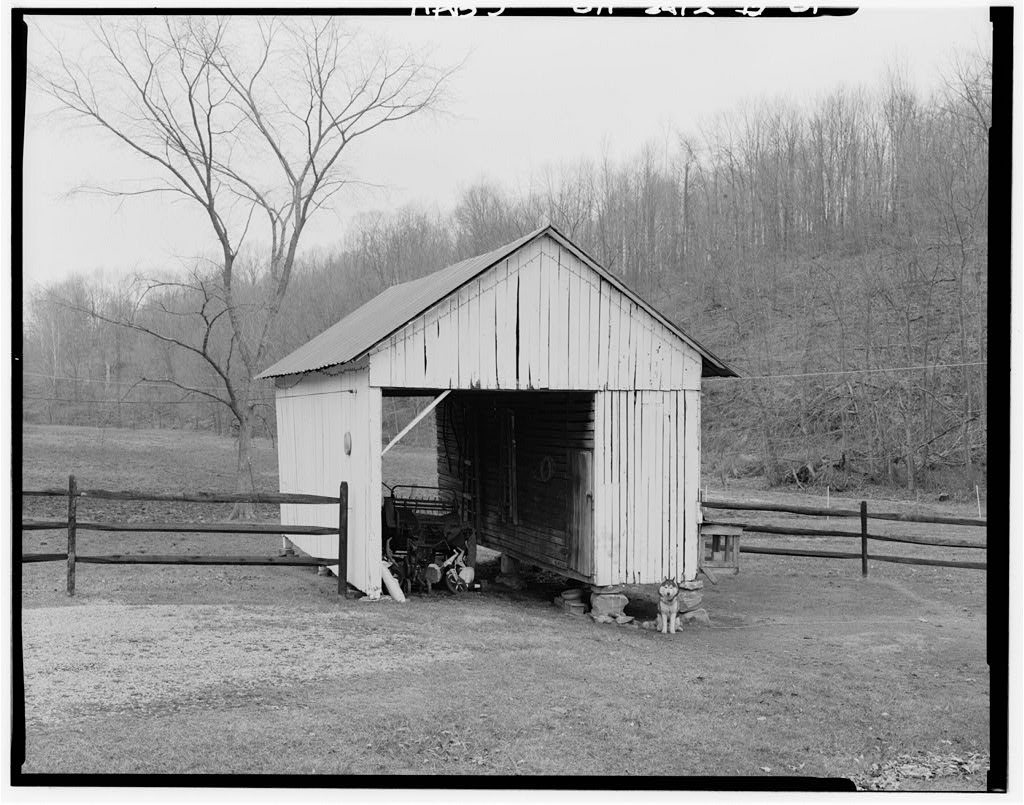
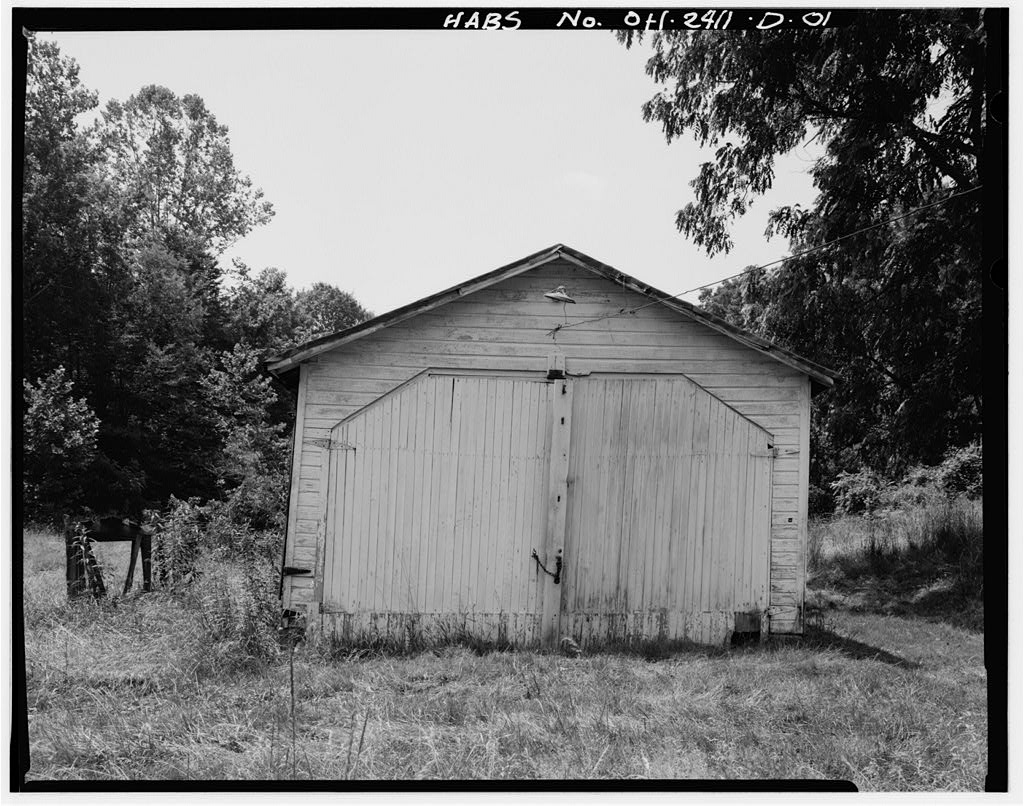
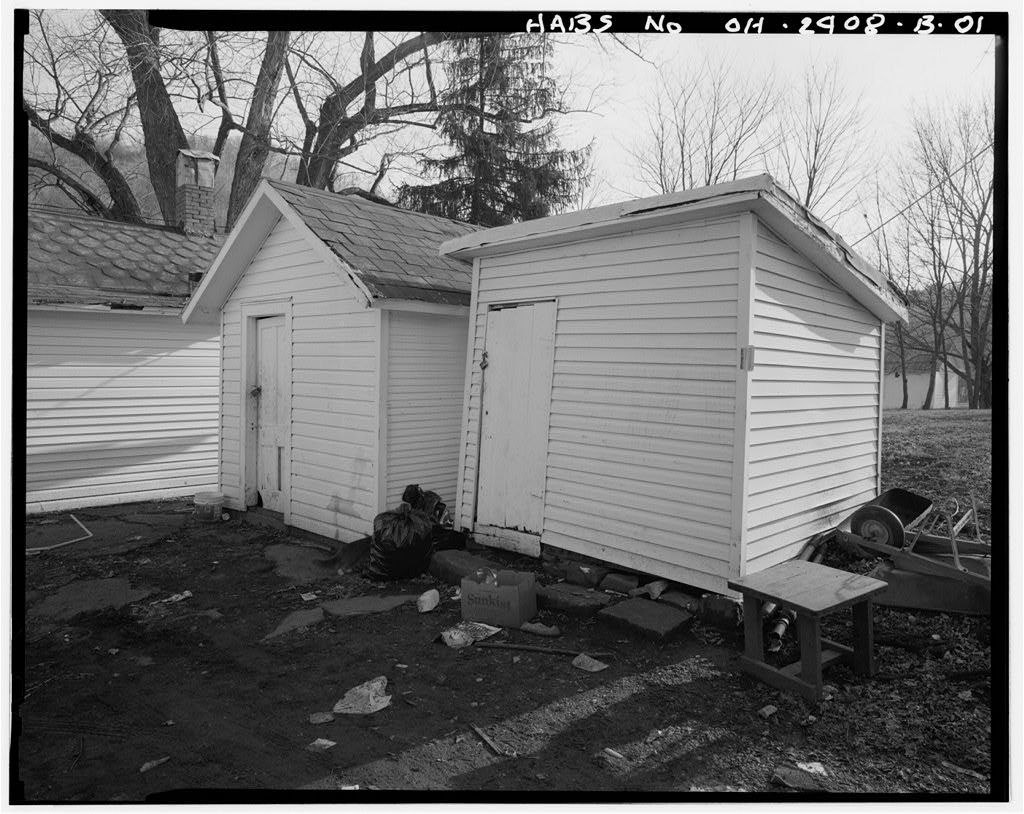
He and his wife Elsie bid for the seventy-four acre farm and another parcel of thirty-two acres on January 1, "at on the Athens county Court House steps" (Athens County Registry of Deeds, Book 79, They paid the county sheriff turning the thirty-two acre parcel over to the Stalders three months later. According to Marshall family tradition, the farm residence burned in the before or after Joseph purchased the farm. The Joseph H. Marshall residence, storage building and privy were constructed shortly after Marshall purchased the farm, in The barn which is timber-framed according to the same plan as other Green Branch Creek barns, is made with wire nails and has a concrete foundation made of river bed aggregate.
Both the use of wire nails and of concrete suggest that the barn was constructed after Joseph H. Marshall purchased the farm. The silo, which also uses river bed aggregate in its concrete walls, likely dates from The tractor shed dates from the decades when tractors and other gasoline-fired farm vehicles became common and needed on Athens County farms. c. Landscape History: The farmstead buildings face northeast on a promontory above and west of the crossroad hamlet where the road on the south side of the Hocking River Road crosses the Guysville-Carthage Road. The yard is steeply sloping to the east and north. The house is surrounded by mature, majestic Norway spruce, oak, and silver maple trees, undoubtedly the original landscape planted by the Joseph Marshalls.
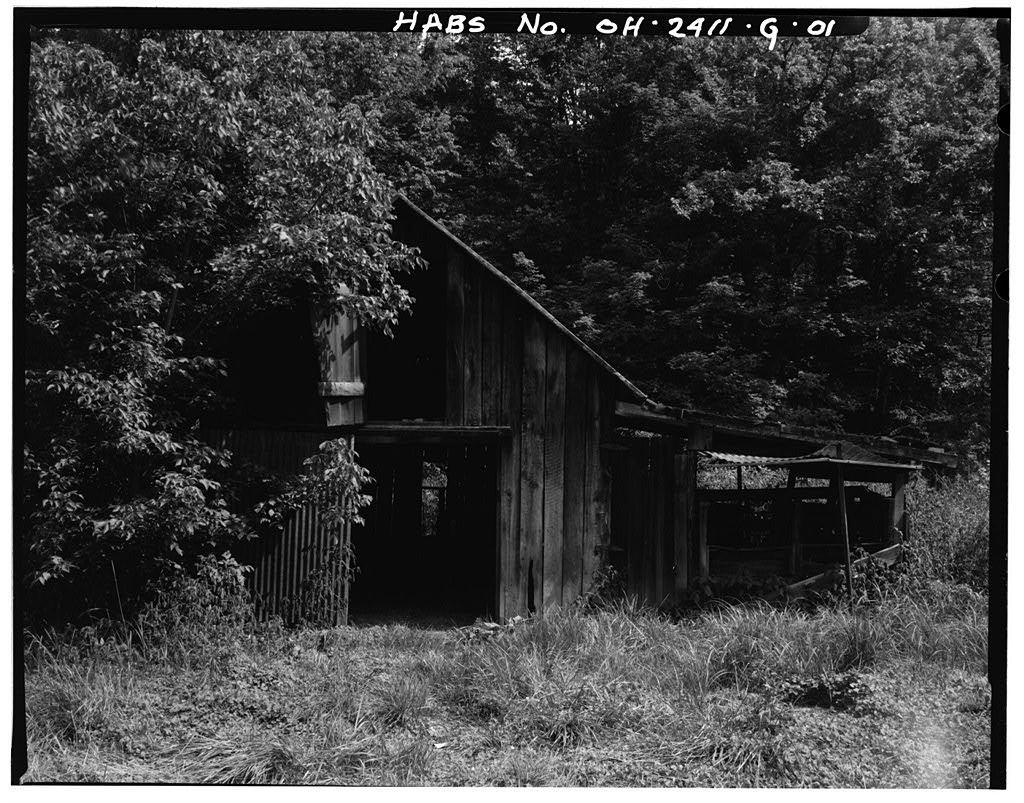
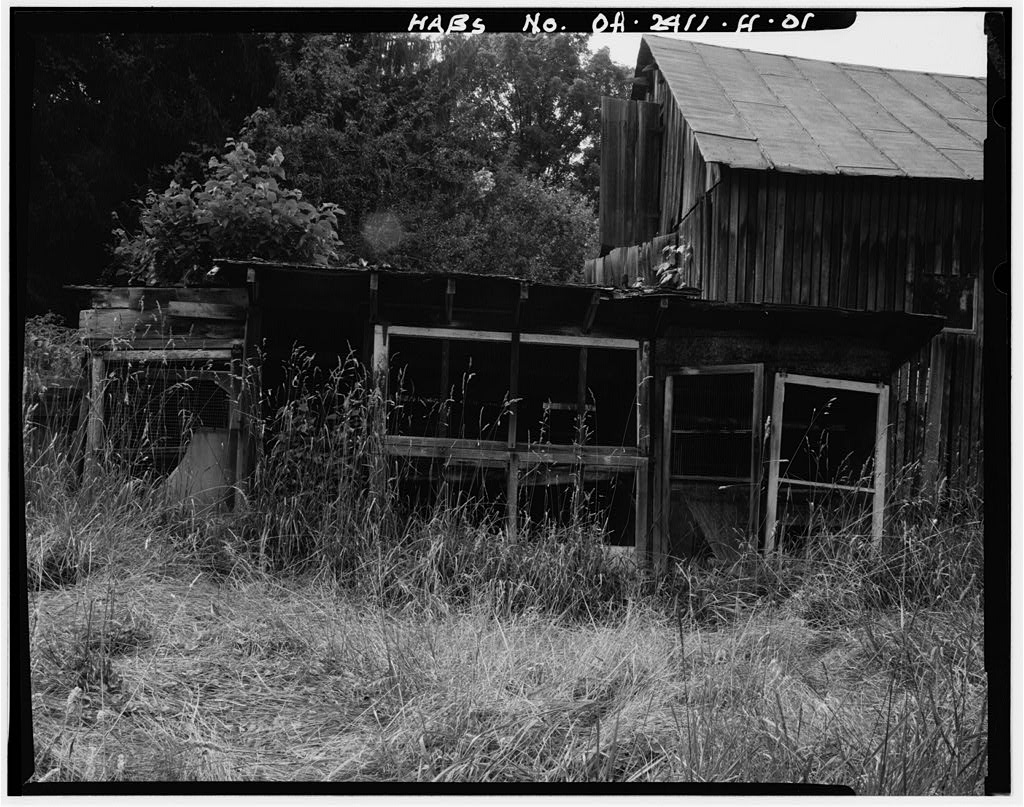
The house shows no foundation planting. No historic photographs suggest what may have once been the landscape shrubs or perennials close to the residence. Fieldstone walks are not apparent at the front door or close to the service doors of the rear, south addition. The only established paths are to the west kitchen door. This path, from the driveway, accesses the domestic outbuildings immediately to the west of the rear of the residence. Farm buildings are farther west, at the same level as the residence. Once, the farmstead had several more farm-related JOSEPH H. MARSHALL FARMSTEAD HABS No. OH-2408 (page 7) outbuildings. Little history survives of the changing field patterns and fencing patterns on the Joseph H. Marshall farmstead.
No historic _photographs that would show early fence lines survive. PART III. SOURCES OF INFORMATION A. Architectural drawings: None. B. Historic views: None. C. Interviews: None. D.
 Block
Block