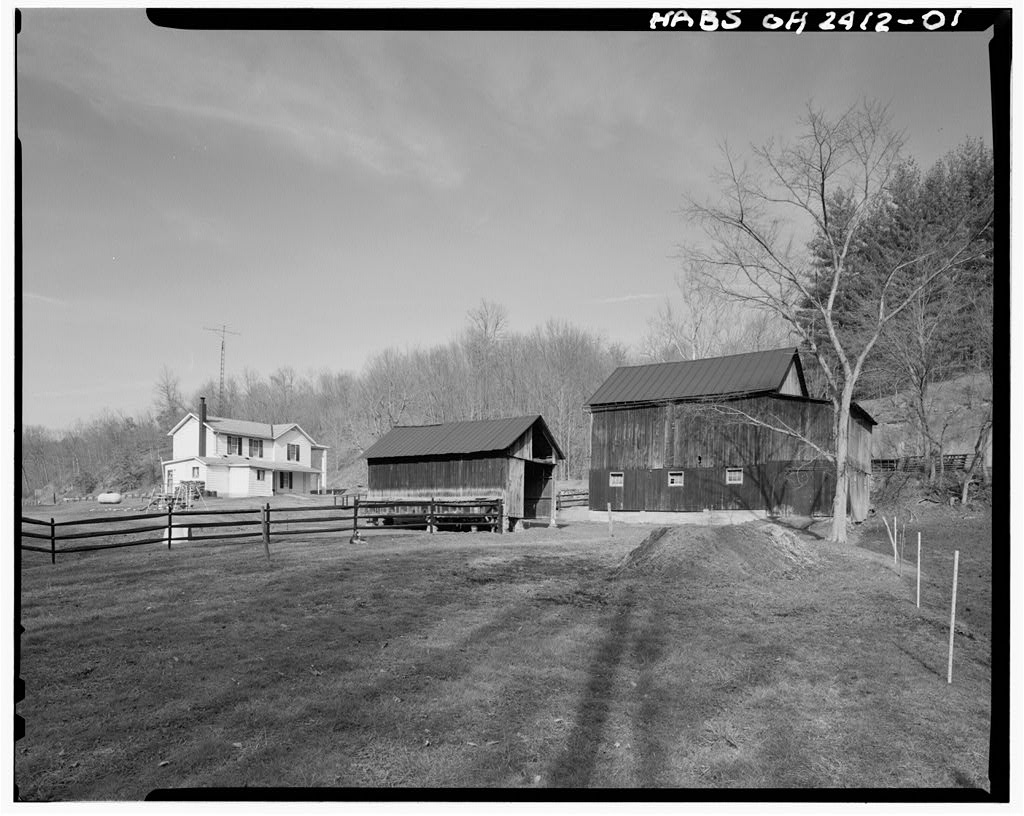
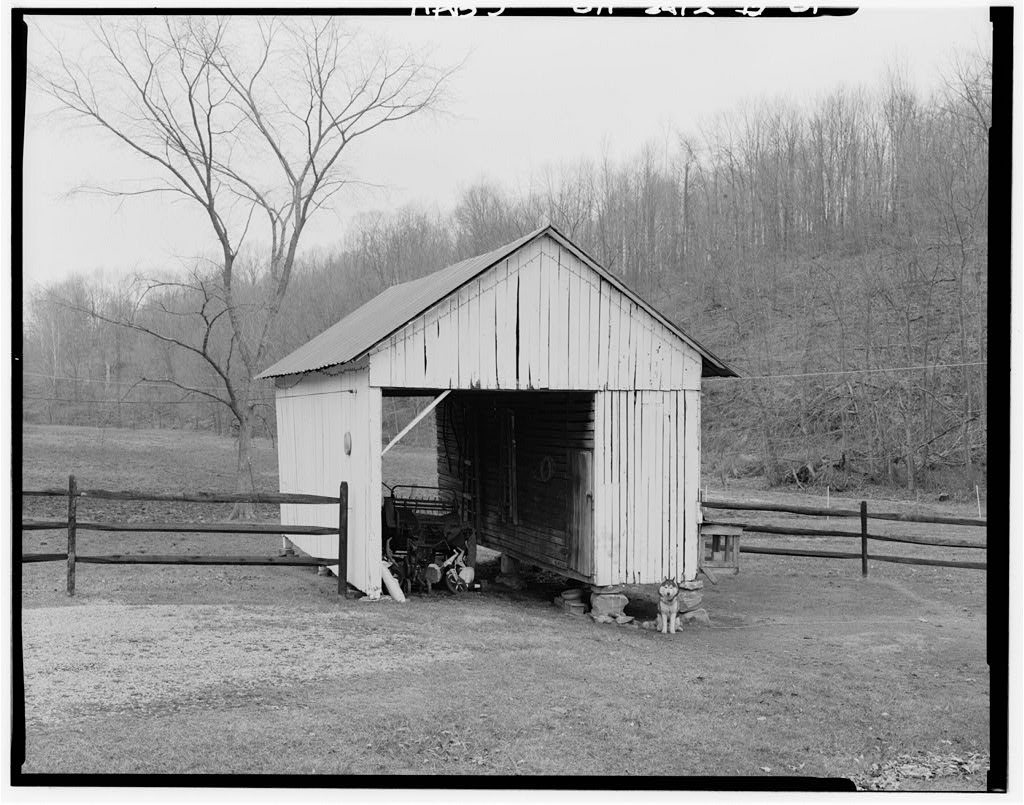
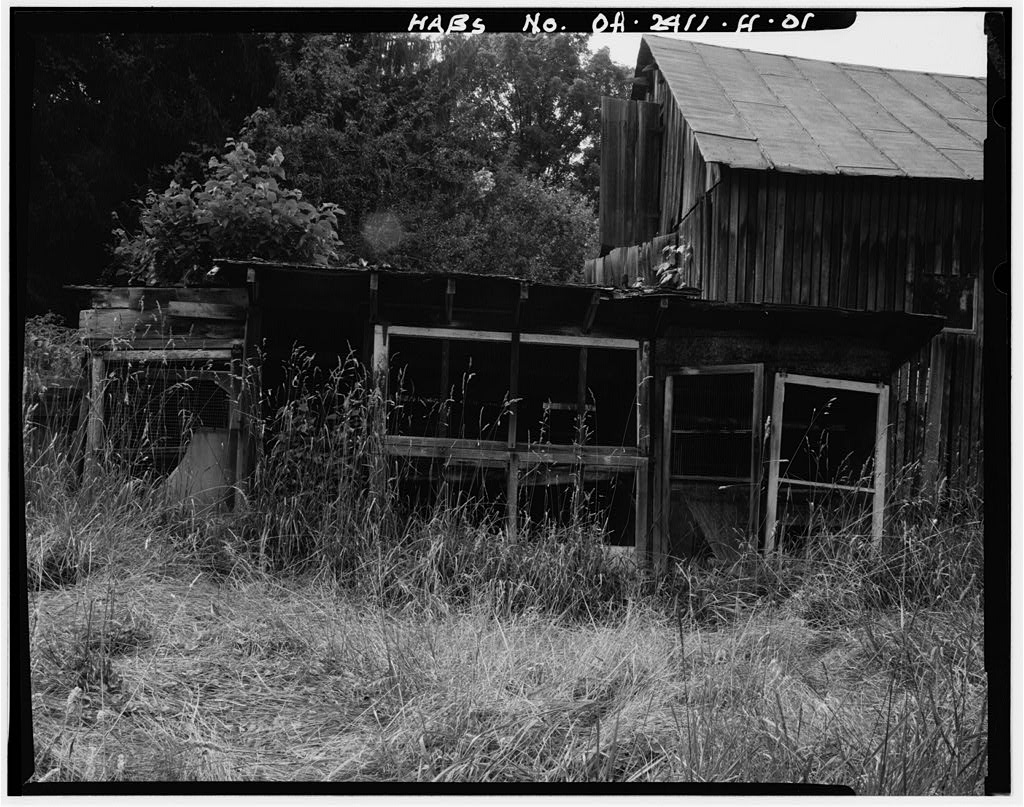
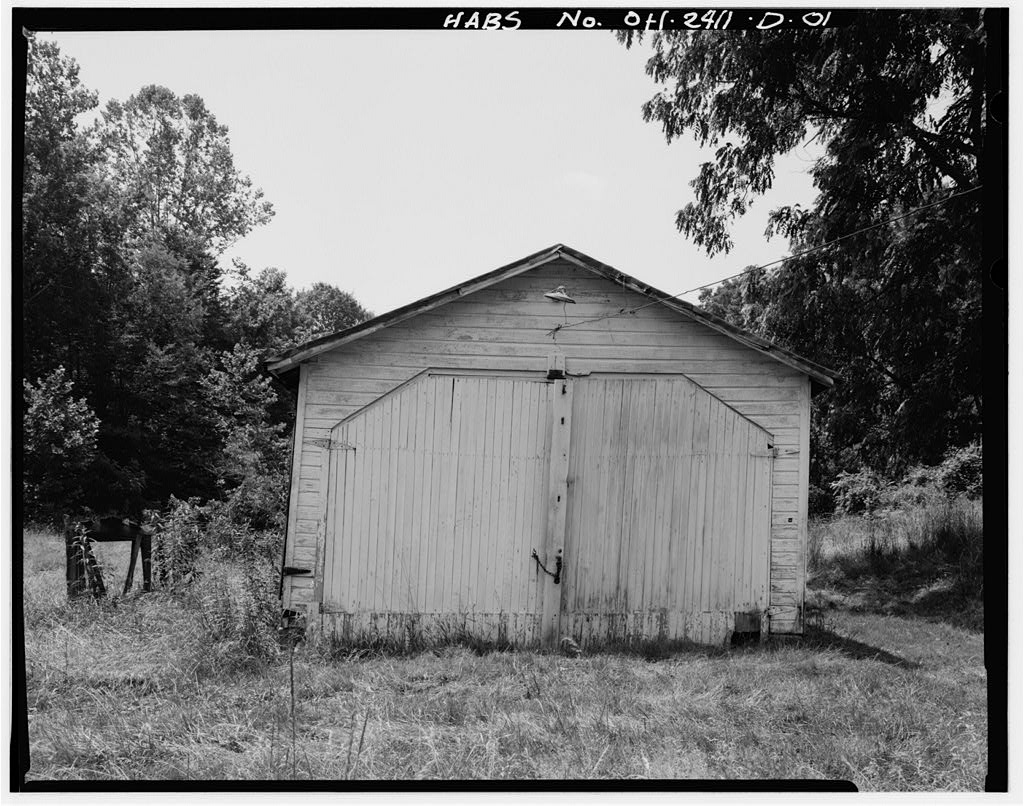
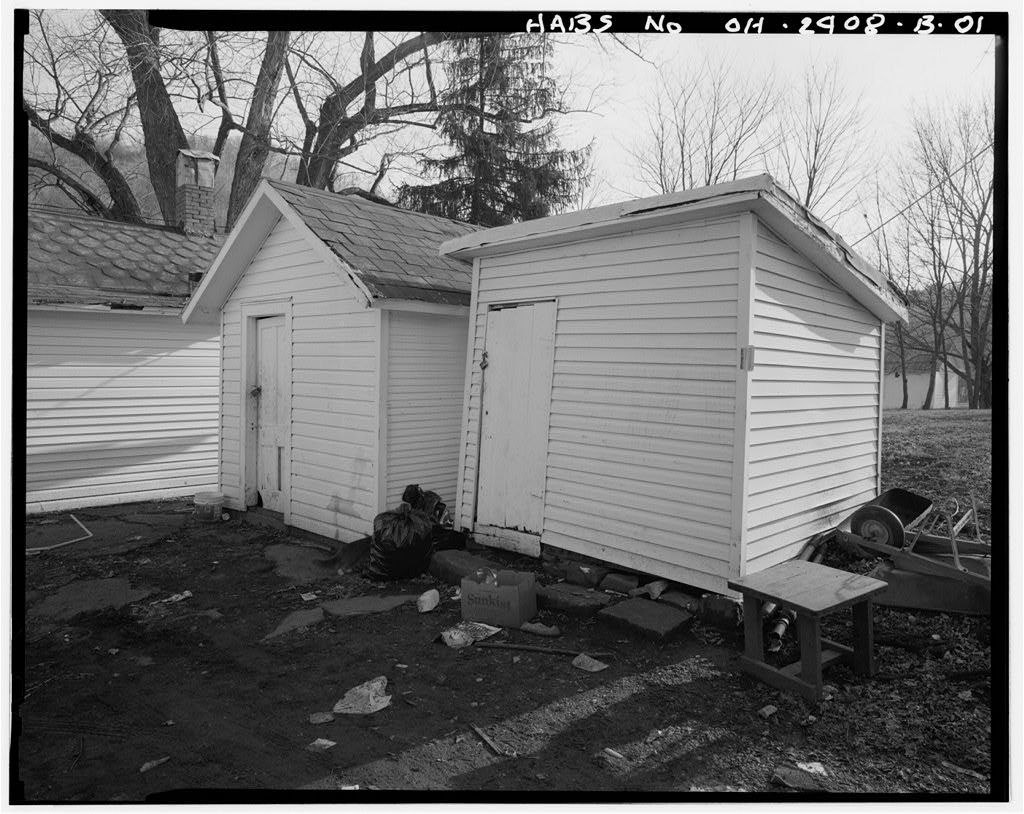
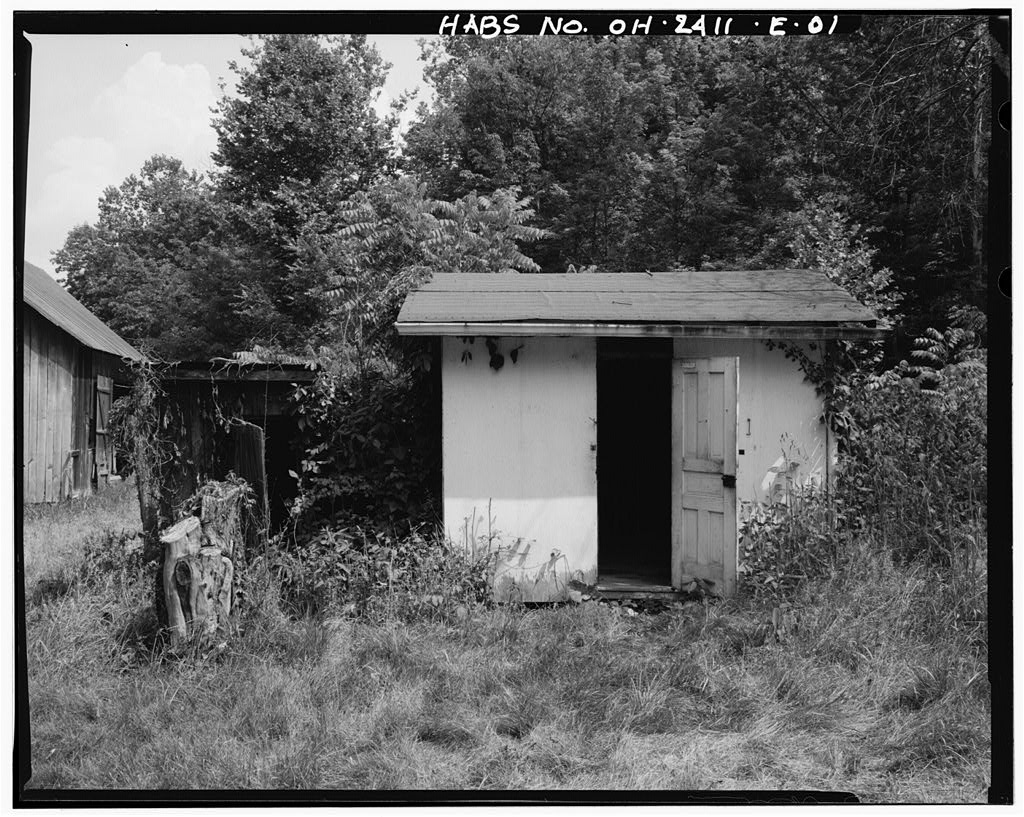
The Harlow Lewis Calvert Farmstead is a rare surviving example of Allegheny agricultural practices, land uses and farm architecture. Purchased by Harlow L. Calvert in following his return from service in the Civil War, this farmstead was developed by Calvert and later occupants in the decades between and These buildings are rare surviving examples of Allegheny plateau architecture constructed by local men using locally available materials and employing typical local construction practices.
The comparison of this farmstead to others along the Green Branch Creek shows the changes in building and agricultural practices, land us.es, farm animal and goods storage in a small agricultural district in the second half of the nineteenth and first half of the twentieth centuries in Rome and Carthage Townships, Athens County, Ohio. HARLOW L. CALVERT FARMSTEAD HABS NO. OH-2412 (page 2) PART i. HISTORICAL INFORMATION A. Physical History: 1. Date of erection: ca. 2. Architect: None. 3. Original owner: Harlow Lewis Calvert. 4. Builders: Harlow Calvert, Granville Calvert and other local carpenters. 5. Original Plans: None. 6. Alterations and additions: The barn lower story was converted to a dairy parlor and the milk house added after the death of Harlow L. Calvert, ca.
The hog house was demolished prior to The original residence and privy were demolished, the residence renovated and resided, the barn modified by David Coen in the B. Historical Context: Harlow Lewis Calvert was born near Guysville, Rome Township, Athens County, Ohio, on October 14, His father Joshua Calvert was a miller, supervising one of the mills on the Hocking River near Guysville. The family had come to Guysville from Virginia, or, more likely, West Virginia. Harlow's mother, named Charlotta Moore, was born in Pennsylvania. Harlow was the seventh of thirteen children.
He had an older brother, Granville, who, by the census, was a house carpenter living at the crossroad hamlet where the road on the south side of the Hocking River crossed the road up Green Branch Creek, called the Savannah-Carthage Road in the later called the Guysville-Carthage Road (U.S. Census, Bowman, Harlow Calvert was three years younger than his future neighbor Jeremiah Bean, the same age as his neighbor Edmund Bean. Like them, he worked as a day laborer in his youth. His brother Granville, the future house carpenter, was nine years older. William Bean, the house carpenter and brother of his neighbors, was eighteen years older (Wilson, The Calverts do not appear in the or Census.
Because Joshua Calvert was a miller, not a farmer, his household farm was not large enough to be enumerated in any of the Agricultural Statistics of Rome Township between and HARLOW L. CALVERT FARMSTEAD HABS NO. OH-2412 (page 3) Harlow Calvert apparently worked as a day laborer on Rome and Carthage Township farms until when he "answered the call of his country" or was drafted. He became a part of Company H, the Regiment, Ohio Infantry in February, He was taken prisoner in Atlanta in March of that year and discharged at Augusta, Georgia, in October, (Bowman) . In January, Harlow Calvert married Emmeline Butts, a resident of Canaan Township, Athens County (Bowman).
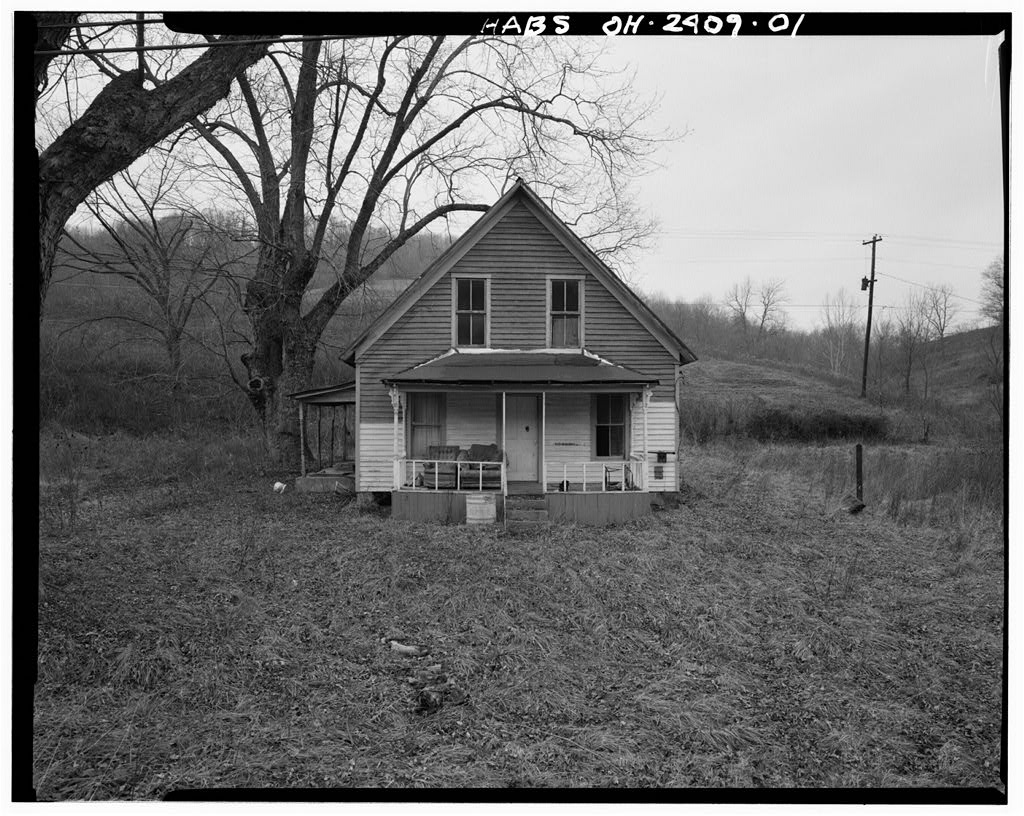
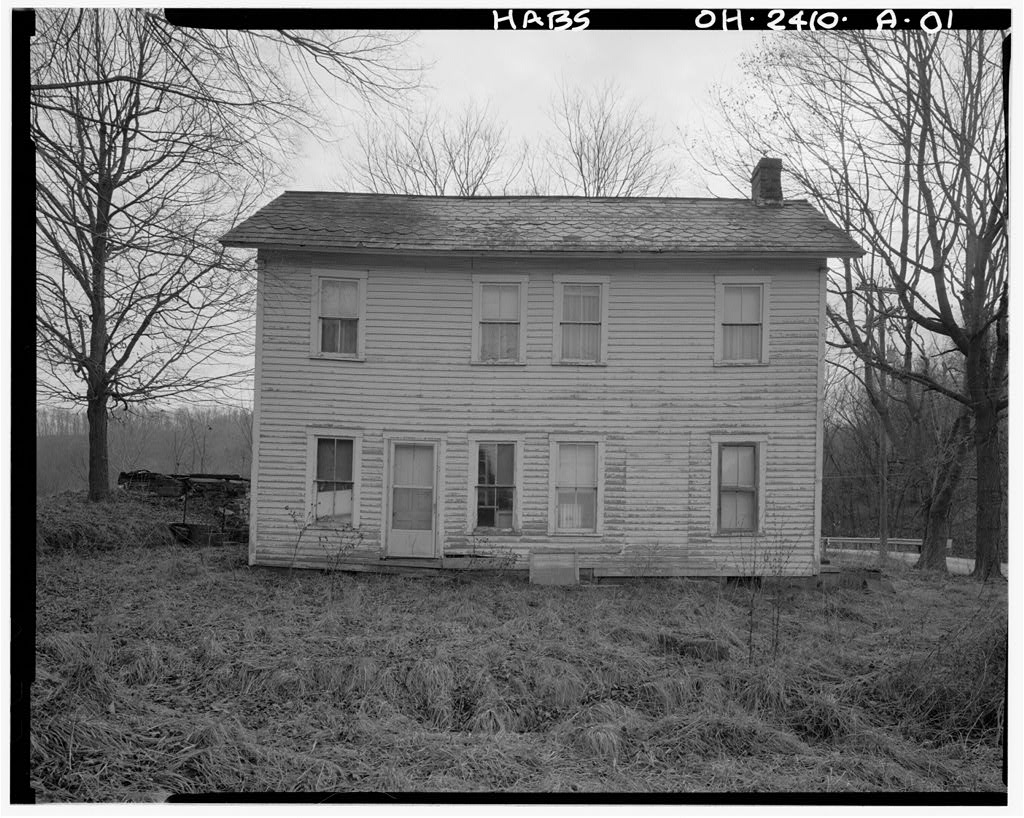
Two years, later, for they purchased 2.6 acres from James and Hannah Milligan in the southeast part of the northwest Quarter Section of Lot 30 of Carthage Township (Athens County Registry of Deeds, Book 36, page The house faced the county road, then called the Savannah-Carthage Road (Guysville was first called "Savannah.") This modest purchase included the small two-story, front gable house that continued on the farmstead lot until the The house had no basement or crawl space but was set on six sandstone piers. The first story had one room with a staircase along the west wall. A stone chimney was on the east wall. The front, north elevation had a door and one window, the sides each had one window. The second story was two rooms.
Walls were plastered (David Coen, Harlow and Emmeline must also have rented land, as Harlow L. Calvert appeared in the Agricultural Enumeration for Carthage Township. Their modest farm had seven improved acres and forty-five acres in wood lot. It was valued at with livestock valued at and no enumerated value for implements and machinery. Calvert had two horses, one milk cow, two other cattle, six sheep and two swine. He produced no wheat, rye, oats, buckwheat, barley or Indian corn.
A large portion of his income came from raising and/or slaughtering livestock, He also produced wool, butter, sorghum molasses, $18 worth of unspecified "home manufacturing." Some unrecorded part of Calvert's farm production realized income to the family, as the total estimated value of all farm products, was significantly larger than enumerated crops and livestock produced on so modest a farmstead when compared to other Carthage and Rome Township farms (Agricultural Statistics, The farm products were particularly large when balance against the extremely modest seven acres of improved acreage. Perhaps Harlow Calvert was particularly successful through sale of stud services of his livestock, likely his swine or cattle.
The were notable for increasing interest in animal breeding and bloodlines (Jones, Five years later, in Calvert added fifty more acres HARLOW L. CALVERT FARMSTEAD HABS NO. OH-2412 (page 4) along Green Branch Creek "abutting the house lot" for the modest price of (Athens County Registry of Deeds, Book 39, page In August of the same year, Calvert added to the farm with another thirty-two acres purchased from Edmond Bean, uncle of Jeremiah, Edmund and William Bean. The last purchased land must have included farm buildings and improved acreage, as it sold for about $30 per acre (Athens County Registry of Deeds, Book 42, page The Carthage Township maps showed Calvert with acres north of Green Branch Creek.
The residence and acreage was mostly north of the Guysville-Carthage Road (Lake, Most of Harlow Calvert's arable farm land was on the top of the hill that was in front of his house, on the north side of the present location of US Route 50. In the census, Harlow was thirty-eight years old; his wife was thirty-four; they had a son and three daughters. The agricultural enumeration for that year showed twenty- eight acres of tilled land; two acres planted in a young, not yet producing apple orchard; fifteen acres in pasture and forty acres of woodland. The farm value of buildings, land and fences had grown to with only $70 worth of implements and machinery.
The two horses, two milk cows, eleven other cattle and eighteen swine were valued at Calvert stopped raising sheep between and Marketable farm products included 100 dozen eggs from the fifty chickens in the barnyard, 200 pounds of butter, 160 bushels of wheat, fifty gallons of sorghum molasses and twenty-five cords of wood. This much larger farm had farm production valued at only much less than the production in (Agricultural Statistics, In both the and Agricultural Statistics, Harlow Calvert's farm was below average for the farmsteads that were recorded. His farm was considered modest for its acreage, for its numbers of farm animals and small for its acreage in pasture. Both Rome and Carthage Townships were large wool producers with much of the hilly farm land in pasture.
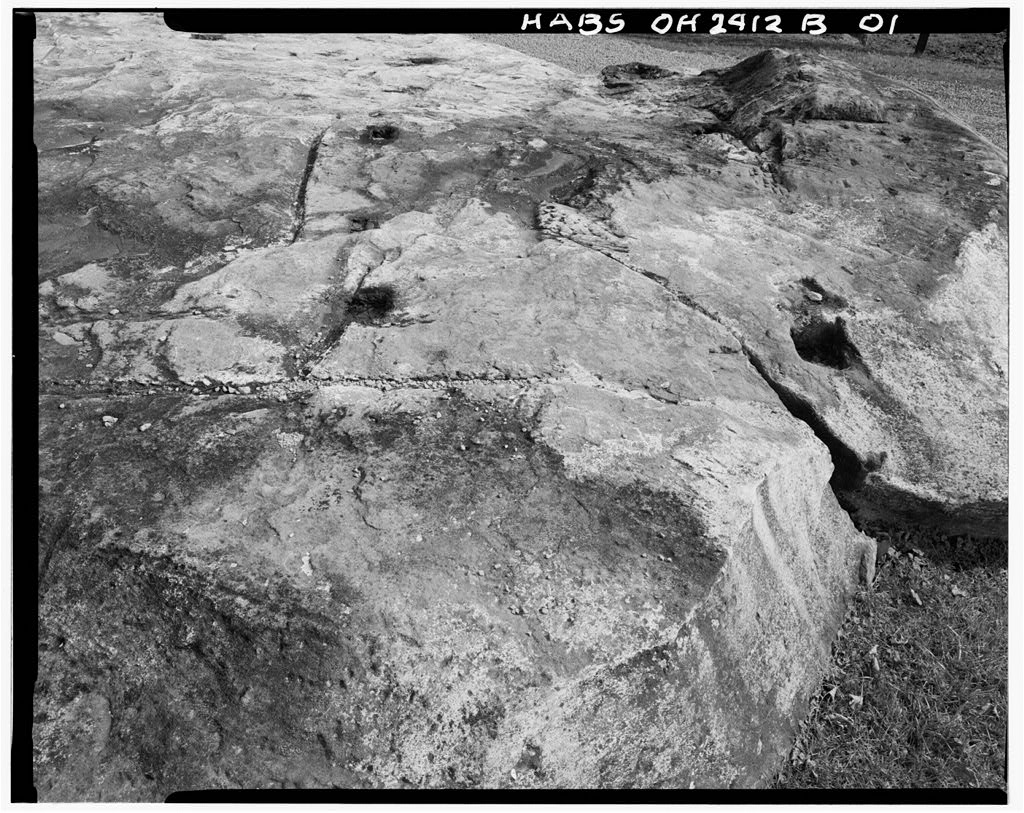
The largest and most valuable Carthage Township farms continued to raise sheep in the and had as many as 325 sheep with 100 lambs born in the spring. Neighbor Jeremiah Bean had eighty-one acres in pasture, Edmund Bean had 110 acres in pasture, both men had big sheep herds and greater farm value than Harlow Calvert. Instead, Calvert relied on swine as a market product, breeding, raising piglets and shipping his young hogs from the livestock station at Guysville before they needed forage or winter protection (see OH-2412-B for discussion of swine production). The swine house built on the rock outcropping near the road would have provided protection for such an operation. HARLOW L. CALVERT FARMSTEAD HABS NO. OH-2412 (page 5) By Harlow and Emma Calvert had six children.
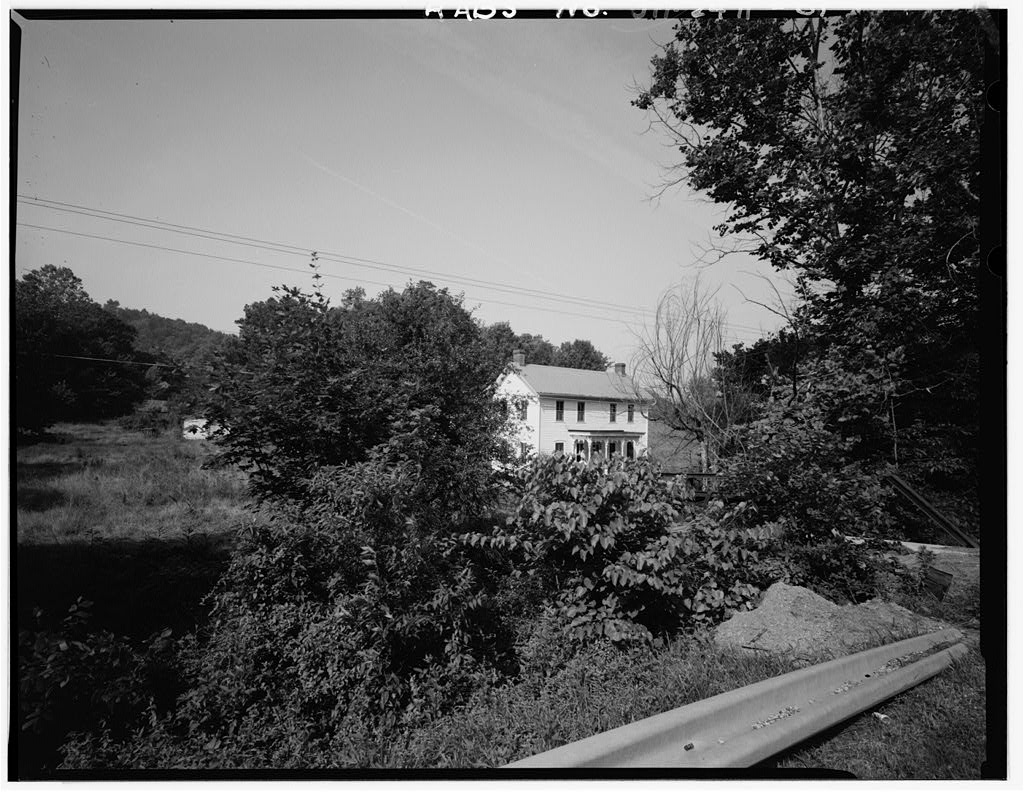
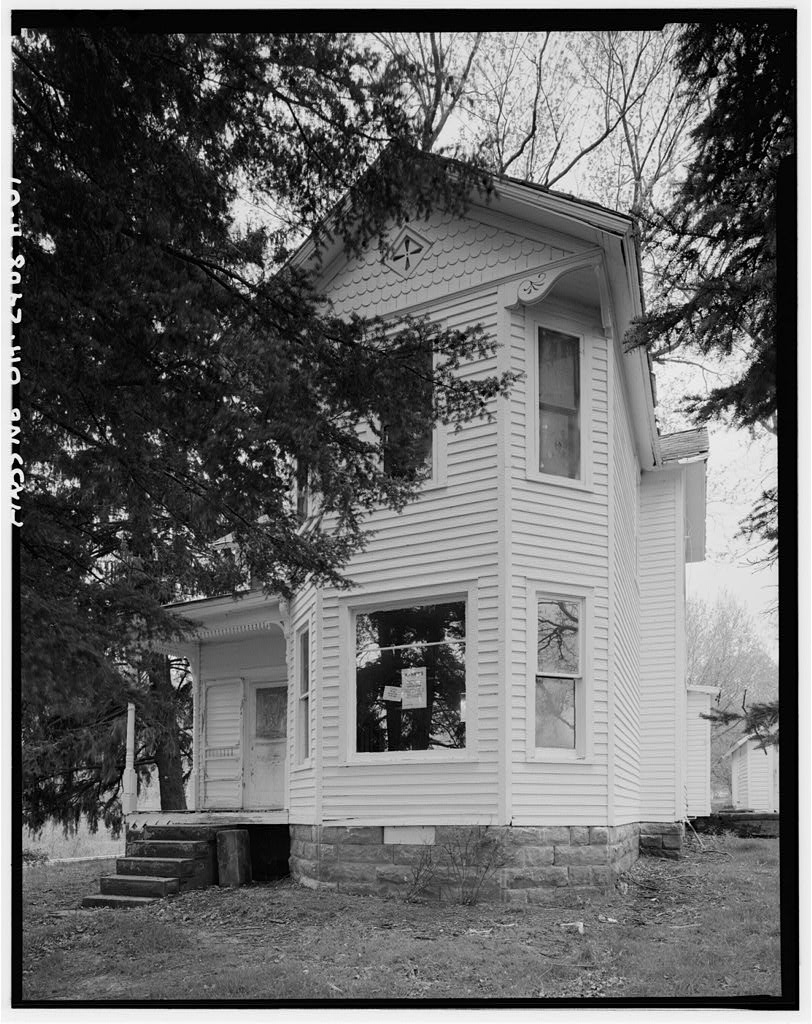
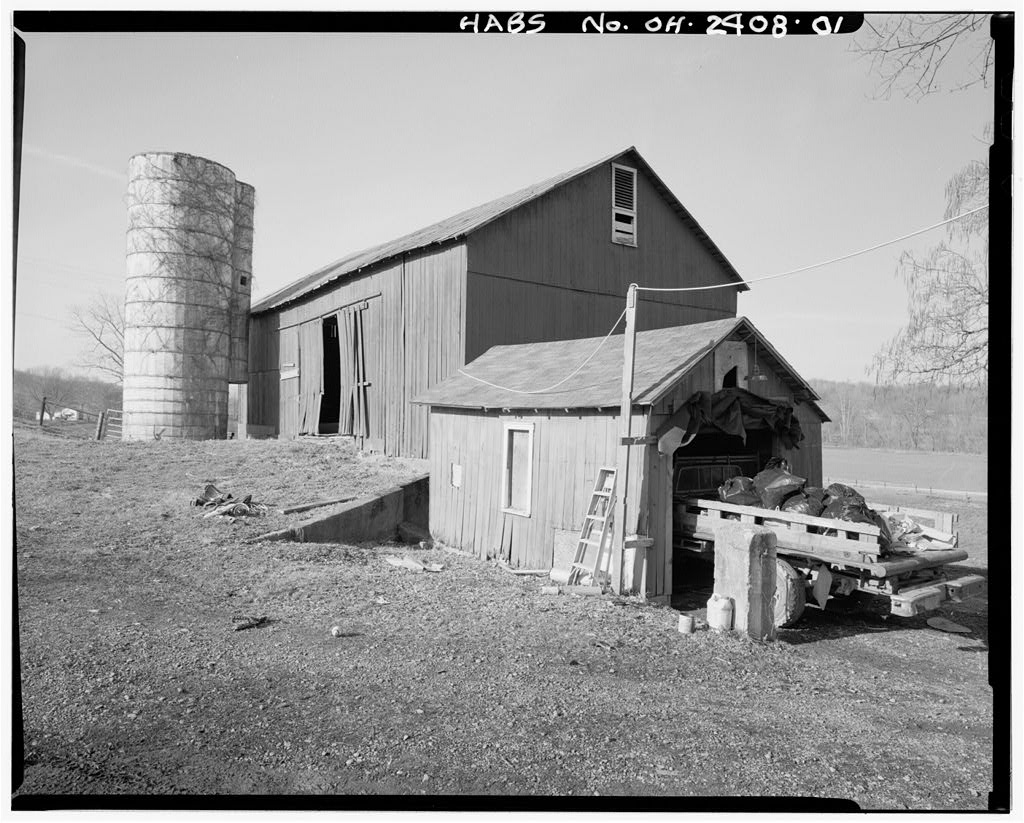
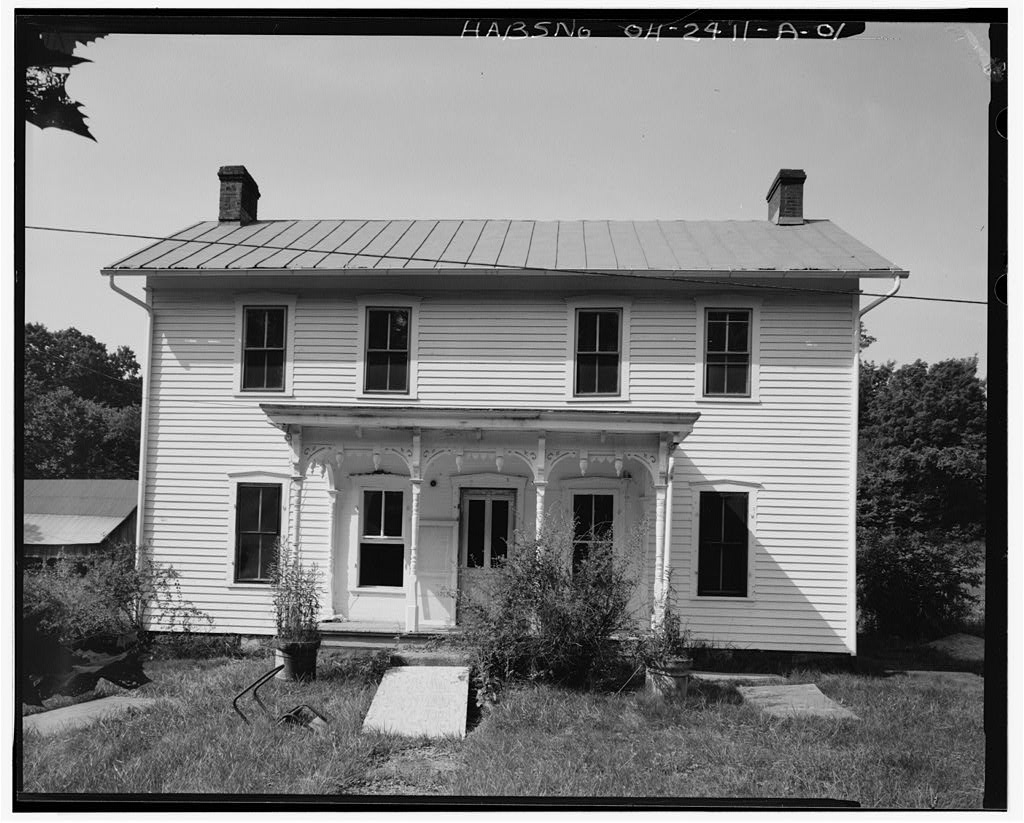
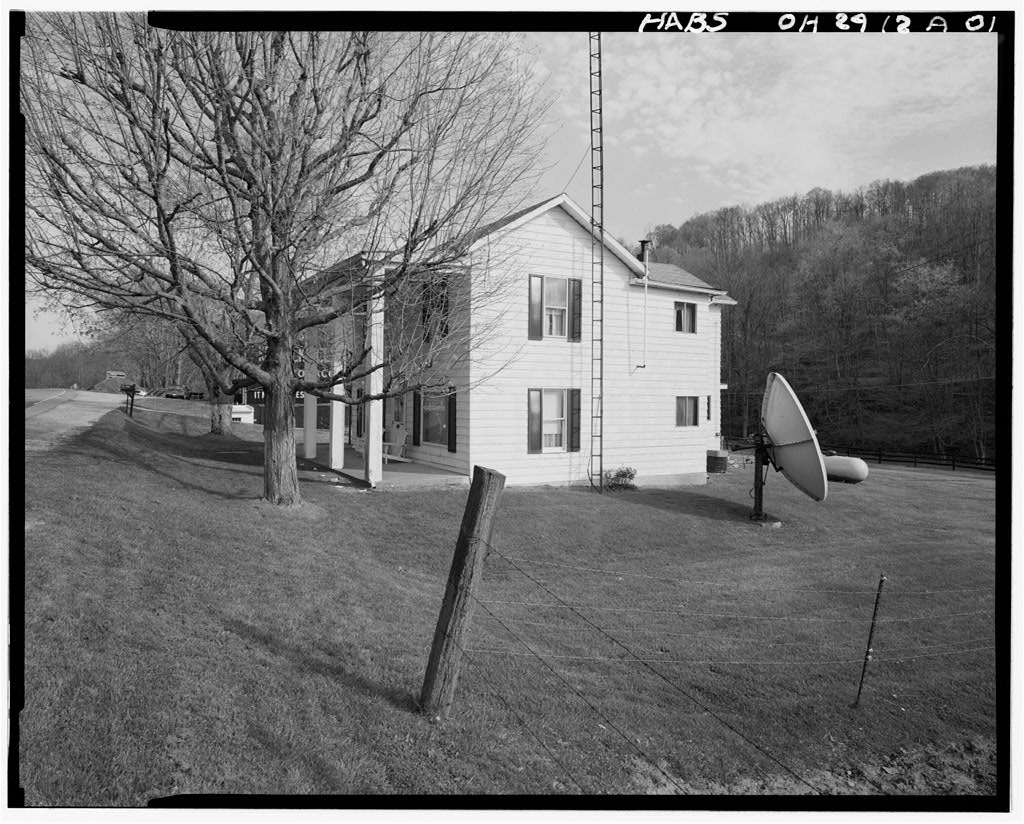
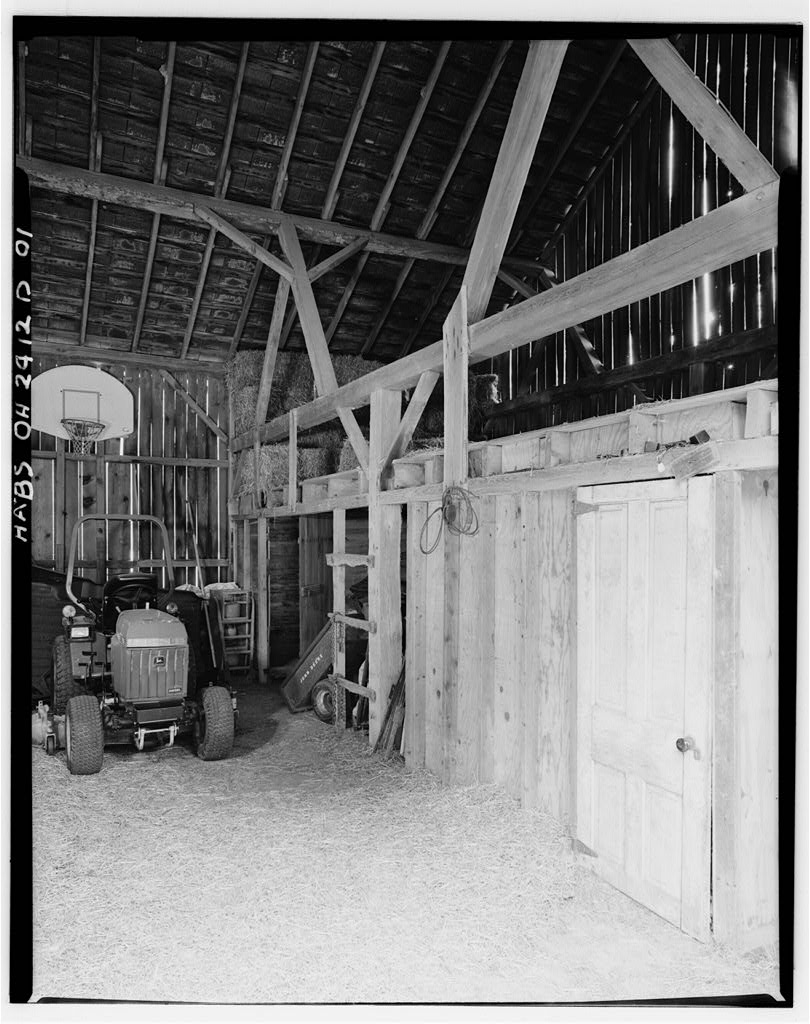
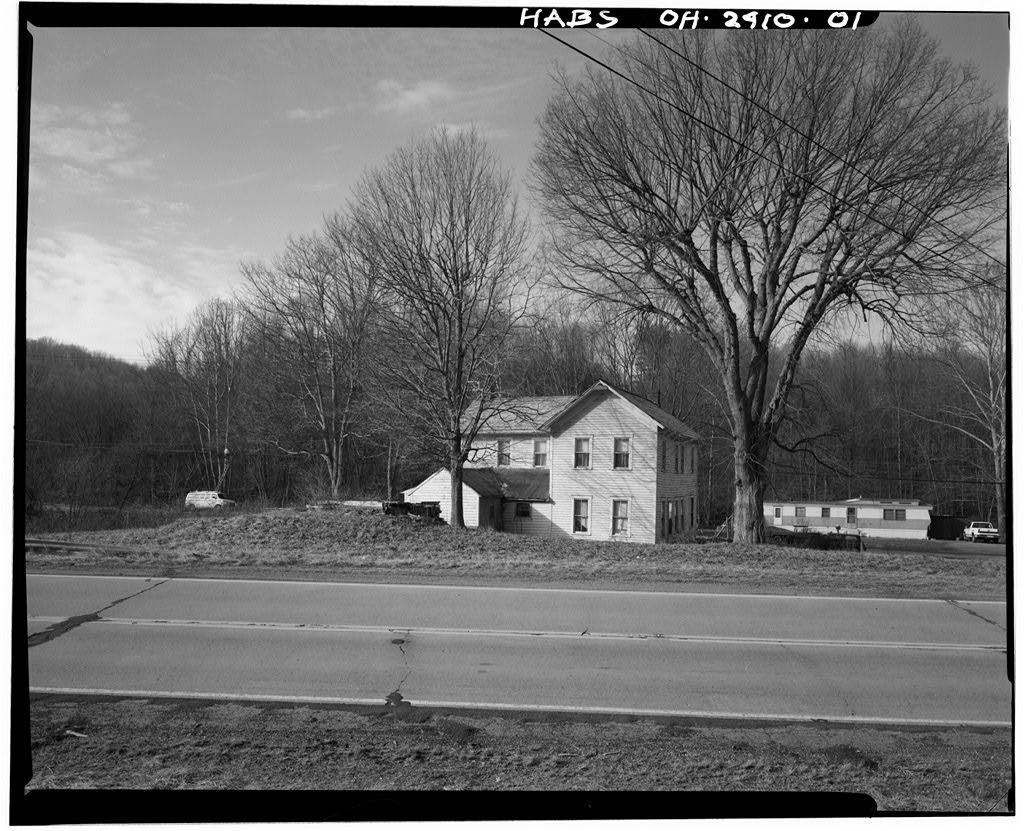
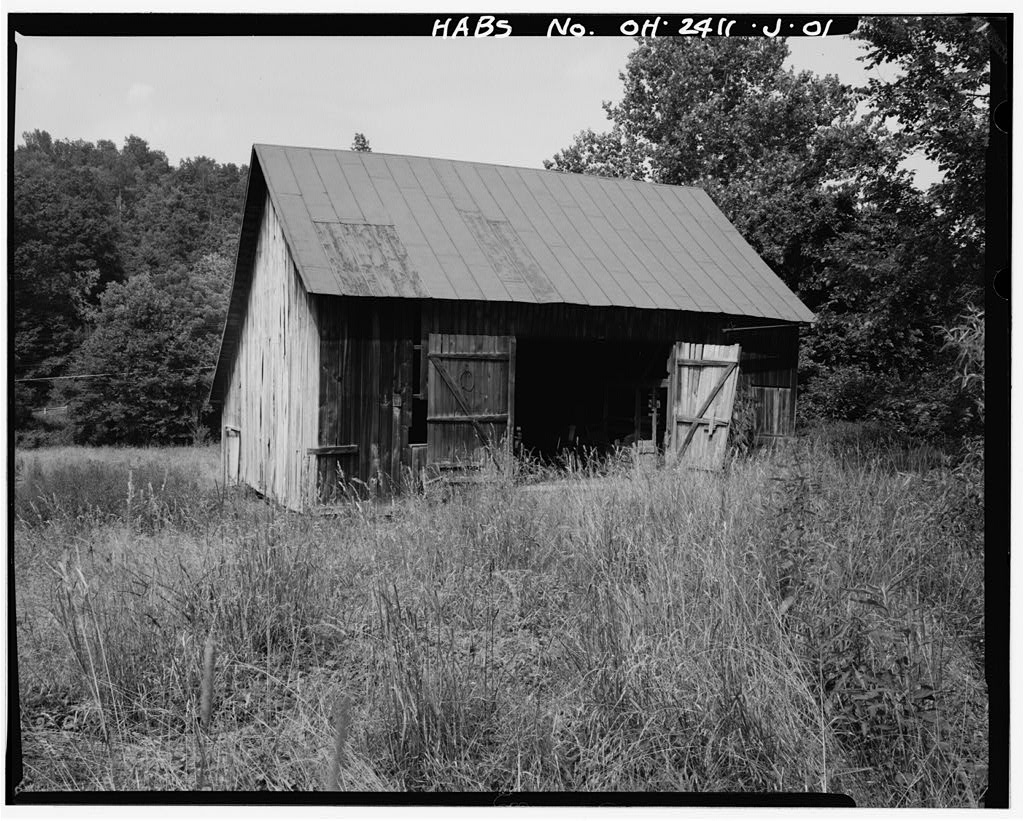
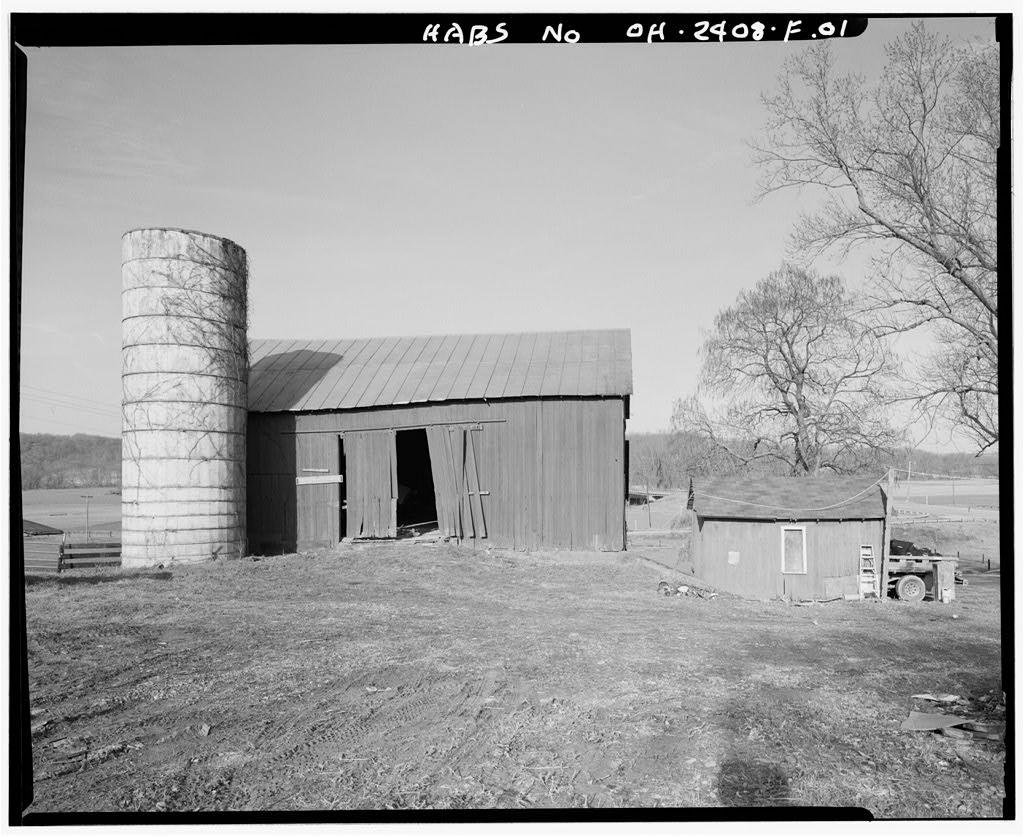
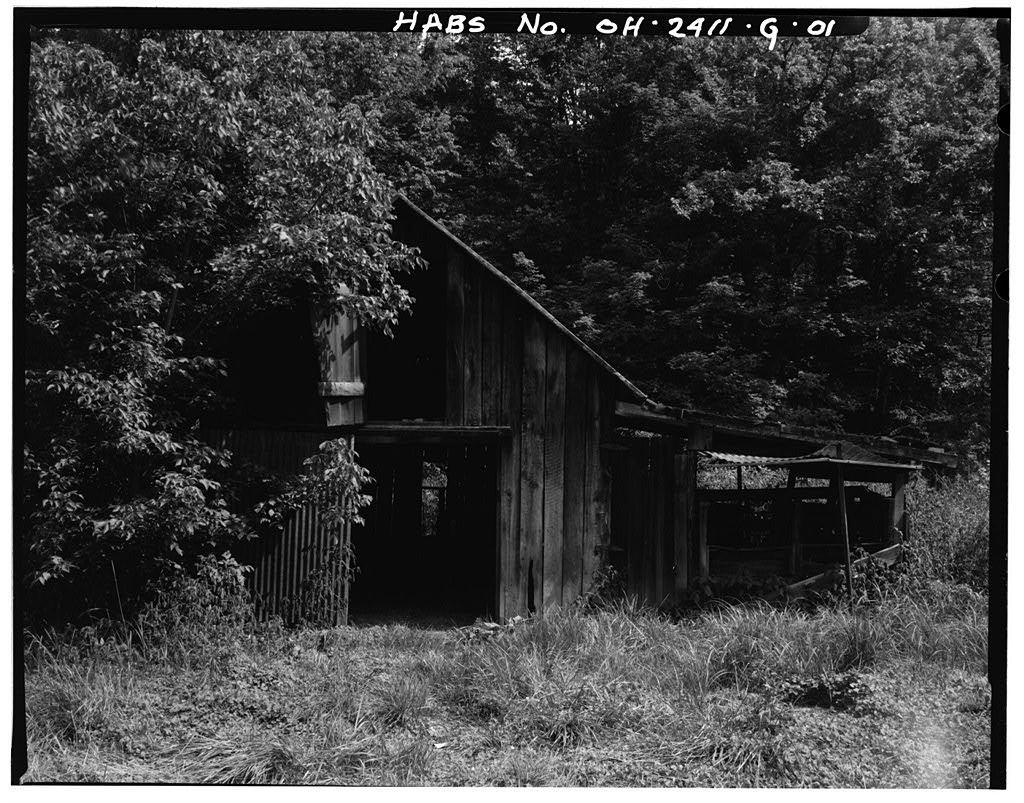
In the family built a new two-story I-house residence, HABS No. OH-2412-A, and, in a new three-bay English basement barn, HABS No. OH-2412-D. The old barn continued in use across the road from the new barn, the old barn appears on the Bush map of Carthage Township. The equipment or wagon storage shed on the east side of the barn was added after About the same time, Calvert added a corn crib with a wagon or tractor storage along one side, HABS No. OH-2412-E. Calvert's older brother Granville, a carpenter who lived at the hamlet on the Guysville-Carthage Road near the south bank of the Hocking River, may have been involved in the construction of these buildings. Calvert's wife died in he died four years later.
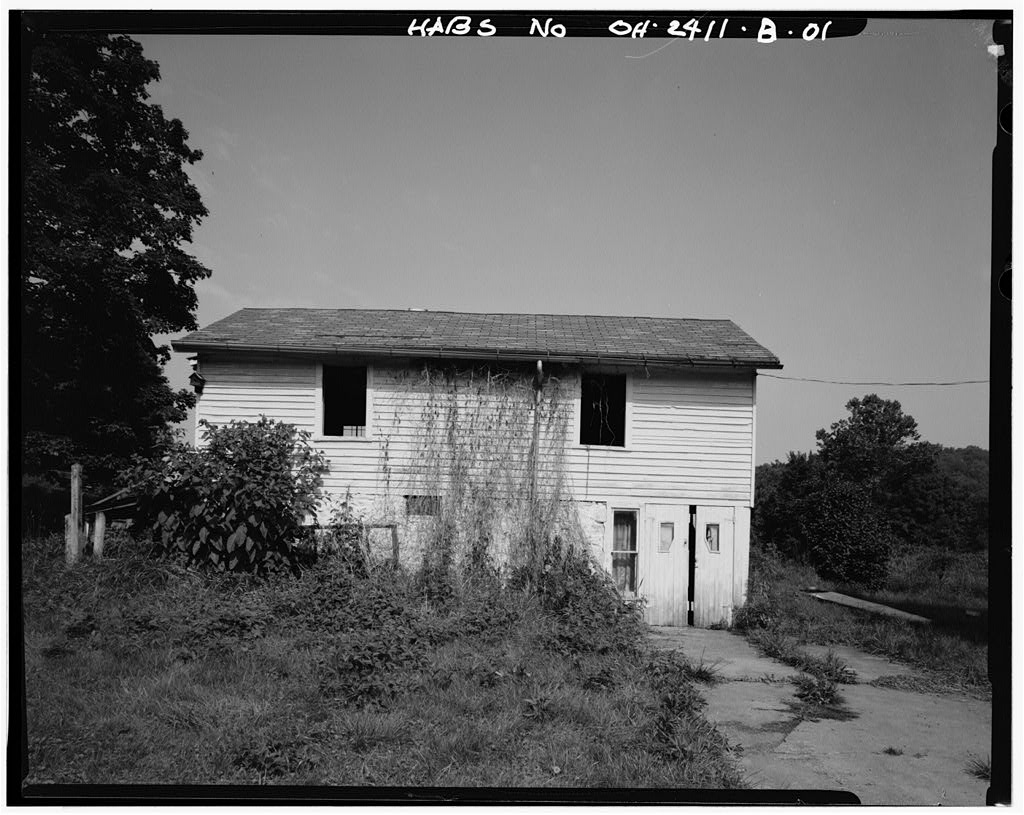
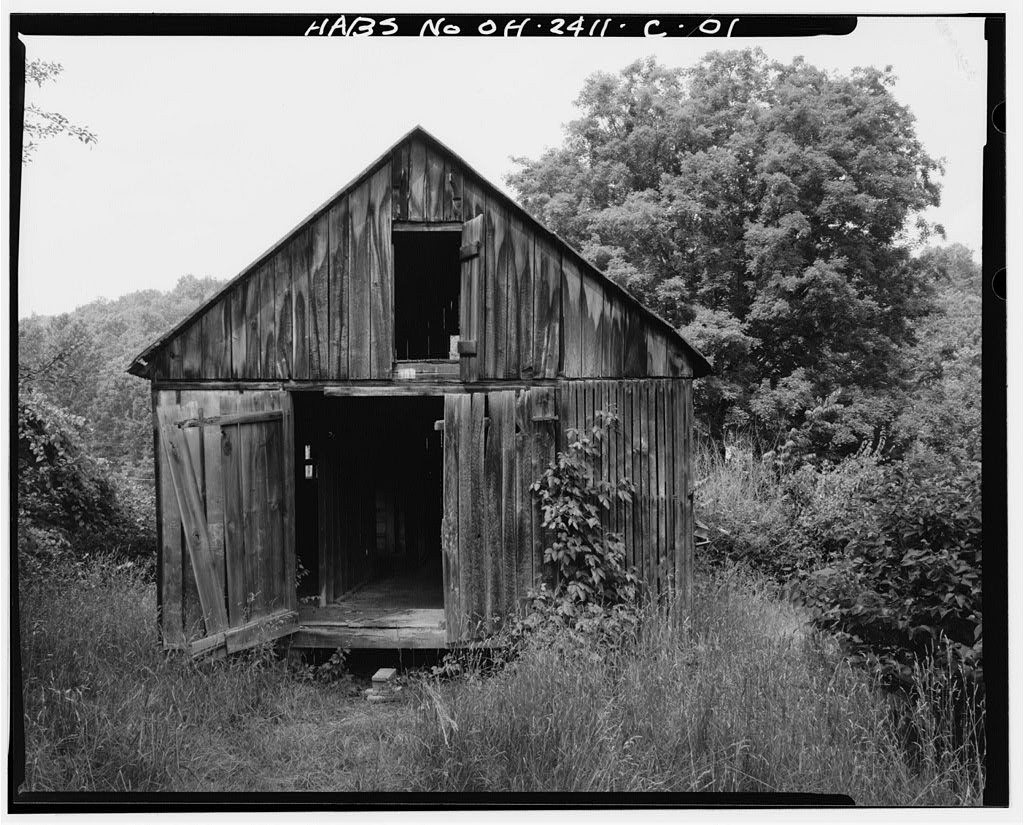
The obituary noted that Harlow Calvert was much loved for his hospitality (Bowman). After Calvert's death, when the farmstead changed hands, the first story of the barn was converted to a milking parlor with concrete floor and feeding mangers. At this time, the concrete milk house also was constructed, HABS No. OH-2412-C. The milk house relied on a cistern to cool the milk. The cistern was supplied through the roof gutters on the barn. c. Landscape History: When Harlow and Emmeline Calvert purchased the 2.6 acre house lot, the Guysville-carthage Road up Green Branch Creek was a local travel route to nearby farms. The road ran on the north side of Green Branch Creek, between the creek and the residence that Calvert purchased from Milligan. Almost all of the farm land that Harlow L.
Calvert purchased in was north of the road. The arable land was the flat land on a hill top. It was separated from the road and the farmyard by a sandstone outcropping that ringed the hill. The steep hillsides and rock outcroppings accounted for the high acreage in woodland in the Agricultural statistics. The farmstead buildings were constructed on the relatively flat land near the creek, at the south side of the farm. The historic photograph of Harlow L. Calvert's house shows a small dooryard surrounded by picket fencing. The door- yard ended just west of the residence. On the east, the dooryard had a gate near the swine house. The photograph does not detail the barn yard.
The hillside south of Green Branch Creek had recently been forested with trees remaining to help establish the regrowth of the timber HARLOW L. CALVERT FARMSTEAD HABS NO. OH-2412 (page 6) stand on the hill. While the Calvert children attended school at the crossroad school on the south side of the Hocking River, the family more strongly identified with Guysville. The post office at Guysville was established in before Harlow was born (Brown, Harlow's parents lived at Guysville, likely brothers and sisters lived there as well. In Guysville was most known as a livestock shipping center on the Marietta & Cincinnati railroad (Brown) . It was the shipping point for Calvert's hogs.
In the main road to Coolville, Belpre and Marietta was rerouted from the north bank of the Hocking River to the Savannah-Carthage or Carthage Gap Road. Commitment to the new route meant a large expenditure to rework the road farther south of the Bean and Calvert farmsteads and to macadamize the road up Carthage Gap (Keiffer, In the following decades, the route was designated as U.S. 50, gaining more traffic and being further straightened and widened with steep grades lowered. The Harlow Calvert Farmstead site has been altered by the relocation, filling and grading of US 50. At first the road passed close to Green Branch Creek, between the creek and the first residence.
When the road changed to being north of the second residence, the original barn was north of the road, but the elevation of each of these features and the relation to the present landscape is uncertain. In the the alteration of U.S. 50 left the Harlow Calvert House steeply below the grade of the highway with a large culvert just east of the house (Kieffer). In the after his purchase of the farmstead, David Coen demolished the original farm house and renovated the I-house that was constructed in (Coen) No history of the field and fence patterns of the Harlow L. Calvert farmstead survive other than those shown in a historic photograph of the residence.
With most of the fields confined to the top of the hill, the field that includes the barn and is east of the barn and the field west of the residence are the only fields affected by the relocation of U.S. 50. PART III. SOURCES OF INFORMATION A. Architectural drawings: None. B. Historic views: None. HARLOW L. CALVERT FARMSTEAD HABS NO. OH-2412 (page 7) c. Interviews: David Coen, owner since early D.
 Block
Block