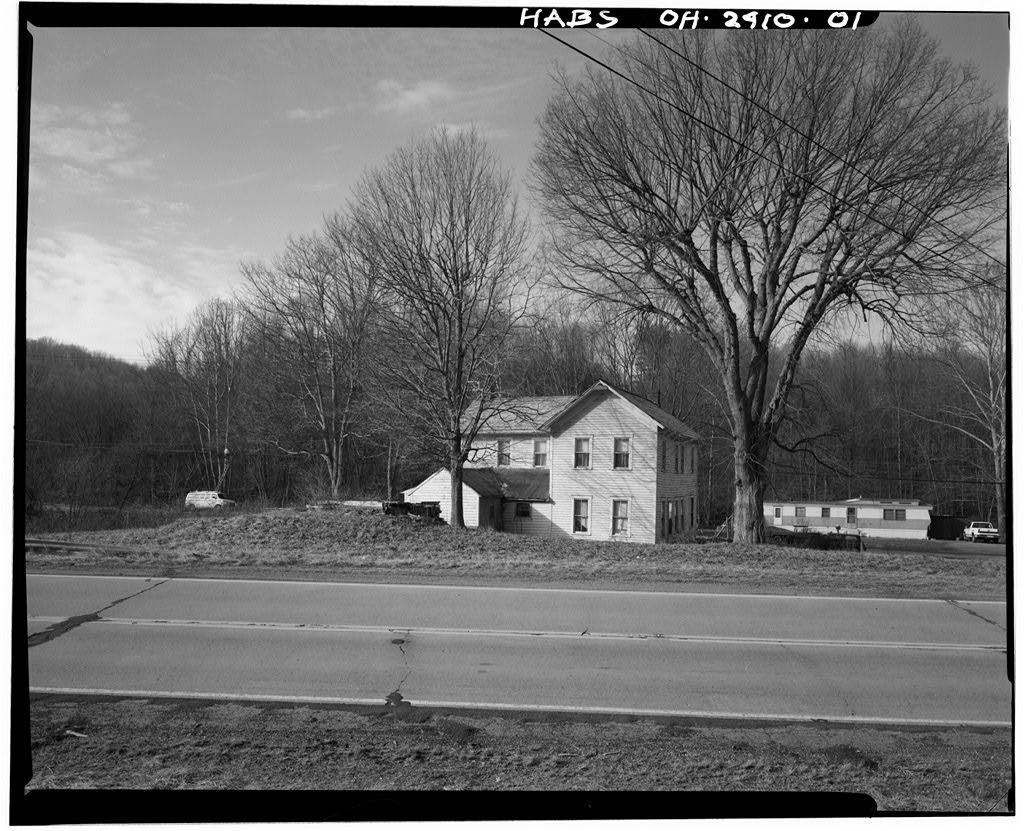
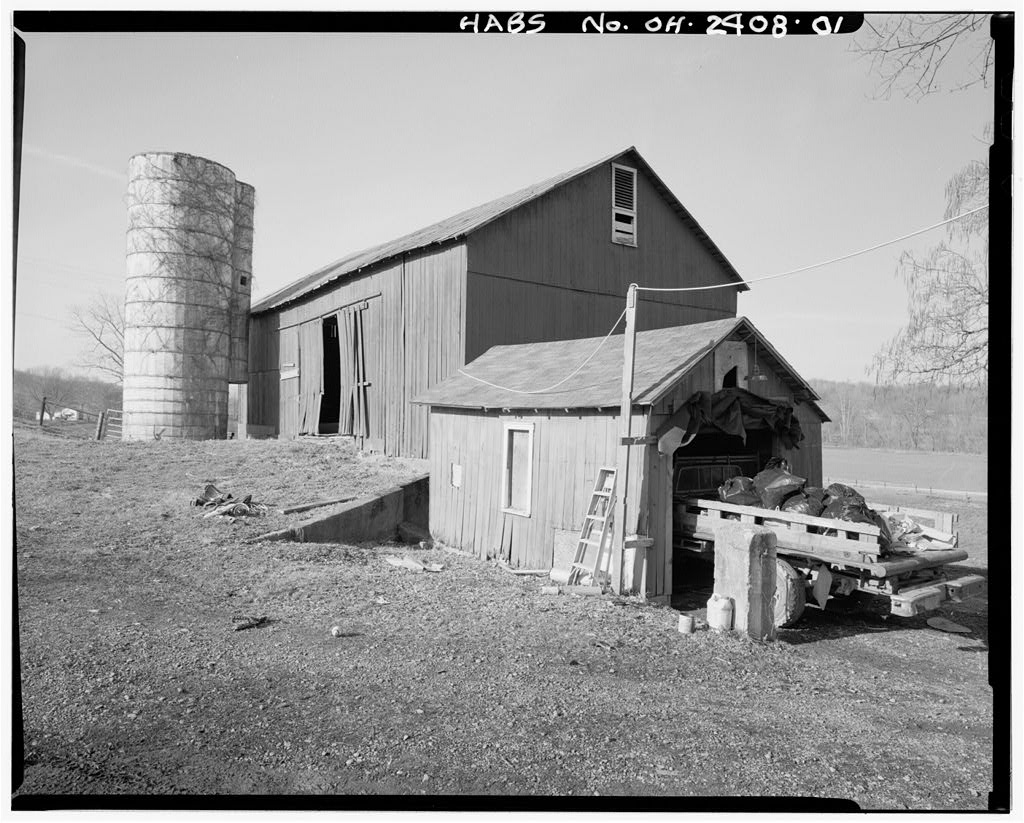
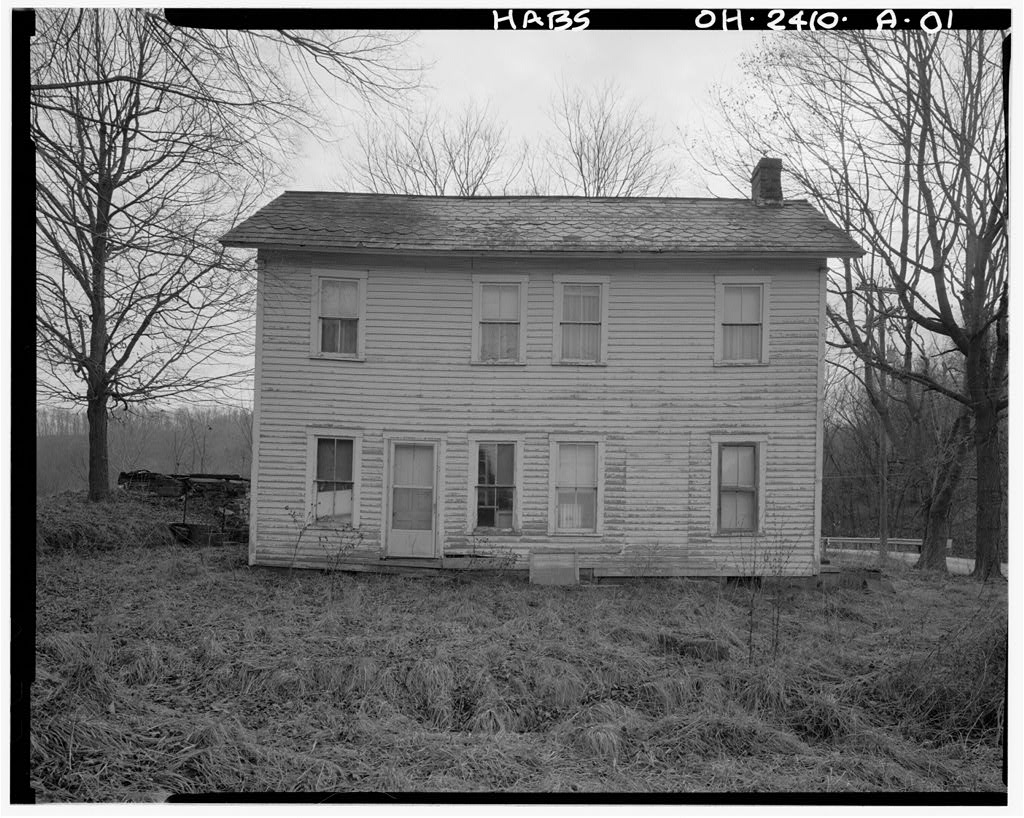
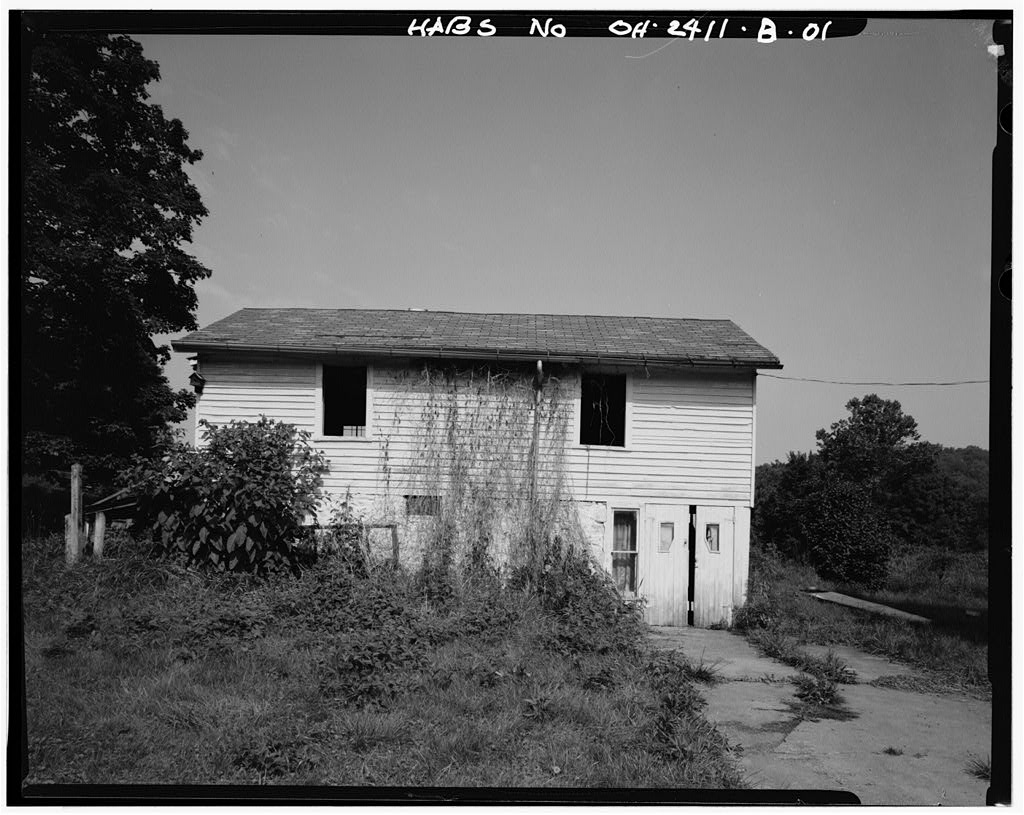
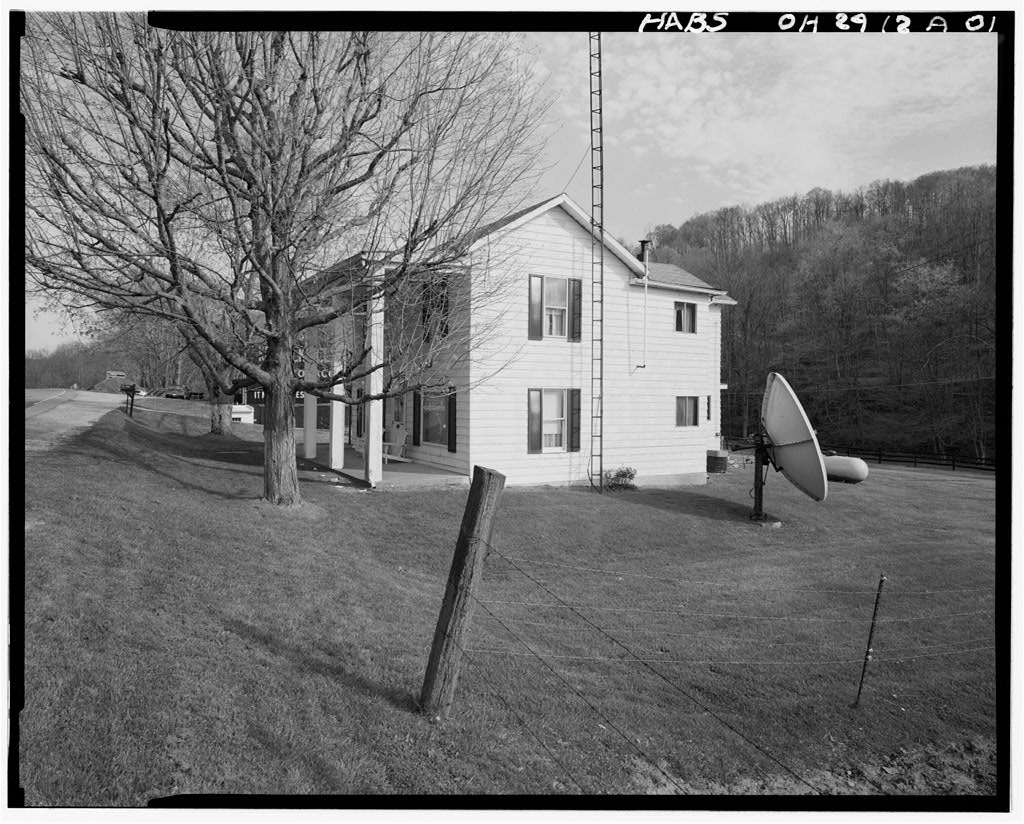
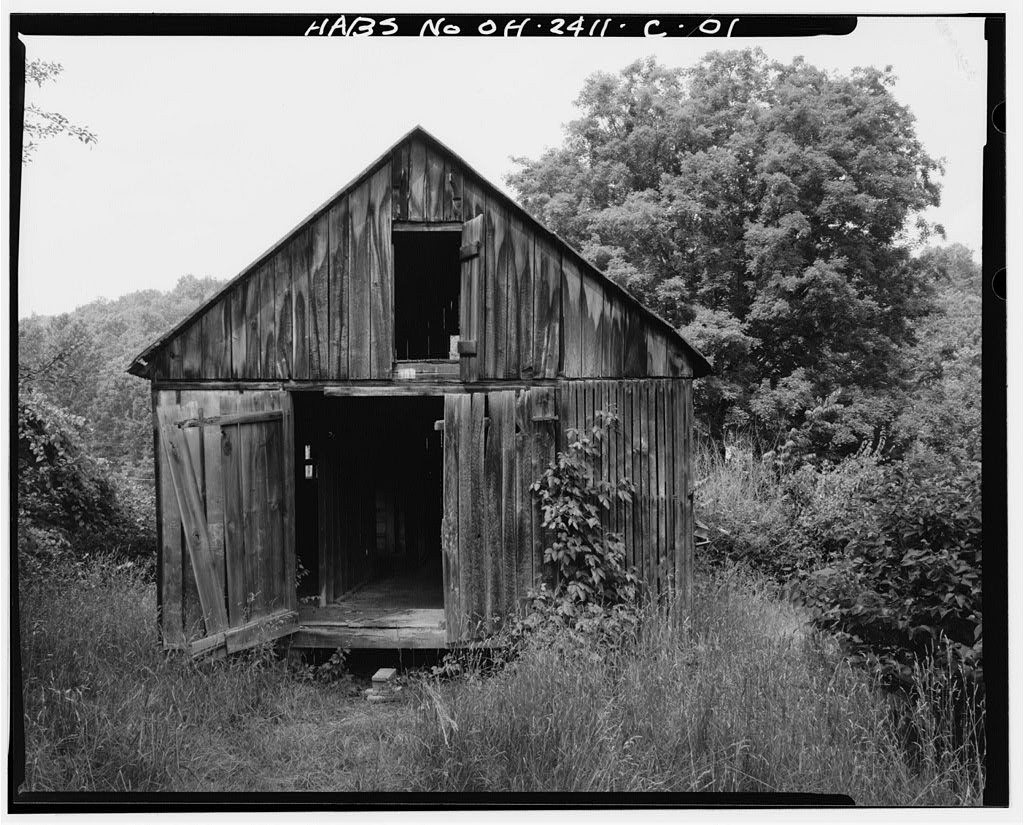
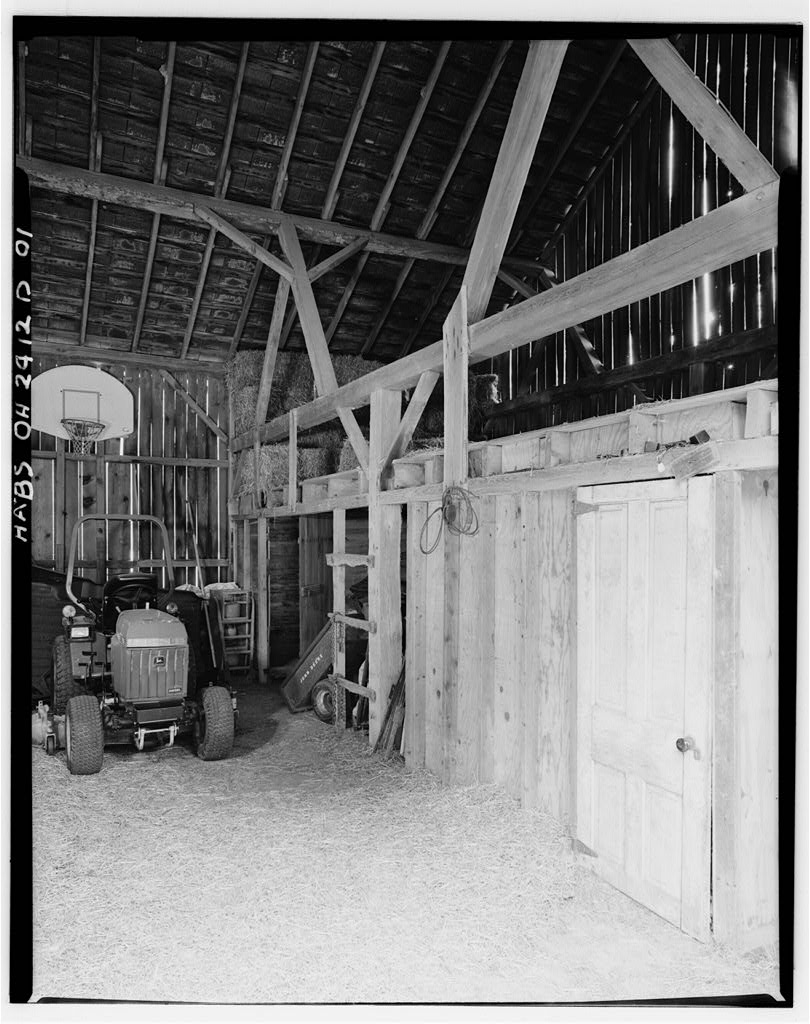
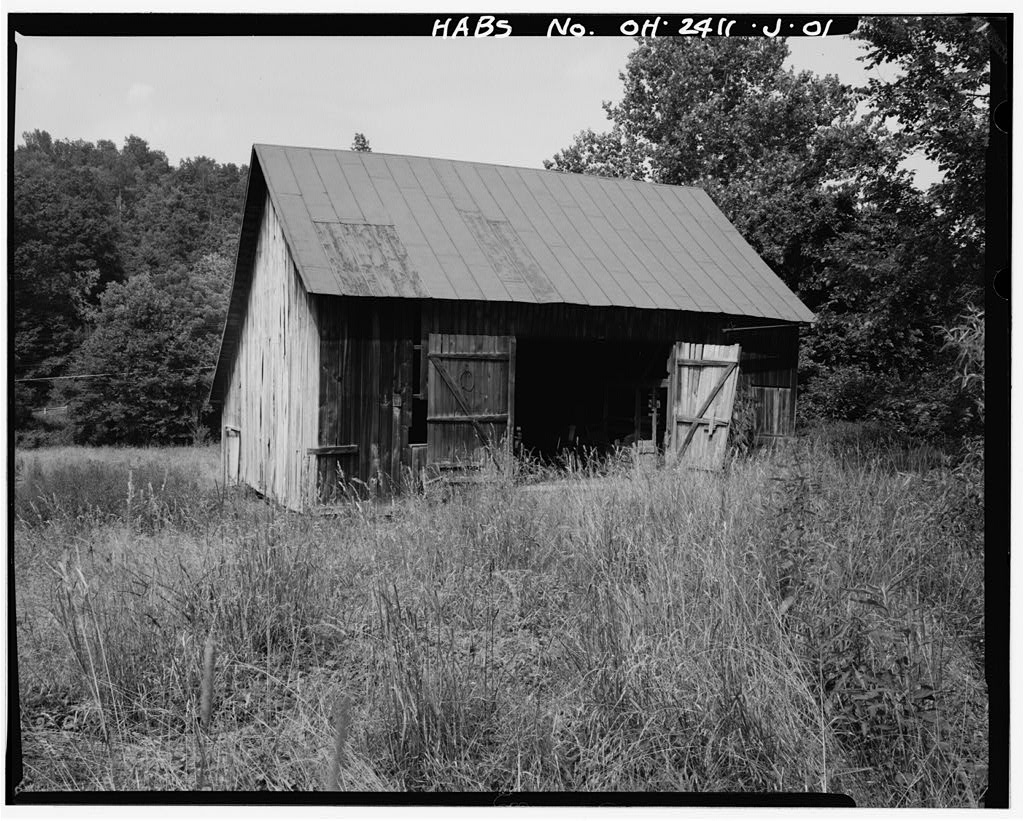
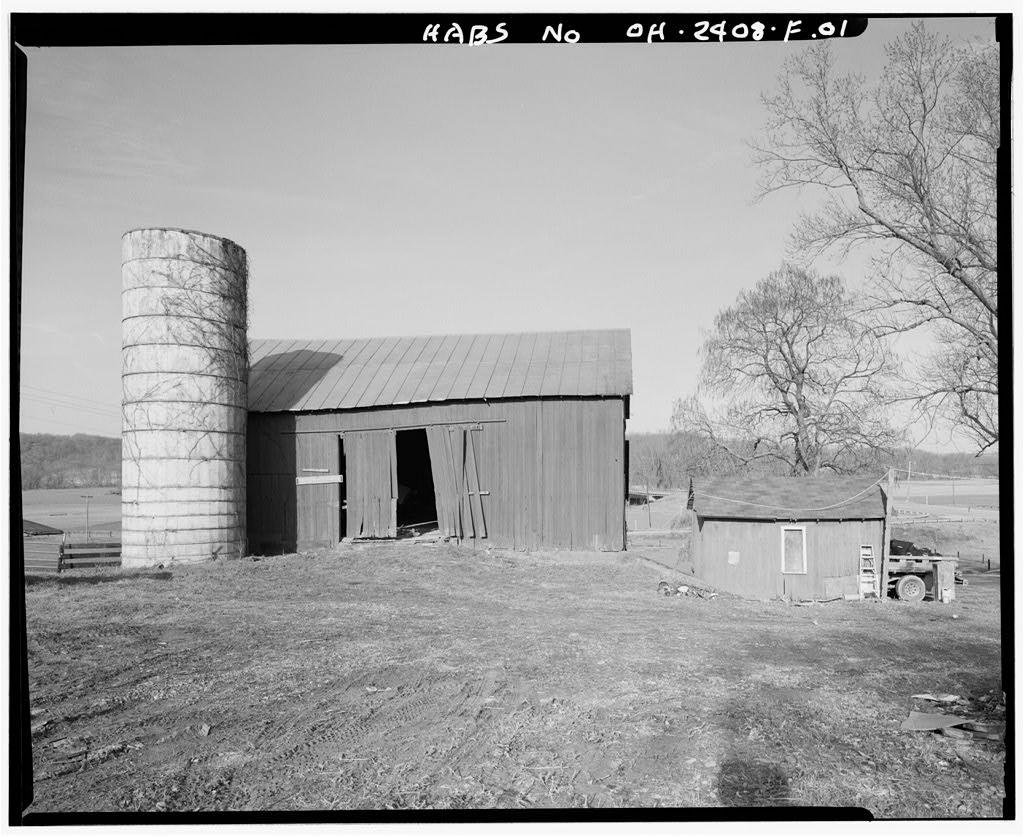
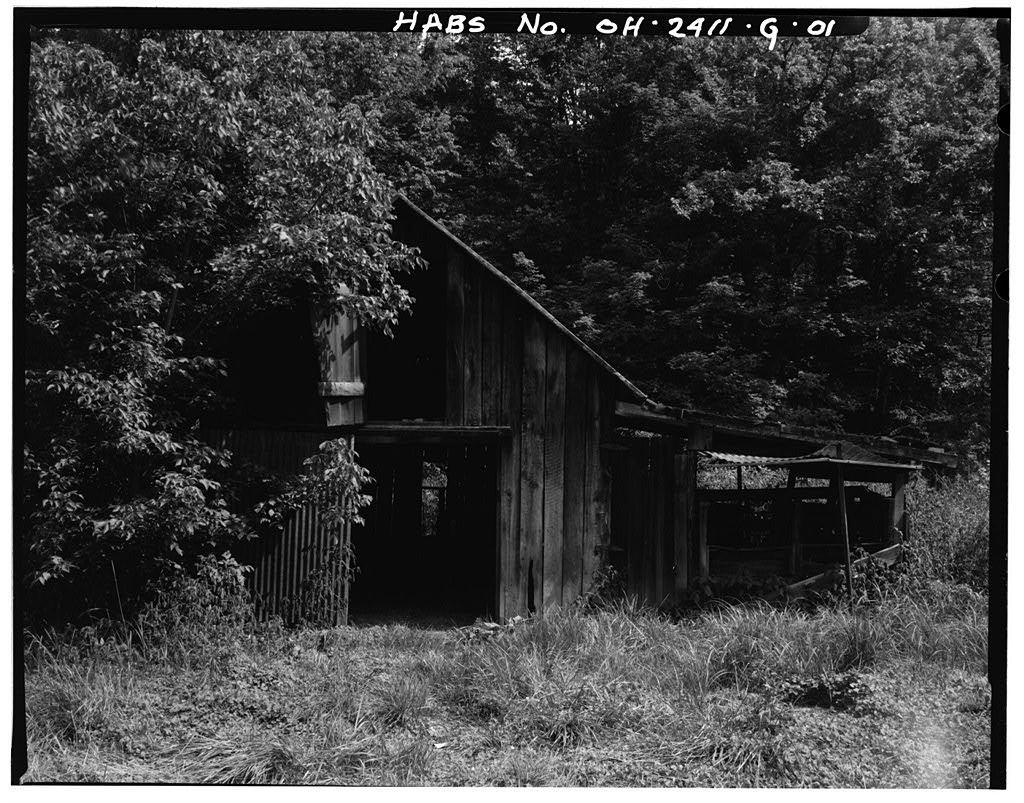
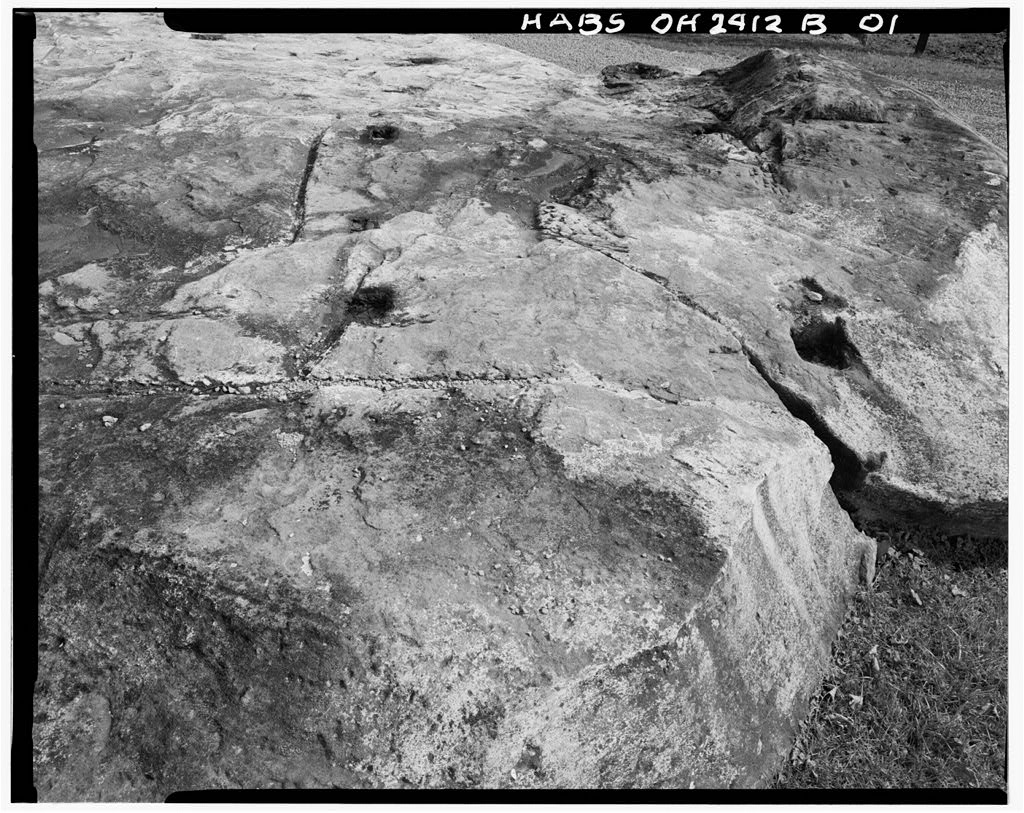
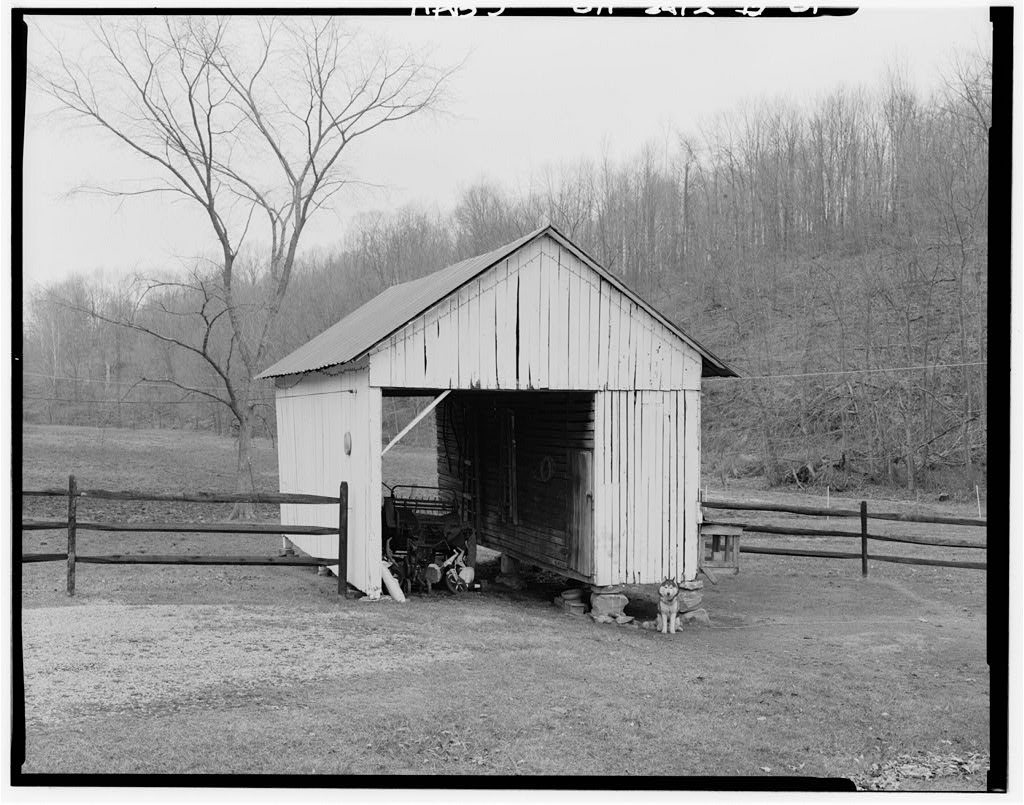
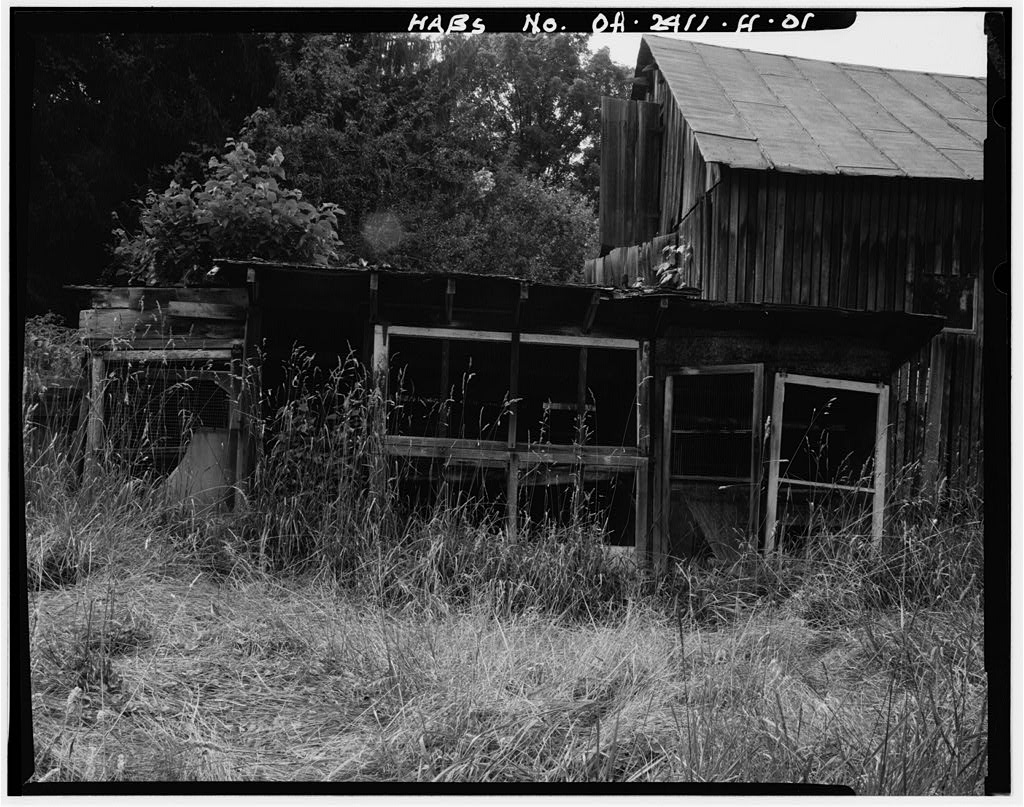
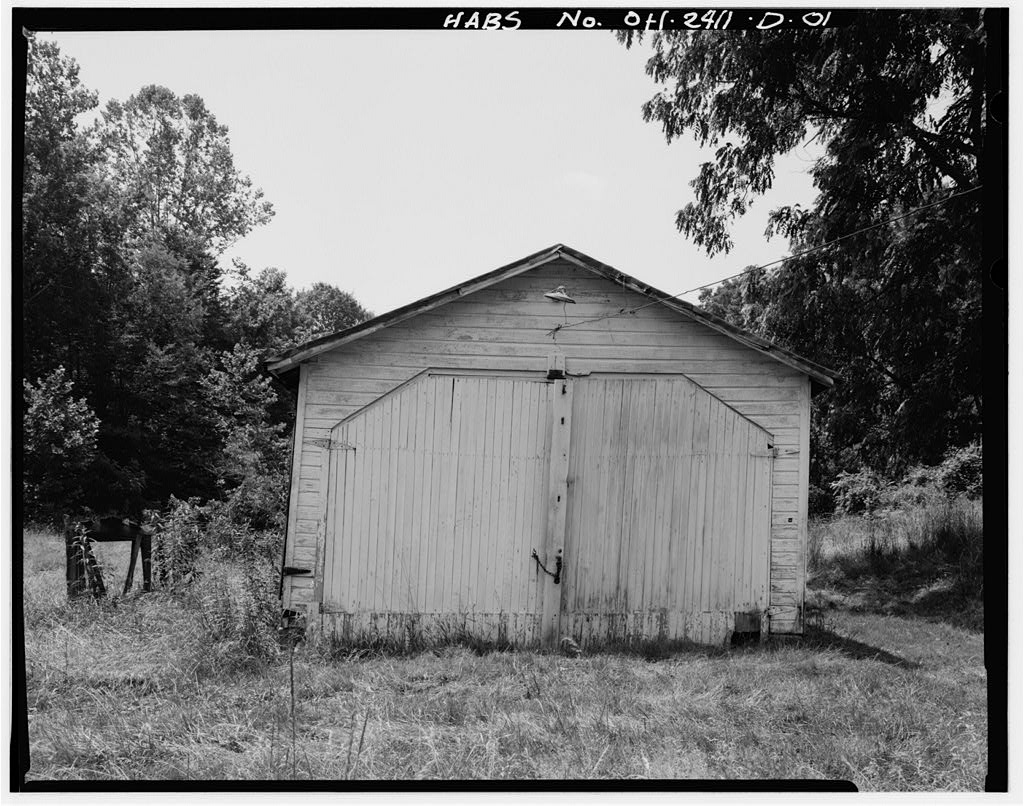
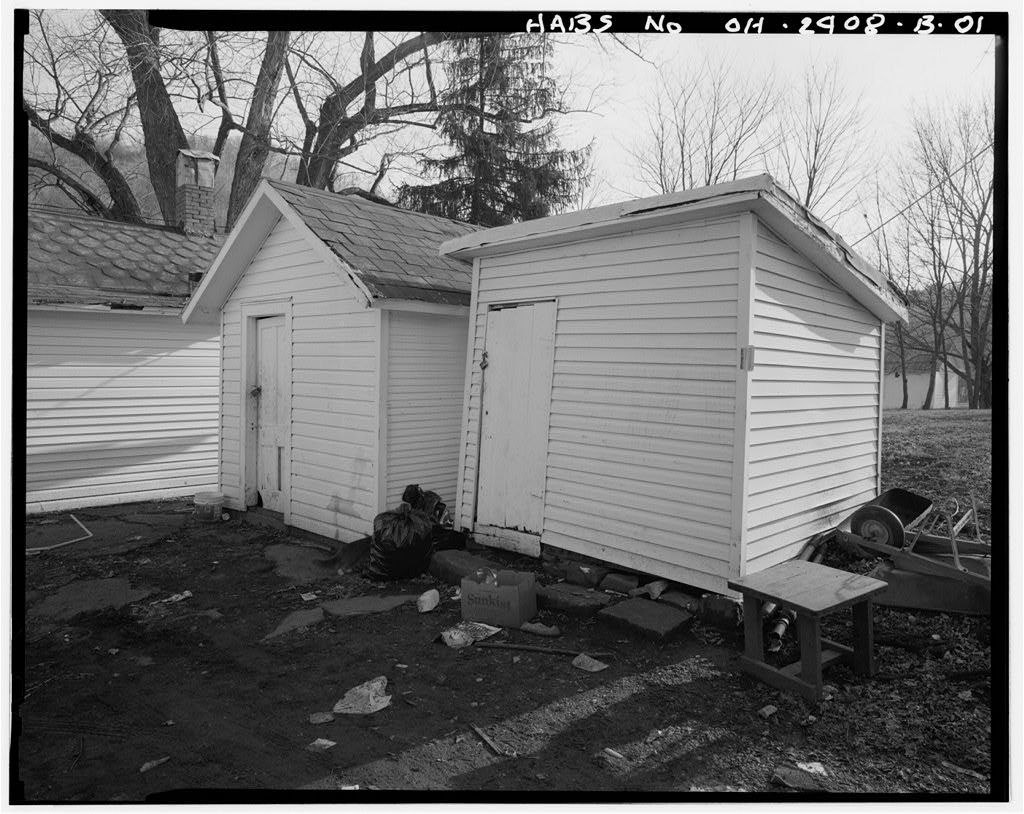
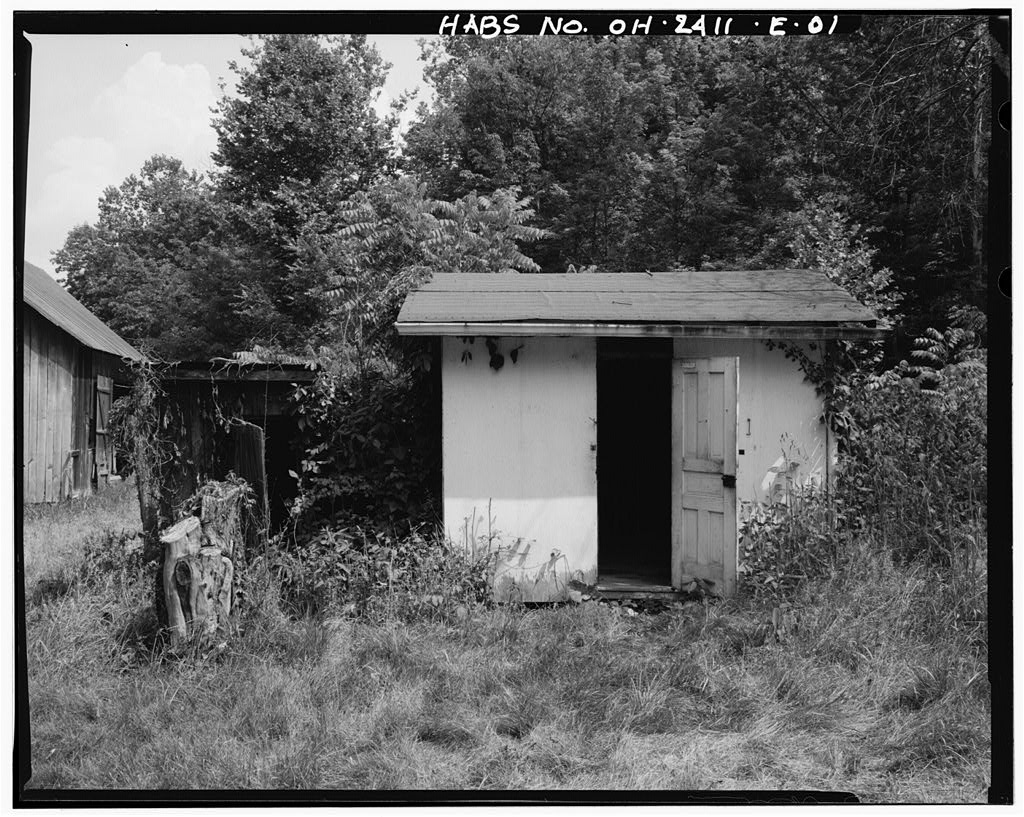
The Edmund Bean Farmstead is a rare surviving example of Allegheny plateau farm architecture. Purchased following his Civil War service, Bean and his descendants cleared land, constructed farm buildings and pursued agriculture on this site. The two surviving buildings are constructed following traditional local construction methods, using locally available materials to create use-specific structures. EDMUND BEAN FARMSTEAD HABS No. OH-2410 (page 2) PART i. HISTORICAL INFORMATION A. Physical History: 1. Date of erection: ca. 2. Architect: None. 3. Original owner: Edmund Bean 4. Builder: Likely, Edmund Bean, carpenter William Bean and other Bean relatives. 5. Original Plans: None. 6.
Alterations and additions: The residence has had the porches enclosed with two small east additions on the rear wing. The cold cellar is deteriorated, has lost its hip roof. The three-bay, English basement barn that was west of Athens County Road 24 has been demolished. The east side of the farmstead has had U.S. 50 crossing it. B. Historical Context: Edmund Bean was born in Rome Township, Athens County, Ohio, on March 10, the year following his family's move to Ohio from Hardy County, Virginia (now West Virginia) . Edmund was the tenth child, fifth son, of John and Mary Ann Leavy Bean (Wilson, .
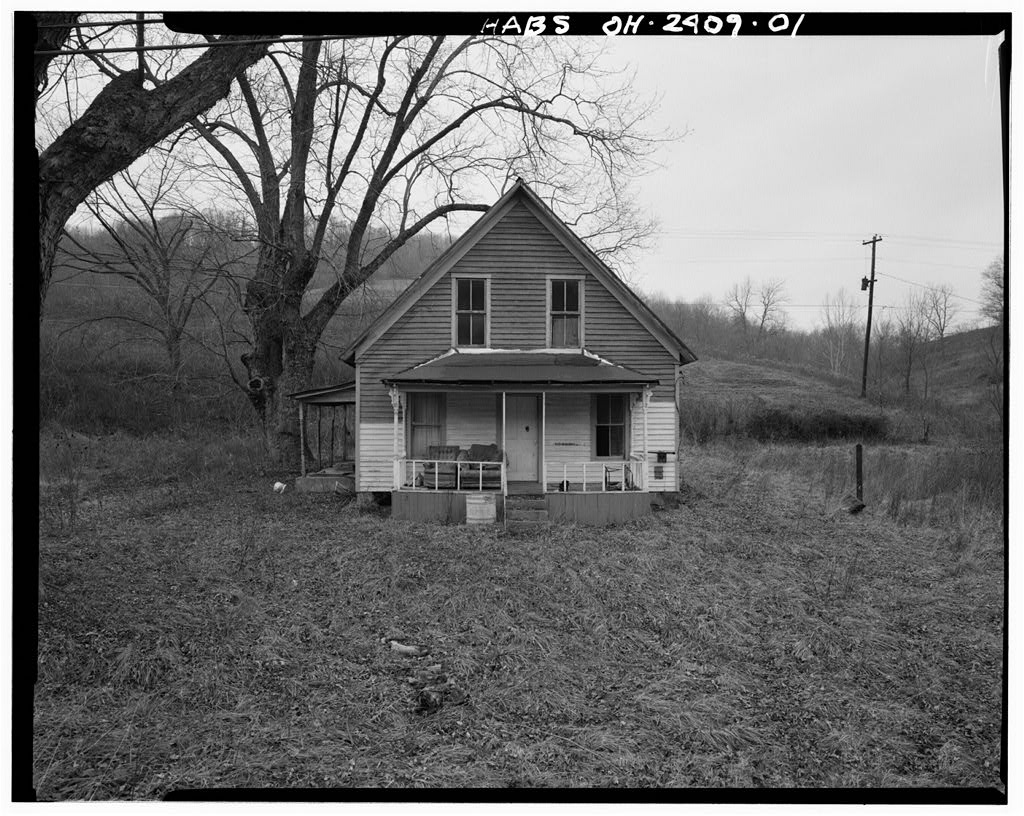
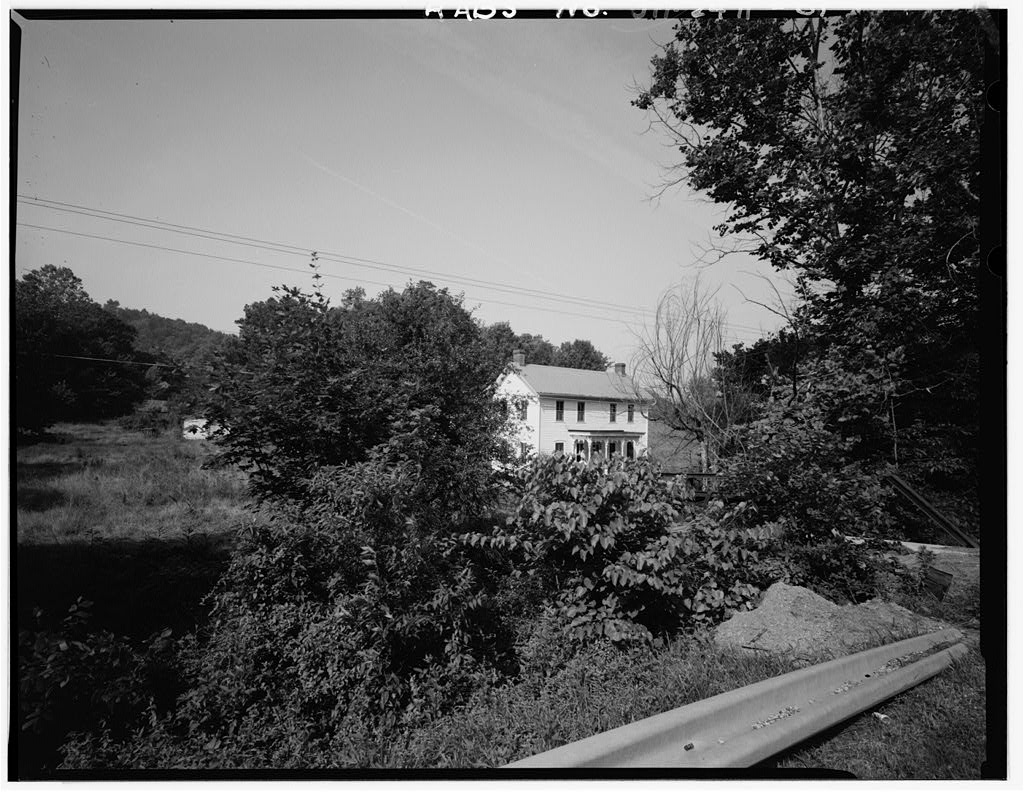
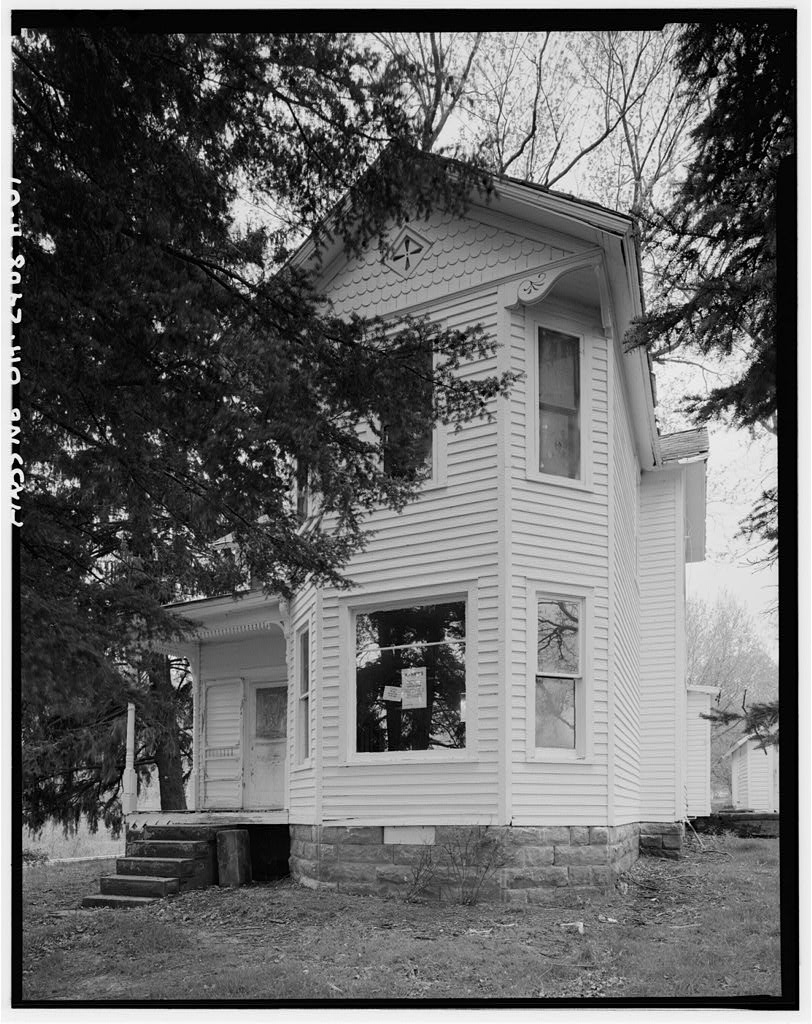
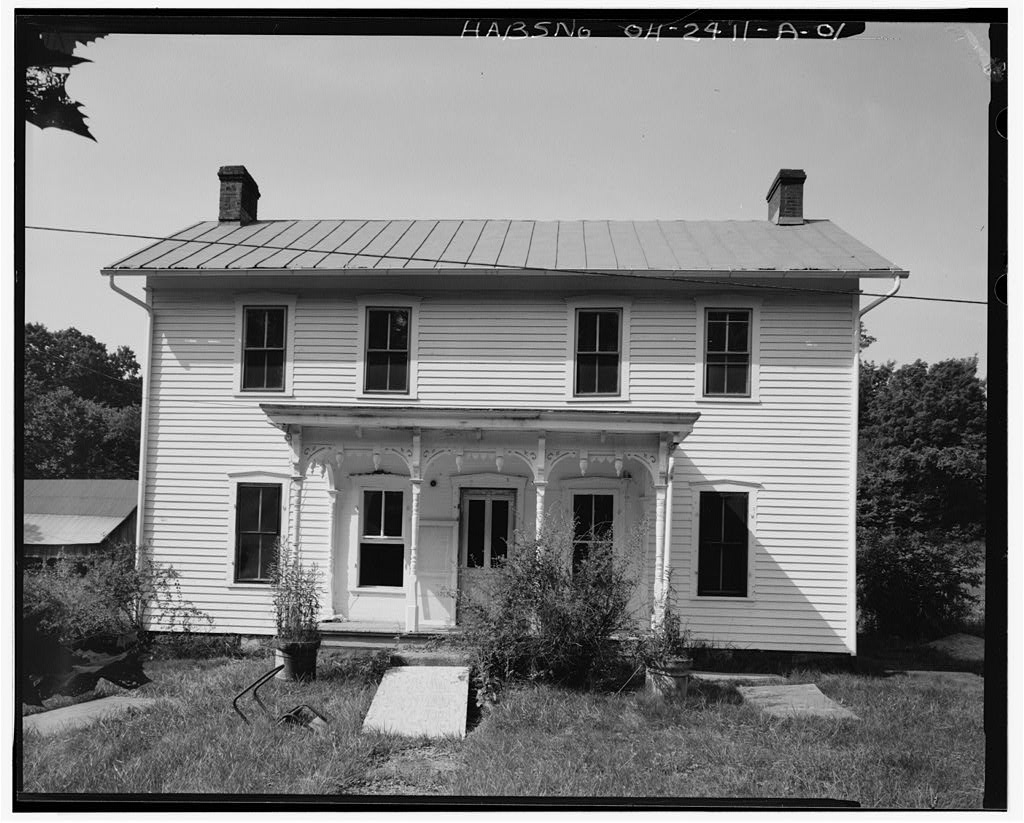
He was named for his uncle Edmond Bean who lived on the next farm east of John Bean on the south side of the Hocking River near the cross roads hamlet where the road up Green Branch Creek, the Guysville-Carthage Road, crosses the road on the south side of the Hocking River (Schumacher, Edmund's oldest brother William lived in the same hamlet where he was engaged in the trade of house carpentry while his family farmed (see HABS No. OH-2409). Edmund's third oldest brother Jeremiah lived on the next farm south of Edmund's farm, HABS No. OH-2411. Both Edmund's and Jeremiah's farms are along Green Branch Creek in Carthage Township on the Guysville-Carthage Road, now U.S. 50. In Edmund enlisted in the Union Army as a private in Company C 3rd Ohio Volunteer Infantry.
Much of his service was as a teamster and wagoneer. He saw service in battles in West Virginia, Kentucky and Alabama. During his years of service, in he helped his brother Jeremiah buy the initial ninety-four acres of Jeremiah's farm along Green Branch Creek in Carthage Township (Athens County Registry of Deeds, Book 30, page He left military service in (Schumacher) . EDMUND BEAN FARMSTEAD HABS No. OH-2410 (page 3) Edmund Bean married Samantha A. Windsor on November 2, His brother Jeremiah purchased the half interest in Jeremiah's farm the following year, paying nearly double the initial investment, (Athens County Registry of Deeds, Book 35, page When Edmund purchased the 156 acres of the Green Branch Creek farm, in he was living in Canaan Township.
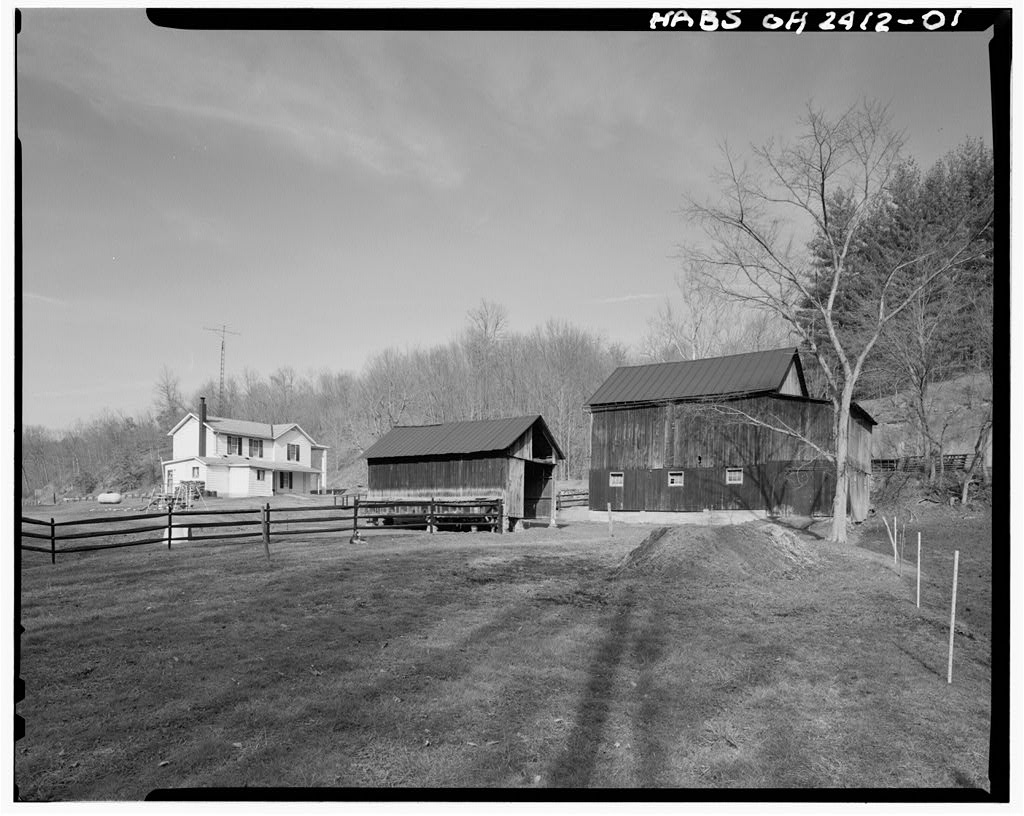
He paid (Athens County Registry of Deeds, Book 42, page On the Carthage Township map, the Green Branch Creek farm had a house and barn with acres (Lake, Perhaps William Bean was involved in the construction of Edmund and Samantha's house, as he died in Granville Calvert, who lived next to William Bean's farmstead at the nearby hamlet, may also have been involved in the construction. Calvert was a carpenter and brother of Harlow L. Calvert (see HABS No. OH-2412) U.S. Census) . Edmund and Samantha Bean's farmstead, called Green Branch, was listed in the Agricultural Statistics.
Six years after his purchase of the farm, his land and buildings were valued at his implements and farm machinery at $40 and his livestock at Most of the farm, 110 acres, was permanent pasture; 30 acres was woodland or forest; 20 acres was tilled. The pasture land supported two horses, five milk cows, five calves, six heifers or beef cattle, ninety-eight sheep and forty-seven lambs, thirteen swine and twenty chickens. Wool production, breeding sheep and raising lambs for sale appears to have been the principal income commodity, as the sheep produced ninety-eight fleeces weighing 565 pounds and Bean had sold fifty sheep in the previous year. He also probably sold hogs. The farm sold no milk or cheese, but did sell 300 pounds of butter and 300 dozen eggs.
Sorghum was another product of the farm. The two acres in production produced 150 gallons of molasses. Bean also had sold $25 in forest products in the previous year. Non-income producing farm products were four acres of apple trees, 50 trees, that were too young to bear fruit. The two acres of buckwheat were noted without any product. The five acres of wheat produced 60 bushels that likely fed the family as did the 50 bushels of potatoes. The diversity of products, the large acreage in pasture, the emphasis on sheep and wool as the principal cash crop were typical of Rome and Carthage Township farms of (Knutsen, Edmund's farmstead was valued somewhat above the median of other Carthage Township farms. Its EDMUND BEAN FARMSTEAD HABS No.
OH-2410 (page 4) acreage also was larger than average, which was below 100 acres. He had more sheep than the average sheep raiser, which was about sixty sheep. Like his neighbors, he was investing in apple production. Unlike most other Rome and Carthage Township farmers, he produced no corn, butter, hay. Only 1/4 of area farmers produced molasses. In the middle decades of nineteenth century, Ohio was a major producer of wool in the United States. Ohio ranked first in production from to Ohio had the land for sheep raising and the canals and then railroads as efficient transportation to manufacturing centers. Sheep raising required little time from the farmer except at lambing time. Sheep could survive without much shelter, making little demand on farm buildings.
Sheep raising was particularly suited to farm areas like Athens County that had hilly terrain, marginally productive land and diversified farm production. Most farmers fed grass to their sheep, supplementing with hay in the leanest late winter months. Farm journals remarked on the infrequency of winter protection afforded the flocks of sheep in southeastern Ohio. The southeastern Ohio counties had much of Ohio's sheep production because of the terrain and the advantage of keeping sheep along with a diverse farm of livestock and grain crops (Jones, Rome Township was early known as a wool producing center. One of the earliest woolen mills in the region was begun by Daniel .B. Stewart in The mill purchased local fleeces. It continued in cloth production for many years.
When it was sold in to Stewart's son-in-law Charles Byron for the mill had 470 spindles, four looms, four carding machines, two spinning jacks and a full set of fulling and dressing machinery. The Hocking Valley had other woolen mills that continued in production into the (Knutsen, Compared to other commodities, wool held relatively steady in price. As breeding stock improved, the weight of each fleece increased. In the the fleeces sold by Rome Township farmers were about two pounds apiece. With improved breed stock, fleeces increased to upwards of six pounds apiece for Edmund Bean's fleeces in For Athens County, wool production reached its peak in The demand for wool for uniforms during the Civil War increased wool prices and pushed production of sheep (Jones) .
After the war, wool prices fell while the prices for Merino wool sheep fell in comparison to the price of sheep that EDMUND BEAN FARMSTEAD HABS No. OH-2410 (page 5) both produced good wool and were valued as meat. Athens County farmers were committed to wool production, not duel purposed sheep. They raised Merino sheep with heavy, long- fibered fleeces. A drawback to Athens County as a sheep raising center was the dislike that local residents had for eating mutton. With the drop in wool demand, the lack of market for mutton and the increasing prices received for grain crops, especially corn, sheep production along the Hocking Valley fell in the late and (Knutsen). The agricultural statistics collected for tb.e U.S.
Census do not relate the drop in wool production in Athens County as the statistics for were burned with the Census data and the government changed the system of data collection by Edmund Bean's agricultural practices after are not known. Edmund Bean always seems to have had great confusion over his legal name. Neither he nor his uncle Edmond had middle names to differentiate the two men. The uncle was much involved in the purchase and sale of lands. On the deed for the Green Branch Creek farm, Edmund Bean is called "Edward." On the map he is called "Ed Bean, On the Agricultural Enumeration, he is "Edwin" Bean. C. Site and landscape: The farmstead faces north.
The front yard is level with a stone retaining wall on the east of the residence, separating the foundations of the root cellar and possibly another outbuilding from the yard. Green Branch Creek runs behind the residence in a deep bed that runs west, across Athens County Road 24 and behind the site of the barn. From Bean's purchase of the farmstead until about the Guysville-Carthage Road that ran up Green Branch Creek was a local dirt road that ran between the Edmund Bean residence and the farmstead barn, continuing on the south side of the creek until the bridge near the front yard of the Jeremiah Bean farmstead, HABS No. OH-2411. The hillside that began at the stone retaining wall east of the residence continued to the east, becoming a part of the site of Harlow L.
Calvert's farm, HABS No. OH-2412. When the main route between Guysville and Coolville was changed from the banks of the Hocking River to follow the road up Green Branch Creek, the new highway cut east of the Edmund Bean Farmstead, eliminating the hillside beyond the stone retaining wall. The old road along Green Branch Creek became Athens County Road 24, the new road continued at U.S. 50. PART III. SOURCES OF INFORMATION EDMUND BEAN FARMSTEAD HABS No. OH-2410 (page 6) A. Architectural drawings: None. B. Historic views: A photocopy of an early, ca. photo is in the Ohio University Archives (Edmund Bean Family C. Interviews: None. D.
 Block
Block