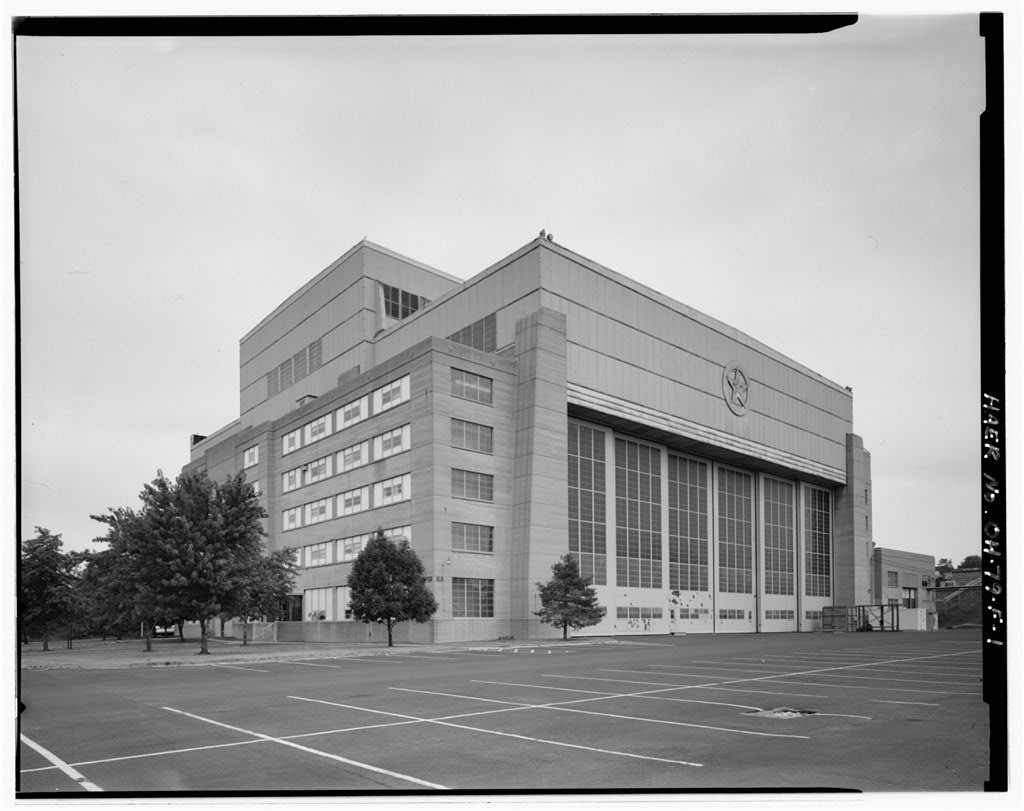
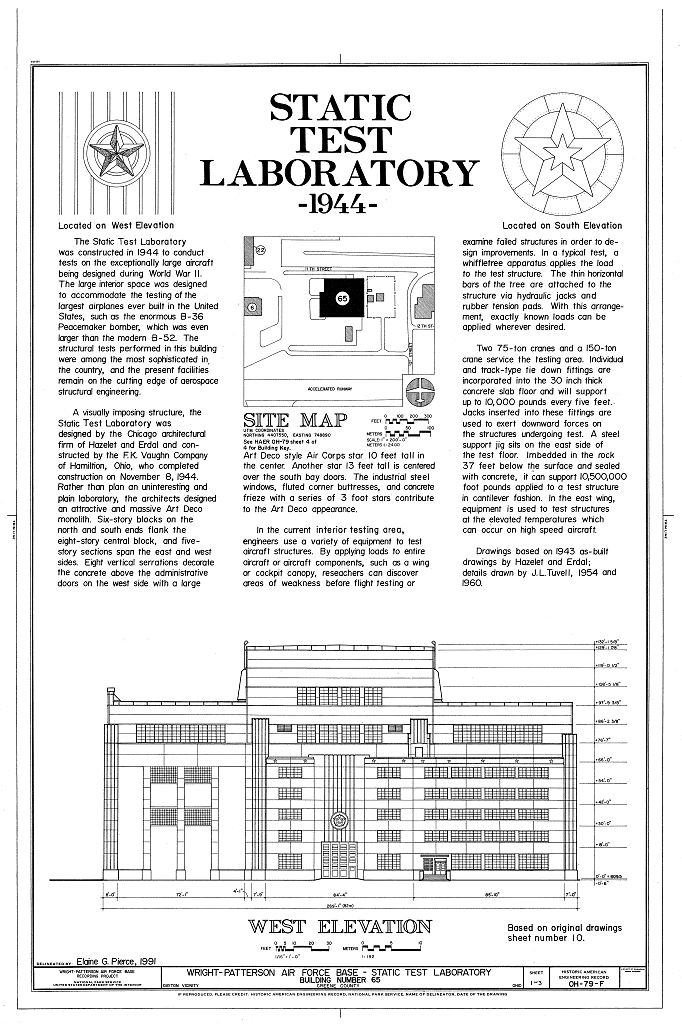
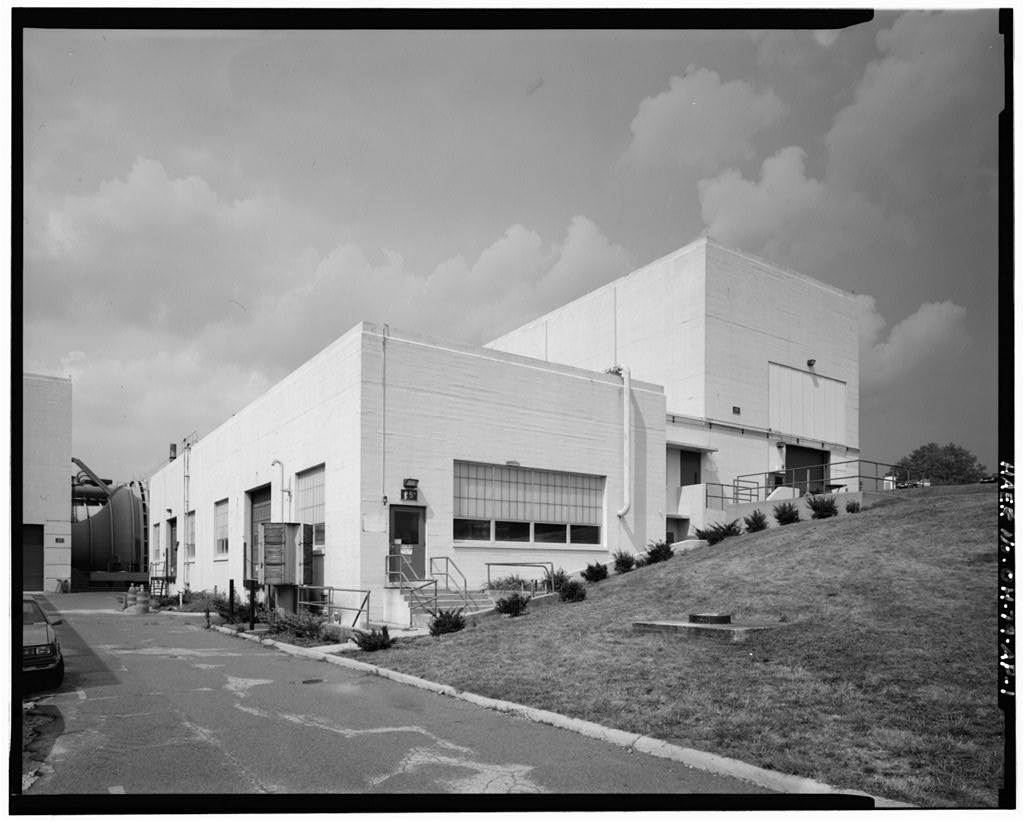
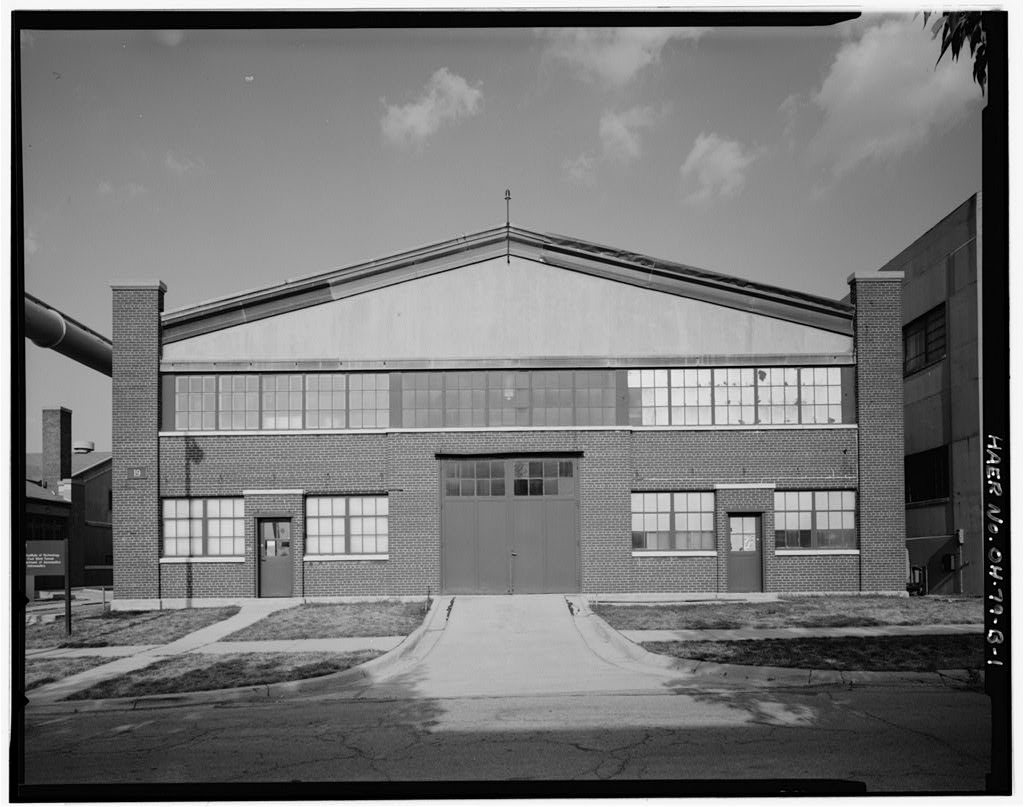
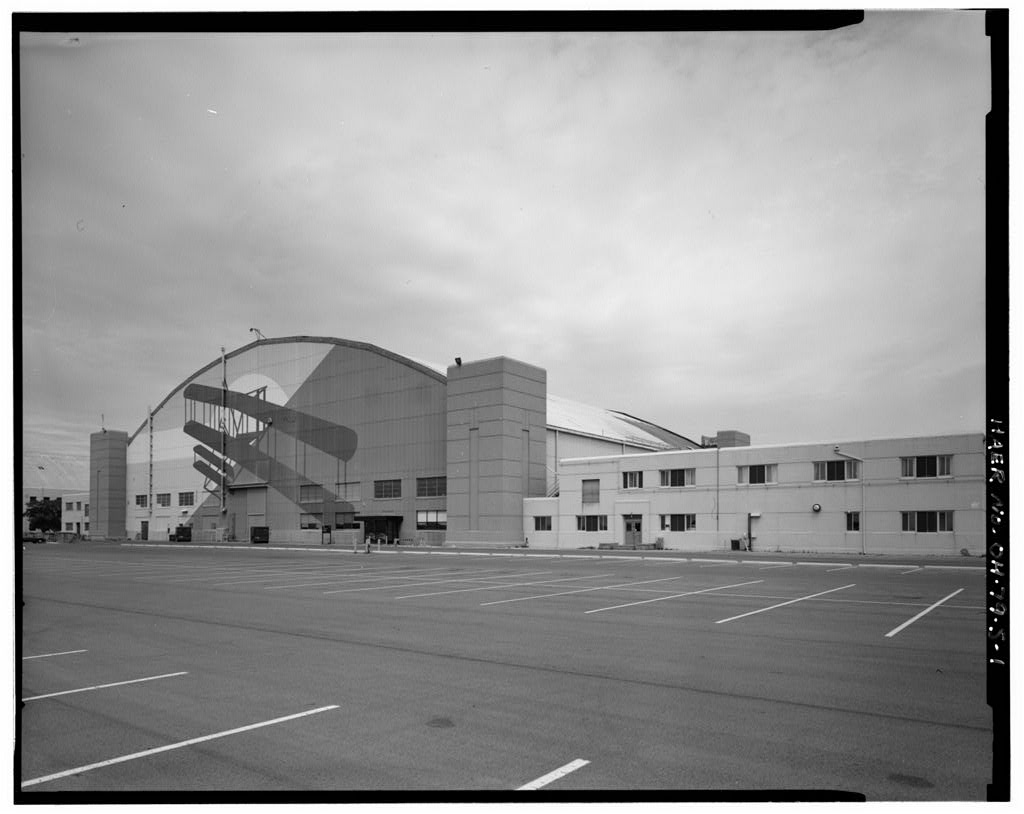
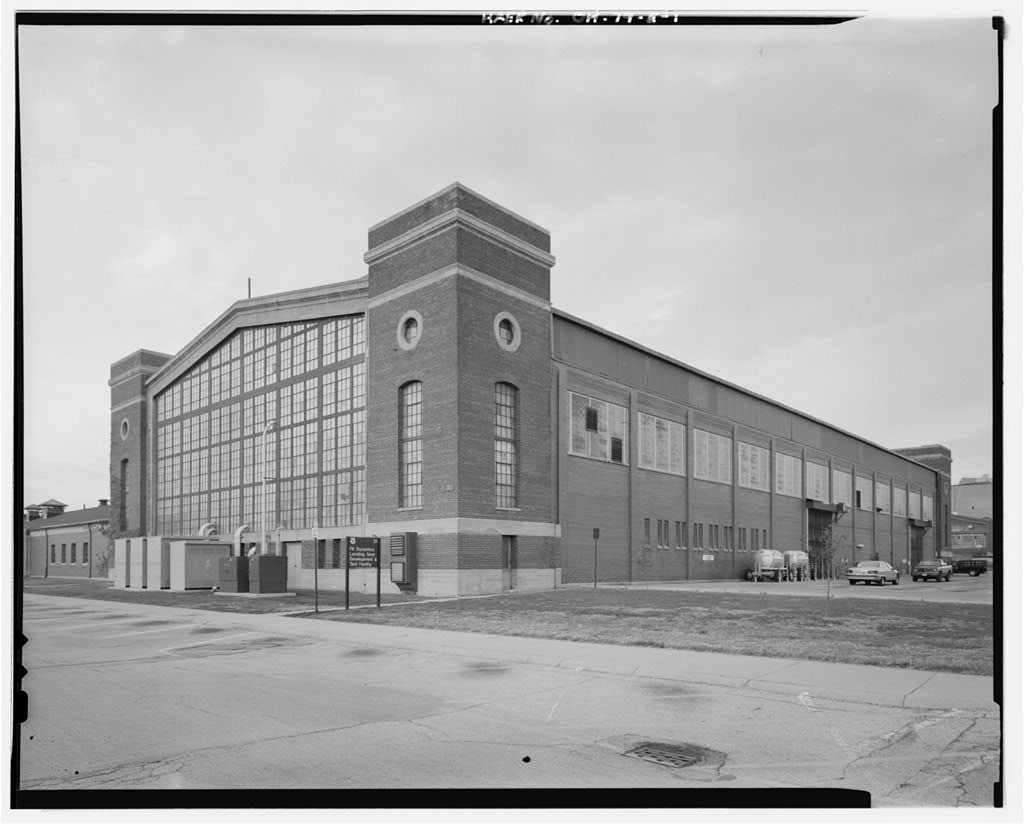
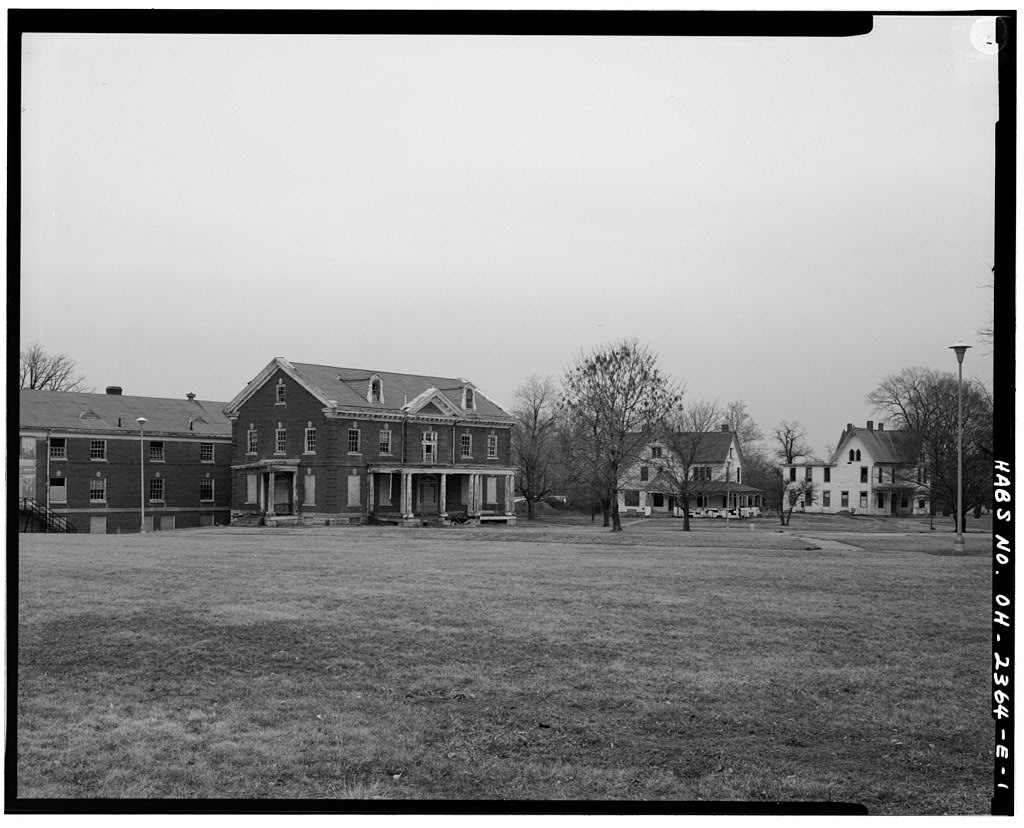
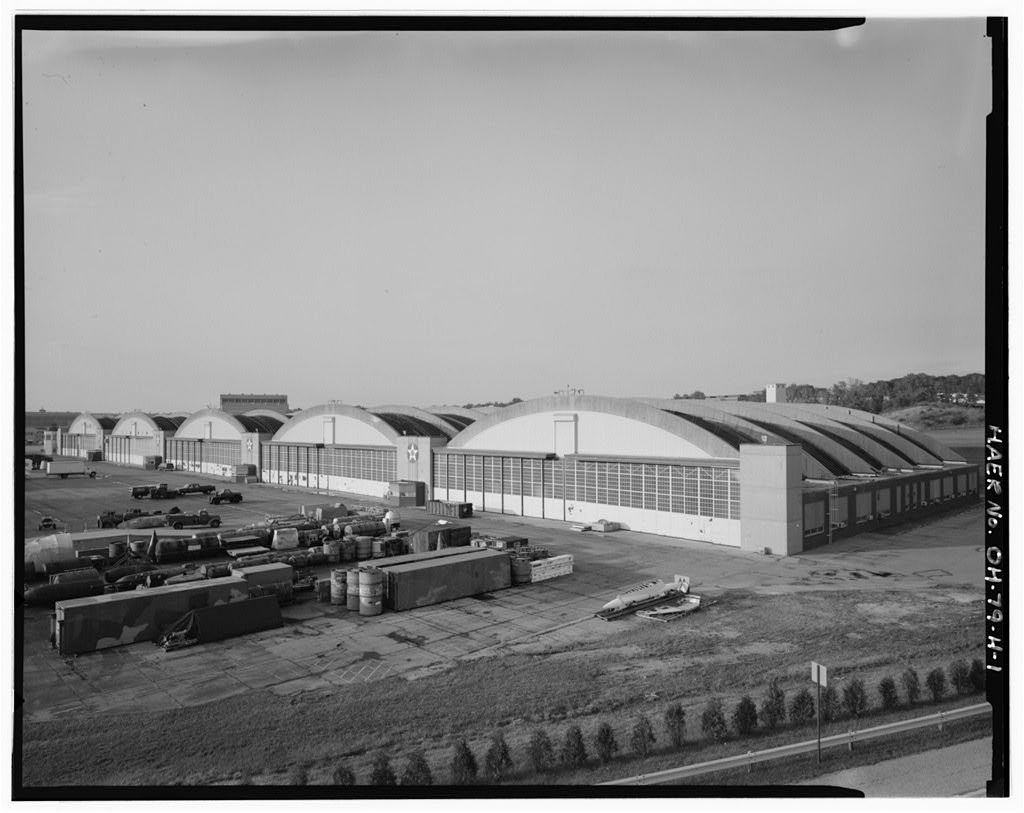
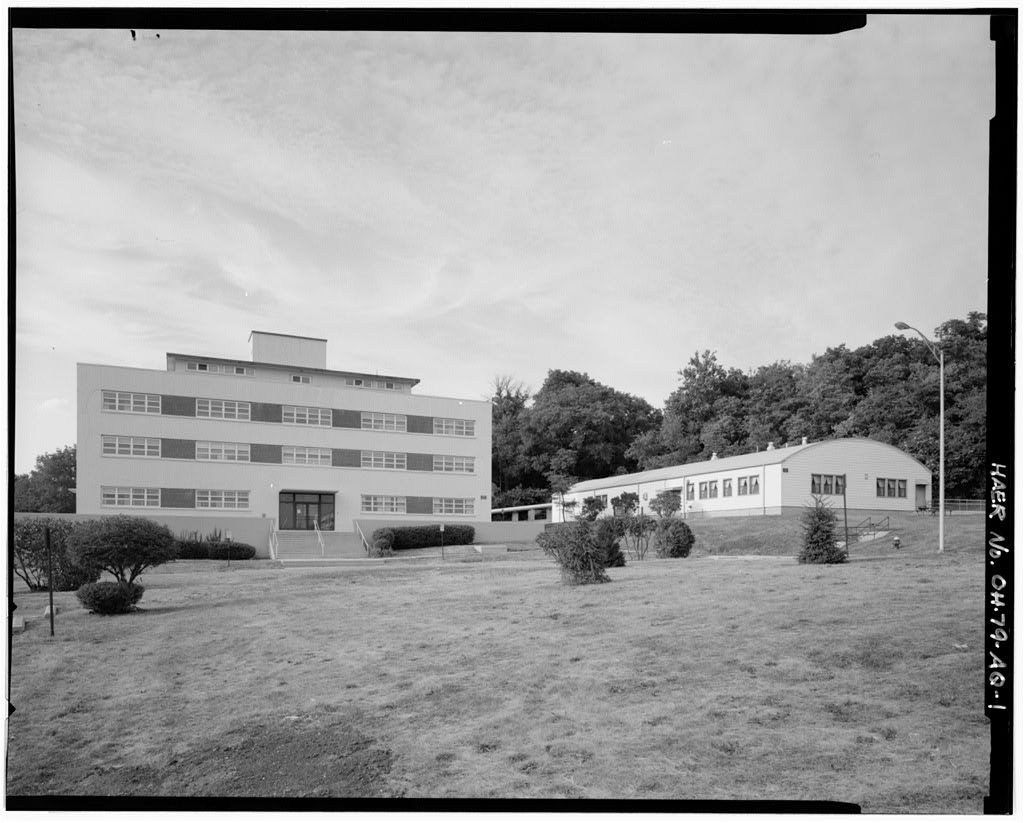
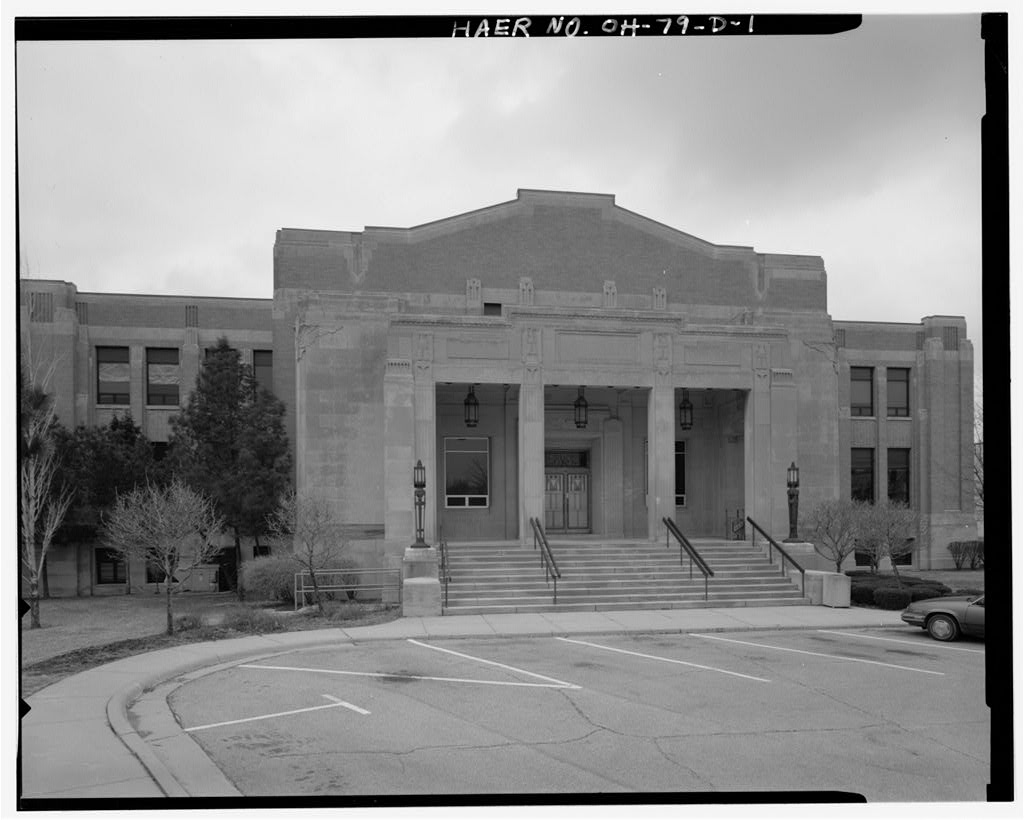
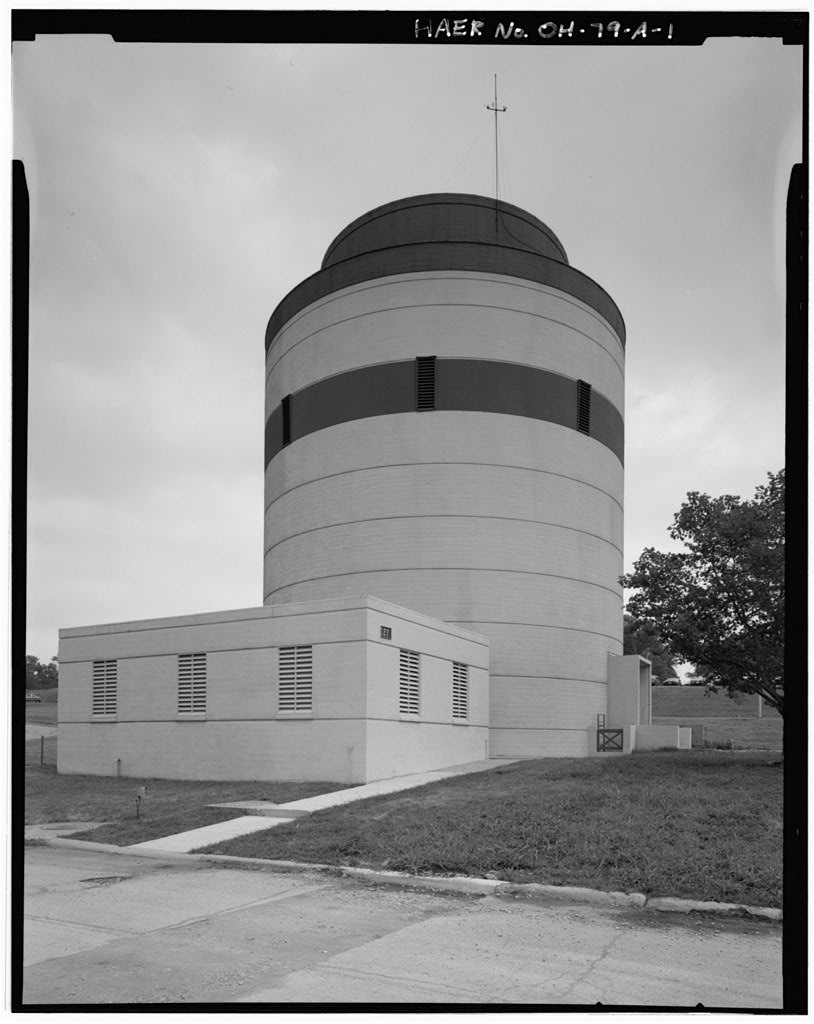
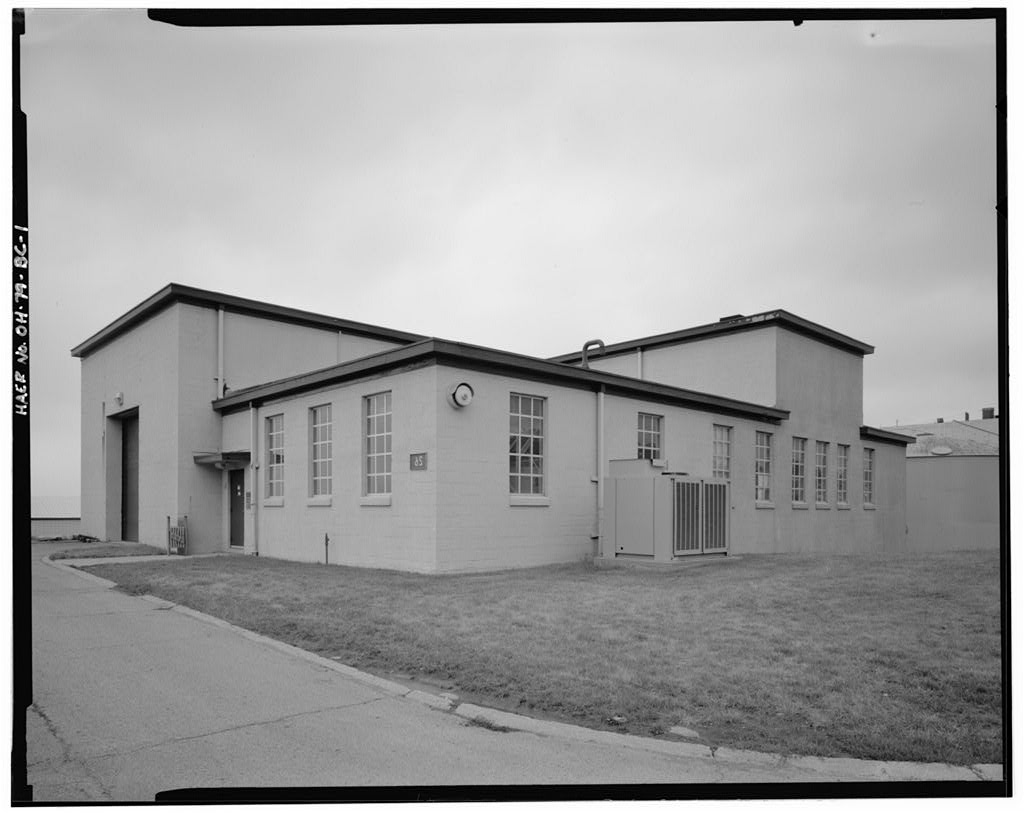
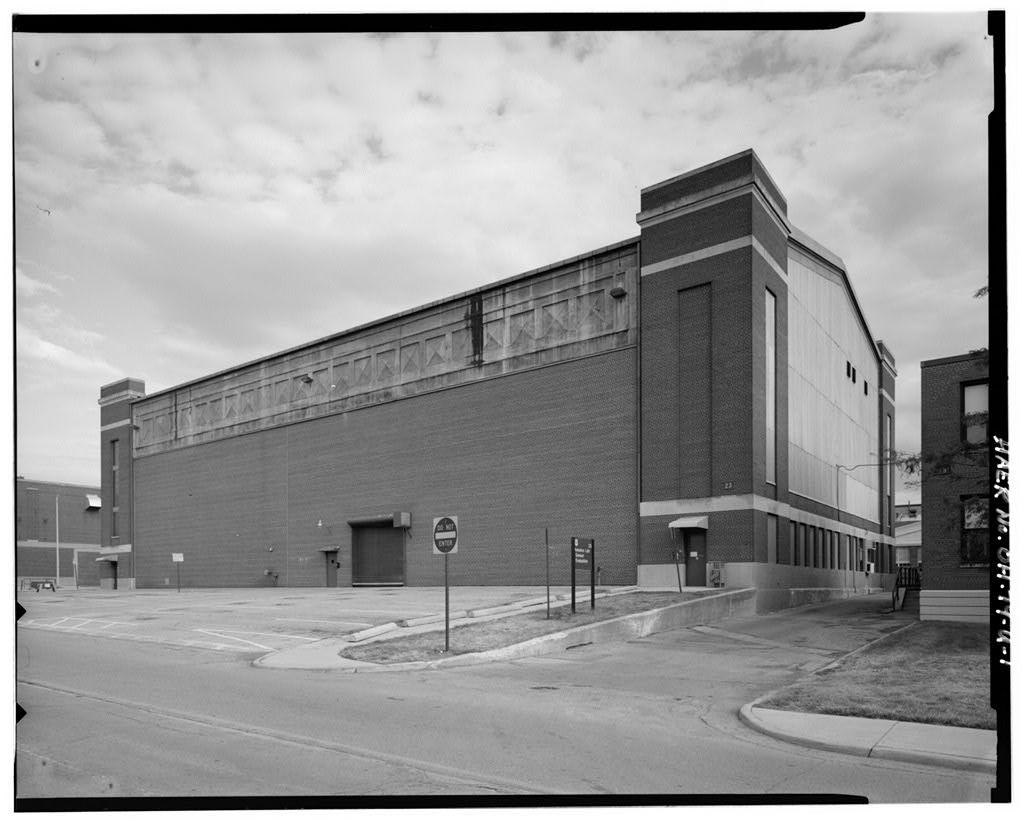
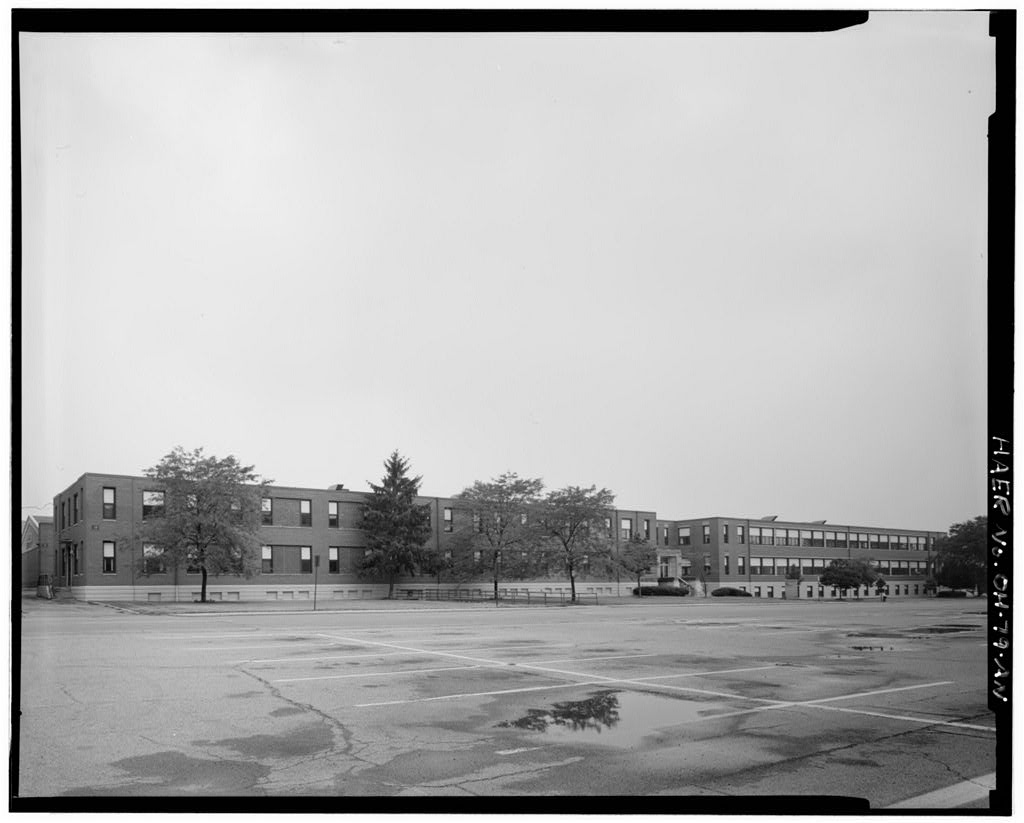
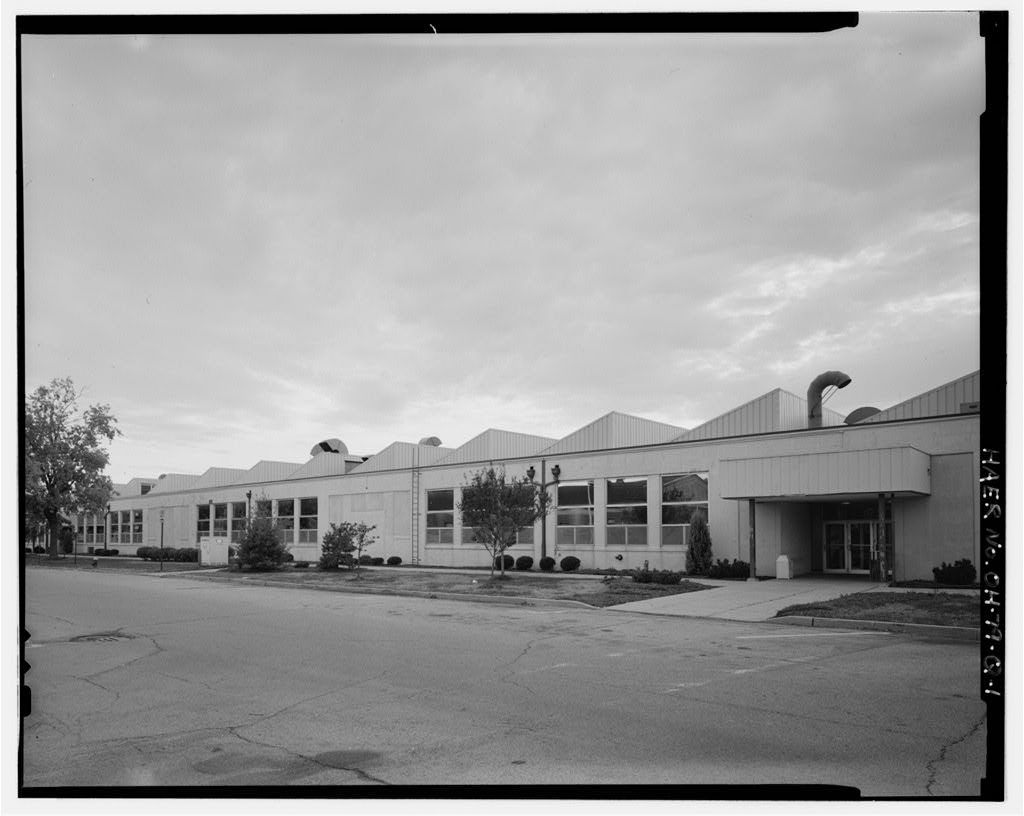
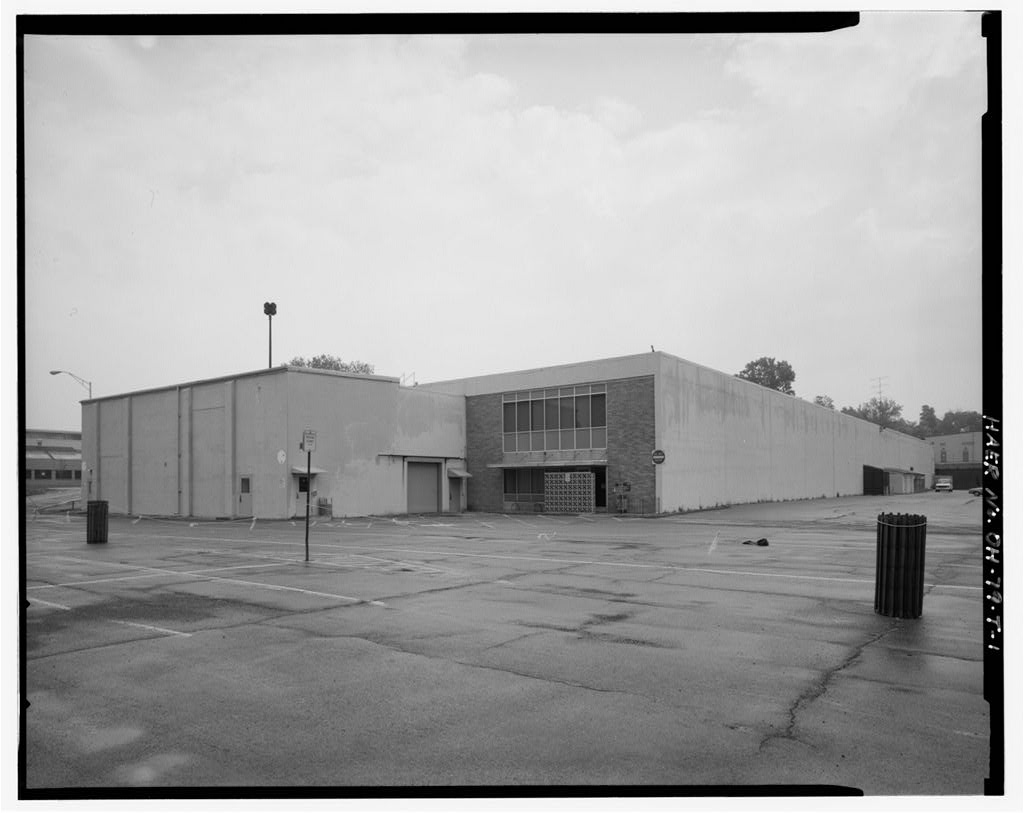
The Static Structural Test Laboratory is an imposing Art Deco building, consisting of an eight-story central block with six-story sections on the north and south ends, and five-story administrative blocks attached to the east and west sides. The sides of the central test building consist of variegated siding, some corrugated sheet steel and a poured concrete frame with brick infill. The floor of this section is 30"-thick concrete, based on solid rock, and covers x of open space. Steel anchor slots for securing planes and testing equipment are embedded in the floor every 5 feet and will support up to pounds. A steel support jig sits on the east side of the test floor. Two 75-ton cranes and a 150-ton crane currently service the test area.
Em- bedded in rock 3 7 feet below the surface and sealed with concrete, the 150-ton crane can support foot pounds applied to a test structure in cantilever fashion. Behind this, in the east wing, is equipment to test structures at the elevated temperatures that can occur on high-speed aircraft. The 69,-high administrative wings are cast-in-place concrete decorated by eight vertical serrations above the administrative doors on the west side with a 10' Art Deco-style Air Corps star in the center. Another 13* star is centered over the south bay doors. The industrial steel windows, fluted corner buttresses, and a concrete frieze with a series of 3' stars contribute to the Art Deco appearance.
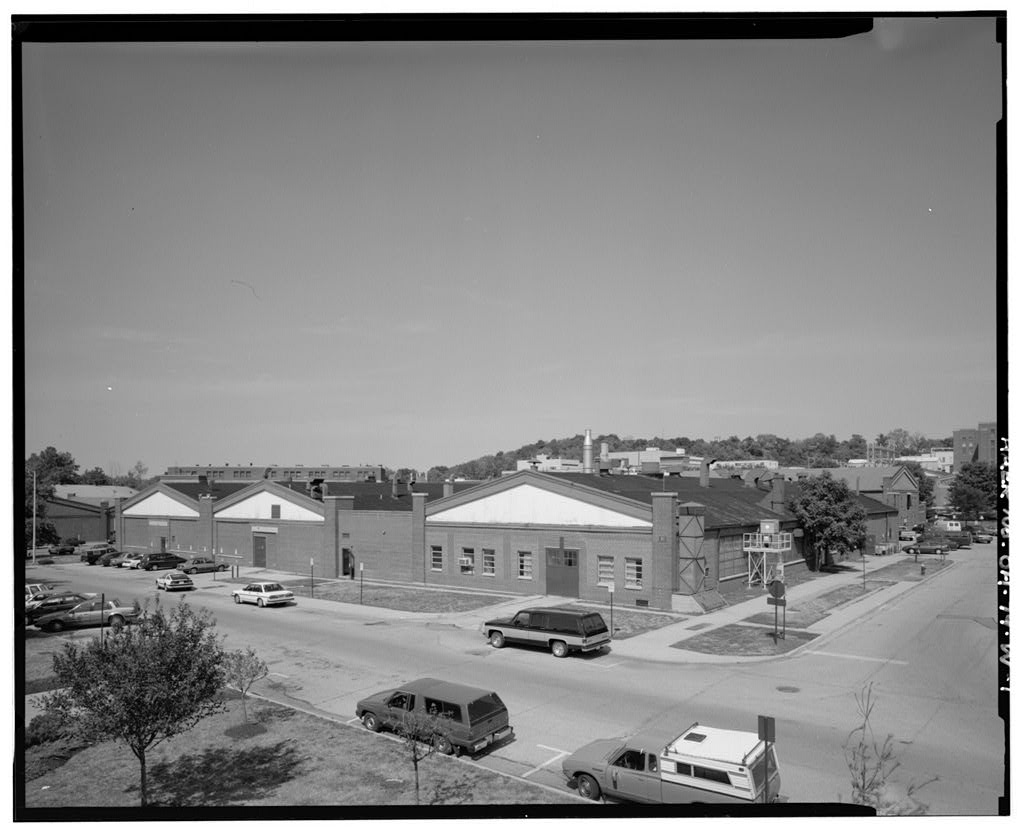
HISTORY: Static testing at Wright Field was initially conducted in the Aircraft Assembly Hangar (Building 31) , until the facility moved to Static Test Laboratory No. 1 (Building 23) in This building became inadequate due to increased activity prior to World War II, and was simply too small to house the unprecedentedly large aircraft being developed during the war; the Static Structural Test Laboratory (Building 65) was constructed in response to this problem. The architectural firm of Hazelet and Erdal of Chicago drew up the final design of the building, and the Vaughn Building Co.
of Hamilton, Ohio, completed construction on November 8, The new building provided enough space for the planned tests on the enormous B-3 6 Peacemaker intercontinental bomber, which was larger than the modern During World War II structures engineers began to devote more resources to fatigue testing, prompted by the huge increase in the number of flying hours that aircraft were subjected to each year. Fatigue failure was duplicated under laboratory conditions, some of the early tests being carried out on the nose gear, resulting in the development of a stronger gear. Additional data was accumulated from investigations of crashes. WRIGHT-PATTERSON AIR FORCE BASE, AREA B, BUILDING 65, STATIC TEST LABORATORY HAER No.
OH-79-F (Page 3) In the the laboratory began testing components taken directly from the production line, and under the Aircraft Structural Integrity Program (ASIP) the testing of "virgin" structures became standard in military contracts. This decade also witnessed the introduction of bonded-rubber tension pads, which could be attached to any part of the aircraft for batter distribution. In as part of a major effort to improve test facilities, the Elevated Temperature Test Facility was completed, originally as a 3-megawatt facility and now operating on 50 megawatts.
The first structures tested were the Titan, Thor and Hawk missiles; two years later the was the subject of the first ever full-scale elevated temperature static test, soon followed by the In the temperatures of F were achieved during testing. The witnessed a period when high temperature testing was eclipsed by other weapons systems testing, dictated by military requirements during the Vietnam conflict, but by the late the facility was operating at a greater capacity than ever before, and plans have been submitted to add additional modular graphite heating units which would produce temperatures in excess of F.
The most radical advancement in structures testing at Wright- Patterson, however, was the development of digital computers; in 19 58 the Division adopted a computerized structural analysis program which drastically accelerated the analytical process and yielded far more detailed results. Research included the examination of mission profiles to determine critical loading conditions and materials behavior studies to improve advanced vehicle design. Since the early the Analysis and Optimization Branch has operated the Aerospace Structures Information and Analysis Center (ASIAC), an agency for the accumulation, integration and dissemination of theoretical and applied structures data.
In a new computer-aided design program, STAGING (Structural Analysis through Generalized Interactive Graphics), enabled design engineers to graphically display mathematical models.
The program was superseded by CADS (Computer Aided Design System) in the early Other programs developed in the included FASTOP, which designed aircraft lifting surfaces; ASTROS (Automated Structural Optimization System) designed to integrate all the components involved in the early stages of aerospace structures design, including analyses for loads, strength, vibrations, aeroelasticity and design sensitivity; and SAMCJ (Strength Analysis of Multi-Fastener Composite Joints), which also provided support for the ICAM (Integrated Computer Aided Manufacturing) program at the Materials Directorate of Wright Laboratory. WRIGHT-PATTERSON AIR FORCE BASE, AREA B, BUILDING 65, STATIC TEST LABORATORY HAER No.
OH-79-F (Page 4) For bibliography, see Wright-Patterson Air Force Base overview report (HAER No. OH-7 9).
 Block
Block