BlockBefore

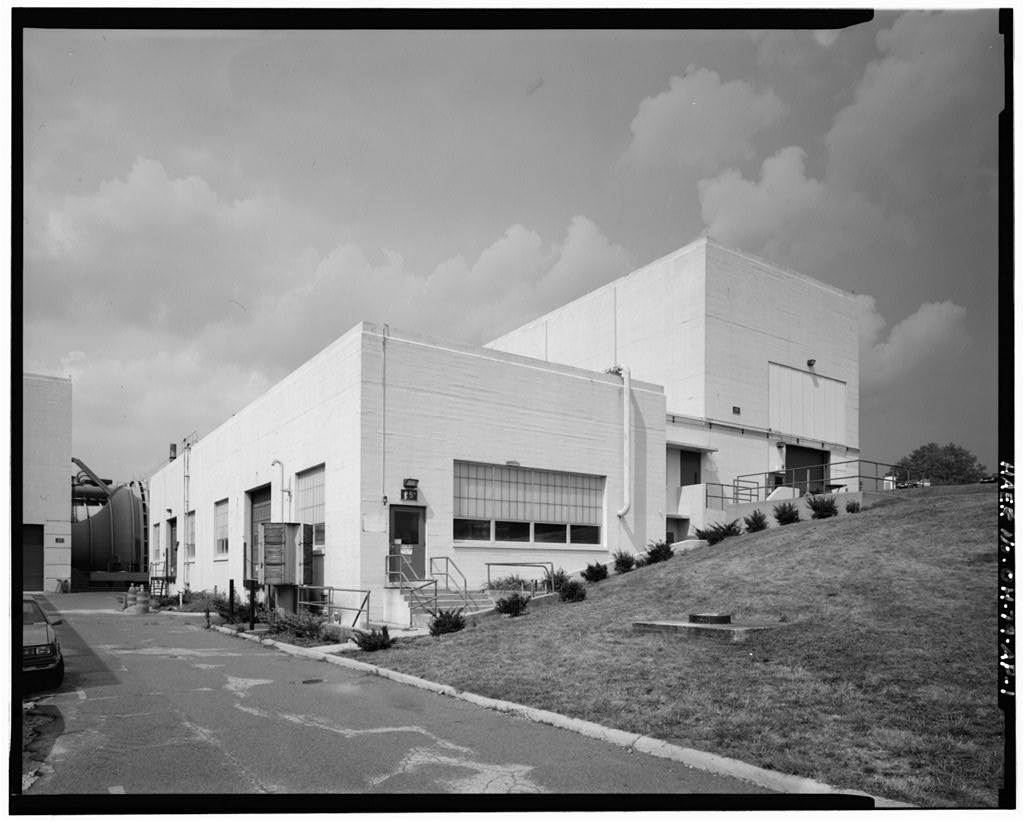
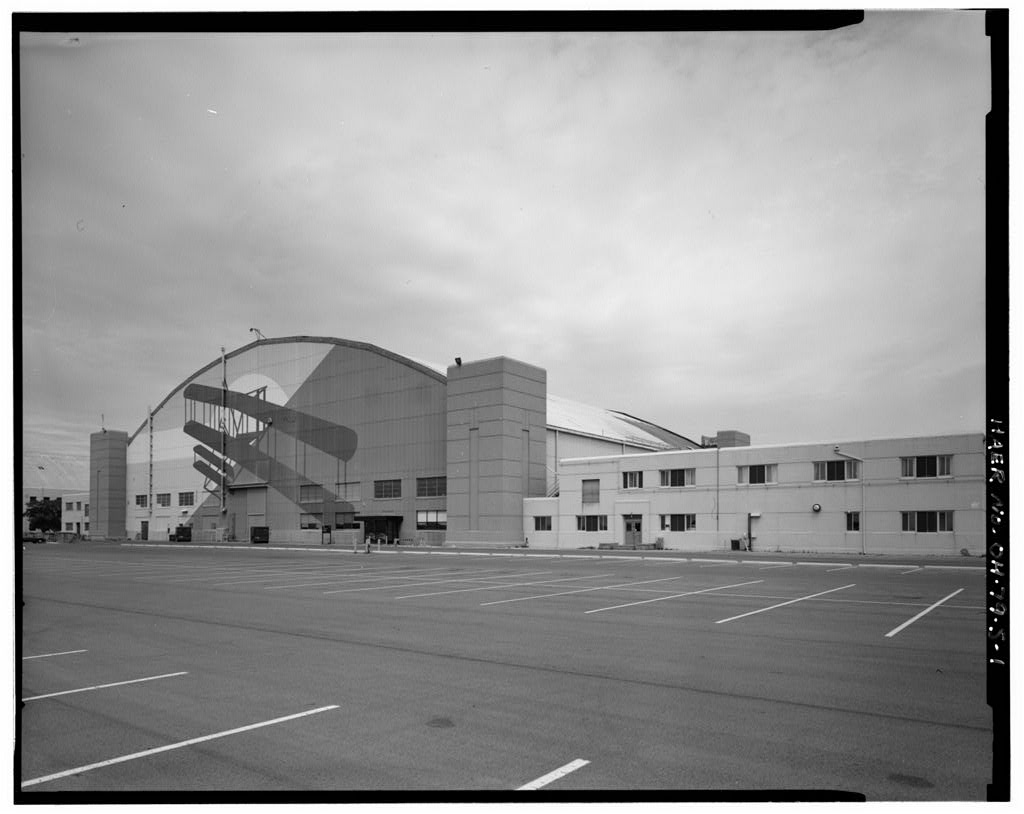
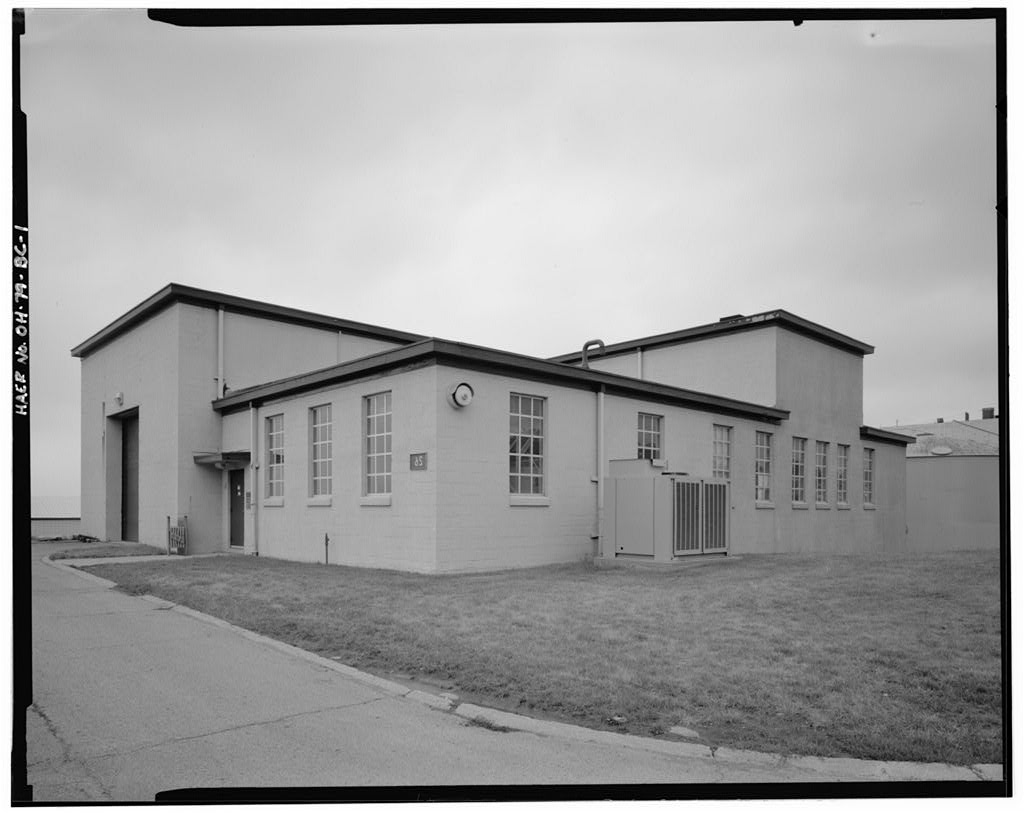
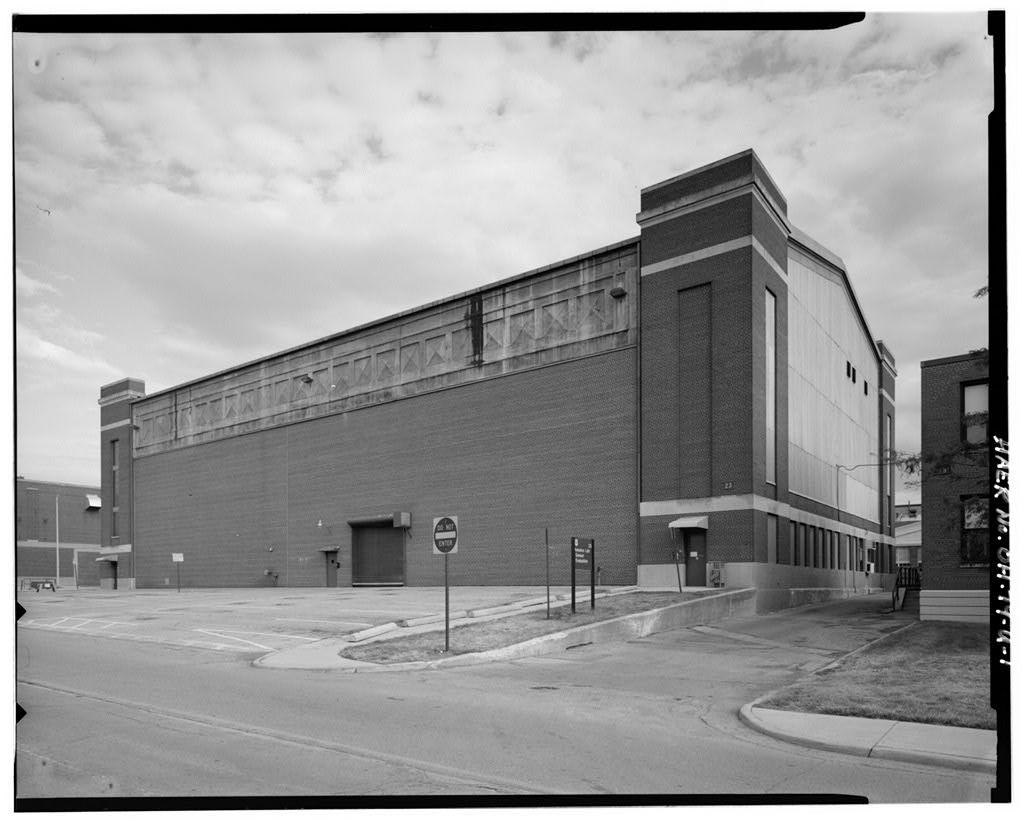
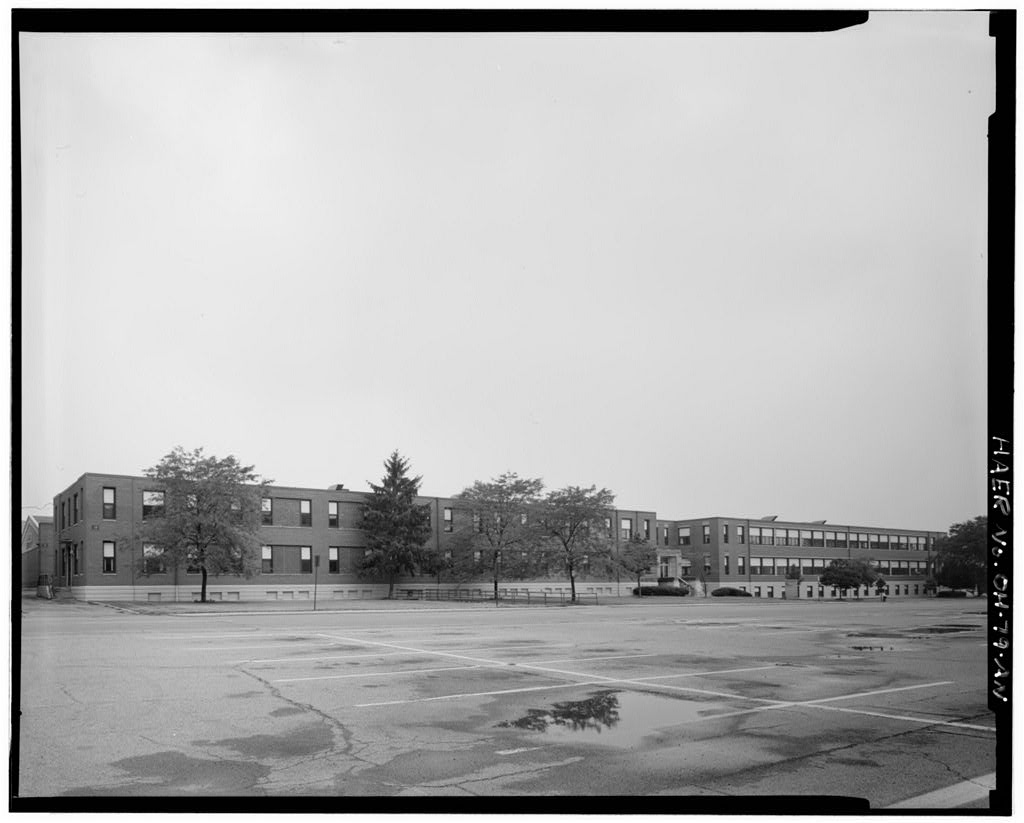
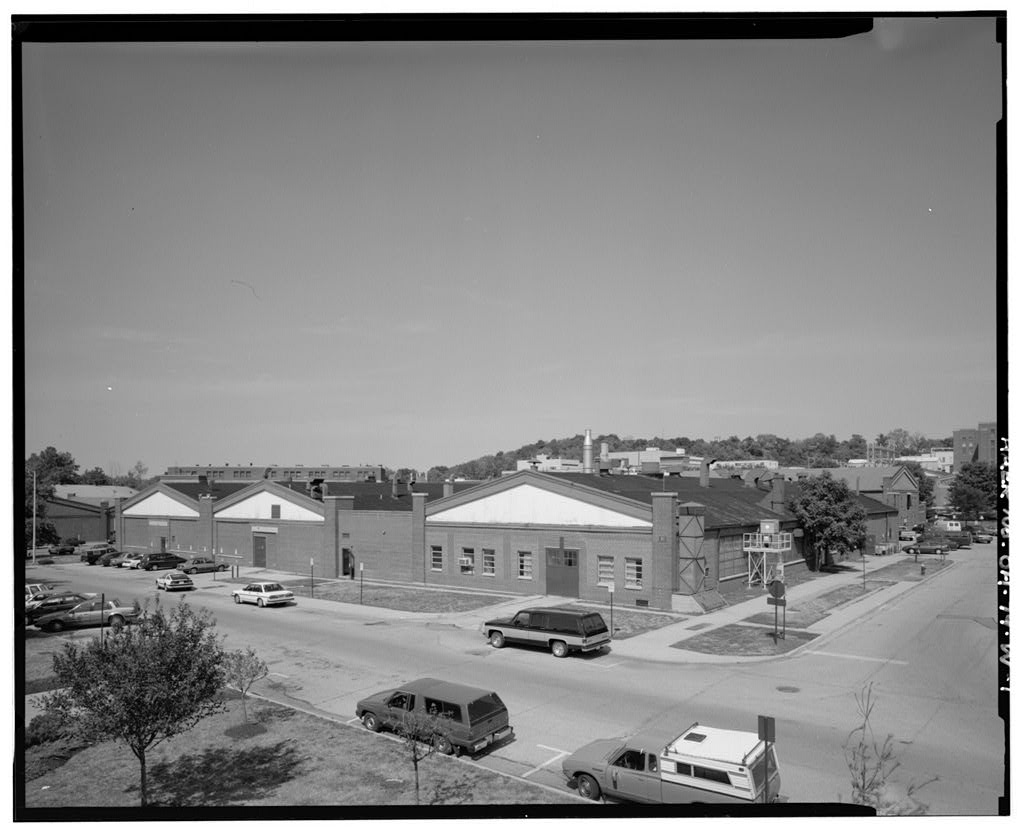
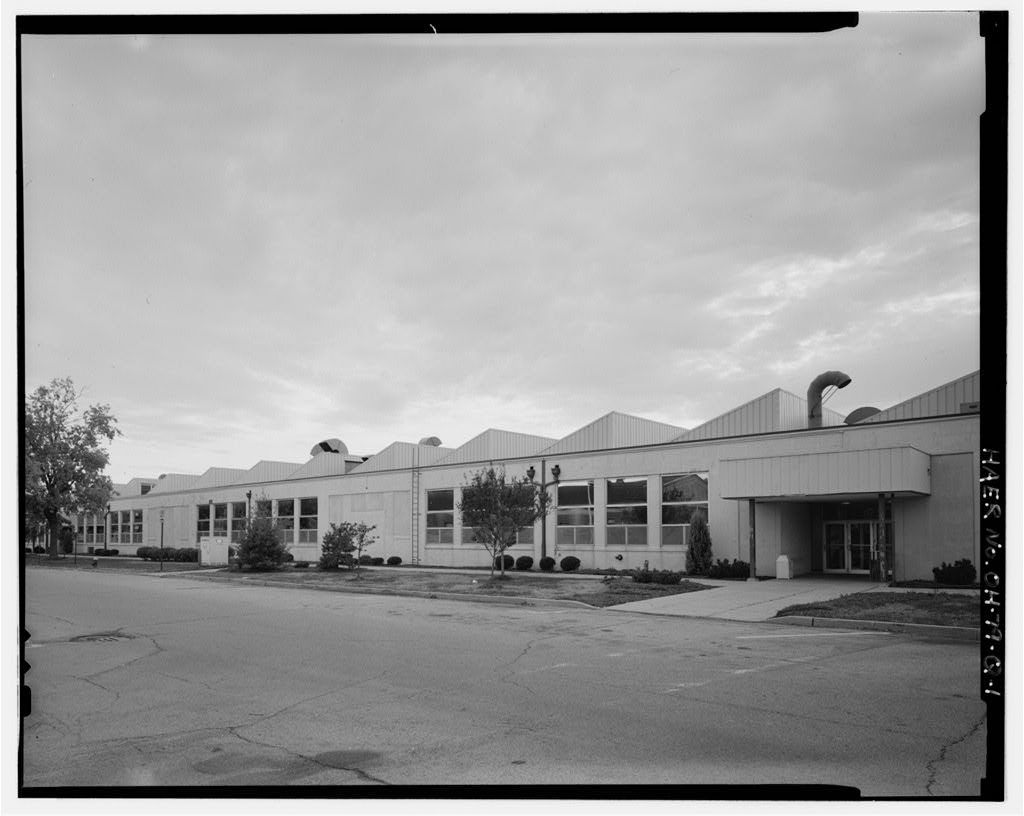
Wright-Patterson Air Force Base, Area B, Building 21, Old Armament Building, Southwest corner of Seventh & E Streets, Dayton

Wright-Patterson Air Force Base, Area B, Building 21, Old Armament Building, Southwest corner of Seventh & E Streets, Dayton, Montgomery County, OH. Surveyed as HAER OHIO,29-DAYT.V,1R-, with 1 photograph and a 888-word written history.

From the record

“Important development of equipment designed to increase both the firepower and bombing capabilities of aircraft took place in this early Wright Field building.”

Written record, HAER OHIO,29-DAYT.V,1R- survey. Machine-read text.

surveyed by the federal HAER program as HAER OHIO,29-DAYT.V,1R- · the record runs 888 words · one of 121 surveyed structures published for this county.

Sources: the survey record at the Library of Congress

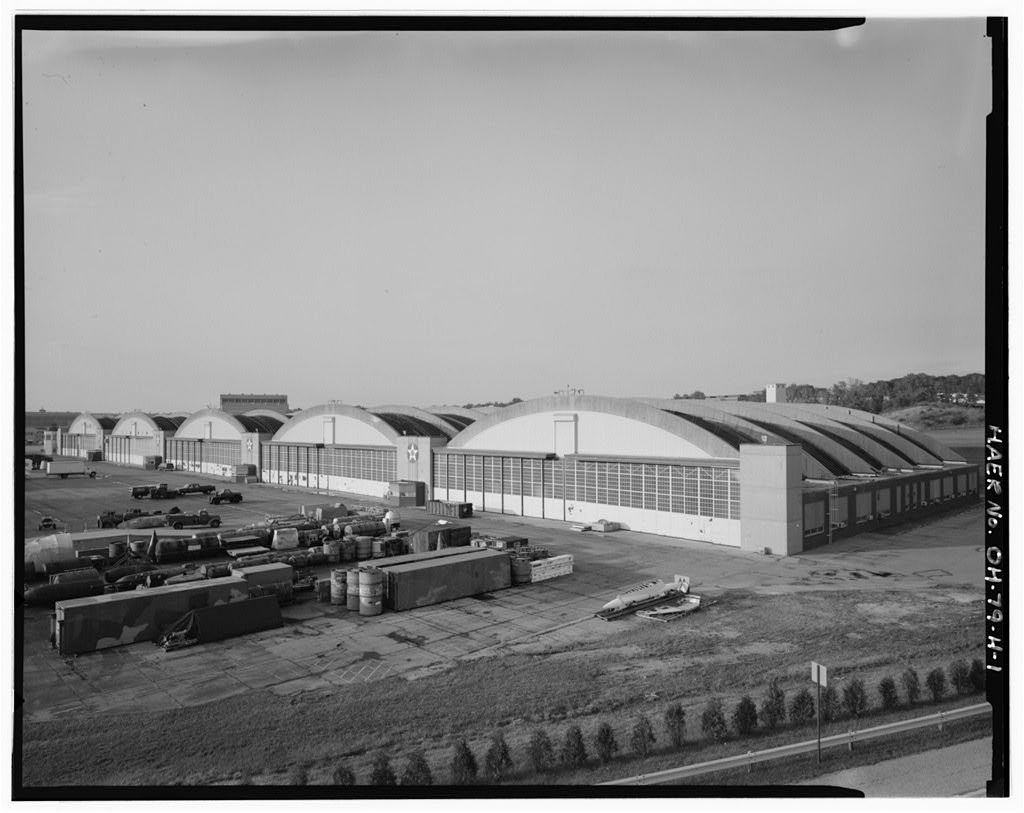
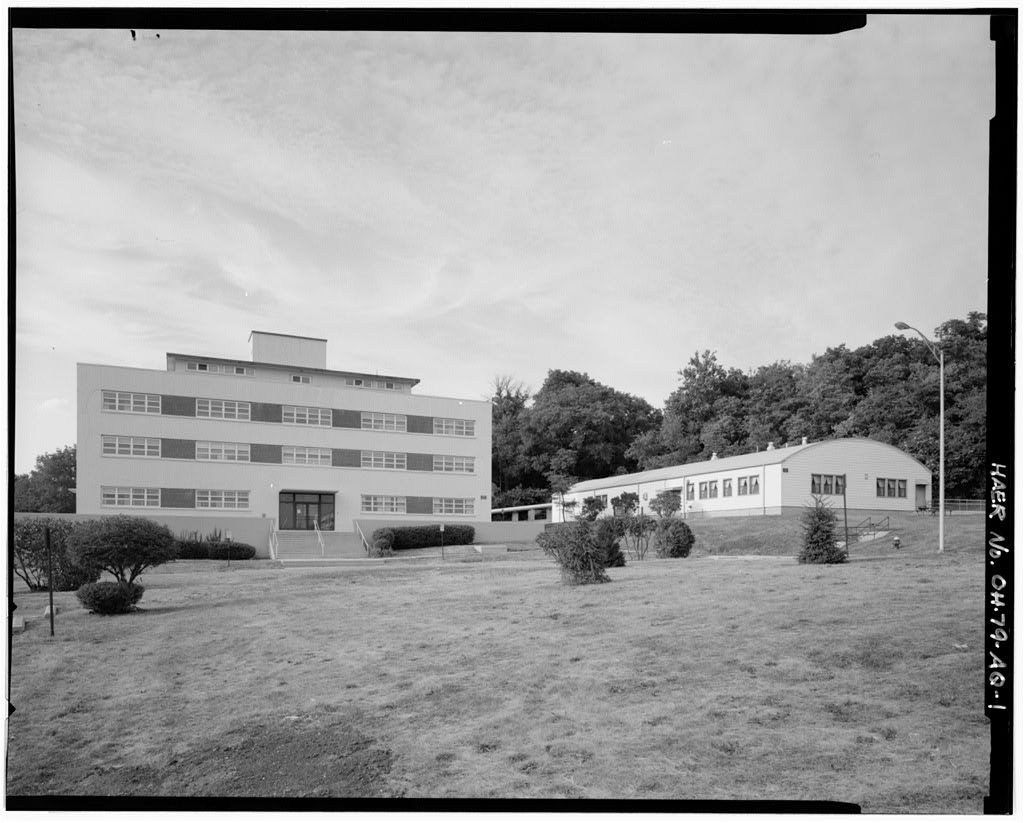
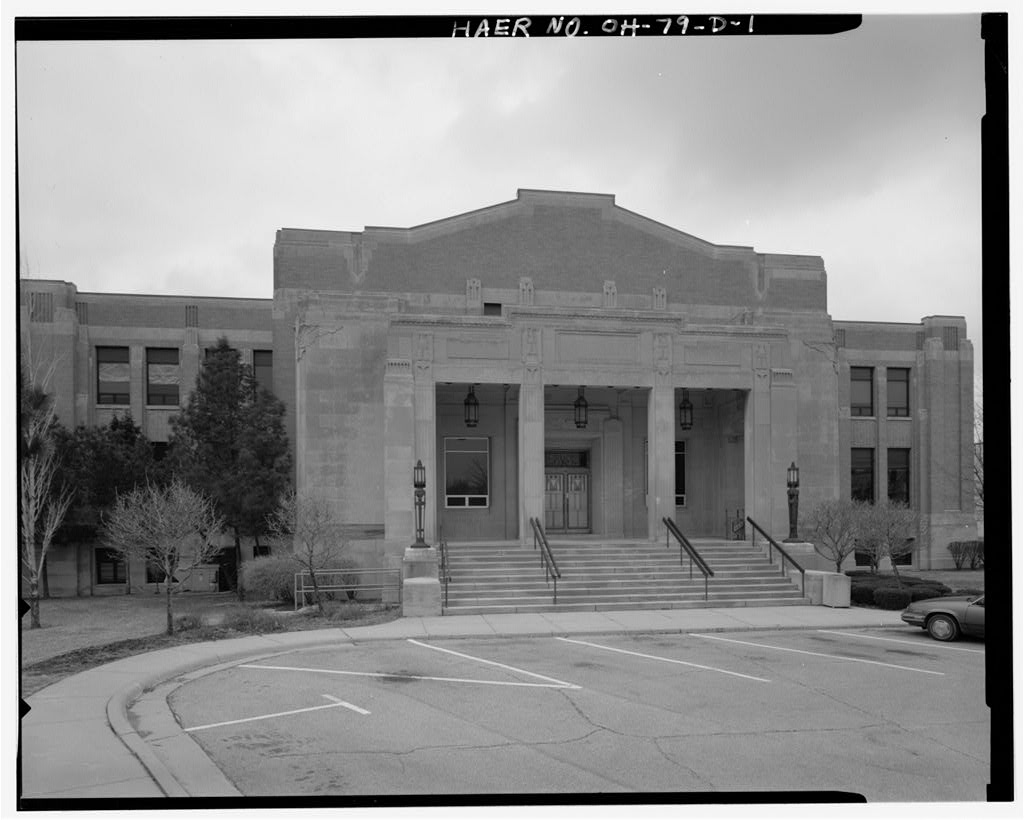
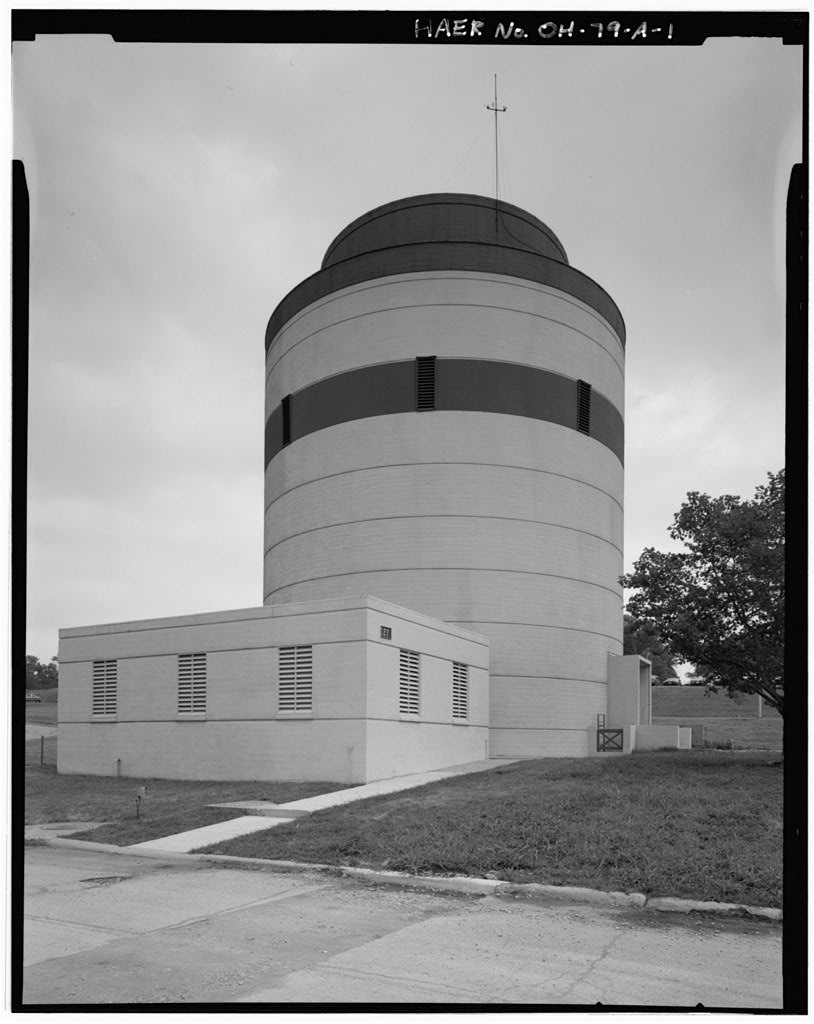
Wright-Patterson Air Force Base, Area B, Building 21, Old Armament Building, Southwest corner of Seventh & E Streets, Dayton, Montgomery County, OH, photograph filed with the federal survey

1 photograph from the federal survey record, Library of Congress.

Significance

94 words

Source document Quoted word for word from HAER OHIO,29-DAYT.V,1R-. Not written, edited or summarised by this site.

Important development of equipment designed to increase both the firepower and bombing capabilities of aircraft took place in this early Wright Field building. Building 21 has been modified extensively, but still retains some of the original structure where weapons research was performed in the Project History: This report is part of the overall Wright- Patterson Air Force Base, Area B documentation project conducted by HAER See overview report, HAER No. OH-79, for a complete description of the project. WRIGHT-PATTERSON AIR FORCE BASE, AREA B, BUILDING 21, OLD ARMAMENT BUILDING HAER No. OH-79-R (Page 2)

DESCRIPTION

686 words

Source document Quoted word for word from HAER OHIO,29-DAYT.V,1R-. Not written, edited or summarised by this site.

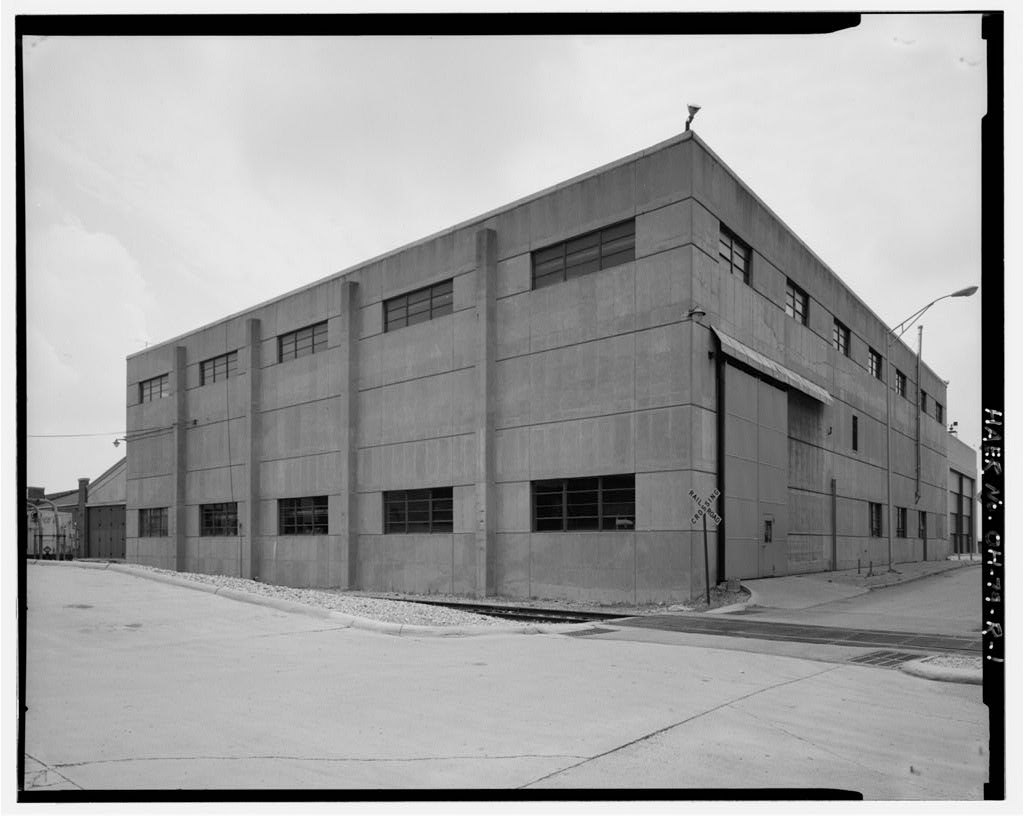
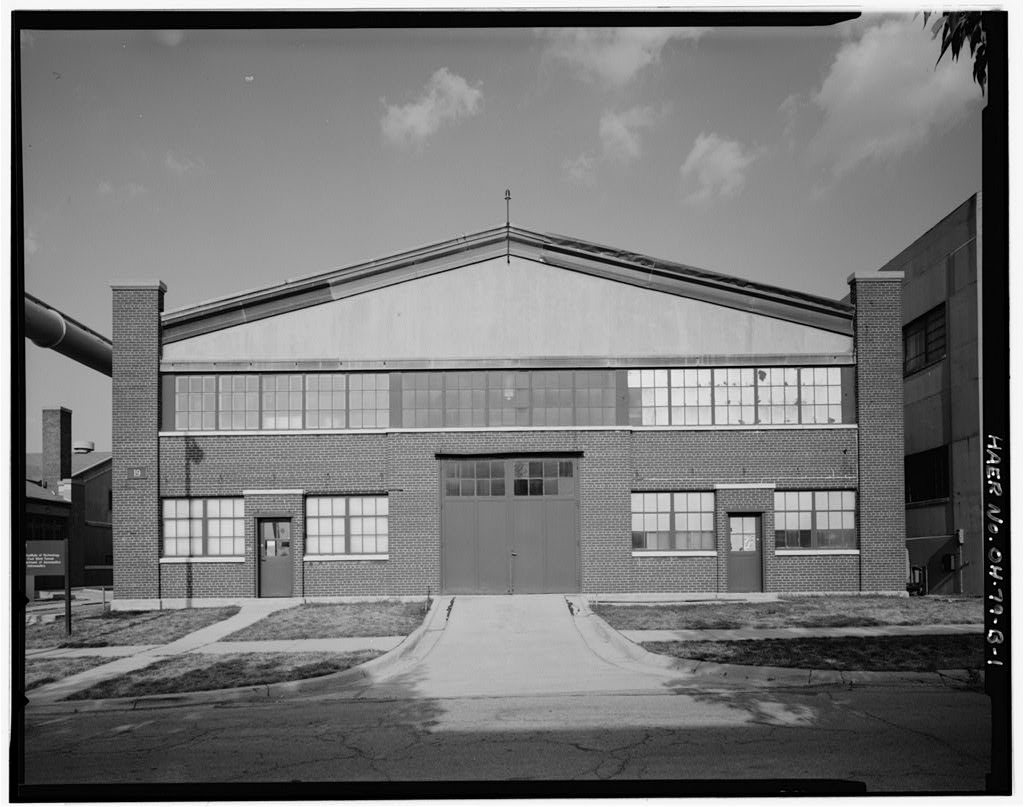
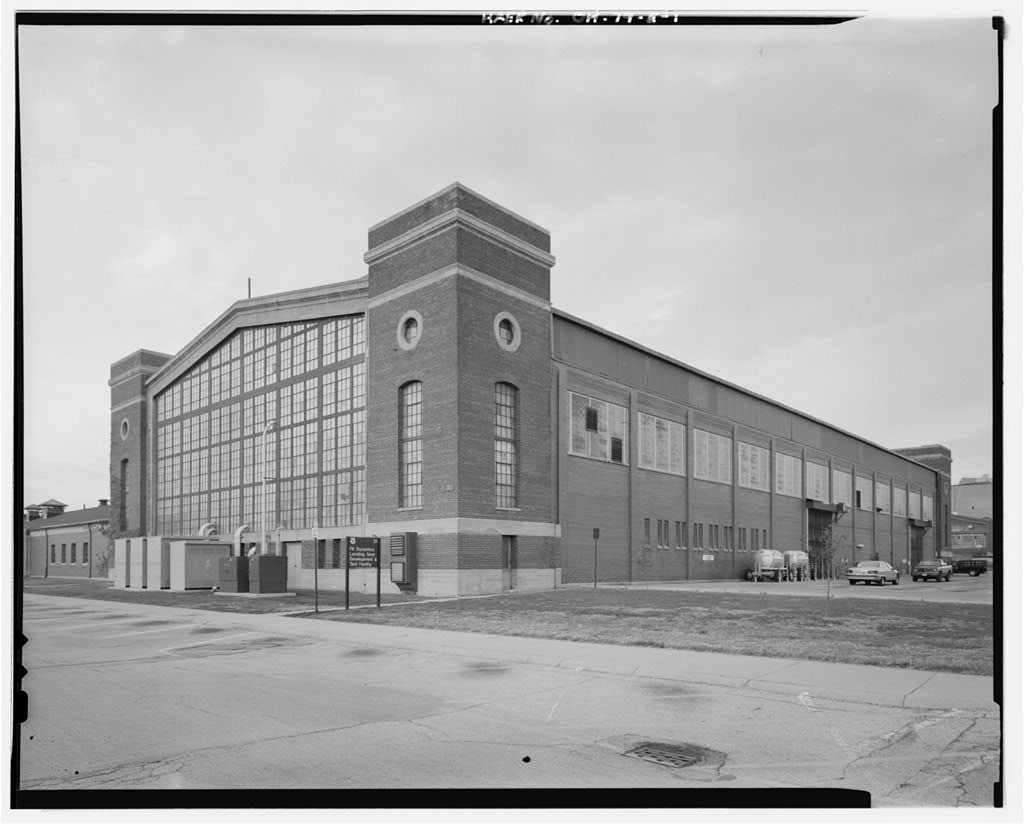
The Old Armament Building is a six-course, American bond brick building with a low-pitched roof and copper entablature in the Greek Revival style. There are two bays, one facing east and the other south, each with concrete capitals on rectangular columns at the corners. Originally the building consisted of two adjacent, but perpendicular, gabled bays in the typical Wright Field style a north section that faced north and a slightly larger southern section with gables facing east and west. In an east-facing bay was added to match the north-facing bay. The north-facing bay was demolished in In its place a large concrete addition now towers above the original portion and its slightly newer neighbor to the south. Of the present structure's 2 square feet, only square feet is original.

HISTORY: In two years after the dedication of Wright Field, the Air Corps Materiel Division constructed Building 21 as its Armament Laboratory. At this facility and the gun range which extended to the east, personnel developed and tested many of the weapons utilized by the Allied forces during the first half of World War II. The Armament Laboratory designed equipment to increase both the firepower and bombing capabilities of aircraft. Wright Field engineers modernized the .30 and .50 caliber machine gun systems that were most common on American aircraft during World War II. They designed cooling systems which allowed gunners to safely increase the rate of fire.

This was especially important in attacks against ground targets, since the swift aircraft of World War II spent less time over their targets than previous aircraft. Gun sights and synchronizers were also improved and tested at the Armament Laboratory. The most important advance in aircraft gunnery was the development of flexibly-mounted machine guns. The heavy .50 caliber guns also required power-mechanisms to operate their turrets effectively. With these systems, gunnery specialists on large bombers could adequately defend themselves even in the absence of fighter protection. The bomber possessed twelve .50 caliber machine guns, gaining it the nickname "Flying Fortress." The Armament Laboratory fairly revolutionized bombing tactics with the development of improved bombsights.

These specially designed devices adjusted for air speed, wind speed, altitude, bomb trajectory, and aircraft pitch and yaw. This allowed a timed release of bombs at pre-selected intervals. While such systems cannot compare with the laser-guided systems of today, they did increase the deadly effects of medium and high-altitude bombing, which were safer for pilots than the low-altitude bombing runs formerly necessary to ensure accurate bomb delivery. WRIGHT-PATTERSON AIR FORCE BASE, AREA B, BUILDING 21, OLD ARMAMENT BUILDING HAER No.

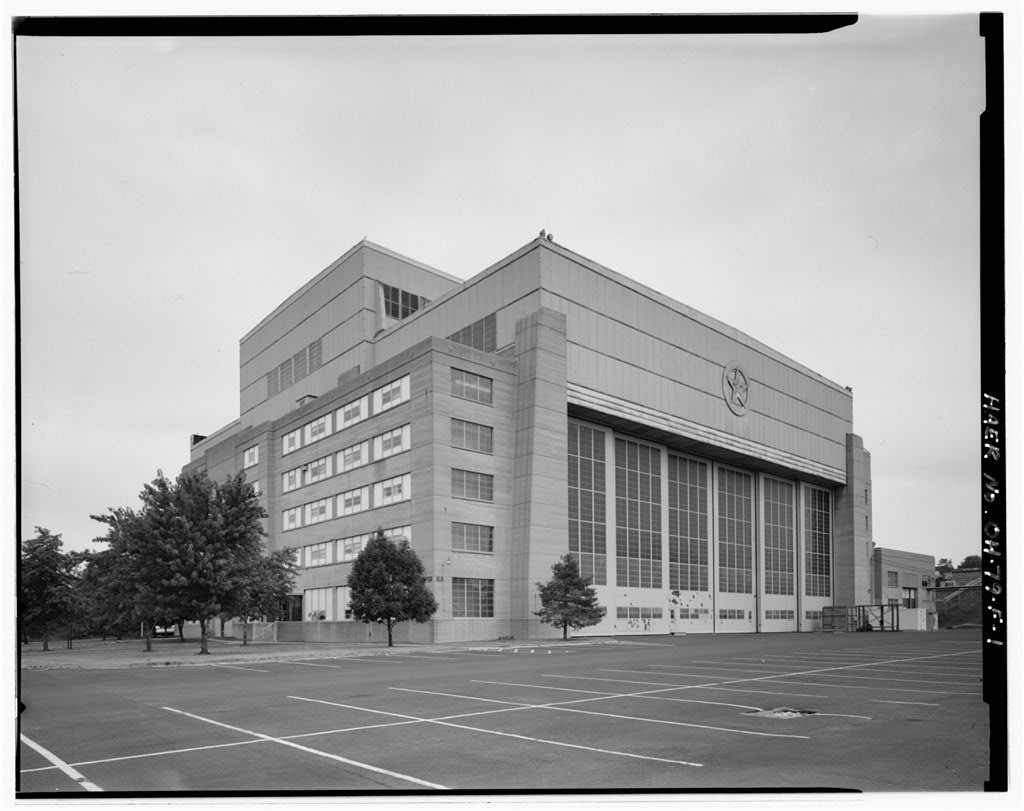
(Page 3) An east-facing bay was added to Building 21 in However, as with other original Wright Field laboratories, Building 21 was superseded by new buildings constructed during World War II, in this case the much larger facility of Building 22, the Armament Laboratory Hangar. In the north bay was demolished and a 21,OOO-square-foot concrete addition was constructed on the site. Building 21 was assigned to the Propulsion Laboratory and became the engine set-up facility, assembling and preparing engines for tests in the Building 71 complex, which extends both east and west of Building 21. The addition was equipped with a ten-ton bridge crane in each of its high bays and a two-ton bridge crane in each of its low bays .

These cranes were used to lift and carry engines and components and were retained later in the 195 0s when Building 21 became known as the Fabrication Services Building. Still supporting the Propulsion Laboratory, it was used for the fabrication and assembly of test equipment and also contained four small vibration tables to test small engine components under vibrational stress. Two of the tables were mechanical, and two were electromagnetic. Over the last several decades, Building 21 has continued its history as a general purpose maintenance shop for the Propulsion Laboratory.

Today it contains maintenance support facilities for the Fuel Farm, which is adjacent to the south, and the Compressor Research Facility, located in Building 20A, which tests new compressors and fans for jet engines. For bibliography, see Wright-Patterson Air Force Base overview report (HAER No.

In context

Dayton, Ohio The place record: every map, photograph and survey of this town.
Montgomery County, Ohio 86 topographic sheets across the county.
Library of Congress record The original filed report, and the sheets the survey produced. Those published here appear above.

Also surveyed in Dayton

24 of 107 records shown

The federal surveyors worked through Dayton building by building. These are the other structures they measured and filed a report on, longest report first.

SheetStructure SurveyReport
Wright-Patterson Air Force Base, photograph filed with the federal surveyWright-Patterson Air Force BaseHAER OHIO,29-DAYT.V,2-18,145 words
Wright-Patterson Air Force Base, photograph filed with the federal surveyWright-Patterson Air Force BaseHAER OHIO,29-DAYT.V,1-17,117 words
Southern Ohio Lunatic Asylum, photograph filed with the federal surveySouthern Ohio Lunatic AsylumHABS OHIO,57-DAYT,5-4,977 words
Wright-Patterson Air Force Base, photograph filed with the federal surveyWright-Patterson Air Force BaseHAER OHIO,29-DAYT.V,1AP-3,380 words
National Home for Disabled Volunteer Soldiers, photograph filed with the federal surveyNational Home for Disabled Volunteer SoldiersHABS OHIO,57-DAYT,11-2,810 words
City of Dayton Municipal Building, photograph filed with the federal surveyCity of Dayton Municipal BuildingHABS OHIO,57-DAYT,3-2,247 words
Dayton National CemeteryHALS OH-3-A2,206 words
Paul Laurence Dunbar HouseHABS OHIO,57-DAYT,4-2,104 words
Wright-Patterson Air Force Base, photograph filed with the federal surveyWright-Patterson Air Force BaseHAER OHIO,29-DAYT.V,1B-2,104 words
Wright-Patterson Air Force Base, photograph filed with the federal surveyWright-Patterson Air Force BaseHAER OHIO,29-DAYT.V,1S-1,641 words
Wright-Patterson Air Force Base, photograph filed with the federal surveyWright-Patterson Air Force BaseHAER OHIO,29-DAYT.V,1E-1,628 words
National Home for Disabled Volunteer Soldiers, photograph filed with the federal surveyNational Home for Disabled Volunteer SoldiersHABS OHIO,57-DAYT,11E-1,592 words
Bonebreak Theological SeminaryHALS OH-171,561 words
Old Montgomery County Courthouse, photograph filed with the federal surveyOld Montgomery County CourthouseHABS OHIO,57-DAYT,2-1,501 words
Wright-Patterson Air Force Base, photograph filed with the federal surveyWright-Patterson Air Force BaseHAER OHIO,29-DAYT.V,1H-1,327 words
Wright-Patterson Air Force Base, photograph filed with the federal surveyWright-Patterson Air Force BaseHAER OHIO,29-DAYT.V,1AQ-1,289 words
Wright-Patterson Air Force Base, photograph filed with the federal surveyWright-Patterson Air Force BaseHAER OHIO,29-DAYT.V,1D-1,251 words
Wright-Patterson Air Force Base, photograph filed with the federal surveyWright-Patterson Air Force BaseHAER OHIO,29-DAYT.V,1A-1,205 words
Wright-Patterson Air Force Base, photograph filed with the federal surveyWright-Patterson Air Force BaseHAER OHIO,29-DAYT.V,1BC-1,153 words
Wright-Patterson Air Force Base, photograph filed with the federal surveyWright-Patterson Air Force BaseHAER OHIO,29-DAYT.V,1U-1,139 words
Wright-Patterson Air Force Base, photograph filed with the federal surveyWright-Patterson Air Force BaseHAER OHIO,29-DAYT.V,1AN-1,105 words
Wright-Patterson Air Force Base, photograph filed with the federal surveyWright-Patterson Air Force BaseHAER OHIO,29-DAYT.V,1W-1,104 words
Wright-Patterson Air Force Base, photograph filed with the federal surveyWright-Patterson Air Force BaseHAER OHIO,29-DAYT.V,1Q-1,078 words
Wright-Patterson Air Force Base, photograph filed with the federal surveyWright-Patterson Air Force BaseHAER OHIO,29-DAYT.V,1F-1,059 words

Provenance

  • Written history. Quoted verbatim from HAER OHIO,29-DAYT.V,1R-. United States federal work, no copyright under 17 U.S.C. 105.
  • Text capture. Machine-read from the scanned typescript filed with the survey, so spelling and spacing follow the original page.
  • How this page is made. Documentary passages are quoted from linked records; page labels and counts are clearly marked as presentation or calculations.