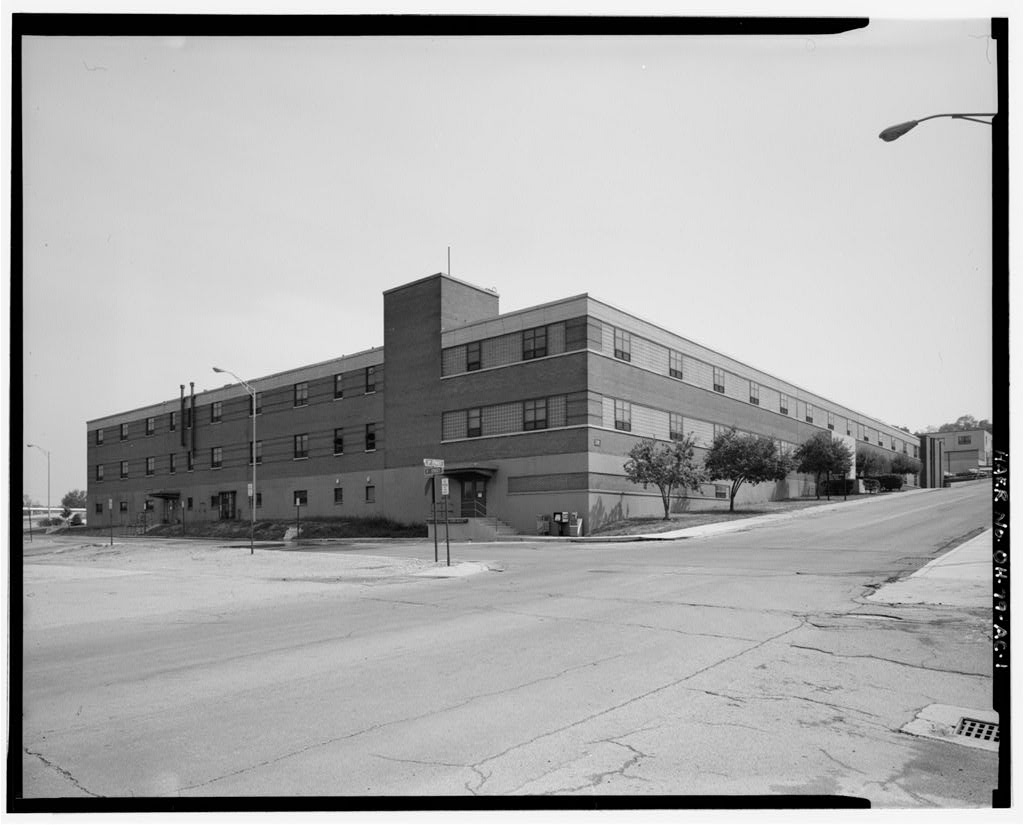
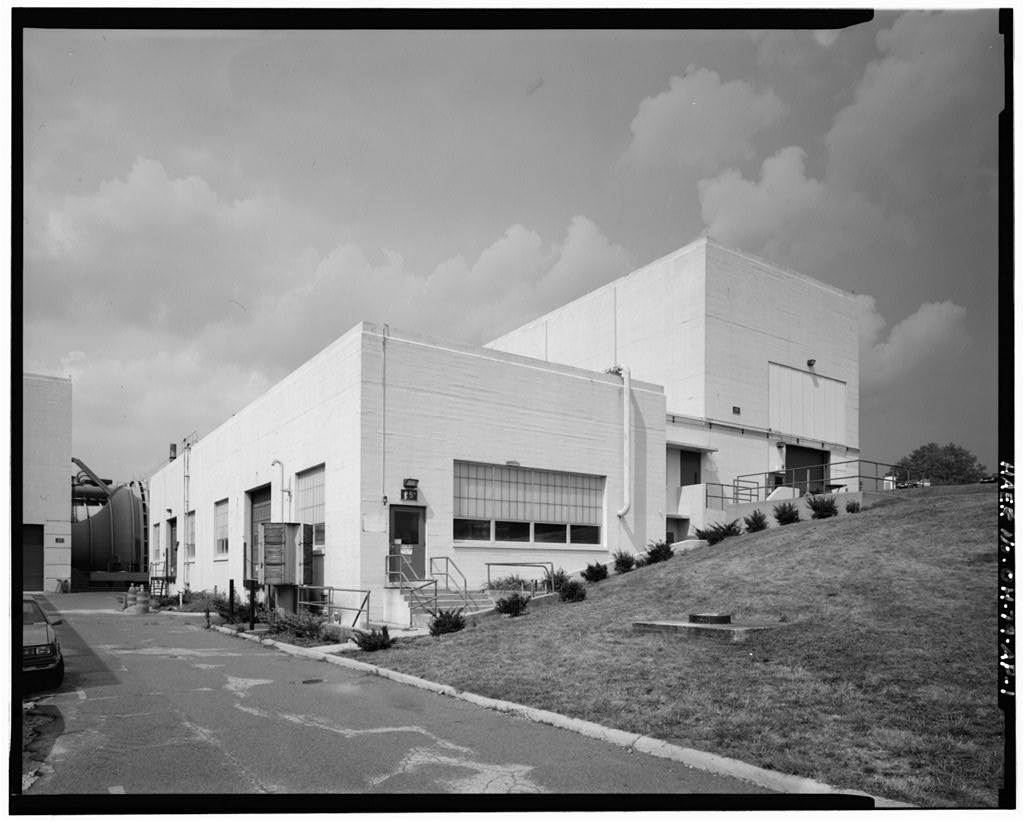
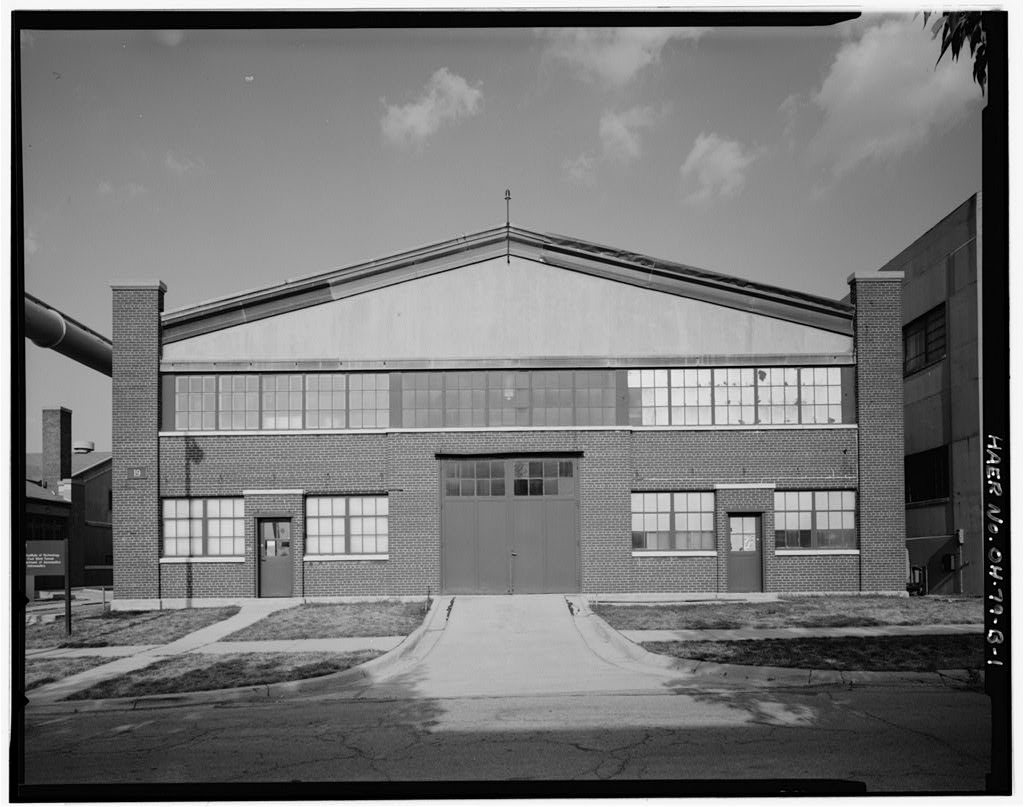
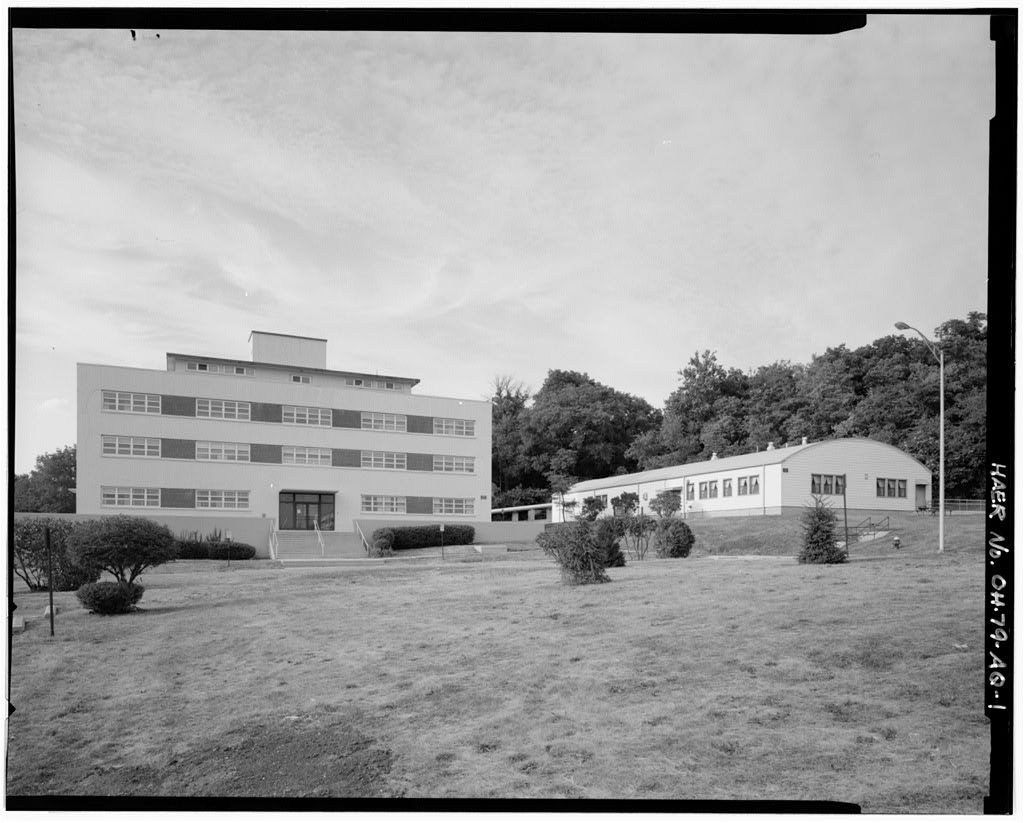
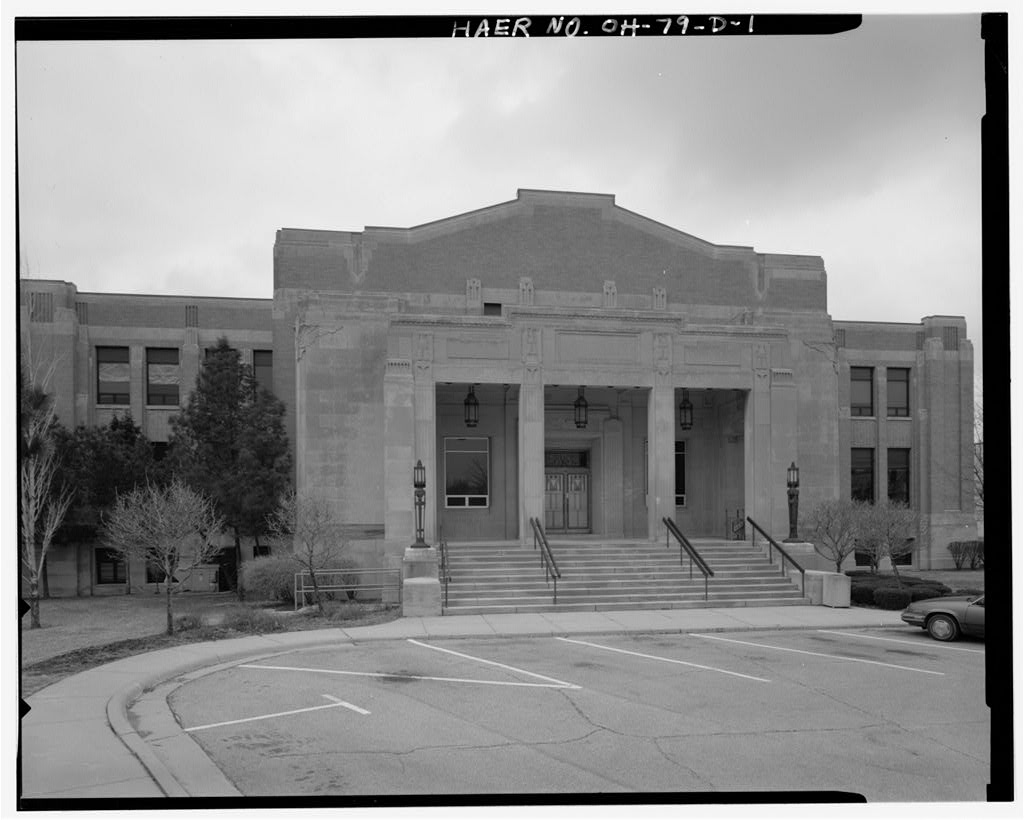
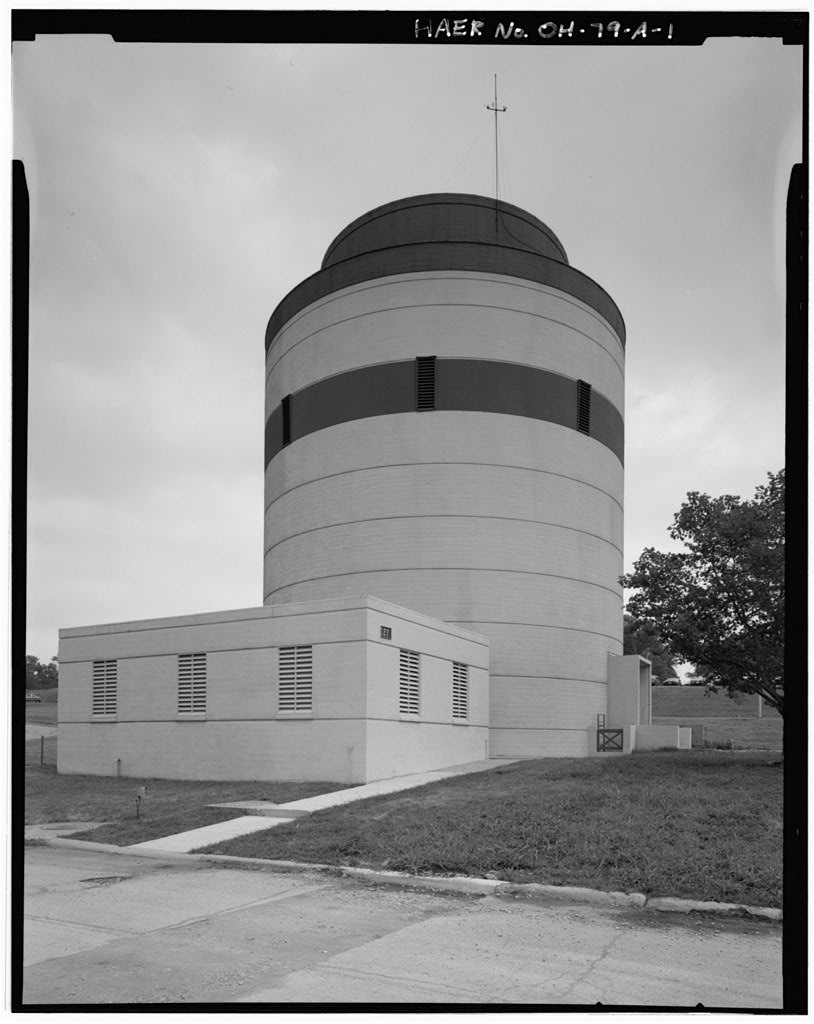
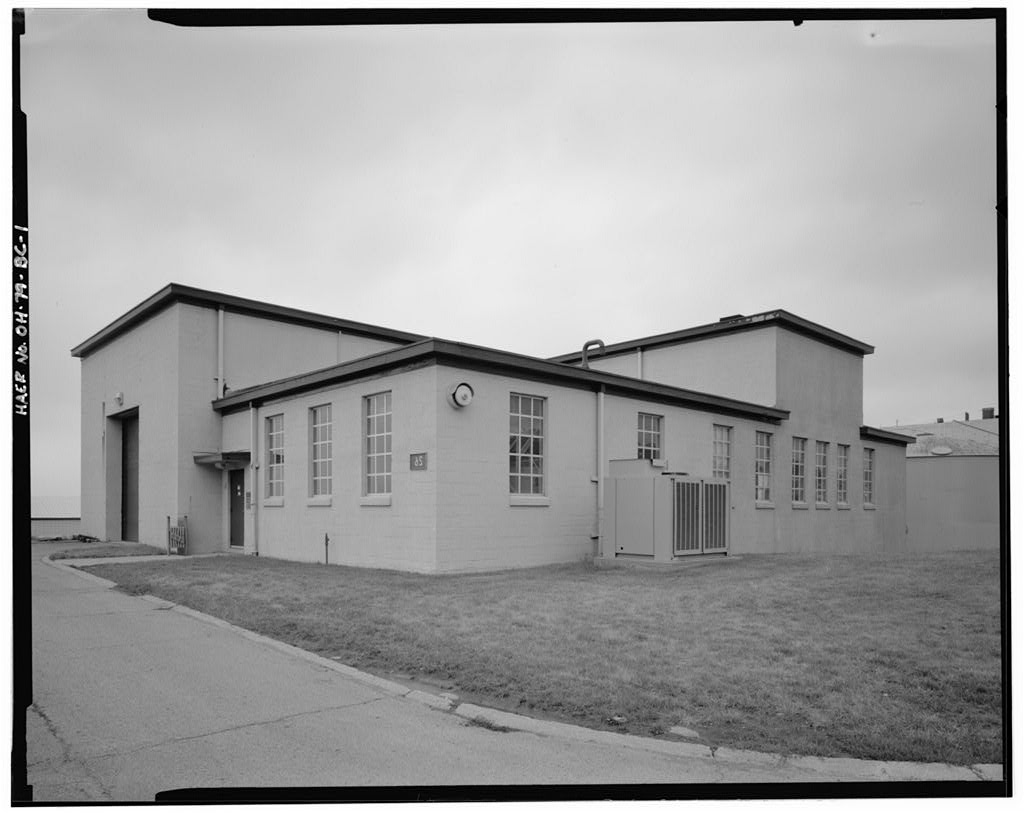
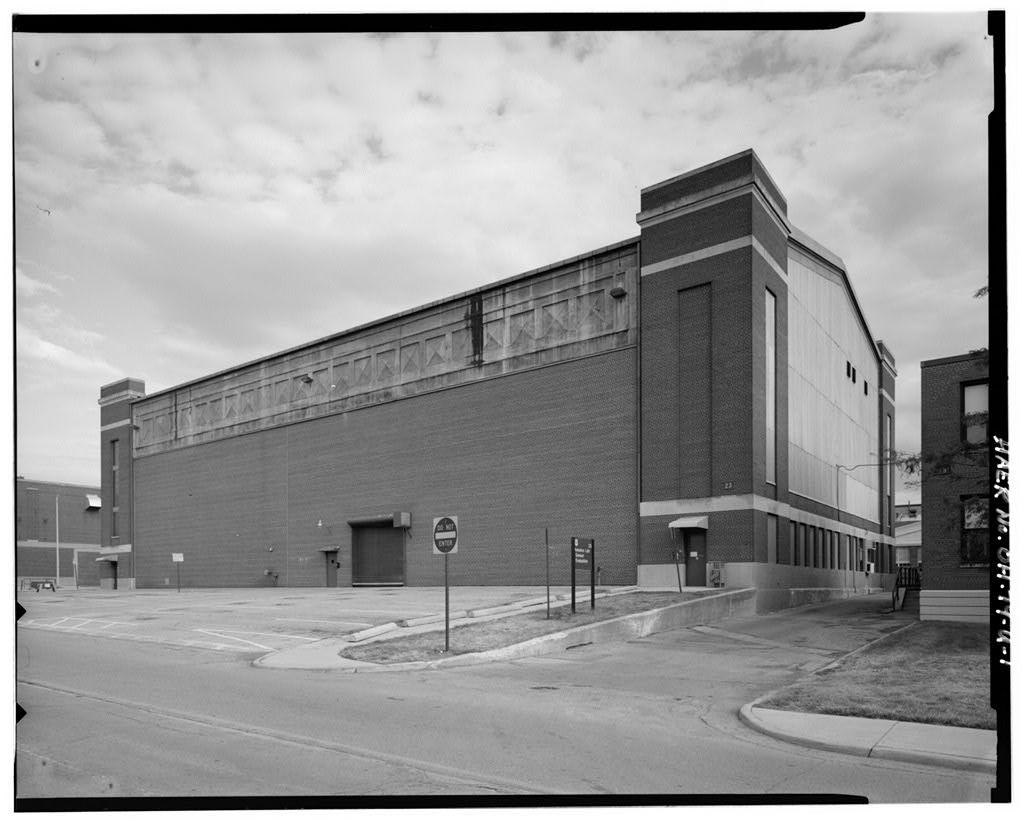
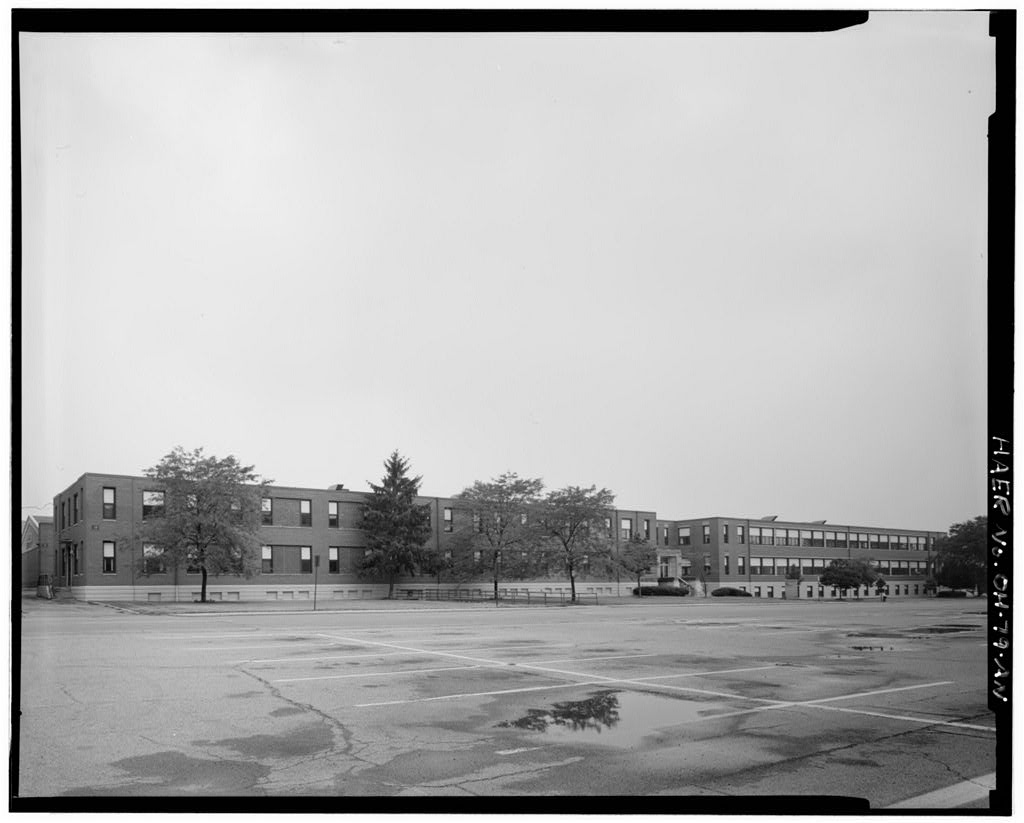
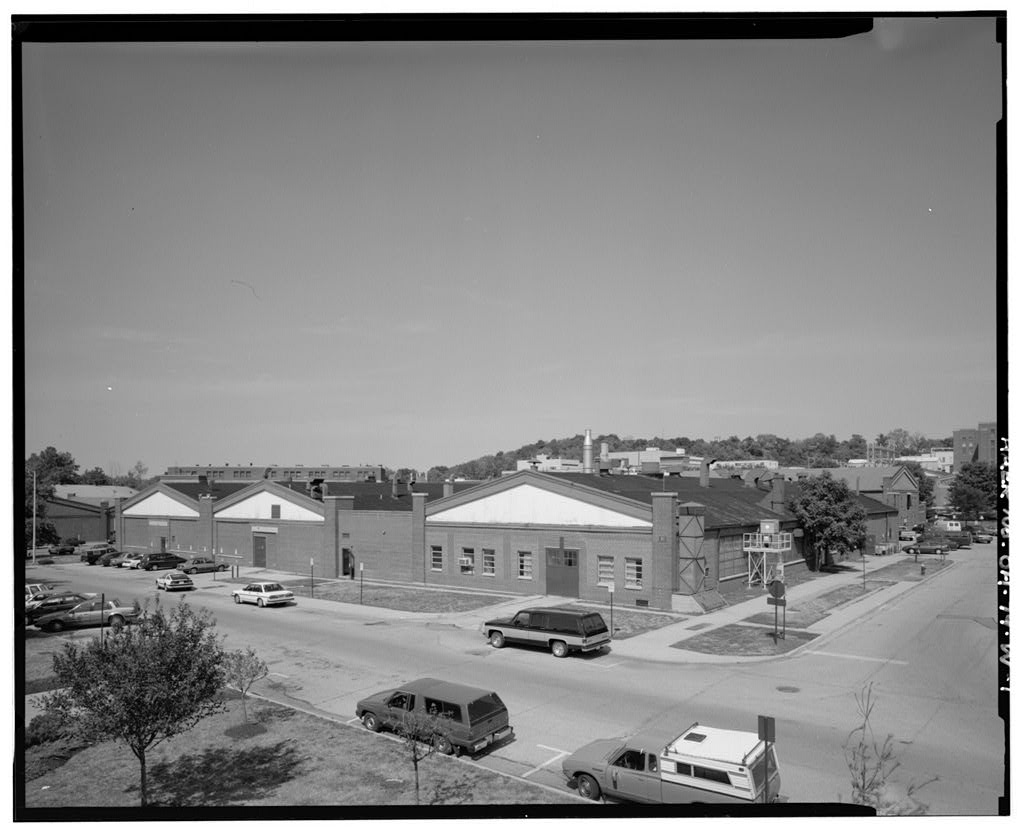
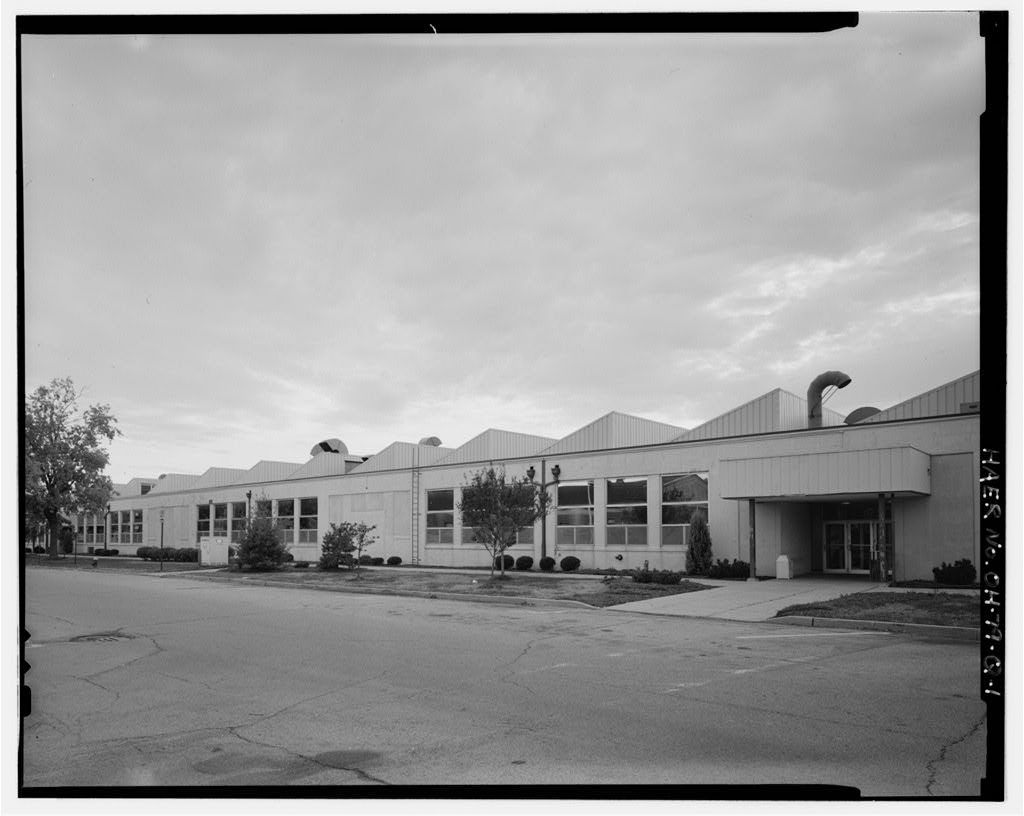
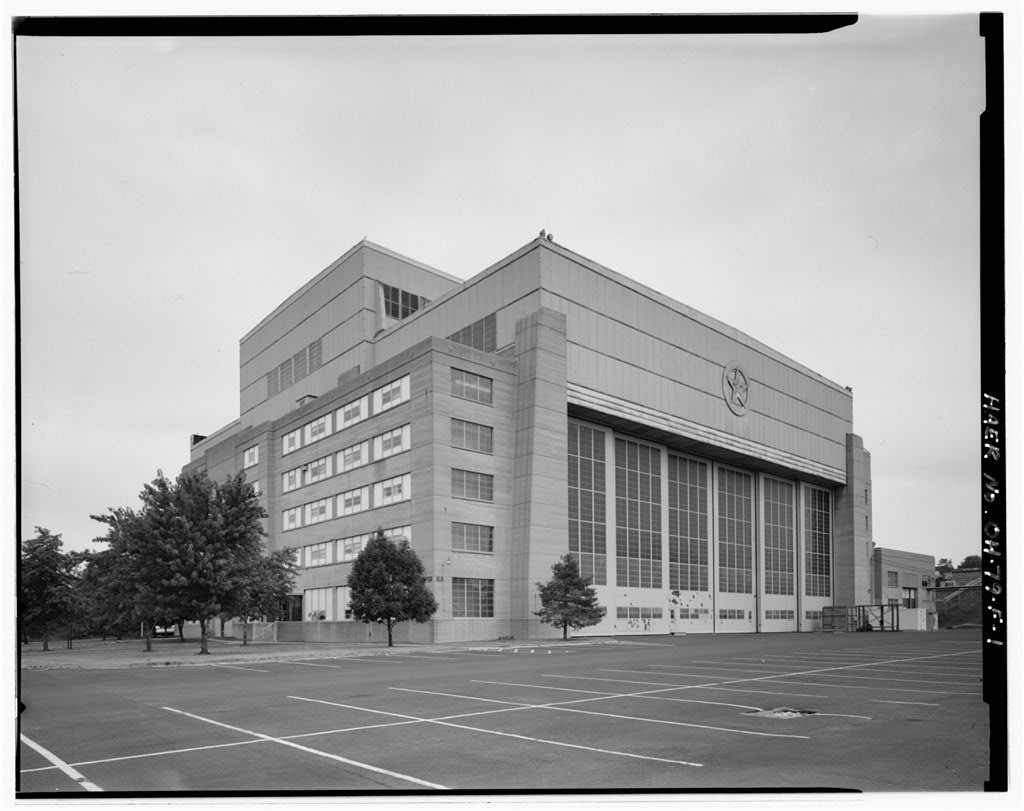
Building 28 is an E-shaped, two-story, concrete building with brick facade. It was a planned departure from the architectural style of earlier Wright Field laboratories, retaining the American bond brick pattern in its three-story exterior, but eliminating the copper entablature, gables, and corner towers. Instead, it has a flat roof above a grooved cement frieze, aluminum window frames, and glass blocks in square arrays between the windows. The top section of the brick wall also has grooves to heighten the Art Moderne impress ion. Both maj or additions, the northwest wing (added shortly after the original construction) and the northeast wing (added in maintain the original style, but are more understated than the facade.
A small penthouse was erected in and removed in HISTORY: Building 28 was constructed in to replace the radio laboratory in Building 17, and in consequence was initially known as the New Aircraft Radio Laboratory. The research performed in Building 28 involved both radio communication and radio navigation. Some of the first equipment installed tested radio components in simulated environmental extremes of altitude, humidity, and temperature, as well as in conditions of vibration, noise, acceleration, shock, salt spray, and fungal infestation. Later, engineers also investigated methods of interference elimination and tested new generations of aircraft radio transmitters and receivers.
Because the laboratory was built into the side of a hill, it possessed a west elevation high enough to conduct tests with aircraft in flight. This was useful in tests of IFF (Identification, Friend or Foe) equipment, including the Mark X SIF (Selective Identification Feature) Interrogator. By the late laboratories were gradually moving to other locations on base and being replaced by offices. After upgrading the interior in and the LANTIRN SPO (Low-Altitude Navigation and Targeting Infra-Red Night System Program Office) moved in. Consisting of two pods slung underneath an aircraft, LANTIRN systems use infrared radar to track both terrain and targets. This technology allows pilots to fly safely and fight effectively at night and in bad weather.
System Program Offices for both the U-2 and surveillance aircraft were also located in Building 28 until those aircraft were phased out. While the LANTIRN SPO has also moved, Building 28 continues its heritage of electronics excellence by hosting the Air Force Electronic Combat Office, the Electronic Combat and Reconnaissance SPO, the Special Operations Forces SPO, and the EF111A Tactical Electronic Jamming Aircraft SPO. WRIGHT-PATTERSON AIR FORCE BASE, AREA B, BUILDING 28, AIRCRAFT RADIO LABORATORY * HAER No. 0H-79-AC (Page 3) For bibliography, see Wright-Patterson Air Force Base overview report (HAER No. OH-79).
 Block
Block